

In the vast depths of our oceans, evolution has crafted countless defense mechanisms to help creatures survive. From poisonous spines to camouflage abilities, marine animals have developed remarkable adaptations. However, one fish stands out for its truly electrifying defense system. The electric eel, despite its name actually being a knifefish rather than a true eel, possesses the most powerful bioelectric defense mechanism known in the animal kingdom. These remarkable creatures can generate electric shocks of up to 860 volts—five times the voltage of a standard wall outlet in your home. This stunning ability not only protects them from predators but also helps them hunt and navigate murky waters.
Found primarily in the Amazon and Orinoco river basins of South America, electric eels have fascinated scientists for centuries. Their ability to produce such powerful electric currents without harming themselves represents one of nature’s most sophisticated biological adaptations. In this article, we’ll explore the fascinating biology behind these living batteries, how they generate their powerful shocks, and the evolutionary journey that created this most shocking defense in the ocean.
The Electric Eel: Not Actually an Eel

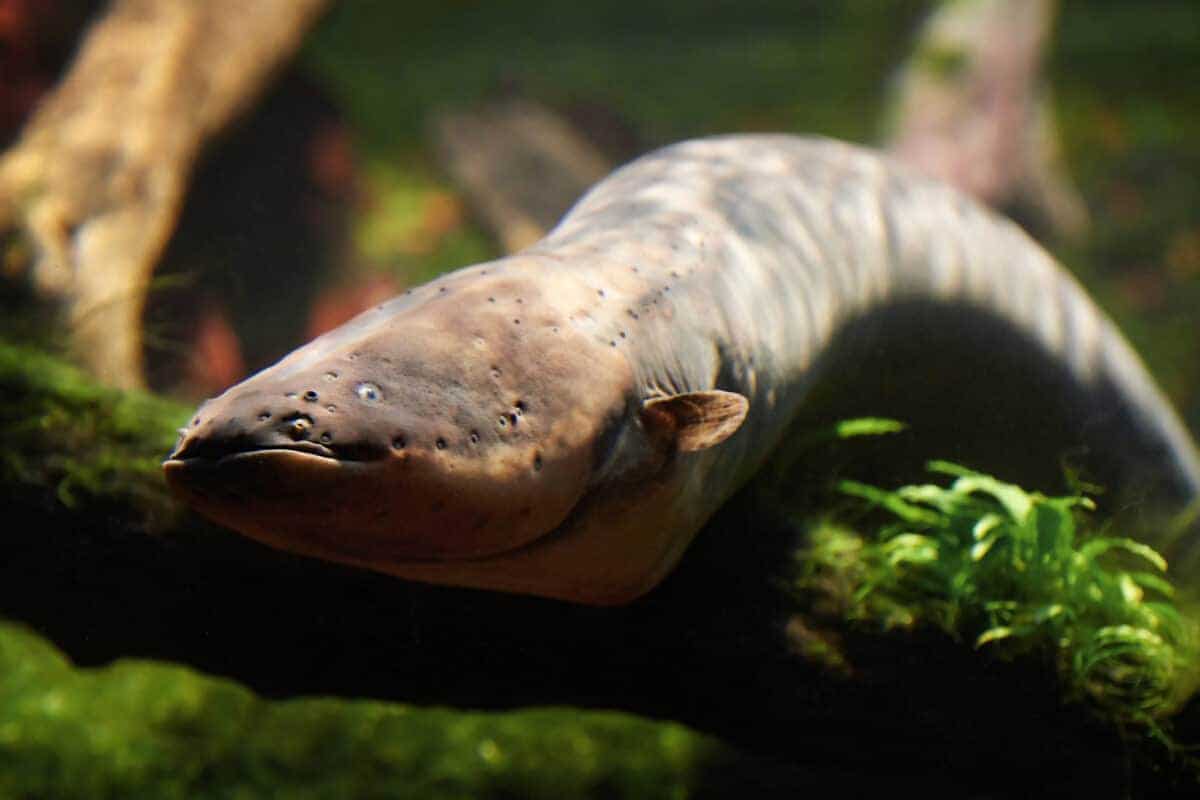
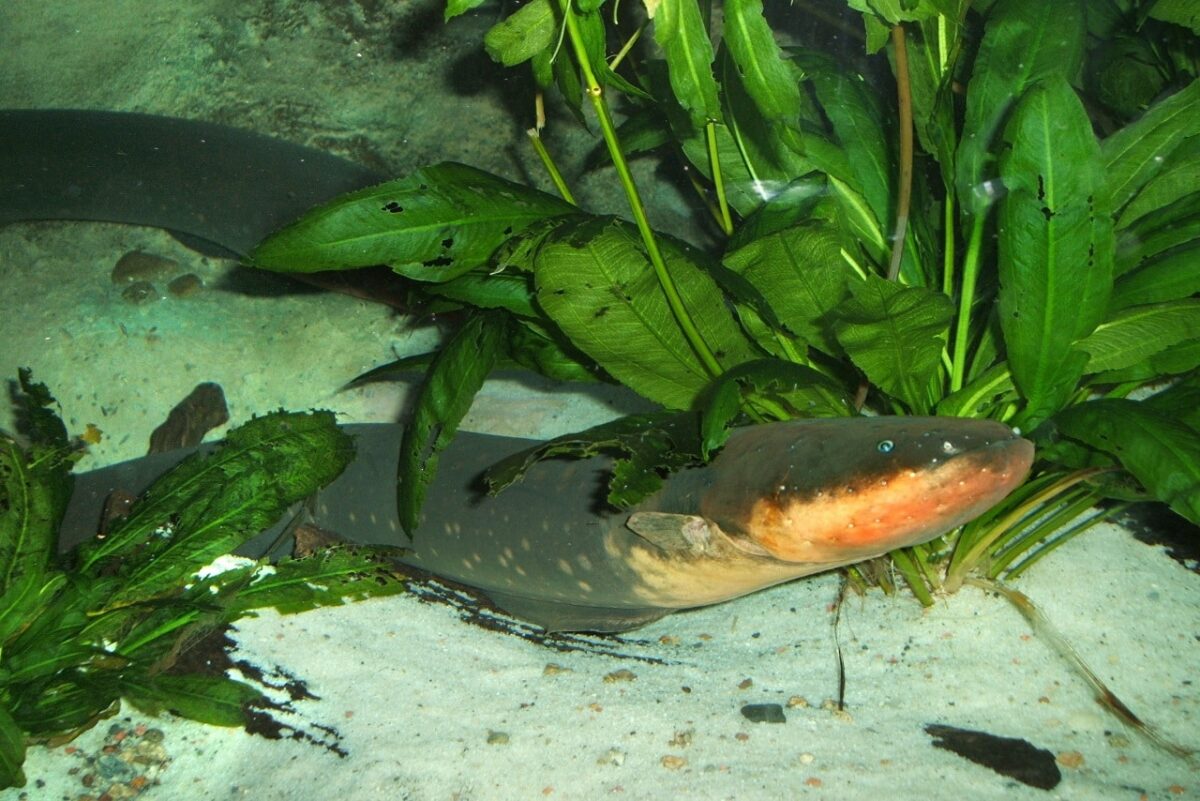
Despite its common name, the electric eel (Electrophorus electricus) is not a true eel at all. It belongs to the order Gymnotiformes and is more closely related to catfish and carp than to actual eels. This classification confusion stems from its eel-like appearance—a long, cylindrical body that can grow up to 8 feet (2.5 meters) in length and weigh as much as 44 pounds (20 kilograms). The electric eel’s body is dark gray-brown on top with a yellowish or orange underside, and unlike true eels, it has a flattened head with a large, toothy mouth.
Scientific reclassification in 2019 revealed that what was once thought to be a single species is actually three distinct species: Electrophorus electricus, Electrophorus voltai, and Electrophorus varii. Of these, E. voltai produces the strongest electric discharge ever recorded in an animal, capable of generating up to 860 volts. This taxonomic revelation demonstrates how much we still have to learn about these remarkable creatures, despite centuries of scientific observation and study.
The Biological Battery: How Electric Eels Generate Voltage

The electric eel’s shocking ability comes from specialized cells called electrocytes, which make up roughly 80% of the fish’s body. These cells are organized into three main electric organs: the main organ, Hunter’s organ, and Sachs’ organ. Together, these organs contain thousands of electrocytes stacked in series like batteries in a flashlight. When the electric eel decides to deliver a shock, its brain sends a signal that causes all these electrocytes to activate simultaneously, creating a significant voltage potential across its body.
Each electrocyte only produces a small voltage, about 0.15 volts. However, with approximately 6,000 electrocytes arranged in series within these electric organs, the cumulative effect creates the powerful discharge we associate with electric eels. What’s particularly remarkable is that these fish can modulate their electric output based on the situation—using low-voltage pulses for navigation and object detection, and high-voltage discharges for hunting or defense. This sophisticated control system makes the electric eel’s bioelectric capability far more advanced than any human-made battery of comparable size.
Shocking Hunting Techniques

Electric eels employ their shocking abilities not just for defense but as a sophisticated hunting strategy. When hunting, these predators use two types of electric discharges: low-voltage pulses for detecting prey and high-voltage shocks for immobilizing it. The low-voltage pulses, typically around 10 volts, function like a biological radar system. As these pulses move through the water, they create electric fields that are disturbed by nearby objects. The eel can detect these disturbances through specialized sensory receptors, allowing it to locate prey in murky waters where visibility is poor.
Once prey is detected, the electric eel employs its high-voltage attack, releasing a series of powerful shocks that cause involuntary muscle contractions in nearby fish, effectively paralyzing them. Recent research has discovered that electric eels have evolved even more sophisticated hunting tactics. Scientists have observed them herding small fish into tight groups before delivering a concentrated electric attack, maximizing hunting efficiency. They can also use a “doublet” attack—two rapid-fire high-voltage discharges that cause their prey’s muscles to contract so violently that the fish jump out of the water and directly into the eel’s waiting mouth.
Defense Against Predators: The Ultimate Deterrent
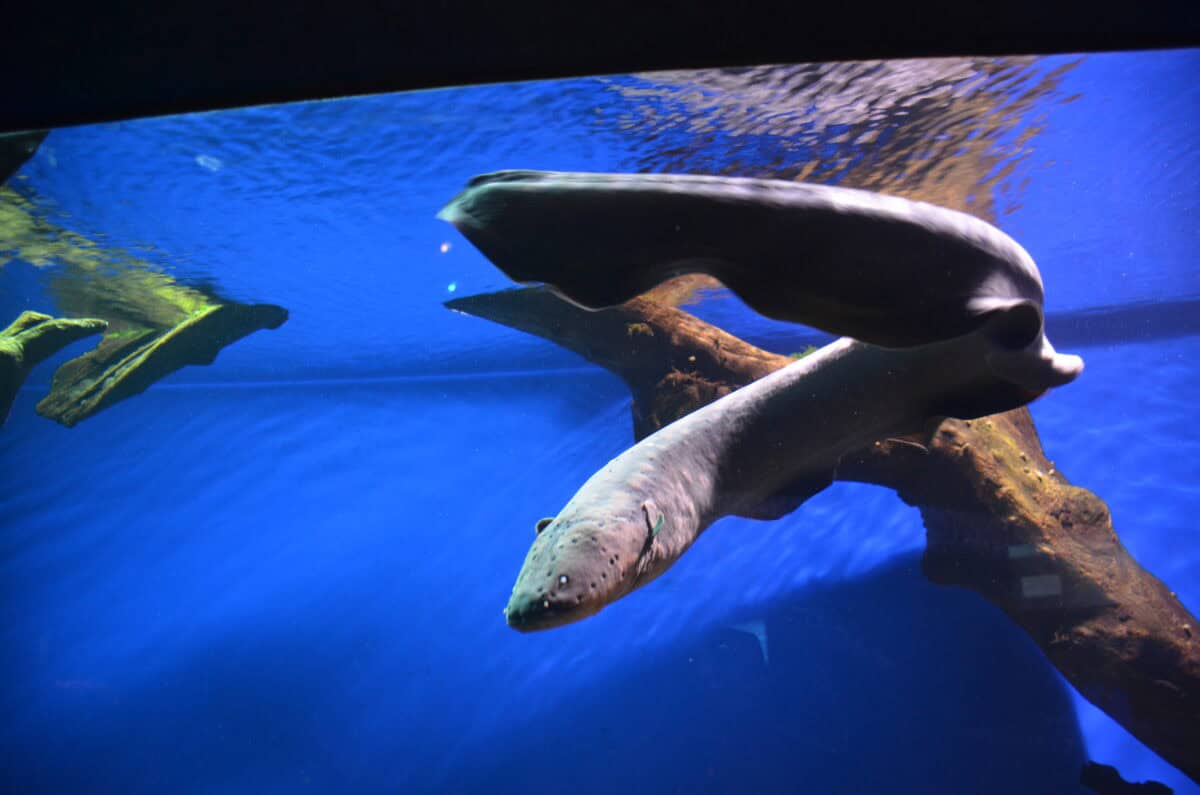
The electric eel’s shocking capability serves as perhaps the most effective deterrent against predators in freshwater environments. When threatened, these fish can deliver repeated high-voltage discharges that cause intense pain and muscle contractions in would-be attackers. Even large predators like caimans, anacondas, and humans quickly learn to avoid these living electrical generators after a single encounter. The effectiveness of this defense mechanism cannot be overstated—few predators return for a second attempt after experiencing the full force of an electric eel’s discharge.
In particularly threatening situations, electric eels exhibit a remarkable defensive behavior known as the “leaping attack.” When faced with a large potential predator that’s partially out of water, the eel will actually propel itself partially out of the water, pressing its chin against the threat while discharging electricity. This behavior, documented by researcher Kenneth Catania in 2016, allows the eel to deliver its shock directly to the threat rather than having it dissipate through the water. This targeted attack can deliver the full voltage potential directly to a predator’s body, making it one of the most sophisticated defensive behaviors observed in fish.
Evolutionary Marvel: The Development of Bioelectricity

The electric eel’s shocking capabilities didn’t develop overnight but evolved over millions of years through a process of natural selection. The earliest ancestors of electric eels likely possessed weak electric organs used primarily for communication and navigation rather than hunting or defense. These modest beginnings provided an evolutionary advantage, allowing these fish to detect objects in murky waters where vision was limited. Over time, natural selection favored individuals with stronger electric capabilities, gradually leading to the powerful electric organs we see today.
What makes this evolutionary development particularly fascinating is that similar electric capabilities have evolved independently in different fish lineages around the world. Electric rays, electric catfish, and torpedo fish all developed bioelectric organs through convergent evolution—the process by which unrelated species develop similar traits in response to similar environmental pressures. However, none of these other electric fish come close to matching the voltage that electric eels can produce, making them truly unique in the animal kingdom. This convergent evolution of electric organs across different fish lineages underscores how valuable this adaptation is for survival in aquatic environments.
Living with Electricity: How Electric Eels Avoid Shocking Themselves
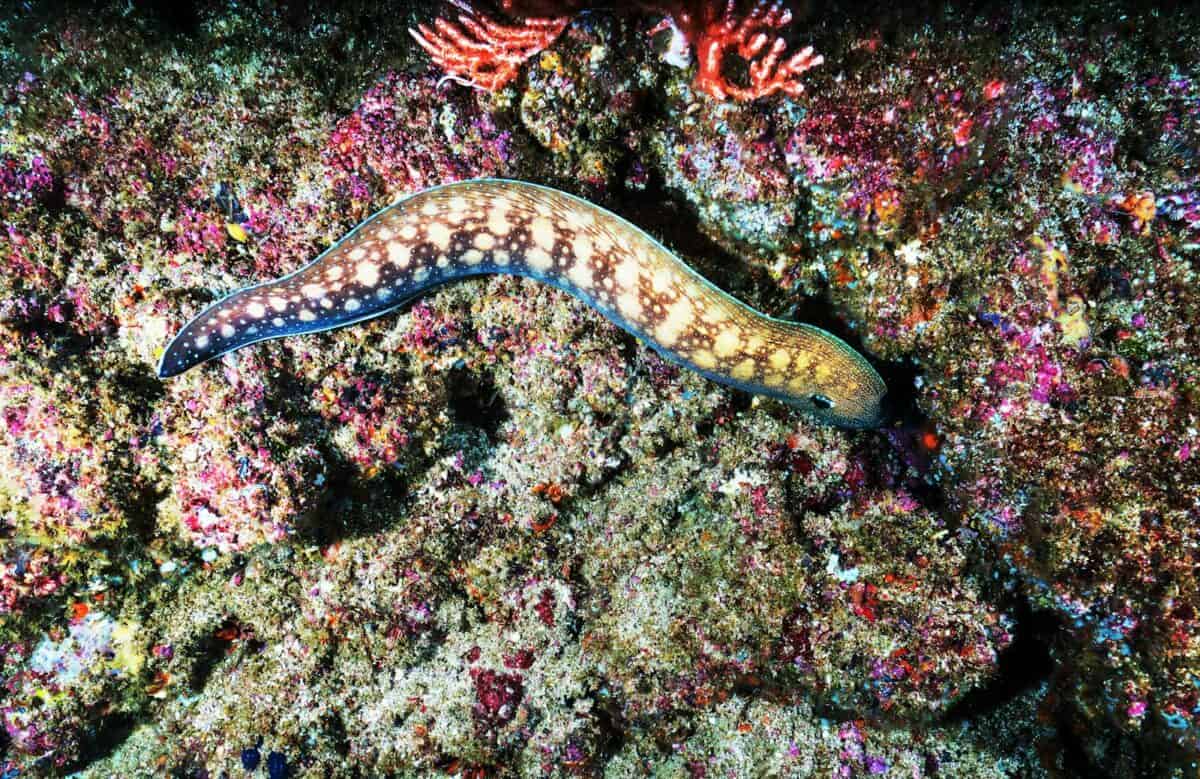
One of the most intriguing aspects of electric eels is how they avoid electrocuting themselves when generating powerful shocks. The answer lies in both their anatomy and physiology. Electric eels have evolved specialized insulation around their vital organs, particularly the heart and brain. Their internal organs are surrounded by fatty tissues that act as electrical insulators, preventing the current from damaging these essential systems. Additionally, the direction of current flow in electric eels runs from head to tail, minimizing the impact on their central nervous system.
At the cellular level, electric eels possess specialized ion channels and cell membranes that are resistant to the effects of their own electrical discharges. Their nervous system operates at a different electrical frequency than their shocking mechanism, allowing normal neural function to continue even during powerful discharges. Perhaps most impressively, the electric eel’s own muscles are relatively immune to the paralyzing effects of the electricity they generate, allowing them to continue swimming and hunting effectively even while producing powerful shocks. This comprehensive set of adaptations represents one of the most complete examples of co-evolved biological systems in the animal kingdom.
Habitat and Lifestyle: Where These Living Batteries Thrive

Electric eels inhabit the freshwater environments of the Amazon and Orinoco river basins in South America. They prefer slow-moving waters such as floodplains, swamps, and creeks with muddy bottoms where they can easily hide and ambush prey. These environments are often oxygen-poor, which explains another unique adaptation of electric eels: they are obligate air-breathers, meaning they must surface regularly to gulp air. Their modified mouth lining absorbs oxygen directly from the air, supplementing what little they can extract from the water through their gills.
Electric eels are primarily nocturnal predators, becoming most active during the evening and night hours when their electrical sensing abilities give them a significant advantage over visually-oriented predators and prey. They are solitary creatures for most of their lives, only coming together during the breeding season. During dry seasons, they may create mucus-lined burrows in the mud to prevent dehydration when water levels drop. Their lifespan in the wild typically ranges from 15 to 20 years, during which time they play an important role as apex predators in their ecosystem, helping to maintain the balance of fish populations in the waters they inhabit.
Scientific Significance: Inspiring Medical and Technological Innovations
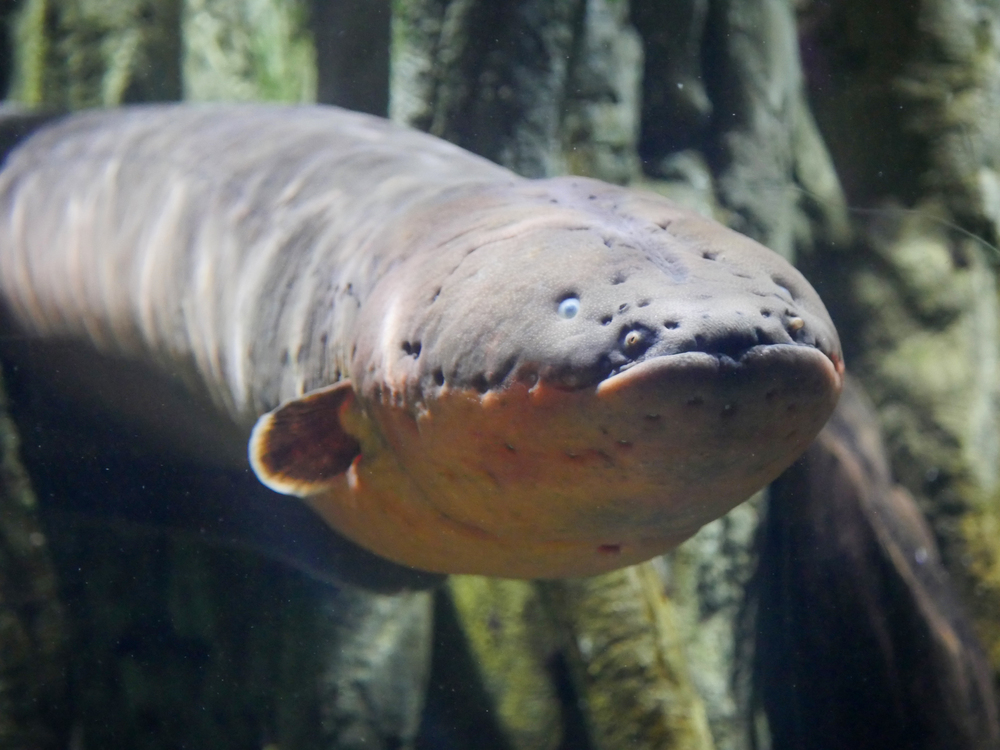
The electric eel’s remarkable bioelectric capabilities have inspired numerous scientific breakthroughs and continue to influence cutting-edge research in multiple fields. Medical researchers study electric eels to better understand how electricity interacts with biological systems, leading to improvements in cardiac pacemakers, nerve stimulation therapies, and pain management technologies. The genes responsible for the development and function of electrocytes are providing insights into human muscular diseases and potential treatments for conditions affecting ion channels in human cells.
In the realm of technology, electric eels have inspired the development of soft power sources for next-generation devices. In 2017, researchers created an artificial electric organ inspired by the electric eel that could generate electricity using water and salt. This technology holds promise for powering medical implants, wearable devices, and soft robotics. Additionally, scientists at the University of Fribourg in Switzerland have developed eel-inspired batteries that could potentially power devices inside the human body without toxic chemicals. The unique way electric eels generate and control electricity continues to offer valuable lessons for human innovation, demonstrating how nature’s solutions can inform our technological challenges.
Human Interactions: From Ancient Remedies to Modern Research

Throughout history, indigenous peoples of South America have both feared and utilized electric eels in various ways. Some Amazonian tribes historically used electric eel shocks as a treatment for arthritis and other painful conditions, believing the electricity could drive away illness. Others incorporated the powerful fish into their mythology and traditional medicine. Early European explorers and naturalists were fascinated by these shocking creatures, with Alexander von Humboldt documenting experiments with electric eels in the early 19th century, including the now-famous account of locals using horses to tire out electric eels before capturing them—a risky practice that resulted in some horses drowning from the paralyzing shocks.
In modern times, electric eels are occasionally kept in specialized aquariums for research and educational purposes, though their size, specialized care requirements, and dangerous nature make them unsuitable for typical home aquariums. Researchers studying these animals must take special precautions, including using insulated equipment and maintaining proper handling protocols to avoid potentially dangerous shocks. While not typically targeted for commercial fishing, electric eels face threats from habitat destruction, particularly the damming of rivers and deforestation in the Amazon basin, which affects water quality and disrupts their breeding grounds. Conservation efforts focus on preserving the complex aquatic ecosystems these remarkable creatures call home.
Misconceptions About Electric Eels
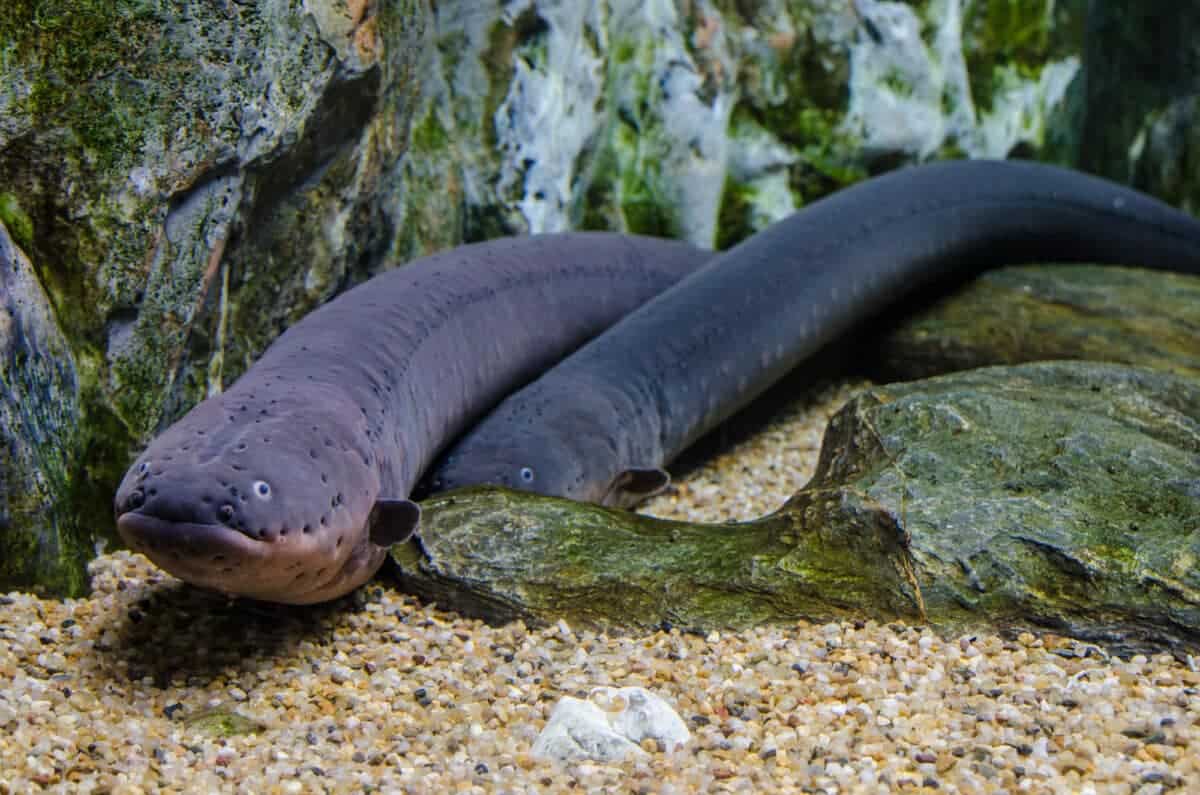
Despite their fame, electric eels are surrounded by numerous misconceptions. One common myth is that they can completely discharge their electrical capabilities, leaving them defenseless until they “recharge.” In reality, electric eels can produce new electrical charges almost immediately, as their electrocytes continuously maintain ion gradients that allow for repeated discharges. Another misconception is that electric eels are aggressive creatures that actively seek to shock humans. In truth, they are generally shy and prefer to avoid confrontation, using their electrical abilities primarily for hunting and as a defensive measure when threatened.
Many people also believe that electric eels can electrocute and kill humans with ease. While their shocks are painful and potentially dangerous, especially to individuals with heart conditions, fatal incidents are extremely rare. Most human encounters result in painful shocks rather than life-threatening injuries. The electricity dissipates quickly in water, losing power with distance. Another widespread misconception is that electric eels glow or spark visibly when discharging electricity. In reality, their electrical discharges are invisible—there are no dramatic light shows when an electric eel delivers a shock, despite how they’re often portrayed in popular media.
Comparing Electric Eels to Other Bioelectric Animals
While electric eels produce the most powerful electrical discharge of any animal, they are far from the only creatures with bioelectric capabilities. Electric rays (family Torpedinidae) can produce shocks of up to 220 volts, making them the second most powerful electric fish. Found in coastal waters worldwide, these flat, disk-shaped fish use their electricity primarily for defense and hunting. Electric catfish (family Malapteruridae), native to Africa, can generate up to 350 volts and use a different anatomical arrangement of electric organs than electric eels, demonstrating convergent evolution of this trait.
Beyond fish, other animals utilize bioelectricity in fascinating ways. Platypuses use electroreception to detect prey by sensing the electric fields produced by muscle contractions of small aquatic animals. Sharks and rays possess specialized organs called ampullae of Lorenzini that can detect extremely weak electric fields, helping them locate prey buried in sand. Bees generate static electric charges that help pollen adhere to their bodies during foraging. Even humans produce bioelectricity, though on a much smaller scale—our nervous system functions through electrical impulses, and our hearts beat through coordinated electrical signals. However, the electric eel’s ability to generate external high-voltage discharges remains unmatched in the animal kingdom, cementing its status as nature’s most powerful living battery.
Conclusion: Nature’s Most Impressive Electrical Wonder
The electric eel stands as one of nature’s most extraordinary evolutionary achievements, representing the pinnacle of bioelectric defense mechanisms in the animal kingdom. Its ability to generate up to 860 volts of electricity through specialized organs comprising thousands of carefully arranged electrocytes demonstrates the remarkable potential of natural selection to develop complex biological systems. From its sophisticated hunting techniques to its virtually impenetrable defense strategy, the electric eel has optimized its unique capabilities through millions of years of evolution.
Beyond their biological significance, electric eels continue to inspire scientific and technological innovation across multiple disciplines. Their unique adaptations offer valuable insights into everything from medical treatments to battery design, proving that nature’s solutions often outpace human ingenuity. As we continue to study these remarkable creatures, we gain not only a deeper understanding of evolutionary biology but also potential solutions to human challenges.
Despite living in remote freshwater habitats of South America, electric eels have captured human imagination worldwide, becoming iconic symbols of nature’s power and ingenuity. As we face increasing environmental challenges in the 21st century, protecting the complex ecosystems that support these living batteries becomes ever more important. The electric eel reminds us that the most astonishing innovations often come not from laboratories but from the elegant solutions developed through natural selection over countless generations in Earth’s diverse environments.
In a world increasingly dominated by human technology, the electric eel stands as a humbling reminder that our most advanced inventions often pale in comparison to what nature has already perfected. With its unmatched bioelectric capabilities, the electric eel truly possesses the most shocking defense in the ocean—or more accurately, in the rivers and freshwater systems it calls home.

- What Happens If a Whale Dies in the Ocean? - July 21, 2026
- Why You Should Stop Feeding Ducks at the Park - July 21, 2026
- The Secret Language of Dolphins Decoded by Researchers - July 20, 2026