


On July 17–18, 2025, marine researchers captured satellite data revealing a colossal great white shark—affectionately named “Contender”—lurking about 50 miles east of Nantucket, Massachusetts. Measuring nearly 14 feet long and weighing approximately 1,600 lb, this male apex predator represents the largest great white ever tagged by OCEARCH in the Western Atlantic. Its unexpected appearance near a major summer beach destination has both roused awe and stirred concern among ocean enthusiasts and coastal communities
Contender’s Journey: From Georgia to New England Waters

This journey began on January 17, 2025, when marine research non-profit OCEARCH tagged Contender roughly 45 miles off the Georgia–Florida border. Since then, the shark has traversed over 1,000 miles, moving northward through Florida, past Cape Hatteras in North Carolina, and ultimately reaching the cool, prey-rich waters around Massachusetts
With more than 40 satellite pings to its name, Contender’s touring route offers invaluable real-time insights into great white migratory patterns.
Why Contender’s Size Matters to Science
At roughly 13 ft 9 in and 1,653 lbs, Contender is the largest male great white tagged in the Atlantic—earning an “ultimate ocean warrior” title from OCEARCH
Scientists estimate he is about 32 years old, based on size and growth data, placing him well within the species’ typical 30–40-year lifespan
His SPOT tag will relay migration data for up to five years, enhancing our understanding of great white movement, behavior, and how they interact with coastal human activity
The Ecology of Great Whites: Why They Matter
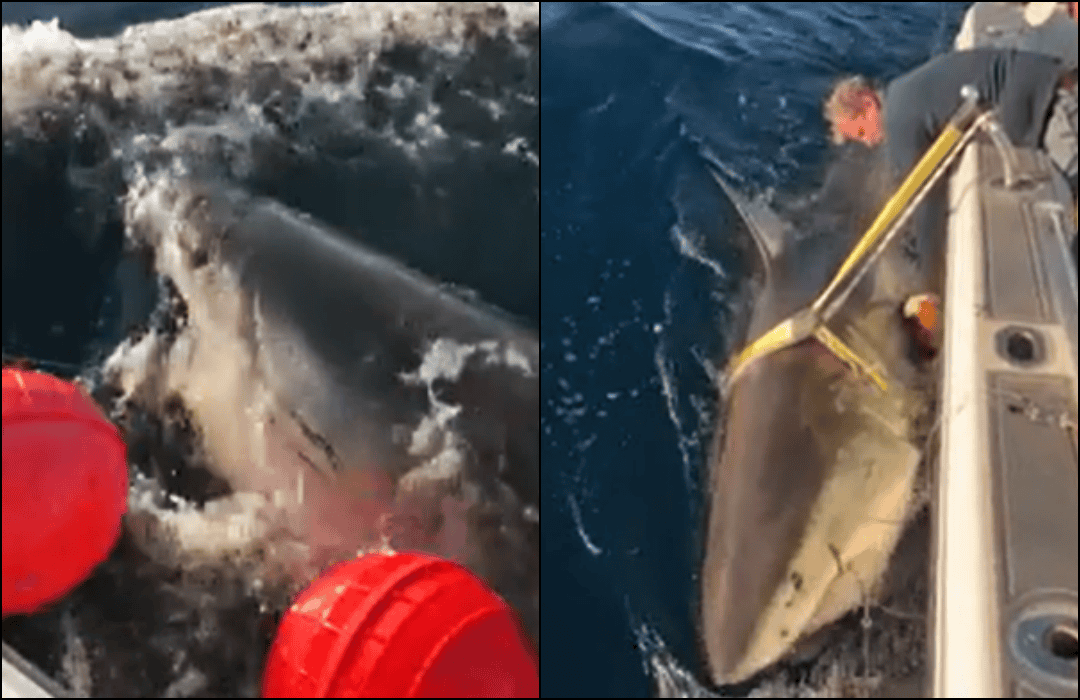
Great whites are keystone predators—playing a central role in ocean ecosystems. By preying on seals, fish, and other marine creatures, they help balance marine populations, prevent overgrazing by herbivores, and support healthy biodiversity. Their presence also creates a trophic cascade: for instance, controlling seal numbers can reduce competition, benefiting fish stocks and even seabird colonies
Furthermore, tracking immense individuals like Contender helps scientists gauge the species’ recovery post-historical overfishing. In New England, flourishing seal populations since marine protections in the 1970s have encouraged more great white visits—a trend that both fascinates researchers and prompts coastal caution
Community Response and Coastal Safety Measures
Local authorities and beachgoers are responding with a mix of wonder and wariness. The ping’s occurrence near popular summer swimming areas on Nantucket and Cape Cod has prompted temporary advisories and heightened vigilance among lifeguards and beach patrols
Meanwhile, OCEARCH continues to share Contender’s tracking updates through its online portal, providing transparent, near real-time data aimed at reducing sharp, sudden encounters between humans and sharks
Experts emphasize that these appearances are a natural part of great white behavior—migratory, curiosity driven, and rarely aggressive toward humans—but they also advocate for sensible caution.
Awe, Apprehension, and Public Engagement

Contender’s monumental size and migration into New England waters offer a thrilling window into the life of one of the ocean’s most illustrious apex predators. His journey enriches scientific knowledge and invites communities to reflect on coexistence with nature’s giants. But do we, as coastal residents and beachgoers, truly balance admiration for these creatures with respect for their power? As Contender continues his northward voyages, the question beckons: Are we prepared to embrace living alongside these ocean titans while ensuring safety and conservation go hand in hand? We’d love to hear your thoughts
