


Picture this: you’re sitting on your porch with your morning coffee when suddenly a flash of emerald and ruby catches your eye. It hovers impossibly in mid-air, wings beating so fast they’re just a blur, then darts away like a tiny feathered rocket. That magical moment? It’s what keeps gardeners across the country obsessed with creating the perfect hummingbird haven. These miniature marvels don’t just visit any old backyard – they’re actually pretty picky customers with specific needs and preferences that, once met, will keep them coming back season after season.
#25 Choose the Right Red Flowers That Actually Work
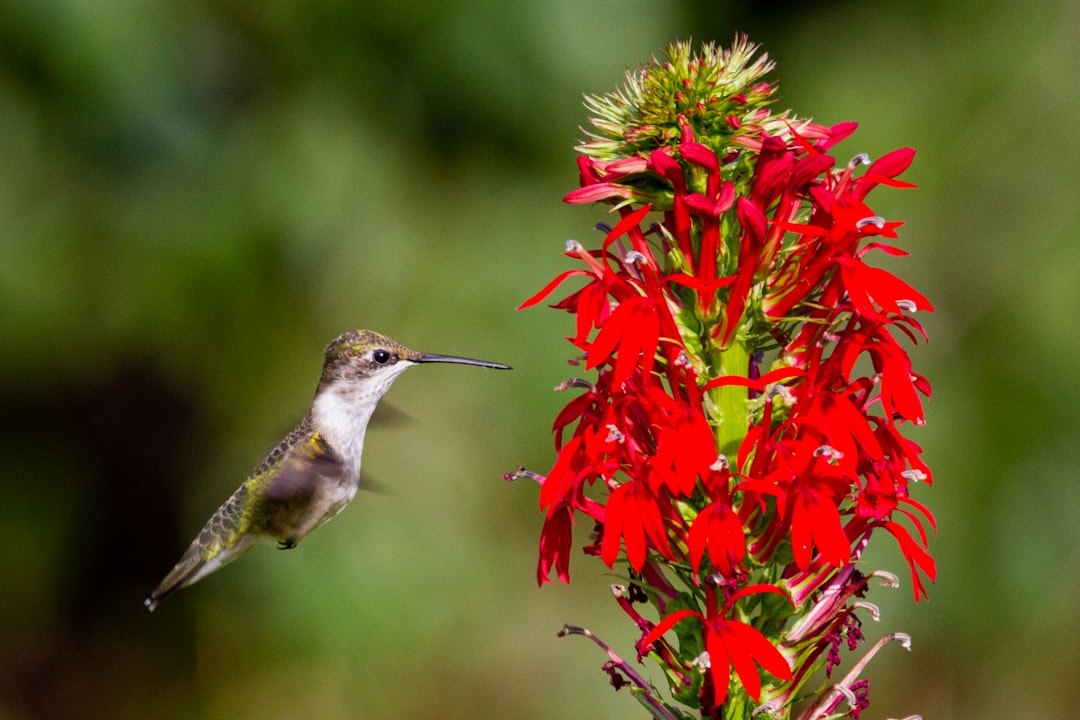
Hummingbirds are naturally drawn to red tubular flowers that they can dip their long beaks into, and they’re particularly fond of red and are often observed investigating anything red in their environment. While red is their favorite, don’t limit yourself to just crimson blooms.
Hummingbirds seem to prefer bright red or orange colored flowers, but also are attracted to blue, purple and white colored flowers. Think of it like decorating a restaurant – you want a menu that appeals to different tastes while keeping the main attractions front and center. Cardinal flowers are a gorgeous red, which just happens to be a hummingbird’s favorite color, and their tubular flowers allow hummingbirds easy access to their abundant nectar.
#24 Plant Native Species for Maximum Impact
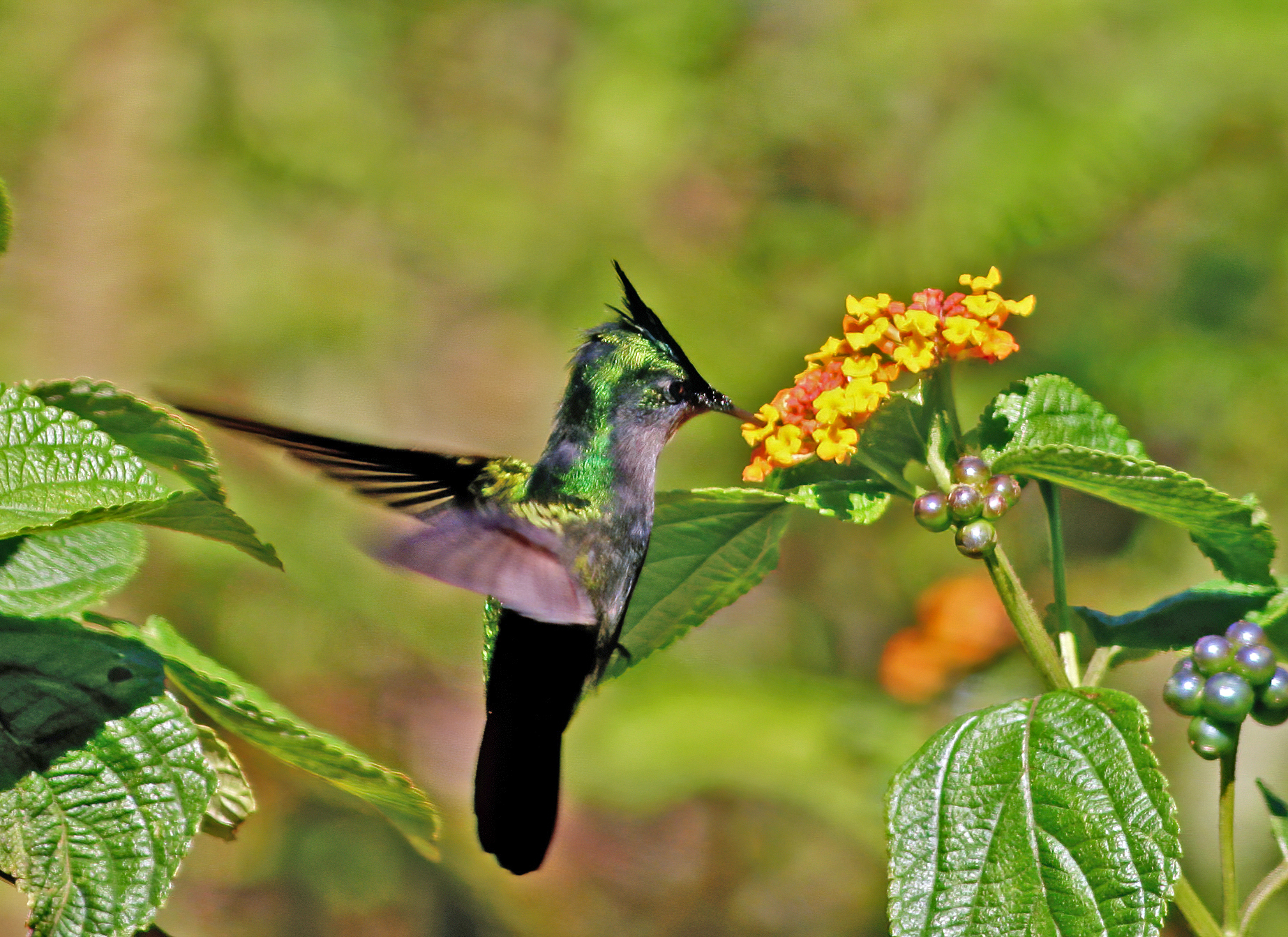
Native plants will support a greater concentration of insects and spiders available as prey for hummingbirds and other birds, than do alien ornamentals. It’s like choosing between a fast-food joint and a gourmet restaurant – native plants offer the full dining experience that hummingbirds have evolved to love.
Native plants like trumpet honeysuckle, bee balm, and hummingbird sage provide much more nectar than hybrids and exotics, and planting native red or orange tubular flowers attracts hummingbirds. Some favorite native plants to attract hummingbirds include fire bush, coral honeysuckle vine, and coral bean. These plants have co-evolved with local hummingbird species over thousands of years, creating perfect partnerships that benefit both parties.
#23 Create Continuous Blooming Seasons
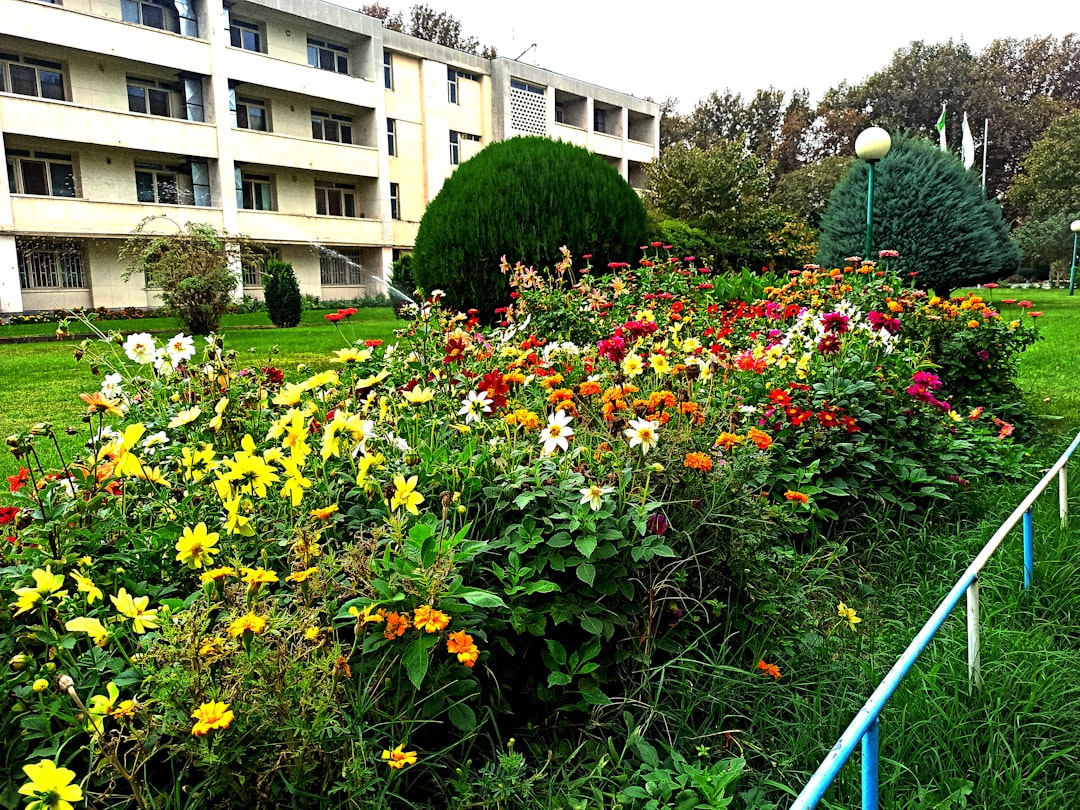
Group similar plants together and choose species with different blooming periods so that there will be a steady supply of flowers nearly year round. Think of your garden as a 24-hour diner for hummingbirds – you want something delicious available no matter when they stop by.
Plan for continuous blooming throughout the summer to keep the birds coming to your garden. Plant a variety of these species so that nectar production is consistent throughout the season. Early spring bloomers like coral bells can overlap with summer favorites like bee balm, which then transition into late-season champions like cardinal flower. It’s all about timing your garden like a perfectly choreographed dance performance.
#22 Position Feeders at the Perfect Height and Distance
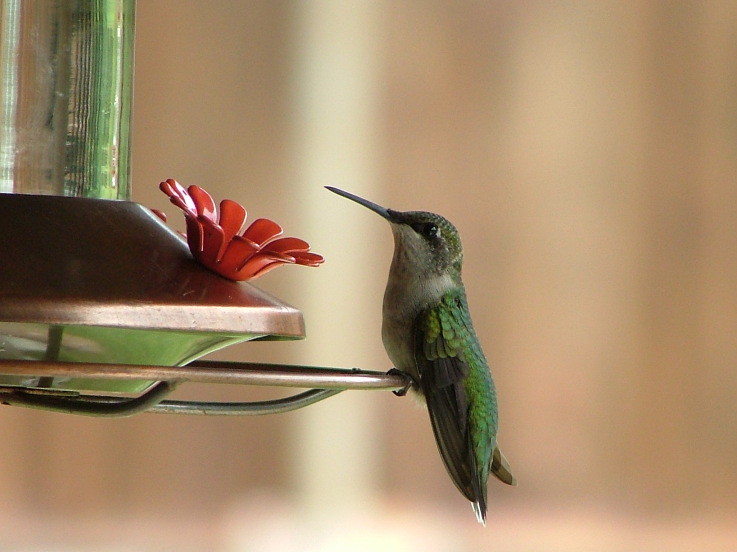
Ideally, hummingbird feeders should be hung 20 feet from any house structure and a minimum of 4 feet off the ground, as this will decrease the number of window collisions and give the hummingbirds plenty of room to safely maneuver. Think of it as creating a safe landing zone for tiny aircraft – they need clearance for their aerial acrobatics.
Hanging the feeder just 3-4 feet away from a good viewing window will give you closer, more detailed views of the birds, and they will be safer from window collisions because they can’t build up speed for a fatal collision so close to the glass. Always be sure your feeder is within 10 to 12 feet of protective cover. It’s like giving them a cozy rest stop with both room service and security.
#21 Space Multiple Feeders to Reduce Competition
Plant a variety of different flowers from this list, and space them well apart throughout your garden or yard, as hummingbirds tend to be territorial, and you’ll attract more birds – and reduce the fighting – if there are lots of places for them to feed. These little birds can be surprisingly feisty when it comes to defending their food sources.
Ideally you should place feeders out of sight from each other, and also have some a few feet apart for the males to battle over. Anna’s Hummingbirds are very territorial, and from observation, having half a dozen “one bird” feeders that are at least 10 feet apart seems to work well. Think of it like having multiple checkout lanes at a busy store – it prevents traffic jams and reduces customer frustration.
#20 Add Moving Water Features
Provide your yard with a constant source of water from a drip fountain attachment or a fine misting device, as a misting device is an especially attractive water source for hummingbirds. Hummingbirds may sit and fluff and preen or flit through the droplets generated by garden misters, drip fountain devices, and small waterfalls.
Hummingbirds like to bathe frequently – even in the pools of droplets that collect on leaves, and a misting device is an especially attractive water source for hummingbirds. It’s like installing a luxury spa in your backyard – these tiny birds absolutely love their daily bath time. Hummingbirds will enjoy a mister or a shallow fountain where they can bathe and drink.
#19 Maintain Clean Feeders Religiously
Be sure to clean hummingbird feeders every 2-3 days, or daily under particularly hot conditions, and always clean the feeder immediately if the nectar appears cloudy, regardless of how long it has been. Dirty feeders aren’t just unappetizing – they can actually make hummingbirds sick or even kill them.
Hummingbird nectar can spoil or ferment, meaning hummingbirds will try it once or twice, but then it goes bad and they may never come back, so you must change your feeder’s nectar, even if it looks like it hasn’t lost a drop, on a regular basis. Ensure your feeder is clean – if you wouldn’t drink from it, clean it. It’s basically like being a restaurant owner – cleanliness isn’t optional when you’re serving food.
#18 Use the Correct Sugar-to-Water Ratio
To make your own nectar solution, dissolve one-part white sugar in four-parts hot water, as this ratio most closely matches the nectar in flowers. Always use a ratio of 4 cups of fresh water to 1 cup of pure, granulated white sugar, as too much sugar can hurt a hummingbird’s internal organs, and too little does not provide sufficient calories.
Never use honey, which spoils easily when mixed with water, and avoid artificial sweeteners, which have no food value for birds. NEVER use artificial sweeteners or honey, as honey can actually kill hummingbirds. Think of it like following a recipe for the perfect cocktail – the proportions matter, and substitutions can ruin the whole thing.
#17 Skip the Red Dye Completely
Do not use red dye in a hummingbird feeder; there is concern that it may harm the birds. Instead, use plain, clear sugar water. Never use red nectar solutions, as color dyes can be harmful to hummingbirds. The artificial coloring is completely unnecessary – it’s like putting makeup on a supermodel.
Hummingbirds generally forage on red flowers, so choosing a feeder that has red coloring on it can help communicate to hummingbirds that it’s providing food. The feeder itself should provide the red color attraction, not the nectar inside. Premade mixes or nectar may contain preservatives and artificial colors, as manufacturers have to prevent nasty things from growing while it’s sitting on the store shelf.
#16 Provide Strategic Perching Spots
Leave some sticks and small branches on bushes and trees to enable ready perches for hummingbirds. Be sure there are perches near the feeder, because hummingbirds like to perch between sips and guard “their” feeder from intruders. If no perches are nearby, you can make a mini hummingbird swing or put some thin branches nearby for the birds to use.
If your garden does not include trees or shrubs and there are none nearby, position perches within 10 to 20 feet of the garden. Think of these perches as bar stools at their favorite restaurant – hummingbirds like to sit, survey their territory, and plan their next move. Offer the birds places to perch and observe the feeders.
#15 Choose the Right Sun and Shade Balance
To further protect your hummingbird food from going bad, you’ll want to put your feeder in a place that gets a mix of sun and shade throughout the day. If the sun is too intense, the nectar can heat up and spoil or ferment in just a few hours. It’s like finding the perfect spot for a picnic – not too hot, not too shady.
Full sun should be available for six or more hours each day during the growing season. Hanging your feeder from an existing structure like an awning, gazebo, or gutter provides shade during the hottest portion of the day but still has enough light to reflect and attract the birds. Finding this sweet spot will keep both your nectar fresh and your flowers blooming beautifully.
#14 Plant Tubular Flowers for Easy Access
The hummingbird’s long bill is best suited for sipping nectar from tubular or funnel shaped blossoms. Hummingbird flowers have three things in common: their blooms are tube-shaped, brightly colored, and they grow where it’s easy for hummingbirds to hover and sip. Think of these flowers as perfectly designed straws for tiny beaks.
Fuchsia has a bright, tubular shape that is the ideal flower type for a hummingbird’s thin beak, and these flowers produce lots of nectar, which is exactly what hummingbirds are on the hunt for throughout the season. Spikes of tubular flowers in red, orange, purple, or blue are favored by hummingbirds. It’s basically like designing the perfect drive-through window for aerial customers.
#13 Include Protein Sources for Complete Nutrition
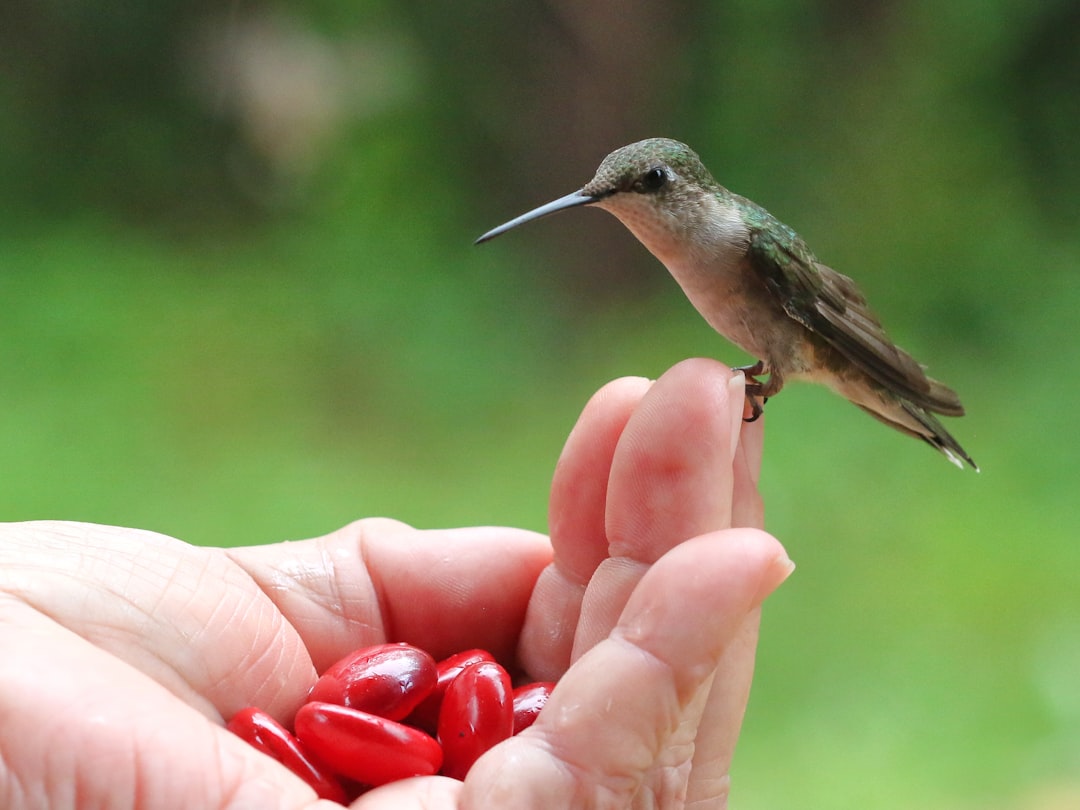
Make sure your yard contains insect-pollinated flowers as well as hummingbird-pollinated plants. Hang a basket with overripe fruit or banana peels close to a hummingbird feeder to attract tiny fruit flies. Hummingbirds must eat once every 10 to 15 minutes and visit between 1,000 and 2,000 flowers per day, but nectar isn’t their only need.
Besides nectar, hummingbirds also need protein to build body mass, especially in preparation for their long migration to Mexico and Central America. Insects are the main source. Hummingbirds also eat (and need for protein) small bugs, so hanging banana peels in areas that the birds frequent is another way to help them out with food. It’s like offering a balanced meal instead of just dessert.
#12 Avoid Pesticides Completely
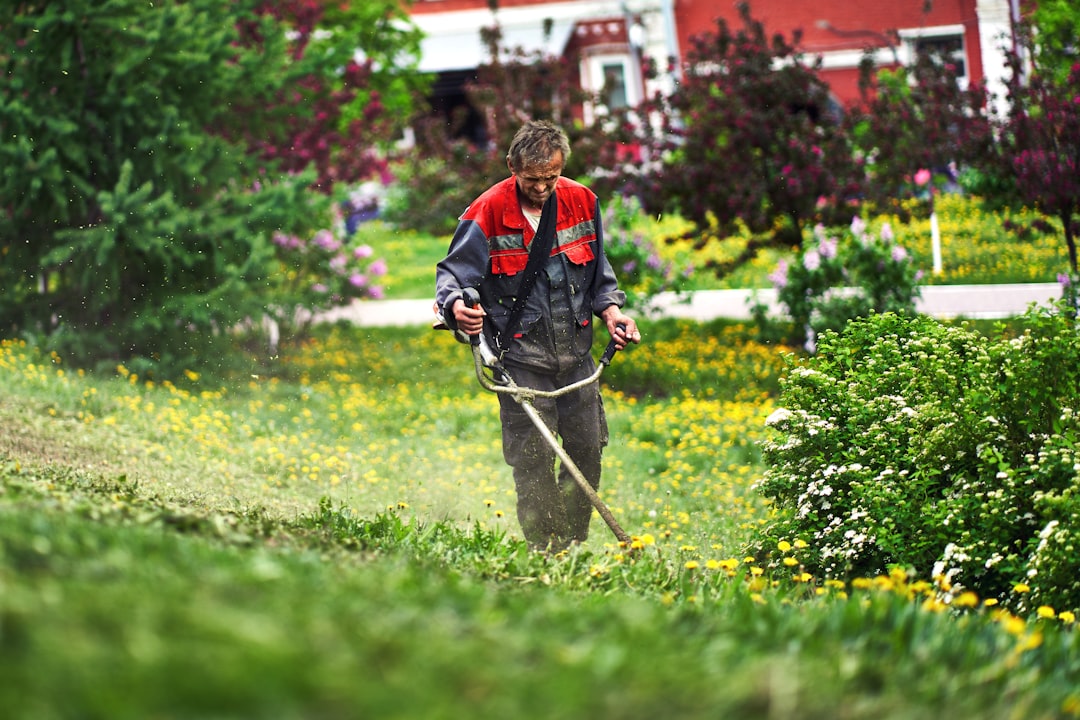
Avoid insecticides, as hummingbirds can ingest poisons when they eat insects; systemic herbicides can also be found in flower nectar. Using pesticides in a pollinator garden can be harmful to butterflies, hummingbirds, and other beneficial insects. Instead, focus on creating a healthy garden ecosystem where natural predators help keep pests under control.
Minimize or eliminate the use of pesticides in your yard. Think of it like removing toxic ingredients from your kitchen – you wouldn’t poison your dinner guests, so don’t poison your garden visitors. A healthy ecosystem will naturally balance itself if you give it the chance.
#11 Time Your Garden for Migration Patterns
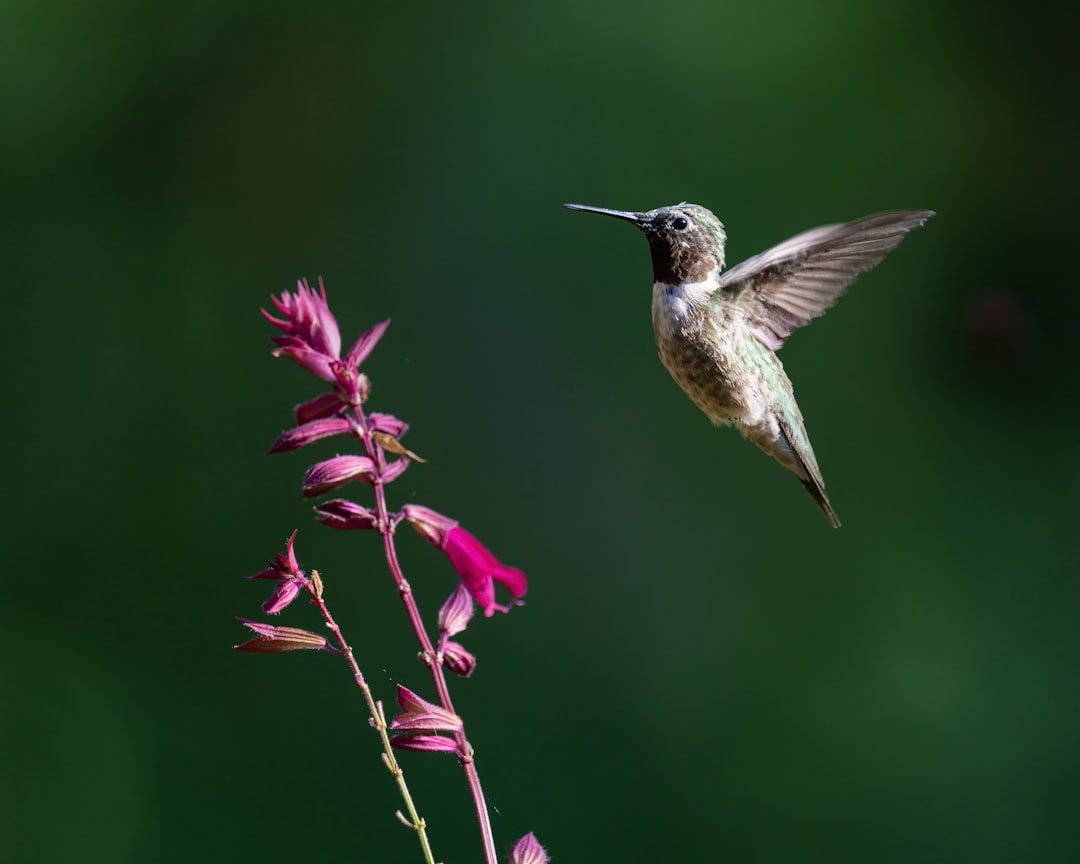
Learn about local hummingbird habits and which species are likely to occur near your home. Study the migration dates, nesting season, and seasonal presence, as this knowledge will help you select plants that will bloom during the time that hummingbirds are likely to visit your yard. It’s like planning a welcome party – you need to know when your guests are arriving.
Check eBird to find out when the first hummingbird sightings occur each spring, and hang your feeders up a couple of weeks before that. In the fall, keep your feeders up for two weeks after you see the last bird using it. Once hummingbirds discover your property, the same individuals are likely to return each year at about the same time, as they are remarkable creatures of habit.
#10 Use Strategic Garden Layout
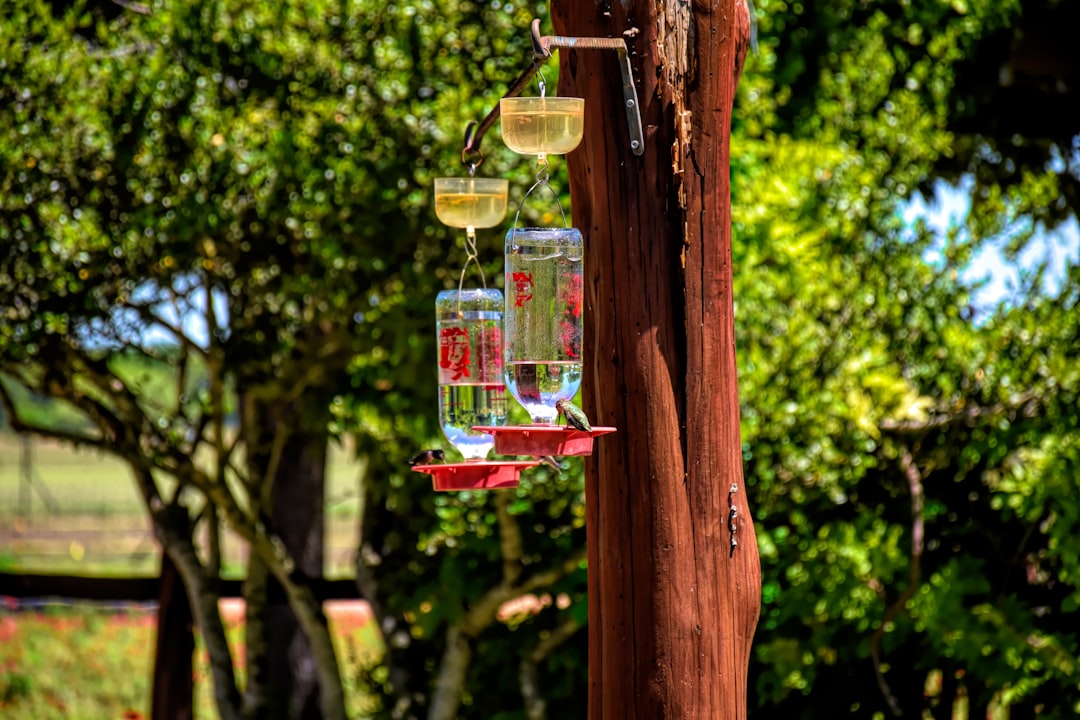
Position your feeder near a lush bed of nectar-producing flowers to help the birds find it more quickly. If you don’t have flowerbeds, a container or hanging basket of red flowers can be just as useful to help hummers find the feeder. It’s like putting up road signs that lead to your restaurant.
Using your landscape sketch, find a good spot to be the focus of your hummingbird garden. A site near a window or patio door will give you a front seat on the action. Hummingbird gardens need not be large – even a flower box or trellis will do. Small spaces can pack a big punch when planned thoughtfully.
#9 Create Shelter and Nesting Areas
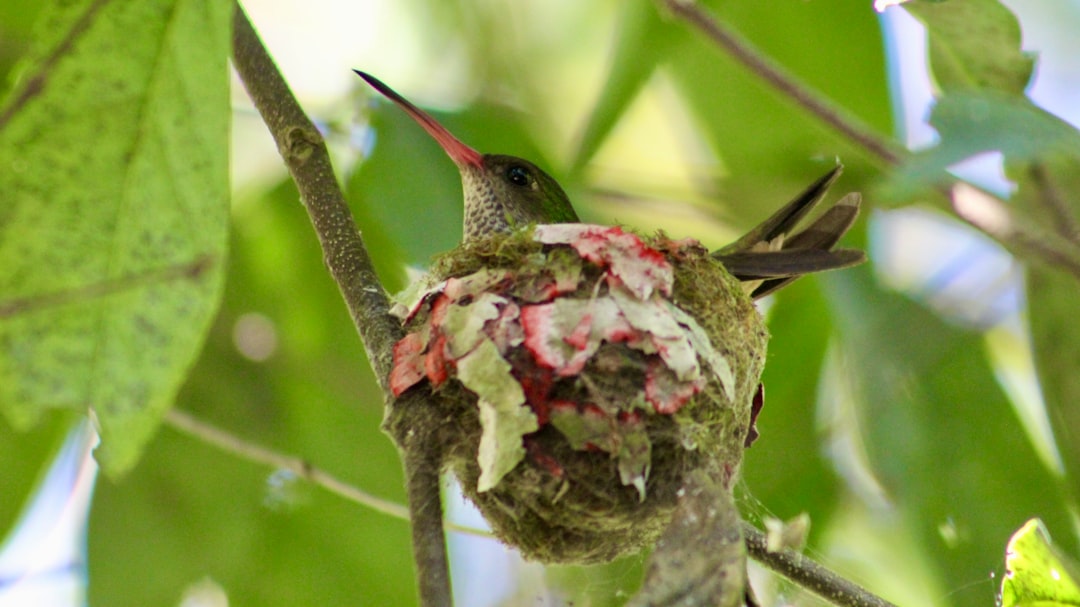
Butterflies and hummingbirds need places to rest and lay their eggs, away from the wind and predators. Include shrubs, tall grasses, and small trees in your garden to provide these necessary shelters. Hummingbirds may choose small trees or shrubs for nesting, and adding a hummingbird house can encourage them to make your garden their home.
Hummingbirds prefer to nest near a ready supply of nectar and other food, and you can encourage them to nest in your yard by maintaining some shrubbery and small deciduous trees in which they can seek protective cover, especially around the edges of your yard. Think of it like providing both a hotel and restaurant in one convenient location.
#8 Include Specific Power Plants
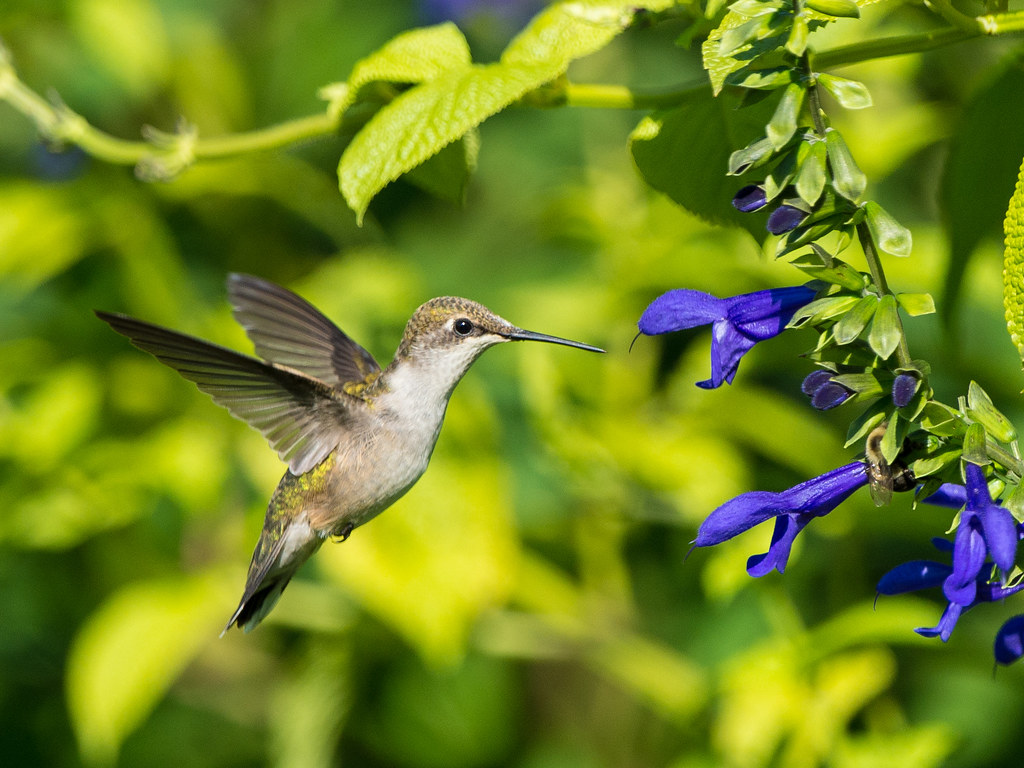
Cardinal flower is one of the top hummingbirds flowers you should grow, as this deer-resistant, reseeding and self-rooting perennial lights up partial shade or full sun areas that boast consistently moist soil. It’s no coincidence that a common name for one of the agastache species is hummingbird mint, and tiny tubular hummingbird flowers on slender stalks grow in a variety of colors and shapes.
Bee balm is known for its bright flowers in shades of red, pink, or purple and is a favorite of both hummingbirds and butterflies. Its long blooming season keeps the nectar flowing all summer. These aren’t just pretty faces in your garden – they’re workhorses that deliver exactly what hummingbirds crave most.
#7 Consider Container Gardening Options
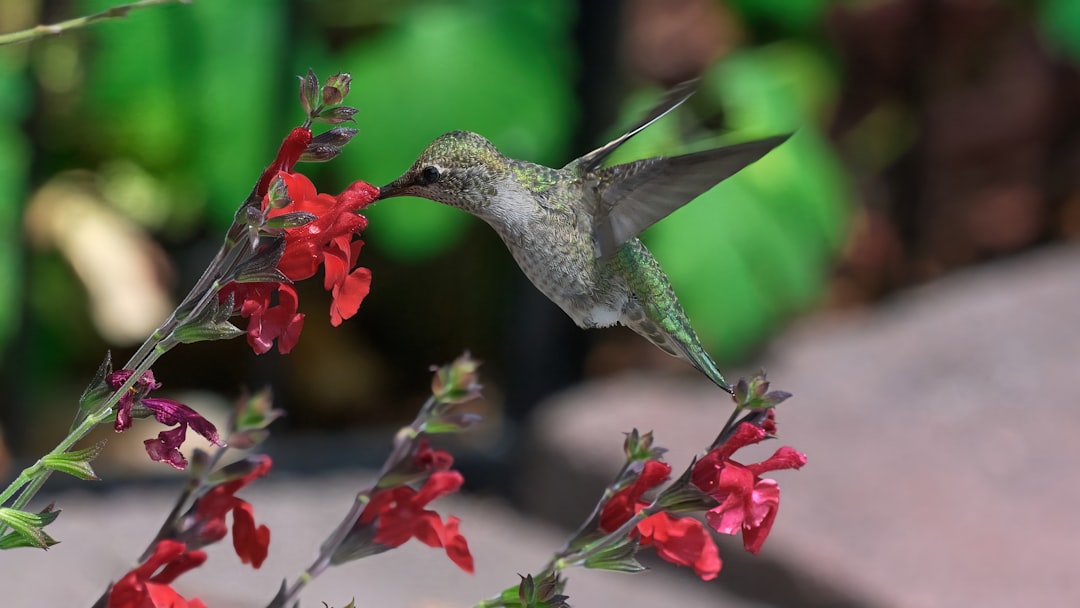
Even one plant in a window box or hanging basket can help. Tuck plants into hanging baskets, window boxes, and containers. You don’t need acres of land to create a hummingbird paradise – sometimes the smallest gestures make the biggest impact.
Although you might think that a feeder is enough to attract local hummingbirds, you can take it one step further by planting both early and late blooming flowers. Flowers with a trumpet shape, like petunias, gladiolas, or fuchsias, are great options to consider adding to your garden. Then, you can hang your bird feeder near the flowers to help boost your chances of attracting them to the nectar.
#6 Maintain Consistent Feeding Schedules
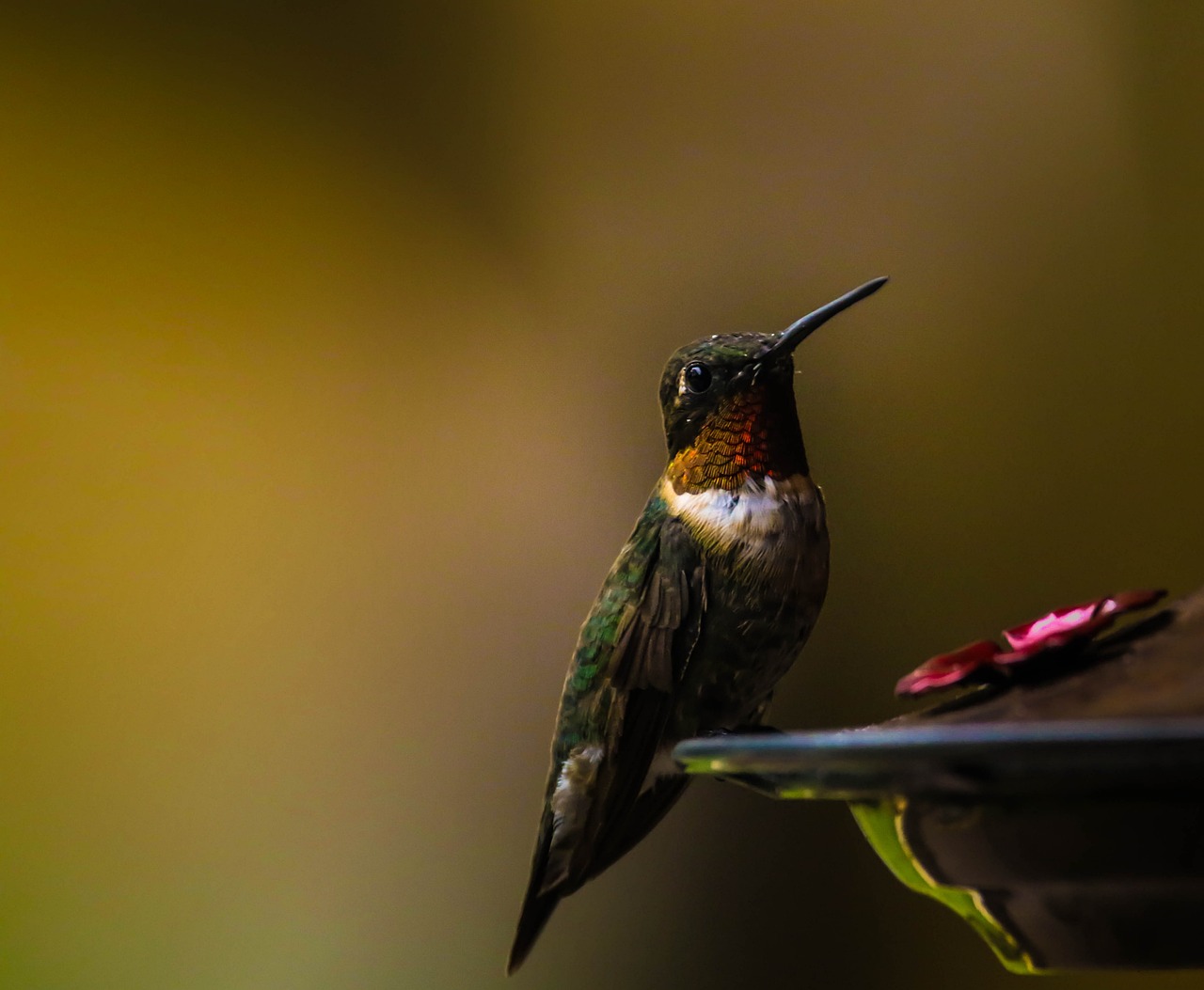
Keep a consistent feeding schedule, as hummingbirds, like many other pollinators, will favor food sources that have proven to be reliable. If they return to find your feeder empty, they may assume the food is all gone and move on to another site. It’s like being that reliable friend who’s always there when needed.
During hot weather, change nectar every two days. In milder weather, once a week is fine. Empty and refill nectar regularly – when the weather is under 70 degrees, nectar should be changed every three to four days, but if temperatures rise any hotter, replace the nectar every day or other day. Consistency builds trust, and trust brings repeat customers.
#5 Add Fuzzy Plants for Nesting Material
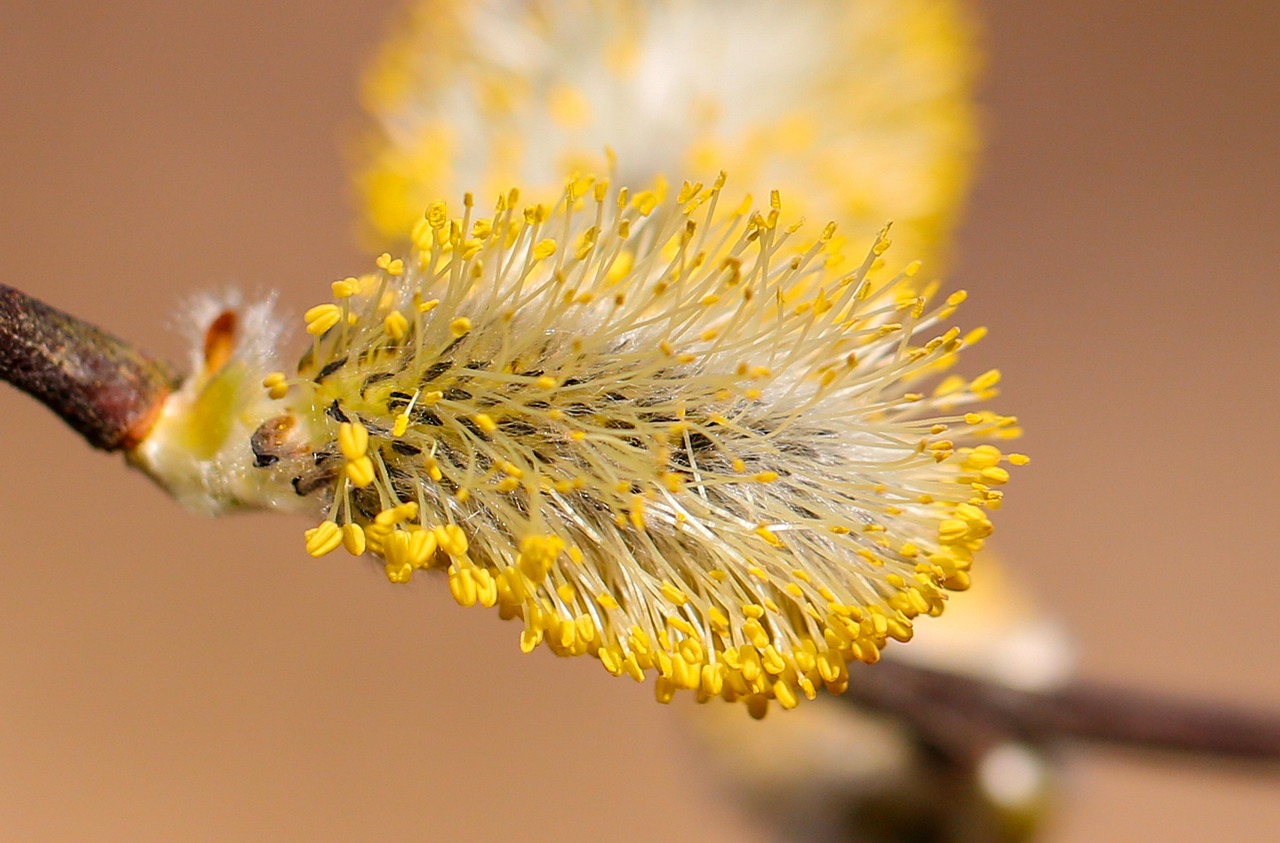
Include some fuzzy plants, as hummingbirds usually line their nest with soft plant fibers. Two favorites are cinnamon fern, which has a fuzzy stem, and pussy willow. Leave some thistle and dandelion, other favorite nest-building materials, in your yard. It’s like running a hardware store alongside your restaurant – providing all the supplies they need for home construction.
These soft materials are essential for creating cozy, insulated nests that protect their tiny eggs and babies. Think of it as offering luxury bedding at a five-star hotel. What might look like weeds to you could be premium construction materials to a hummingbird preparing for the next generation.
#4 Use Proper Mulching Techniques
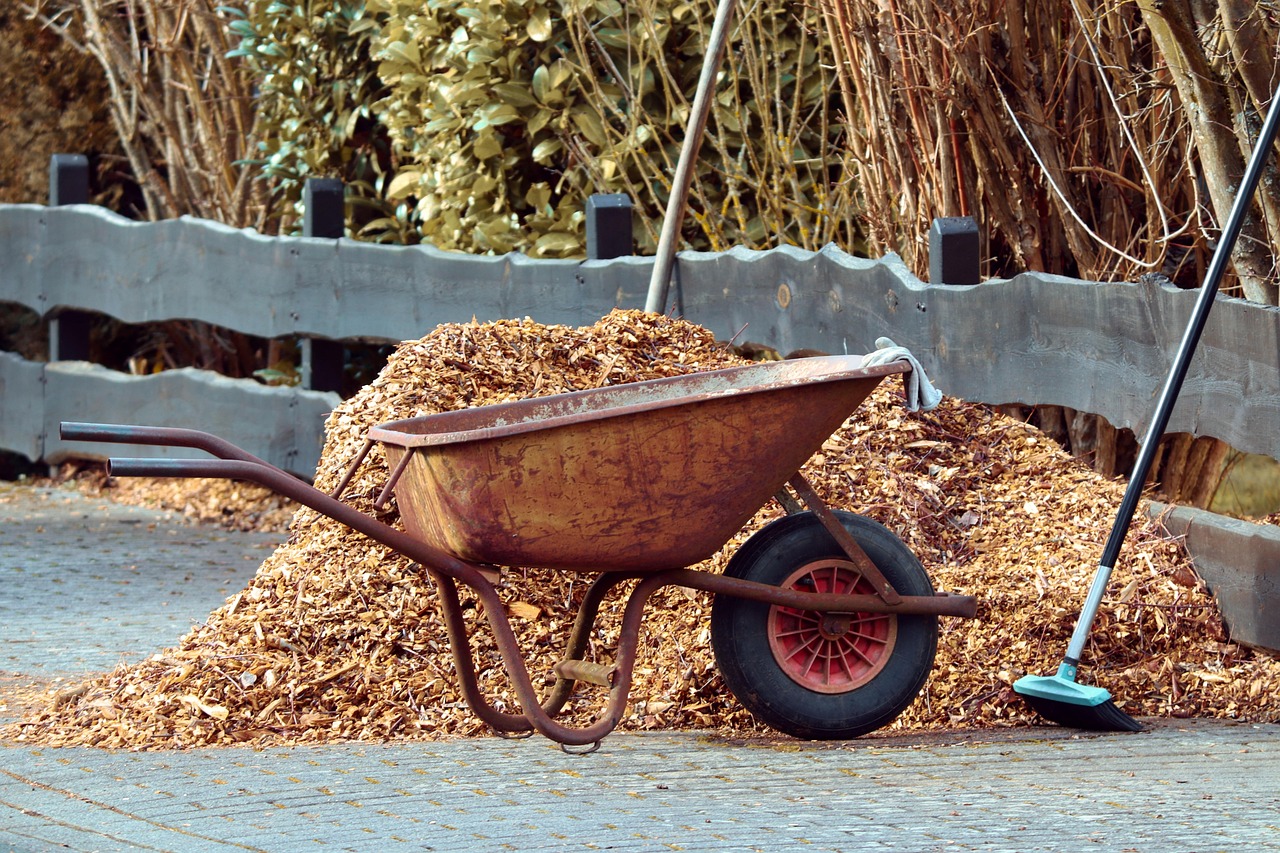
Mulching is another essential practice – apply a 2-3 inch layer of mulch around the base to retain moisture and suppress weeds, creating a healthier environment for your plants. Apply a layer of mulch around your plants to conserve moisture, suppress weeds, and regulate soil temperature.
Mulching is a gardener’s best friend as it not only suppresses weeds but also helps the soil retain moisture, reducing the need for frequent watering. Organic options like wood chips or leaf mulch add nutrients to the soil over time, cutting down on the need to fertilize. Good mulching is like giving your garden a cozy blanket that also happens to do half your yard work for you.
#3 Practice Seasonal Garden Care
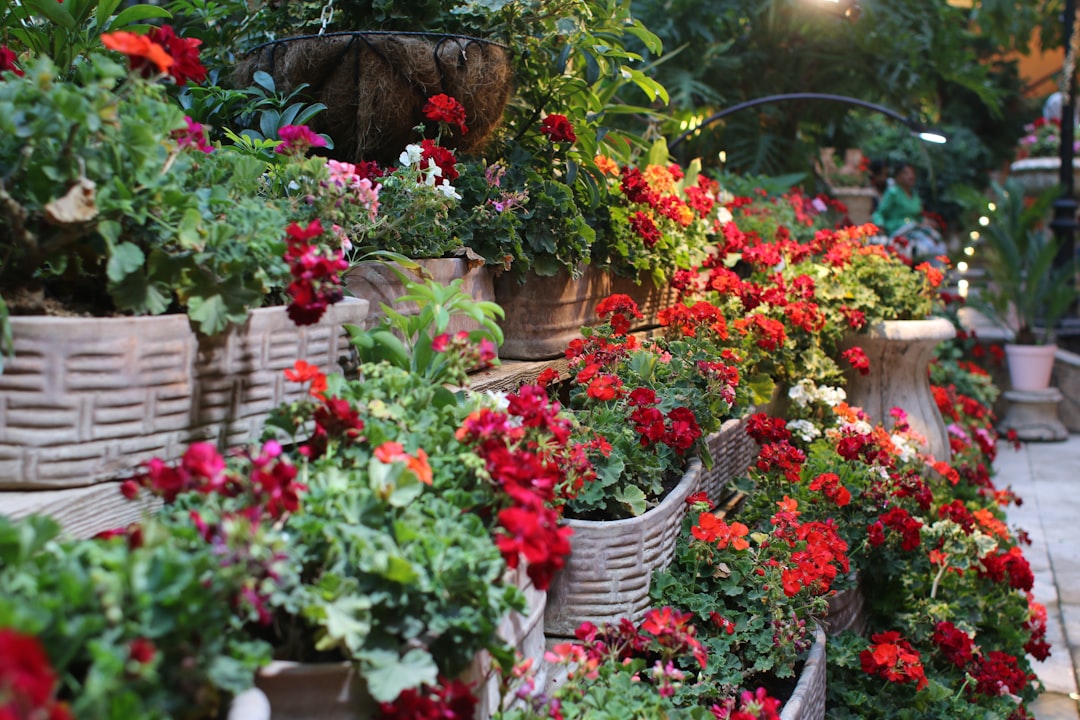
Each season brings unique care requirements for your hummingbird-friendly plants. In spring, focus on fertilizing and shaping the tree through pruning. As fall approaches, prepare your plants for winter by mulching around the base and taking steps to protect from frost, ensuring plants remain healthy through the colder months.
As temperatures begin to drop, focus on tidying up your garden. Remove spent annuals, prune perennials, and gather fallen leaves for composting. Autumn is an excellent time for planting trees, shrubs, and bulbs, giving them time to establish their root systems before winter. Seasonal care is like following a year-round fitness routine – consistency in different seasons keeps everything healthy and strong.
#2 Monitor for Spider Webs and Hazards
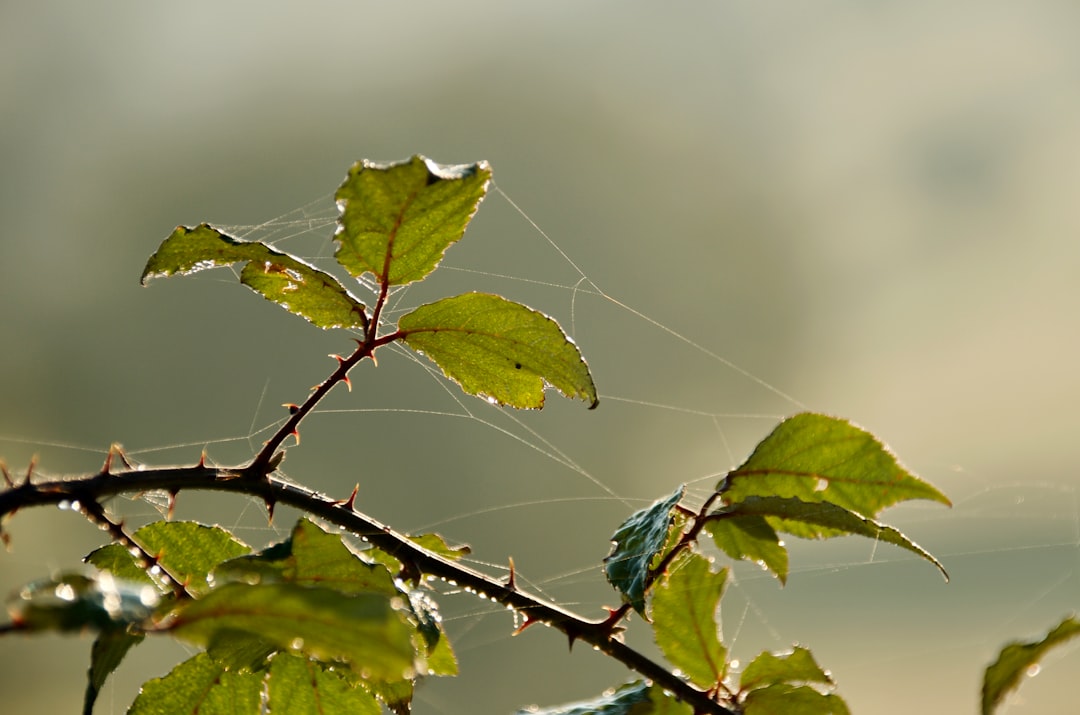
Spider webs can be harmful to hummingbirds, causing injury or even death. Hummingbirds weigh two to three grams (equivalent to the weight of two to three paperclips) and when caught in a web, may expend much energy trying to escape. Watch for webs in or near your hummingbird garden. These tiny birds are incredibly vulnerable to what seems like minor obstacles to us.
Regular garden walks to check for hazards are essential – it’s like being a safety inspector for your aerial tenants. Look for spider webs stretched across flight paths, remove any that could pose a threat, and keep an eye on other potential dangers. Remember, when you weigh less than a nickel, even small problems become big ones.
#1 Choose Low-Maintenance Plant Varieties
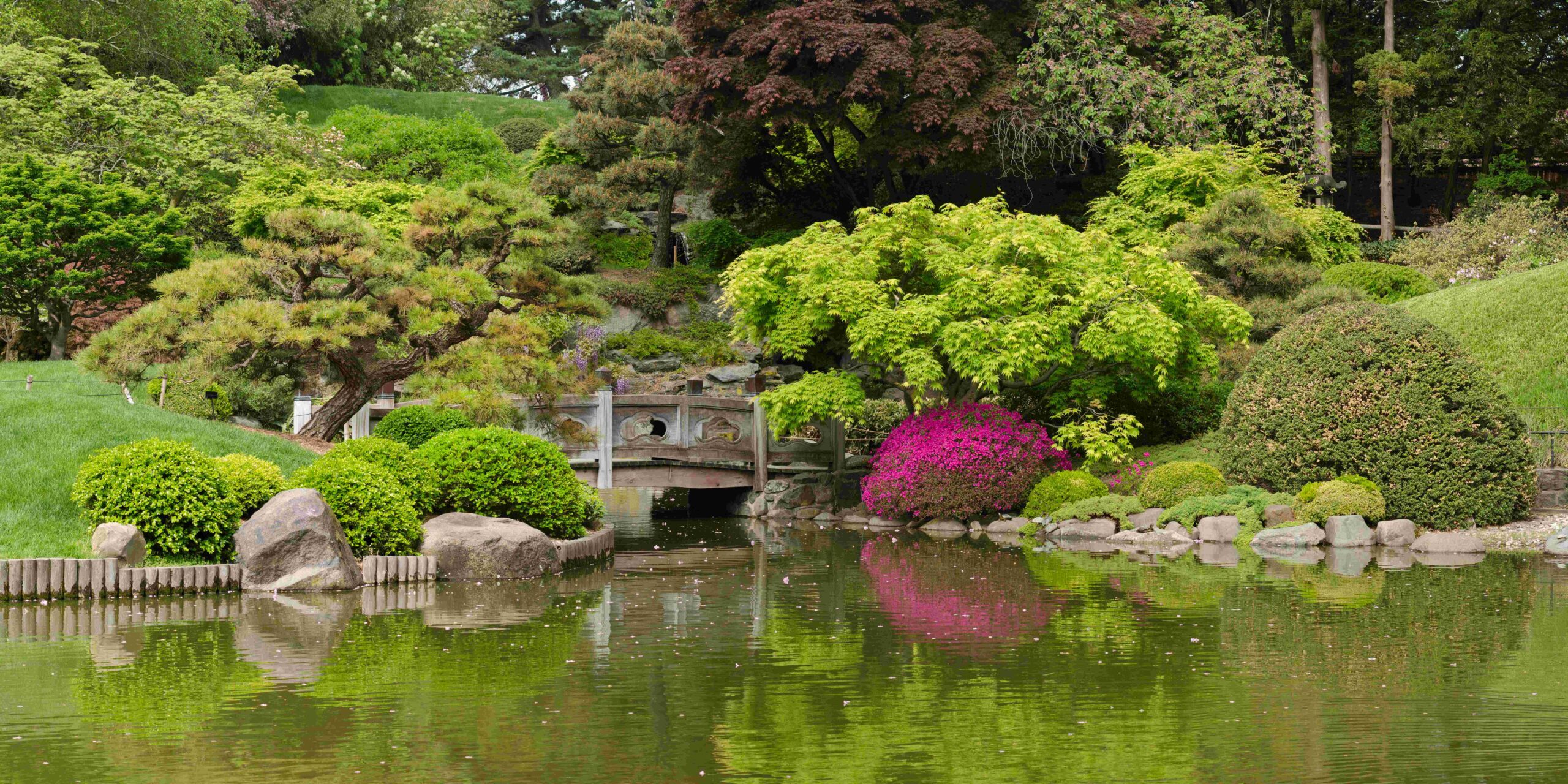
Once established, native plants require no additional watering. Catmint is easy to grow, long-blooming, heat-tolerant, and deer- and pest-resistant. After the hummingbird flowers fade, shear off the spent blooms and about a third of the stalk for a second round. Smart gardening means working smarter, not harder.
Lantana is a sturdy plant that doesn’t mind heat and drought once it’s established. If you can’t commit to keeping feeders clean and healthy, planting some low maintenance, easy care flowers that can provide food instead allows you to enjoy the birds without putting their health at risk. It’s like choosing appliances that practically run themselves while still doing an excellent job.
Conclusion
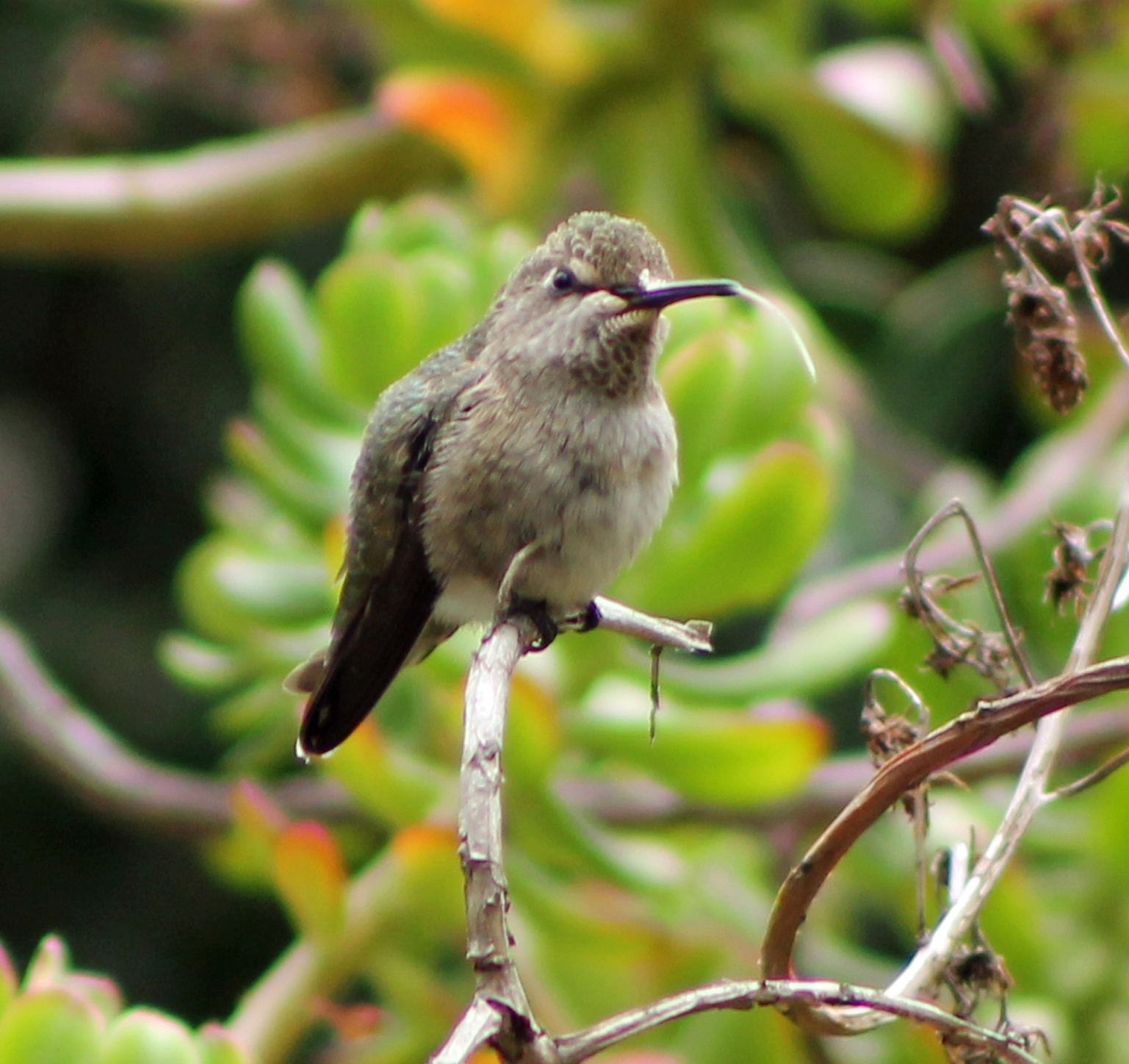
Creating a hummingbird-friendly garden isn’t just about following a checklist – it’s about understanding these remarkable creatures and building a space that meets all their needs throughout the year. From the perfect sugar-water ratio to the ideal flower combinations, every detail matters when you’re catering to guests who weigh less than a penny but have the energy output of a professional athlete.
The magic happens when all these elements come together: the flash of iridescent feathers catching morning sunlight, the distinctive whir of wings beating faster than the eye can see, and the joy of knowing you’ve created a safe haven for some of nature’s most extraordinary performers. Your garden becomes more than just a beautiful space – it transforms into a vital stopover on ancient migration routes, a nursery for the next generation, and a daily source of wonder right outside your window.
What surprised you most about what these tiny dynamos actually need to thrive?
