

You’ve followed every expert guide, tried every technique, and yet your furry friend still treats your living room like their personal bathroom. If this sounds familiar, you’re not alone. While most dogs eventually master the art of housebreaking, some breeds have earned a notorious reputation for being stubborn, independent, or just downright resistant to potty training. These canine rebels march to the beat of their own drum, making housebreaking feel like an uphill battle that tests even the most patient dog owner’s limits.
#16 Afghan Hound
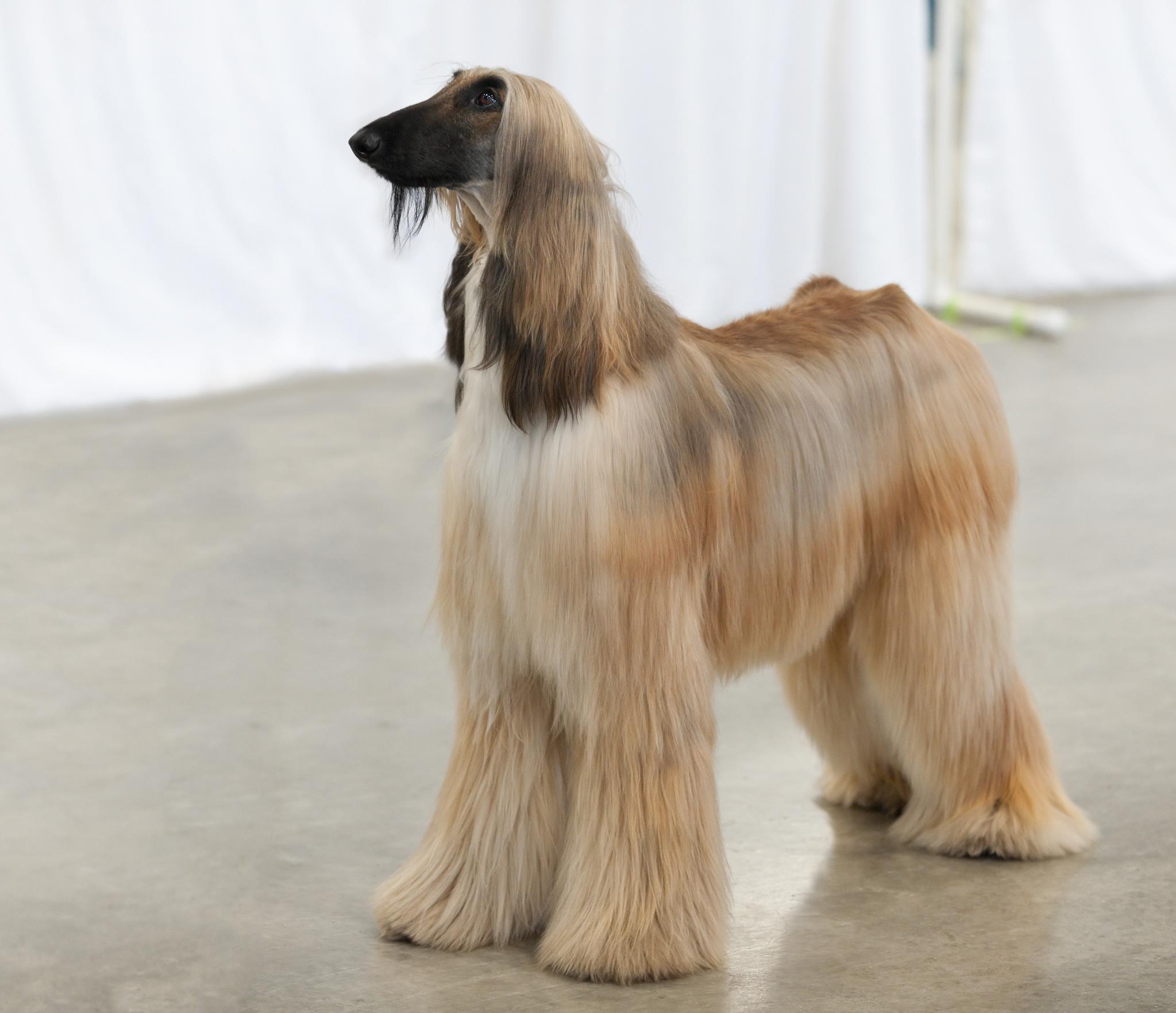
Afghan Hounds can be challenging to potty train due to their independent and free-spirited nature, requiring extra time and training sessions to master their potty breaks. These gorgeous, flowing-haired sight hounds were bred to hunt independently in the mountains of Afghanistan, making them naturally self-reliant decision makers. They are sensitive and independent dogs who don’t respond well to intimidation and may shy away from firm commands, thriving instead on positive reinforcement and rewards to build consistent habits. Their majestic appearance might fool you into thinking they’re easy to manage, but their selective hearing kicks in the moment you try to establish bathroom routines.
Afghan Hounds are slow learners who take a long time to housebreak, with these lofty daydreamers needing extra time, patience, and consistent training to catch on. Think of them as the aristocrats of the dog world – they’ll do things on their own terms and timeline, not yours.
#15 Jack Russell Terrier
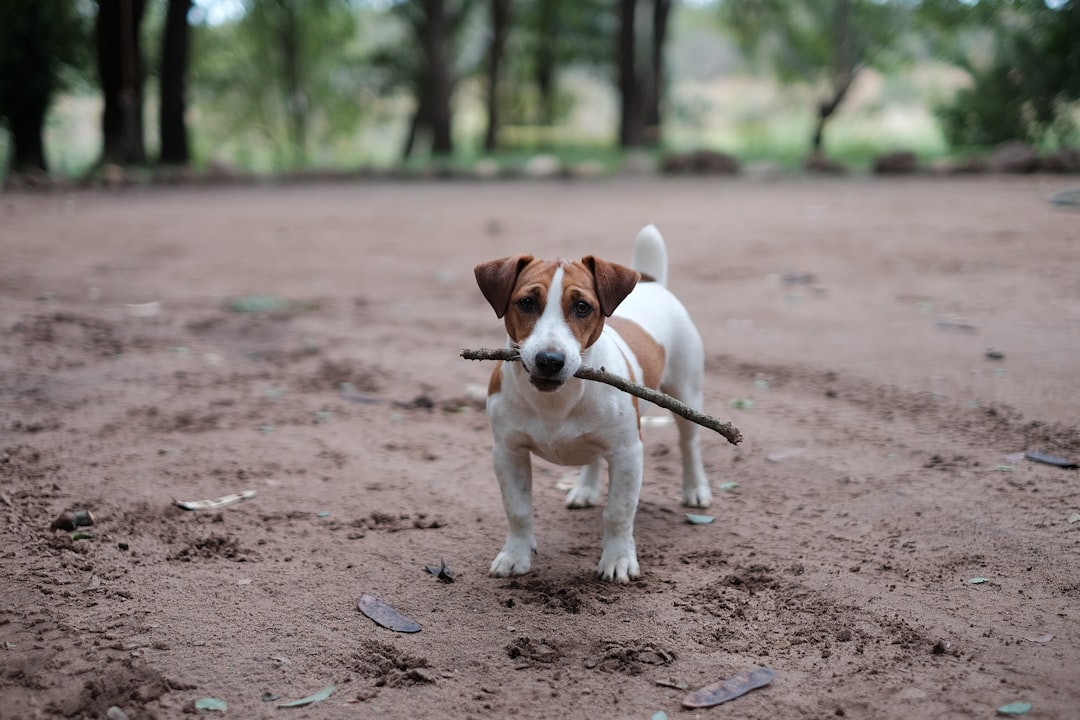
Among terrier breeds, the Jack Russell is often considered one of the most difficult to housetrain, as Jack Russells can be some of the most stubborn dogs out there. These small but mighty terriers were bred to hunt foxes underground, which required them to make split-second decisions without human guidance. Jack Russell terriers are known to be a challenging breed, being little balls of energy that can be difficult to potty train – when you want them to pee outside, they might just pee on the entry rug instead because that’s close enough.
Their high energy levels and short attention span are most likely to blame, as these dogs tend to have the attention span of a toddler and are most easily distracted at school. Imagine trying to teach quantum physics to a hyperactive child who’s just spotted a squirrel – that’s the Jack Russell housebreaking experience.
#14 Shih Tzu
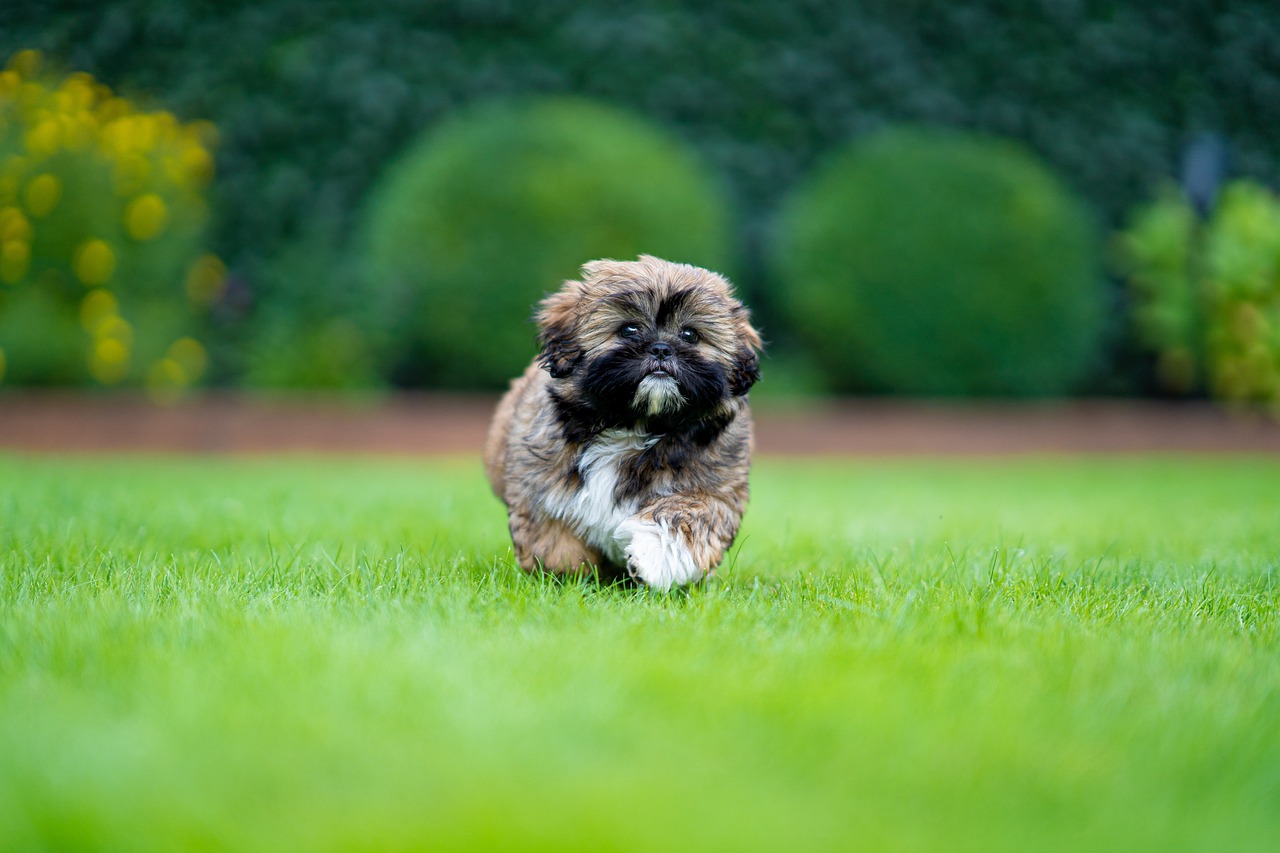
Often appearing on lists of difficult dogs to potty train is the beloved toy breed, the Shih Tzu, with their reaction to potty training being simply “NO.” These dogs are stubborn and distracted, making them hardest to housebreak. Originally bred as companion dogs for Chinese royalty, Shih Tzus developed an attitude that screams “I’m above such menial tasks.” Their flat faces and flowing coats might make them look like living stuffed animals, but don’t be fooled by their adorable appearance.
These little emperors have perfected the art of selective hearing, especially when it comes to bathroom etiquette. They’d rather spend their time being pampered than learning where to do their business, making every housebreaking session feel like a negotiation with a tiny, furry diplomat who refuses to compromise.
#13 Basenji
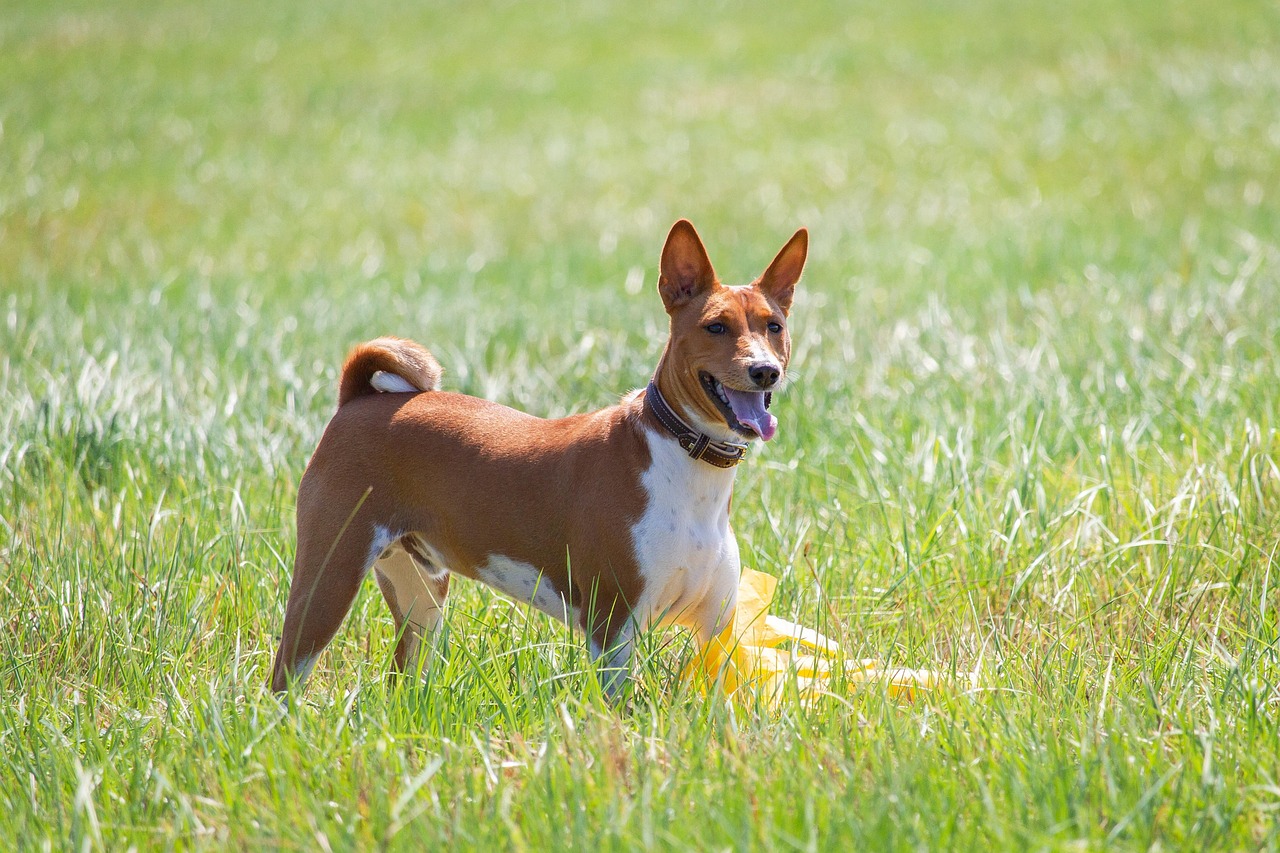
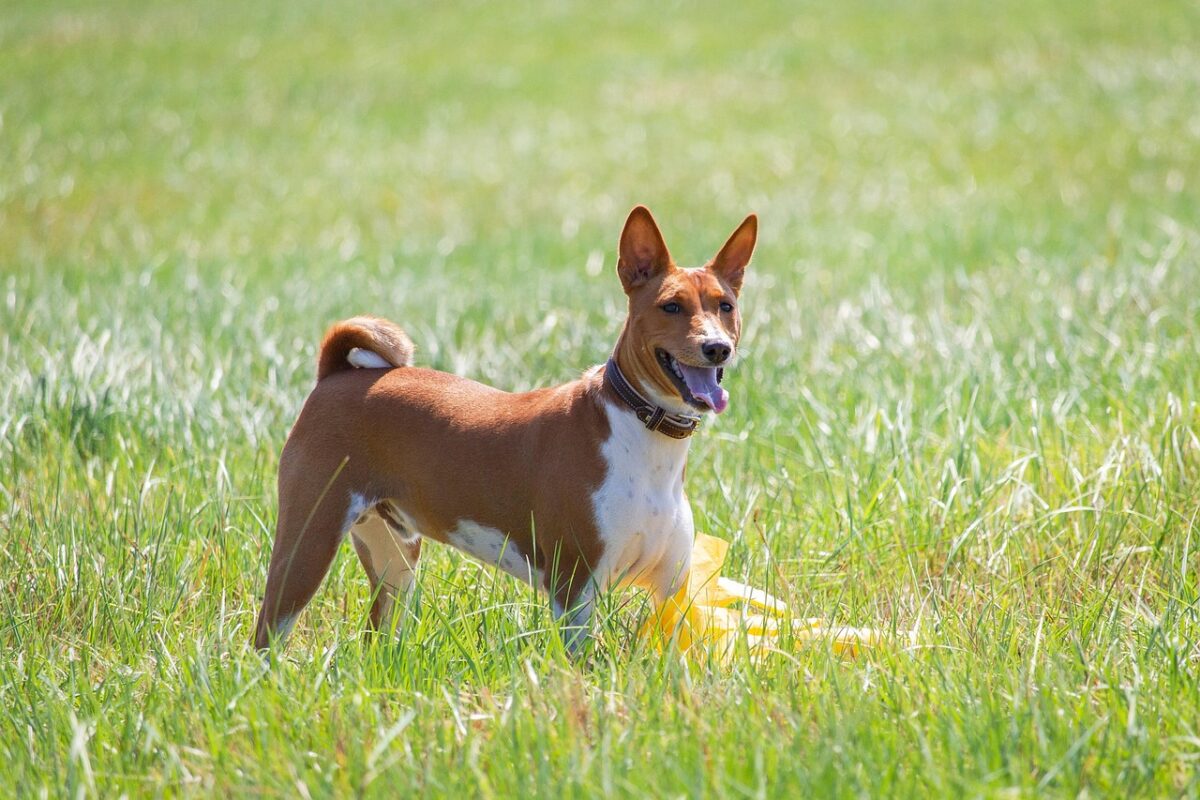
Known as the “barkless” dog from Africa, basenjis are known to learn plenty of commands – it’s just a matter of whether they’ll actually perform them or not, as this stubborn breed will usually decide what they feel like doing. Basenjis learn commands but it’s a matter of whether they’ll actually perform them, with this stubborn breed usually deciding what they feel like doing, requiring extra training effort to get their potty skills up to standard. These intelligent hunting dogs were bred to work independently in the African wilderness, tracking game without constant human direction.
The Basenji’s independent streak runs so deep that they view your housebreaking attempts as mere suggestions rather than commands. They possess an almost cat-like mentality when it comes to bathroom habits – they’ll use the designated spot when it suits them, not when you think they should.
#12 Bichon Frise
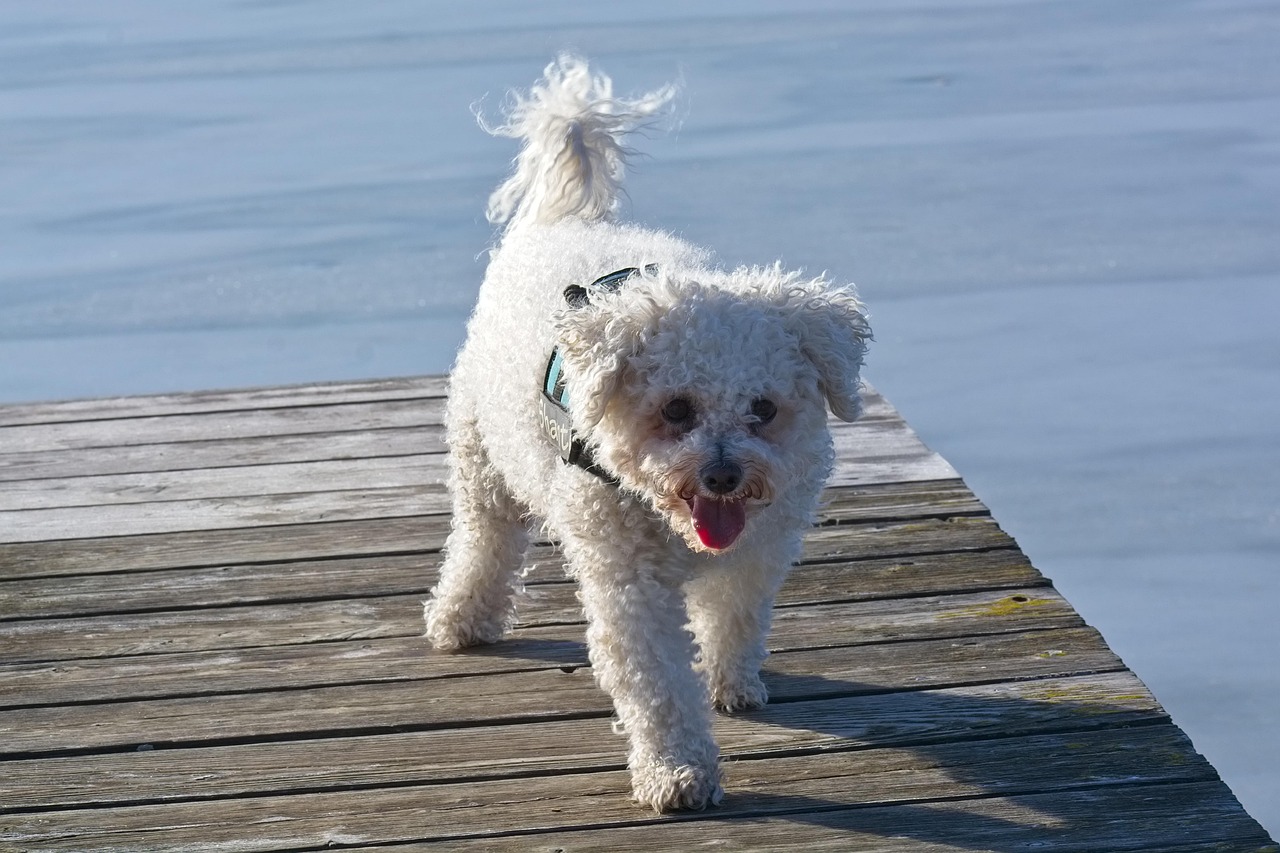
The AKC says that Bichon Frises “have a reputation for being difficult to housebreak,” while they are described as “fiercely independent” and “tend to be picky about going outside when it’s rainy or cold out.” Bichons have a reputation for being difficult to housebreak, though in every other respect they are very easy to train and respond very well to training based on positive rewards rather than harsh or negative methods. These fluffy white powder puffs were originally circus performers and companion dogs to European nobility, which explains their diva-like tendencies.
These tiny dogs have tiny bladders requiring more frequent potty breaks than bigger breeds, and they’re also clever and might try to outsmart you, often not listening and doing what they want, thriving on being with their family but leading to bad behavior if left alone too often. Think of them as the drama queens of the small dog world – they want everything to be perfect before they’ll perform.
#11 Pomeranian
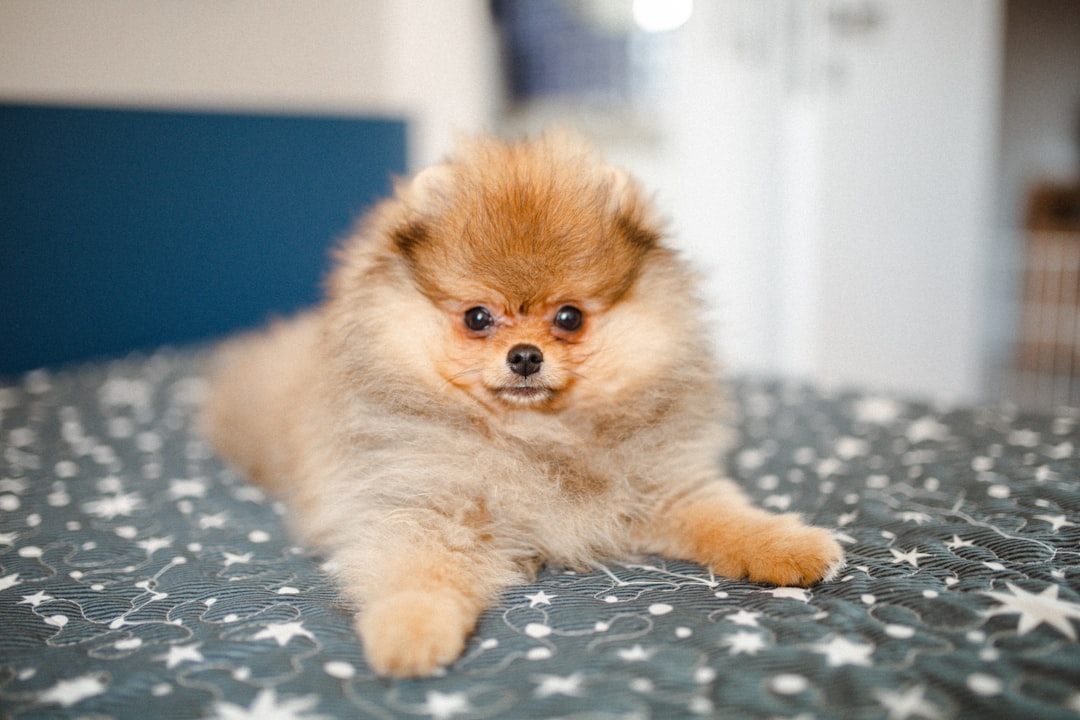
Described as cocky, animated, and lively, Pomeranians are exactly that – and then some, requiring plenty of treats to convince them how the potty game is played, with patience and short, positive training sessions being all you need. The AKC describes Pomeranians as “alert” and “highly intelligent,” excelling in activities like agility and rally, but warns that “housebreaking can be a challenge, so consistency and patience are key,” with Pomeranians ignoring best efforts at potty training and potentially “tinkling in your lap and dropping some nuggets in your purse.”
These tiny balls of fluff pack enormous personalities into their miniature frames. Originally bred to be companion dogs to royalty, they’ve retained their regal attitude and expect to be treated like the little princes and princesses they believe themselves to be. Their small bladders combined with their “I’ll do what I want” mentality creates a perfect storm of housebreaking challenges.
#10 Bulldog
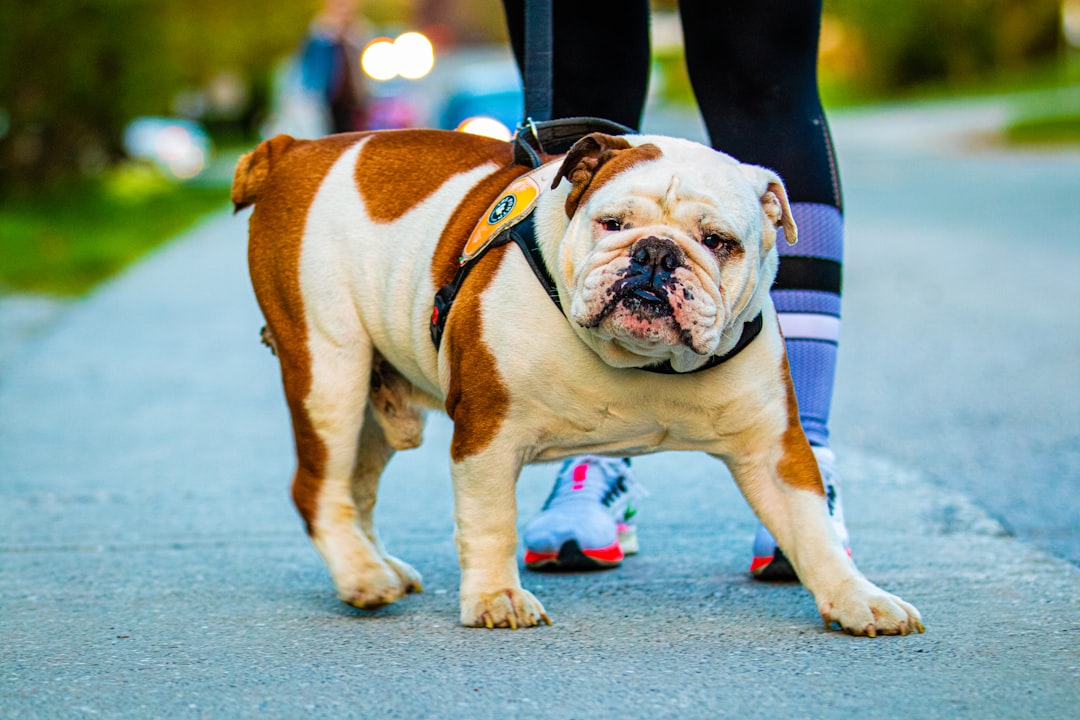
Bulldogs rarely want to get up, let alone go outside to potty, being pretty content to do whatever they want and sometimes just not listening, as they can be stubborn and single-minded, which makes them harder to train than your average golden retriever. The Bulldog may seem lazy, but don’t mistake that for obedience, as these dogs can be willfully slow to respond, with their stubborn tendencies softened by their sweet nature, responding better to treats and short, engaging training sessions.
According to Stanley Coren’s research, the English bulldog ranks 77th out of 79 breeds in canine intelligence and can “generally only pick up a very limited and low-level range of commands in general training,” taking “longer than most to make the mental connections involved in picking up toilet training.” Imagine trying to motivate a couch potato who’s perfectly content with their current lifestyle – that’s the Bulldog housebreaking experience in a nutshell.
#9 Cocker Spaniel
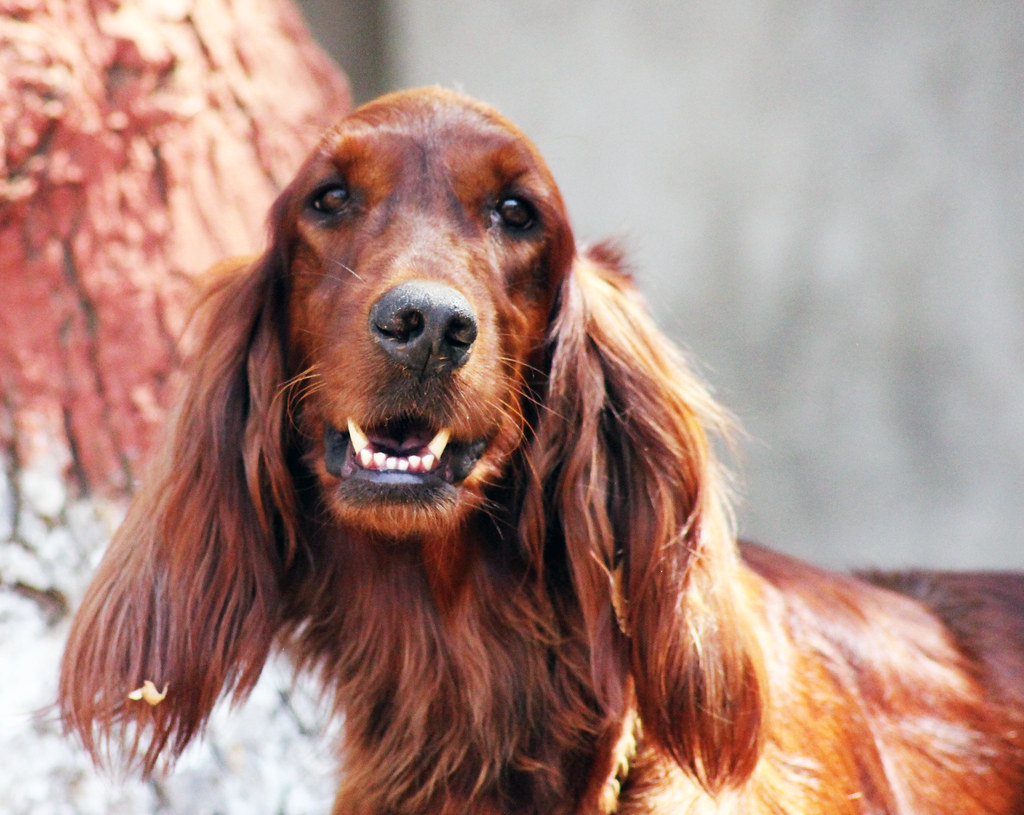
Cocker Spaniels are “sweet-natured, playful, and incredibly gentle dogs”, but they can also have a temperamental and unpredictably defensive attitude that can make potty training a challenge, with owners advised to avoid being too harsh, yelling or physically punishing them as they’ll likely either become defensive or urinate in submission. A Cocker Spaniel has high energy levels, which can lead to potty accidents, with their excitable nature making it difficult for them to control their bladder.
These beautiful sporting dogs were bred to flush game birds, requiring them to be constantly alert and ready for action. This high-strung nature translates into difficulty with bladder control, especially when they’re excited or stressed. Their sensitive personalities mean they can shut down or become defensive if training becomes too intense, making the housebreaking process a delicate balancing act.
#8 Chow Chow
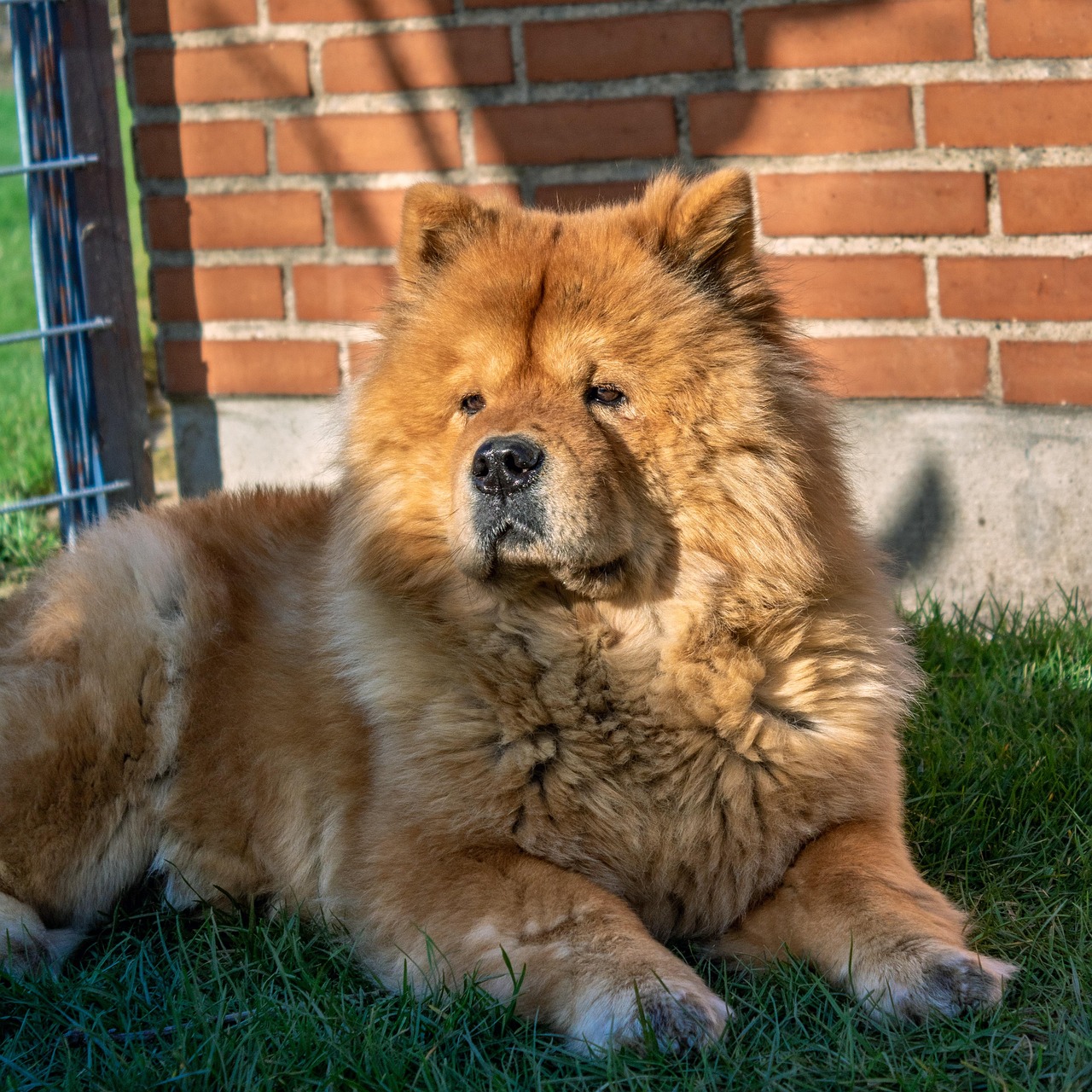
Chow Chows are famous for their aloof and independent nature, traits that make them difficult dogs to potty train, with their strong-willed temperament potentially hindering a consistent potty training routine. Chow Chows tend to be clean dogs and may prefer to hold it for a long time rather than eliminate indoors, but these dogs are territorial and may mark their territory frequently, making it harder to establish clear bathroom boundaries. These fluffy, lion-maned dogs were originally bred as guard dogs in ancient China, developing a strong independent streak and natural suspicion of anyone telling them what to do.
It’s hard to believe when you look at these fluffballs, but chow chows used to be Chinese guard dogs who like to be independent leaders and need a human who will embrace those traits, potty training them with a cool and confident approach. They approach housebreaking like everything else in their lives – on their own terms and timeline.
#7 Dachshund
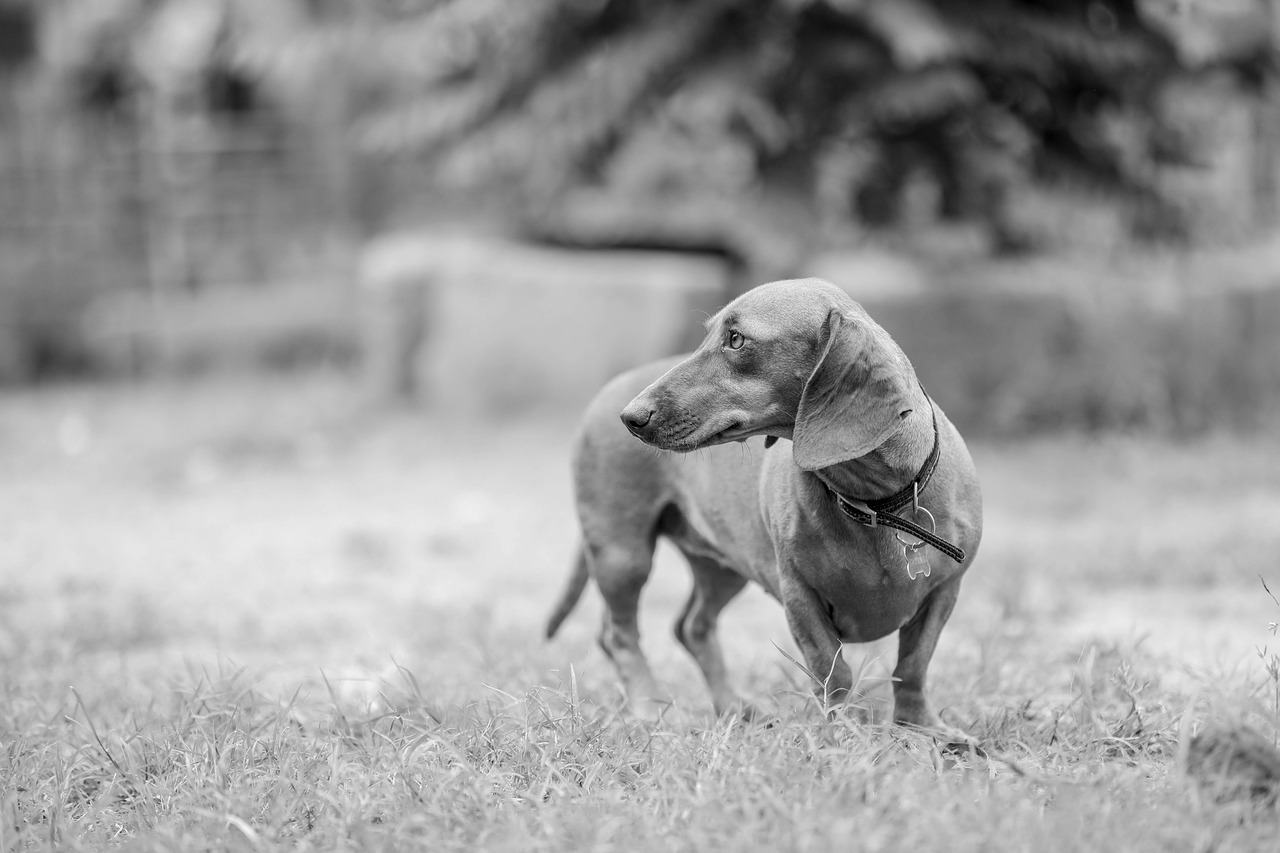
Though they are small, cute, and have a waddle that won’t quit, dachshunds are as stubborn as hounds come, with experts recommending crate training since they can be difficult to potty train, and they aren’t usually fans of cold weather, avoiding going outside to do their business at any inkling of a chill. Dachshunds can be a stubborn breed, and although they are clever, “they tend to get defensive when they are pushed to do something they don’t want to do, plus these dogs need major convincing to go outside when it’s rainy or cold out.”
These low-riding “sausage dogs” were bred to hunt badgers in underground tunnels, requiring incredible determination and independence. Their long backs and short legs aren’t just adorable – they’re a testament to their stubborn, never-give-up attitude that makes them formidable hunters and equally challenging housebreaking students.
#6 Pekingese
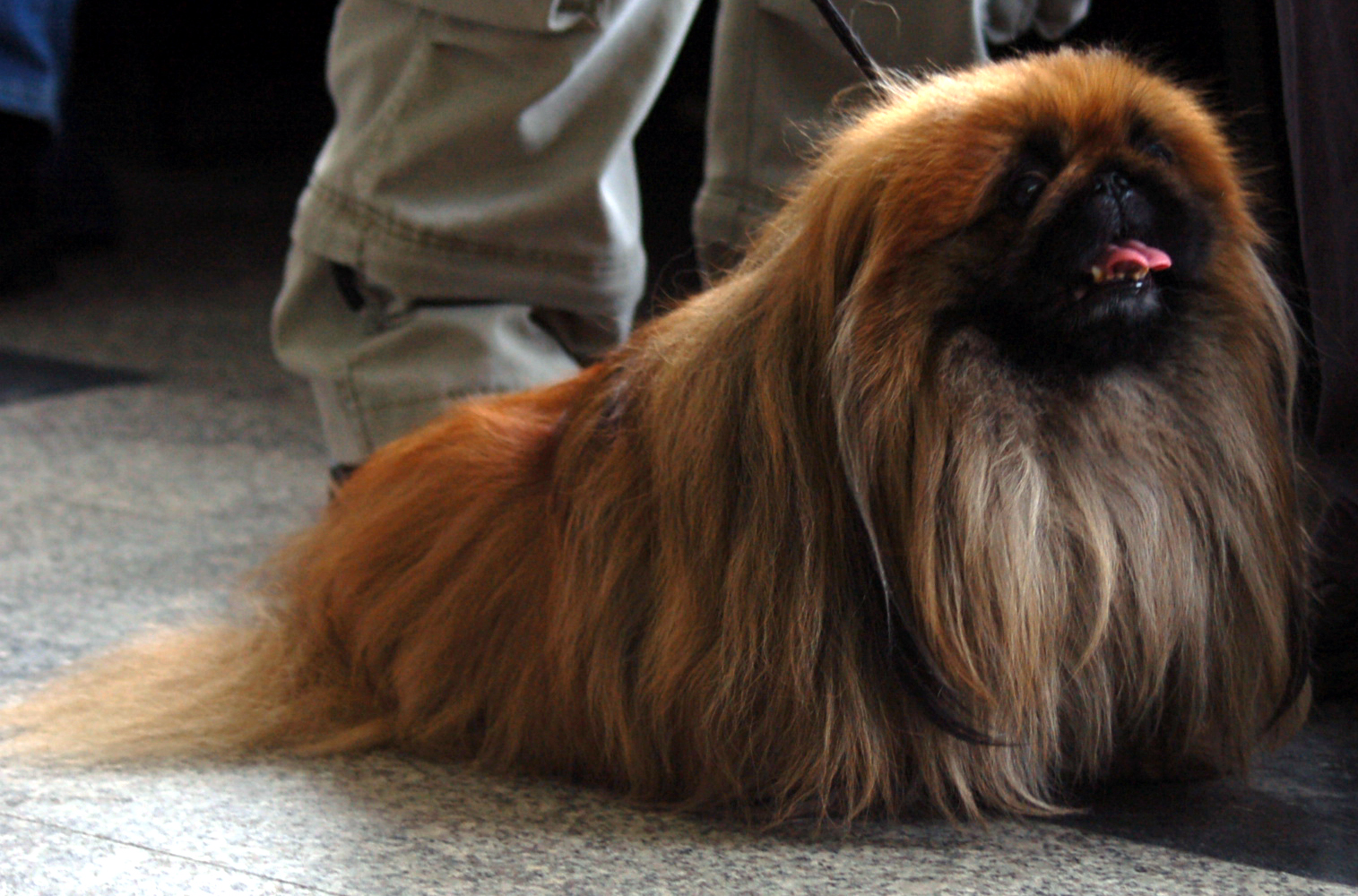
Once known as Chinese royalty, Pekingeses have the self-important attitude to show it, being very intelligent but also having an independent attitude and tending to adopt “selective hearing” when it comes to potty training – if the royal family couldn’t housebreak these pups, it’ll probably be even harder for you! Pets4Homes notes that “it can take a while for a Pekingese to get to grips with where to toilet,” and as a very petite breed, they may need to go more frequently than larger dogs.
These flat-faced former palace dogs were bred exclusively for Chinese emperors and forbidden from leaving the royal court. Centuries of being treated like living deities created an attitude that persists today – they genuinely believe they’re too important for mundane tasks like housebreaking. Their regal bearing and “who, me?” expression when caught having accidents is almost comical.
#5 Pug
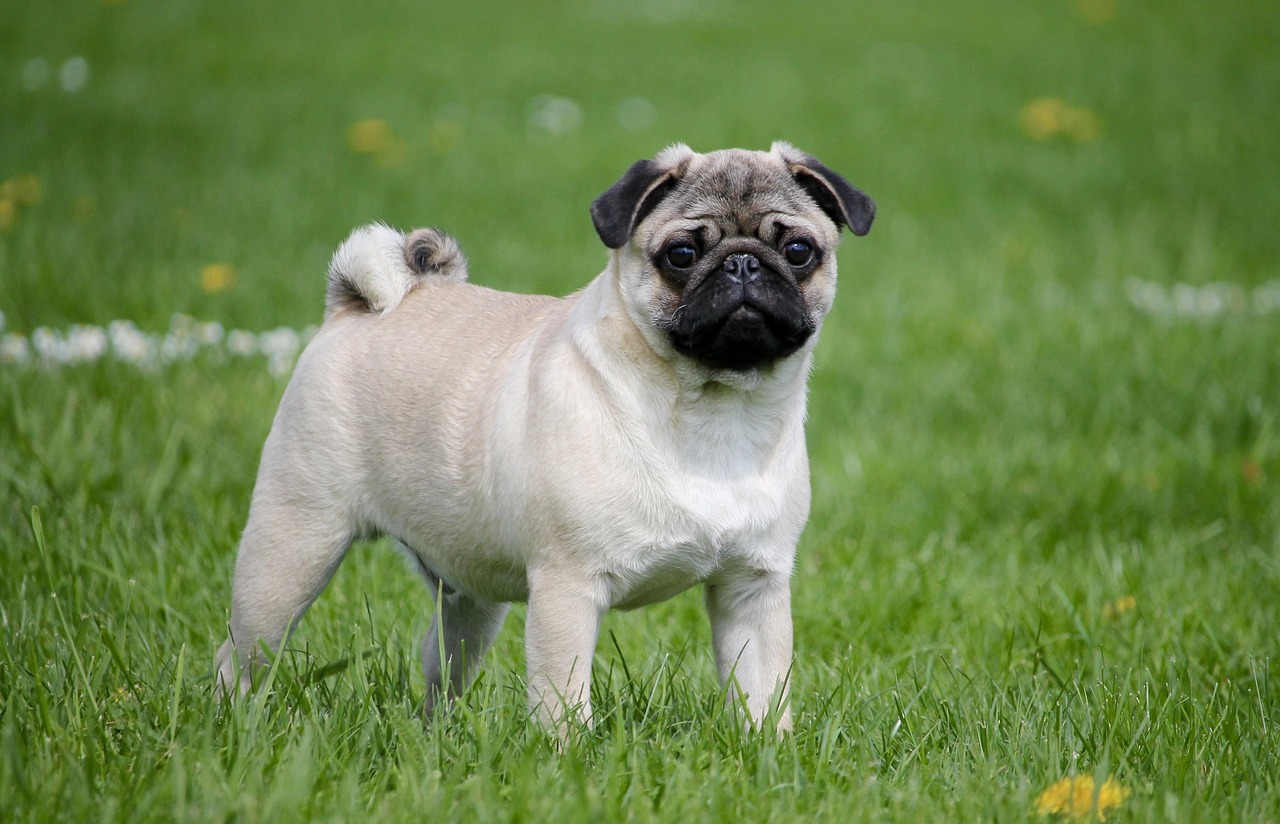
Even though they’ve mastered the perfect head tilt, pugs haven’t mastered potty training, being especially stubborn when going to the bathroom, particularly when it’s not nice outside, and they love their human parents so much that they might have attachment issues going by themselves! Pugs “can be stubborn and difficult to housebreak,” but “although these pups have a stubborn side, especially when it comes to house training, they’re playful, affectionate dogs who will get along well even with novice pet parents.”
These wrinkly-faced charmers were bred to be companion dogs to Chinese emperors, and their people-pleasing nature sometimes works against them during housebreaking. They become so attached to their owners that they may refuse to go outside alone, preferring to hold it until their favorite human accompanies them. Their flat faces also make them sensitive to weather extremes, giving them another excuse to avoid outdoor potty trips.
#4 Lhasa Apso
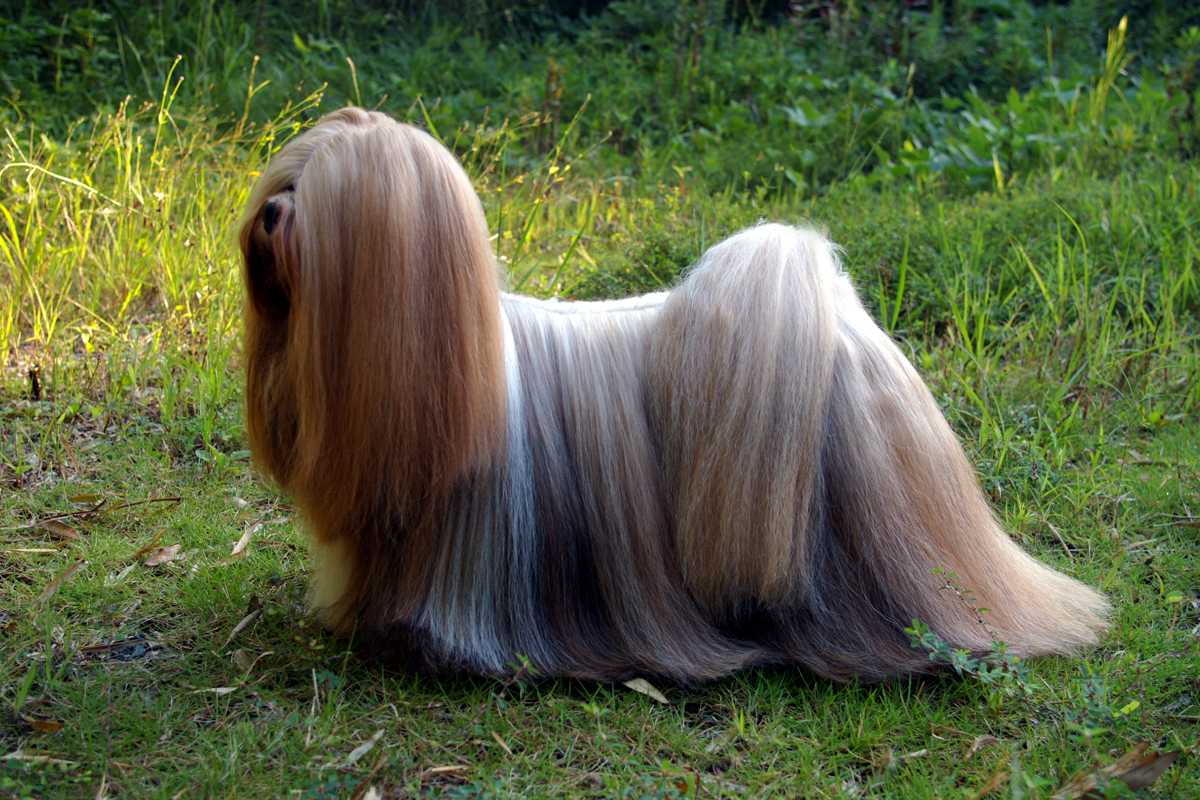
Lhasa Apsos are notoriously difficult to housebreak, so you’ll need to establish a consistent routine for feeding times, potty breaks, and playtime to help them understand what’s expected of them. They are a bit harder to housetrain than other dogs, with their stubbornness and independent nature making them hard to train, making them a poor choice for someone getting a first dog or someone who already has a dog they struggle to get to obey. These ancient Tibetan dogs were bred to guard Buddhist monasteries, developing a strong independent streak and natural wariness of strangers.
Originally kept exclusively by Tibetan monks and nobility, Lhasa Apsos developed an attitude that they’re above following orders from mere mortals. Their keen intelligence works against them during housebreaking – they’re smart enough to understand what you want but independent enough to decide whether they feel like complying on any given day.
#3 Boston Terrier
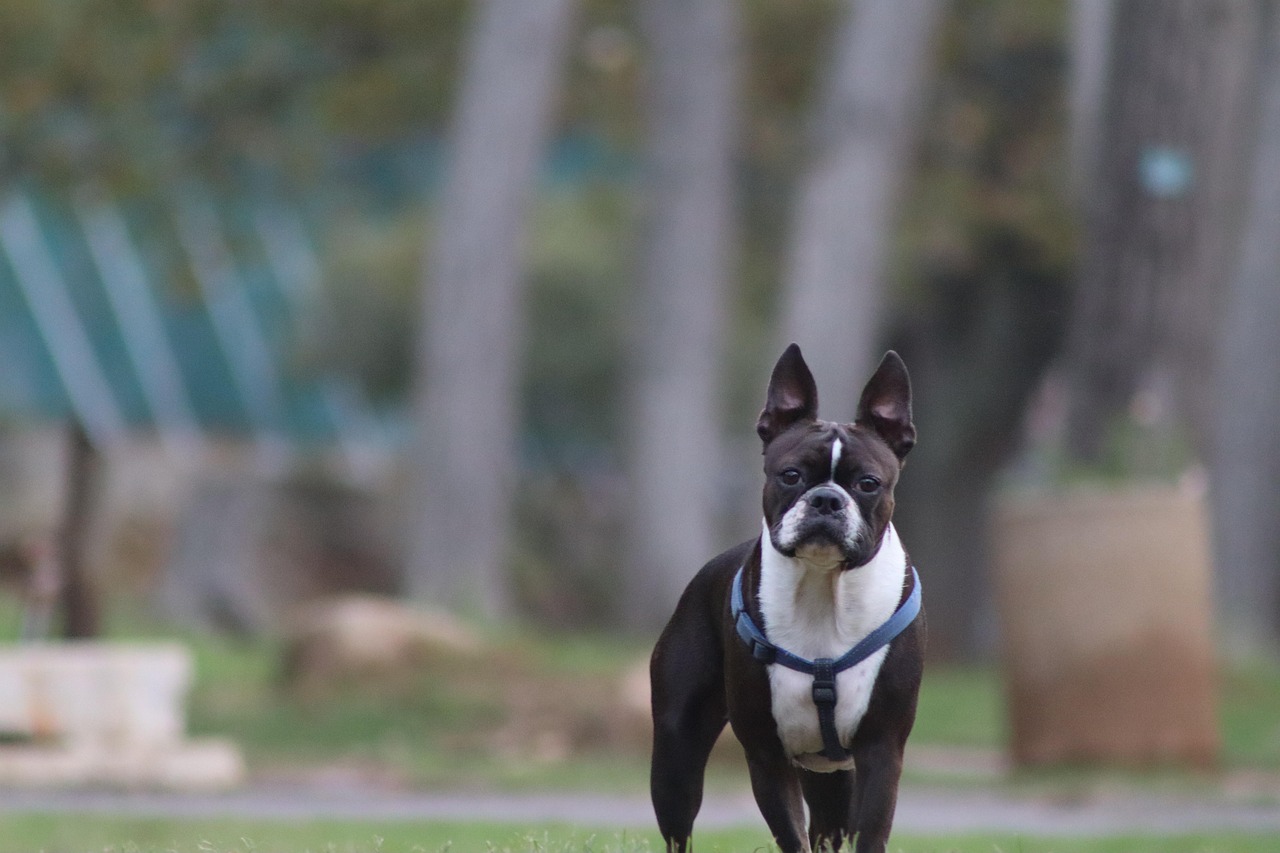
Popular dog breeds like the Boston Terriers can be headstrong, and if you don’t consistently train them, they’ll be confused and could resist potty training, though they’re relatively easy to train if you show them who’s boss, with their smaller bladders and high metabolisms also requiring frequent bathroom breaks. These “American Gentlemen” with their tuxedo markings were bred to be fighting dogs before evolving into companion animals, retaining their strong-willed nature and determination.
Boston Terriers possess a unique combination of intelligence and stubbornness that can make housebreaking feel like a battle of wills. Their compact size means frequent potty breaks are necessary, but their independent streak means they’ll test your consistency at every turn. They’re perfectly capable of learning the rules – they just prefer to negotiate the terms.
#2 Yorkshire Terrier
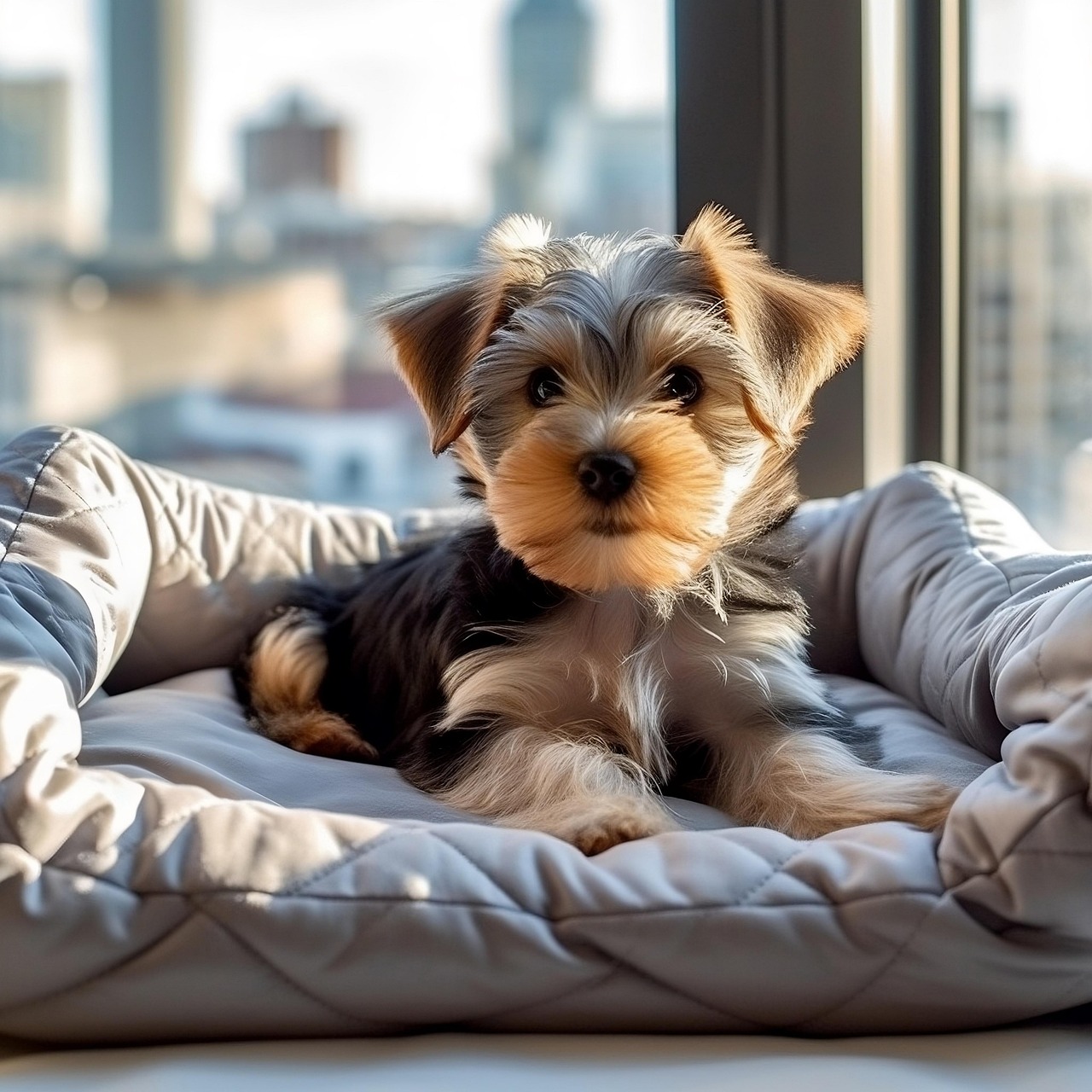
Yorkshire Terriers are pretty willful and independent, thinking you’re bossing them around with your strict training and would likely ignore you, plus Yorkshire Terriers can be easily stressed or anxious, leading to stress-related accidents. Despite their tiny size, these terriers pack enormous personalities and were originally bred to hunt rats in Yorkshire textile mills, developing a fearless, independent nature that persists today.
Yorkies approach housebreaking with the same attitude they use for everything else – they’ll do it their way or not at all. Their small bladders require frequent trips outside, but their pride makes them reluctant to signal when they need to go. They’d rather have an accident than appear needy or dependent on their humans for basic needs.
#1 Maltese
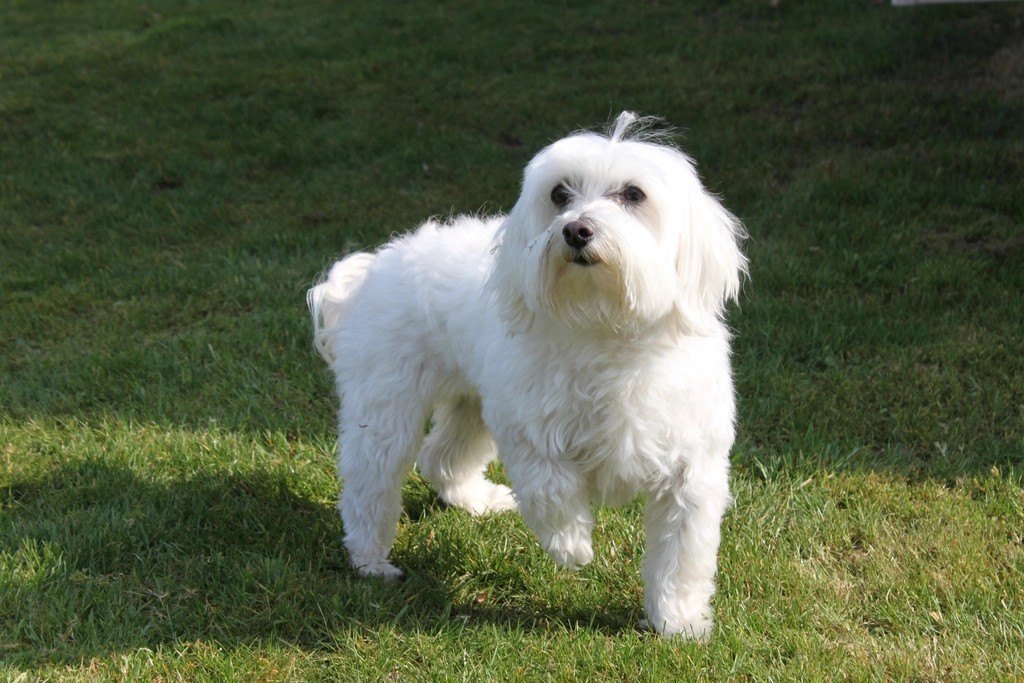
Maltese often face stubbornness and small bladder size affecting housebreaking success, with housebreaking being challenging due to their small bladders and independent nature. An owner notes that their Maltese still poops in the house every once in a while, but usually you can get them to go outside pretty well. These ancient companion dogs were treasured by European royalty and have retained their aristocratic expectations of being catered to rather than following rules.
Maltese dogs combine physical challenges (tiny bladders that need frequent emptying) with personality challenges (a strong independent streak and selective hearing). Their silky white coats and sweet expressions often fool people into thinking they’re delicate angels, but underneath that angelic exterior beats the heart of a tiny rebel who’ll test every boundary you set. They’re perfectly capable of learning housebreaking rules – they just prefer to keep you guessing about when they’ll choose to follow them.
Conclusion
While these 15 breeds may be notorious for their housebreaking challenges, it’s important to remember that every dog is an individual. Some Afghan Hounds might surprise you with their quick learning, while some Golden Retrievers might struggle with consistency. However, with patience and persistence, nearly every dog can be housetrained. The key lies in understanding your dog’s unique personality and adjusting your training approach accordingly.
Success with these stubborn breeds often comes down to consistency, patience, and finding the right motivation – whether that’s treats, praise, or simply the satisfaction of pleasing their favorite human. Remember that their independence and strong personalities are often the same traits that make them such loyal, interesting companions once they’ve finally mastered the art of housebreaking. After all, would you really want your dog to be any less of a character?

As a little kid, I fell in love with nature, wildlife, and animals. Living in the USA, South Africa, Italy, China and Germany gave me the opportunity to discover the world's Wildlife. My favorite animals are Mountain Gorillas, Siberian Tigers, and Great White Sharks.
I'm a certified PADI Open Water Diver, went to Everest Base Camp and Trekked Gorillas in Uganda. I hold a Master of Science in Economics and Finance.
Please send any feedback to feedback@animalsaroundtheglobe.com
- 12 Sea Animals Believed to Bring Luck or Doom - July 29, 2026
- The Lizard That Can Run on Water – Nature’s Real-Life Jesus Lizard - July 29, 2026
- Why Some Fish Can Live in Both Freshwater and Saltwater - July 29, 2026