


You know that feeling when you see a cute, fluffy animal and instantly want to reach out and pet it? That adorable creature might actually be harboring some serious secrets. While we’re naturally drawn to animals that look sweet and innocent, appearances can be dangerously deceiving in the animal kingdom. What’s even more shocking is that some of these seemingly harmless pets could land you in serious legal hot water or leave you facing massive insurance claims.
#17 The Slow Loris – A Teddy Bear with Toxic Intentions
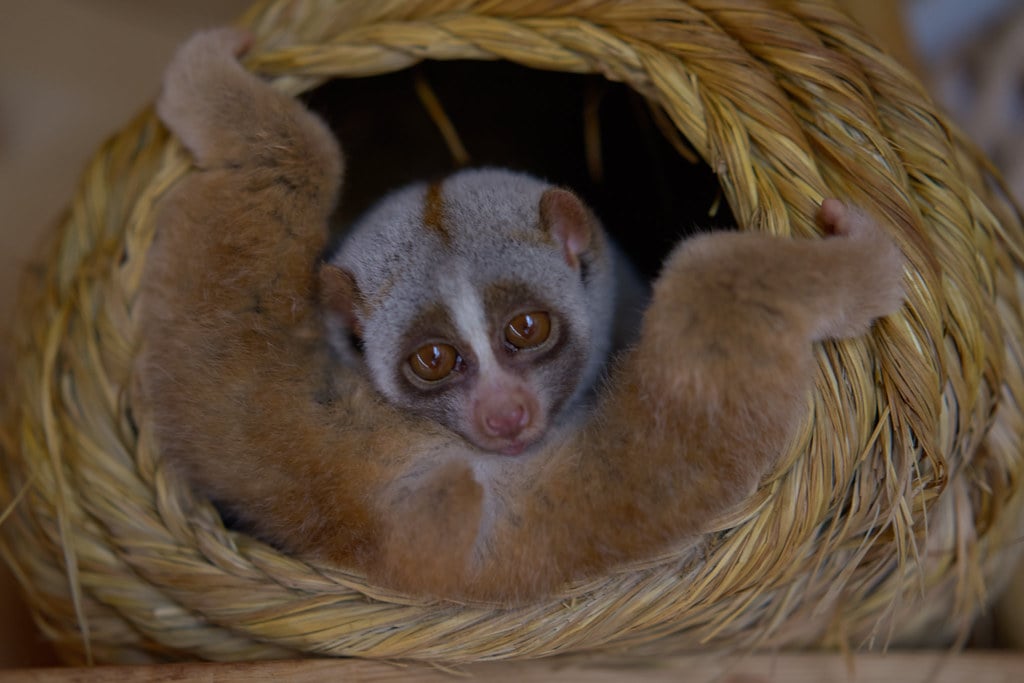
With their enormous eyes and soft, plush-like fur, slow lorises look like living stuffed animals straight out of a children’s book. These nocturnal primates seem like living stuffed animals, and social media has popularized them as cute pets. Their gentle movements and adorable expressions make them irresistible to many potential pet owners.
But here’s the terrifying truth: slow lorises produce toxin from glands in their elbows, which they lick and mix with saliva, and their bite can cause anaphylactic shock and even death in humans with allergic reactions. The slow loris possesses a toxic bite, with venom produced by a gland on its arm and activated by saliva, causing severe reactions in humans, including anaphylactic shock and tissue damage. This makes them one of the few venomous mammals on Earth, and their ownership could result in devastating liability claims.
#16 Hedgehogs – Spiky Surprises That Pack a Punch
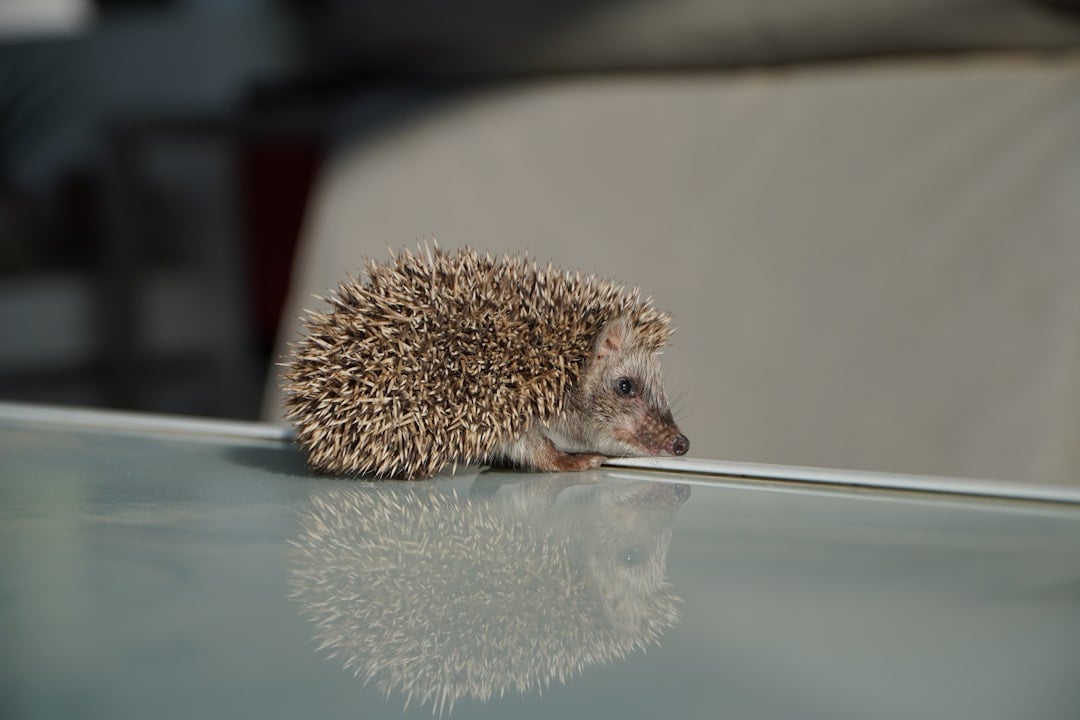
A lot of people keep hedgehogs as household pets – and post tons of cute hedgehog pictures to prove it. These tiny mammals with their adorable pointed faces and compact size seem like perfect apartment companions. Their tendency to curl up into a ball when scared only adds to their endearing appeal.
However, their spikes can be very damaging to human skin and to anything else that could be a potential predator, and if provoked, they’ll do some real damage. They can bite, use their sharp claws and punch with their arms and their legs, which can be extremely powerful when used to kick their predator. What starts as a harmless pet interaction could quickly escalate into an expensive medical bill and potential lawsuit if your hedgehog decides to defend itself against an unsuspecting visitor.
#15 Pufferfish – The Deadly Dinner That Swims
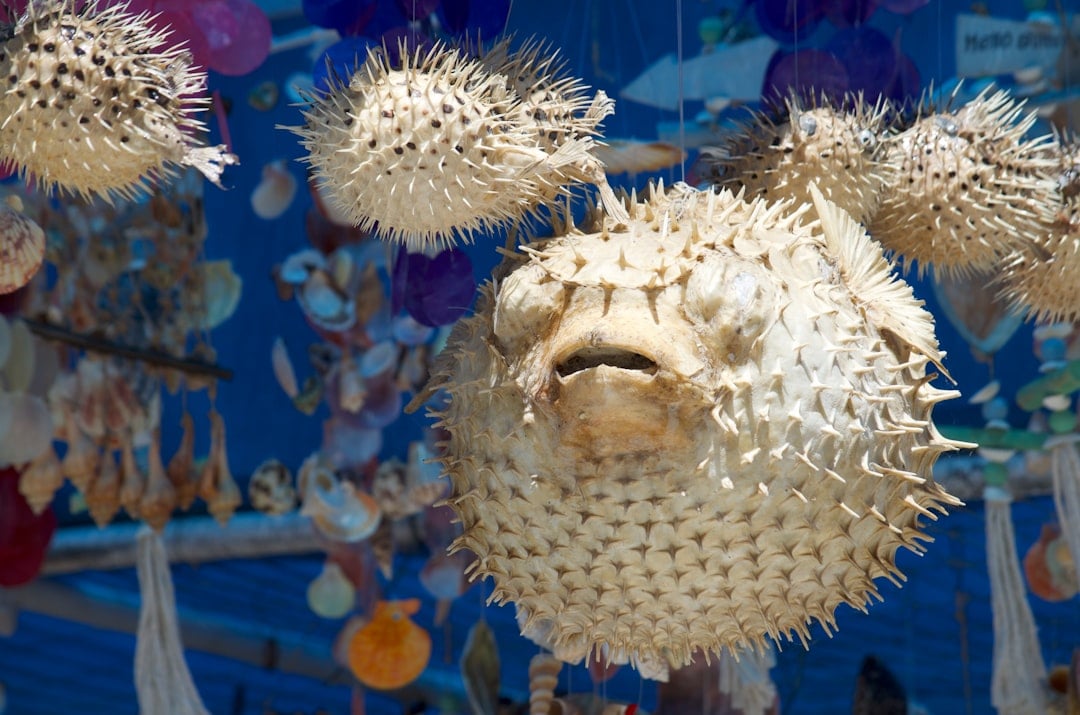
Round and cartoonish, pufferfish inflate themselves into spiky balls when startled, and many people find their transformation adorable. Their comical appearance when they puff up makes them seem like living stress balls or toys rather than dangerous creatures. Some people even keep them as exotic aquarium pets, fascinated by their unique defense mechanism.
The reality is absolutely chilling: a single pufferfish contains enough tetrodotoxin to kill multiple adults, and even professionally prepared as the Japanese delicacy fugu, these fish cause several deaths yearly when improperly handled. Pufferfish are one of the most poisonous vertebrates on the planet. They inflate their bodies to protect themselves and in doing so release tetrodotoxin, a potent neurotoxin that can cause paralysis and death in both fish and humans. There is no antidote for the deadly toxin. Imagine facing a wrongful death lawsuit because your “harmless” pet fish caused a fatal accident.
#14 Platypus – The Bizarre Beast with Hidden Weapons
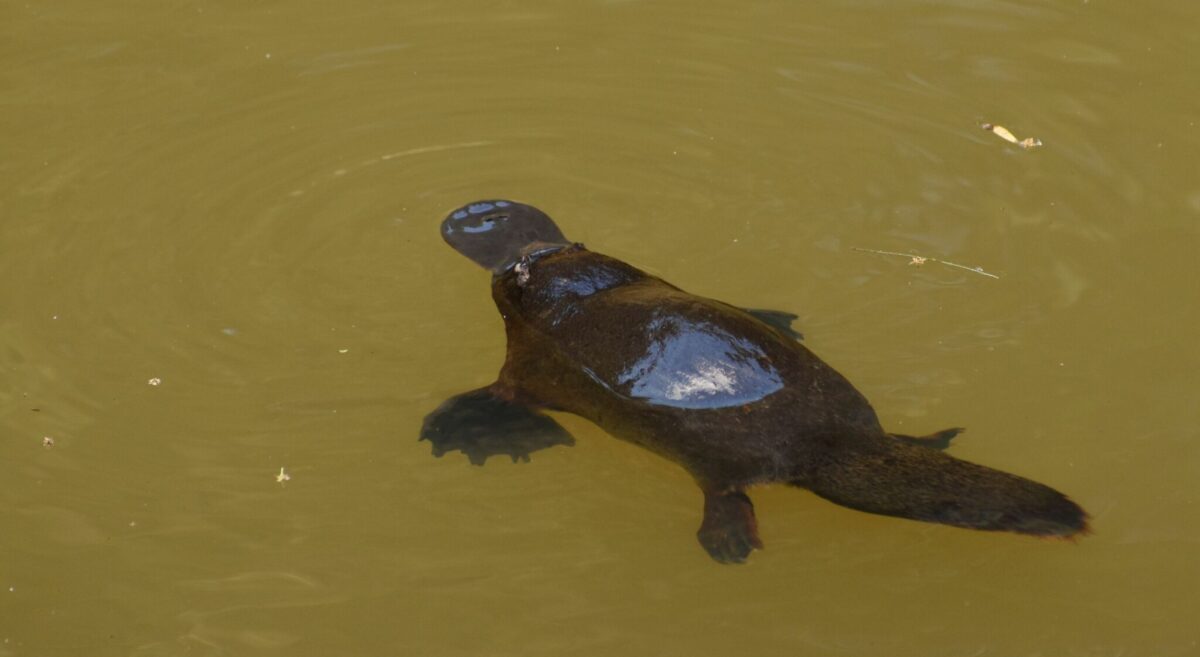
Famous for its duck bill and beaver-like tail, this oddball mammal seems like a harmless curiosity. Few realize that male platypuses pack a powerful punch below the surface. Their weird appearance often makes people laugh rather than feel threatened, and they seem too strange to be dangerous.
Platypuses are more dangerous than they look. Male platypuses have hollow spurs on the heels of their back legs that secrete a venom. The venom isn’t deadly to humans, but it can cause intense pain and swelling. Males have venomous spurs on their hind legs, and while not usually deadly to humans, the venom can cause excruciating pain and swelling that lasts for weeks. The liability issues from owning such an unusual and potentially harmful creature could be substantial, especially given their protected status in most countries.
#13 Koalas – Cudly Eucalyptus Addicts Gone Wild
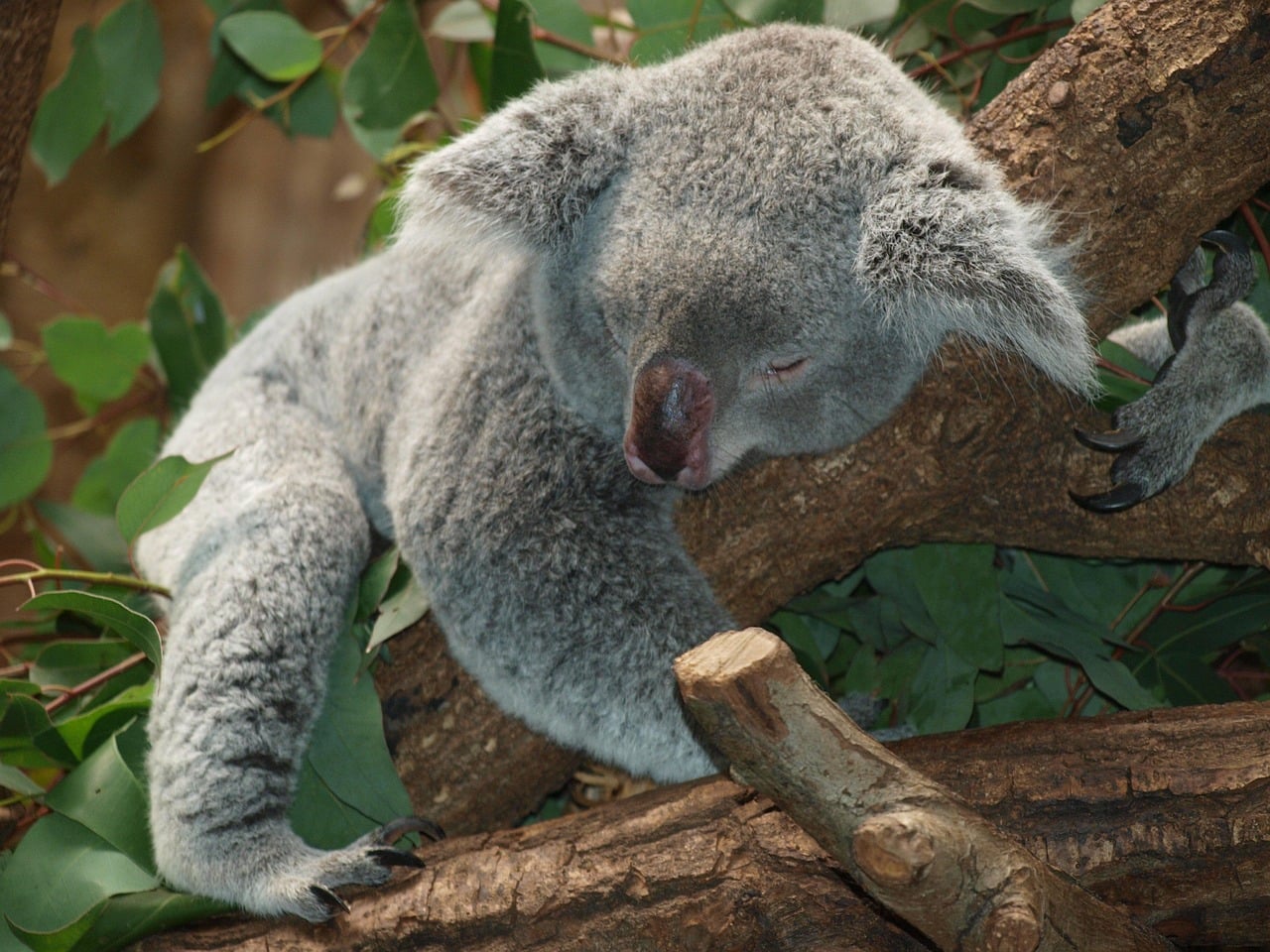
Everyone knows how adorable these animals are. However, contrary to popular belief, koalas are not bears. Their sleepy demeanor and fluffy appearance make them seem like the perfect cuddle companions. Their diet does not provide them with much energy, so they sleep a lot. This behavior makes them appear nonthreatening.
The shocking truth: a full-grown koala weighs 9–14 kilograms (20–30 lb) and has long, sharp claws as well as sharp teeth and strong jaws. They have been known to move quickly and attack people or dogs if they feel cornered or threatened. These aren’t the drowsy tree huggers we imagine from commercials. When provoked, they can inflict serious injuries with their powerful claws and jaws, potentially leaving pet owners facing substantial medical bills and legal consequences.
#12 Mute Swan

While typically seen as elegant, the Mute Swan is a non-native species in North America, mute swans are notoriously territorial and aggressive, especially during nesting season. In public parks or ponds, they have been known to attack humans, dogs, and other wildlife by charging or striking with their powerful wings. Their protective nature, combined with their size and strength, makes them dangerous when kept in areas frequented by the public.
#11 Chow Chow
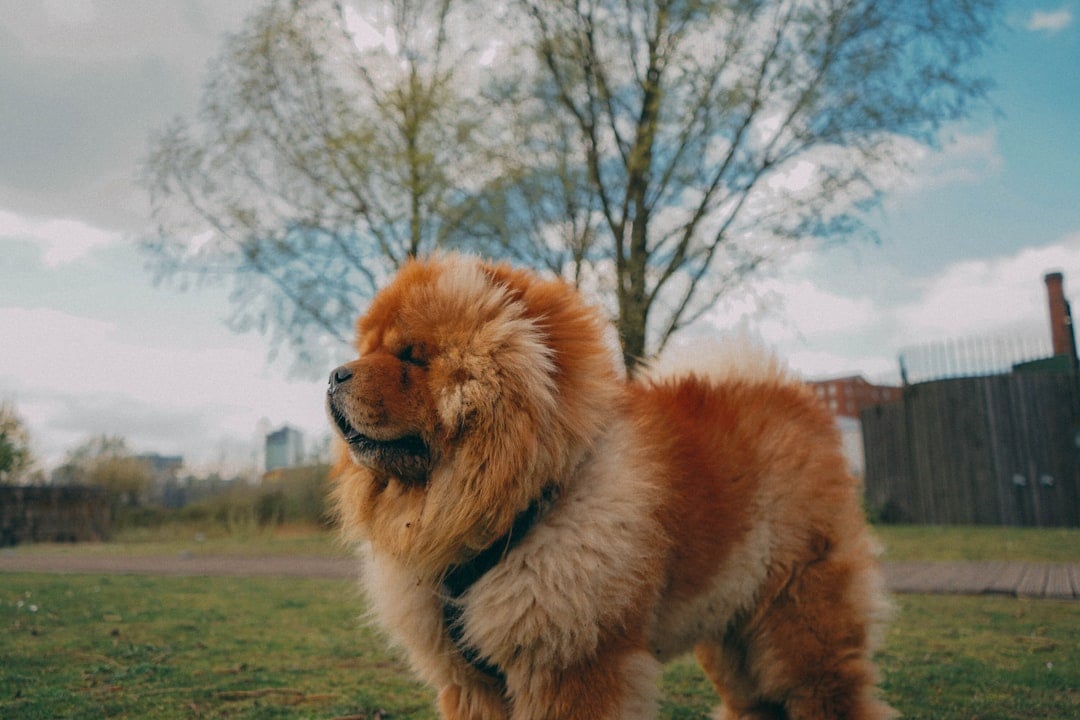
The Chow Chow’s fluffy, teddy bear-like appearance belies its territorial and protective instincts. They can be stubborn and difficult to train, and without proper socialization, they may become aggressive toward strangers. While undeniably majestic with their lion-like mane, Chow Chows are known for their aloof and sometimes aggressive temperament. Their natural wariness of strangers and strong territorial instincts can make them a liability in public spaces. Without rigorous training and early socialization, they may become unpredictable around children, other pets, or even unfamiliar adults, leading to potential bites or confrontations.
#10 Bearded Dragon
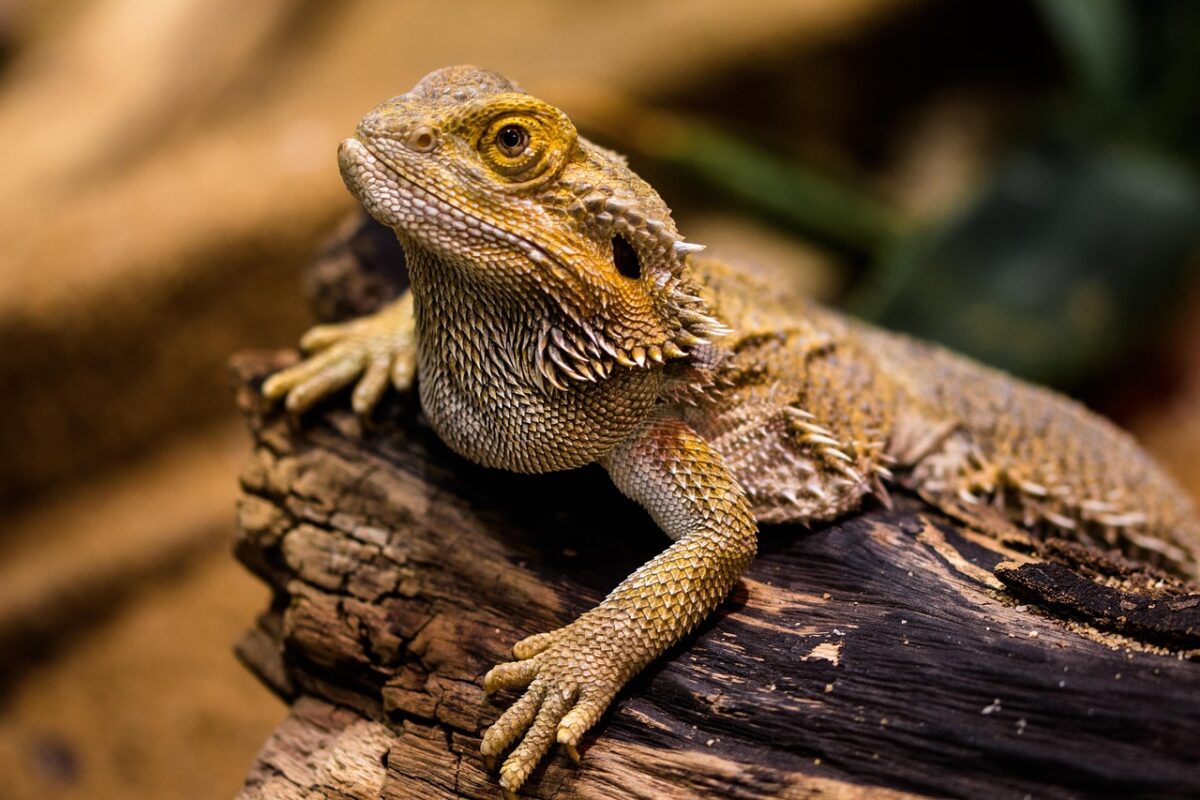
These reptiles may seem docile and beginner-friendly, but they can pose health risks due to salmonella bacteria, which they often carry. Public exposure to children or individuals with weakened immune systems raises the risk of infection. Additionally, improper handling or stress in a public setting can compromise the animal’s health and safety, making them less suitable as pets in shared environments.
#9 Ball Python
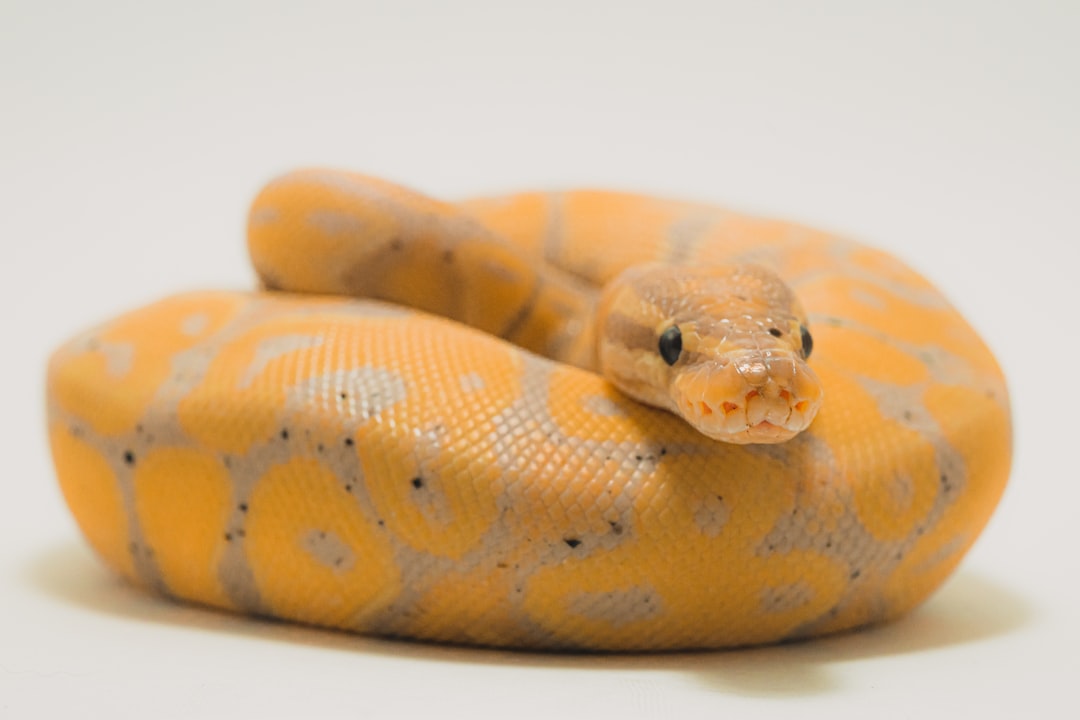
Though generally considered calm, ball pythons can still pose risks in public due to their size and constricting behavior. Even non-venomous, they may alarm people who are fearful of snakes, creating unnecessary panic. Escape incidents are also not uncommon, and a loose python in a public area can quickly turn into a liability, both for the reptile’s welfare and public safety.
#8 Prairie Dogs – Chubby Cheeks Hide Dark Secrets
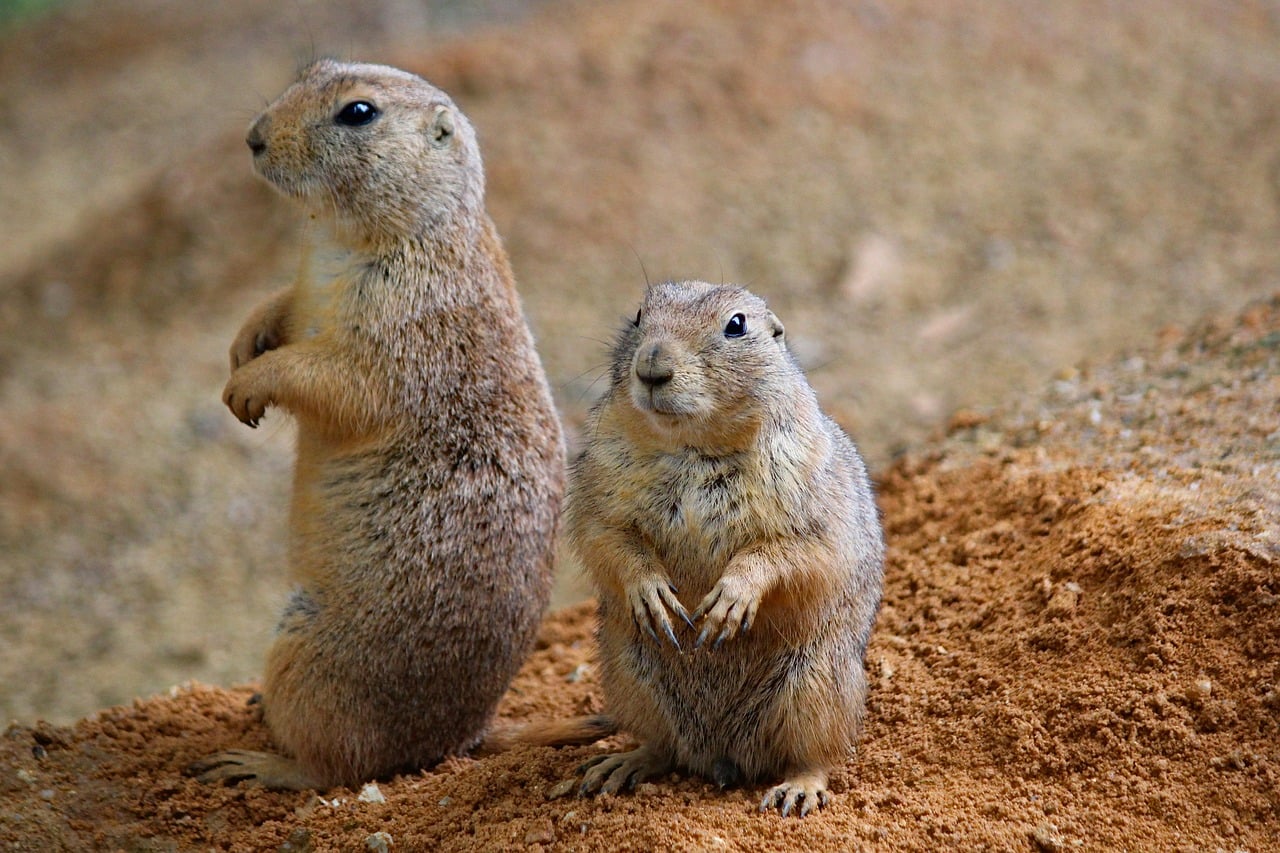
Cute prairie dogs with funny, chubby bellies, despite their looks and harmless name, may very well be a danger to humans. Contrary to the belief that these rodents feed exclusively on grass, there were occasions when they attacked and destroyed their closest relatives, ground squirrels. Their social behavior and animated “conversations” make them seem like perfect community pets.
Don’t forget that prairie dogs can be carriers of various diseases. Beyond their potential for aggression, prairie dogs can transmit plague, tularemia, and monkeypox to humans. The combination of their territorial nature, sharp teeth, and disease-carrying potential makes them significant liability risks. Pet owners could face lawsuits not just for bite injuries, but for disease transmission that could affect entire neighborhoods.
#7 House Mice – Tiny Terrorists in Disguise
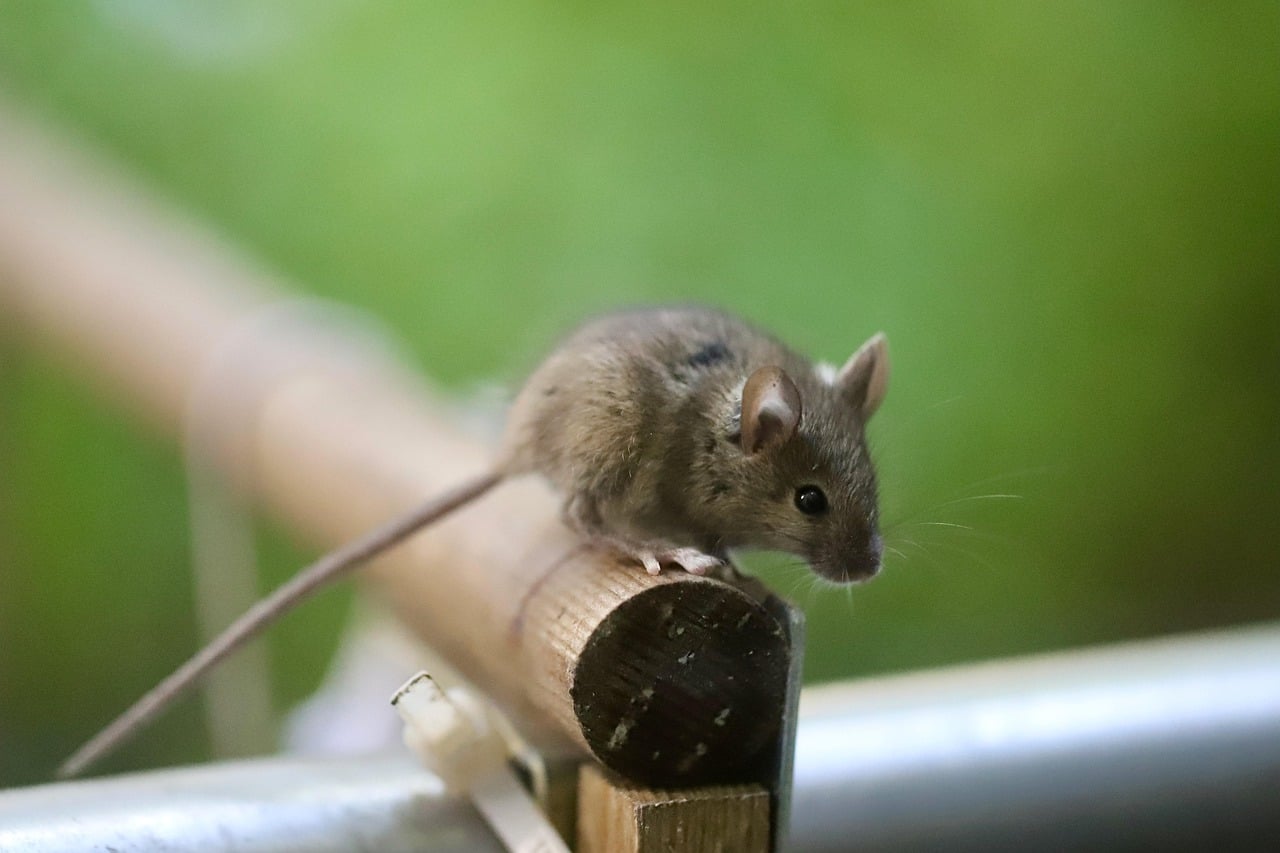
An ordinary house mouse may look like a sweet and harmless creature, unable to cause any harm to a person except for stealing a piece of cheese or a cookie from the table. But this is only partly true. Their small size and soft fur make them seem utterly harmless, and many people keep fancy mice as pets without thinking twice about the risks.
Mice can actually pose a few serious problems for people at once, including the spread of disease and damage to property. To keep their teeth short, they need to nibble all the time, and it doesn’t matter what gets in their way, whether it be electrical wiring or furniture. Incredibly, they are even able to chew through concrete. These rodents reproduce very quickly – a group of 6-8 individuals can increase to 60 in just 3 months. The property damage alone could result in thousands of dollars in claims, not to mention the health risks from diseases like salmonella and hantavirus.
#6 Ferrets – Playful Bandits with Destructive Tendencies
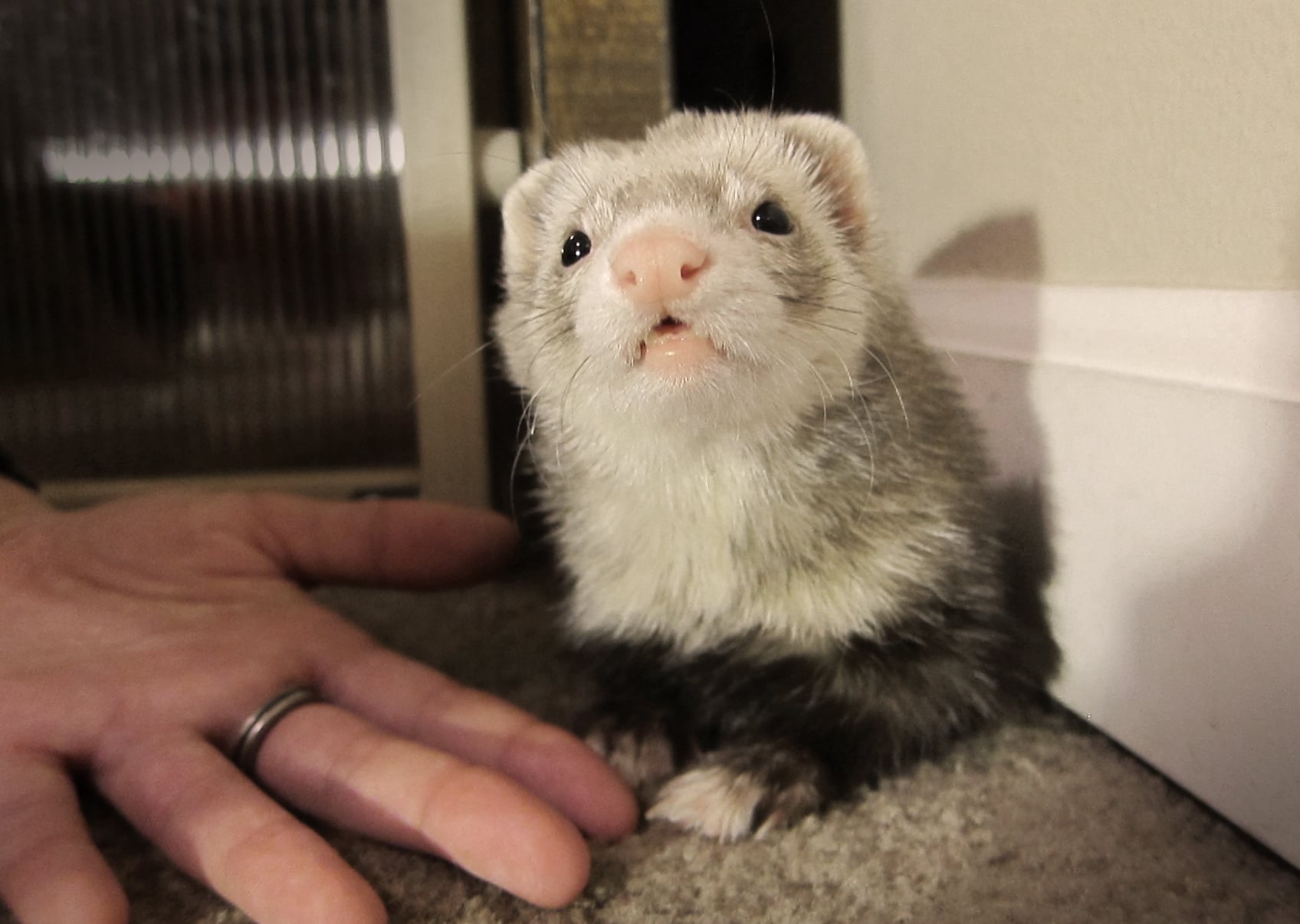
Ferrets appear to be the perfect apartment pets with their playful antics and cat-like independence. Their sleek bodies and curious nature make them endearing to many potential pet owners, and their social behavior with humans often feels more like having a small, furry friend than a pet. If you have a non-traditional house pet such as a ferret or snake, those will likely be considered “exotic pets,” which may also be excluded from certain homeowners insurance plans.
However, ferrets have incredibly sharp teeth and can inflict serious bite wounds when frightened or provoked. They’re also notorious escape artists who can cause significant property damage by chewing through walls, wiring, and furniture. Their musky odor, despite descenting, can be overwhelming and could result in complaints from neighbors or landlords. Any exotic or domestic animal can cause property or bodily injury, so responsible owners are making sure that they obtain liability coverage in place in case an incident or claim occurs. Even the most docile pet can be unpredictable and can cause property or bodily injury.
#5 Bengal Cat

Bengal cats may be stunning with their leopard-like coats, but they come with an energy level and wild streak that can make them difficult pets in public or communal spaces. Their high prey drive and tendency to scratch, climb, or leap onto unexpected surfaces can make them destructive and unpredictable. Without constant engagement and careful handling, a Bengal can become aggressive or stressed, making them a potential liability in homes with children, other pets, or frequent visitors.
#4 Savannah Cat
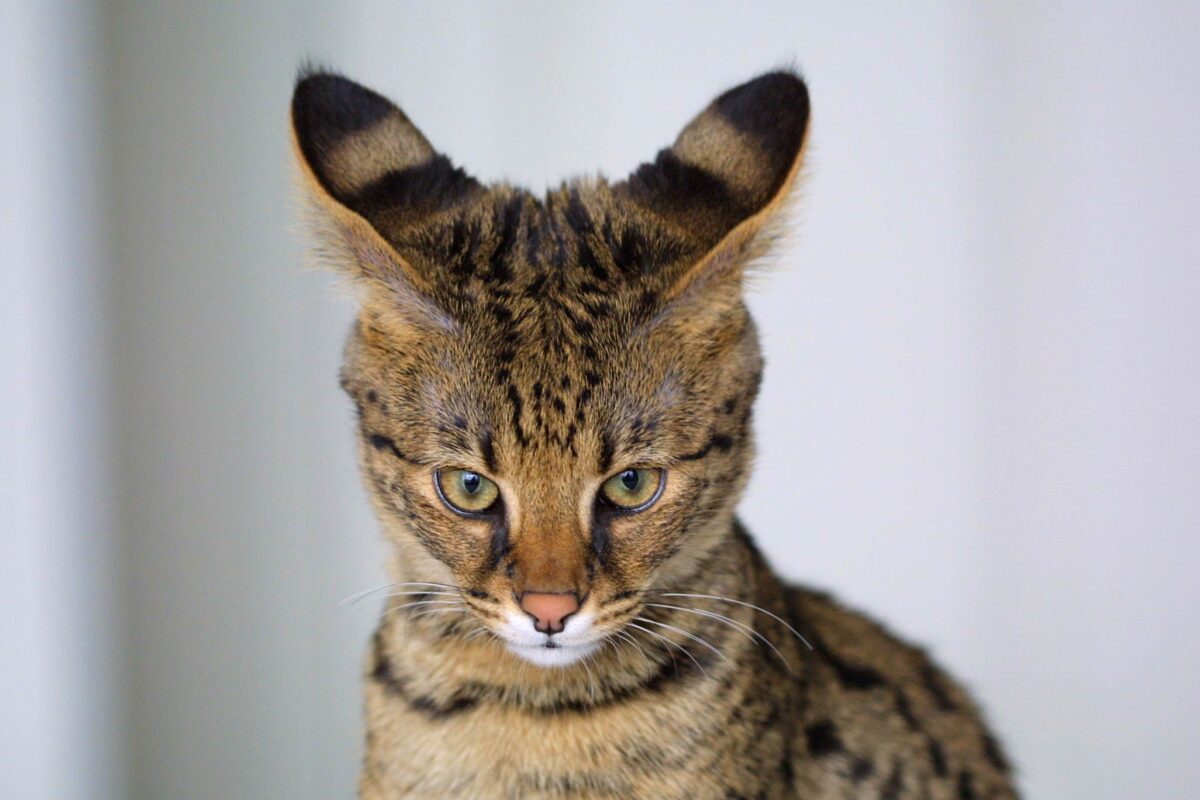
A cross between a domestic cat and a serval, Savannah cats are strikingly exotic but come with significant challenges. They are much larger and stronger than typical cats, with a wild temperament that makes them harder to control. In public or residential settings, they may exhibit unpredictable behavior, attempt to escape, or act aggressively toward unfamiliar people and animals. Because of their hybrid nature, ownership is restricted in some areas, underscoring their potential as a public liability.
#3 Sugar Glider

These small, nocturnal marsupials are often marketed as cute pocket pets, but in reality, they have specialized care needs that make them difficult to keep responsibly. Their tendency to bite when stressed, their nocturnal screeching, and their need for large enclosures and gliding space can create issues in households or public spaces. Moreover, like reptiles, sugar gliders may carry bacteria that pose health risks, making them a questionable choice where public exposure is common.
#2 Doberman

Known for their loyalty and guarding instincts, Dobermans are highly intelligent but also protective to a fault. When not properly trained or socialized, they can become overly territorial, perceiving strangers as threats. This protective streak can lead to aggressive encounters in public places such as parks or neighborhoods. Their strength and speed amplify the risk, making them a liability in untrained or inexperienced hands.
#1 Pit Bull

Pit Bulls are among the most debated dog breeds, loved by many but feared by others. While many are gentle and affectionate, the breed’s history in fighting and their powerful bite force contribute to public stigma. In the wrong environment, or when owned by careless handlers, they can become dangerous, leading to bans or restrictions in several regions. Public liability issues arise both from actual incidents and from the fear and prejudice surrounding the breed, which can cause legal and social complications for owners.
Conclusion: The Hidden Costs of Cute

The harsh reality is that according to the Insurance Information Institute (III), the average cost per claim for a dog bite was $50,425 in 2021, and that’s just for traditional pets. The likelihood of an exotic pet being covered by homeowners insurance is slim. Most even restrict certain breeds of dogs from coverage or exclude animal liability coverage altogether. Because insurance policies are becoming more exclusionary, it is likely that a current homeowners insurance policy will not cover an exotic pet.
In many states, you can be held strictly liable for damage and injuries caused by your pet. That means even if your pet hasn’t displayed aggressive tendencies in the past and you did everything you could to control the situation, you’ll likely be held liable for what happened anyway. The financial consequences can be devastating, with medical bills, legal fees, and property damage claims potentially reaching hundreds of thousands of dollars.
Before you fall for those adorable eyes and fluffy fur, remember that the cutest creatures often carry the biggest price tags – not just in terms of care, but in potential liability. The next time you’re tempted by an “harmless” exotic pet, ask yourself this: are you prepared to risk everything for something that looks too good to be true? Because in the world of seemingly innocent animals, appearances can literally be deadly.

As a little kid, I fell in love with nature, wildlife, and animals. Living in the USA, South Africa, Italy, China and Germany gave me the opportunity to discover the world's Wildlife. My favorite animals are Mountain Gorillas, Siberian Tigers, and Great White Sharks.
I'm a certified PADI Open Water Diver, went to Everest Base Camp and Trekked Gorillas in Uganda. I hold a Master of Science in Economics and Finance.
Please send any feedback to feedback@animalsaroundtheglobe.com
- 10 Animals That Embody the Zodiac Sign of Capricorn - July 21, 2026
- 25 Dangerous U.S. Lakes & Rivers Where Swimming Could Be Risky – Don’t Ignore #1 - July 21, 2026
- 13 Creatures That Survive Extreme Cold - July 21, 2026