


Every horse lover has that dream breed they’d buy tomorrow if money wasn’t an issue. But here’s the thing your equine veterinarian probably won’t tell you outright during that casual conversation at the barn: some of the most beautiful, sought-after breeds come with a veterinary bill that could rival your mortgage payment. After decades of treating horses, vets have quietly watched certain breeds walk through their clinic doors again and again, often for the same hereditary issues that could have been avoided with better breeding choices.
It’s not that these breeds are inherently “bad” – many individual horses live perfectly healthy lives. But when you’re looking at statistical odds and the heartbreak of watching owners struggle with chronic conditions, patterns emerge that make veterinarians wince every time someone announces they’ve fallen in love with one of these particular breeds.
#15 Friesian Horses – The Hollywood Heartbreakers
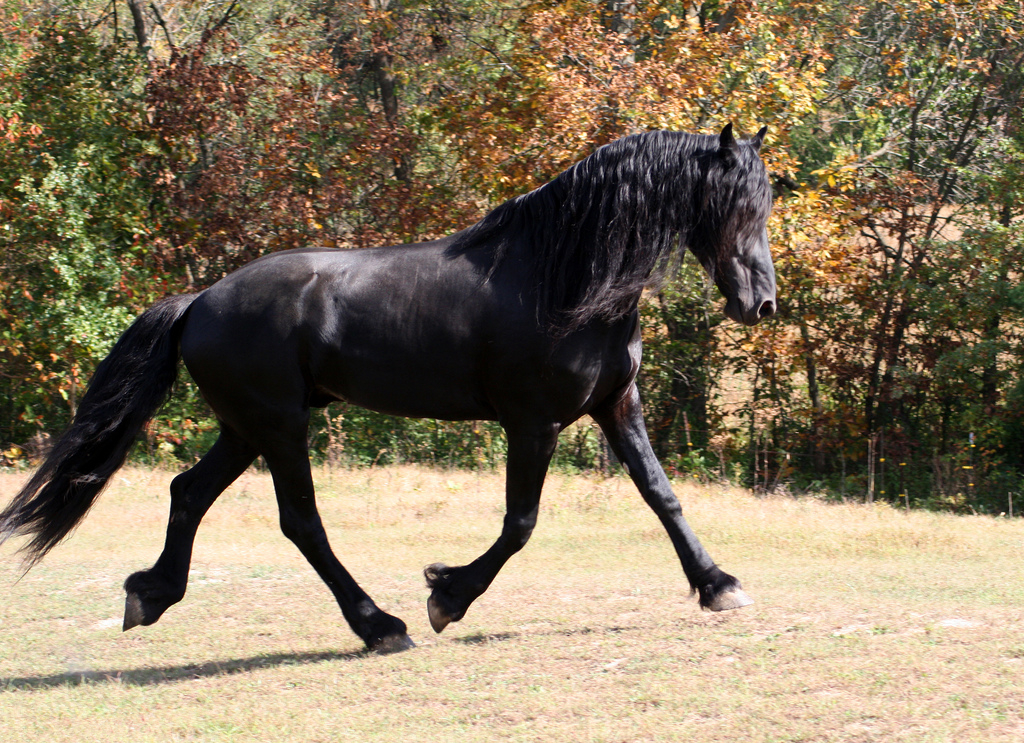
With their jet-black coats, flowing manes, and high-stepping gaits, Friesian horses have become favorites for those who want to ride or drive a spectacular, eye-catching equine. Friesians have increasingly been favorites of Hollywood with roles in Conan the Barbarian, Eragon, The Mask of Zorro, Alexander, The Chronicles of Narnia, Clash of the Titans and The Hunger Games. But behind that fairytale appearance lurks a veterinary nightmare.
When a registry was created in 1879, breeders wanted to preserve these traits, and the horses have been closely inbred. This practice has produced outstanding horses, but has also allowed some genetic weaknesses to surface. Rupture of the aorta is found in many breeds, but in Friesians, however, the site of aortic rupture is almost always at the aortic arch where the artery turns to descend through the body. This unique location suggests a genetic or breed-specific factor.
#14 Miniature Horses – Tiny Bodies, Giant Medical Bills
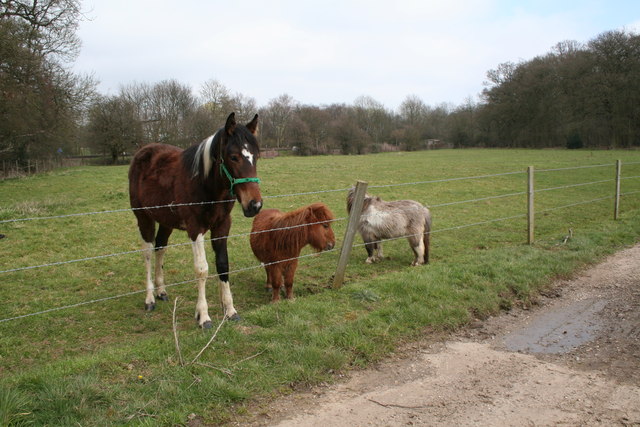
Don’t let their adorable size fool you into thinking miniature horses are low-maintenance pets. Similar to dog breeds that have been selectively bred for their appearance, years of breeding horses for small size has inadvertently made minis much more susceptible to conditions that can affect them throughout their lives. These pocket-sized equines are walking medical complications waiting to happen.
Overcrowding of cheek and incisor teeth is a major problem. This predominantly manifests itself between three and five years of age, due to the disproportionately small head and mouth compared to the size of the teeth at the time of eruption. While potentially serious, mortality rates vary significantly with proper veterinary care and clinical signs can start to occur after just 24 hours of inappetance. When a simple case of not wanting to eat can turn deadly overnight, you know you’re dealing with a breed that keeps vets on their toes.
#13 Draft Horses – Gentle Giants with Serious Issues
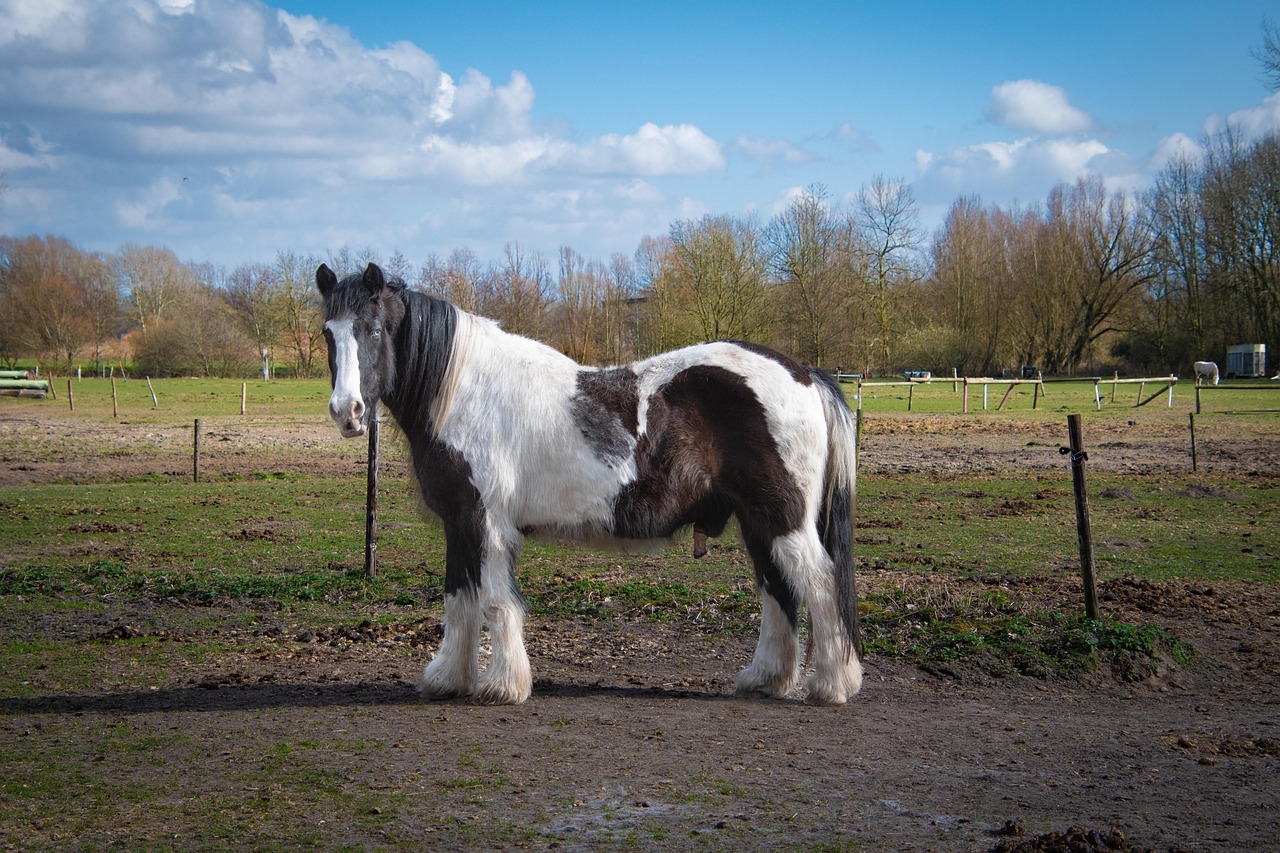
Draft horses are some of the most gentle, willing, and wonderful horses out there. Their calm demeanor and impressive presence make them irresistible to many horse enthusiasts. However, their size becomes both their blessing and their curse when it comes to health management.
Probably the most widely known condition that affects Draft breeds is Equine Polysaccharide Storage Myopathy (EPSM). Affected horses are not able to properly metabolize starches and sugars due to an abnormality of glycogen synthesis regulation that results in deposition and storage of unmetabolized carbohydrate in the muscles. Many horses eventually have to be euthanized due to the severity of the disease. There is no cure for CPL. Watching a magnificent draft horse slowly deteriorate from chronic progressive lymphedema is heartbreaking for both owners and veterinarians.
#12 Arabian Horses – Ancient Beauty, Modern Problems
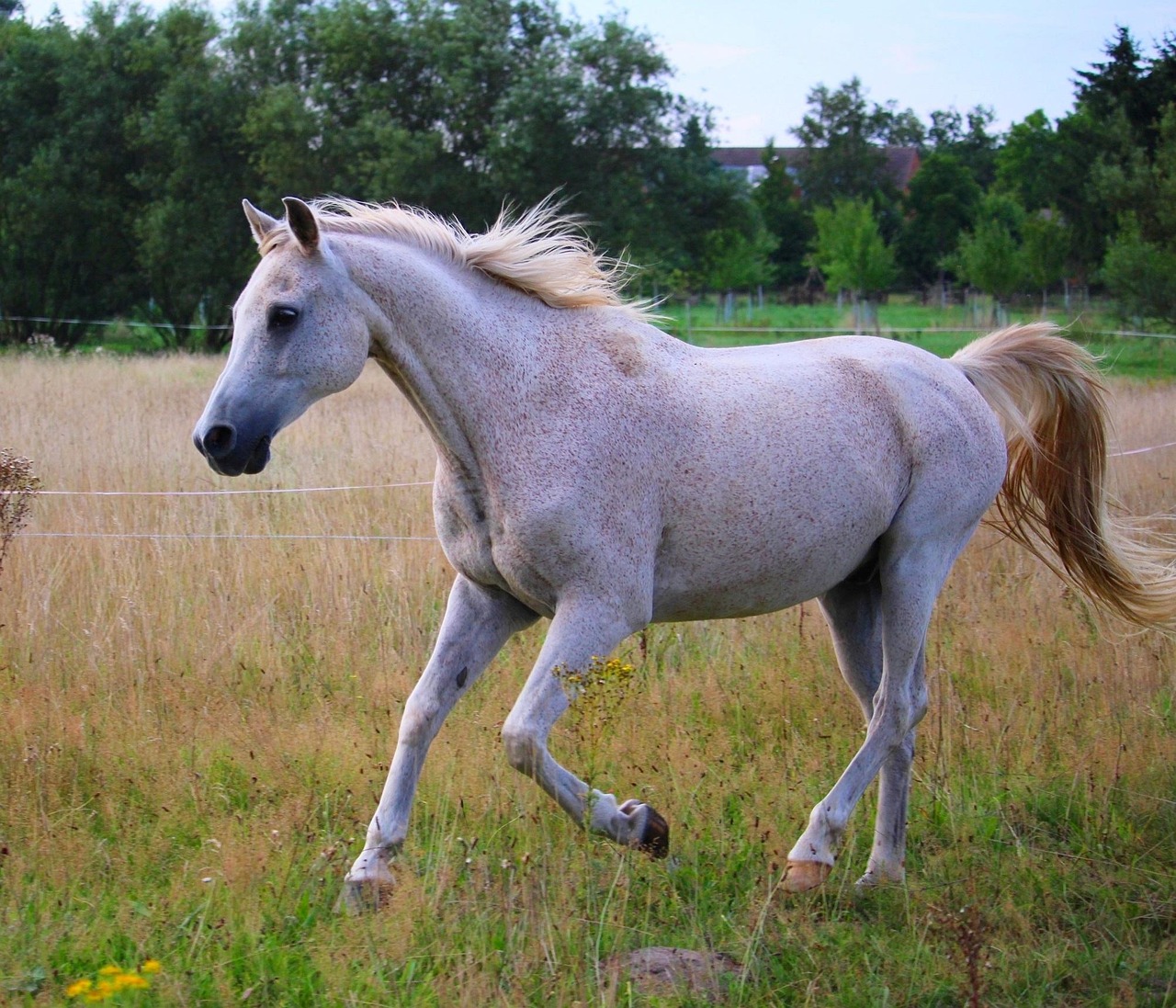
Due to their small head sizes, Arabians often suffer from overcrowding teeth, respiratory disease, and poor sinus drainage that can be difficult for veterinarians to treat surgically. That distinctive dished face that makes Arabians so recognizable also creates a host of anatomical challenges that keep equine practitioners busy.
Arabians can produce immune-deficient foals. While all ages, genders and breeds are susceptible to developing PPID, ponies and some breeds of horses (specifically Latin blooded horses such as Paso Finos, Peruvian Pasos, Spanish Mustangs, Arabs and Morgans) seem to develop PPID more frequently. The combination of conformation issues and genetic predispositions makes Arabians a breed that requires constant vigilance from both owners and veterinary professionals.
#11 Thoroughbreds – Racing Toward Health Problems
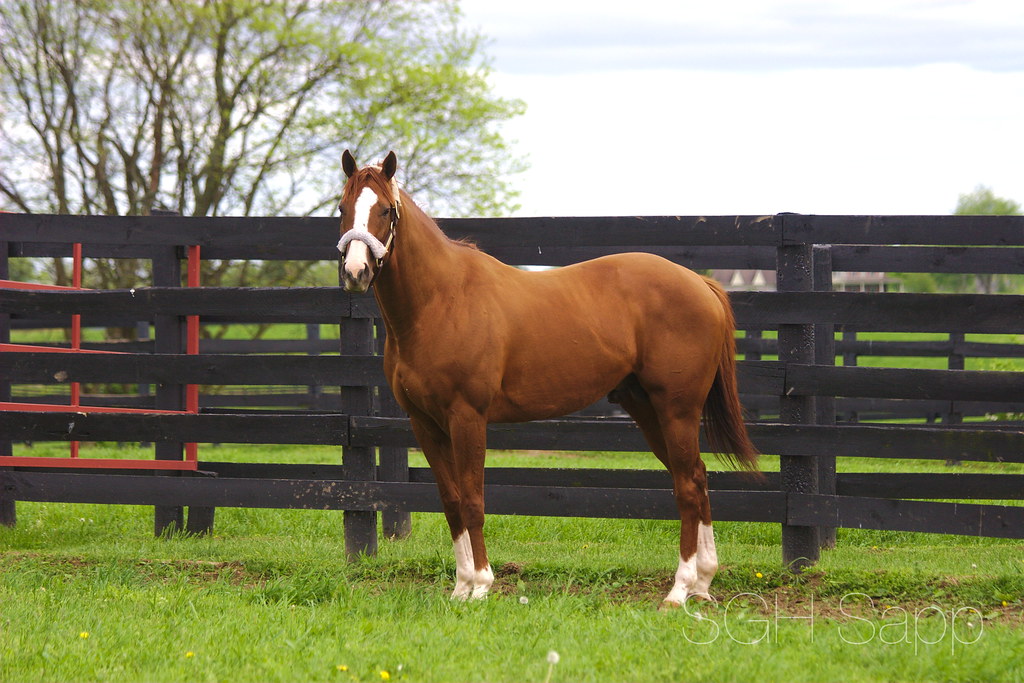
Sadly, it is probably the Thoroughbred, although there are many extremely healthy and sound individuals in the breed. However too many Thoroughbreds with poor hoof quality, and/or a propensity to bleeding in the respiratory tract, have been bred because of the focus on speed. When an entire breed has been selected for one trait above all others, health often takes a backseat.
Quarter Horses tend to tie up. But Thoroughbreds face their own unique set of challenges that stem from generations of breeding for speed rather than durability. The respiratory issues alone can make owning a Thoroughbred feel like managing a chronically ill patient rather than enjoying a recreational horse.
#10 Paint Horses – Pretty Patterns, Painful Genetics
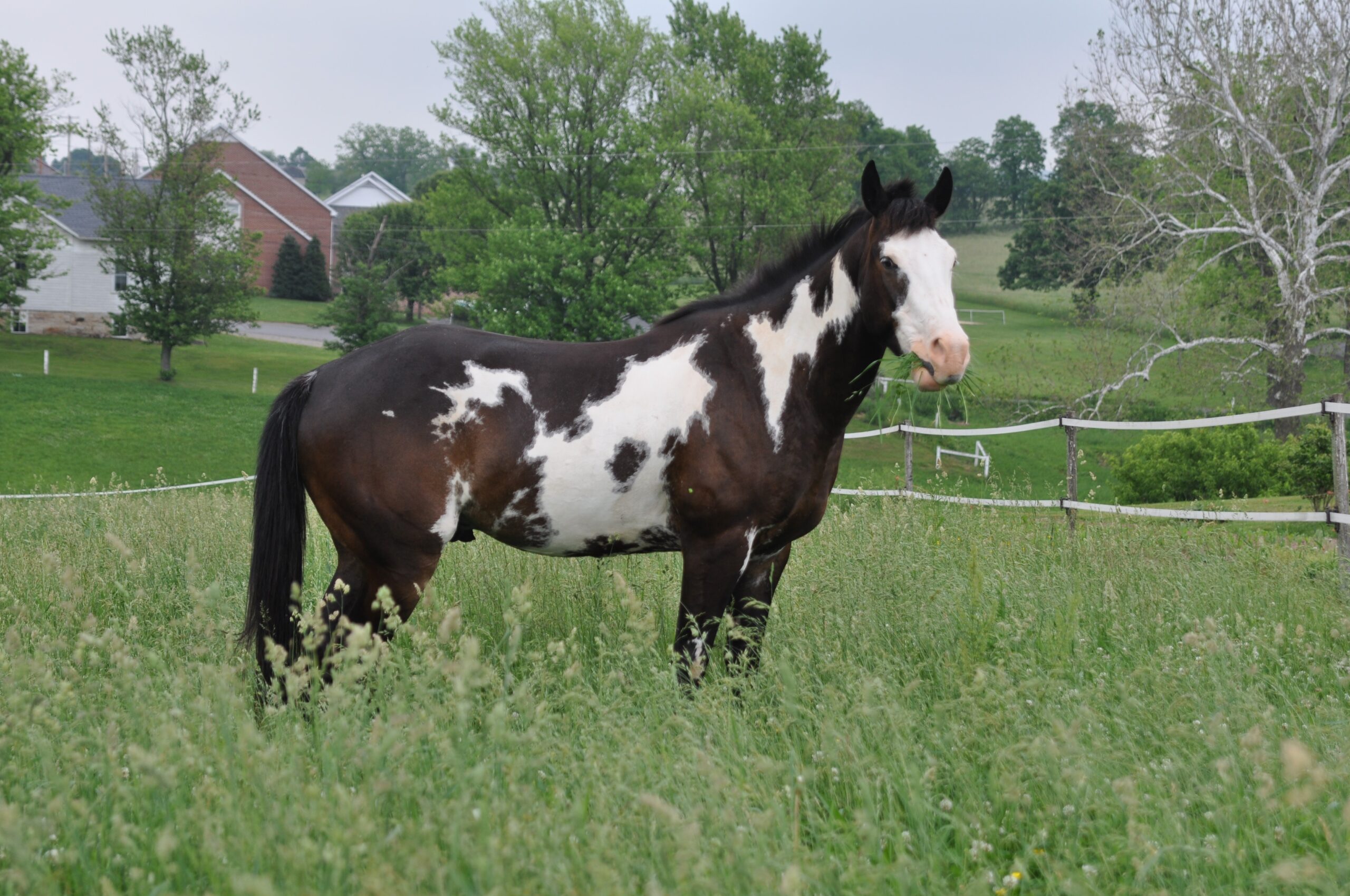
Those flashy coat patterns that make Paint horses so visually striking come with a hidden genetic cost that many buyers don’t realize until it’s too late. While not every Paint horse will develop serious issues, the breed carries several genetic conditions that can turn your dream horse into a veterinary challenge.
The overo lethal white syndrome is perhaps the most devastating of these conditions, where foals are born with incomplete intestinal development and cannot survive. Even when Paint horses don’t carry the most severe genetic conditions, their breeding history has concentrated certain health issues that appear more frequently than in many other breeds.
#9 Quarter Horses – America’s Most Popular Problem
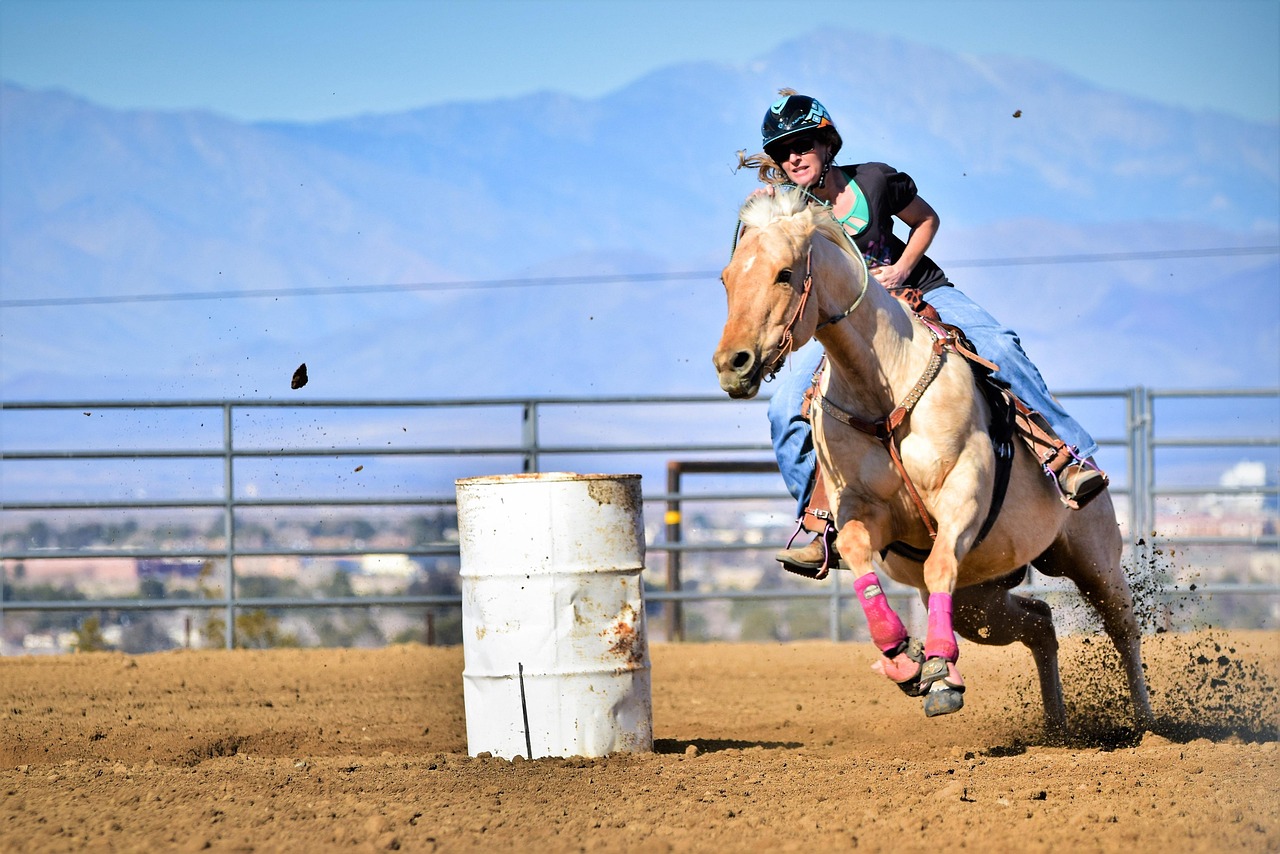
Quarter Horses tend to tie up. As America’s most popular breed, Quarter horses have unfortunately also become one of the most problematic from a veterinary standpoint. Their popularity has led to extensive breeding programs that haven’t always prioritized health over performance and appearance.
Hyperkalemic periodic paralysis (HYPP) is one of the most well-known genetic conditions in Quarter horses, causing episodes of muscle tremors, weakness, and paralysis that can be life-threatening. The condition is traced back to a single influential stallion, showing how quickly genetic problems can spread through a popular breed when health testing isn’t prioritized.
#8 Appaloosas – Spotted Trouble
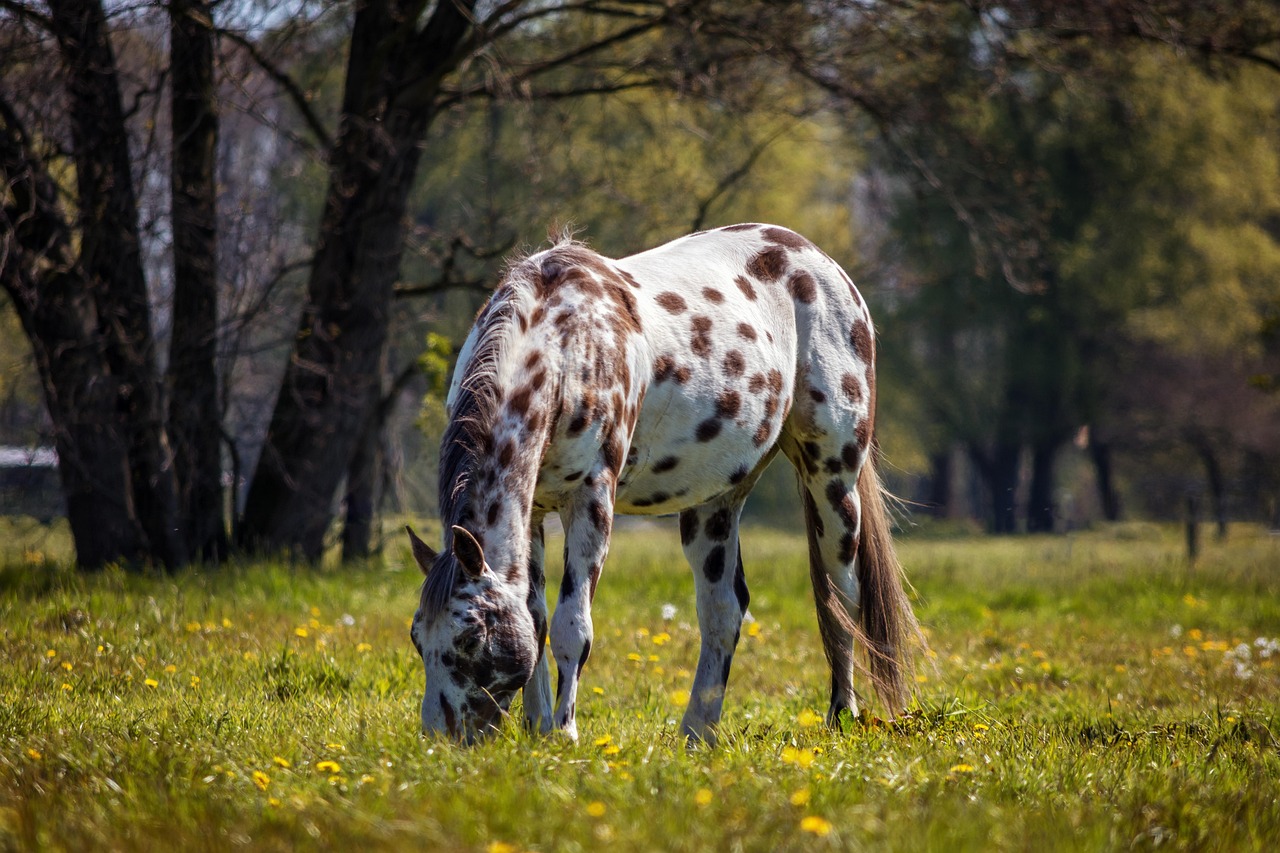
Appaloosas are prone to eye problems. That beautiful spotted coat pattern that makes Appaloosas so distinctive comes with an unfortunate side effect: a significantly higher risk of eye problems, particularly uveitis or “moon blindness.”
The same genes that create those stunning coat patterns also predispose Appaloosas to serious vision issues that can progress to blindness. Regular eye examinations and ongoing treatment become a lifelong commitment for many Appaloosa owners, turning routine care into a constant medical management situation.
#7 Clydesdales – Marketing Magic, Medical Misery
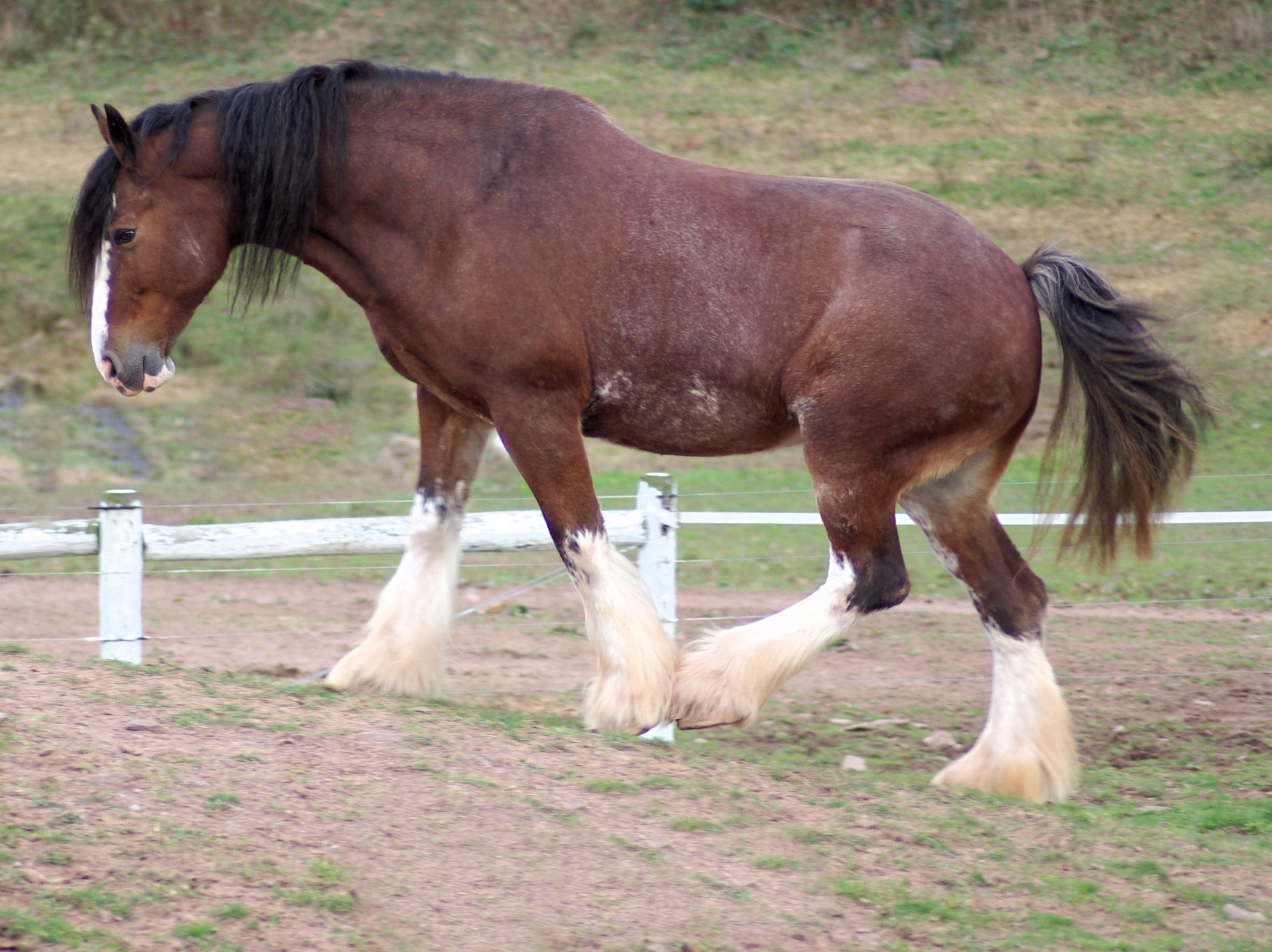
Those famous beer commercials have made Clydesdales one of the most recognizable horse breeds in the world, but their popularity has also contributed to breeding practices that prioritize appearance over health. Like other draft breeds, Clydesdales face the challenges that come with their impressive size.
Chronic progressive lymphedema is particularly problematic in Clydesdales, with their distinctive feathering around the lower legs becoming more than just a grooming challenge. The condition progresses over time, causing swelling, skin changes, and eventually mobility issues that can severely impact quality of life.
#6 Standardbreds – Built for Speed, Prone to Problems

Standardbreds are actually among breeds with higher susceptibility to EMS. While Standardbreds may not be as prone to metabolic syndrome as some other breeds, their racing background has created its own set of health challenges that keep veterinarians concerned.
The breeding focus on harness racing ability has led to conformation issues and musculoskeletal problems that often don’t manifest until after the horse’s racing career is over. Many retired Standardbreds come with a history of treatments and interventions that can complicate their later care.
#5 Warmbloods – European Elegance with Expensive Issues
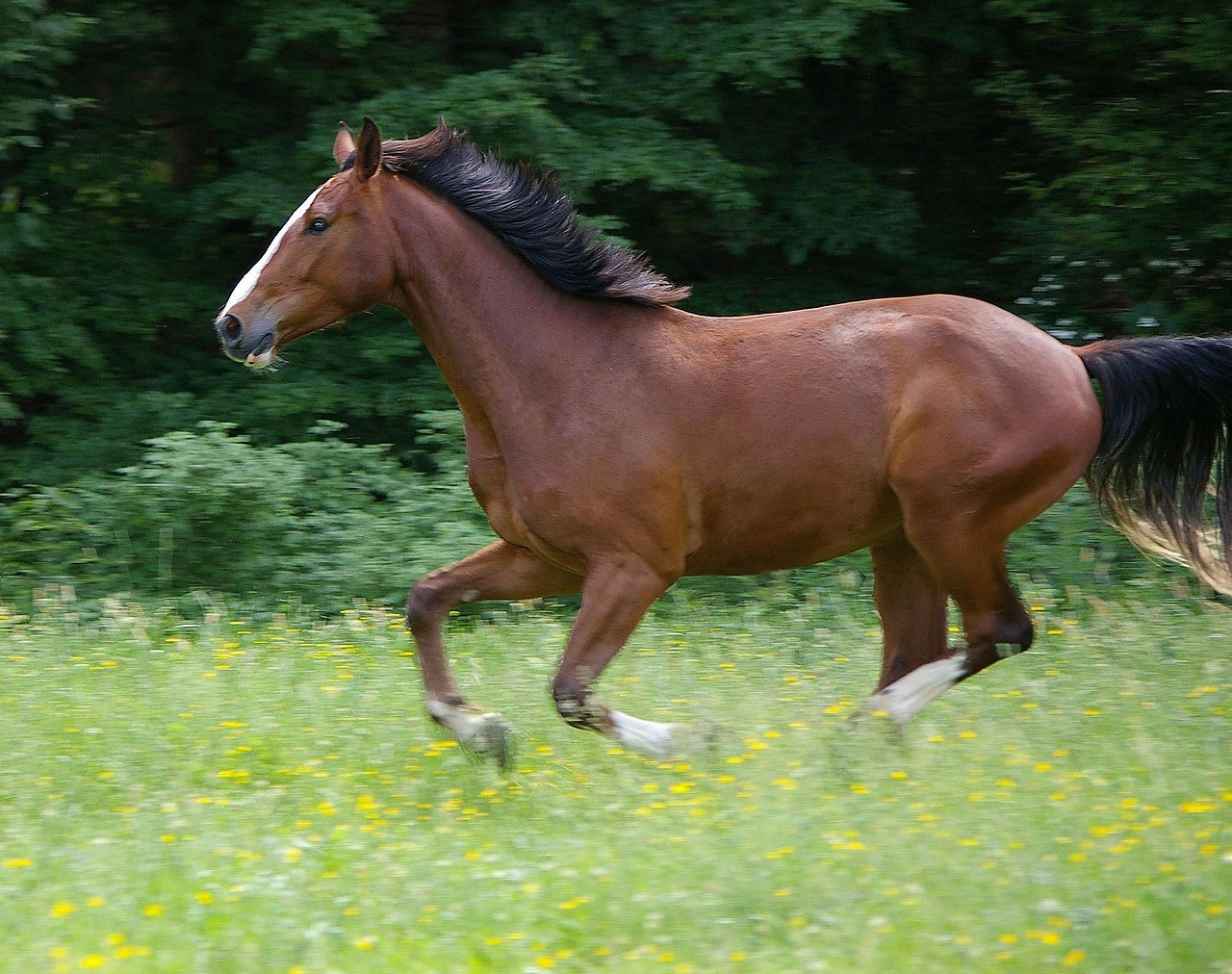
The breeds that appear to be most commonly affected include donkeys, ponies, Arabians, Morgans, Saddlebreds, Paso Finos, Spanish Mustangs, and Warmbloods. Warmbloods, despite their reputation as the ultimate sport horse, carry their own set of health concerns that can be both expensive and emotionally draining for owners.
Osteochondritis dissecans (OCD) is particularly common in young warmbloods, requiring surgical intervention and extensive rehabilitation. The condition affects joint cartilage and can end a sport horse’s career before it even begins, making pre-purchase examinations crucial but often revealing disappointing results.
#4 Tennessee Walking Horses – Smooth Gait, Rough Health
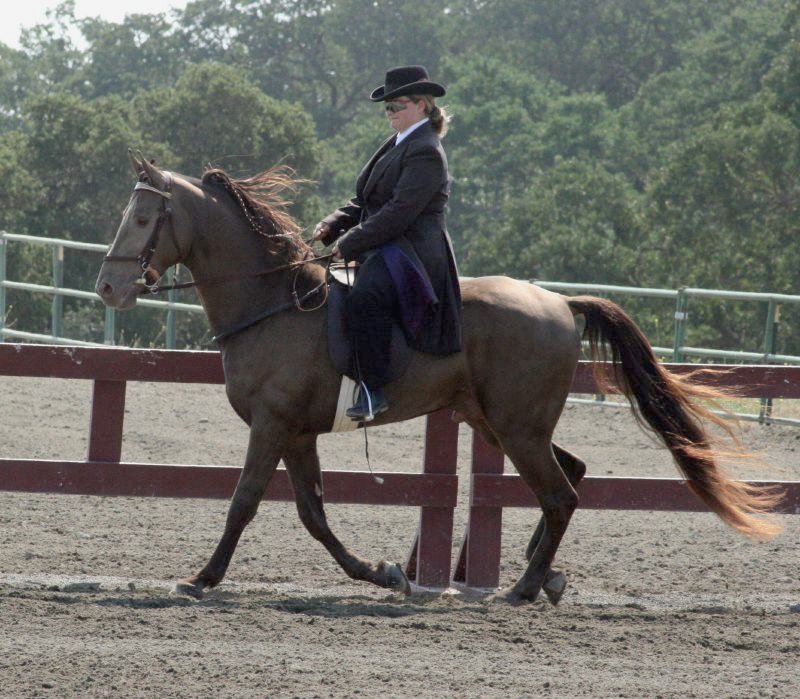
The Tennessee Walking Horse’s famous smooth gait comes with a price that extends beyond their initial purchase cost. The breeding practices used to enhance their natural gait have sometimes prioritized movement over overall health and soundness.
Neurological issues and conformational problems related to their unique way of moving can create ongoing management challenges. What starts as admiration for their distinctive gait can quickly turn into concern about their long-term soundness and quality of life.
#3 Paso Finos – Latin Fire, Medical Concerns
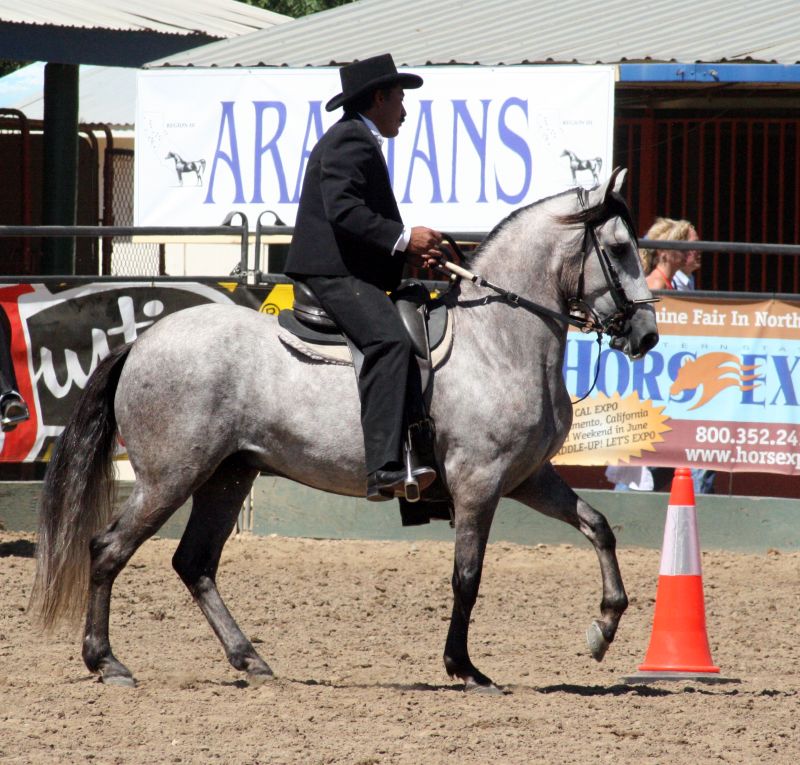
While all ages, genders and breeds are susceptible to developing PPID, ponies and some breeds of horses (specifically Latin blooded horses such as Paso Finos, Peruvian Pasos, Spanish Mustangs, Arabs and Morgans) seem to develop PPID more frequently. The Paso Fino’s proud carriage and smooth gait make them incredibly appealing, but their genetic predisposition to certain conditions requires careful management.
Their compact conformation, while contributing to their athletic ability, can also create challenges with weight management and metabolic issues. The breed’s tendency toward easy weight gain combined with their predisposition to endocrine disorders creates a management situation that requires constant attention.
#2 Saddlebreds – Show Ring Stars with Health Concerns

The breeds that appear to be most commonly affected include donkeys, ponies, Arabians, Morgans, Saddlebreds, Paso Finos, Spanish Mustangs, and Warmbloods. American Saddlebreds are bred for their flashy movement and impressive presence in the show ring, but this focus on performance has sometimes come at the expense of overall health.
Their high-set neck and animated way of going, while beautiful to watch, can create biomechanical stress that leads to ongoing soundness issues. The breed’s predisposition to certain metabolic conditions also requires careful dietary management throughout their lives.
#1 Morgans – America’s First Breed, Ongoing Issues
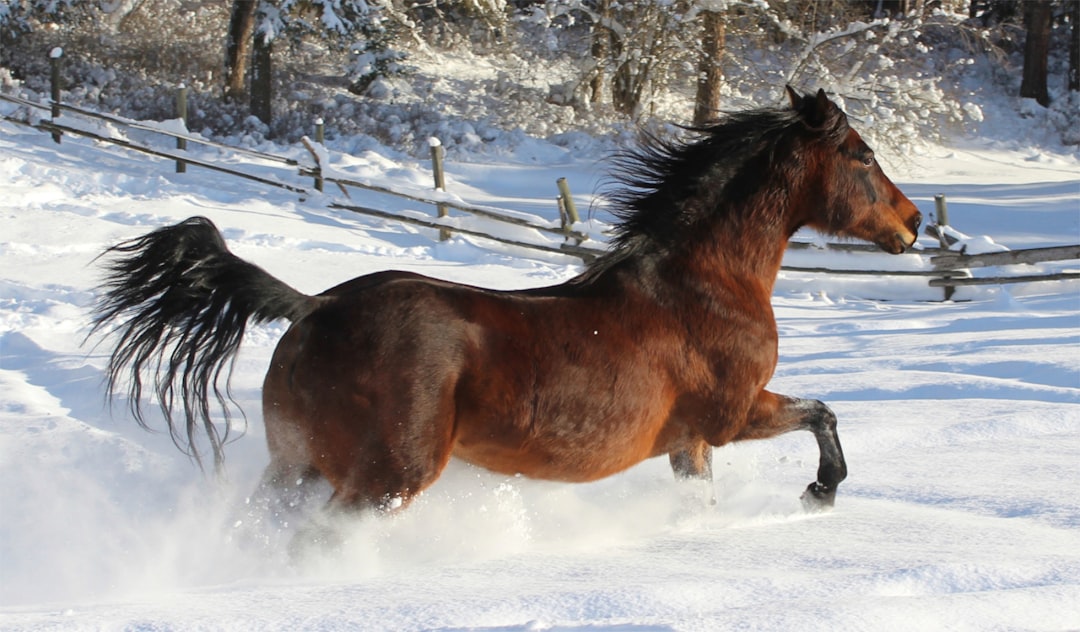
The breeds that appear to be most commonly affected include donkeys, ponies, Arabians, Morgans, Saddlebreds, Paso Finos, Spanish Mustangs, and Warmbloods. Despite being America’s first documented horse breed, Morgans carry genetic predispositions that can make ownership more challenging than their versatile reputation might suggest.
While all ages, genders and breeds are susceptible to developing PPID, ponies and some breeds of horses (specifically Latin blooded horses such as Paso Finos, Peruvian Pasos, Spanish Mustangs, Arabs and Morgans) seem to develop PPID more frequently. Their tendency toward metabolic issues, combined with their easy-keeper status, means that what looks like a low-maintenance horse can quickly become a high-management situation.
Conclusion
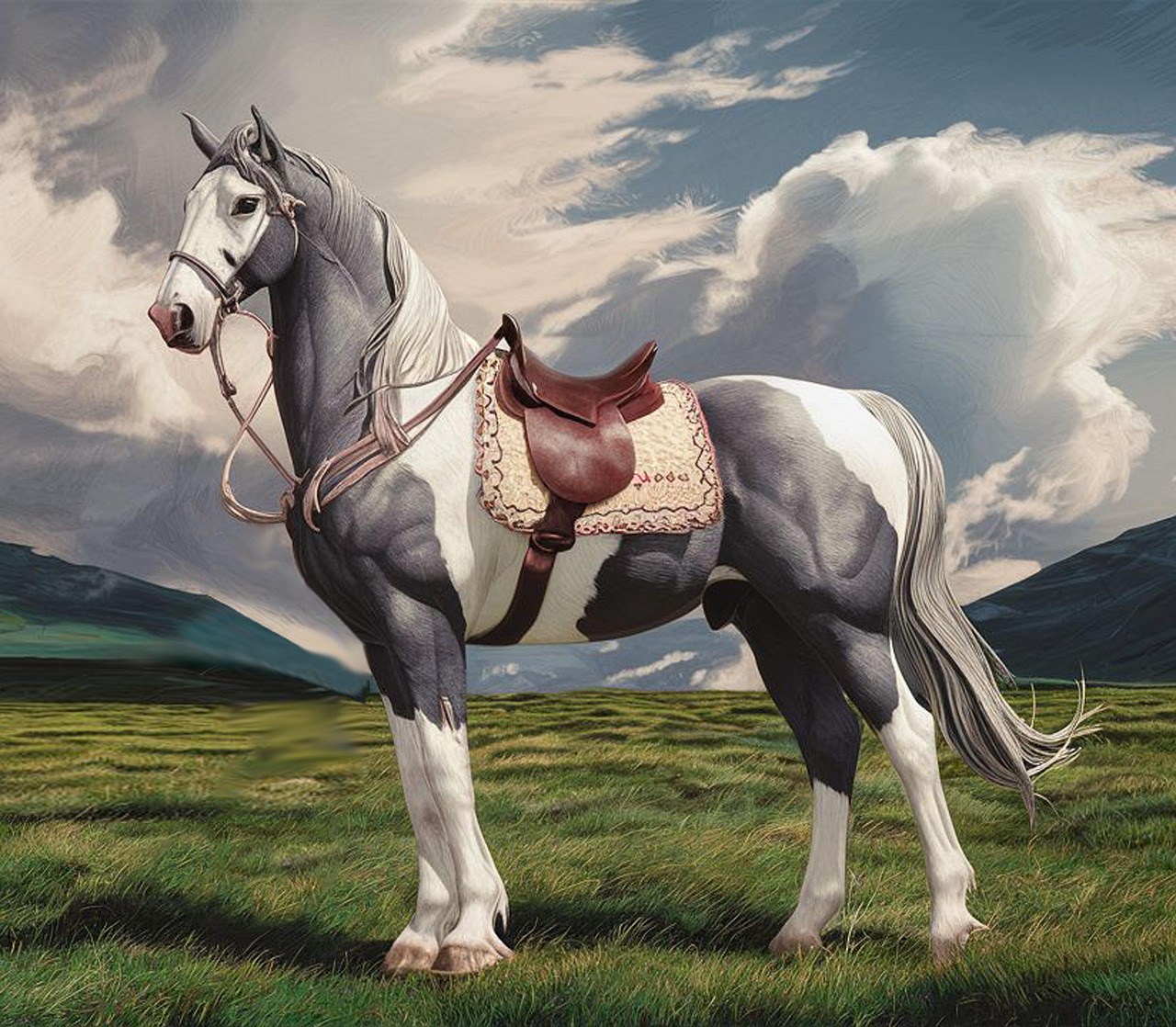
The reality is that every horse breed carries some genetic baggage from centuries of selective breeding for specific traits. The breeds on this list aren’t inherently “bad” choices, but they do require potential owners to go in with their eyes wide open about the increased likelihood of specific health challenges.
Smart horse buyers will research not just the breed’s characteristics and abilities, but also their common health issues and associated costs. Working with reputable breeders who health test their breeding stock and prioritize soundness over just appearance or performance can help reduce the risk of ending up with a horse that spends more time in the veterinary clinic than under saddle. After all, the most beautiful horse in the world loses its appeal pretty quickly when chronic health issues drain both your bank account and your emotional reserves.
Did you expect that some of your favorite breeds would make this list?

As a little kid, I fell in love with nature, wildlife, and animals. Living in the USA, South Africa, Italy, China and Germany gave me the opportunity to discover the world's Wildlife. My favorite animals are Mountain Gorillas, Siberian Tigers, and Great White Sharks.
I'm a certified PADI Open Water Diver, went to Everest Base Camp and Trekked Gorillas in Uganda. I hold a Master of Science in Economics and Finance.
Please send any feedback to feedback@animalsaroundtheglobe.com
- 13 Cat Breeds That Get Along with Dogs - July 20, 2026
- The 12 Largest Dog Breeds That Still Love to Cuddle - July 20, 2026
- 12 Pet Habits That Secretly Mean They Love You - July 20, 2026