

Picture this: you’re scrolling through puppy listings late at night, and you spot the perfect furry companion. Your heart melts, your wallet opens, and before you know it, you’ve sent money to a complete stranger promising to deliver your dream dog. But what if that perfect puppy only exists in stolen photos and empty promises?
The reality is both shocking and heartbreaking. According to BBB data, more than 24,000 scam reports have come in since 2017, with over 4,000 reports in 2022 alone about “businesses” selling puppies and dogs. The FTC estimates that only about 10 percent of victims report these crimes, so this number could be much higher. That means roughly one hundred thousand families may have experienced the devastating combination of financial loss and crushed dreams.
Veterinary professionals see the aftermath of these situations daily – from sick puppies with no medical history to families who’ve been completely scammed out of thousands of dollars. After speaking with countless vets and examining hundreds of cases, these are the twenty most alarming red flags that should make you immediately step back and reconsider any breeder or listing.
#25 They Won’t Let You Meet the Parents

If the parents aren’t available, it’s a sure sign that something is “off,” according to Off Leash K9 Training. No parent-dog most likely means the pups have already been separated from the mother, and usually too early. This can interfere with your new puppy’s ability to thrive.
Meeting the mother dog is crucial for several reasons beyond just confirming she exists. A good breeder will let you see the mother. A dog who has recently had puppies will show clear signs (visible teats) and have bonded with her puppies. If a breeder makes excuses about why you can’t meet at least one parent, there’s usually something they’re hiding.
#24 No Contract or Guarantee

Ethical breeders usually provide a written contract outlining health guarantees, return policies, and responsibilities for both parties. If a breeder refuses to offer any paperwork or legal agreement, it signals a lack of accountability. Vets highlight that contracts protect both the buyer and the puppy by ensuring there’s a clear plan in case of illness, genetic conditions, or other issues down the line.
#23 No Health Records or Vet Information

A good breeder should be able to produce accurate and reliable health and vaccination records for their puppies points out the ASPCA. If a breeder doesn’t have vet records on hand for your pup, you should assume there are no records.
Missing health records, incomplete vaccination histories, and vague information about the puppy’s parents are all indicators of a potential puppy mill. Any legitimate breeder should provide comprehensive veterinary documentation without hesitation. When they claim their “vet said everything looks good” but can’t produce actual records, that’s your cue to walk away.
#22 Refusing Home or Facility Visits
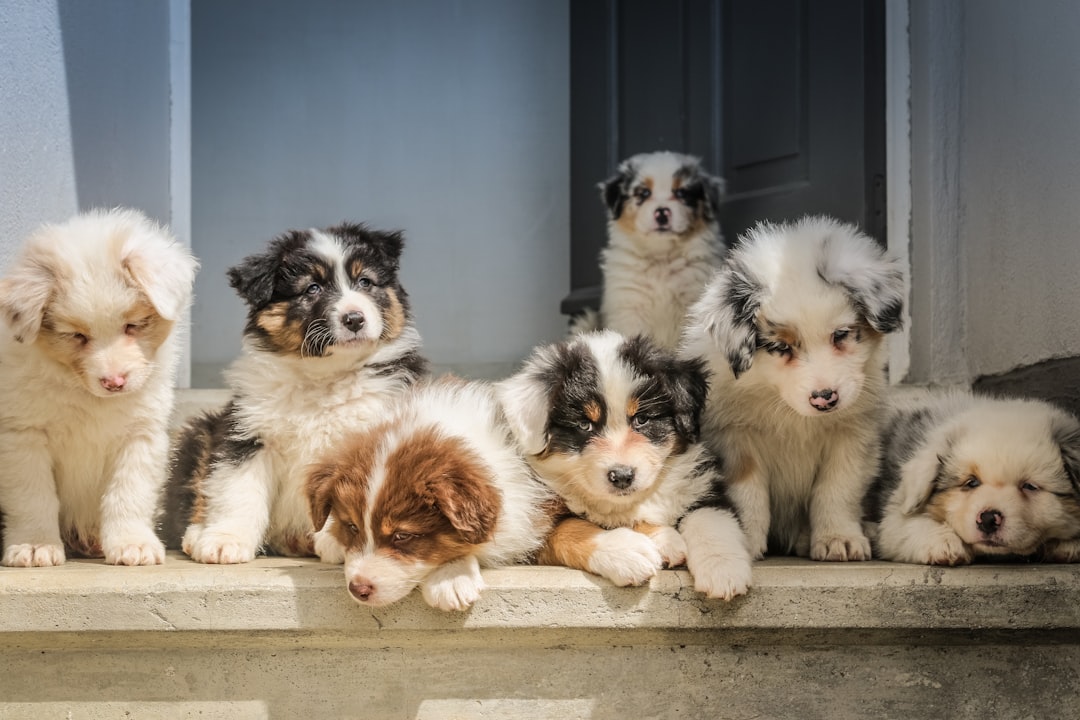
You should be able to visit the breeder’s home or kennel,” advises the American Kennel Club (AKC). And you should take them up on it, rather than meeting with them in another location, no matter how convenient it might be for you.
Puppy mill breeders will rarely meet prospective buyers at their homes. Meeting a seller in a parking lot is always a huge red flag and should be avoided. Legitimate breeders take pride in their facilities and want to show you where your puppy was raised. If they insist on meeting in parking lots or won’t let you see their setup, they’re definitely hiding something unsavory.
#21 Too Many Breeds Available

Puppy mills rarely offer single breeds. They will often offer anywhere from 3 to a dozen different “fashion” breeds. If you find a place that offers multiple breeds (and the mixed versions of those breeds) it’s a mill and you should avoid them.
Think about it logically – how can someone be an expert in Golden Retrievers, French Bulldogs, and German Shepherds all at once? A narrow focus on just one breed, with a dedication to furthering its health and wellbeing is what you should expect from responsible breeders. When you see websites offering fifteen different breeds, you’re looking at a commercial operation focused on profit, not quality.
#20 Puppies Always Available
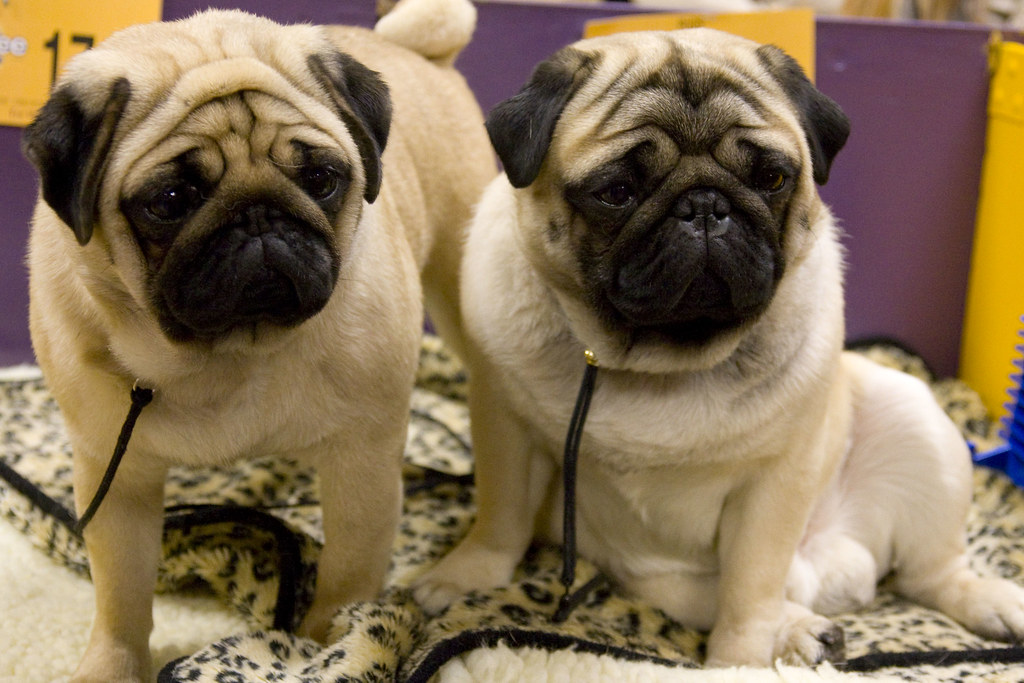
It’s certainly possible for a legitimate and reputable breeder to have multiple litters ready at once because dams (female dogs) who live together are likely to go into heat around the same time, Munden adds. That said, most respectable breeders will have only a few litters per calendar year so they can keep their breeding dogs as healthy as possible.
There’s no hard-and-fast rule about how many litters is too many litters, but Munden says seeing a waitlist (as frustrating as it may be) is a good sign that the breeder is doing things right and is not in it for the money. When puppies are constantly available like items in a vending machine, that’s a massive warning sign of a puppy mill operation.
#19 Pressure to Buy Immediately

In any situation where you’re a potential buyer, nothing says “run in the opposite direction” like a pushy seller. In the context of making a purchase that will bring a new family member into your home, the stakes are particularly high. A reputable breeder will respect the weight of your decision.
If they seem anxious to complete the sale or get your deposit as soon as possible, or if you feel like they are pushing you to make a quick decision regarding a puppy, be careful. Such behavior is often a warning sign that the person you are dealing with is actually a scammer, and there is no puppy. Good breeders understand this is a lifetime commitment and want you to be completely sure.
#18 Won’t Answer Questions About the Breed

Always ask the seller questions about the dog – if they struggle to answer or seem to have no knowledge on the breed then this could be a red flag. PDSA Vet Claire Roberts tells Country Living: “Research your breeder and take note of how knowledgeable they seem – they should be able to answer any questions you may have on the breed and they should be asking you lots too, to gauge whether you and the pups are well suited.”
A legitimate breeder should be able to discuss breed-specific health concerns, temperament traits, grooming requirements, and exercise needs in detail. A backyard breeder may claim to know everything there is to know about their chosen breed, but if they lack in-depth insights and expertise, that should be viewed as a major red flag. Experts in the field – such as experienced breeders or veterinary professionals – will know various health conditions and temperamental traits that are specific to each dog breed.
#17 No Health Testing Documentation
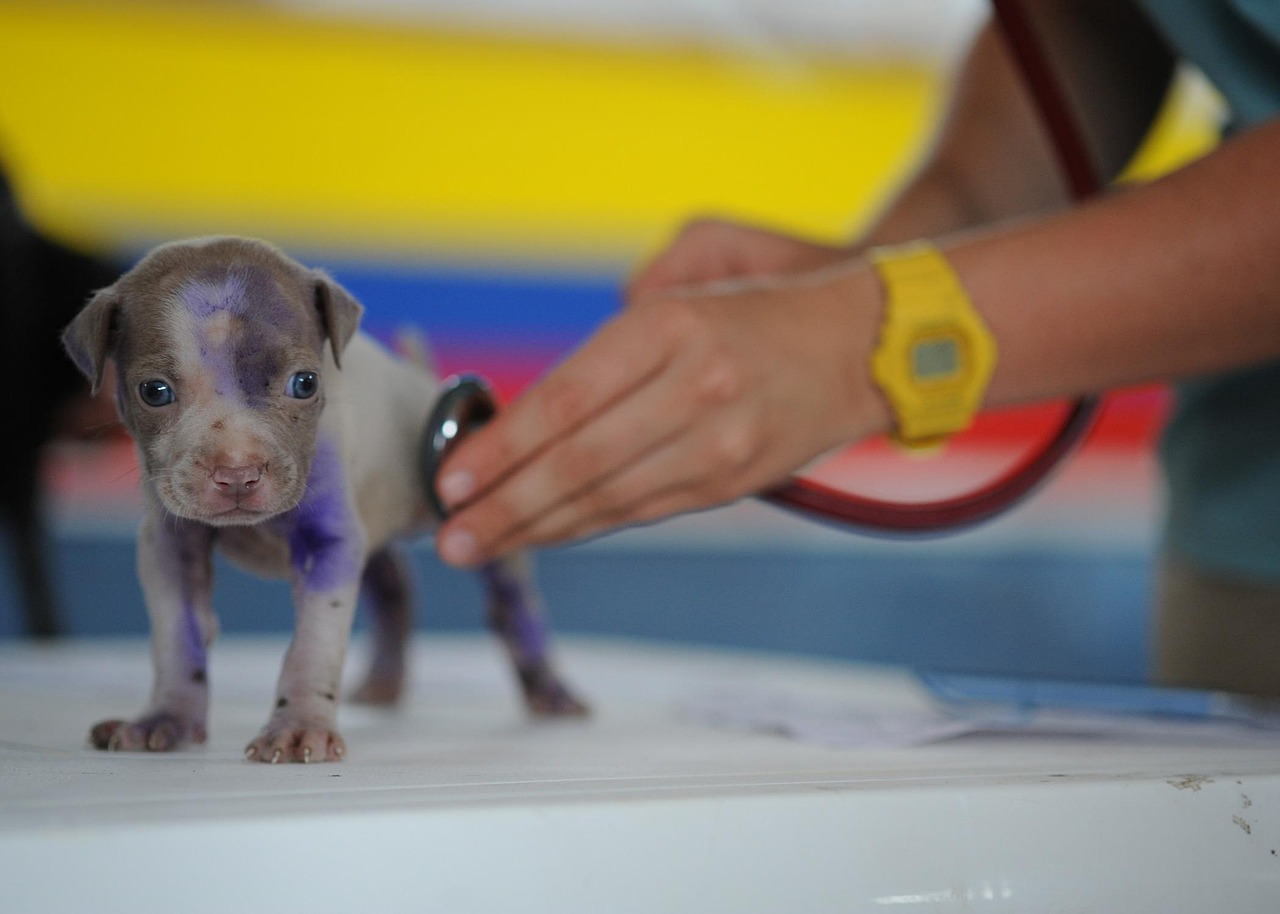
Health testing is crucial. Responsible breeders will have health certifications for their breeding dogs to ensure their puppies are healthy. Just because a puppy is registered with AKC, does NOT mean that their parents have been health tested. “My vet said they’re healthy” is NOT health testing.
Breeding dogs should go through genetic testing, and puppies should be medically assessed by a veterinarian for common conditions and breed-specific needs, such as deafness and certain types of dysplasia. When breeders can’t provide actual health testing results for the parents, they’re essentially rolling the dice with your future puppy’s health and your wallet.
#16 Selling Puppies Under Eight Weeks

It used to be that puppies were sold when they were around eight weeks old, but as animal medicine has developed, and we’ve learned more about canine development, most experts recommend 8-10 weeks old, Munden says. If anyone tries to sell a puppy at six or seven weeks old, definitely question their integrity – a pup that young should be with their mother or, if not possible, at a veterinary hospital where they can get the care they need.
The saddest part of puppy mills is that often these puppies are taken from their mothers too young. Puppies should always stay with their mother until they’re 8 weeks old. Early separation can lead to behavioral problems, socialization issues, and health complications that may plague your dog for life.
#15 Suspicious Payment Methods

Sketchy payment. The seller asks for wiring of money or payment by gift cards. Be aware that if you choose a non-secure method of payment, it is highly unlikely that you will get your money back. The seller asks for wiring of money or payment by gift cards. Be aware that if you choose a non-secure method of payment, it is highly unlikely that you will get your money back. Avoid paying a stranger using apps such as Venmo, as it is harder to get your money back if you don’t get what you paid for.
Think about it this way – would a legitimate business refuse to accept credit cards or checks? You may think you’re “securing” your claim for a dog by wiring a “deposit” or full payment in advance, but, really, you’re getting scammed. Wiring money is like paying in cash, and there’s no way to trace it back. A professional breeder won’t ask you to wire them money and then ship their valuable puppy off to someone they’ve never met.
#14 Poor Living Conditions

One of the most telling signs of a puppy mill is the presence of overcrowded and unsanitary conditions. These mills prioritize profit over the welfare of the animals they breed. When you visit a breeding facility, pay attention to cramped cages, filthy living spaces, and strong odors. Dogs stacked in cages or living in squalid conditions are clear indicators of a puppy mill.
Puppies that appear dirty or smell/living in poor conditions. Smell, poo stuck to coat, dull coats, flaky skin. Your nose and eyes are powerful tools for detecting problems. Clean, well-maintained facilities with adequate space indicate a breeder who truly cares about animal welfare.
#13 Overemphasis on “Designer” or “Rare” Labels

While mixed breeds can be wonderful companions, unethical breeders often market puppies with buzzwords like “rare teacup,” “miniature,” or “exotic” to justify inflated prices. Many of these so-called “designer dogs” are simply unhealthy runts or accidental mixes. According to vets, prioritizing appearance or novelty over health and temperament is a major red flag that indicates profit comes before the puppy’s well-being.
#12 Lack of Breed Knowledge

A responsible breeder should know their breed inside and out—temperament, exercise needs, common health issues, and grooming requirements. If you ask questions and the breeder seems vague, uninformed, or uninterested in educating you, it’s a red flag. Vets often stress that genuine breeders are passionate about their dogs and eager to ensure you understand what it takes to raise them well.
#11 Puppies Displaying Poor Health Signs

When you meet the puppies, pay close attention to their physical appearance and behavior. Red flags include runny noses, coughing, bloated bellies, matted coats, or lethargy. Healthy puppies should be alert, playful, and curious. Vets emphasize that visibly unhealthy puppies often come from neglectful conditions, and purchasing one may saddle you with costly vet bills right from the start.
#10 Won’t Provide References

No References: A reputable breeder should provide references from past customers and veterinarians. Unwillingness to Answer Questions: A good breeder will be transparent and open to answering all your questions about the animals. They WANT educated buyers and to ensure their progeny is going to apropriate good homes.
Breeders that are reluctant to give you references should raise immediate concerns. Legitimate breeders have satisfied customers who are happy to share their experiences. When someone refuses to provide references, they’re essentially asking you to trust them blindly with thousands of dollars and your family’s future happiness.
#9 Only Communicating Through Email

No phone calls. The seller prefers to handle communication by email and not the phone. A reputable breeder will always communicate with you via phone or video chat (if not in person) … The seller prefers to handle communication by email and not the phone. A reputable breeder will always communicate with you via phone or video chat (if not in person) before selling you a puppy. Fraudulent sellers are oftentimes outside of the U.S. and may be hiding their phone number by only communicating by email.
Scammers often communicate only by text or chat, avoid phone calls, and use poor grammar. Real breeders want to hear your voice, see your face, and get to know you personally. When someone avoids phone calls or video chats, they’re likely hiding their true identity or location.
#8 Prices Too Good to Be True

If you’re seeing a purebred pup listed for sale significantly under market price (typically $1,500-$3,000+ for reputable breeders), you should probably run. Price is too good to be true. Research the prices for the breed you are considering ahead of time. Purebred dogs sold at deeply discounted prices are typically frauds.
Well-bred dogs are not cheap. If the price of the pup seems low compared to other breeders, there’s a reason. Quality breeding involves significant costs: health testing, proper nutrition, veterinary care, and time investment. When prices seem impossibly low, you’re either dealing with a scammer or someone cutting serious corners on animal care.
#7 Using Stock or Stolen Photos

Copycat or stock photos. Photos of the dog or ad text can be found on multiple websites. Search for the text in the listing to see if the seller copied and pasted it from another site. Scammers often steal pictures from real breeder websites or Instagram accounts. If every photo looks like it belongs in a magazine, ask for a real-time video of the puppy with a timestamp or your name on a piece of paper in the shot.
Because scammers are trying to get money for a puppy that doesn’t exist, they often use stock or stolen photos in their ads. A major red flag that you’re dealing with a puppy scam is if the pictures in the ad appear in multiple locations on the internet. You can quickly check for this by performing a reverse image search. A simple reverse Google image search can save you from heartbreak and financial loss.
#6 No Spay/Neuter Agreement

A responsible dog breeder recognizes that dog breeding is an art and a science, and the average dog owner is not in any position to be breeding dogs on their own, says the Humane Society. Accordingly, in most cases, a responsible dog breeder will require you to agree – in writing – that you will spay or neuter your dog.
A responsible breeder will always require that you sign a spay/neuter contract, which stipulates that you will have your dog spayed or neutered when they reach the appropriate age. This is important because it helps to prevent unwanted litter of puppies, which often end up in shelters or backyard breeders. If a breeder does not require a spay/neuter contract, it’s a red flag that they are not concerned about responsible pet ownership.
#5 Don’t Ask You Any Questions

A legitimate, responsible dog breeder will always check out your credentials before allowing you to take a dog home, according to the Humane Society. A reputable dog breeder might go so far as to require you to provide “references” to vouch for your fitness as a dog owner.
A responsible breeder will ask YOU questions to ensure their puppies are going to a good home. If the breeder doesn’t ask any questions and gets right to talking about your money, RUN! When someone is more interested in your wallet than your lifestyle, living situation, or experience with dogs, they clearly don’t care where their puppies end up.
#4 Selling Through Pet Stores
Bad breeders sell to pet stores and through the Internet. Don’t shop for your pup in one of these places. Responsible breeders don’t sell their puppies to pet stores. Most breed clubs’ code of ethics state that their breeders refuse to sell their dogs to pet stores or any other commercial sources of distribution.
Puppies in pet stores are usually from puppy mills. They are usually unhealthy and uncared for. They may be cute to look at but it is not recommended to buy a dog from one of these businesses. The pet store industry relies heavily on puppy mills to stock their displays, and no responsible breeder would subject their carefully bred puppies to that environment.
#3 Promises to Ship the Puppy
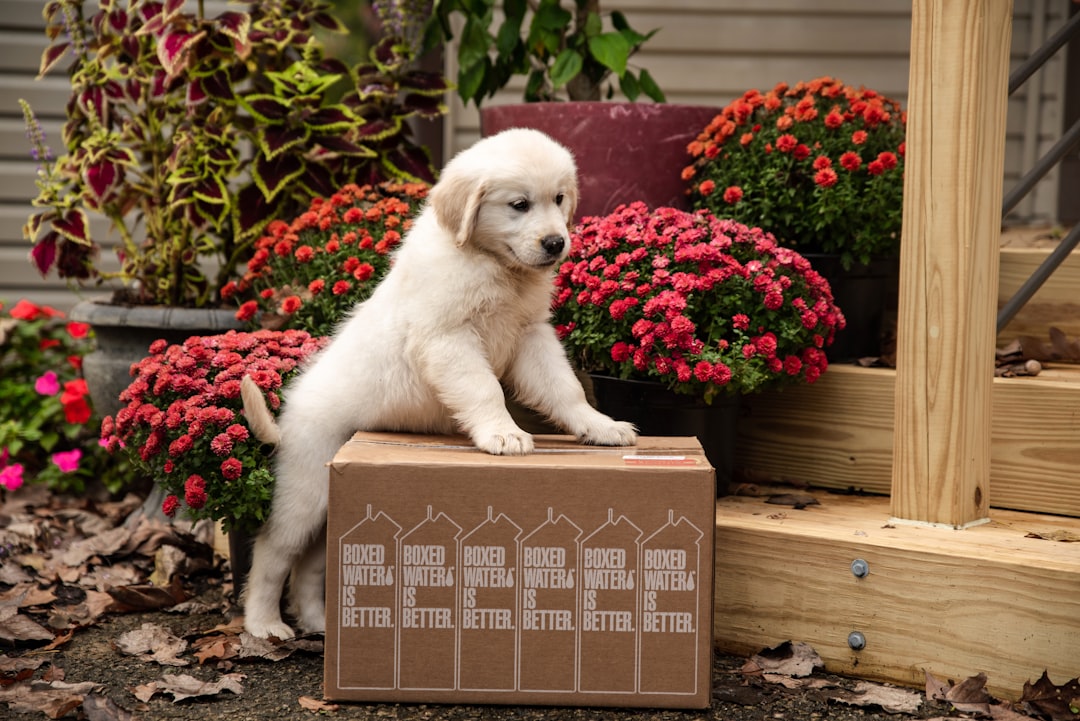
Bad breeders will likely bring or ship the pup to you. Demand to see at least one parent of your prospective pup, as well as where the pups and mom are kept at the breeder’s house. Dogs must be shipped. If the only way to get a dog is via a shipment, stop. Reputable breeders do not put puppies on planes.
While some legitimate breeders may arrange transportation for puppies in exceptional circumstances, puppy mill breeders are savvy when it comes to misrepresentation. Puppy websites can show healthy little pups frolicking in a grassy space when they are actually in disgusting cages with pathetic, overbred moms. If you don’t make a personal visit but instead fly a pup to you unseen, you may get to the airport to find a pet not pictured, an unhealthy pet, or no pet at all. Not visiting your pup and breeder before purchasing is worrisome on many levels.
#2 No Long-term Support Offered

A reputable breeder will stay in touch after you bring your puppy home, offering guidance and support as needed. They will want to know how your dog matures, what you do with them, and if any problems arrise. Lack of communication or follow-up care are red flags that the breeder may not prioritize the well-being of their puppies.
Any truly invested breeder will check in with you periodically, especially in the beginning, to make sure you and your puppy are doing well because they genuinely care about the lives they’ve created. When breeders disappear after the sale, it shows they view puppies as products rather than living beings they’re responsible for helping throughout their lives.
#1 Conclusion: Trust Your Instincts and Do Your Homework

Finding the right breeder requires patience, research, and sometimes walking away from what seems like a perfect opportunity. The explosion of puppy scams and irresponsible breeding operations means that today’s puppy buyers need to be more vigilant than ever before.
Remember that responsible breeders welcome questions, encourage visits, provide comprehensive health information, and want to maintain relationships with puppy families for years to come. They understand that producing healthy, well-socialized puppies is both an art and a science that requires dedication, expertise, and significant financial investment.
The twenty red flags we’ve discussed aren’t just warning signs – they’re your roadmap to protecting both your family’s future happiness and your financial security. When you encounter any of these behaviors, don’t rationalize them away or convince yourself that “this time might be different.”
Your perfect puppy is out there, waiting to be raised by someone who truly cares about animal welfare and breeding excellence. But finding that puppy means being willing to wait for the right breeder rather than settling for the most convenient one.
What surprised you most about these red flags – and which ones do you think people ignore most often?

- 25 Red Flags In Breeders And Listings, According to Vets - August 7, 2026
- New Dinosaur Discovered With Crocodile in its Mouth - August 7, 2026
- 10 Pets Most Compatible with Zodiac Sign Aries - August 7, 2026