
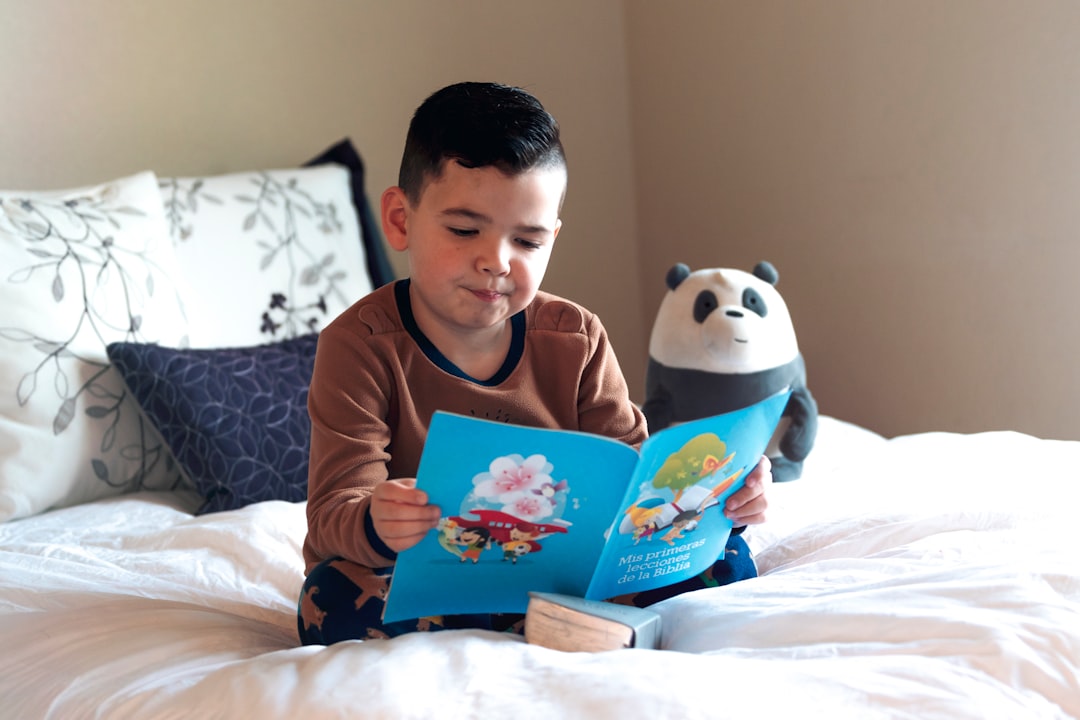
There’s something magical about flipping through the pages of a beloved children’s book and meeting brave rabbits, courageous lions, or daring mice. These animal heroes have been capturing young imaginations for generations, but what makes them so powerfully effective in teaching kids about life’s most important lessons? Recent scientific research reveals that these furry, feathered, and scaled characters aren’t just charming entertainment – they’re sophisticated psychological tools that help shape how children understand themselves and the world around them.
It turns out that when Peter Rabbit outsmarts Mr. McGregor or when Charlotte the spider saves Wilbur, something fascinating is happening in children’s developing minds. Scientists have discovered that animal protagonists create the perfect emotional distance for young readers to process complex themes like courage, friendship, and resilience without becoming overwhelmed. Let’s dive into the remarkable science behind why these animal heroes continue to be such powerful forces in child development.
The Theory of Mind Connection
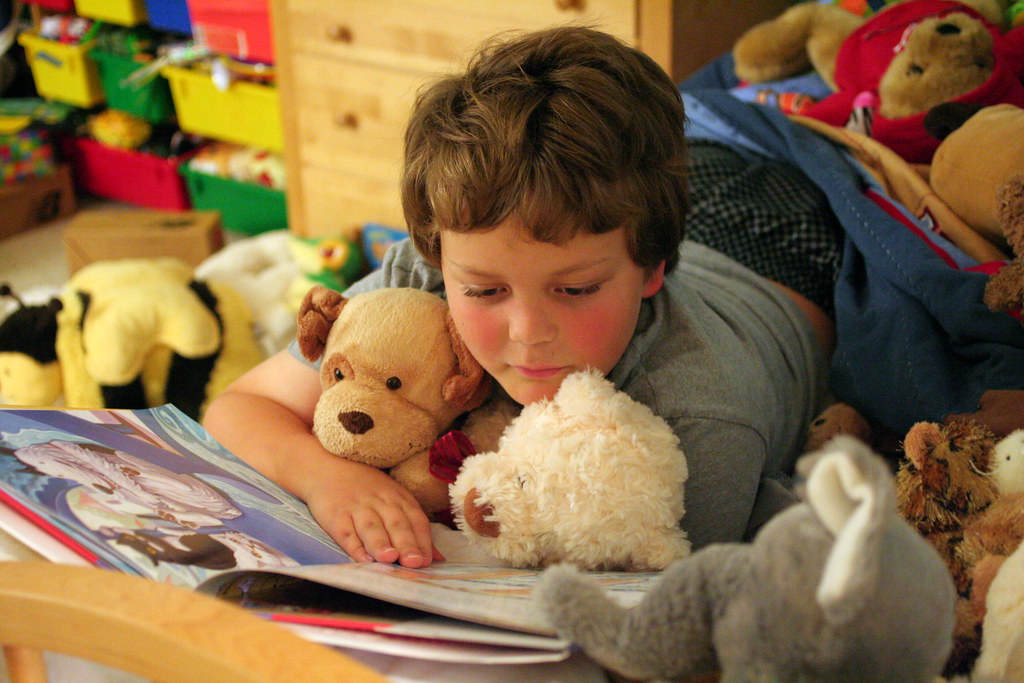
Recent research has shown that iconic characters such as Peter Rabbit can play an important role in children’s psychological development by influencing their theory of mind skills, which include the ability to read and predict social changes in the environment through tone of voice, choice of words, or facial expression. When children encounter animal characters in stories, their brains activate the same neural pathways used for understanding human emotions and motivations.
Scientists have found that both human and non-human characters are important in helping children interpret the world around them, and that they play differing roles at different stages in their development. This developmental progression suggests that animal heroes serve as stepping stones, helping young minds gradually build the cognitive tools they’ll need for more complex social interactions.
The Emotional Safety Net Effect
Animals are ‘like us’, but they are not ‘us’, which allows just enough emotional distance from which to explore subjects that would be too raw, frightening or too ‘real’ if we used humans, including topics like loneliness, fear, or environmental disaster. This psychological buffer zone is crucial for young minds processing difficult concepts.
“Having animals do the acting and mistake-making allows the face-saving emotional distance often needed to be able to join the conversation,” with examples showing that when the Three Little Pigs lose house after house, children roll along with the rhyme, while the same situation involving homeless children would be far less palatable. The genius lies in this delicate balance – close enough to relate, distant enough to feel safe.
Empathy Development Through Animal Characters

Animal characters help children develop empathy and understanding towards others, as witnessing the shared emotions and experiences of animal characters teaches children to recognise that all living beings, regardless of species, can feel joy, sadness, fear, and love. This recognition fosters compassion and connection with the world around them.
Research shows that programs supporting children’s development of empathy-related behavioral outcomes work through caring for vulnerable groups, including animals, demonstrating measurable improvements in both cognitive and affective empathy. Children literally learn to care more deeply by connecting with animal protagonists who face challenges and overcome them.
The Anthropomorphism Advantage
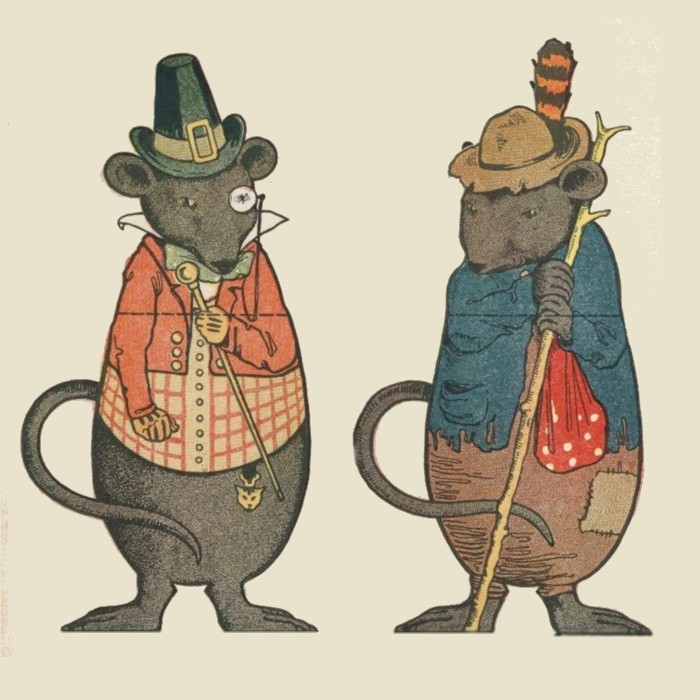
When children encounter an anthropomorphized mouse character, the mouse’s age, gender or color feel less relevant because magically when we anthropomorphise a mouse, the complexity is stripped away and all we see is someone small (like us), someone vulnerable (like us) who (like us) is often scared. This simplification allows children to focus on core emotional experiences without getting distracted by surface-level differences.
Anthropomorphism has been used as long as humans have been sharing stories with one another, as human beings love finding themselves reflected in the world around them, with children forming connections in their brains when they relate to animal book characters, allowing little readers to see themselves in these characters and relate to the messages being relayed in the story.
Courage Lessons Through Animal Heroes
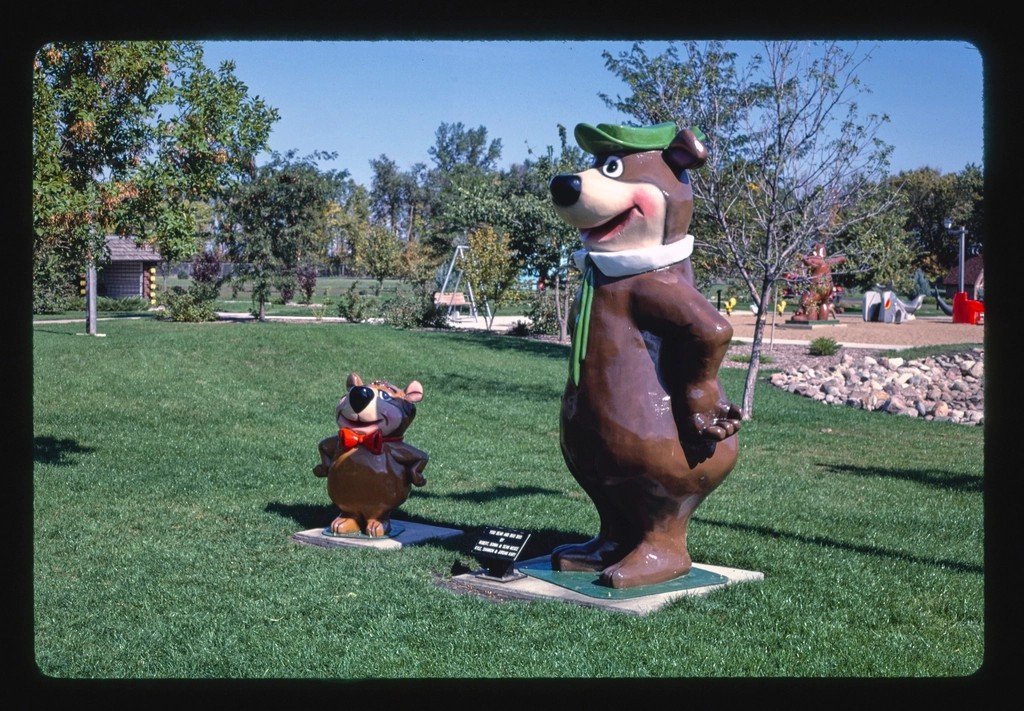
Animal characters make particularly effective characters because they allow children to recognise similarities with themselves, whilst also allowing them to remain emotionally distant enough to consider the messages in the story in a more objective way, so a child will empathise with the torment and abuse those in Black Beauty suffer, without becoming too distressed or frightened.
When young readers encounter brave animal heroes – whether it’s a mouse standing up to a cat or a small bird embarking on an impossible journey – they internalize these examples of courage in ways that feel manageable. Books serve as an effective way to cultivate courage and bravery in kids, as children’s books about courage can help kids grasp just how strong they really are by reading about a character who overcomes their biggest fear.
The Prosocial Behavior Puzzle
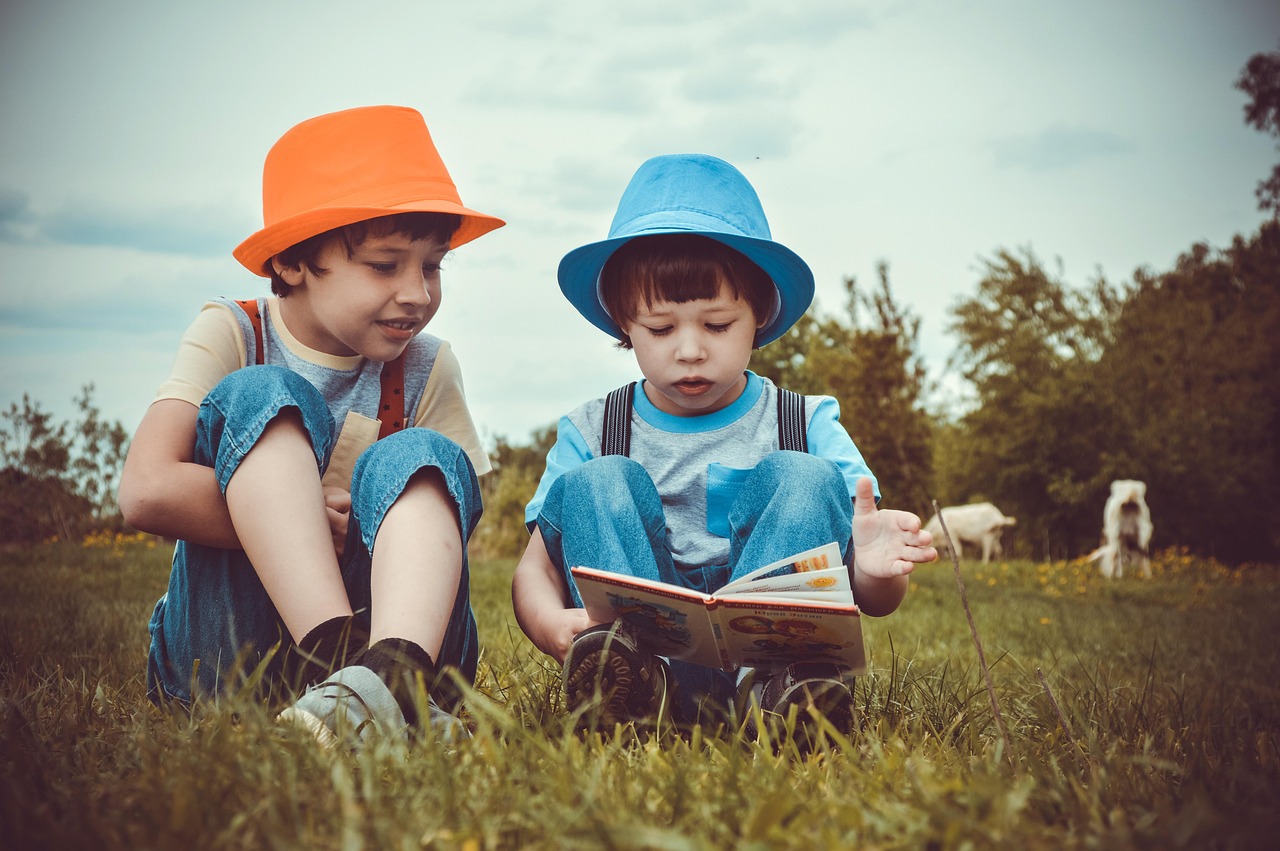
Previous research has suggested that moral stories depicting realistic characters may better facilitate children’s prosocial behavior than those containing anthropomorphized animal characters. However, studies show that all groups donated more stickers post-story than pre-story, indicating that animal stories still have positive effects, even if human characters might be more effective for certain specific behaviors.
Research found that reading human stories significantly increased preschoolers’ altruistic giving but reading anthropomorphic stories or control stories decreased it, suggesting that contrary to common belief, realistic stories, not anthropomorphic ones, are better for promoting young children’s prosocial behavior. This creates an interesting tension in children’s literature – animal heroes excel at emotional development but human characters might be better for direct behavioral modeling.
Age-Related Processing Differences
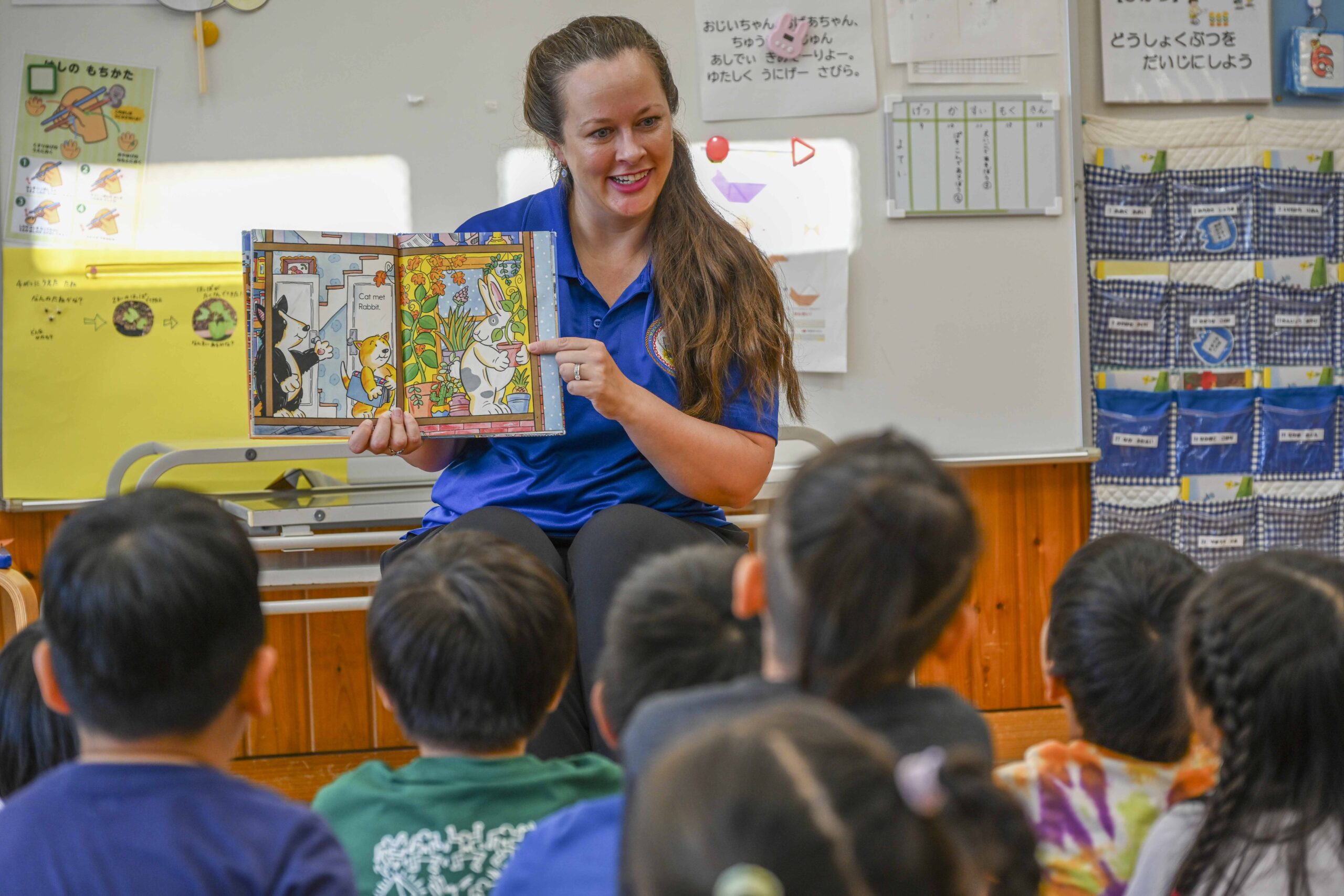
For 3- to 4-year-olds, the effectiveness of moral stories differed based on the type of character, with moral stories being only effective at promoting honesty in younger children but not in 5- to 6-year-old children. This suggests that as children mature, their needs for different types of characters evolve.
Studies with more than 100 children aged between five and 10 tested their theory of mind skills when presented with stories featuring animal characters as opposed to human ones, finding that when faced with human characters, there was a clear age-related progression, with older children consistently outperforming their younger counterparts. This research reveals that animal heroes serve different developmental purposes at different ages.
Cultural and Universal Appeal
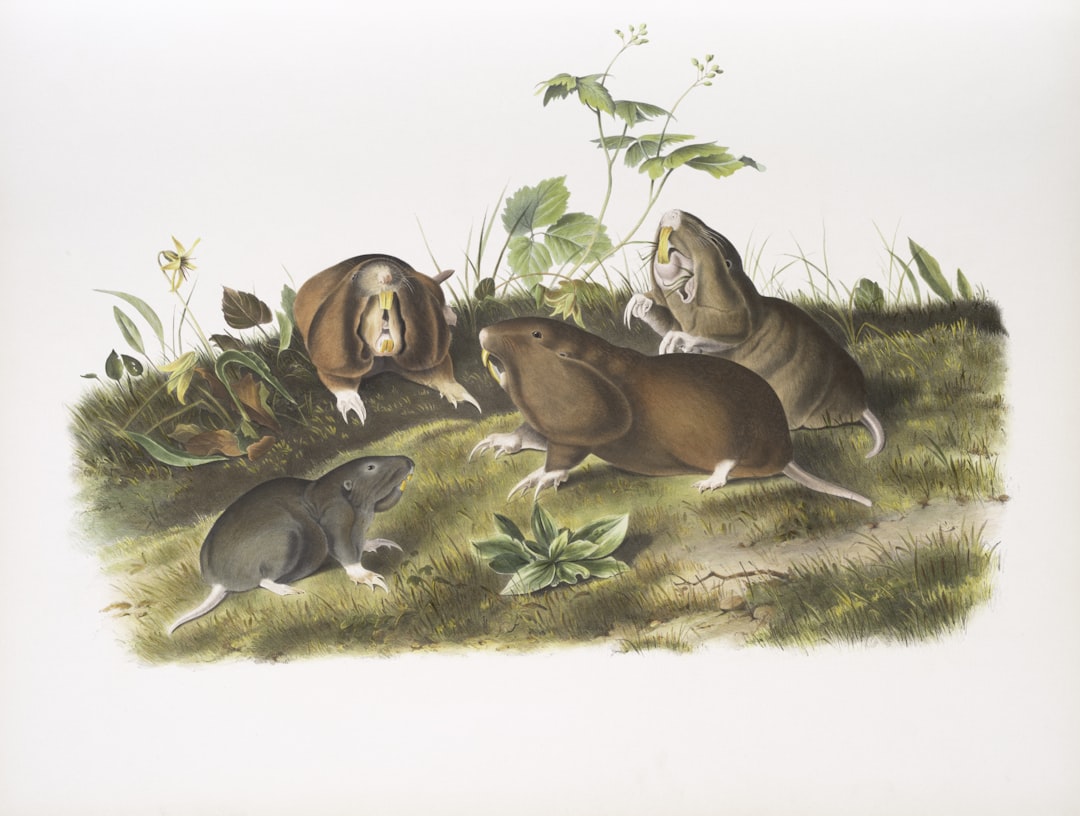
One of the most remarkable aspects of animal characters in children’s literature is their ability to transcend human differences and promote inclusivity and diversity, as unlike human characters, who are often tied to specific ethnicities, cultures, or appearances, animal characters can represent a wide range of personalities and backgrounds without relying on stereotypes, with stories featuring diverse animals working together teaching children about cooperation and acceptance.
There is a sort of shorthand around animals that allows us to set up part of a story just by using a particular species, as even a small child knows that mice are nervous, or that owls are wise. This universal symbolism creates instant understanding across cultures and languages.
The Neurological Impact
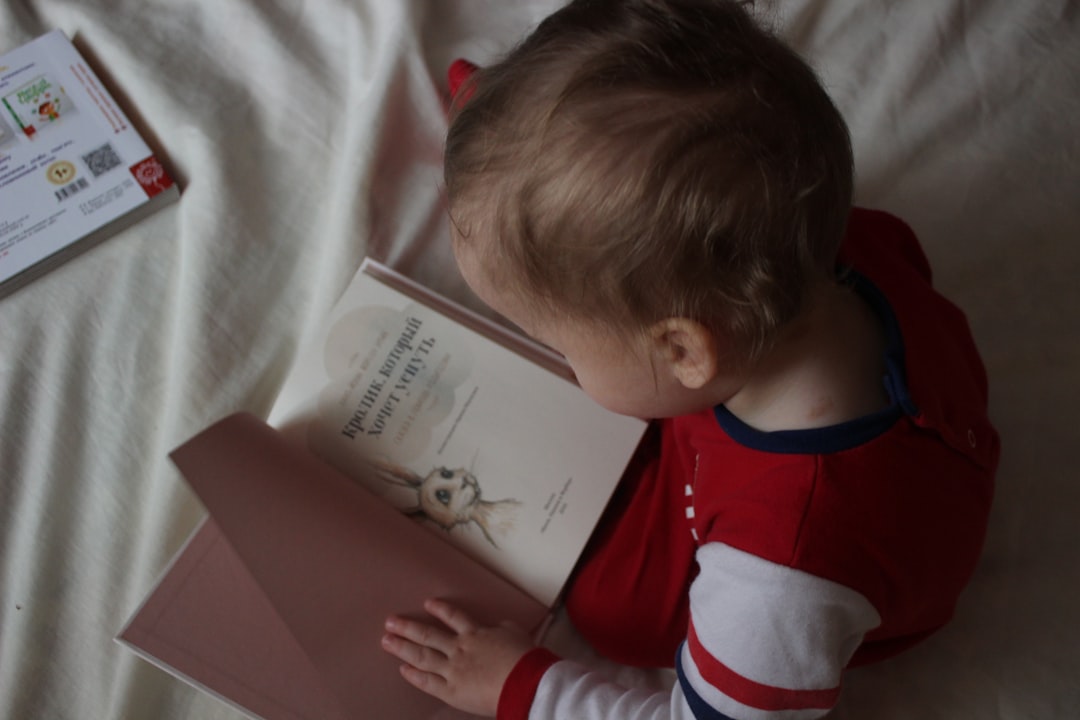
Even when stories were accompanied by realistic images, if the language was anthropomorphic, children transferred that knowledge to real animals, and those stories actually made it harder for them to learn, teaching them falsehoods rather than facts, making them even more likely to think of animals in human-like terms after reading the books than if they had never seen the books at all.
However, children are learning machines who very easily incorporate knowledge from storybooks into their worldviews, and books that do not present animals accurately may lead to less learning and influence children to adopt a human-centered view of the animal world, but this presents an opportunity for parents and teachers to carefully select books that accurately reflect the natural world. The key is finding the right balance between engagement and education.
Building Resilience Through Animal Stories
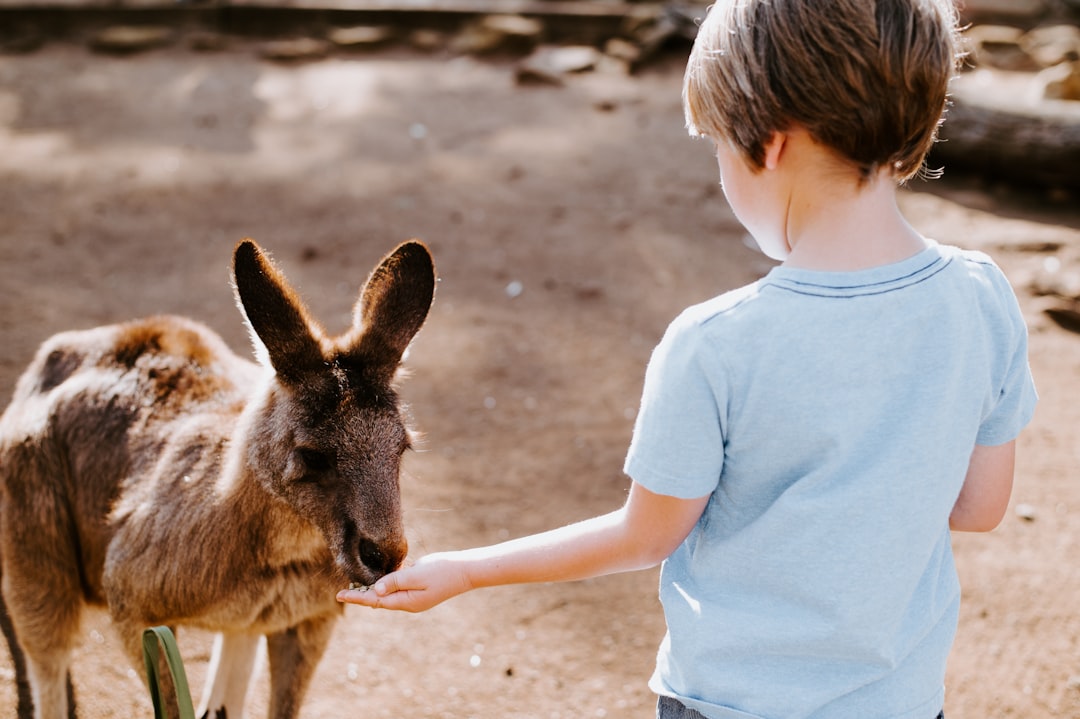
Humane education reinforces tolerance, empathy, responsibility, and compassion for all creatures, and the common origin of violence perpetrated against animals and against people makes it imperative that we teach compassion and demonstrate concern for all living things. Animal heroes in stories serve as early introduction points for these crucial life lessons.
Animal portrayals can foster knowledge about species, raise interest, and trigger feelings of empathy, creating multiple pathways for positive development. When children connect emotionally with animal characters who overcome adversity, they’re essentially practicing resilience in a safe psychological space.
Conclusion
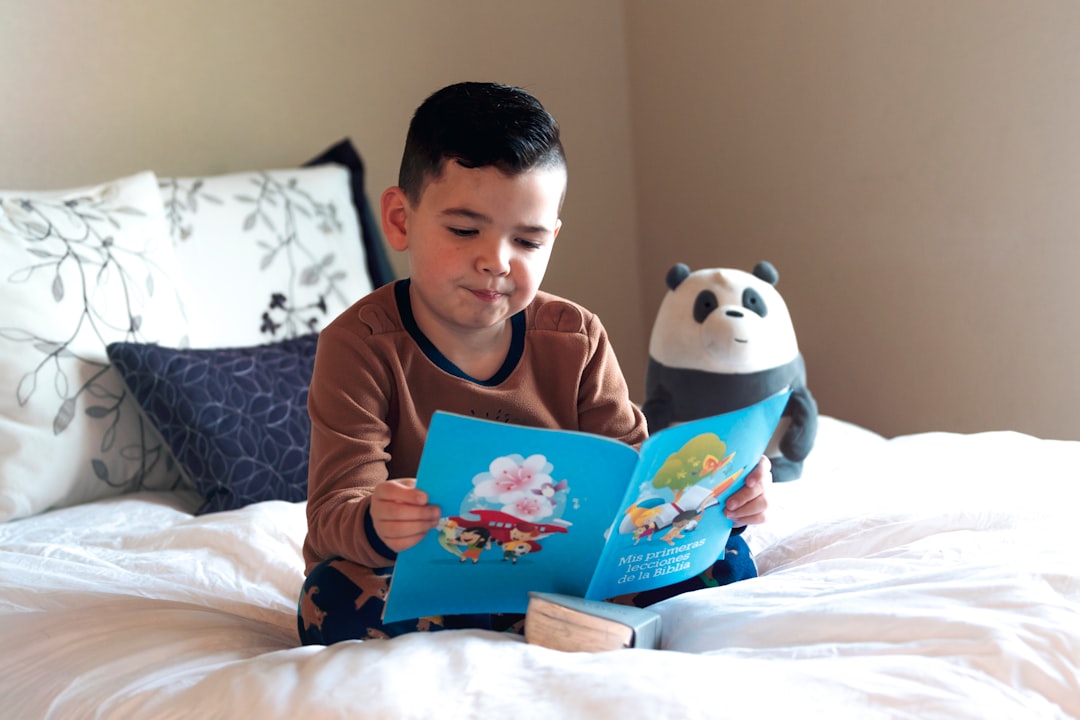
The science reveals that animal heroes in children’s stories are far more than simple entertainment – they’re sophisticated developmental tools that help young minds navigate complex emotional territories. While the research shows some mixed results regarding their effectiveness compared to human characters for specific behavioral outcomes, the overwhelming evidence points to their unique value in fostering empathy, emotional processing, and psychological development.
The timeless appeal of animal characters in children’s literature serves as a reminder of the universal power of storytelling, as through the adventures, triumphs, and challenges of these beloved characters, children learn valuable lessons about themselves, others, and the world around them – lessons that will stay with them long after the final page is turned. The next time you see a child completely absorbed in a story about a brave little mouse or a courageous rabbit, remember that their developing brain is doing remarkable work – building empathy, processing emotions, and learning about courage in ways that will serve them throughout their lives.

- The Animal That Can See More Colors Than Any Other on Earth - July 25, 2026
- The Most Endangered Sea Turtles Rescued Off U.S. Coasts - July 24, 2026
- 8 Incredible Natural Wonders You Can Find in U.S. National Parks - July 21, 2026