

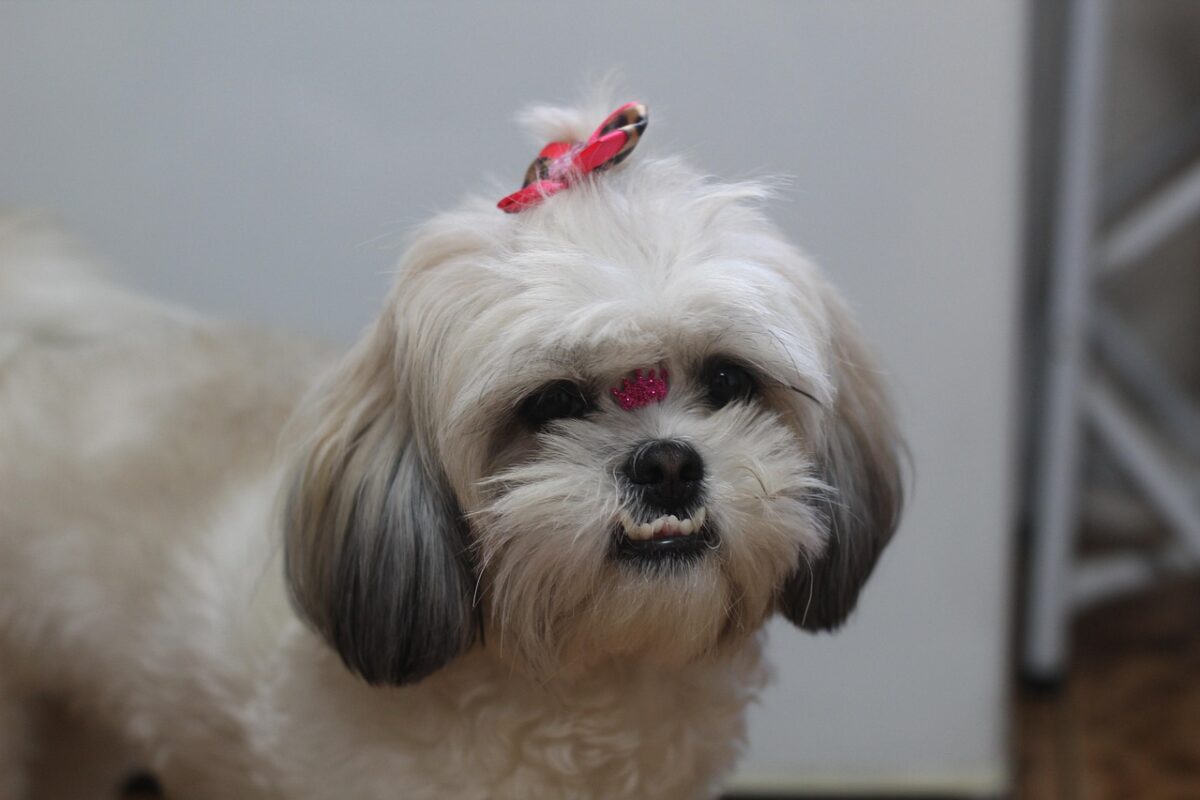
Ever wondered what happens when the experts who make our four-legged friends look fabulous walk into a pet store? You’d think professional groomers would naturally gravitate toward the most stunning, high-maintenance breeds they work with daily. But here’s a surprising truth that might shock you: many groomers deliberately avoid owning the very breeds that fill their appointment books. After spending eight hours a day wrestling with matted coats, dealing with anxious pups, and perfecting intricate cuts, the last thing most groomers want is to come home to more of the same. It’s like a chef avoiding elaborate five-course meals at home – sometimes you just want a simple sandwich.
Afghan Hounds: Beautiful but Brutally High-Maintenance
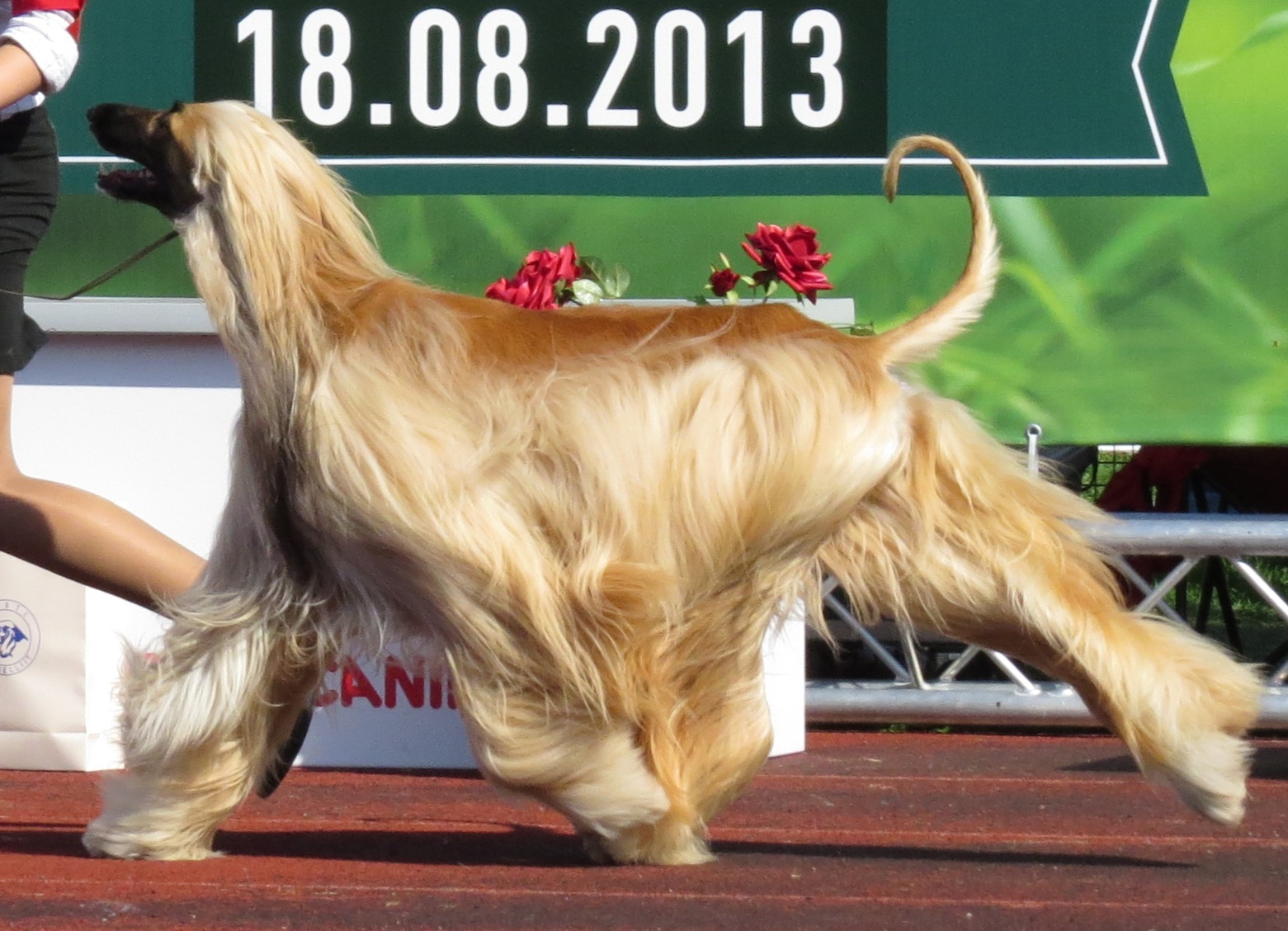
Picture this: a dog so stunning it looks like it stepped off the cover of Vogue, with silky hair that flows like liquid gold. That’s an Afghan Hound, and while clients swoon over their beauty, groomers know the dark secret behind that gorgeous coat. Afghan hounds need to have their long hair brushed for several hours a week to keep them free of tangles and matted clumps. We’re talking about a time commitment that rivals a part-time job.
The reality is even more demanding than most people realize. Regular bathing with shampoo and conditioner is also required, and the drying process alone can take hours. Professional groomers who’ve spent their entire workday detangling similar coats often joke that owning an Afghan would be like never leaving the salon. It’s beautiful, yes, but it’s also a lifestyle choice that many professionals simply aren’t willing to make when they clock out.
Standard Poodles: The Perfectionist’s Nightmare
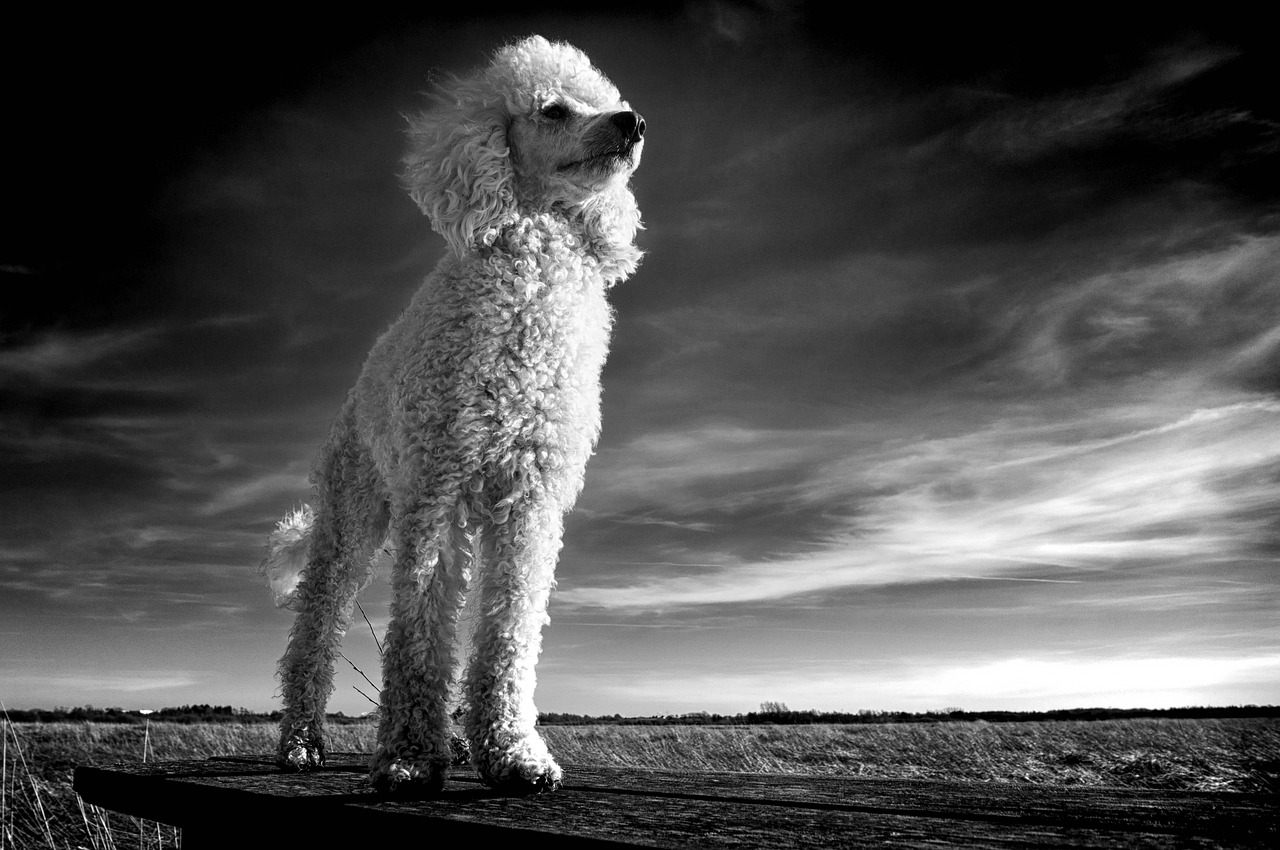
Poodles are the epitome of grooming challenges, thanks to their dense, curly coats. Their hair requires regular brushing to avoid matting and professional grooming every 4–6 weeks. But here’s what most people don’t realize: that iconic Poodle cut isn’t just for show. Poodles often sport intricate styles, such as the Continental or English Saddle clip, which demand precision and expertise.
The texture of a Poodle’s coat creates its own set of challenges that groomers deal with all day long. The texture of the coat is thick and tightly-curled, which can trap dirt and debris, plus it knots very easily. Due to coat friction, especially between the legs, these areas should be groomed at least twice a week. For a professional who spends their day perfecting these cuts on other people’s dogs, coming home to their own Poodle means the work never really ends.
Old English Sheepdogs: The Matting Monsters

Old English Sheepdogs are like walking cotton balls that seem to attract every piece of debris, leaf, and twig within a five-mile radius. Known for their abundant, shaggy double coats, Old English Sheepdogs are prone to matting and require extensive upkeep. Groomers and pet owners must ensure thorough brushing to avoid painful tangles and skin irritation. The amount of daily maintenance required is simply staggering.
Old English sheepdogs have a double coat that requires extensive grooming down to the skin over its entire body at least once a week. Daily brushing and regular trips to a professional groomer are required. Many groomers describe working on these dogs as archaeology – you never know what you’ll find buried in those layers of fur. After dealing with this challenge professionally, most groomers prefer a dog that won’t turn their living room into an extension of their workspace.
Shih Tzus: The Deceptively Demanding Darlings
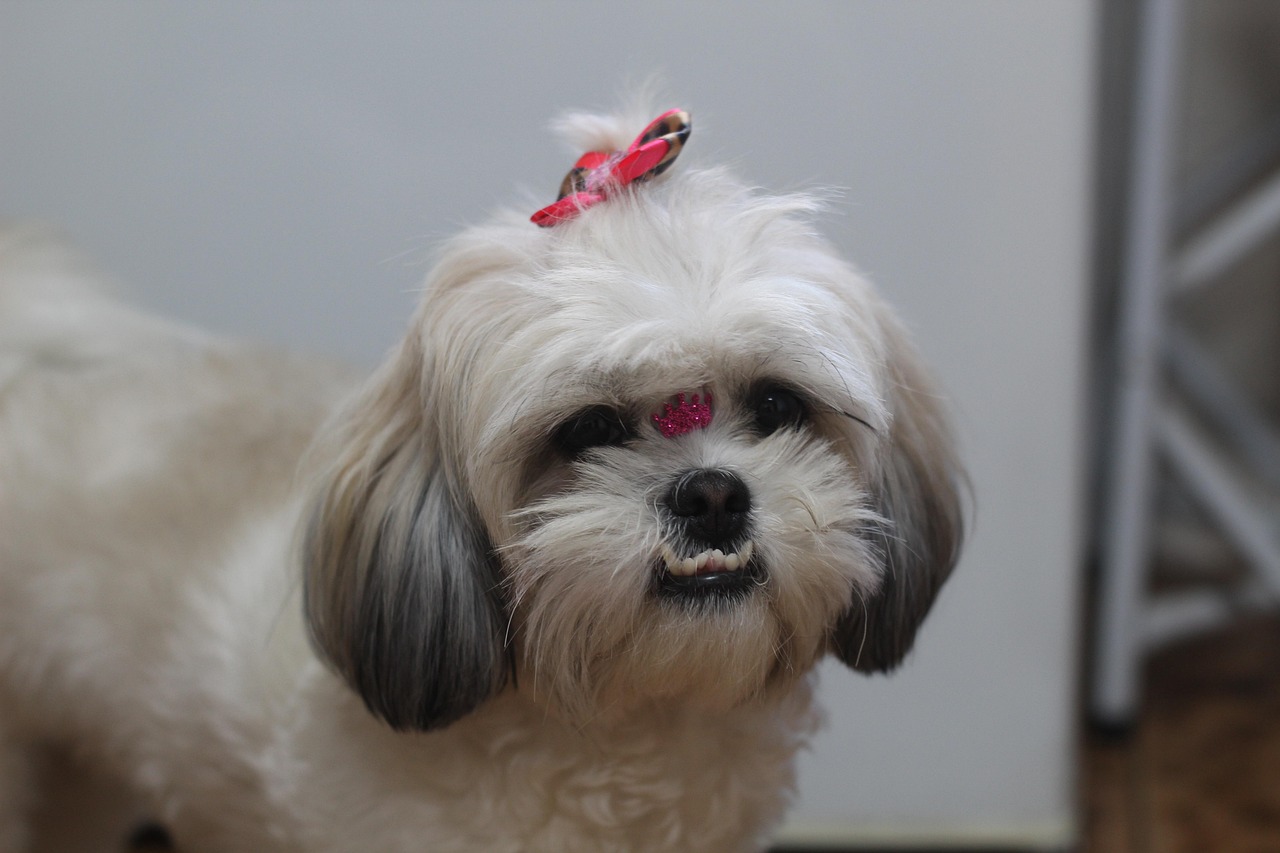
Shih Tzus have a luxurious double coat that demands diligent care. Originating from Tibet, this breed has a flowing mane that requires daily brushing to avoid tangles and mats. What makes them particularly challenging isn’t just the frequency of grooming needed, but the precision required around their delicate facial features.
Grooming a Shih Tzu is a labour of love, blending technique, time, and care to maintain their signature beauty. While the challenges of their long, flowing coat may seem daunting, the result is well worth the effort. However, regular bathing, ear cleaning, and facial hair trimming are also crucial for their well-being. For professionals who spend their days navigating around sensitive eyes and ears, the idea of doing it at home too can feel overwhelming.
Cocker Spaniels: The Feathered Frustrations
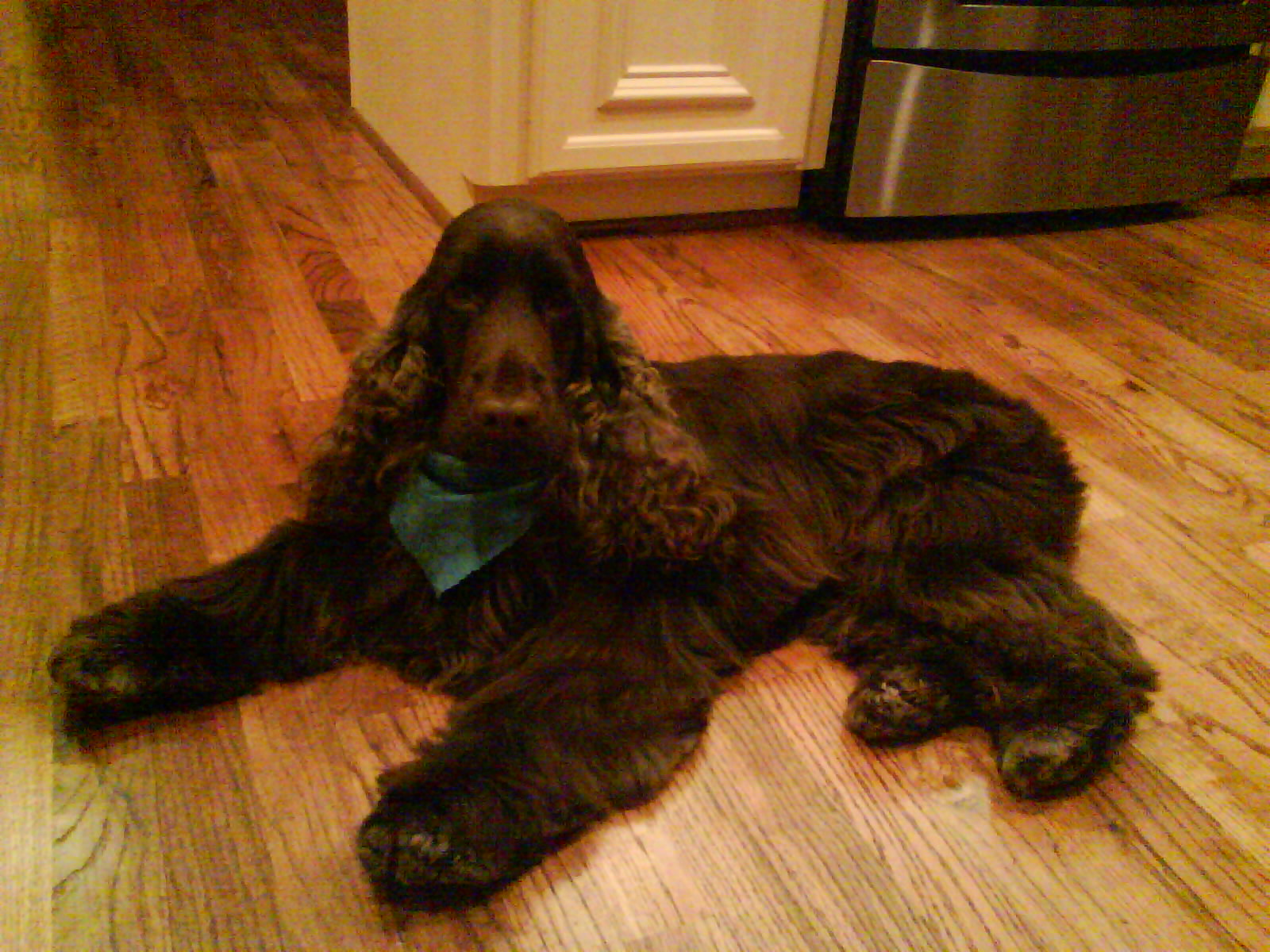
Cocker Spaniels are beloved for their affectionate nature and striking appearance, especially their silky, feathered coats and long, floppy ears. However, maintaining their beauty requires a significant grooming effort. Those gorgeous feathers that make them so photogenic are actually grooming magnets that collect everything from burrs to food particles.
The real challenge lies in the details that most pet owners never see. The Cocker Spaniel’s coat is dense, often soft, and prone to tangling and matting. The fine, silky fur on their chest, legs, and ears requires frequent brushing to avoid mats, which can form quickly in these areas. Professional groomers know that maintaining a Cocker Spaniel’s coat properly is like being a full-time stylist, and many prefer to leave that level of dedication at the office.
Portuguese Water Dogs: The Presidential Problem
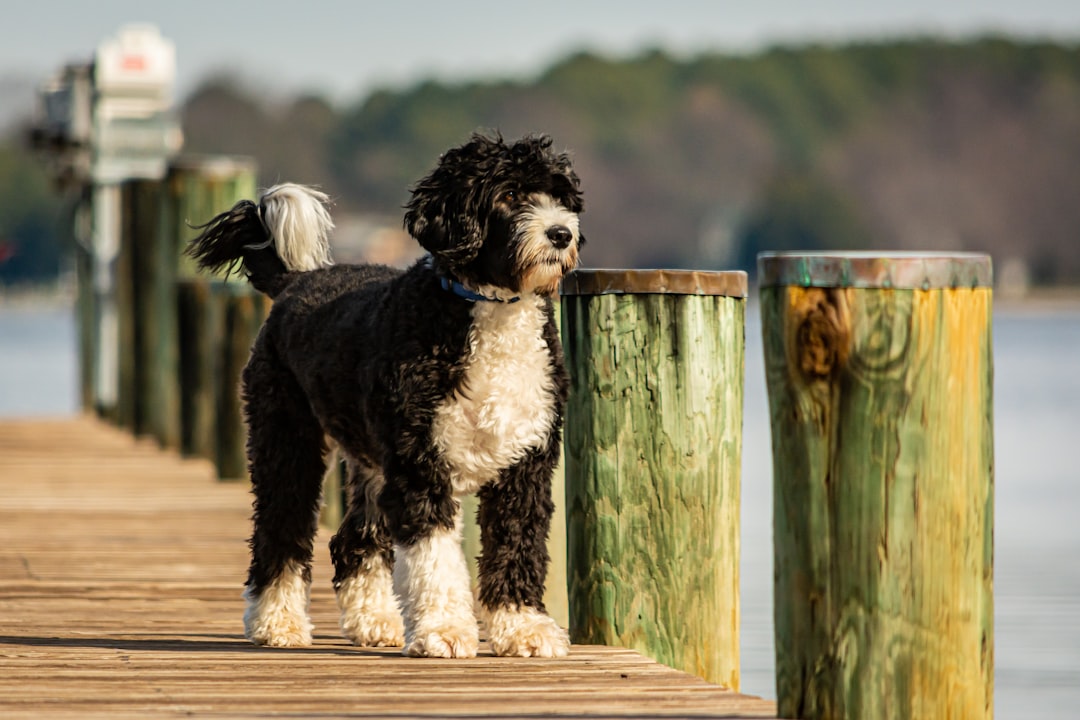
Made famous by the Obama family, Portuguese Water Dogs have become increasingly popular, much to the mixed feelings of professional groomers. Active and intelligent, the Portuguese Water Dog makes an excellent choice for active families with children of all ages. Having hair rather than fur, their coats continually grow and, therefore, require regular brushing, bathing, and trimming.
The challenge with this breed isn’t just the maintenance – it’s the expectation. With coats ranging from tight and curly to loose and wavy, Portuguese water dogs require “regular and extensive grooming,” according to the AKC. This breed should be groomed once a week and bathed occasionally. When you’re the professional everyone expects to make their dog look “presidential,” the pressure can be intense, making many groomers prefer lower-maintenance companions at home.
Maltese Dogs: The Delicate Divas
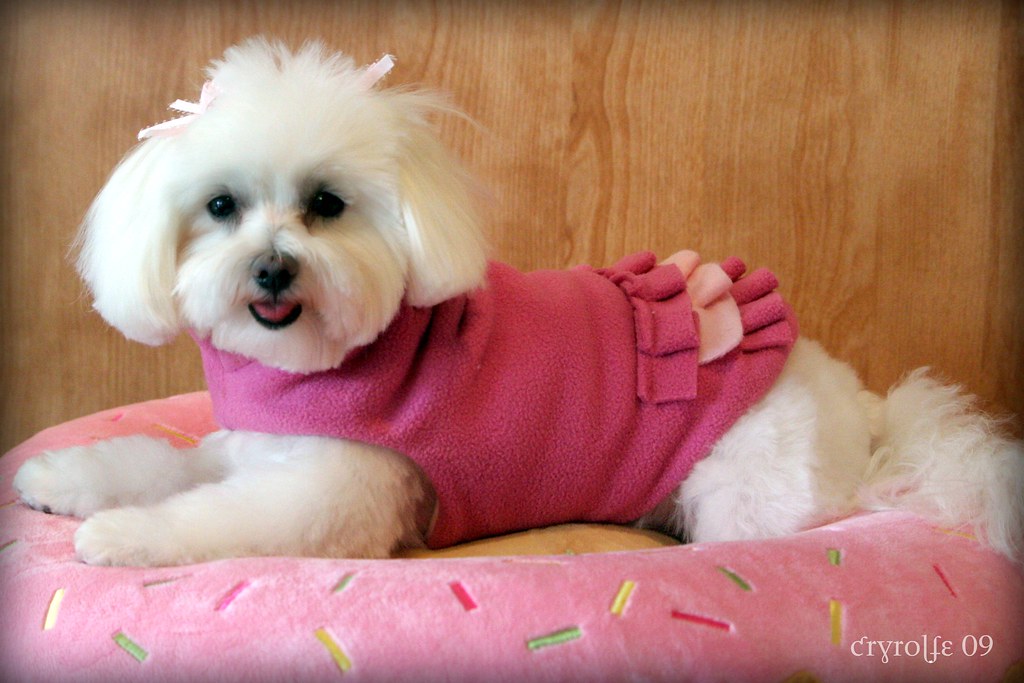
Maltese dogs have long, white coats that need to be gently brushed every day. But it’s not just the daily brushing that makes groomers hesitant to own them – it’s the delicate nature of their coat and the constant vigilance required to keep them looking pristine. These dogs are like living, breathing white silk scarves that show every speck of dirt.
The mental energy required to maintain a Maltese properly is something that many groomers find exhausting after a full day of detailed work. The breed requires not just regular grooming, but preventative care to avoid staining and matting. Many professional groomers compare owning a Maltese to having a full-time job maintaining a piece of fine art – beautiful, but not exactly relaxing after a long day at work.
Lhasa Apsos: The Tibetan Time Traps
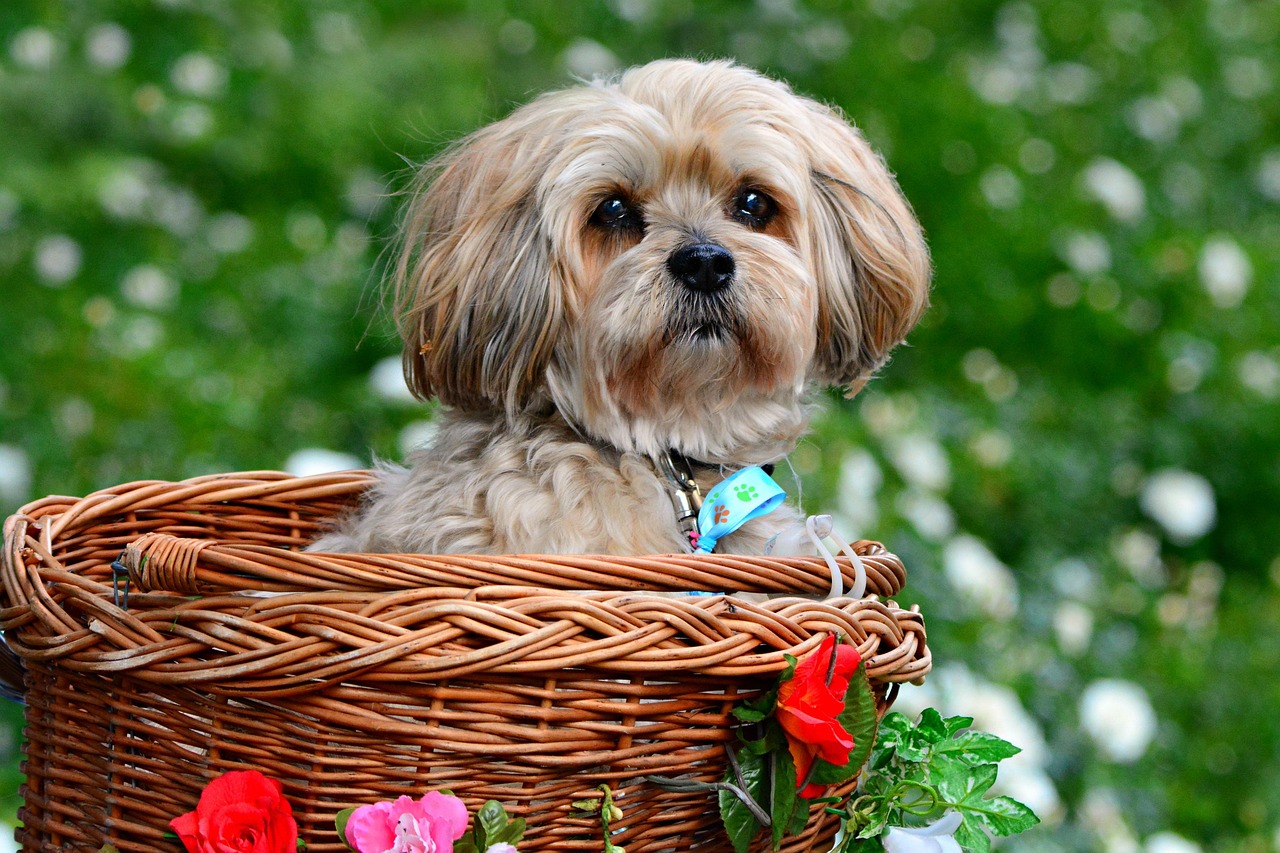
The Lhasa Apso, a small dog with a long, flowing coat that demands regular attention, originates from Tibet. Daily brushing is necessary to prevent mats, particularly in the hair around their ears and tail. What makes these dogs particularly challenging is their coat’s tendency to mat in hard-to-reach places, requiring constant vigilance.
Lhasa Apso dogs with long hair will need to be brushed regularly using specific tools and techniques, and this breed needs to be bathed every 2-4 weeks. The specific tools and techniques mentioned aren’t just suggestions – they’re necessities. Professional groomers know that cutting corners with a Lhasa Apso’s grooming routine leads to hours of dematting work later, something they’d rather not deal with in their personal time.
Komondors: The Corded Complications

Imagine a dog that looks like a walking mop, and you’ve got a Komondor. Komondors are often considered the most difficult due to their unique corded coat that requires regular maintenance to prevent matting. Their distinctive dreadlock-style coat isn’t just unusual – it’s a grooming technique that takes years to master and maintain properly.
Known for their distinctive cords that resemble dreadlocks, Pulis have a unique coat that requires special care. Regular separation of cords and bathing and drying are essential to prevent matting and maintain their functional appearance. The process of maintaining these cords is so specialized that many groomers prefer to work on them professionally rather than deal with the daily maintenance requirements at home. It’s like having a living, breathing art project that never gets completed.
Bearded Collies: The Daily Brush Demons
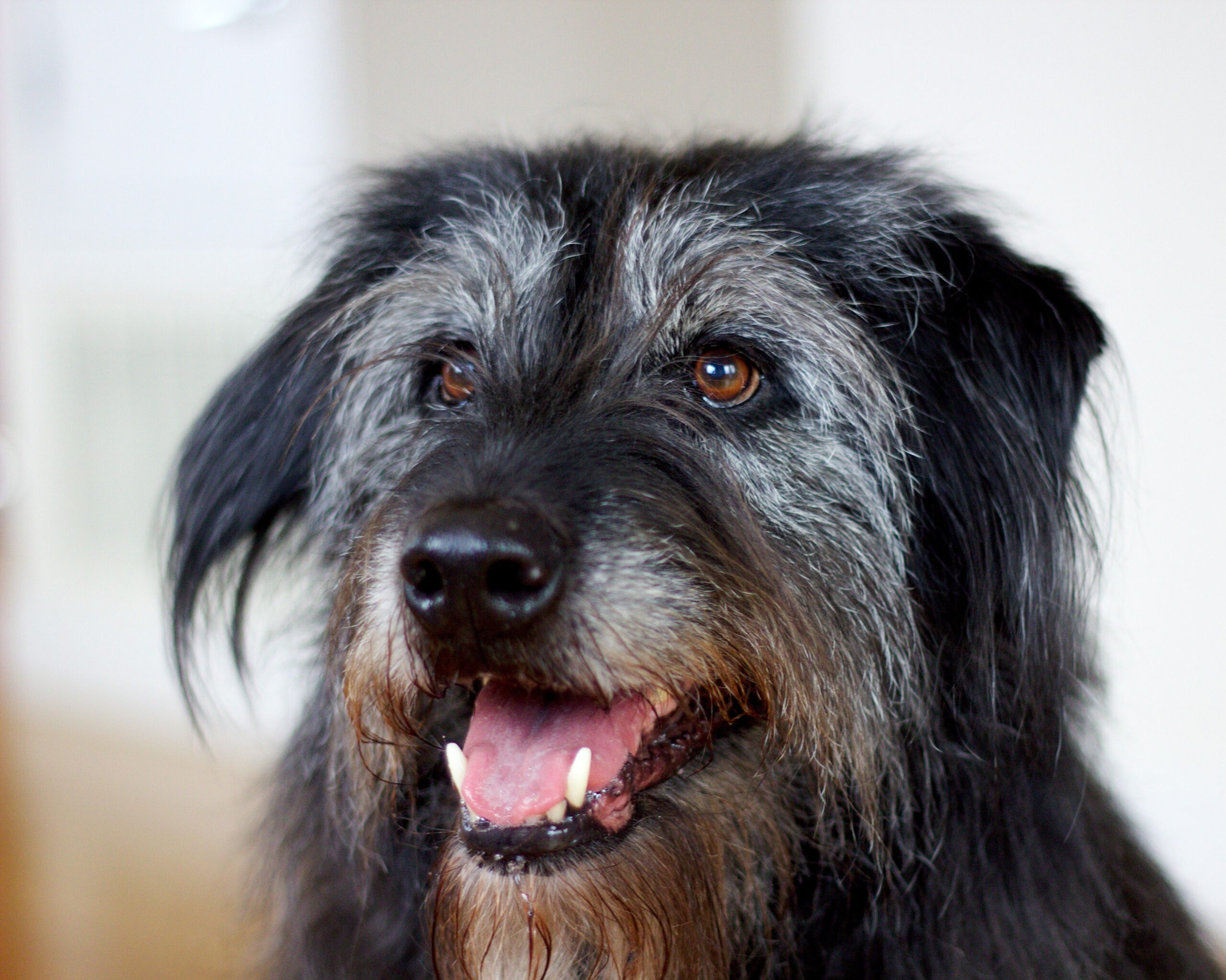
Bearded collies need to be brushed every day to remove tangles, and once a week they need to be brushed with a pin rake, brush, comb, and maybe anti-tangle spray to remove any dead hair. Notice that list of tools? That’s not a suggestion – that’s a requirement. Professional groomers often joke that Bearded Collies come with their own tool shed.
The sheer time commitment involved in maintaining a Bearded Collie properly is what makes many groomers think twice about bringing one home. After spending all day using pin rakes, brushes, and combs on other people’s dogs, the idea of coming home to another hour of the same work isn’t exactly appealing. It’s like a teacher coming home and immediately grading more papers – technically possible, but not mentally sustainable.
Miniature American Shepherds: The Shedding Surprises
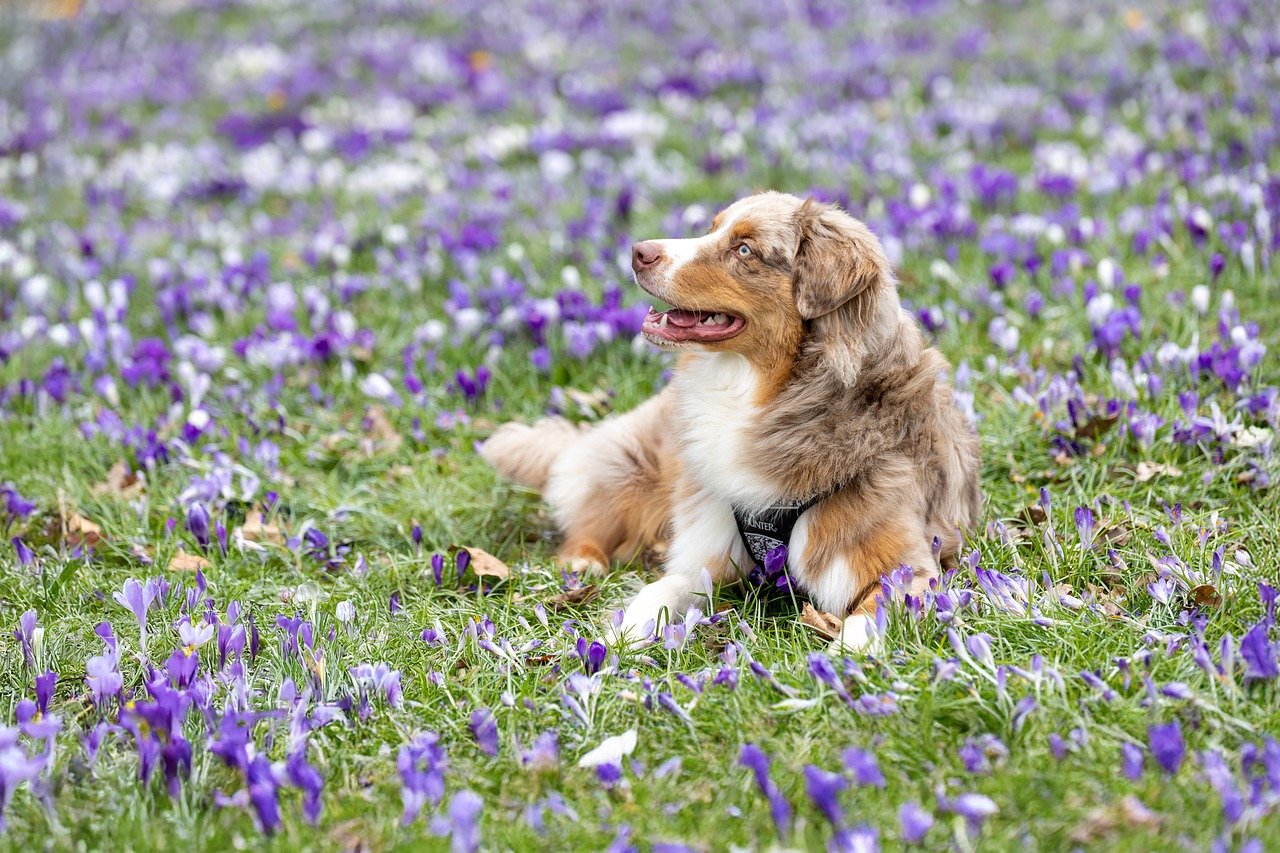
The Miniature American shepherd sheds quite a bit, especially during shedding season, which happens once or twice a year. This breed needs to be brushed every week, or every day during shedding season. The phrase “shedding season” might sound quaint, but for groomers, it represents weeks of intensive daily maintenance.
What many people don’t realize is that “shedding season” for these dogs is like a fur tornado that takes over your entire life. Professional groomers are well aware that during these periods, daily brushing becomes a necessity, not a choice. After dealing with the seasonal coat blowouts of multiple dogs at work, many groomers prefer pets that don’t turn their homes into fur factories twice a year.
Havanese Dogs: The Silky Struggles
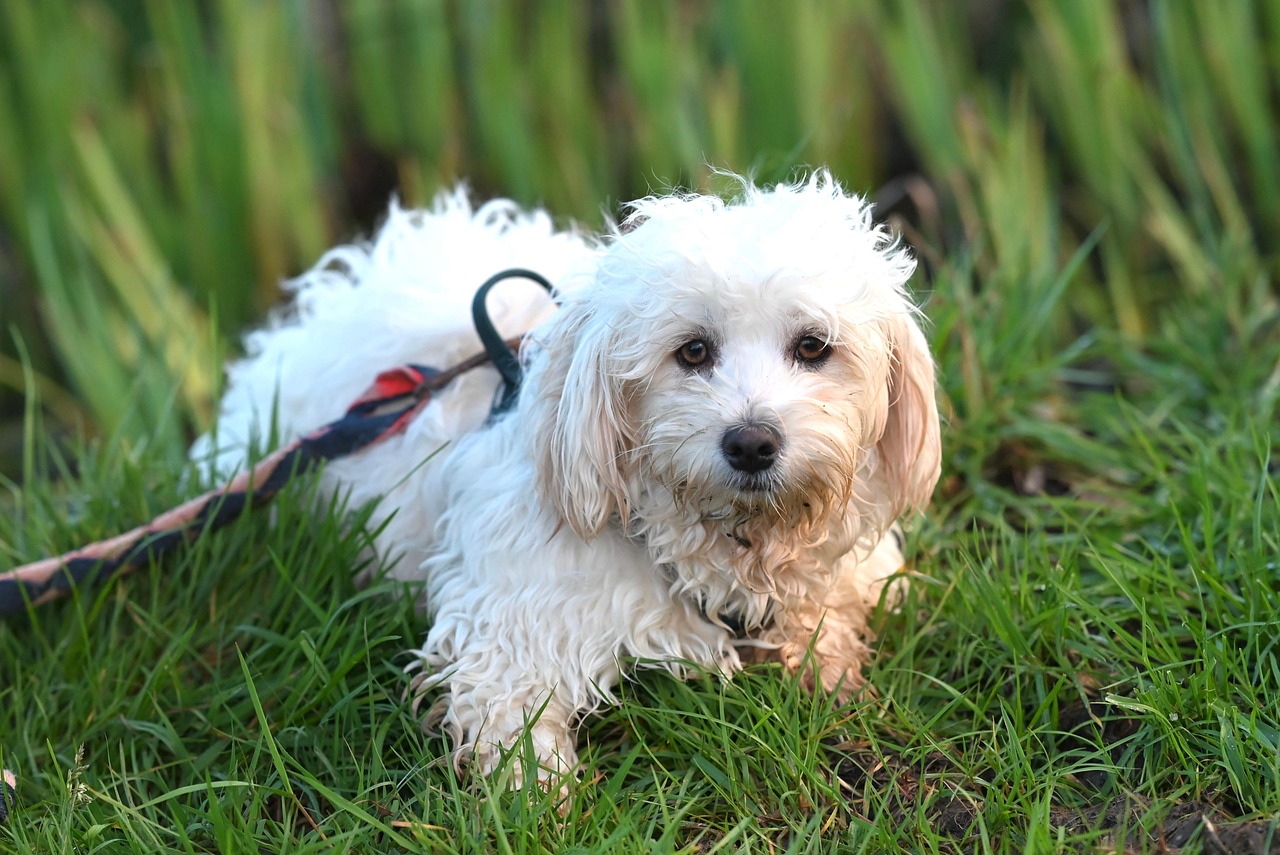
Daily brushing prevents mats and tangles, especially in the hair around their ears and hindquarters. Regular baths and professional grooming sessions keep the Havanese looking their best. While they’re smaller than many of the breeds on this list, their maintenance requirements are disproportionate to their size.
The Havanese coat has a texture that seems designed to collect debris and form mats in the most inconvenient places. Professional groomers know that those adorable ear furnishings and feathery hindquarters require constant attention. Many compare owning a Havanese to having a small, mobile tangle magnet – cute, but exhausting to maintain after a full day of professional grooming.
Cavalier King Charles Spaniels: The Royal Responsibilities
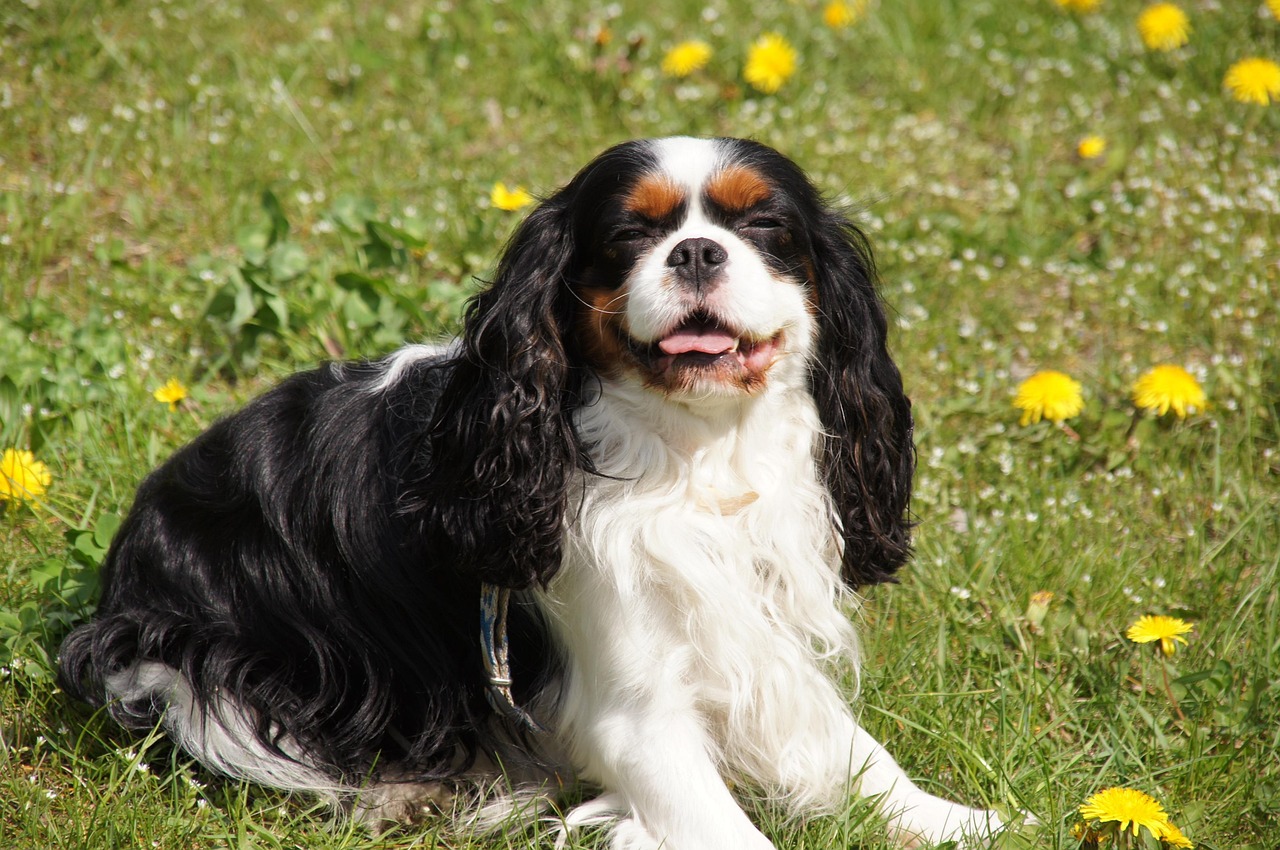
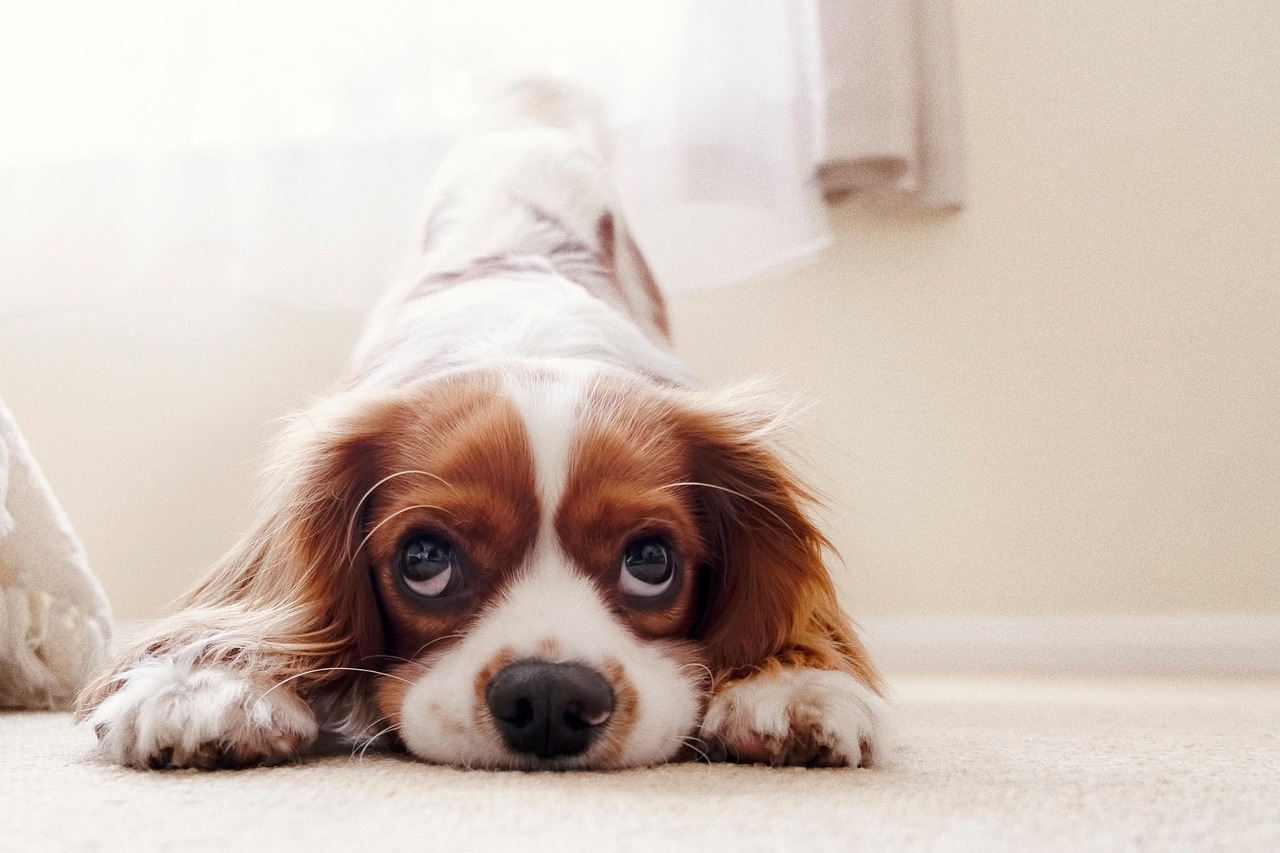
The Cavalier King Charles Spaniel is a small, elegant breed with a silky, medium-length coat. Regular brushing prevents mats and keeps their coat shiny and healthy. But here’s what the breed descriptions don’t tell you: that “silky” coat tangles if you look at it wrong, and those elegant feathers collect everything from grass seeds to cookie crumbs.
Grooming sessions should include attention to their feathered ears and tail. Occasional baths and professional grooming help maintain their regal appearance. The key word here is “regal” – maintaining that royal appearance requires dedication that many groomers prefer to reserve for their professional clients. After perfecting those feathered ears all day, many prefer dogs that don’t require such royal treatment at home.
Goldendoodles: The Doodle Dilemma
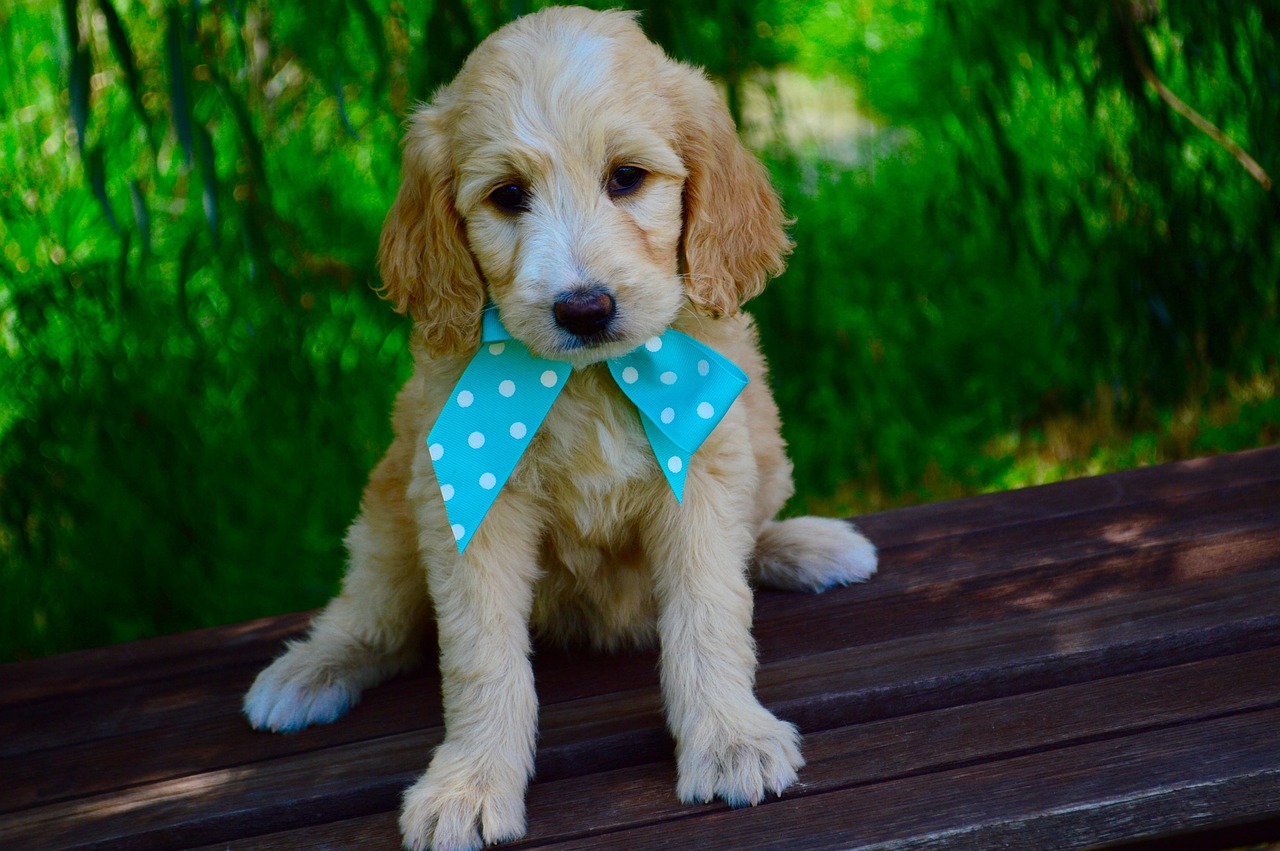
Here’s a breed that combines the Golden Retriever’s “let’s roll in everything fun” attitude with the Poodle’s high-maintenance coat. A happy-go-lucky pup who needs daily brushing and regular professional trims to keep their coat from becoming a disaster. It’s like getting the worst of both worlds wrapped in an adorable, enthusiastic package.
Goldendoodles have zero vanity – they’ll dive into mud puddles with the same enthusiasm they show for belly rubs. Their coats can mat quickly, especially after outdoor adventures. Professional groomers often see Goldendoodles that look like they’ve been through a blender, requiring hours of careful dematting work. The combination of high-maintenance grooming needs and a dog’s natural inclination to get dirty creates a perfect storm that many groomers prefer to deal with only during work hours.
Bichon Frises: The Powder Puff Problems
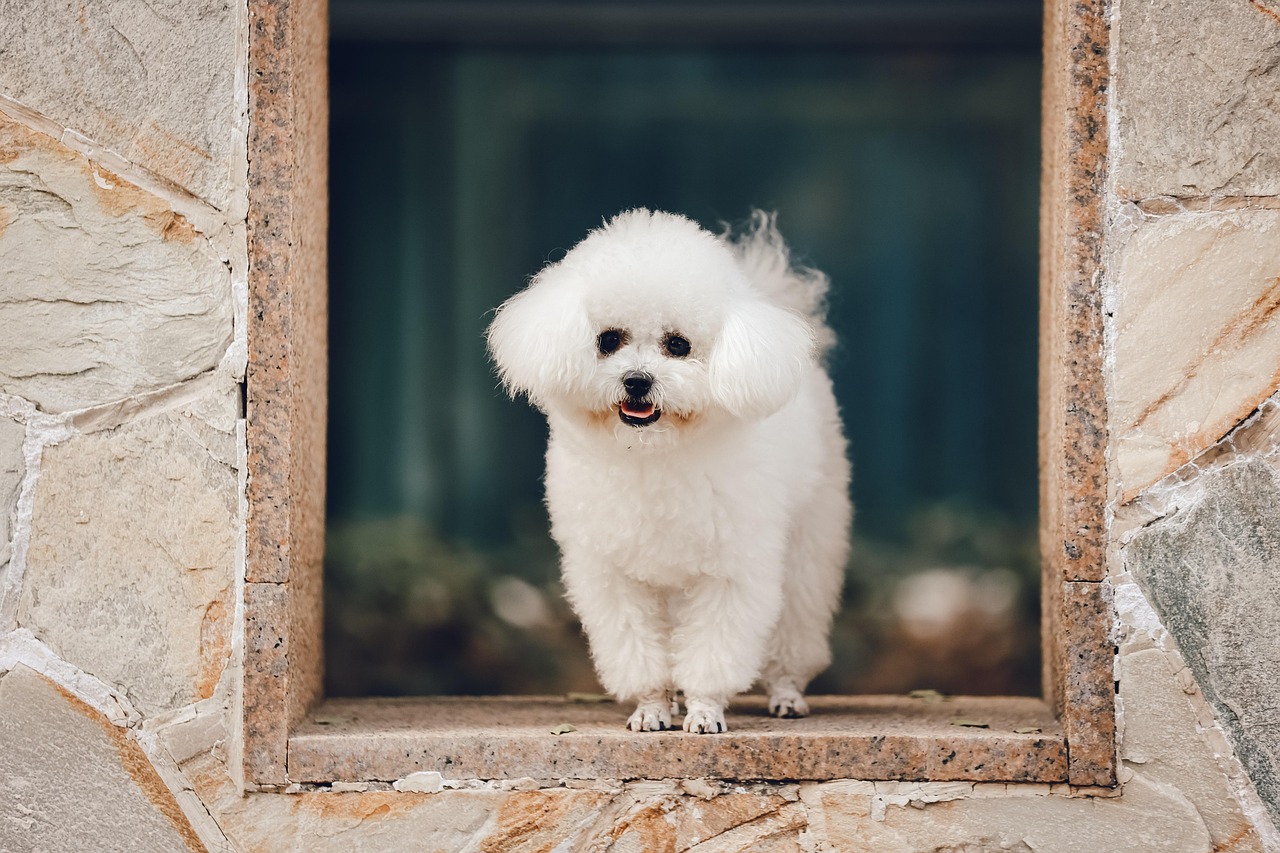
Picture a fluffy white cloud with legs and a wet nose – that’s your Bichon. These little charmers have hair (not fur), which means it grows continuously and needs regular trimming to maintain that signature powder-puff look. The distinction between hair and fur isn’t just semantics – it means a lifetime commitment to regular professional grooming.
Without consistent brushing, their coat turns into a matted nightmare that’s painful for them and expensive for you to fix. We’re talking daily brushing and monthly professional trims. Many groomers describe severely matted Bichons as “grooming emergencies” that require hours of careful work. After dealing with these challenging cases professionally, many groomers prefer pets that won’t become emergencies if they miss a day or two of brushing.
Conclusion: The Professional’s Preference
The irony isn’t lost on professional groomers – they spend their days making high-maintenance breeds look absolutely stunning, yet when it comes to choosing their own companions, many opt for the very breeds they recommend to busy pet parents seeking low-maintenance options. Any untrained or unsocialized dog is going to make the job harder, no matter the breed. Dogs with anxiety, behavioral issues, or health concerns are also stressful.
After spending hours perfecting intricate cuts, detangling matted coats, and managing anxious dogs, many groomers crave simplicity at home. They understand better than anyone that a dog’s beauty shouldn’t come at the cost of your sanity or free time. The breeds they avoid aren’t “bad” dogs – they’re simply dogs that require the kind of dedication that professionals prefer to reserve for their paying clients. When you’ve spent eight hours making other people’s dogs look fabulous, sometimes the most beautiful thing you can come home to is a dog that’s happy with a weekly brush and a monthly bath.
Did you expect that the very people who make these gorgeous breeds look their best would choose such different companions for themselves?

From exploring the marine wonders in the Azores and witnessing the vast savannas of Kenya, to delving deep into the rich biodiversity of South Africa and traversing iconic landscapes in Australia and the US like Yellowstone, Chris's experiences are vast.
With a penchant for diving alongside sharks, the ocean holds a special place in his heart.
Through his academic insights, he champions wildlife conservation, striving with 'Animals Around The Globe' to cultivate a profound connection between humans and animals, enhancing our mutual appreciation.
Connect with him at Feedback@animalsaroundtheglobe.com.
- This National Park Uses AI to Monitor Animal Populations - August 2, 2026
- 10 Myths About Dolphins Busted—And 3 That Are Totally True - August 2, 2026
- What Happens When Predators Learn to Avoid Human Traps - August 2, 2026