
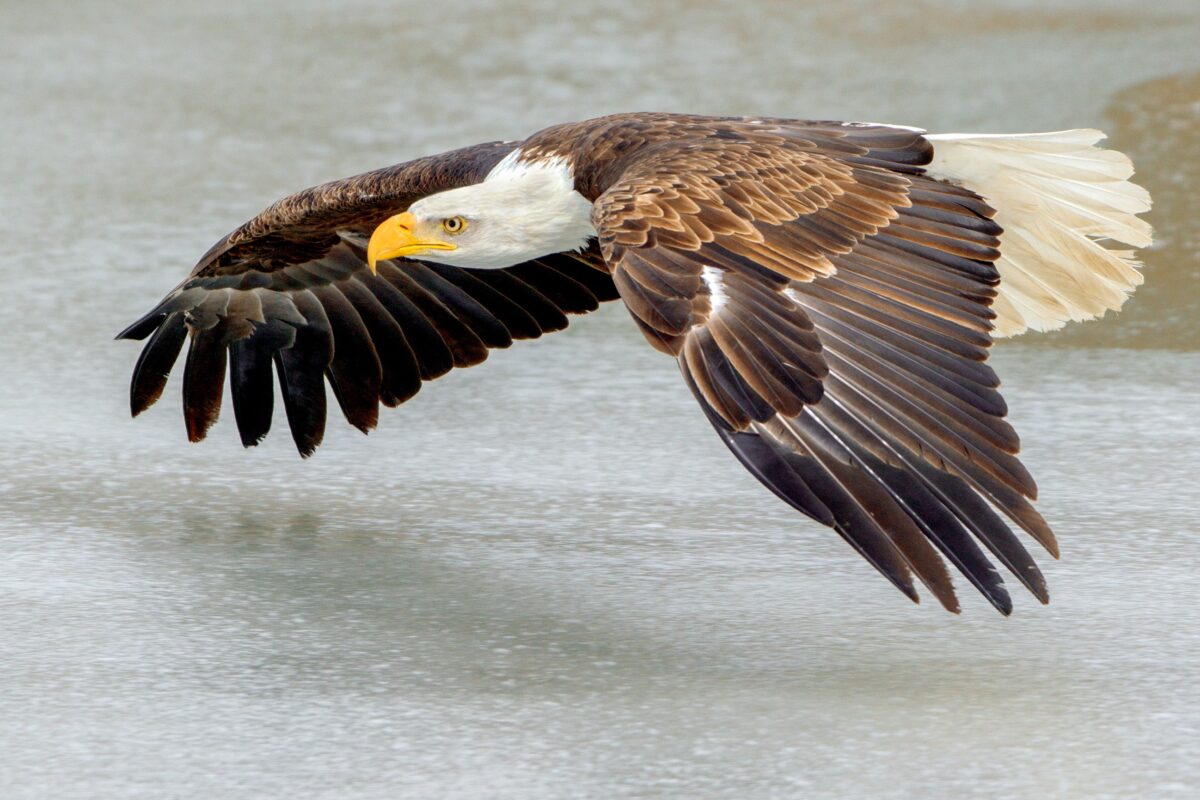
Picture this: the most elite gaming squad isn’t human at all. These athletes have reflexes faster than any pro player could dream of, vision so sharp they can spot movement from miles away, and tactical awareness that puts even the best team captains to shame. The question isn’t whether America’s birds of prey could dominate esports – it’s which roles they’d master. From the lightning-fast strikes of a peregrine falcon to the strategic patience of a great horned owl, these natural-born competitors already showcase every skill that makes championship teams unstoppable.
The Entry Fragger: Peregrine Falcon – Speed Demon of the Skies
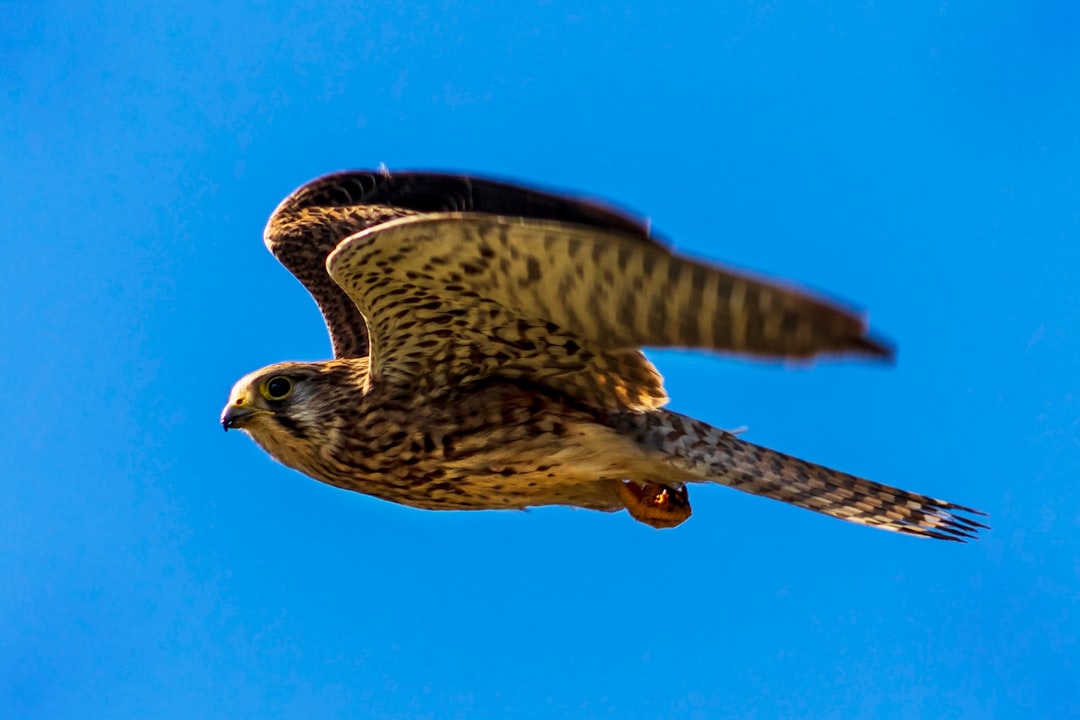
The peregrine falcon (Falco peregrinus), a bird of prey, is one of the fastest animals on earth and can reach speeds of over 240 miles per hour (386 kilometers per hour) when it dives towards prey. This incredible velocity makes them the obvious choice for entry fragging in competitive gaming, where speed and precision determine who gets the opening pick.
Peregrine falcons don’t just rely on raw speed though. Falcons are skilled hunters, relying on their speed and agility to catch their prey. Falcons employ various hunting strategies, including surprise attacks and high-speed chases. In esports terms, they’re the players who can execute perfect peek timings and lightning-fast flick shots that leave opponents stunned. Their natural ability to make split-second decisions at breakneck speeds translates perfectly to the high-pressure moments that define clutch plays.
The AWPer: Red-Tailed Hawk – The Patient Sniper
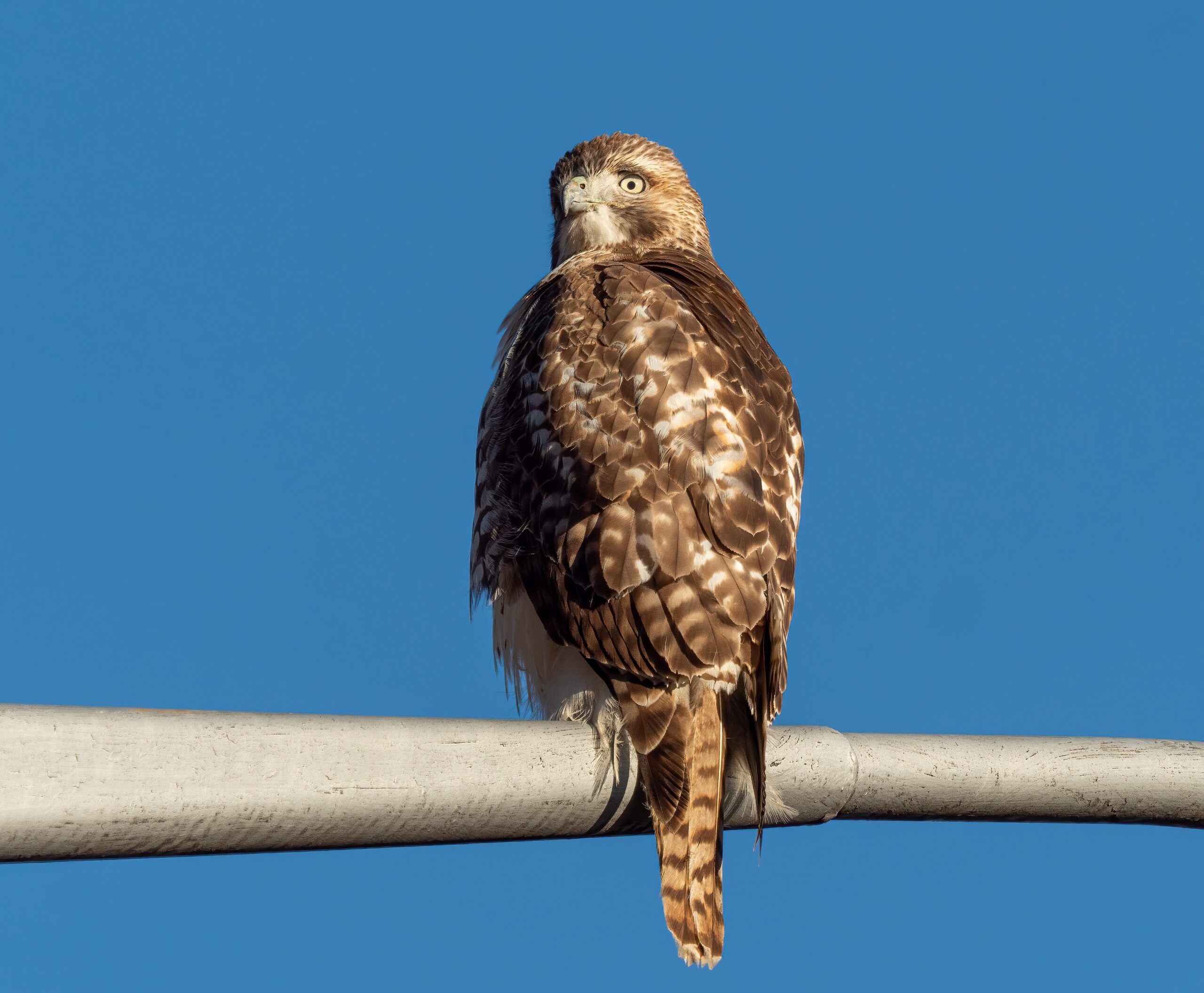
Hawks are known for their keen eyesight and agility. Their ability to soar high allows them to spot movement from great distances. Red-tailed hawks embody the perfect sniper mentality, spending hours perched in strategic positions, scanning for the perfect opportunity to strike.
Their hunting style mirrors that of professional AWPers who understand that patience often trumps aggression. They are mainly woodland birds that hunt by sudden dashes from a concealed perch. They usually have long tails for tight steering. This calculated approach, combined with their exceptional vision that’s 4-5 times better vision than humans, makes them natural-born snipers who never miss when it counts.
The Support Player: American Kestrel – The Utility Master
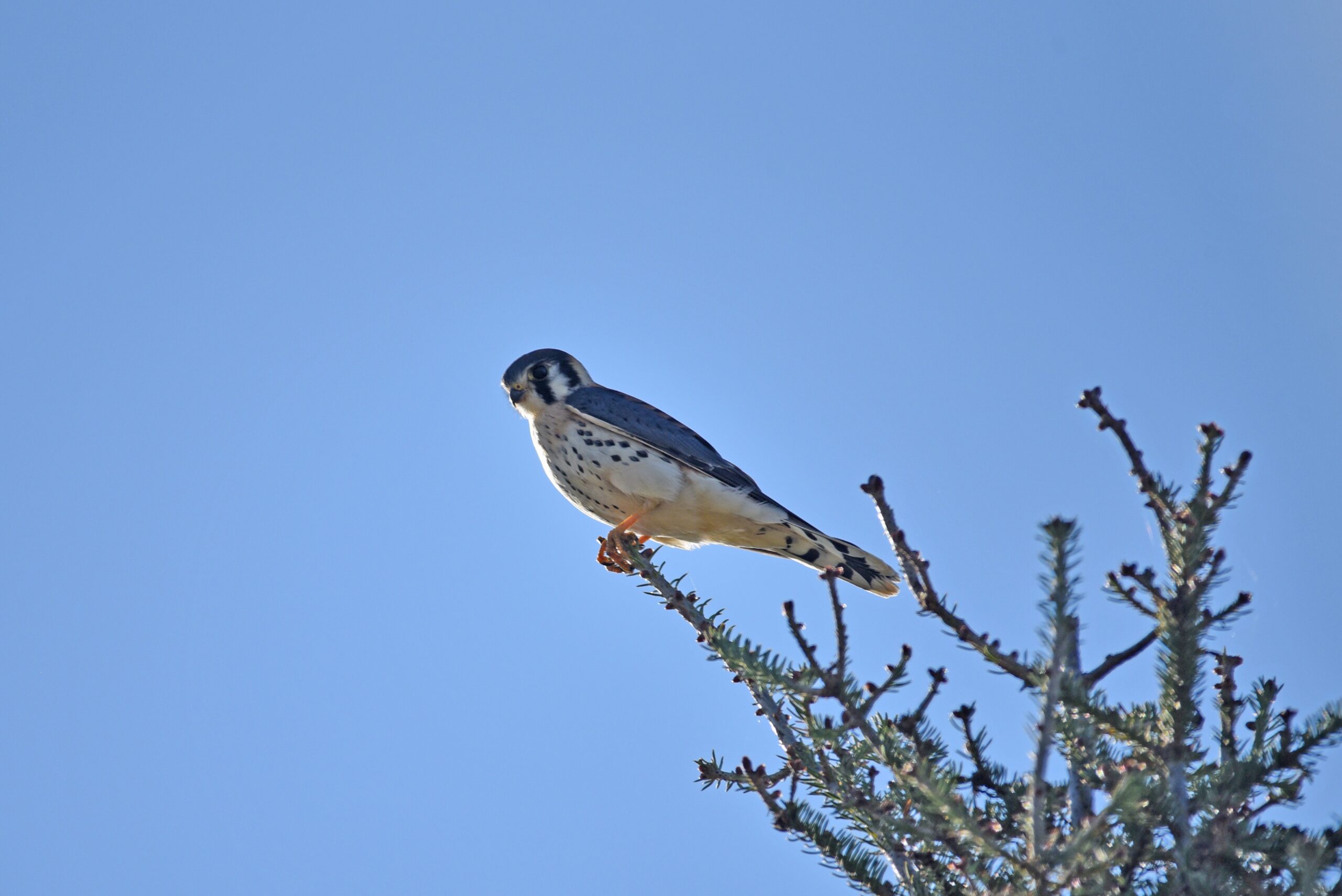
North America’s littlest falcon, the American Kestrel packs a predator’s fierce intensity into its small body. Hunting for insects and other small prey in open territory, kestrels perch on wires or poles, or hover facing into the wind, flapping and adjusting their long tails to stay in place. This hovering ability makes them perfect for the support role, always positioning themselves exactly where the team needs them most.
Kestrels are masters of adaptation and versatility. Kestrels famously hover. They fly into the wind and then use their tails and wings to stay in the same position. Here, they carefully survey the ground, watching for movement, ready to swoop in on their prey. In gaming terms, they’re the players who know every smoke lineup, flash timing, and utility usage to set up their teammates for success. Their ability to maintain perfect positioning while staying alert makes them invaluable team players.
The IGL (In-Game Leader): Bald Eagle – The Strategic Commander
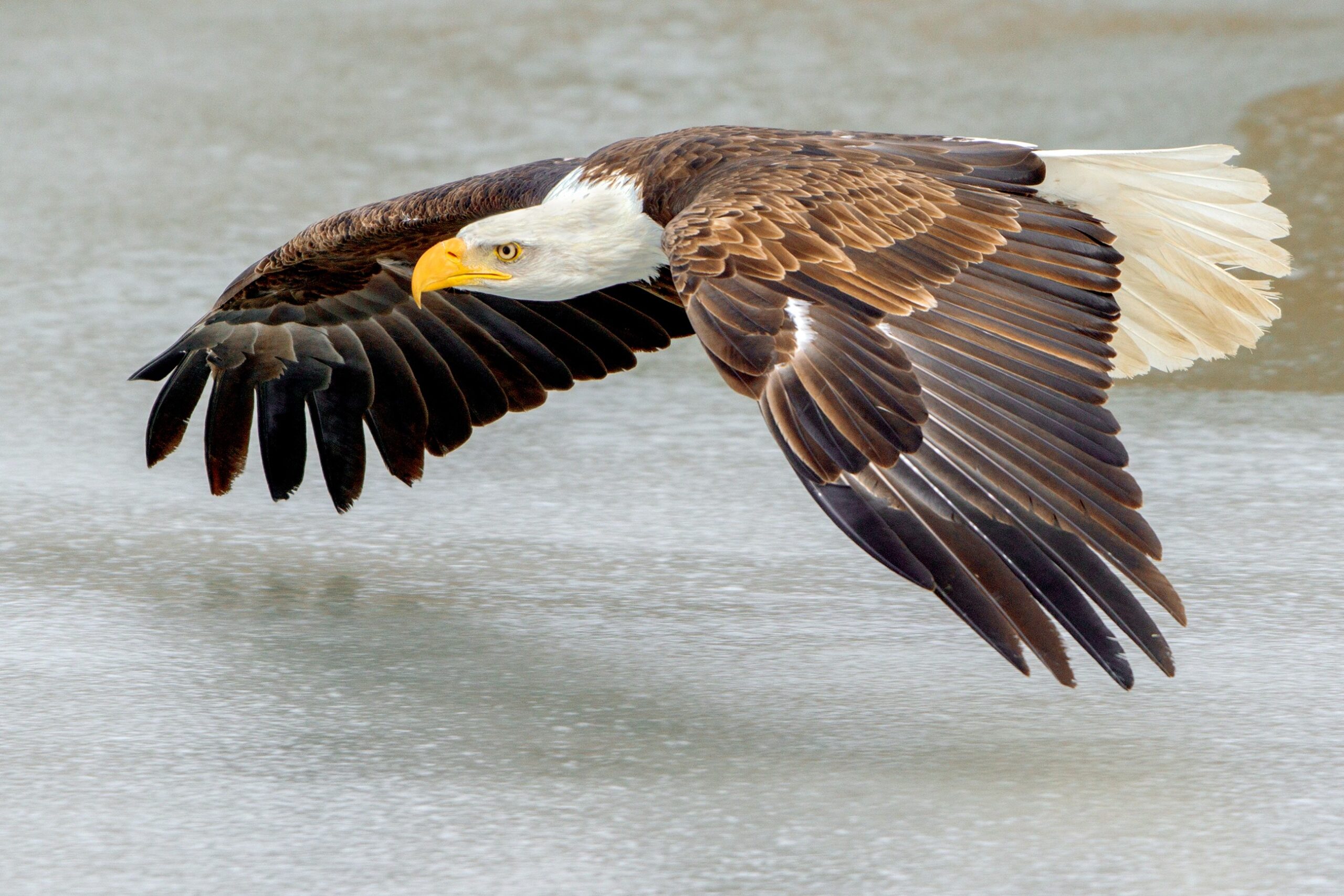
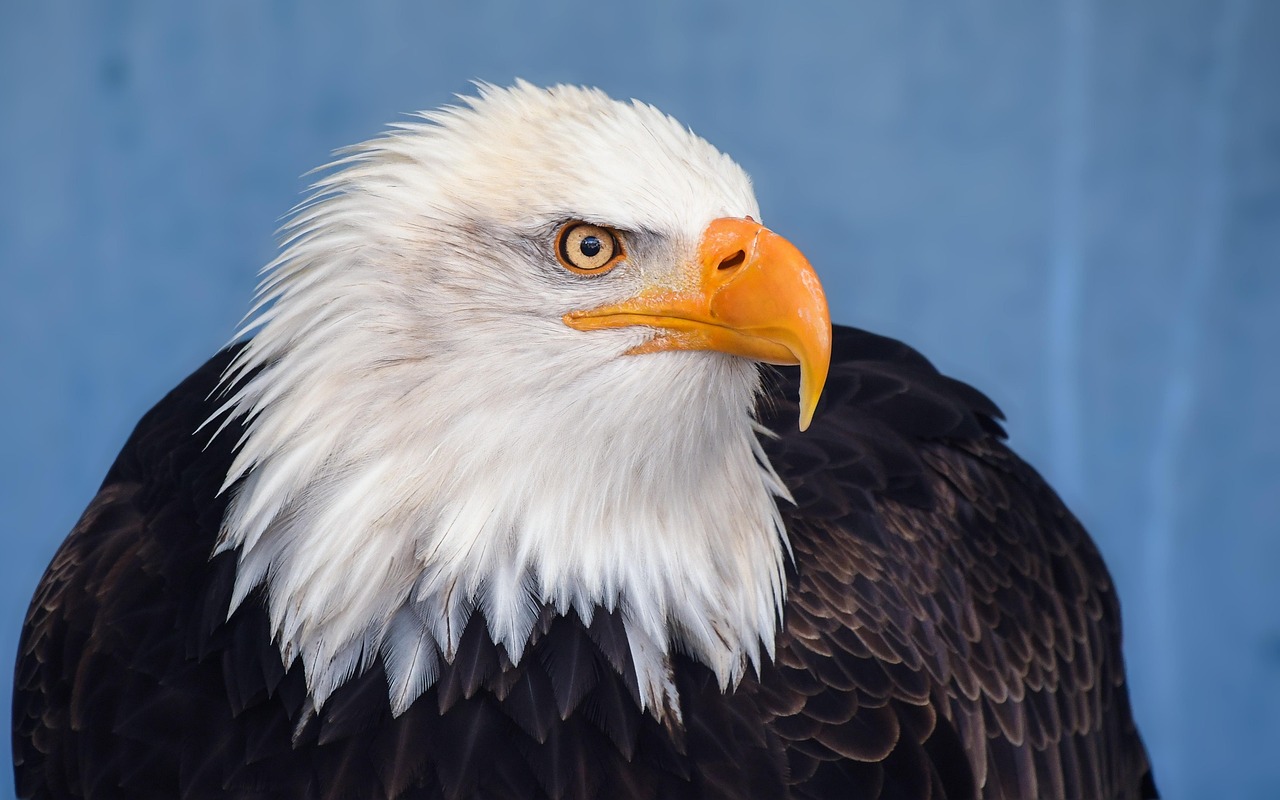
The bald eagle brings both the gravitas and strategic thinking necessary for in-game leadership. The condors (species of vultures) and the eagles are the largest and strongest members of this group, and they are among the largest and strongest of all living birds. Their commanding presence and natural authority make them perfect for calling shots and keeping the team coordinated under pressure.
Eagles possess the big-picture thinking that separates good IGLs from great ones. Eagles use thermal updrafts to gain altitude before diving down on unsuspecting prey. This ability to gain height and survey the entire battlefield translates perfectly to reading the game state, predicting opponent movements, and making the macro calls that win rounds. Their patience and strategic vision help them guide their team through complex tactical situations.
The Lurker: Great Horned Owl – Master of Stealth
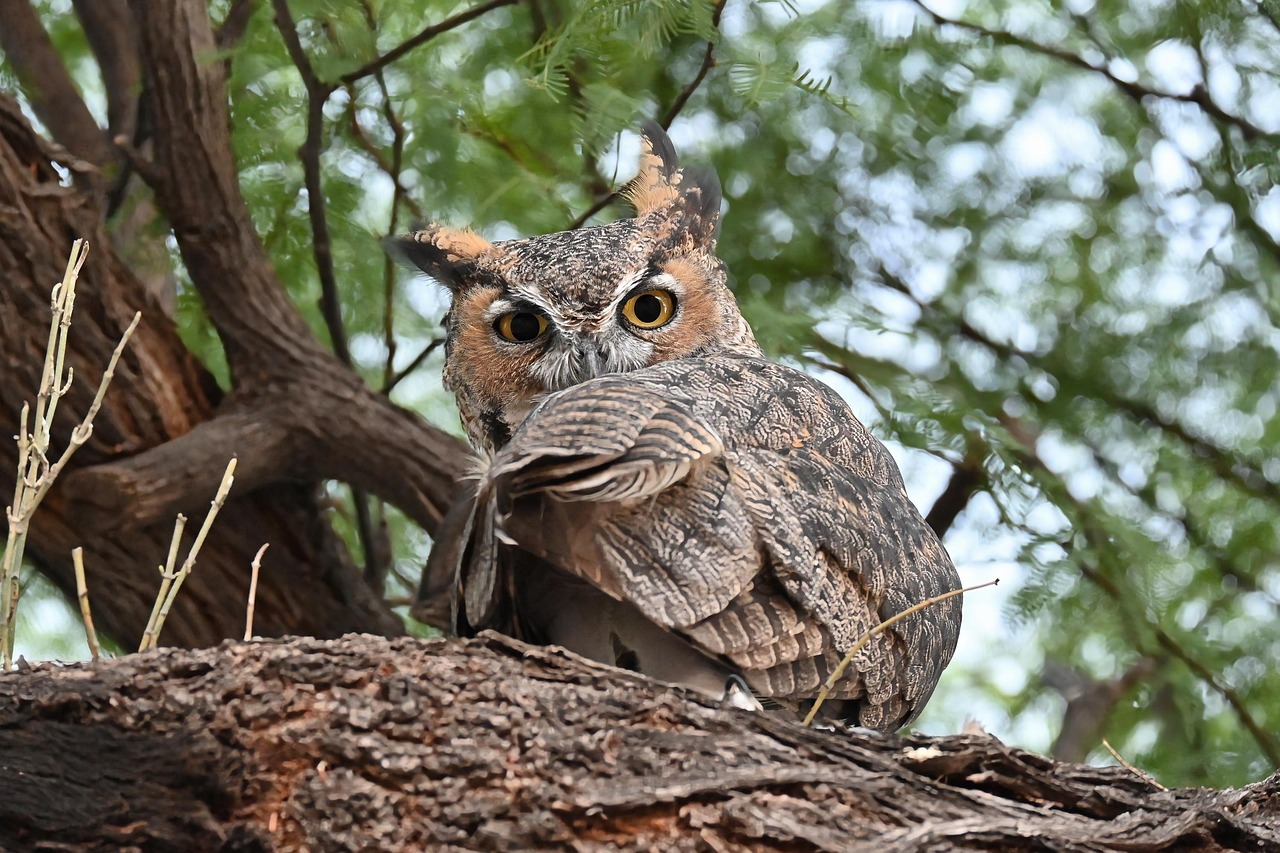
Owls rely on silent flight and excellent hearing to locate and ambush nocturnal animals. The great horned owl represents the perfect lurker archetype – a player who operates independently, gathering information and striking when opponents least expect it. Their specialized hunting approach sets them apart from their diurnal teammates.
Thanks to their specialized feathers that break up airflow and reduce noise levels, owls are the quietest fliers out of all the raptors. They can get very close to their prey before it notices, increasing their chances of a successful hunt. This natural stealth ability makes them perfect for rotating behind enemy lines, gathering intel, and executing those game-changing flanks that catch entire teams off guard.
The Flex Player: Cooper’s Hawk – The Adaptable All-Rounder
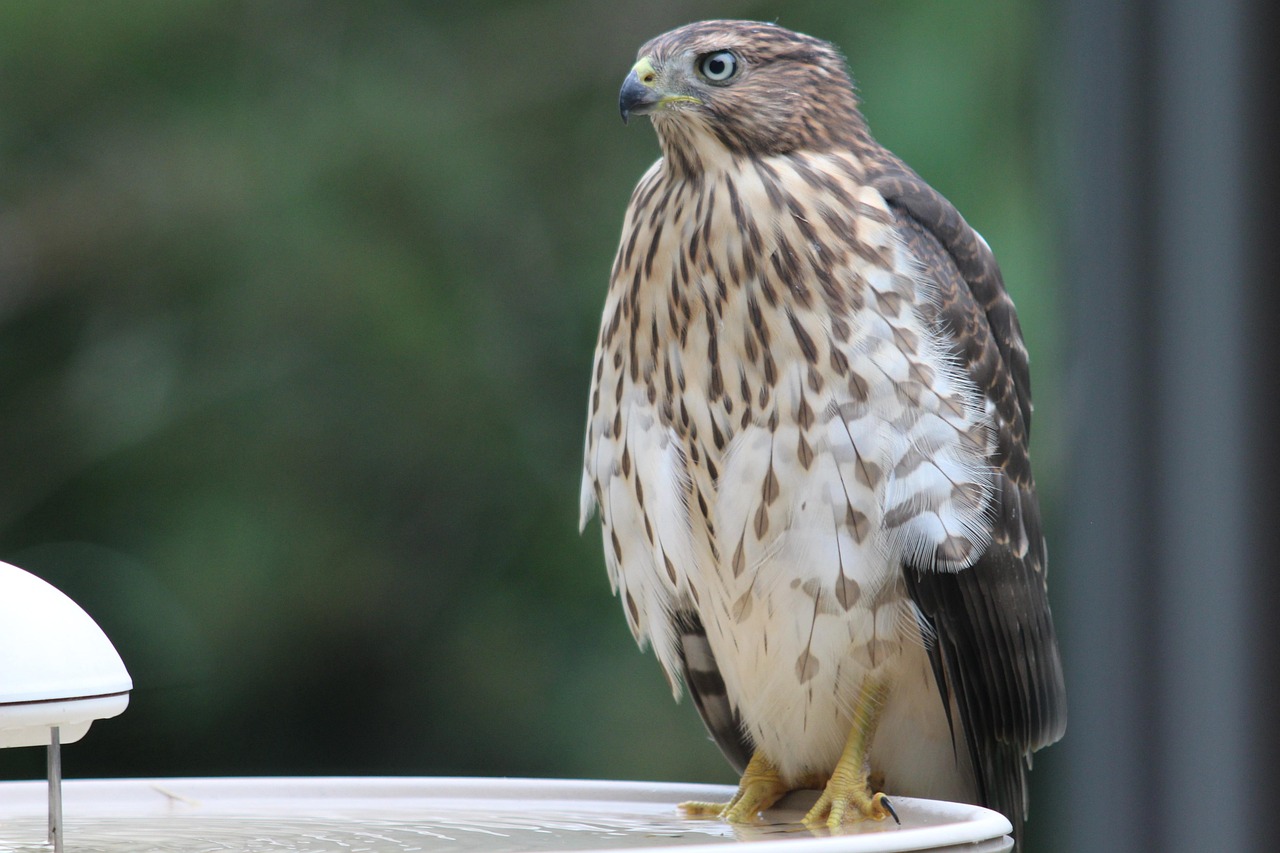
They are mainly woodland birds that hunt by sudden dashes from a concealed perch. Cooper’s hawks excel at adapting their hunting style to different environments and prey types, making them perfect for the flex role that modern esports demands. They can fill whatever gap the team needs at any given moment.
Their versatility comes from their ability to hunt effectively in various terrains and situations. They are fierce, stealthy hunters. Whether the team needs aggressive entry support, defensive anchor play, or mid-round rotations, Cooper’s hawks can seamlessly transition between roles while maintaining peak performance. This adaptability makes them invaluable in the constantly evolving meta of competitive gaming.
The Mental Coach: Turkey Vulture – The Strategic Analyst
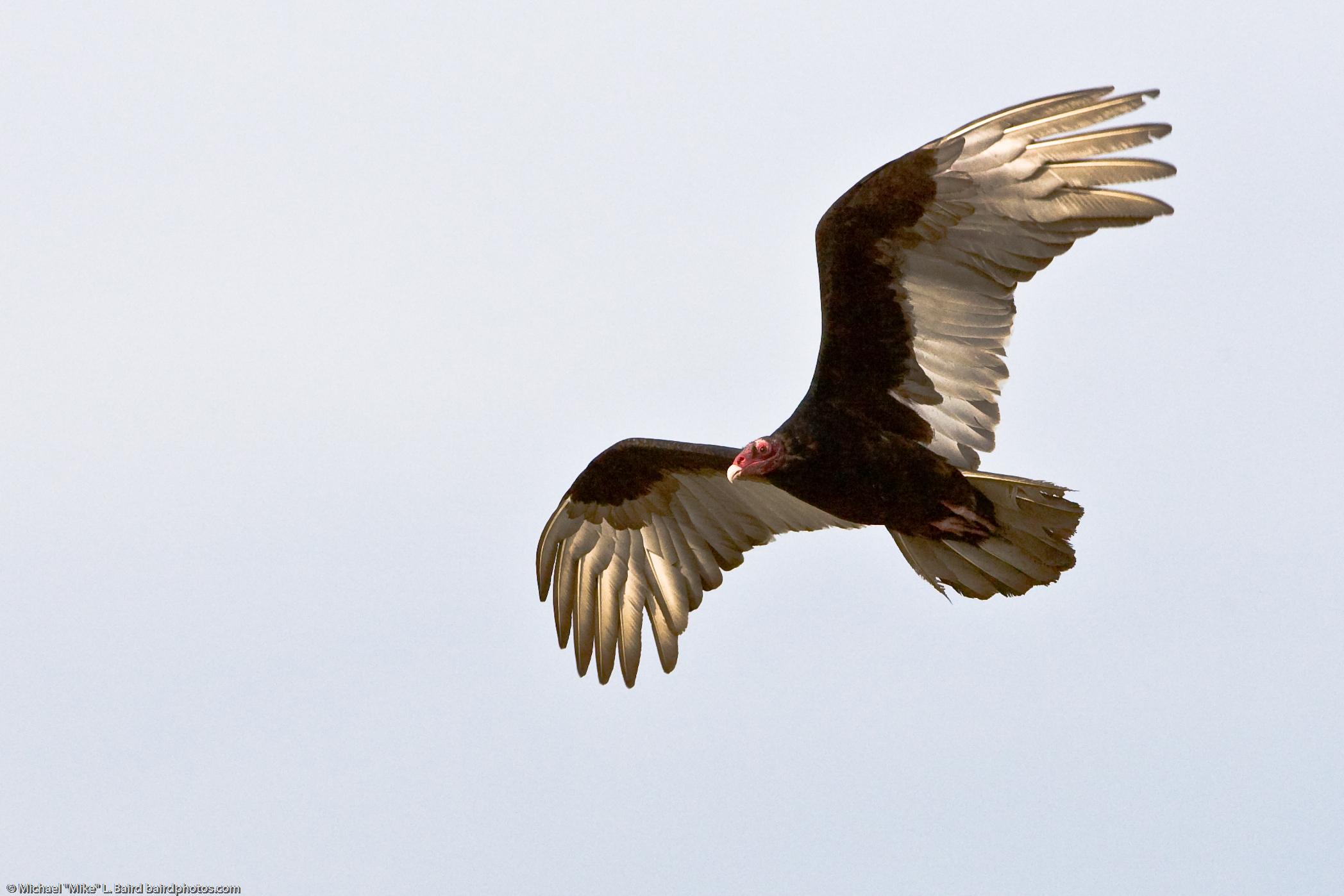
Vultures rarely catch live prey. Instead, they mostly feed on carrion. While this might seem like an odd choice for an esports team, turkey vultures bring unique analytical skills that every championship squad needs. Their patient observation style and ability to read situations makes them perfect for the coaching staff.
Turkey vultures spend their time soaring high above, taking in the entire landscape and identifying opportunities others miss. Soaring silently overhead, Turkey Vultures can be seen in the Northeast, though they are less common there than in other regions. Whether flying over cities, open fields, or forests, you can identify this species by its distinctive profile – a pronounced dihedral (wings lifted above the body), rocking back and forth in the air currents. This big-picture perspective allows them to spot opponent weaknesses, identify team patterns, and develop counter-strategies that give their team the edge.
The Backup Carry: Northern Goshawk – The Clutch Performer
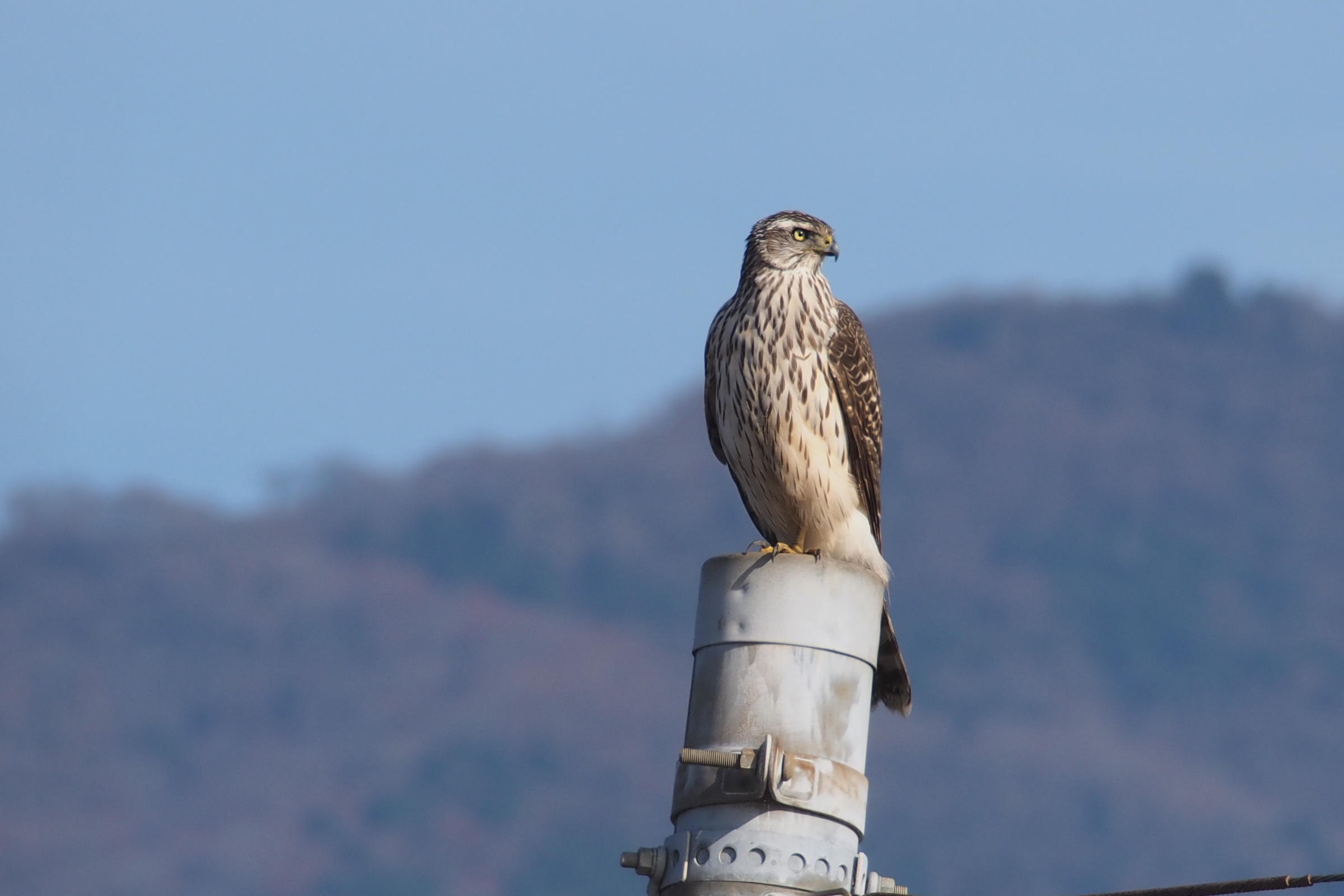
Northern goshawks represent the ultimate clutch players who thrive under pressure. Accipiters are fierce, stealthy hunters and their diet consists mostly of other birds and small mammals. Their aggressive hunting style and ability to navigate tight spaces make them perfect for those crucial moments when the team needs someone to step up and make plays.
These birds excel at high-pressure situations where split-second decisions matter most. Their fierce determination and relentless pursuit style mirror the mindset of players who never give up, even in seemingly impossible situations. When the team’s primary carry is having an off game, the northern goshawk steps in with the confidence and skill to turn rounds around through pure mechanical prowess and game sense.
Conclusion
The hypothetical esports dream team of American birds of prey showcases how nature’s finest hunters already embody every skill that makes championship teams unstoppable. From the peregrine falcon’s lightning-fast reflexes to the great horned owl’s strategic patience, each species brings unique strengths that mirror the specialized roles found in professional gaming. Their natural hunting abilities – keen eyesight, tactical thinking, split-second decision making, and flawless team coordination – translate perfectly to the digital battlefield.
What makes this fantasy roster truly fascinating is how these birds already demonstrate the mental fortitude and adaptability that separates good teams from legendary ones. They’ve spent millions of years perfecting the very skills that esports coaches try to teach their players. Who knew that the ultimate gaming squad was soaring right above our heads all along?
