
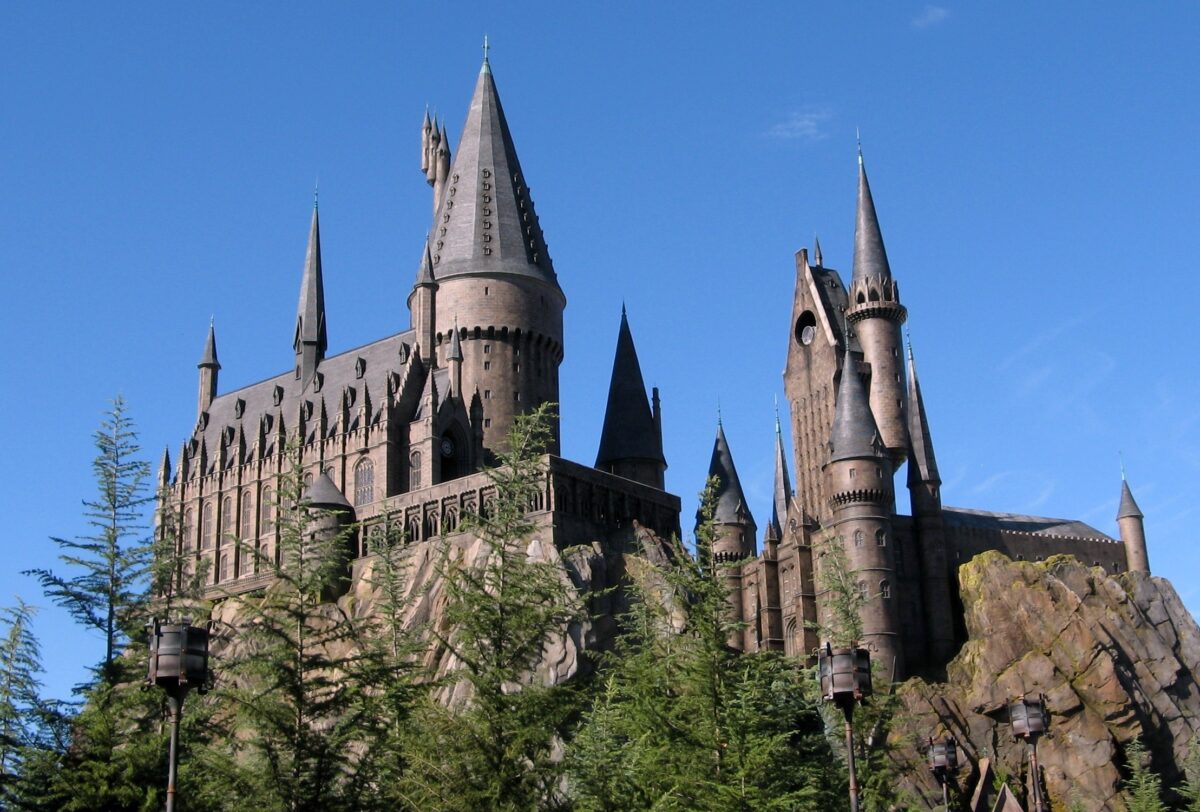
Picture this: wolves wandering through the corridors of Hogwarts, their silver eyes reflecting the candlelight as they make their way to the Great Hall. It sounds like something out of a fantasy novel within a fantasy novel, right? But when you really think about it, wolves share so many remarkable traits with the legendary students of Hogwarts that it becomes absolutely fascinating to consider where they’d end up.
The Sorting Hat would probably have quite the dilemma on its hands with these magnificent creatures. Wolves live in complex family units consisting of parents, offspring, siblings, and sometimes dispersers from other packs, creating an exceedingly complex social structure. Their behaviors mirror many of the qualities that define each Hogwarts house, making this more than just a whimsical thought experiment.
The Wolf Pack: Nature’s Version of a Hogwarts House
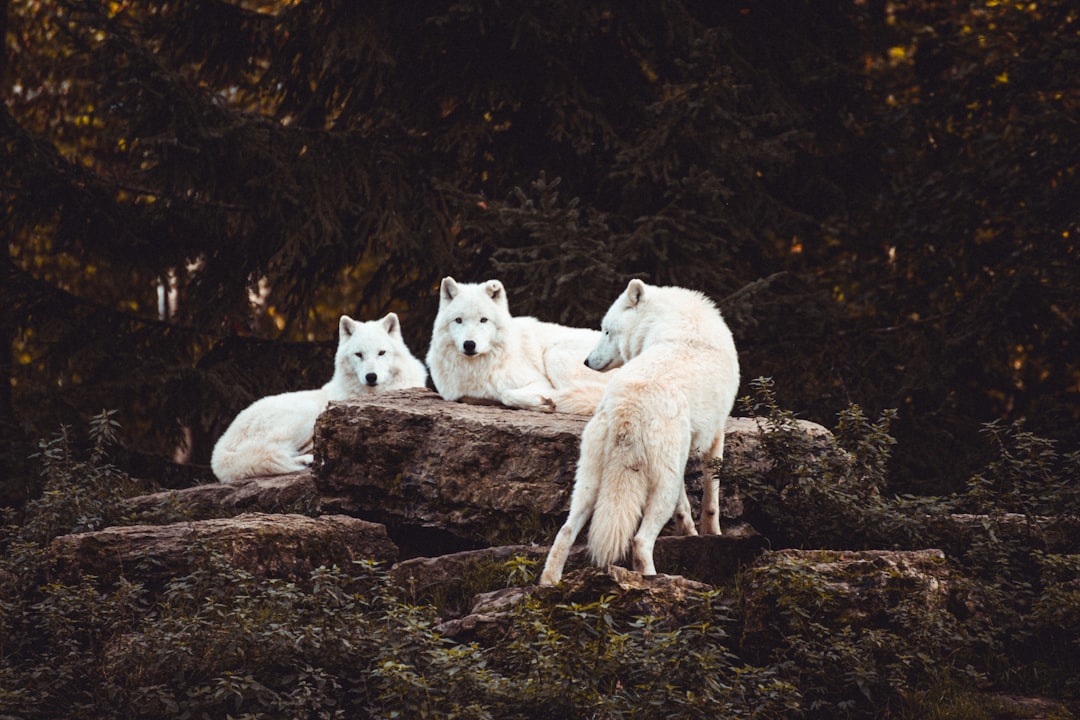
Before we dive into which house wolves would call home, let’s understand what makes these creatures so special. Wolves are complex, highly intelligent animals who are caring, playful, and above all devoted to family, making them social animals just like elephants, gorillas and dolphins. They don’t just survive in the wild – they thrive through cooperation, loyalty, and an intricate understanding of their pack dynamics.
Wolf groups usually include dominant male and female parents (breeding pair), their offspring, and other non-breeding adults, with pups born in early spring and cared for by the entire pack. This family-first mentality would definitely catch the Sorting Hat’s attention. Think about it: when was the last time you saw a lone wolf that was genuinely happy about being alone? Spoiler alert: few people would ever want to live this way – and, as it turns out, few wolves would either, as wolves may go through periods alone, but they’re not interested in lives of solitude.
Gryffindor Traits: The Brave and Daring Side of Wolves
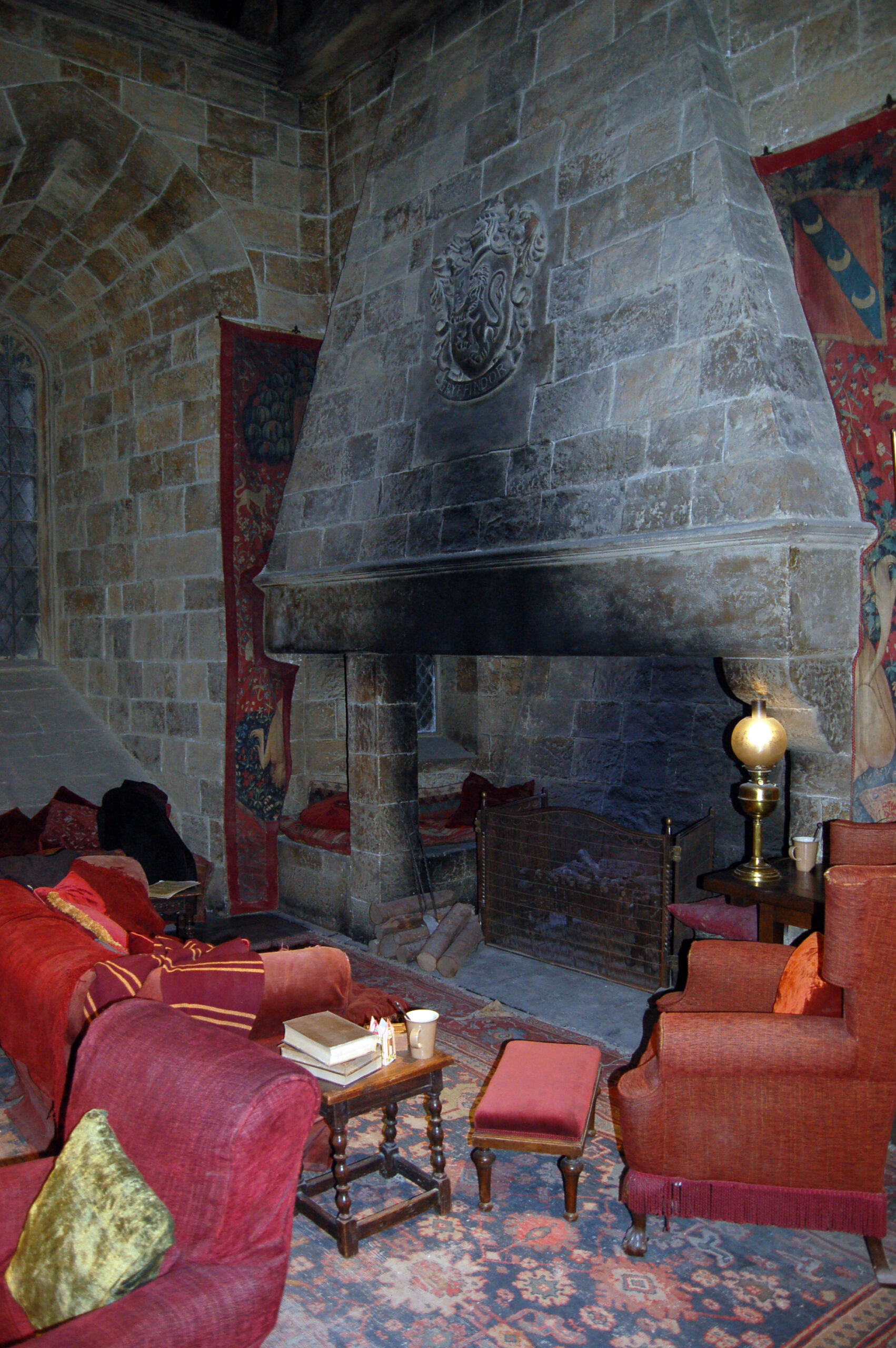
At first glance, you might think wolves are natural Gryffindors. Gryffindor house is where you would find the pluckiest and most daring students (there’s a reason the house symbol is the brave lion). Wolves certainly display courage when protecting their pack or hunting dangerous prey. Their ability to travel over large areas to seek out vulnerable prey makes wolves good hunters, and that takes some serious nerve.
However, here’s where it gets interesting: contrary to popular belief, the leaders of a wolf pack aren’t always hyper-aggressive social climbers – the truth is more nuanced, and more interesting. While Gryffindors are known for charging headfirst into danger, wolves are much more strategic. They don’t just rush into situations; they calculate risks and work as a team. Slytherins consider Gryffindors to be needless risk-takers, perhaps a little too overt and blunt, which sounds more like how a wolf would view reckless behavior.
Slytherin Qualities: The Strategic and Ambitious Nature
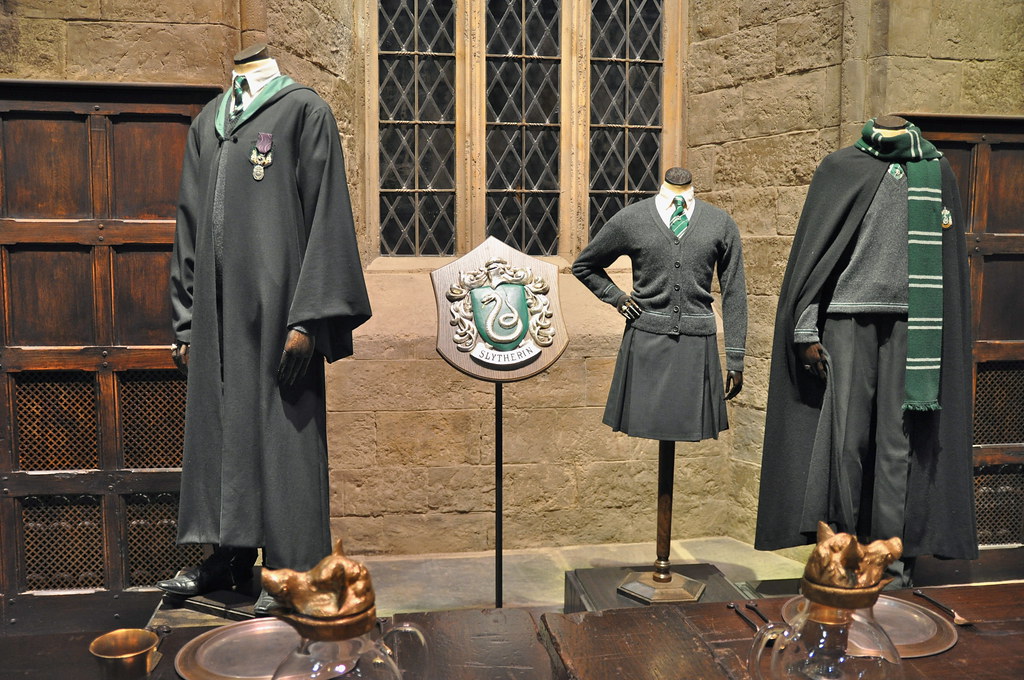
Now we’re getting warmer! Slytherin values ambition, cunning, leadership, and resourcefulness – all qualities that wolves possess in spades. The late biologist Gordon Haber observed wolves changing their hunting strategy based on weather, terrain, and prey behavior. If that’s not cunning and resourcefulness, what is?
Wolves are incredibly strategic creatures. Slytherins are more interventionist and more risk-oriented than Hufflepuffs or Ravenclaws – they won’t fall back or be cautious: they want their wand out, ready to fight, and they’re not going to cede ground to anyone. This describes wolf behavior perfectly during territorial disputes or when protecting their pack. But unlike the stereotypical Slytherin, wolves aren’t driven by personal glory – they’re motivated by something much deeper.
Ravenclaw Wisdom: Intelligence and Learning in Wolf Culture
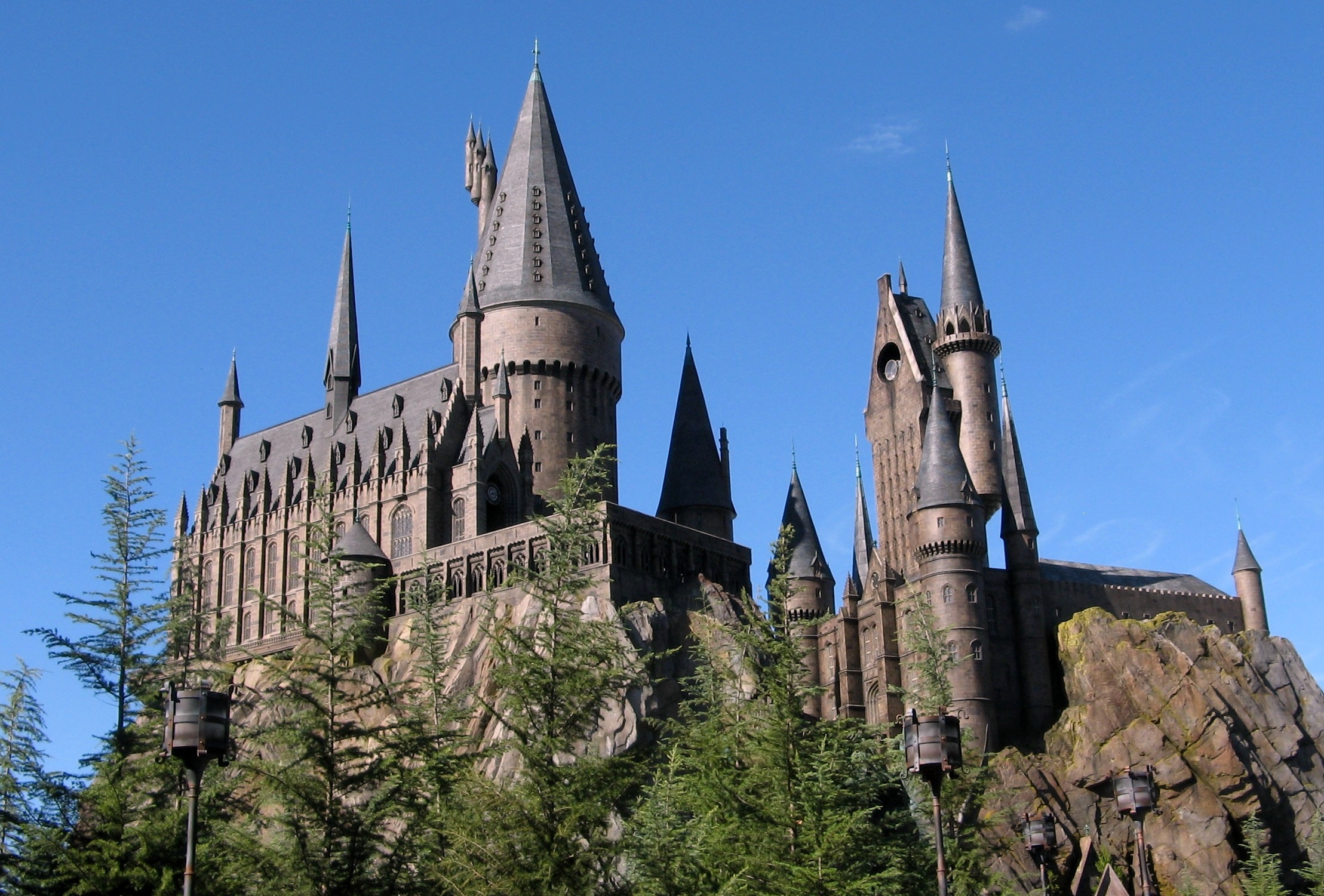
Ravenclaw values intelligence, learning, wisdom, and wit, and wolves definitely showcase these traits. Wolves communicate, collaborate and share knowledge across generations, with older wolves as more experienced hunters sharing hunting strategies and techniques with younger wolves, passing down knowledge from one generation to the next, maintaining a culture unique to that pack. This sounds exactly like Ravenclaw’s approach to learning and wisdom!
The intelligence of wolves is truly remarkable. They solve complex problems, adapt to changing environments, and learn from both success and failure. There exists a culture within wolf packs, and this is passed on to the offspring by the elders of the group, with pups learning something from each member of the pack and attaining the vital social skills required to create powerful bonds. However, their intelligence serves a specific purpose: survival and pack welfare rather than knowledge for its own sake.
The Hufflepuff Connection: Loyalty Above All Else
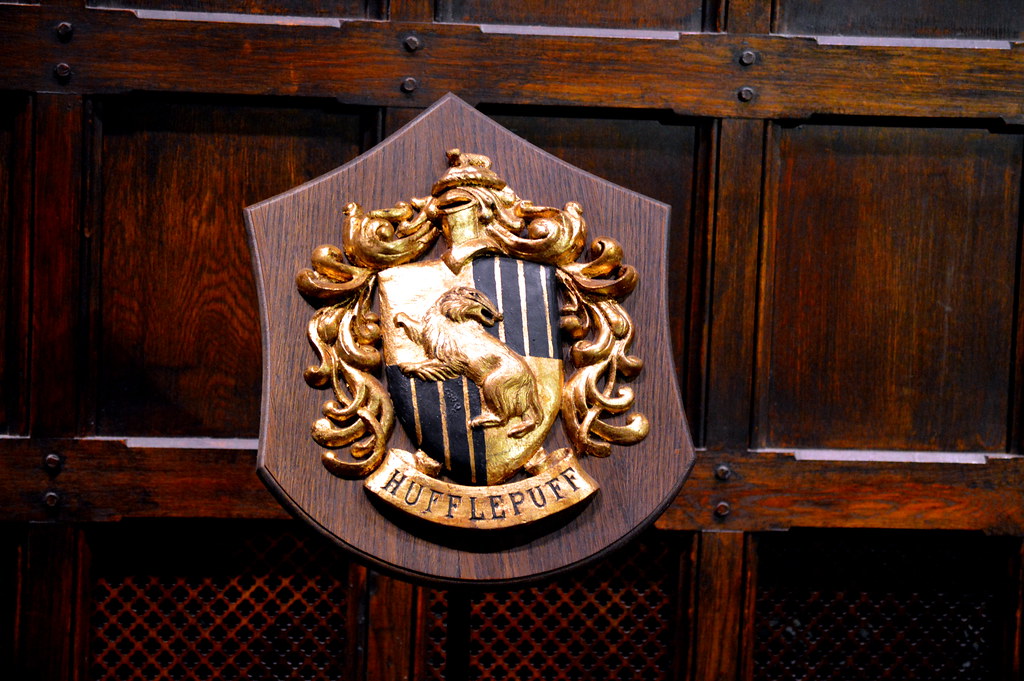
Here’s where things get really interesting. Hufflepuff is where you will find the most trustworthy and hardworking students, and in fact, out of all the houses Hufflepuff has produced the least number of dark witches and wizards. Hufflepuff values hard work, patience, justice, and loyalty – and suddenly, we’re looking at a perfect match for wolves.
Everything in a wolf’s nature tells it to belong to something greater than itself: a pack – like us, wolves form friendships and maintain lifelong bonds, they succeed by cooperating, and they struggle when they’re alone – like us, wolves need one another. If this doesn’t scream Hufflepuff, nothing does. The famous Hufflepuff motto emphasizes being “just and loyal,” and wolves embody these values completely.
Family First: The Ultimate Hufflepuff Value
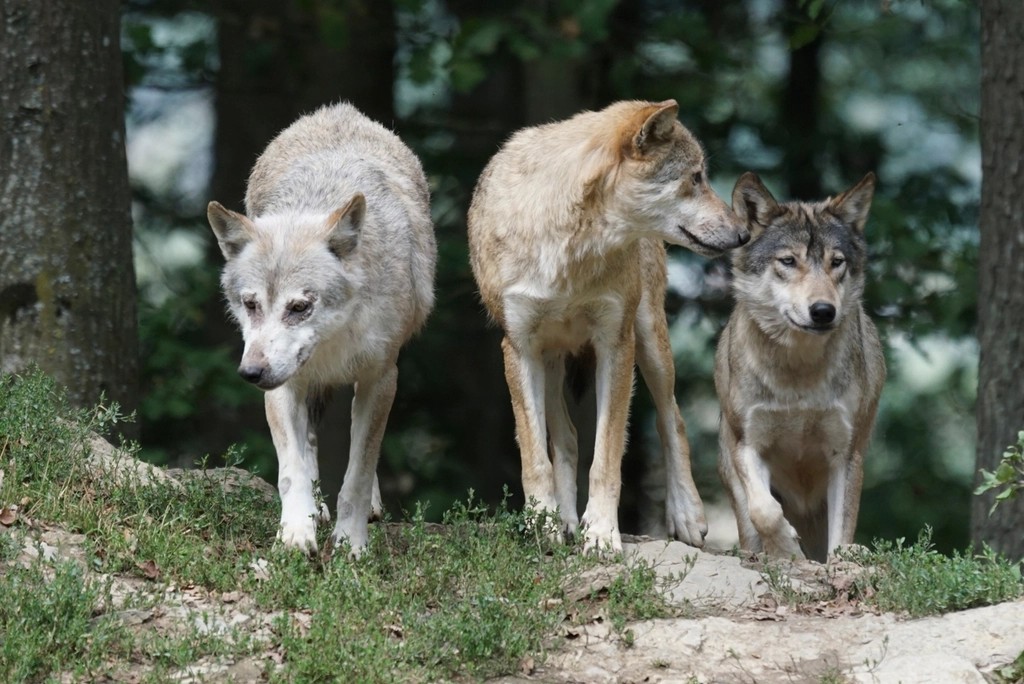
What really seals the deal for Hufflepuff placement is the wolf’s unwavering commitment to family. The fundamental purpose of the pack is the successful production of offspring, and so raising the litter is a collaborative venture – all members contribute to their development, with the breeding pair often prioritizing the care of the pups and preferentially feeding the youngest wolves first in times of scarcity.
Just like elephants, gorillas and dolphins, wolves educate their young, take care of their injured and live in family groups. This nurturing, protective instinct combined with their collaborative approach to problem-solving perfectly aligns with Hufflepuff’s core values. There is an idea that Hufflepuffs are the least clever of all Hogwarts students – but that is not true. Hufflepuffs are just the most humble of all the houses and don’t feel the need to shout about their achievements – just like wolves, who work quietly and efficiently for the good of their pack.
The Work Ethic That Defines Both
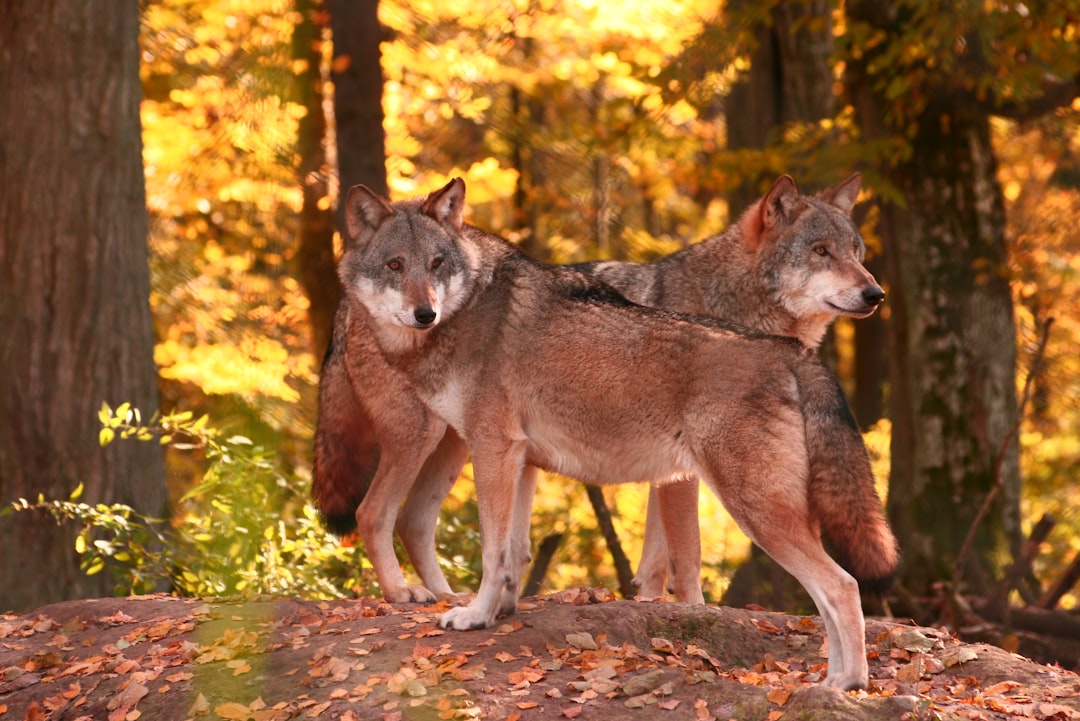
Wolves are incredibly hardworking creatures, another key Hufflepuff trait. One of the best Hufflepuff Hogwarts house traits is that they know the value of hard work. Wolves spend about 35% of their time traveling, often traveling 20 to 30 miles per day, but may cover over 100 miles in a day when prey is scarce. They don’t take shortcuts or look for easy solutions – they put in the work necessary to ensure their pack’s survival.
This dedication extends to every aspect of pack life. While most of the pack is out hunting, at least one older or “nanny” wolf cares for and watches over the pups at the rendezvous site. Everyone has a role, everyone contributes, and no one is more important than the collective good. This is pure Hufflepuff philosophy in action.
Conclusion: The Verdict from the Sorting Hat
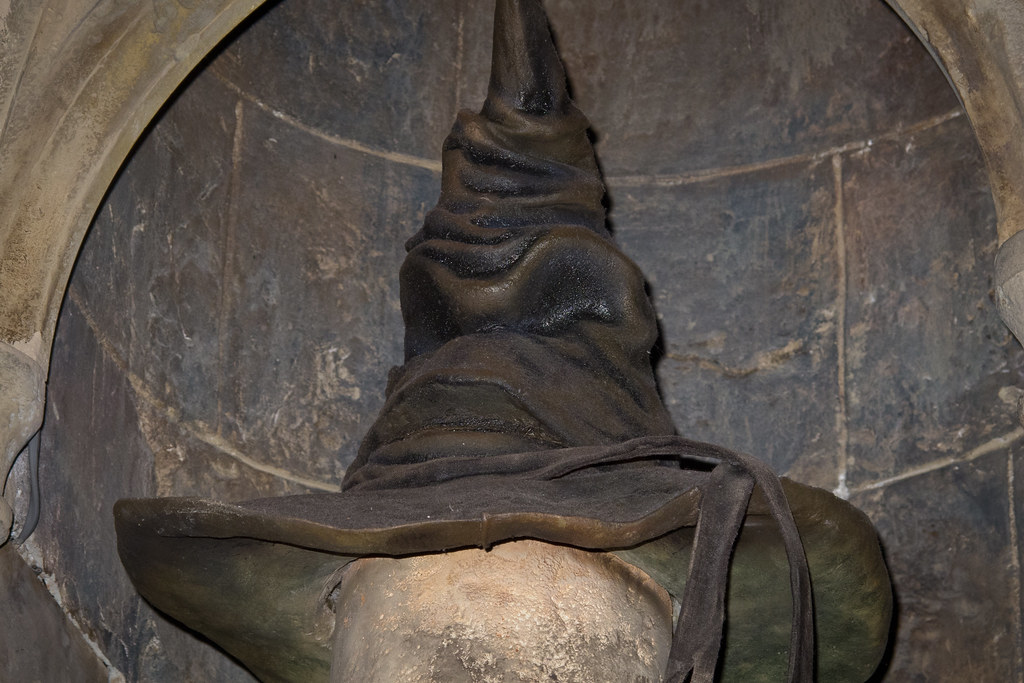
After carefully considering all the evidence, it’s clear that wolves would find themselves sorted into Hufflepuff. While they possess the courage of Gryffindor, the cunning of Slytherin, and the intelligence of Ravenclaw, their core values align most closely with the badger house. Their unwavering loyalty, dedication to hard work, commitment to family, and collaborative spirit make them natural Hufflepuffs.
Hufflepuff is the House of what everyone should aspire to be, but unfortunately, it is taken for granted – many Hufflepuff students stayed behind to fight in the Battle of Hogwarts because of their loyalty. Wolves embody this same principle: they’re not flashy or attention-seeking, but they’re there when it matters most. They work tirelessly behind the scenes, support their family unconditionally, and never abandon their pack when times get tough.
Isn’t it beautiful how nature’s most loyal creatures would find their place in Hogwarts’ most underappreciated house? The next time you see a wolf, remember – you’re looking at a true Hufflepuff at heart.
