
In the vast expanse of the Galápagos archipelago, a remarkable evolutionary tale unfolds on the slopes of Wolf Volcano. Here, on the remote northern tip of Isabela Island, lives one of the world’s most extraordinary and elusive reptiles: the pink iguana (Conolophus marthae). With their distinctive rosy hue and critically endangered status, these remarkable creatures exist nowhere else on Earth. Their discovery shocked the scientific community and added an unexpected chapter to our understanding of evolution in this famed archipelago that once inspired Charles Darwin’s groundbreaking theories. This article explores the fascinating story of these unique reptiles, their precarious existence, and why this single volcanic island remains their only home in the world.
Discovery of a Rosy Reptile
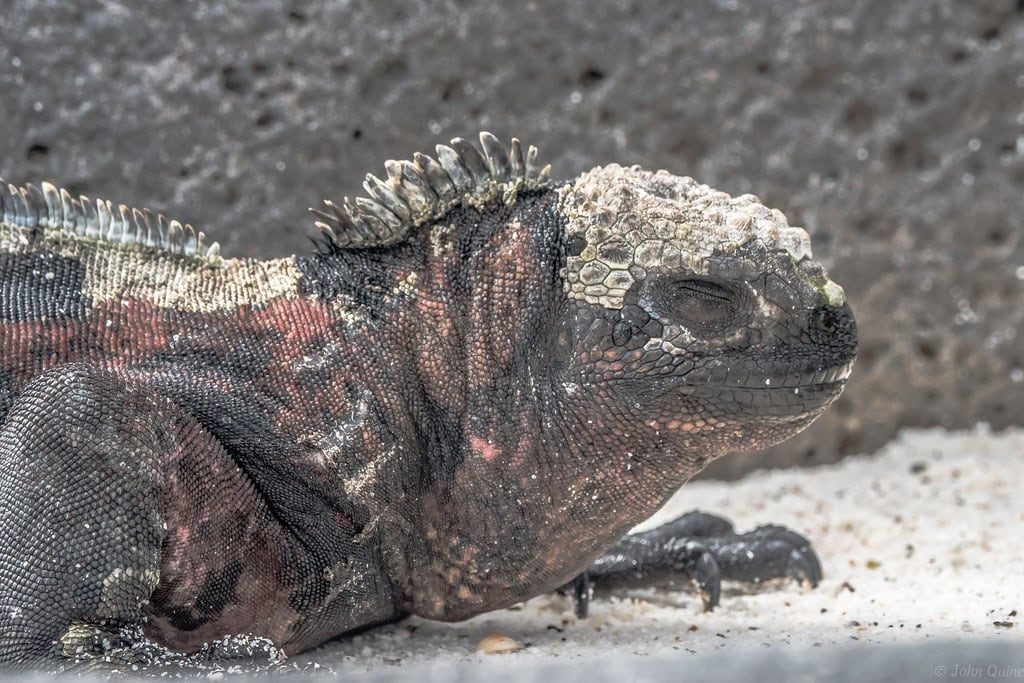
The pink iguana remained hidden from scientific knowledge until remarkably recently. First observed in 1986 by park rangers, it wasn’t until 2009 that scientists formally described and classified the species as distinct from other Galápagos land iguanas. This late discovery shocked the scientific community, as the Galápagos had been extensively studied for over a century. The species was named Conolophus marthae in honor of Martha Gentile, the daughter of a major donor to the Galápagos conservation efforts. This discovery represented the first new iguana species identified in the Galápagos in over a century and demonstrated that even in well-studied natural laboratories like the Galápagos, significant evolutionary stories might still remain untold.
The Pink Pigmentation Mystery
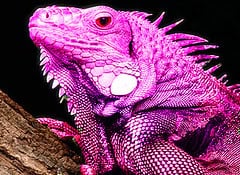
The most immediately striking feature of these iguanas is their distinctive pink coloration, ranging from subtle rose tints to more vivid pink hues, particularly on their head, legs, and dorsal crest. Unlike artificial colorations seen in some captive reptiles, this pigmentation is entirely natural. Scientists believe the pink coloration results from a lack of certain pigments combined with the expression of others, though the exact mechanism remains under study. Interestingly, this coloration doesn’t appear to serve a clear evolutionary advantage like camouflage or mating display, making it one of the species’ most puzzling attributes. The pink coloration makes these iguanas visually distinct from their yellow or brownish relatives on other islands, serving as an immediate identifier for researchers in the field.
Wolf Volcano: The Pink Iguana’s Exclusive Home

Wolf Volcano (also called Volcán Wolf) rises 1,707 meters (5,600 feet) above sea level, making it the highest peak in the Galápagos archipelago. Located at the northern tip of Isabela Island, it creates a unique ecological island-within-an-island effect. The pink iguanas inhabit only the northern and northwestern slopes of this volcano, restricting their range to an area of less than 25 square kilometers (10 square miles). This extreme geographic limitation makes them particularly vulnerable to extinction. The harsh volcanic terrain, with its porous lava rock and sparse vegetation, represents a challenging environment, yet the pink iguanas have adapted to these specific conditions over millennia. Scientists believe that geological activity, including past eruptions (with the most recent major eruption occurring in 2015), has played a crucial role in isolating this population and driving their unique evolutionary path.
Evolutionary Significance
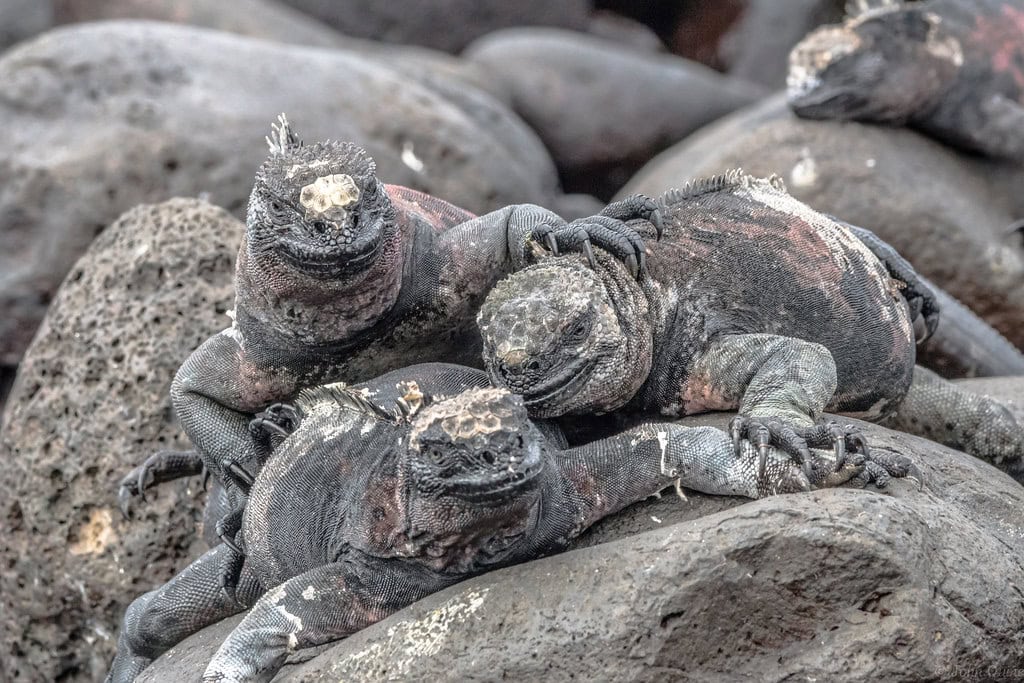
The pink iguana represents a significant evolutionary story that challenges previous understandings of reptile diversification in the Galápagos. Genetic studies reveal they diverged from other land iguanas approximately 5.7 million years ago, making them the earliest divergence of land iguanas yet discovered in the archipelago – older than many of the islands themselves. This finding has profound implications for understanding the archipelago’s colonization history. Unlike the more famous case of Darwin’s finches, which demonstrate adaptive radiation (where species evolve rapidly to fill different ecological niches), the pink iguana represents an ancient lineage that has remained geographically isolated. Their existence suggests that the evolutionary history of the Galápagos is more complex than previously thought, with older lineages persisting alongside newer adaptive radiations. This discovery has prompted scientists to reconsider timelines for species formation and island colonization throughout the archipelago.
Physical Characteristics Beyond Color

While their rosy hue captures immediate attention, pink iguanas possess several other distinctive physical traits. Adults typically reach lengths of 0.9 to 1.2 meters (3 to 4 feet), slightly smaller than their yellow counterparts. Their head shape differs subtly, with a somewhat flatter profile and distinctive scalation patterns. Perhaps their most notable feature apart from color is their unusual head-bobbing behavior, which follows a vertical pattern different from the circular movements observed in other iguana species. This behavioral difference, along with genetic markers, helped confirm their status as a separate species. Their claws and teeth are adapted for their herbivorous diet and for navigating the rough volcanic terrain of their habitat. Like other land iguanas, they possess powerful tails, salt-excreting glands to help process their food and maintain electrolyte balance, and specialized vision adapted to the intense equatorial sunlight.
A Day in the Life of a Pink Iguana
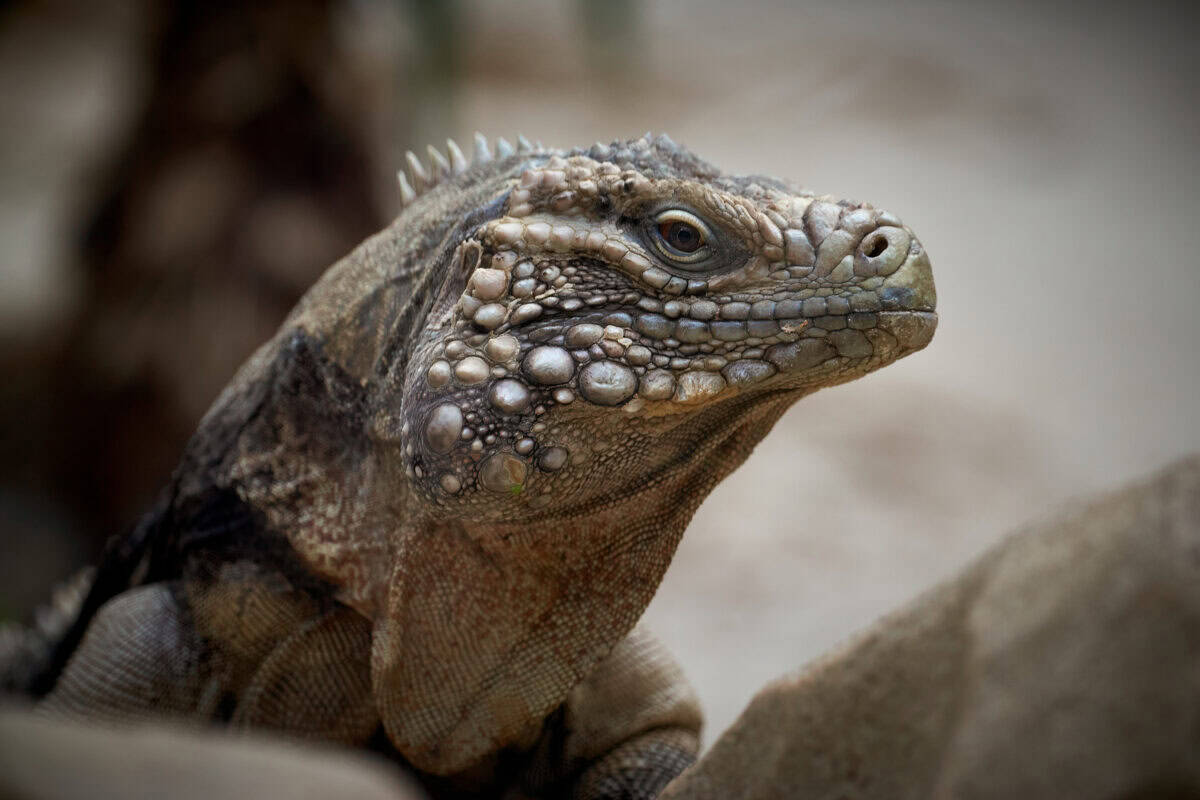
Pink iguanas follow daily routines governed by thermoregulation needs in their volcanic environment. Mornings begin with sunbathing to raise their body temperature, a crucial activity for these cold-blooded reptiles. During midday heat, they retreat to shadier areas among lava rocks or sparse vegetation. Their diet consists primarily of prickly pear cactus pads, fruits, and other available vegetation, which they forage for during cooler parts of the day. Unlike marine iguanas that dive for seaweed, pink iguanas never enter the water. Social interactions appear limited compared to other iguana species, possibly due to their low population density and harsh habitat. Researchers have observed territorial displays between males, particularly during breeding season, involving head-bobbing displays and occasionally physical confrontations. Their specialized behaviors represent adaptations to the specific challenges of life on the exposed slopes of an active volcano, where resources are scarce and conditions can change rapidly.
Critical Conservation Status
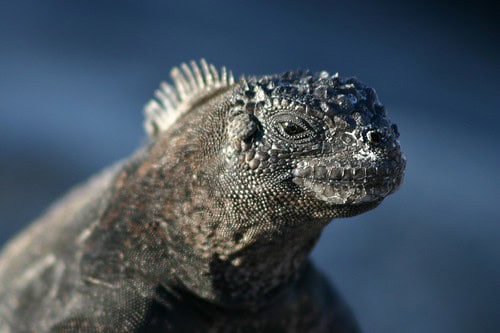
The pink iguana faces an exceptionally high risk of extinction, with the International Union for Conservation of Nature (IUCN) classifying them as Critically Endangered. Current population estimates suggest fewer than 200 individuals remain in the wild, with some researchers fearing the number may be closer to 100. This precariously small population faces multiple threats, including predation by introduced species, habitat disturbance, and potential volcanic activity. Their limited range makes them particularly vulnerable to chance events—a single disease outbreak, unusual weather pattern, or volcanic eruption could potentially wipe out the entire species. Their low reproductive rate compounds these challenges, with females producing only a few eggs annually, and high mortality among hatchlings due to predation by introduced rats and cats. Conservation efforts are complicated by the remote location, which makes regular monitoring and intervention extremely difficult for researchers and park authorities.
The Introduced Species Threat
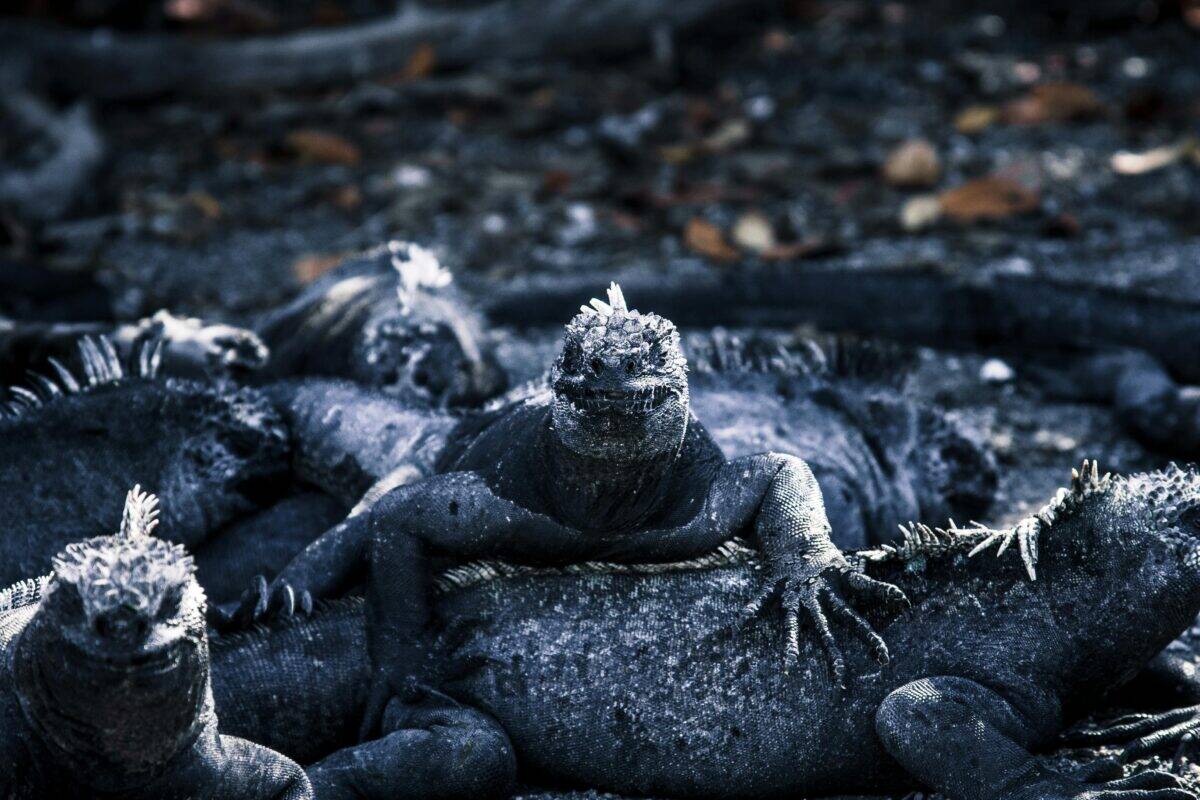
Among the greatest threats to pink iguanas are non-native species introduced to the Galápagos through human activity. Feral cats, black rats, and brown rats prey on iguana eggs and juveniles, dramatically reducing reproductive success. These predators, completely absent from the evolutionary history of the pink iguana, have devastated recruitment of young iguanas into the adult population. In addition, introduced goats, though now largely eradicated from Wolf Volcano, previously damaged habitat and competed for plant resources. Even introduced insects like fire ants pose potential threats, as they’ve been documented attacking reptile hatchlings on other islands. The impact of these introduced species is particularly severe because pink iguanas evolved without defenses against mammalian predators. The Galápagos National Park Service has implemented control programs for these invasive species, but complete eradication is extremely challenging due to the remote location and rugged terrain. These programs represent a critical component of conservation efforts but require sustained funding and technological innovation to succeed in such an inaccessible location.
Climate Change Implications

Climate change poses a significant but poorly understood threat to the pink iguana population. Rising temperatures may alter the delicate temperature-dependent sex determination system common in reptiles, potentially skewing the population’s gender ratio. Changing precipitation patterns could affect food availability, particularly the prickly pear cacti that constitute a significant portion of their diet. More frequent and intense El Niño events, predicted under many climate change scenarios, typically bring increased rainfall to the Galápagos, which can benefit vegetation but may also increase erosion and landslides on the volcanic slopes. Additionally, climate change could potentially alter the distribution of introduced predators, bringing them into greater contact with iguana nesting areas. Ocean acidification and rising sea levels, while not directly impacting the high-elevation habitat of pink iguanas, could affect broader ecological patterns across the island. The vulnerability of such a small, geographically restricted population means that even subtle environmental changes could have outsized impacts on their survival prospects.
Conservation Strategies and Challenges
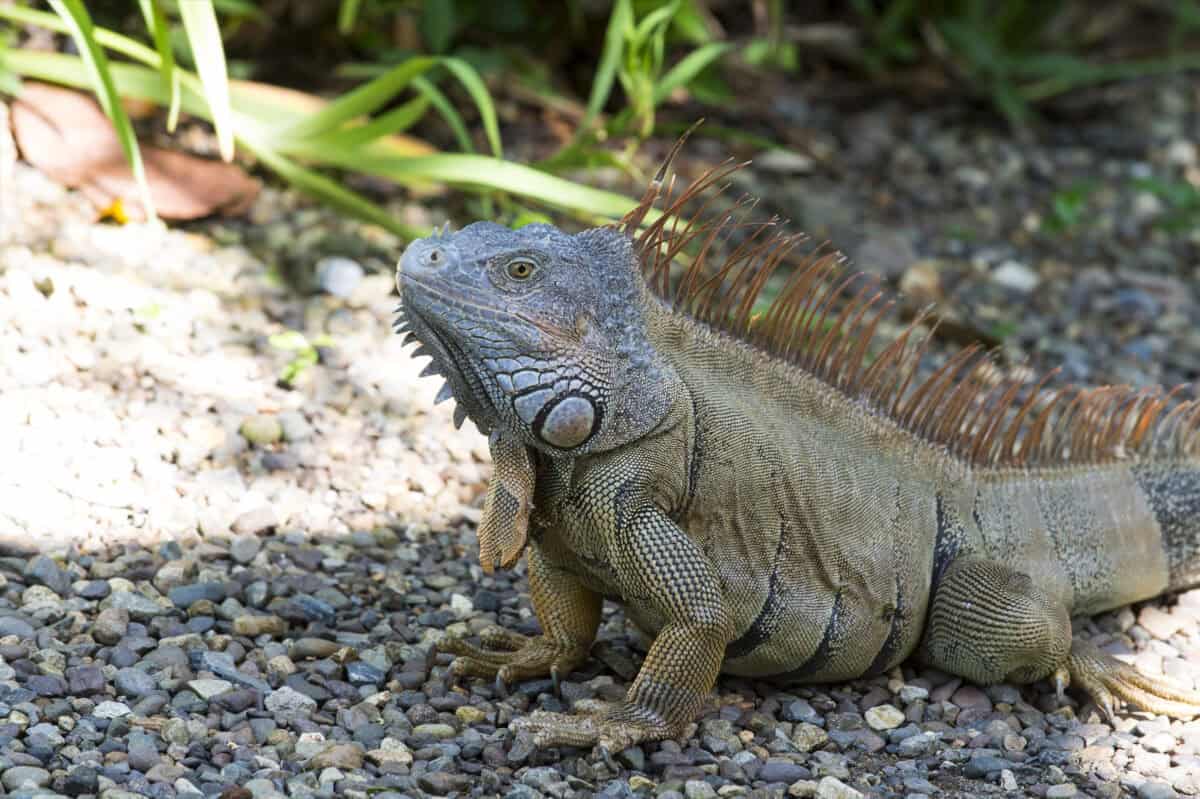
Conservation efforts for the pink iguana face extraordinary challenges due to the remote location and harsh conditions of Wolf Volcano. The Galápagos National Park Service, in collaboration with international organizations, has implemented several protective measures. Regular monitoring expeditions track population trends and health, though these require physically demanding hikes to reach the iguana habitat. Predator control programs target introduced rats and cats, using specialized baiting systems designed to minimize impacts on native species. Some researchers have proposed establishing a captive breeding program as insurance against extinction, but this presents significant challenges—pink iguanas have never been successfully kept in captivity, and removing individuals from an already tiny population carries risks. Additionally, a key conservation priority involves protecting nesting sites, which remain poorly documented due to the difficult terrain. Perhaps the most significant conservation achievement to date has been increased awareness of this species among scientists, conservation organizations, and the general public, which has helped secure funding and research attention for this previously unknown reptile.
Scientific Research Challenges

Studying pink iguanas presents exceptional difficulties that have limited scientific understanding of the species. Wolf Volcano’s remote location requires multi-day expeditions, with researchers hiking through challenging terrain while carrying all necessary equipment. The harsh conditions—including intense sun, limited water, and loose volcanic soil—make extended research stays physically demanding. These logistical challenges explain why basic information about reproduction, longevity, and behavior remains limited. Researchers must minimize disturbance to this critically endangered population, further constraining research methods. Non-invasive techniques like photographic identification, careful measurement of individuals, and collection of shed skin for genetic analysis have become preferred approaches. Remote monitoring technologies, including trail cameras at key locations, offer promising solutions but require maintenance in challenging conditions. Despite these obstacles, dedicated teams from the Galápagos National Park, Galápagos Conservancy, and various research institutions continue their efforts to build scientific knowledge essential for effective conservation.
The Wolf Volcano Ecosystem
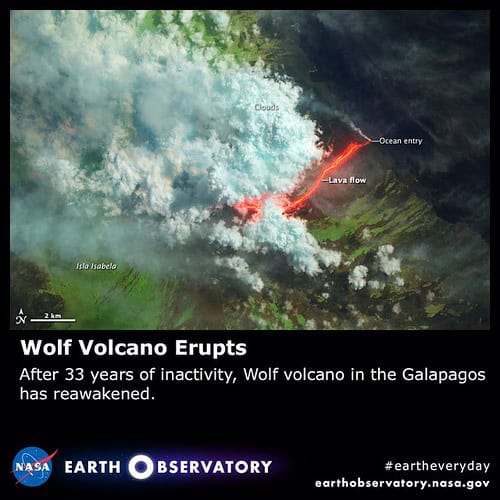
The pink iguana’s restricted habitat on Wolf Volcano represents a unique ecosystem within the already exceptional Galápagos archipelago. The volcano’s northern slopes, where the iguanas reside, feature distinctive vegetation adapted to the porous volcanic soil and variable rainfall patterns. Prickly pear cacti (Opuntia species) form a critical food resource, while scattered shrubs and seasonal herbaceous plants provide additional fodder and limited shade. Other notable wildlife sharing this habitat includes Darwin’s finches, Galápagos hawks, and various endemic invertebrates, though the biological community is less diverse than in lowland areas. The higher elevation creates cooler temperatures and more frequent cloud cover than coastal regions, generating microclimates that vary significantly over short distances. These environmental conditions have remained relatively stable over long periods, allowing the pink iguana to persist in evolutionary isolation. Understanding the interconnections within this ecosystem is crucial for conservation planning, as changes to any component—from plant communities to insect pollinators—could have cascading effects on the iguana population.
Conclusion: A Living Evolutionary Relic

The pink iguana stands as a testament to the ongoing wonders of evolution and the importance of protecting Earth’s biodiversity hotspots. Its existence on a single volcanic slope in the Galápagos represents an evolutionary story millions of years in the making, one that remained hidden from science until the late 20th century. The precarious situation of these rosy reptiles—with fewer than 200 individuals clinging to existence in their limited habitat—highlights the fragility of island ecosystems and the irreplaceable nature of species with restricted ranges. Conservation efforts for the pink iguana not only protect a unique species but preserve a living evolutionary record that enhances our understanding of how life develops and diversifies in isolated environments. As researchers continue their challenging work on Wolf Volcano, the pink iguana remains a powerful symbol of both the wonders still awaiting discovery and the urgent need to protect the planet’s most vulnerable inhabitants before they disappear forever.

- The Secret Language of Dolphins Decoded by Researchers - July 20, 2026
- 7 Animals That Can Survive Extreme Environments You Couldn’t - July 20, 2026
- The Longest Snake Ever Found in the U.S. - July 20, 2026