

When October rolls around and jack-o’-lanterns start grinning from doorsteps, our minds naturally drift toward the creatures that have become synonymous with Halloween’s haunting atmosphere. These animals didn’t randomly become spooky mascots – their connections to supernatural beliefs run deeper than most people realize, rooted in centuries of folklore, mythology, and human fear. From the mysterious black cat that crosses your path to the owl hooting ominously in the dead of night, each creature carries stories that have evolved from ancient wisdom to modern superstition.
What makes these animals so perfectly suited for Halloween isn’t just their appearance or nocturnal habits, though those certainly help set the mood. It’s the rich tapestry of beliefs that humans have woven around them throughout history, transforming ordinary creatures into symbols of magic, death, and transformation. So let’s dive in and discover why certain animals have earned their place as the unofficial ambassadors of All Hallows’ Eve.
Black Cats: The Quintessential Halloween Familiar
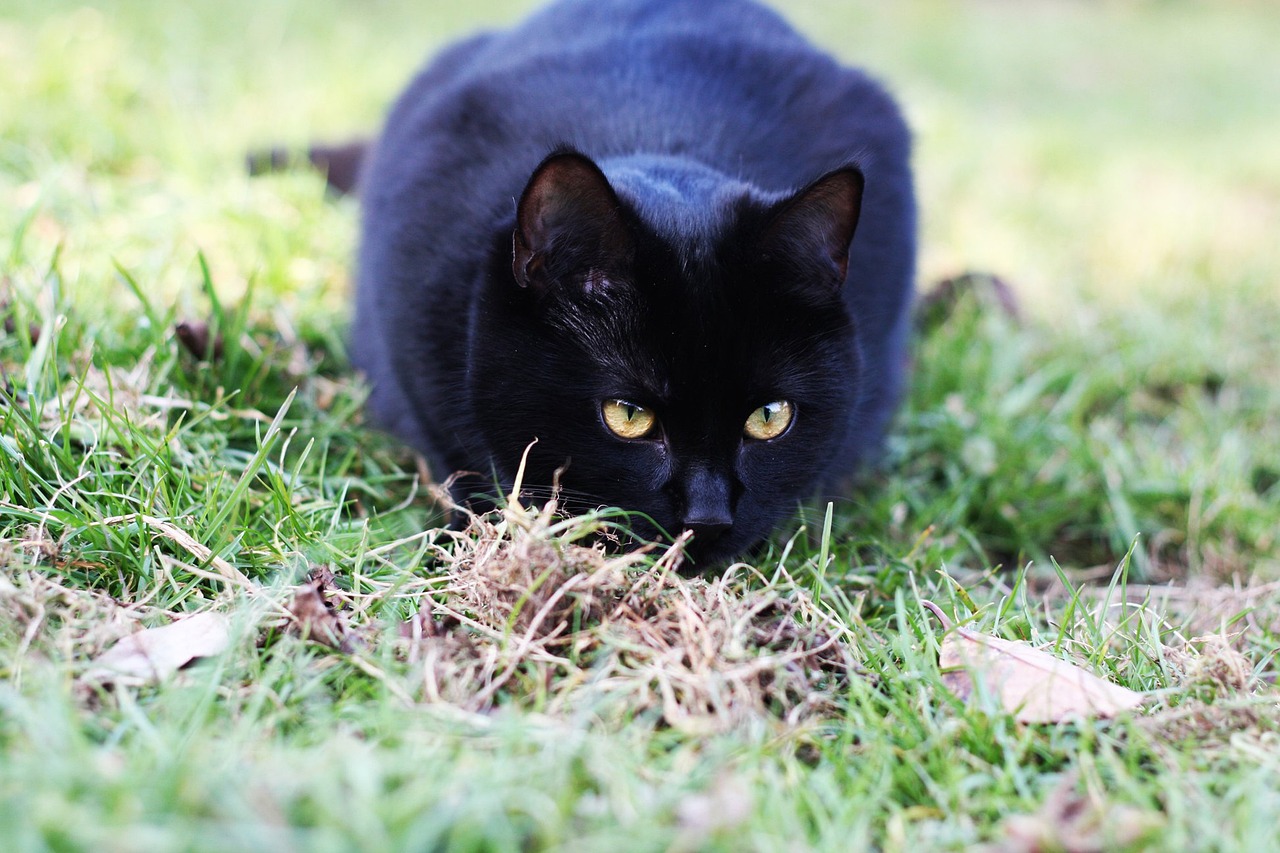
The black cat stands as perhaps the most iconic Halloween symbol, these sleek, shadowy creatures often depicted as the companions of witches or as mystical beings with the power to influence fate. Their association with supernatural forces didn’t happen overnight but developed through centuries of cultural beliefs and unfortunate historical events.
The association between black cats and witchcraft dates back to the Middle Ages, when superstitions ran rampant across Europe and black cats were believed to be familiars – supernatural beings that aided witches in their magical practices. Some legends claimed that witches could even transform into black cats to move about undetected, adding to their reputation as shape-shifters. Elderly, solitary women were often accused of witchcraft, and their pet cats were said to be their “familiars,” or demonic animals that had been given to them by the devil, with another medieval myth telling that Satan turned himself into a cat when socializing with witches.
The superstition that they bring bad luck goes all the way back to Greek mythology, where the felines were associated with Hecate, the goddess of sorcery, magic, and witchcraft, and by the Middle Ages, black cats were linked to witches and Satan with a 13th-century church decree labeling them as incarnations of the devil.
Bats: Nocturnal Messengers of the Night
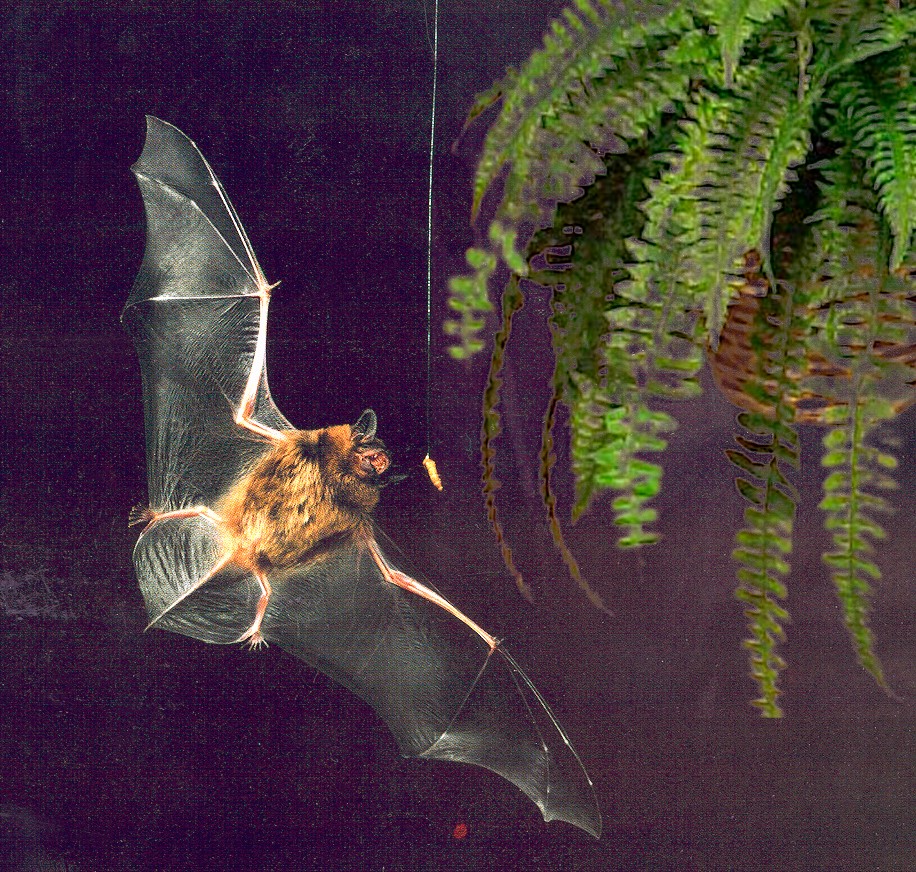
Bats are one of the most iconic animals associated with Halloween, often depicted flying through the night sky or circling around haunted houses, their eerie presence making them perfect candidates for spooky symbolism. Bats are associated with the underworld, transformation, and death in many cultures, with their nocturnal nature and links to vampire legends making them a symbol of mystery and the supernatural.
Bats were likely present at the earliest proto-Halloween celebrations, not just symbolically but literally, as part of Samhain, Celts lit large bonfires, which attracted insects, which in turn, attracted bats, and soon spotting bats became connected with the festival while medieval folklore expanded upon the eeriness of bats with a number of superstitions built around the belief that bats were harbingers of death.
One of the most prominent links between bats and Halloween comes from their association with vampires, as the image of vampires transforming into bats was popularized in literature and film, such as Bram Stoker’s Dracula, and in certain European myths, vampires could shape-shift into bats (among other animals) to move stealthily in the night. Bats have long been a Halloween staple, often linked to vampires in folklore and media, especially due to their nocturnal nature and the blood-drinking habits of vampire bats, with their nocturnal habits, ability to fly silently and use of echolocation adding to their mysterious, sometimes eerie reputation.
Owls: Silent Hunters and Harbingers of Doom
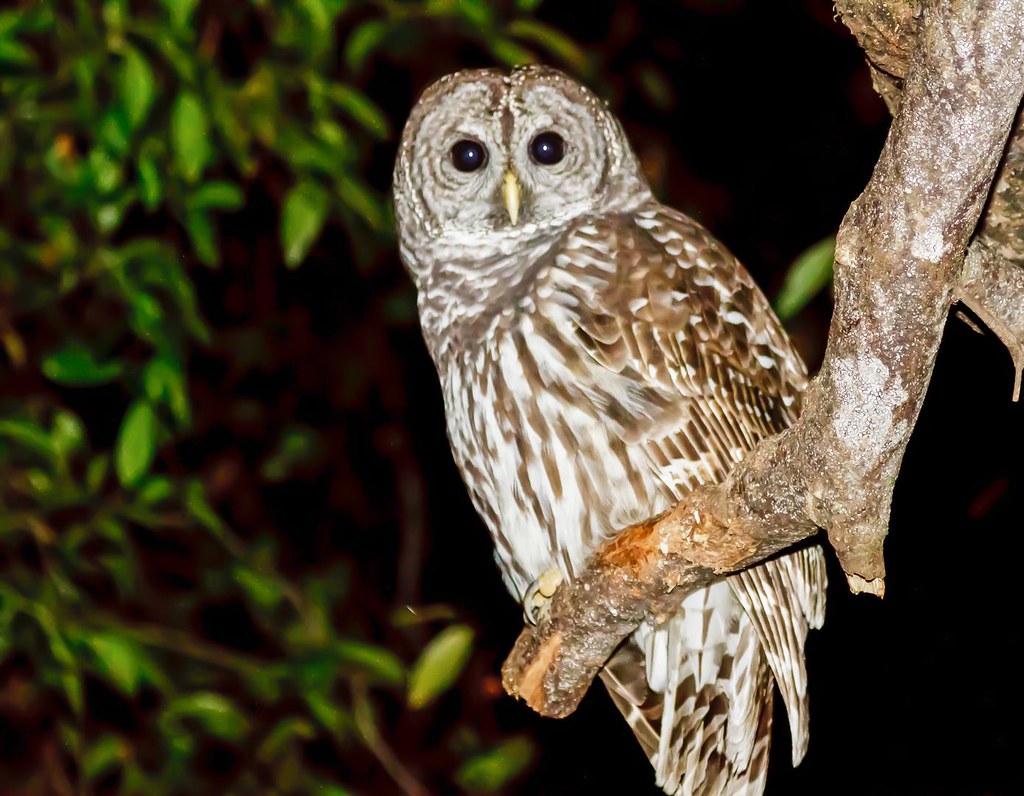
Owls have long been regarded as mysterious and wise creatures, thanks to their nocturnal habits and their ability to see in the dark. In ancient Rome and medieval Europe, individuals believed that witches transformed into owls in order to travel at night, leading to their eerie reputation, and the screech of an owl was also deemed an omen of doom, which displays how tales, in addition to their nocturnal and predatory behavior, steered owls to the path of Halloween stardom.
In some cultures, owls are seen as harbingers of death or messengers from the spirit world, while in others, they are symbols of wisdom and protection. The dual nature of owl symbolism makes them particularly fascinating creatures in folklore. Their silent flight and haunting calls have earned them a place in countless ghost stories and supernatural tales.
What makes owls particularly spooky is their hunting behavior – these birds can swoop down on prey without making a sound, appearing almost ghost-like in their movements. Their large, forward-facing eyes and ability to rotate their heads about 270 degrees add to their otherworldly appearance, making them perfect ambassadors for Halloween’s mysterious atmosphere.
Spiders: Weavers of Fate and Fortune
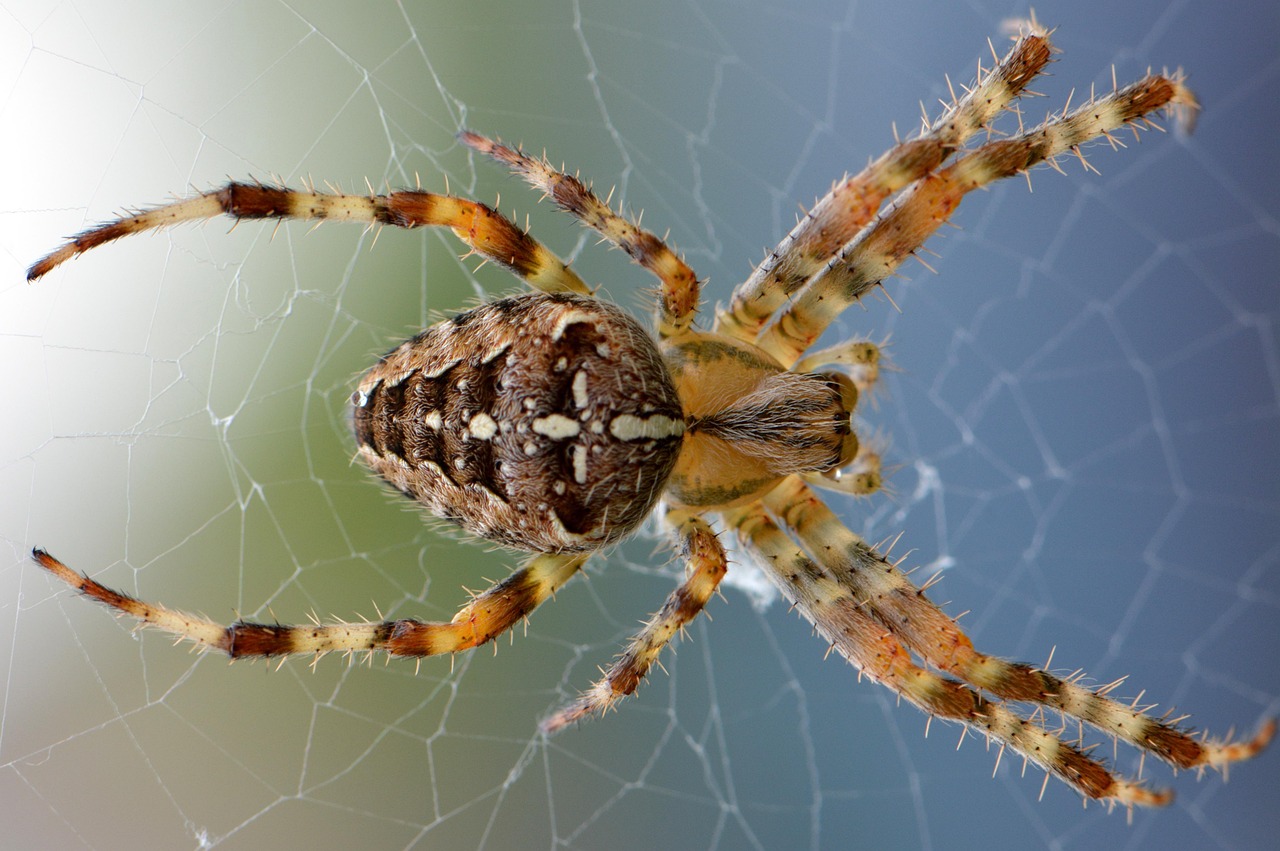
A common source of fear, spiders make for creepy, crawly Halloween staples and join the ranks of bats and black cats in folklore as being evil companions of witches during medieval times. Spiders are often seen as weavers of fate and creation, with their webs symbolizing the interconnectedness of life, and they are linked to destiny, patience, and the supernatural.
One superstition held that if a spider falls into a candle-lit lamp and is consumed by the flame, witches are nearby, and if you spot a spider on Halloween, goes another superstition, it means that the spirit of a deceased loved one is watching over you. Spiders were believed to be companions of witches, which led to several superstitions about them, with one superstition saying that if a spider fell into a candle-lit lamp and burned up in the flame, witches were nearby, and another superstition stating that if a black spider found its way into your home, you were bound to have bad luck.
Spiders have also long been associated with the supernatural due to their web-spinning abilities, and in folklore, arachnids are described as using designs in their webs to tell stories or predict a person’s fate, future wealth and sometimes death. Despite their fearsome reputation, many cultures actually view spiders as beneficial creatures that bring good fortune and protection.
Ravens and Crows: Messengers from the Otherworld
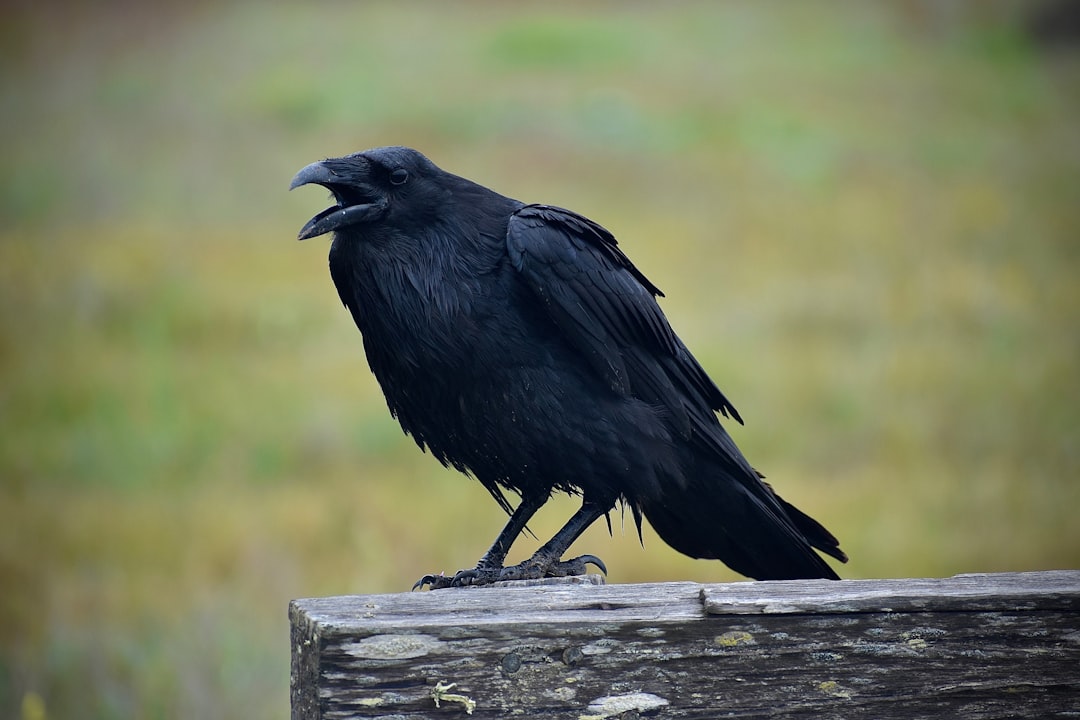
During the Halloween season, it’s natural to take notice of the fact that the crow has been regarded throughout history in a mysterious and sometimes ominous way, and perhaps more than any other animal, save the bat or the black cat, the crow and raven have been generally depicted in dark situations in both literature and film. Both crows and ravens have appeared in a number of different mythologies throughout the ages, and in some cases these black-feathered birds are considered an omen of bad tidings, but in others they may represent a message from the Divine.
As a carrion bird, ravens became associated with the dead and with lost souls, and in Swedish folklore, they are the ghosts of murdered people without Christian burials and, in German stories, damned souls. In most cultures around the world, though, crows and ravens were not just seen as intelligent, but were also tightly linked to the realm of the dead, with Edgar Allan Poe’s famous line “Quoth the Raven, ‘Nevermore,'” having Americans associating ravens with demonic presences since 1845, and in Germany, it was believed that ravens could locate the souls of the dead while in Sweden, the raven’s harsh calls were traditionally considered to be voices of inappropriately buried murdered people.
In later Norse mythology, Odin is depicted as having two ravens Huginn and Muninn, serving as his eyes and ears – huginn meaning “thought” and muninn meaning “memory,” and each day the ravens fly out from Hliðskjálf and bring Odin news from Midgard. In some places, it’s not the sighting of a crow or raven itself, but the number that you see which is important, with seeing just a single crow considered an omen of bad luck, finding two crows means good luck, three crows mean health, and four crows mean wealth, yet spotting five crows means sickness is coming, and witnessing six crows means death is nearby.
Toads and Frogs: Magical Transformation and Witches’ Brew
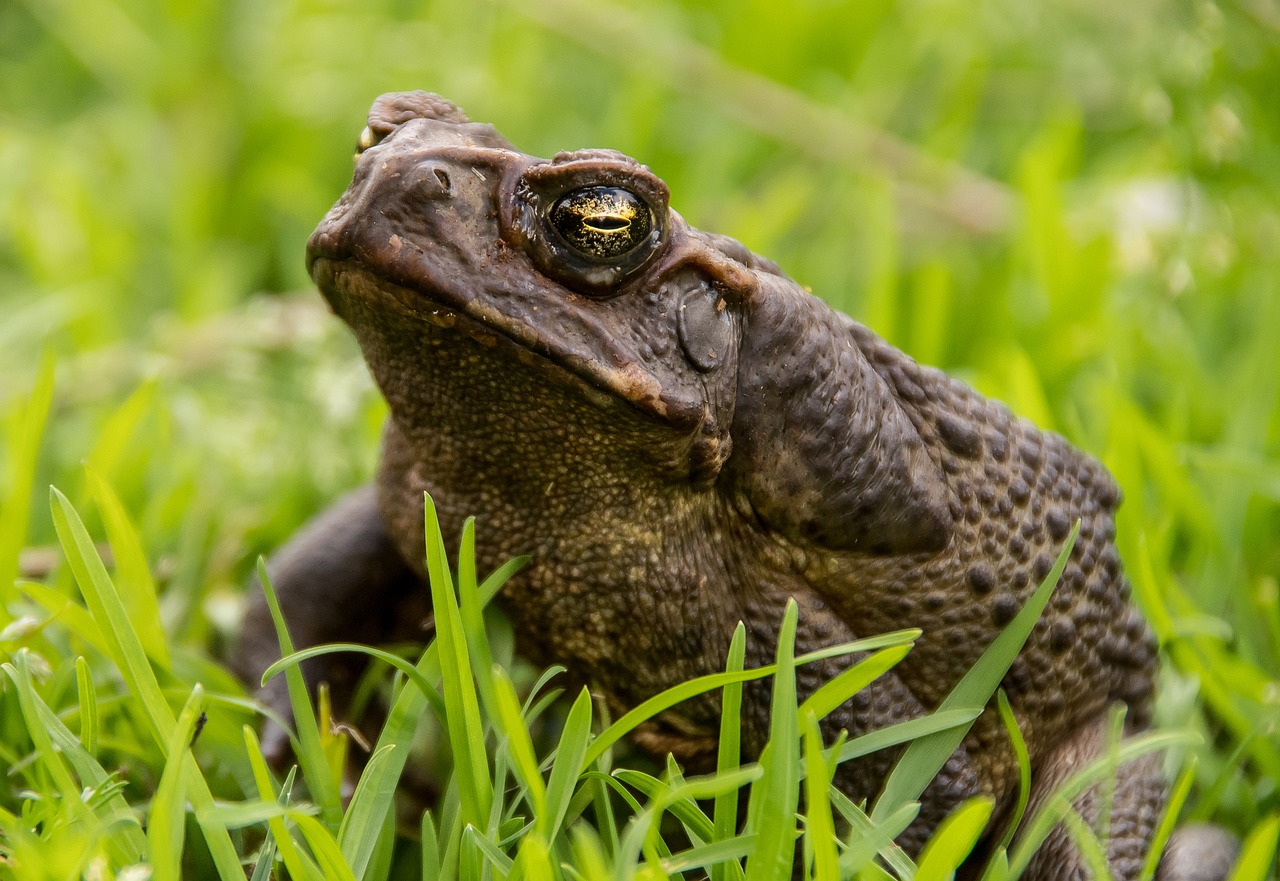
Frogs and toads feature prominently in magical folklore in many societies, and these amphibious critters are known for a variety of magical properties, from their ability to help predict the weather, to curing warts to bringing good luck. The toad is a common companion to the witch and the sorcerer, a familiar of long renown, its abilities to blight fields, transport witches, suckle at the devil’s mark and play the impish demon, sowing chaos, like salt, into the wounds of Christendom, are something to marvel at.
Such a master of transformation is bound to score some magical significance, and indeed, frogs and toads (which transform the same way) are sometimes cast as witches’ familiars, and sometimes cast into their boiling cauldrons, with frog toes going into the spell pot in Macbeth, and in As You Like It, Shakespeare invoked the “toadstone,” a rock that supposedly formed in a toad’s body and was worn as a protective amulet.
From medieval times, it was believed that all toads and frogs were poisonous, and the fear stemmed from the fact that some amphibians can cause sickness or fatality if ingested – in particular, toads, as they release bufotoxin to deter predators when frightened, and furthermore, during breeding season, it is known that these animals can swarm in large numbers, and in times past, animals swarming was not seen as a marvel of nature, but instead a precursor of evil. Though other portents are connected with frogs and toads, the most famous is probably that touching a toad will cause warts, and this is most likely because some are upholstered in bumps, but the truth – that warts are caused by viruses, typically by HPV – is far less fanciful.
Snakes: Ancient Symbols of Evil and Wisdom
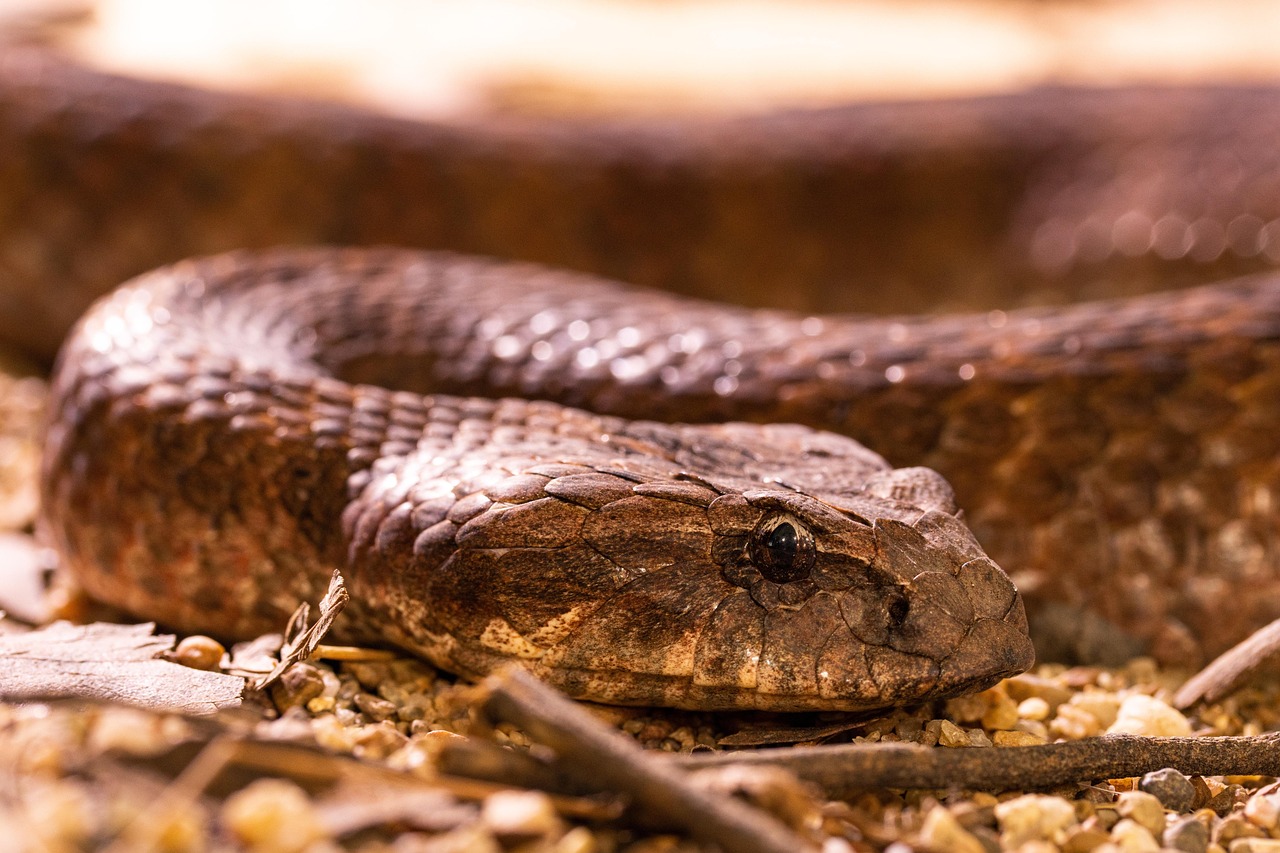
Snakes have been feared and vilified in cultures across the globe, and in some traditions, they symbolize evil, deception, and danger, likely stemming from their role in various myths and religious stories (i.e. the Garden of Eden serpent), and in Halloween lore, they’re linked with witches and cauldron ‘brews’, Medusa and are used as decorations, likely due to mankind’s innate or ‘genetic’ phobia of them.
The serpent’s sinuous movement and ability to shed its skin have long fascinated and frightened humans in equal measure. In many creation myths, snakes represent both wisdom and temptation, making them complex symbols that perfectly capture Halloween’s themes of mystery and transformation. Their connection to the biblical story of Adam and Eve has cemented their place in Western culture as creatures of temptation and forbidden knowledge.
The fear exists because many snakes are venomous, and the unpredictable movement of these unusual-looking reptiles unnerves people, while the portrayal of snakes in movies, folklore, and the media as deadly predators doesn’t help, but while some snakes are venomous, most pose no threat to humans and are only defensive if they feel threatened, and snakes help control pests like rats and mice, which can spread disease and damage crops.
Wolves: Creatures of the Full Moon
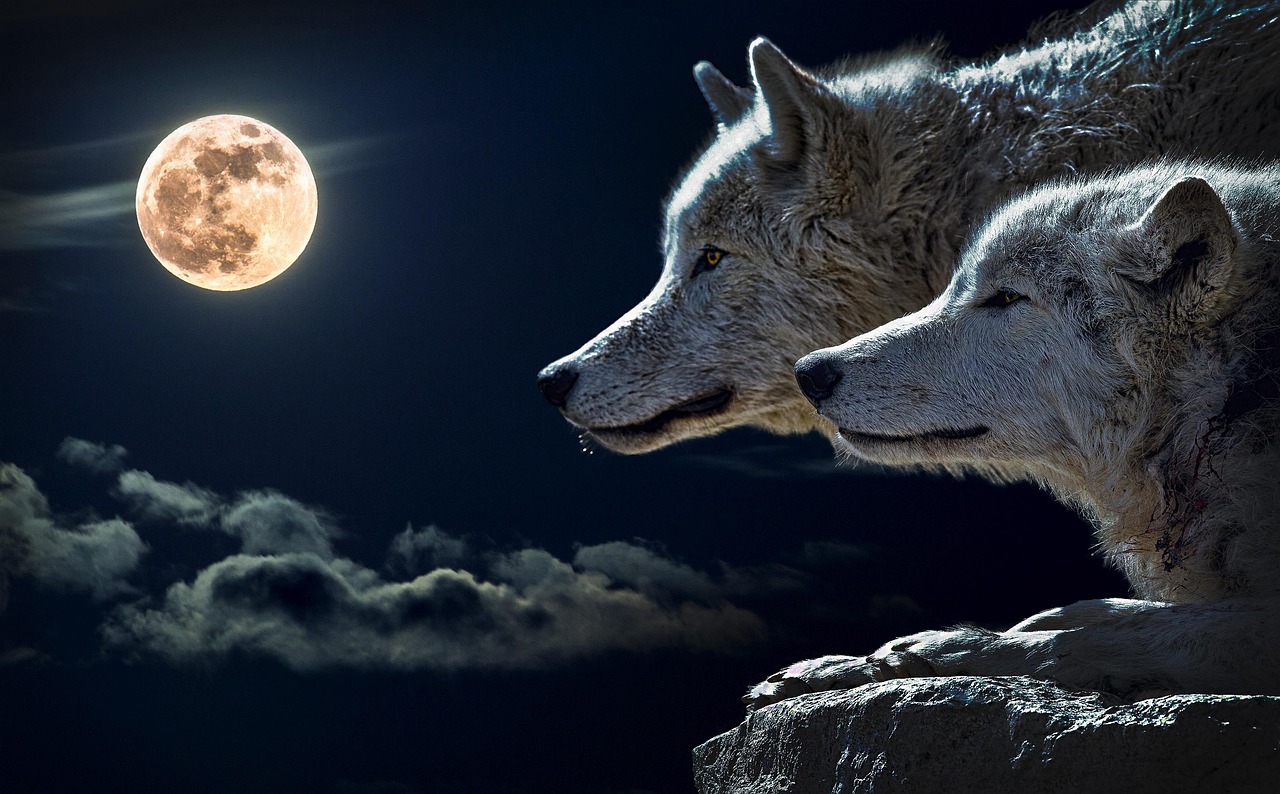
While not as commonly featured in Halloween decorations as some other animals, wolves have carved out their own niche in supernatural folklore, particularly through their connection to werewolf legends. The image of a wolf howling at the full moon has become an enduring symbol of transformation and wild, untamed nature that perfectly captures Halloween’s themes of mystery and metamorphosis.
In European folklore, wolves were often seen as creatures that existed on the boundary between the civilized world and the wild unknown. Their pack hunting behavior and haunting howls made them symbols of both community and isolation. Many werewolf legends stem from the belief that humans could transform into wolves during the full moon, losing their humanity to become savage beasts.
The wolf’s role in fairy tales like “Little Red Riding Hood” and “The Three Little Pigs” has also contributed to their reputation as cunning, dangerous creatures. These stories often portray wolves as clever predators who use deception to achieve their goals, making them perfect symbols for Halloween’s themes of hidden dangers and things that aren’t quite what they seem.
Moths: Harbingers of Souls and Death
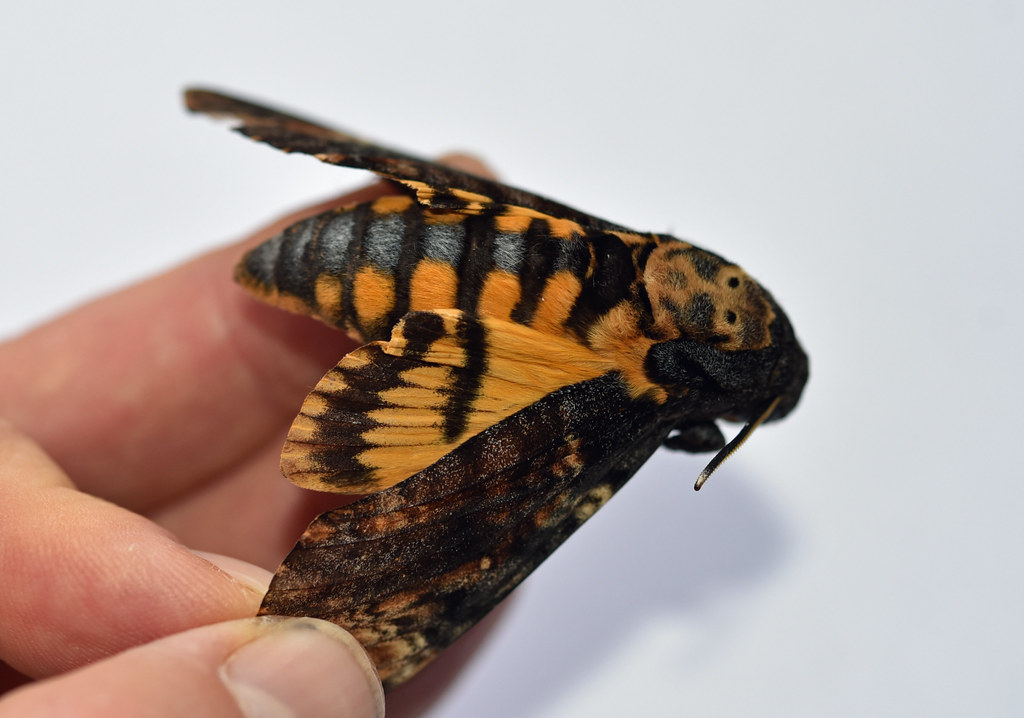
Less famous than their butterfly cousins but equally mysterious, moths have earned their place in Halloween folklore through their nocturnal habits and attraction to light sources. Many cultures view moths as symbols of the soul or as messengers from the spirit world, particularly because of their tendency to appear around sources of light in the darkness.
The moth’s life cycle, which involves a dramatic transformation from caterpillar to winged creature, mirrors themes of death and rebirth that are central to Halloween celebrations. In some folklore traditions, moths are believed to carry the souls of the deceased, seeking the light of the living world. Their dusty wings and silent flight add to their ghostly appearance, making them perfect companions for Halloween’s supernatural atmosphere.
Death’s-head hawkmoths, with their distinctive skull-like markings, have become particularly associated with Halloween imagery. These large moths have appeared in countless horror movies and gothic literature, their ominous appearance serving as a reminder of mortality and the thin veil between life and death that Halloween celebrates.
Conclusion: The Enduring Power of Animal Symbolism
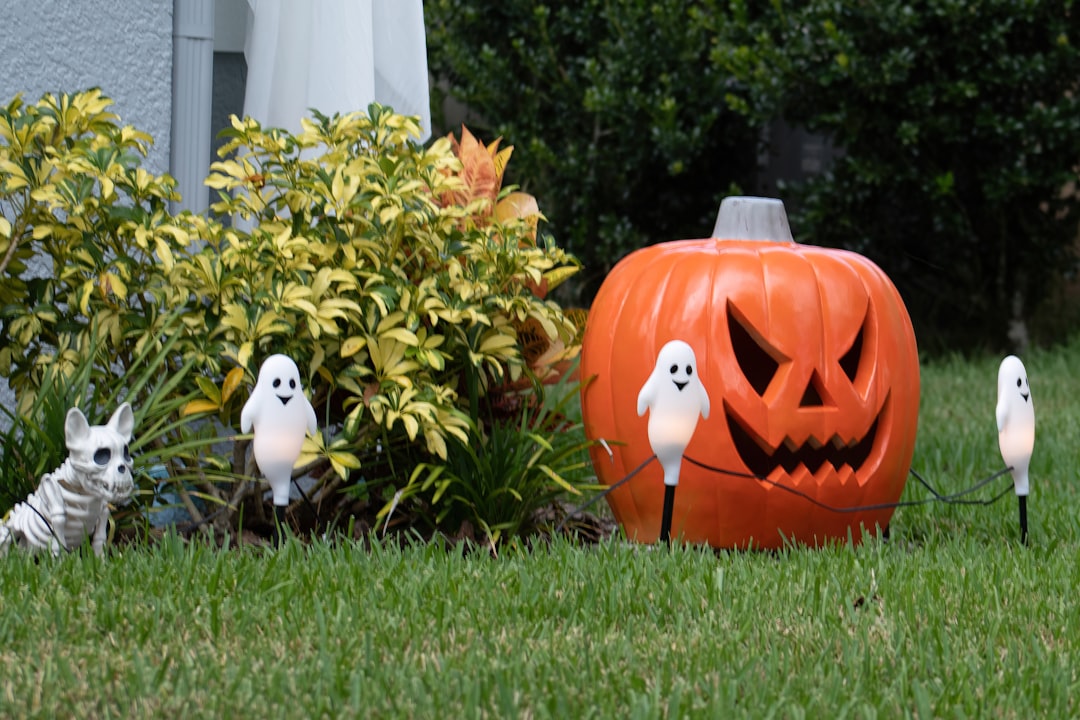
While superstitions around animals have lessened in modern times, many people still associate these creatures with Halloween’s mystical energy and view them as symbols of magic, protection, or mystery. The animals we’ve explored don’t deserve their spooky reputations – they’re simply creatures trying to survive in their natural habitats, often providing essential ecological services that benefit humans.
Yet their enduring connection to Halloween speaks to something deeper in human nature: our need to create stories and symbols that help us understand the mysteries of life and death. These animals serve as bridges between the known and unknown, the natural and supernatural worlds. They remind us that there’s still magic to be found in the everyday world, if we know how to look for it.
What makes these creatures truly fascinating isn’t their supposed supernatural powers, but the rich tapestry of human beliefs and stories that have grown up around them. Did you expect to discover such intricate folklore behind your favorite Halloween decorations? Next time you see a black cat or hear an owl’s haunting call, you’ll know you’re encountering creatures with stories that stretch back thousands of years.
