
Picture this: you’re sitting in your favorite bookstore, browsing through the fantasy and sci-fi section, when a wild thought hits you. What if the most feared predators from across America were suddenly dropped into the mystical realms of magic, alien worlds, or post-apocalyptic wastelands that fill our favorite fictional universes? Would a grizzly bear’s raw strength matter in a world ruled by laser weapons and energy shields? Could a mountain lion’s stealth help it navigate through dimensions filled with supernatural threats? These questions might sound ridiculous at first, but they tap into something fascinating about both predators and storytelling. Every great fictional universe demands survival skills that go beyond simple hunting prowess. In worlds where physics might be optional and danger lurks in forms our planet has never seen, the predators that would thrive aren’t necessarily the biggest or strongest. They’re the ones with the right combination of adaptability, intelligence, and specialized skills that translate across realities. So let’s dive in and explore which American predator would reign supreme when dropped into the strangest corners of imagination.
The Ultimate Adaptability Champion: Grizzly Bear
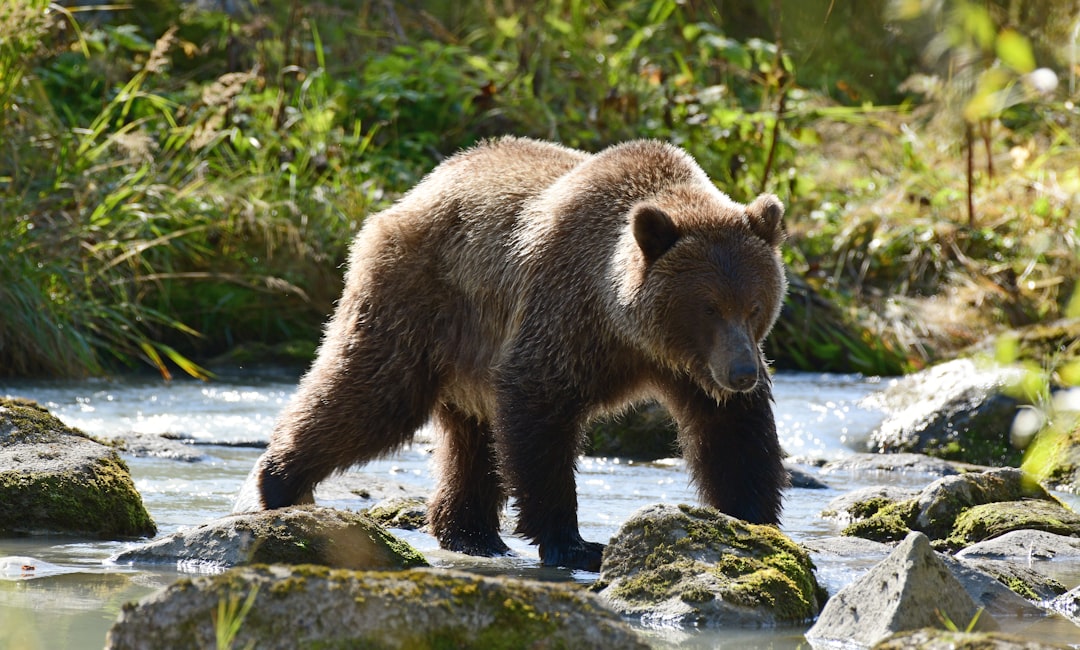
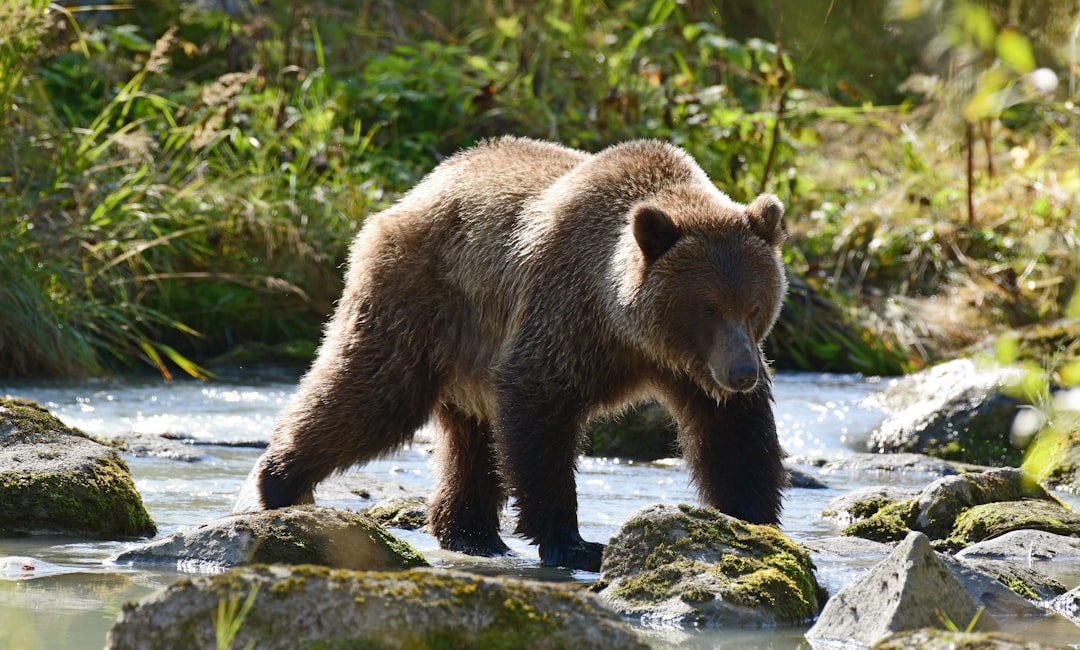
When it comes to sheer adaptability, grizzly bears are omnivores whose diet changes dramatically with season, region, and available resources. Despite their formidable strength and reputation as apex predators, most of a grizzly’s diet is plant-based. In many inland areas, vegetation makes up as much as 80 to 90 percent of their intake. This dietary flexibility would be absolutely crucial in any fictional universe where traditional food sources might not exist. Despite their impressive size, grizzlies have been clocked running at 30 miles an hour. But it’s not just their speed that makes them formidable. They are big and versatile, powerful and smart, and, when the need arises, fierce. In a magical realm where you might need to forage for mystical berries one day and fight off dragon spawn the next, this versatility becomes a superpower.
The Stealth Master: Mountain Lion
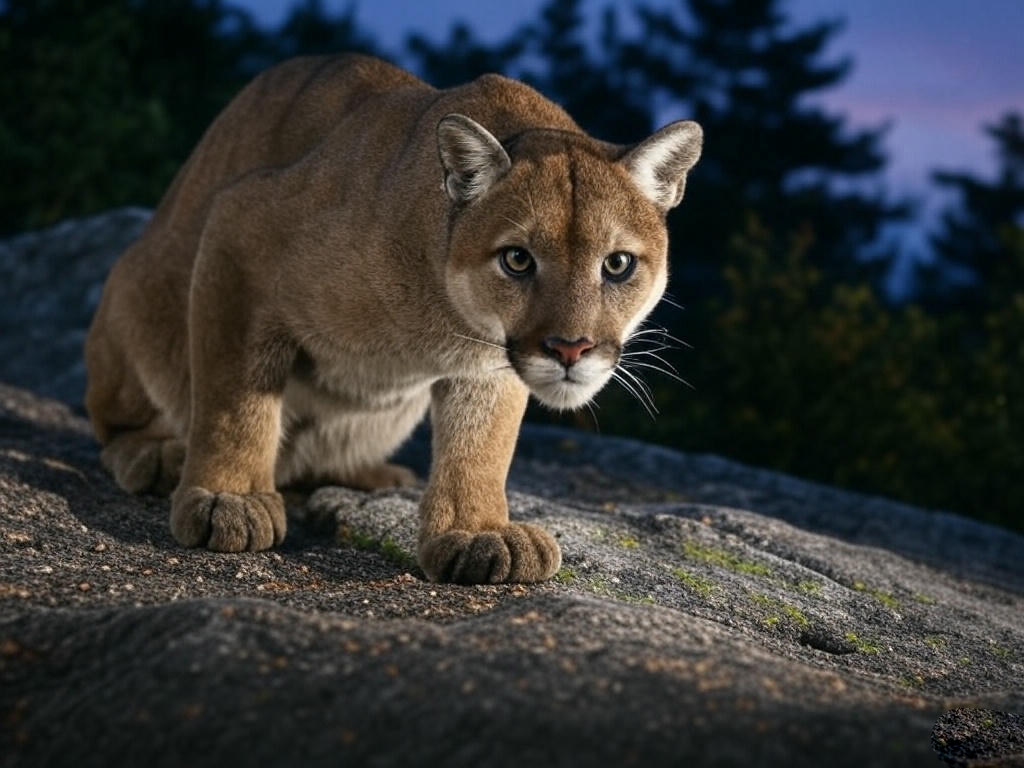
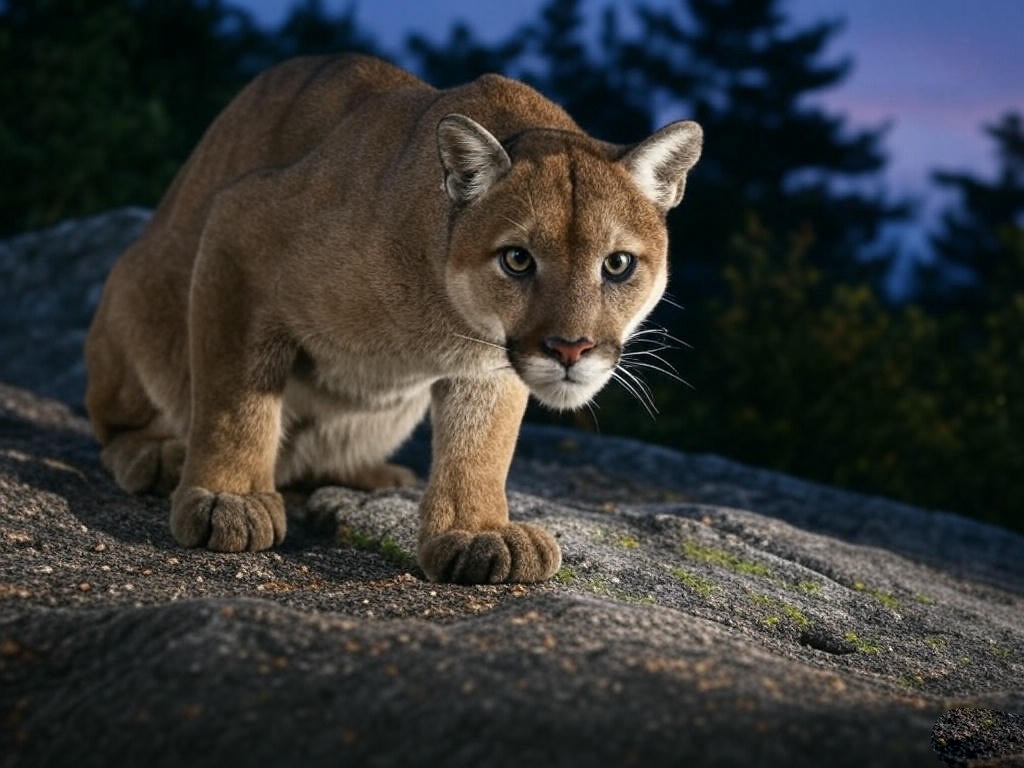
Mountain lions possess perhaps the most underrated superpower in the animal kingdom: the ability to remain completely invisible until it’s too late. The large, secretive puma (Puma concolor) may be at the top of its food chain, but it is not always the king of its territory. Native to the Americas, the puma, also called the mountain lion, cougar, catamount or panther, often shares its habitat with several other top predators, such as wolves, bears, coyotes and jaguars. This experience dealing with multiple threats would translate perfectly to fictional worlds filled with diverse dangers. Cougars stalk their prey. Cougars are efficient hunters. Cougars feed on organ meat first. In a universe where resources are scarce and efficiency matters, this surgical precision in hunting could mean the difference between survival and starvation. Their solitary nature also means they wouldn’t rely on pack dynamics that might not translate well to alien environments.
The Pack Strategist: Gray Wolf
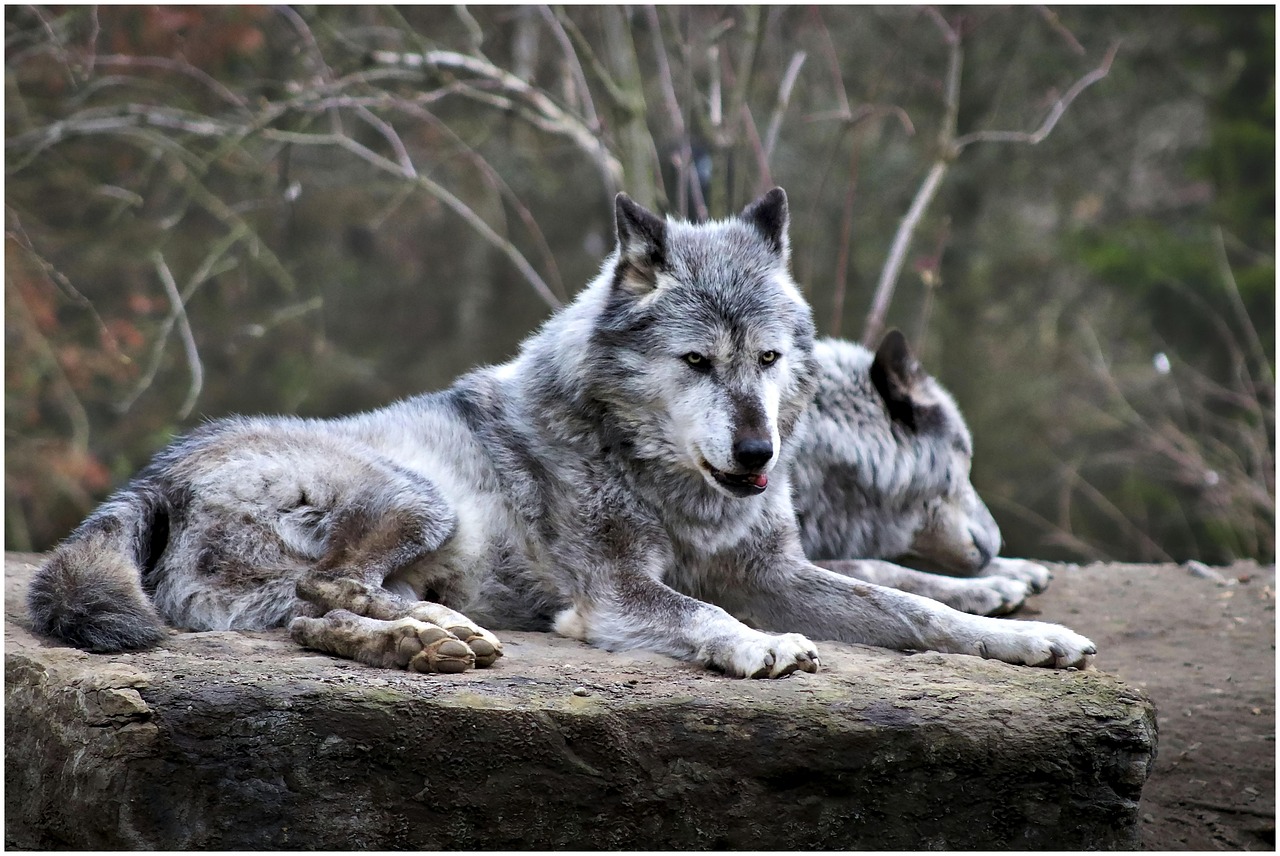
The wolf (Canis lupus) is a species of canine native to North America and Eurasia. Unlike some apex predators, wolves are pack animals, which means that their hunting behavior is cooperative. At their position atop the food chain, they feed mostly on large prey, usually four-legged herbivores. This cooperative intelligence would be invaluable in fictional universes where forming alliances with other survivors – whether human, alien, or magical creature – could determine survival. By reviewing the scientific literature on competition between pumas and other predators, researchers have found that wolves, grizzly bears, black bears and jaguars often dominate pumas. Among the top predators, wolves appear to have the strongest influence on mountain lions, dominating pumas on most encounters. This dominance comes not from brute strength alone, but from strategic thinking and coordinated attacks.
The Sky Assassin: Golden Eagle
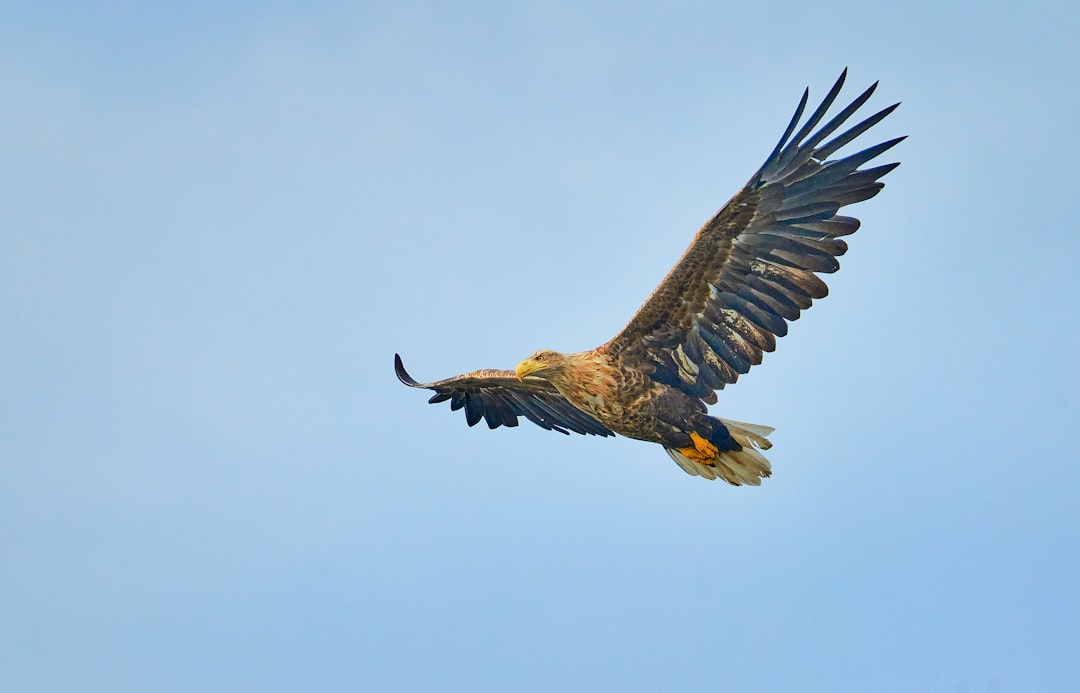
Bigger and more aggressive than bald eagles, golden eagles can carry several pounds during flight and can reach high speeds in flight, with an average speed of 28–32 miles per hour. On a focused dive, golden eagles have been known to reach 200 miles per hour! In any fictional universe with multiple terrain types – from floating islands to underground caverns – this three-dimensional mobility would be priceless. They often work in pairs while hunting: One eagle drives the prey to its waiting partner. Their favorite prey includes other birds, marmots, hares, mice, martens, foxes and even deer. The ability to coordinate attacks from above while adapting to various prey types makes golden eagles natural candidates for success in worlds where traditional hunting patterns might not apply.
The Relentless Tracker: Coyote
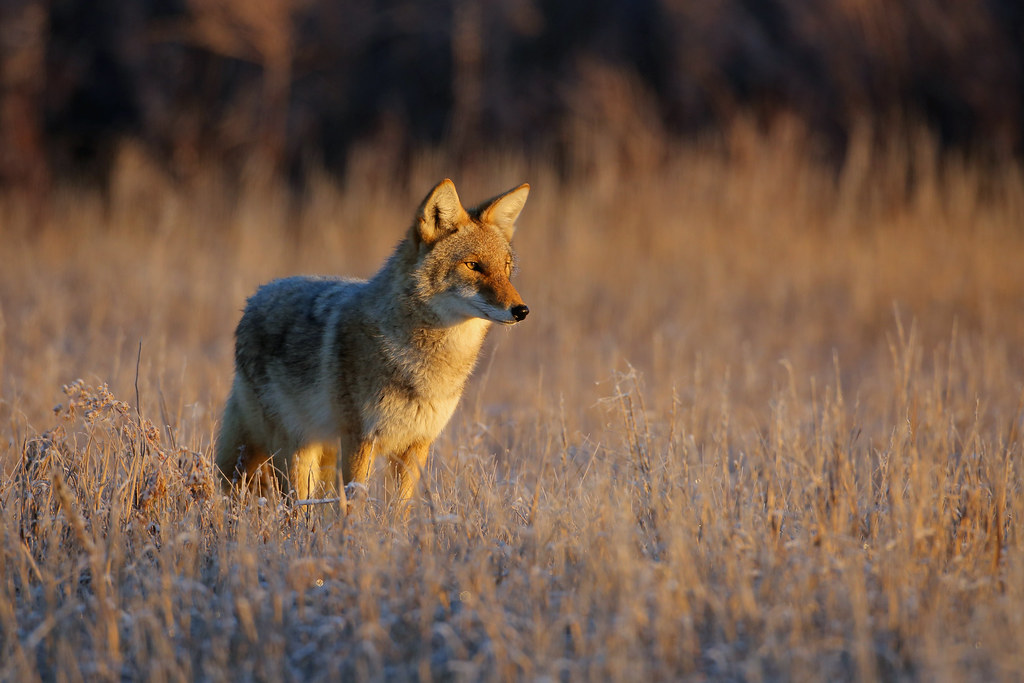
While coyotes might not seem as impressive as grizzly bears or mountain lions, their secret weapon is adaptability taken to an extreme. For instance, when settlers killed off wolves, pumas and mountain lions, coyotes stepped into their roles as the new dominant hunter on those lands. This ability to fill ecological niches left vacant by other predators would be incredibly valuable in fictional universes where established power structures might collapse overnight. Some predators, such as coyotes and bears, are also scavengers, meaning they will eat the carcasses of animals that they didn’t hunt themselves. In post-apocalyptic scenarios or harsh alien worlds, this willingness to scavenge could mean the difference between thriving and merely surviving. Their intelligence in urban environments also suggests they could adapt to technological or magical civilizations.
The Aquatic Specialist: Alligator
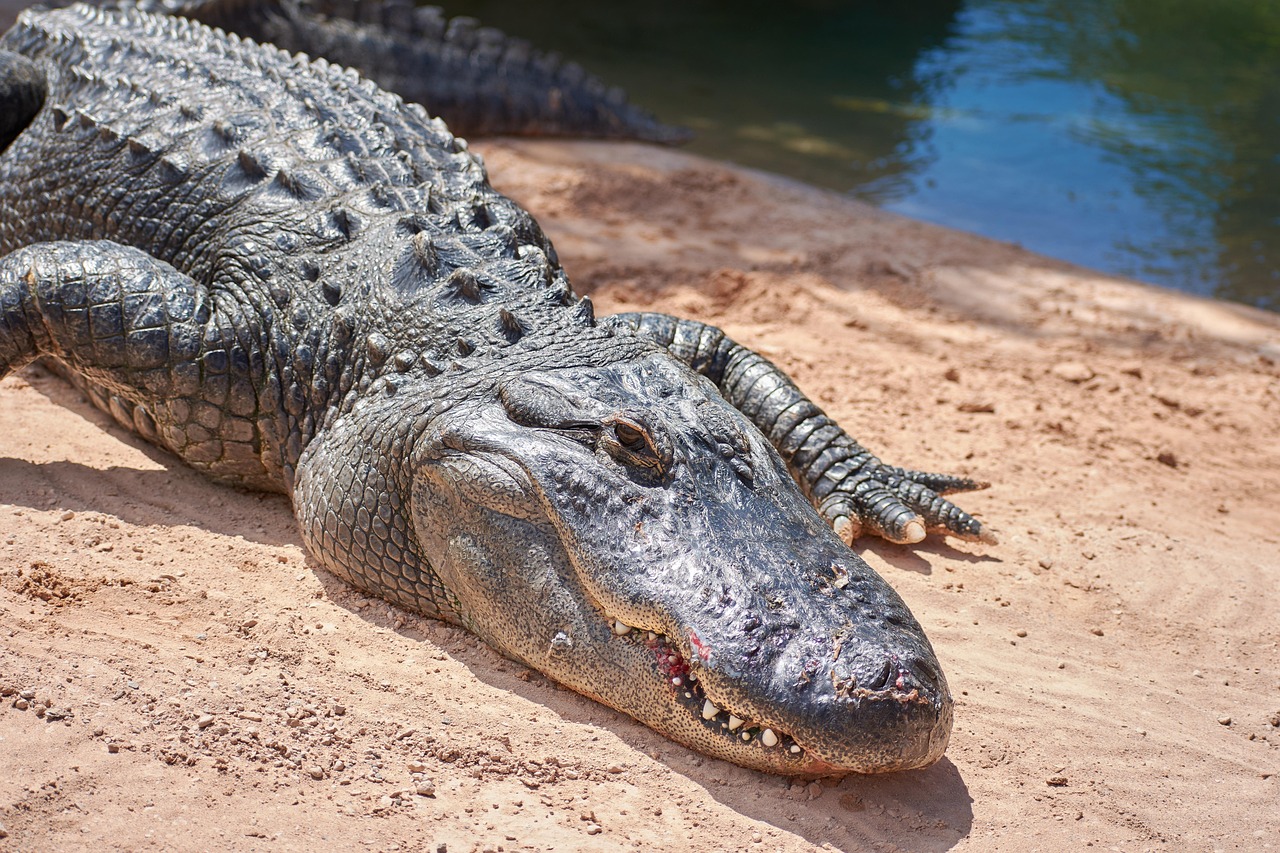
Crocodiles are the ultimate lurkers. Camouflaged by the surrounding environment, they lie in wait for potential victims who are unaware of the danger until it’s too late. While this refers to crocodiles, alligators share this incredible patience and ambush capability. In fictional universes with water-based challenges or swamp-like environments, this specialization becomes incredibly valuable. Their armor-like hide and incredibly powerful bite force would serve them well in worlds filled with magical creatures or alien predators. Plus, their cold-blooded nature means they require less food than warm-blooded mammals, making them more efficient in resource-scarce environments.
The Silent Hunter: Bobcat
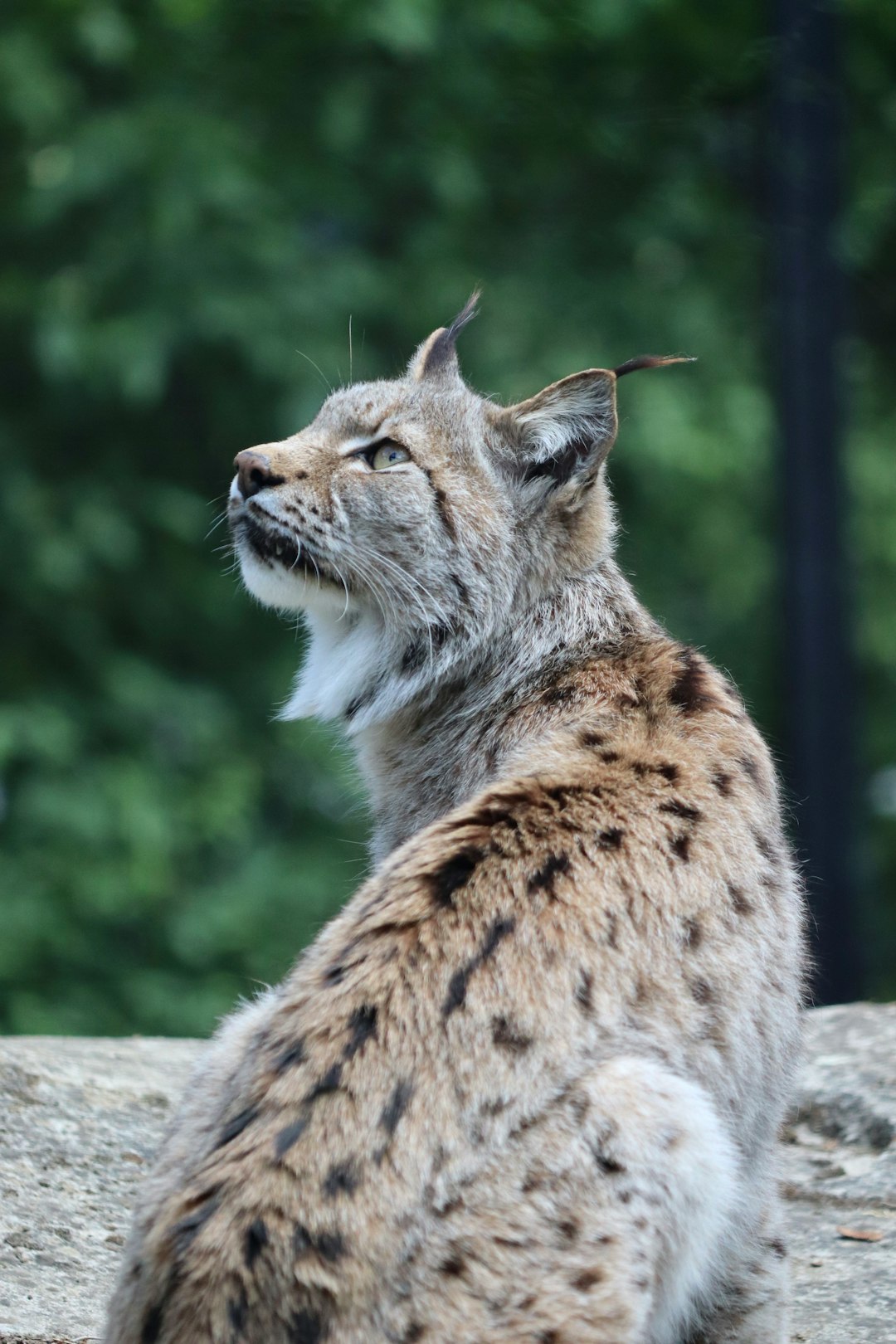
Bobcats represent the perfect middle ground between the mountain lion’s stealth and a house cat’s adaptability. Their smaller size means they need fewer resources, but they maintain the feline family’s incredible hunting instincts and reflexes. In fictional universes where being inconspicuous might be more valuable than being powerful, bobcats would have a distinct advantage. Their territorial nature and ability to adapt to various habitats – from forests to deserts to suburban areas – shows a flexibility that would translate well to the unpredictable environments found in fantasy and science fiction. They’re also excellent climbers and swimmers, giving them multiple escape routes in dangerous situations.
The Social Intelligence Expert: Orca
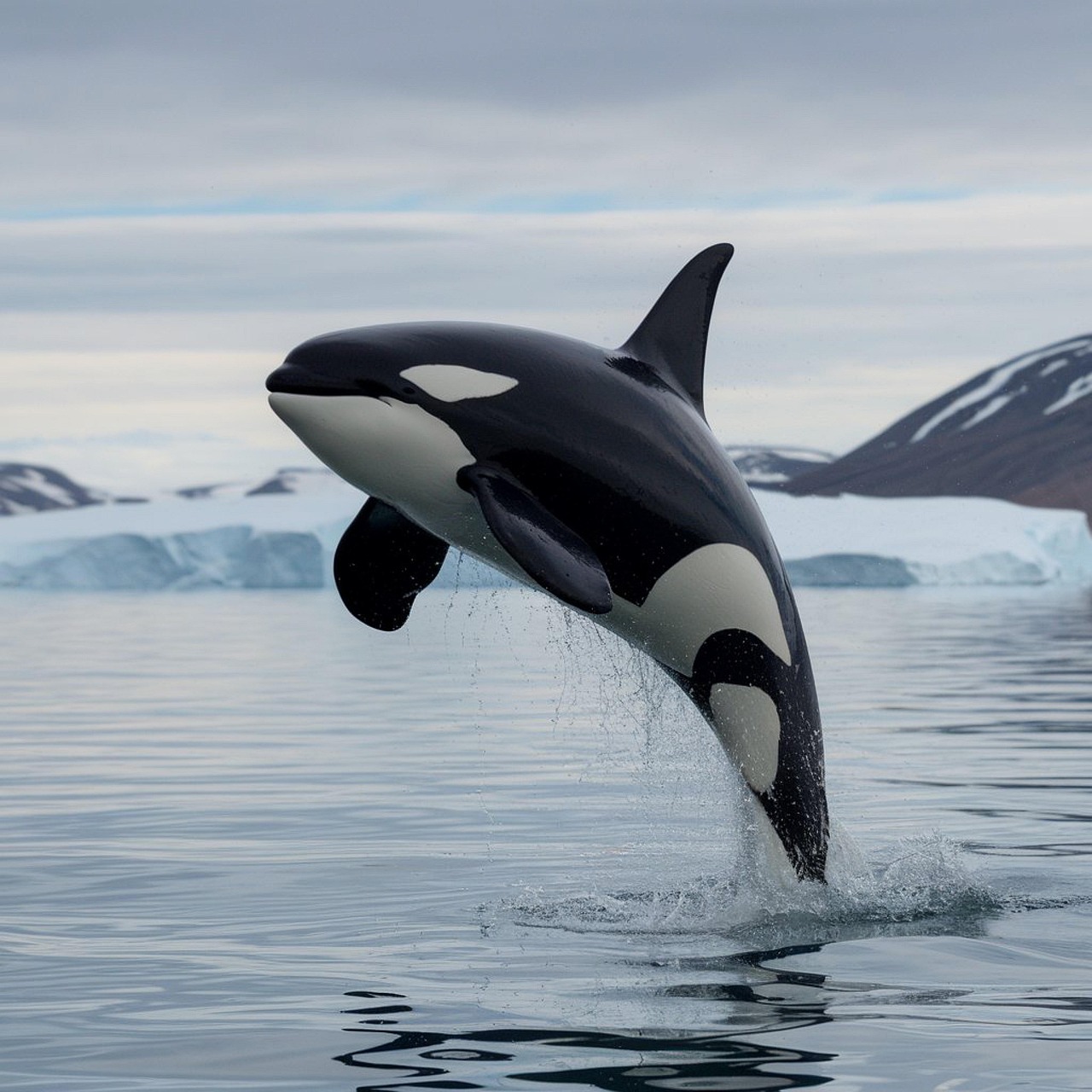
A species of dolphin, the killer whale or orca (Orcinus orca) will eat sea lions, other whales, dolphins and fish, among other prey species. These highly social and intelligent creatures are fearsome masters of the high seas, revered and even worshiped by some human cultures. In fact, although great white sharks are sometimes erroneously considered to be an apex species, Orcas can be natural predators of them if given the chance. Killer whales are the larger species, and their ability to coordinate makes them unmatched in an aquatic tussle. In fictional universes where intelligence and social cooperation matter more than individual strength, orcas would dominate. Their complex communication systems and cultural learning could help them adapt to alien languages or magical communication methods. Their only limitation would be dependence on aquatic environments.
The Venomous Surprise: Rattlesnake
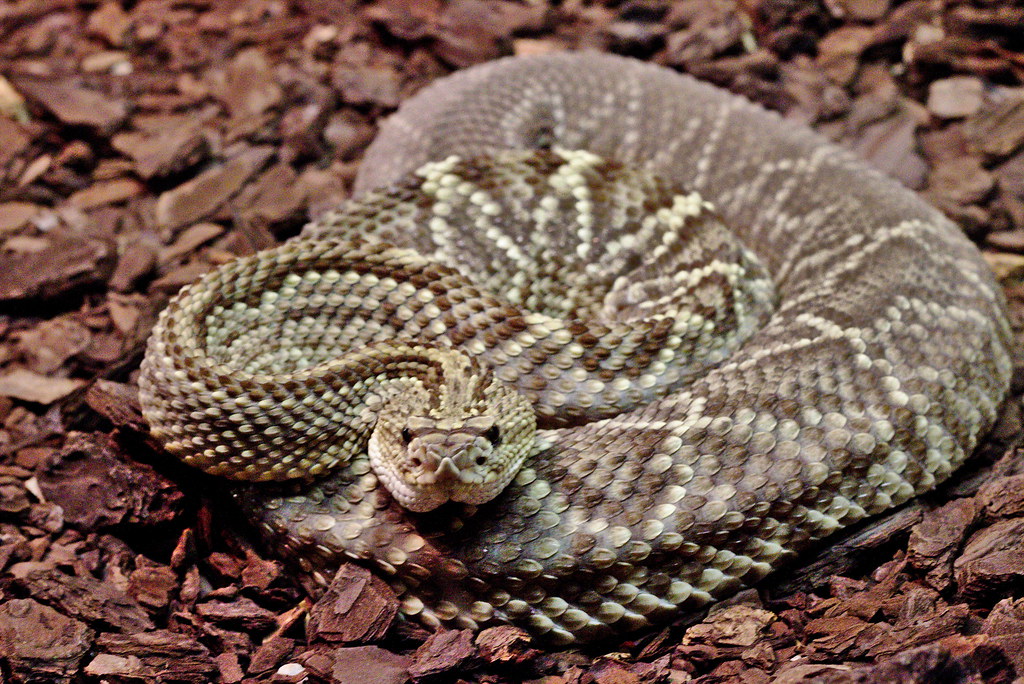
Snakes use their tongues to smell. You might see a snake flicking its tongue around. The snake is not getting ready to bite, it is smelling the air by picking up dust particles. These particles are carried to taste detectors in the snake’s mouth. The taste tells snakes what animals are near. This chemosensory ability would be incredibly valuable in fictional universes where dangers might be invisible or magical in nature. Their venom delivery system is essentially a biological weapon that requires no external tools or resources – just the snake itself. In worlds where technology might fail or magic might be unreliable, having a built-in weapon system could be the ultimate survival advantage. Plus, their ability to go long periods without food would help in resource-scarce environments.
The Arctic Specialist: Polar Bear
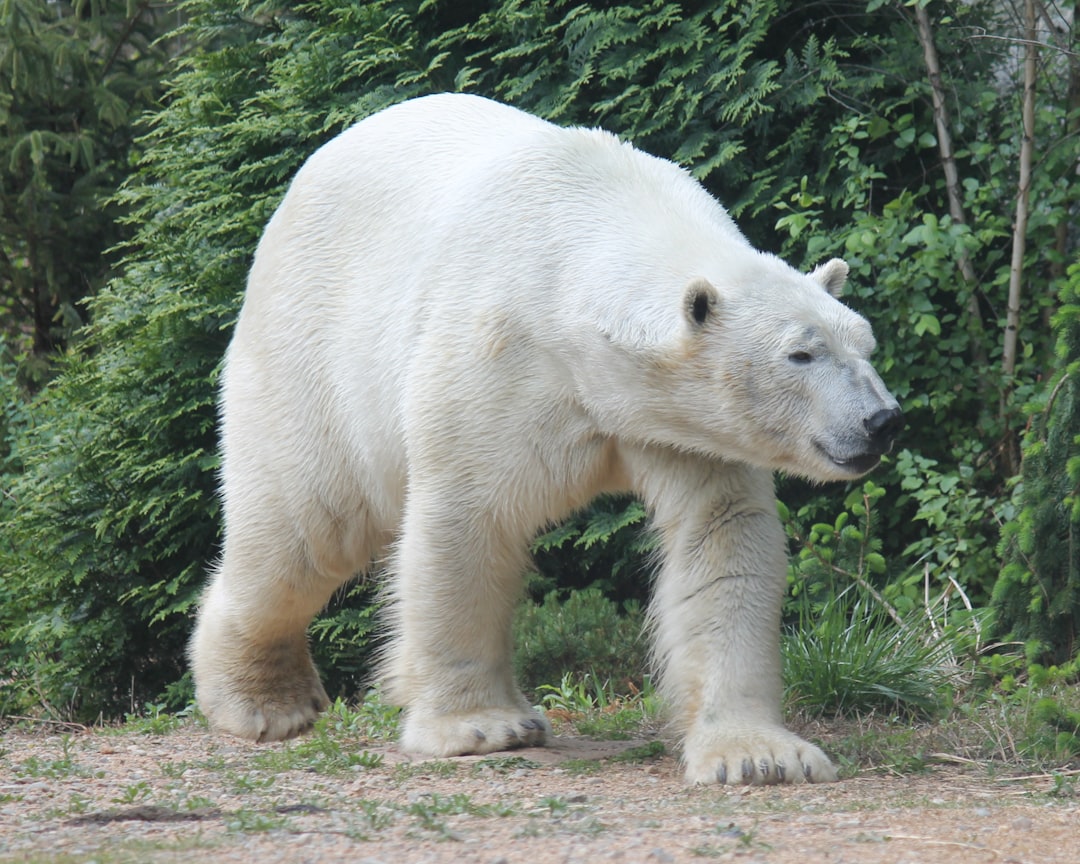
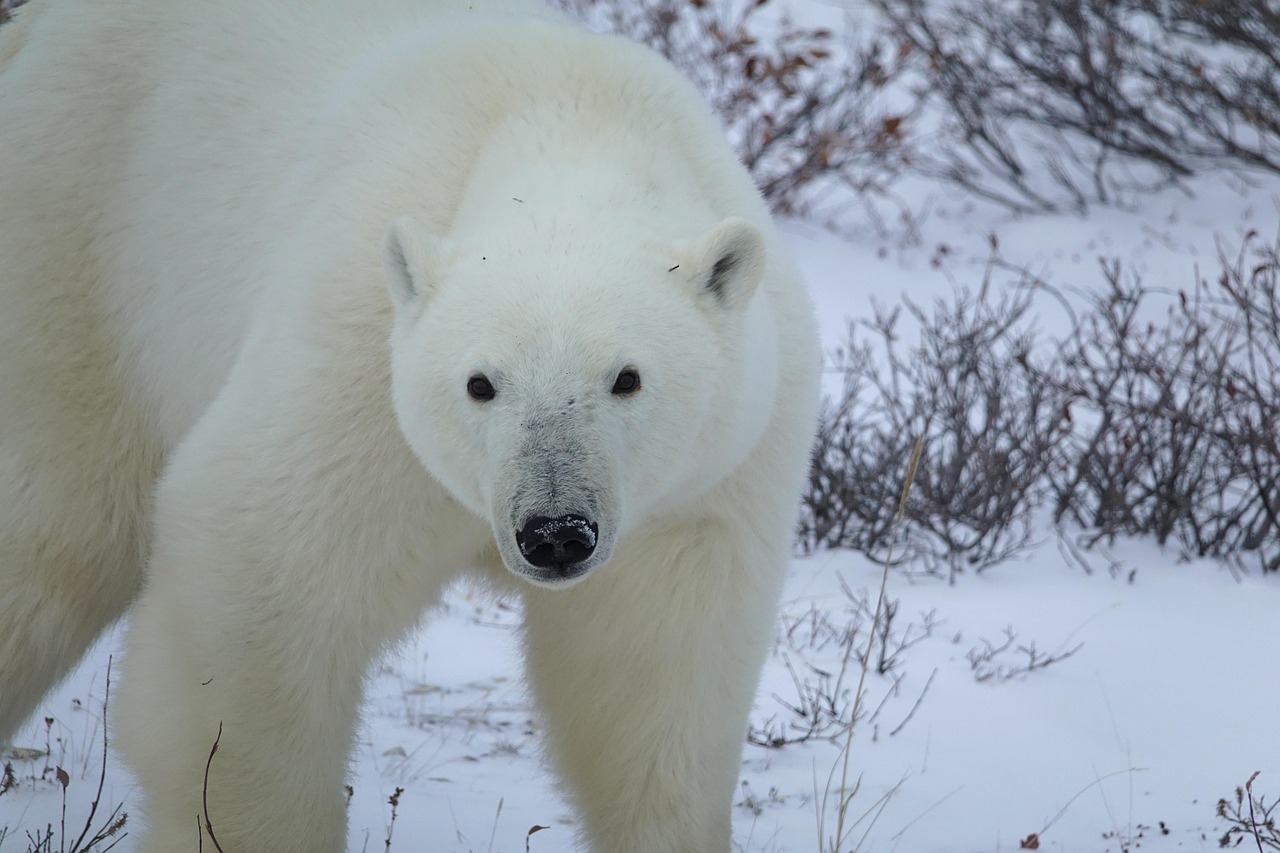
With their impressive size and snow-white fur, polar bears (Ursus maritimus) are iconic apex predators in their arctic environment. They mainly prey upon seals, but they are also known to eat other arctic animals such as smaller whale species, reindeer and even sea birds and invertebrates. In fictional universes with extreme climate conditions – think ice planets or magical winter realms – polar bears would be uniquely adapted to thrive. Their incredible swimming ability and patience when hunting make them perfect for water-world scenarios or environments requiring long periods of waiting and observation. Their white camouflage could also work in technological environments with sterile, white surfaces or in magical realms dominated by ice and snow.
The Micro-Predator: Black Widow Spider
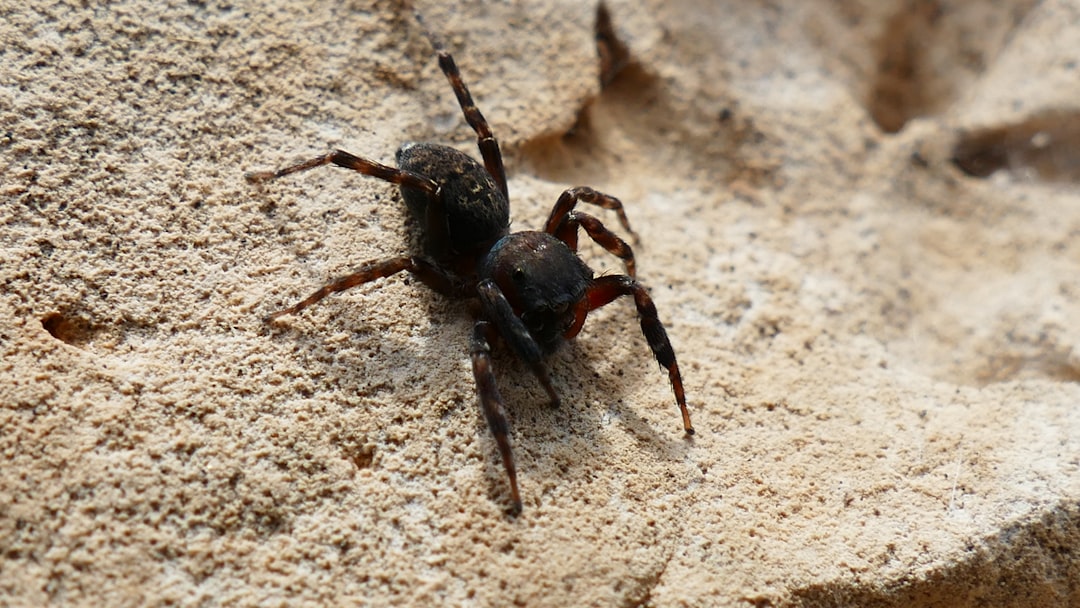
Tarantula spiders are among the most feared animals on the planet, and with good reason. Not only are they giants as spiders go (they can reach 5 inches in length with a 12-inch leg span), but they are such stealthy and skilled hunters. The typical hunting modus operandi for tarantulas is to be patient. They lie in wait for hapless passersby and then pounce without warning, quickly subduing the prey and crushing them with their large fangs. While this describes tarantulas, black widows share this patience and possess an even more potent weapon: neurotoxic venom that can take down creatures many times their size. In fictional universes where size isn’t everything and where the ability to hide in small spaces matters, spiders would have significant advantages. They could survive in environments hostile to larger predators.
The Survivor’s Choice: Which Predator Wins?
After analyzing all these incredible predators, one emerges as the clear winner for fictional universe survival: the grizzly bear. Top predators, with their outsized influence on ecosystems, have the power to restore balance when present in sufficient numbers. By bringing back species and creating healthy populations, rewilding fuels ecosystem restoration, which turns out to be highly effective in mitigating climate change and a cost-effective approach, especially in comparison to technological solutions. The grizzly’s combination of intelligence, adaptability, and raw power gives it the best chance across the widest variety of fictional scenarios. Whether facing magical creatures in a fantasy realm, alien predators on distant planets, or mutated monsters in a post-apocalyptic wasteland, a grizzly bear’s versatile diet, problem-solving abilities, and formidable physical capabilities would give it the edge. Their experience dealing with environmental changes and resource scarcity translates perfectly to the unpredictable challenges of fictional universes. Plus, let’s be honest – there’s something deeply satisfying about imagining a grizzly bear casually batting aside a sci-fi robot or wrestling with a fantasy dragon. In the grand theater of fictional survival, sometimes you just need a predator that’s tough enough to make even aliens think twice.
Conclusion
The question of which U.S. predator would dominate a fictional universe reveals something profound about what it really takes to survive in the unknown. It’s not just about being the biggest, fastest, or strongest – it’s about being smart, adaptable, and resilient in the face of completely unprecedented challenges. From the grizzly bear’s incredible versatility to the mountain lion’s stealth mastery, each predator brings unique strengths that could spell the difference between thriving and merely surviving in worlds beyond our imagination. In the end, the grizzly bear earns the crown not just for its impressive physical abilities, but for embodying the kind of flexible, intelligent approach to survival that fictional universes demand. After all, when you’re dropped into a world where the rules of reality might be more like suggestions, you want a predator that can figure things out on the fly and adapt to whatever weirdness comes next. What do you think about it? Tell us in the comments.

- 12 Architectural Wonders From The Ancient World That Inspire Us Today - July 18, 2026
- 6 Beautiful Ancient Cities That Time Forgot (But Shouldn’t) - July 18, 2026
- 6 Common Animal Behaviors That Are Often Misunderstood by Humans - July 18, 2026