
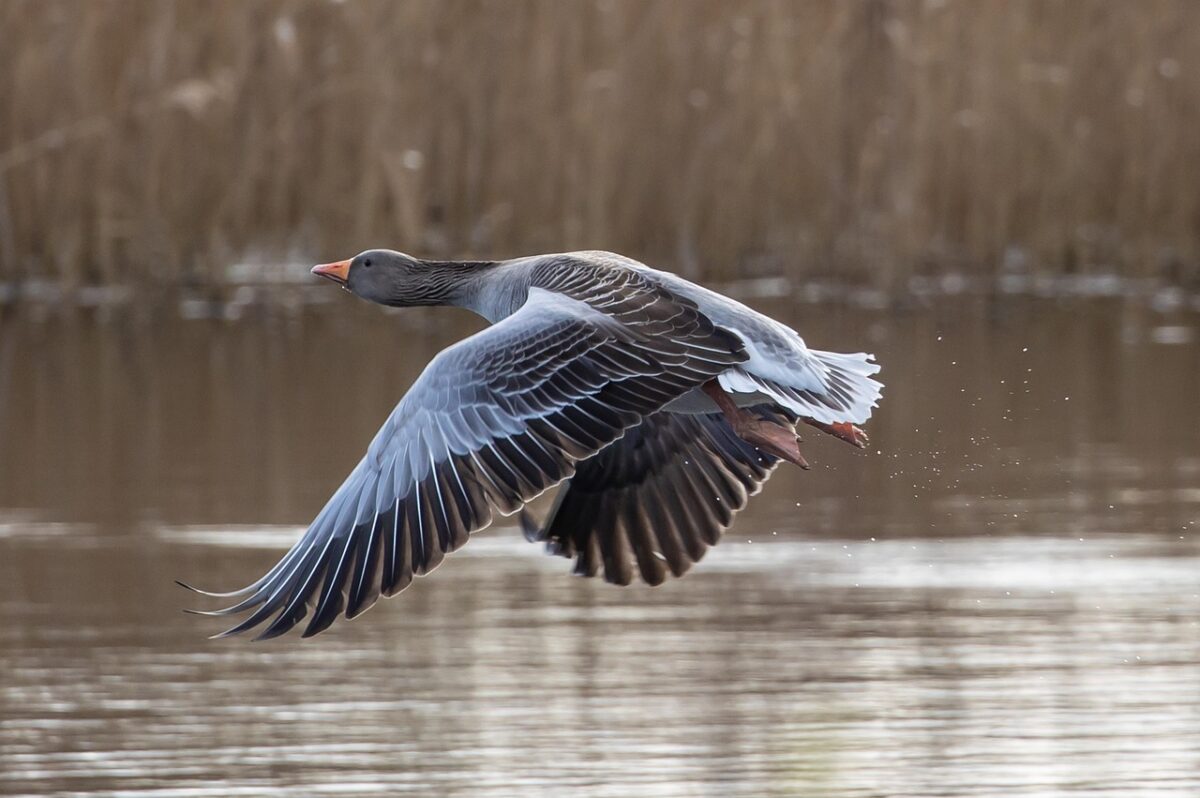
When autumn rolls around and we start thinking about gathering with loved ones, expressing gratitude, and sharing hearty meals, it’s fascinating to consider which animals in the wild embody these same Thanksgiving values. From community-minded creatures that stick together through thick and thin to generous species that share resources without expecting anything in return, the natural world offers incredible examples of the spirit we celebrate each November. Nature has its own way of demonstrating gratitude, community, and abundance long before humans ever gathered around a dinner table. While we can’t know for certain whether animals truly feel thankful in the way we understand it, their behaviors often mirror the values we hold dear during this special season. So let’s get started on this journey through the animal kingdom to discover which creatures best capture that warm, generous Thanksgiving energy.
The Arctic Tern – Ultimate Thanksgiving Traveler
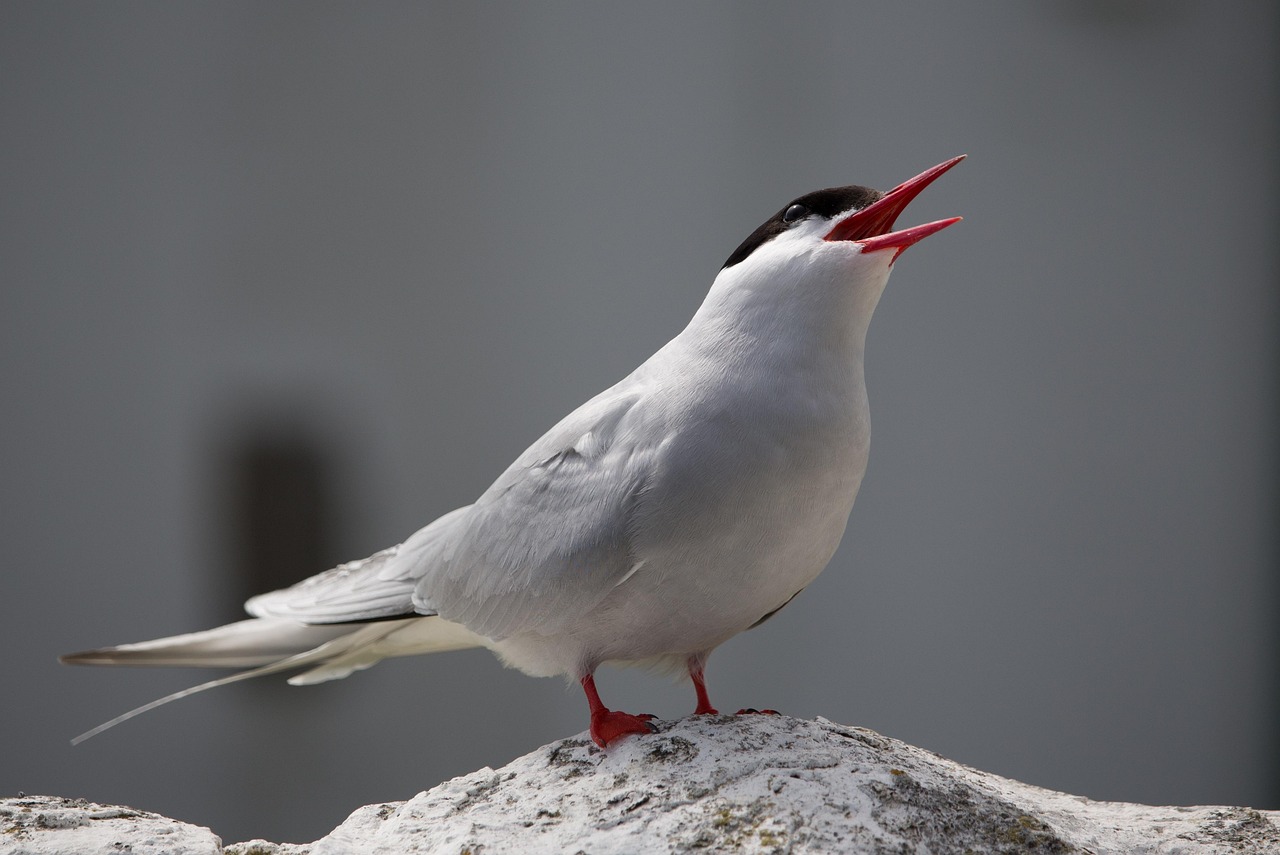
The Arctic tern has the longest migration journey of any bird: it flies from its Arctic breeding grounds to the Antarctic and back again each year, a distance of roughly 44,000 miles (71,000 km), making it the ultimate Thanksgiving traveler. Just like families who journey hundreds of miles to gather for the holiday, these remarkable birds show unwavering dedication to reunion and seasonal celebration. What makes the Arctic tern truly special is how it literally chases summer around the globe, experiencing two summers every year. This mirrors our human desire to extend those precious moments of warmth and togetherness that define Thanksgiving gatherings. Their incredible journey represents the lengths we go to maintain connections with those we care about.
Emperor Penguins – Masters of Shared Responsibility
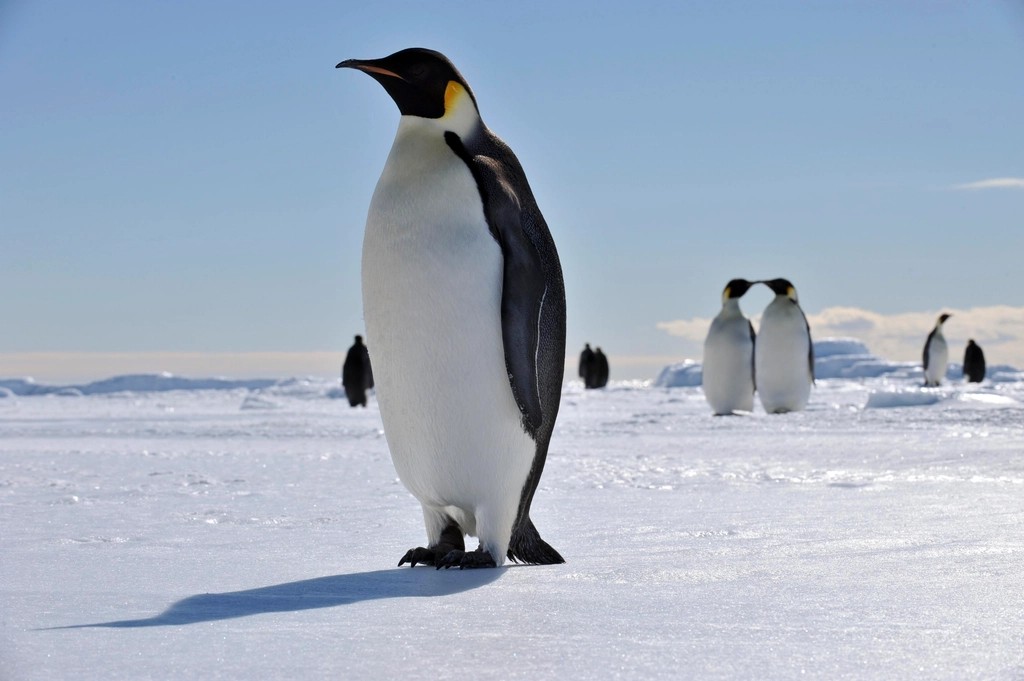
Penguins pair to mate, and once the female lays an egg, she hands it to her partner. The male holds the egg between its feet, never letting go till the chick hatches. Penguins co-parent to raise their young. This beautiful partnership embodies the Thanksgiving spirit of shared responsibility and mutual support that makes family gatherings so meaningful. The Antarctic region gets extremely cold during winter. To survive the chills, penguins huddle for warmth. The penguins take turns standing at the edge of the flock and act as a shield from the cold winds. Just like how family members naturally take turns hosting Thanksgiving dinner or helping in the kitchen, penguins understand that everyone must contribute to keep the community thriving and protected.
Gray Squirrels – Thanksgiving Prep Champions
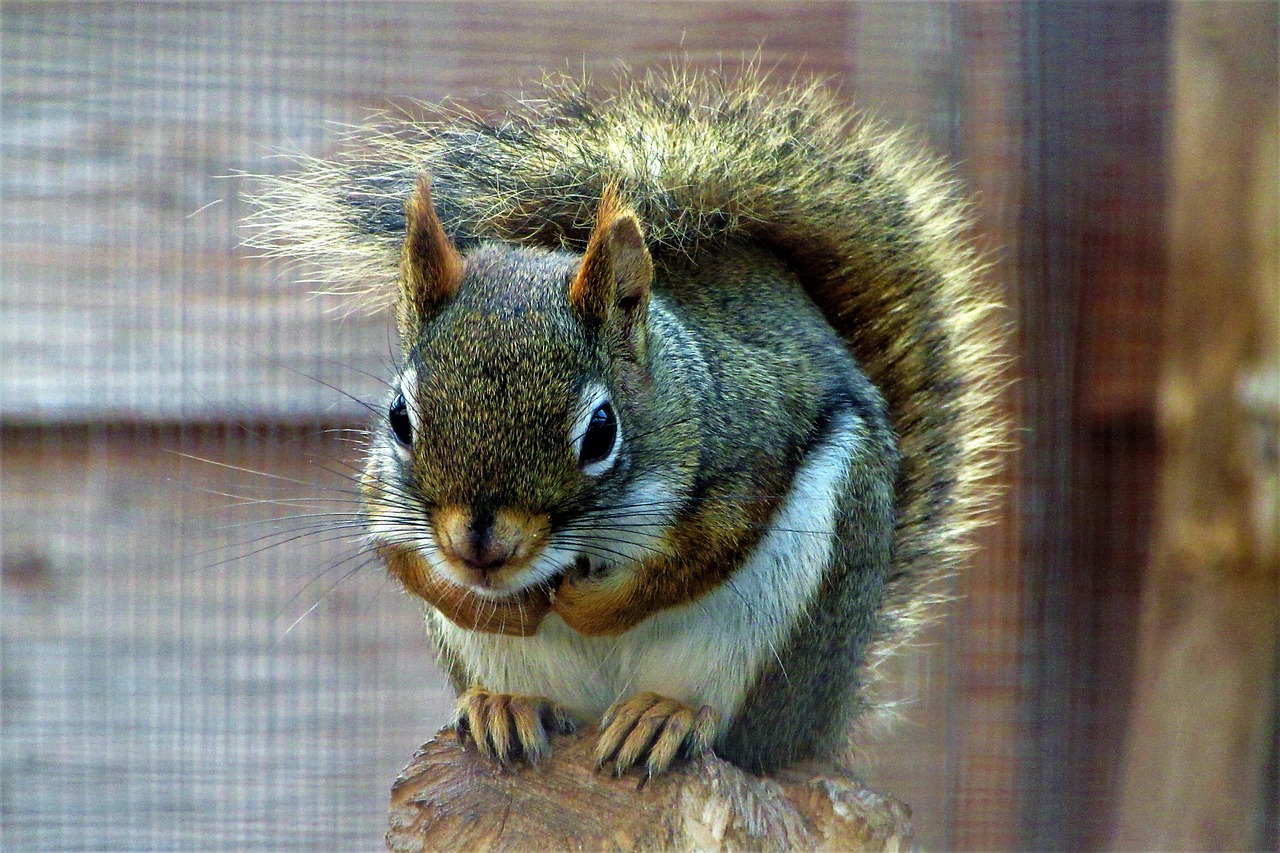
Squirrels spend autumn gathering and storing (caching) food, which would otherwise be hard to find in the frozen winter landscape. Gray squirrels conversely scatter their hoard, spreading food in many caches throughout an accessible area. These bushy-tailed creatures are the ultimate Thanksgiving prep champions, showing us the importance of planning ahead and preparing for times when resources might be scarce. Their approach to food storage is remarkably similar to how we stock up before big family gatherings. The way they carefully distribute their resources across multiple locations shows a wisdom about not putting all their eggs in one basket. This strategic thinking and preparation for future abundance perfectly captures the forward-thinking gratitude that defines the Thanksgiving season.
African Elephants – The Ultimate Family Unit
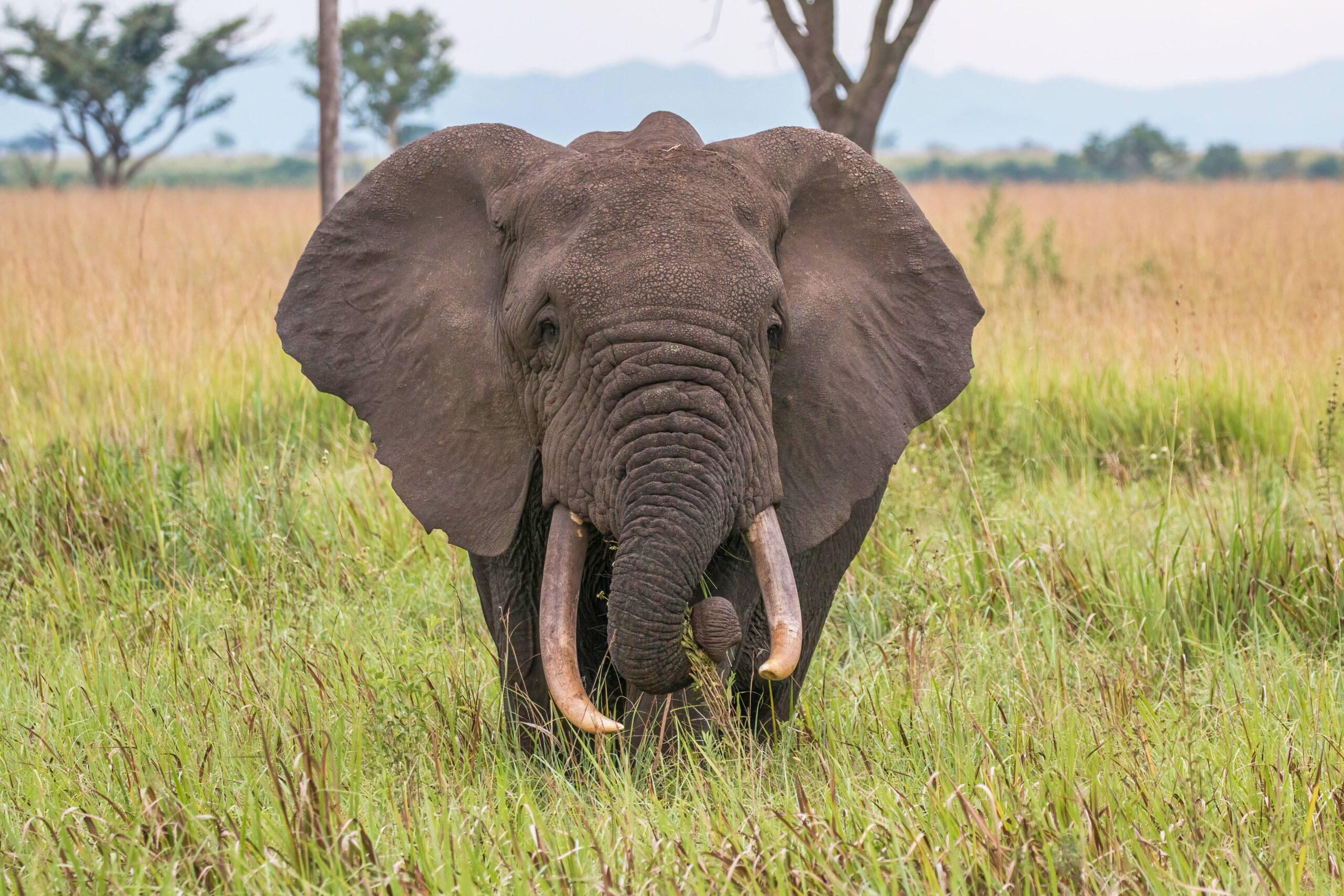
Elephant groups are matriarchal, and leadership is usually reserved for the oldest female elephant in the group. Matriarch elephants use memory and experience to lead and ensure the herd’s survival. Much like how grandmothers often serve as the heart of Thanksgiving celebrations, elephant matriarchs hold their families together with wisdom passed down through generations. In both groups, elephants exhibit friendship and bonding through behaviors like patting one another’s heads with their ears and intertwining trunks. These gentle giants show physical affection in ways that remind us of the hugs and warm greetings that make Thanksgiving gatherings so special. Their deep emotional connections and lifelong bonds mirror the family ties we celebrate during this cherished holiday.
Canada Geese – Seasonal Gratitude Experts
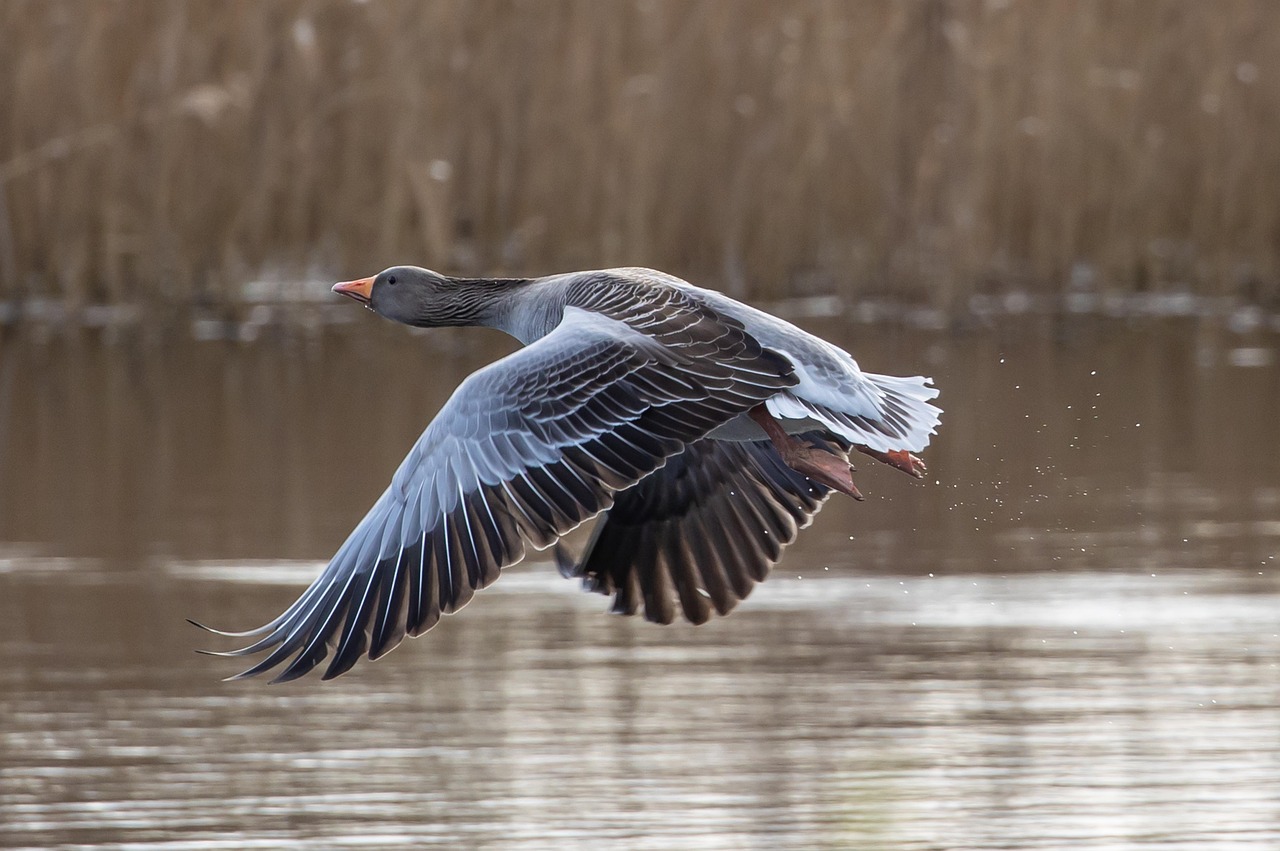
The most common pattern involves flying north in the spring to breed in the temperate or Arctic summer and returning in the autumn to wintering grounds in warmer regions to the south. Canada geese perfectly embody the seasonal rhythm that makes Thanksgiving so meaningful, knowing exactly when to gather and when to move on to new opportunities. Their iconic V-formation flight pattern demonstrates how working together makes challenging journeys easier for everyone involved. Just as Thanksgiving brings families together to share the load of cooking, hosting, and celebrating, these magnificent birds show us that cooperation and timing can turn difficult transitions into beautiful shared experiences.
Wild Turkeys – The Thanksgiving Ambassador
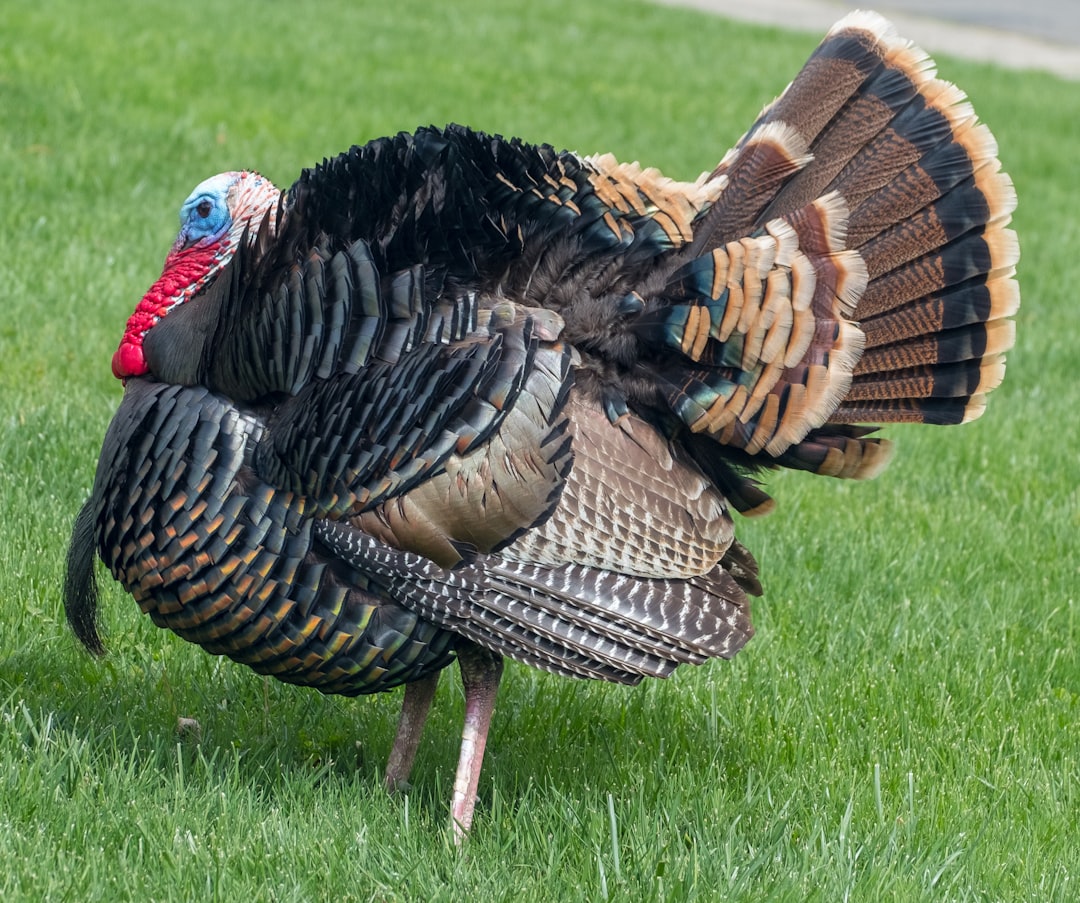
The wild turkey, which people can find in the United States of America, is a large bird with beautiful plumage; this bird was a food supply for many Native American tribes. While it might seem obvious, wild turkeys genuinely capture Thanksgiving energy through their impressive social behaviors and their historical connection to gratitude and abundance. Ronnie can be vocal and likes to watch everything that is going on. He is sweet but can also be a bit stubborn at times. He now gobbles when Ace barks as a visitor arrives. Wild turkeys are surprisingly social and communicative creatures who pay attention to their surroundings and respond to community activity, much like how we become more animated and social during holiday gatherings.
Monarch Butterflies – Journey of Generations
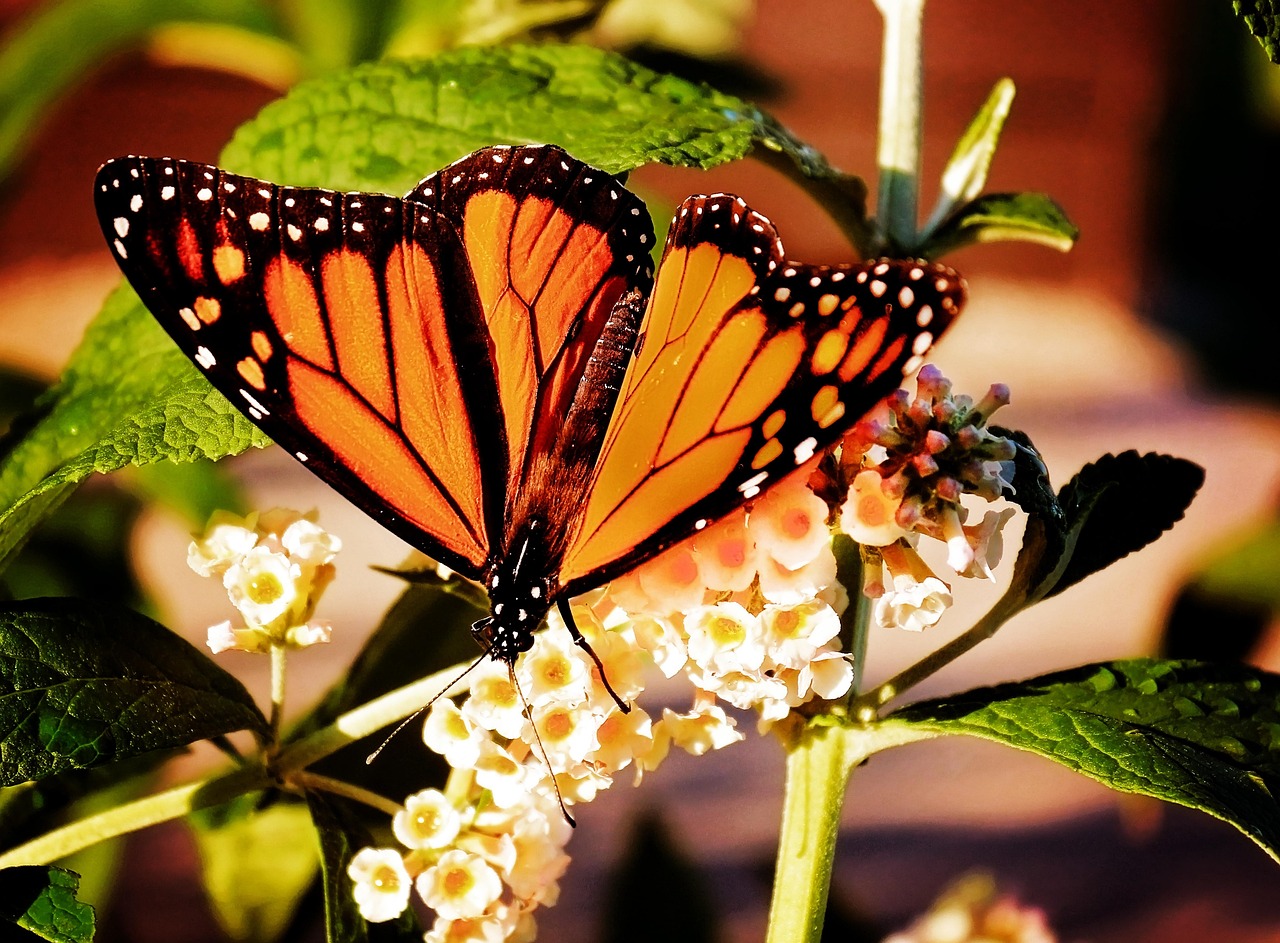
Monarch butterflies (Danaus plexippus) migrate to avoid cold temperatures in the winter. These butterflies cannot survive freezing temperatures, so they fly from Canada all the way to Mexico, where they gather to keep warm over winter. They make the return journey over many generations, stopping to lay eggs on milkweed plants along the way. The caterpillars eat the milkweed and then finish the journey as butterflies. What makes monarchs incredibly special is how their migration spans multiple generations, with each butterfly playing a part in a larger story they’ll never see completed. This mirrors how Thanksgiving traditions are passed down through families, with each generation adding their own touch while honoring the journey that came before them. Their transformation from caterpillar to butterfly also symbolizes the personal growth and gratitude that can emerge from life’s changes.
Honeybees – Community Collaboration Masters
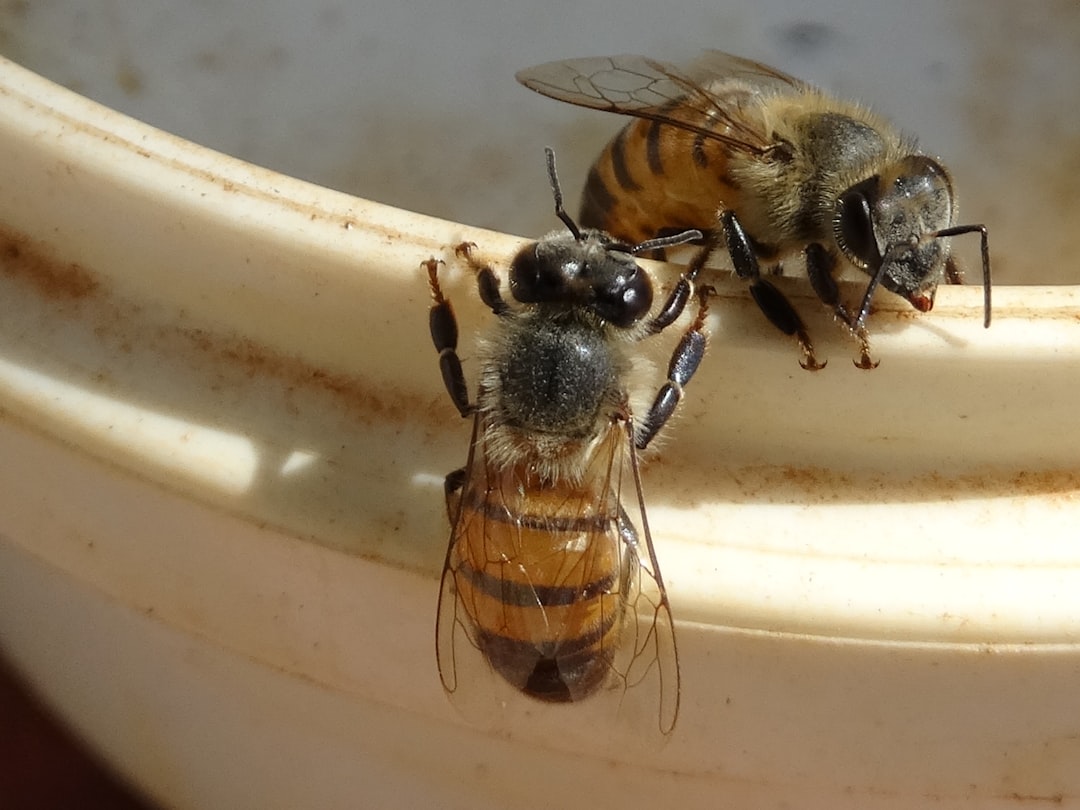
Cooperative breeding occurs when more than two individuals contribute to the care of young within a single brood. This behavior is found in birds, mammals, amphibians, fish, insects, and arachnids, and honeybees represent one of nature’s most impressive examples of community cooperation and shared responsibility. Their intricate dance communication system allows them to share information about the best food sources with their entire community. Just like how family members share recipes, cooking tips, and stories during Thanksgiving preparation, honeybees ensure that knowledge and resources benefit everyone in the hive. Their dedication to the collective good over individual gain embodies the selfless spirit of gratitude and generosity.
Gray Wolves – Pack Gratitude in Action

Wild dogs fend for sick pack members and the litter. It is common for this species to spare food for the absent members. For instance, the dogs regurgitate meat for weaker dogs until they can fend for themselves. Gray wolves demonstrate the kind of caring support system that makes Thanksgiving gatherings so meaningful, always ensuring no pack member goes without. Their complex social hierarchy and communication methods create a stable community where every member has a role and value. Like extended families coming together for Thanksgiving, wolf packs show us how different personalities and strengths can combine to create something stronger than any individual could achieve alone.
Meerkats – Gratitude Through Service
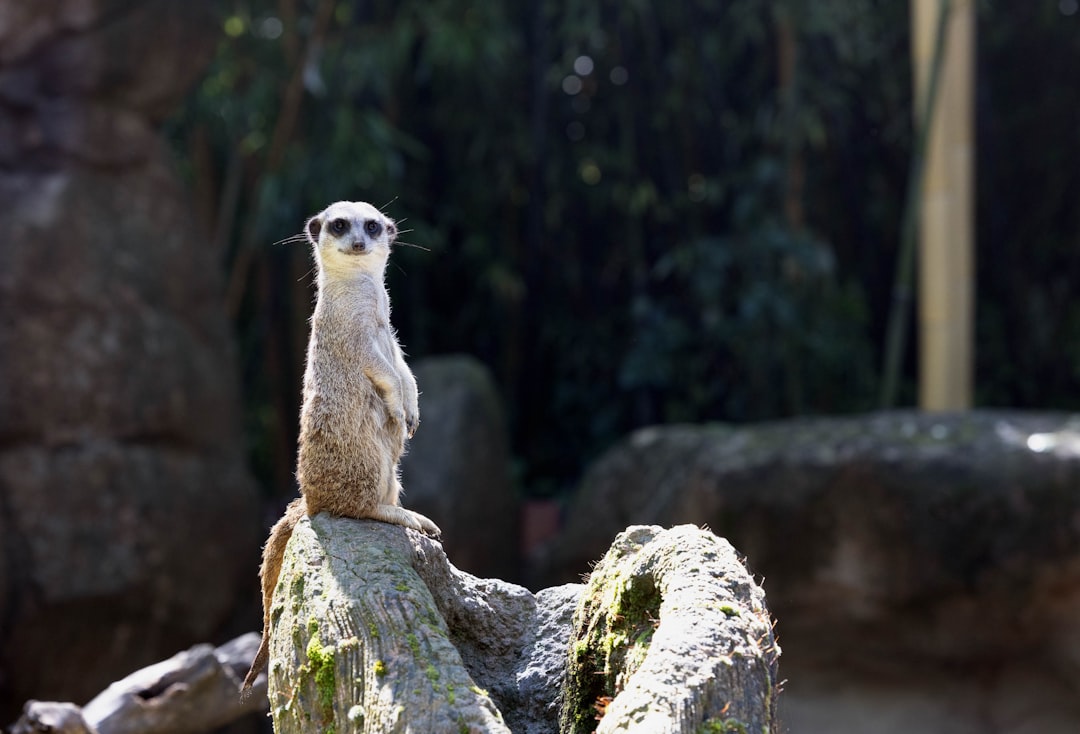
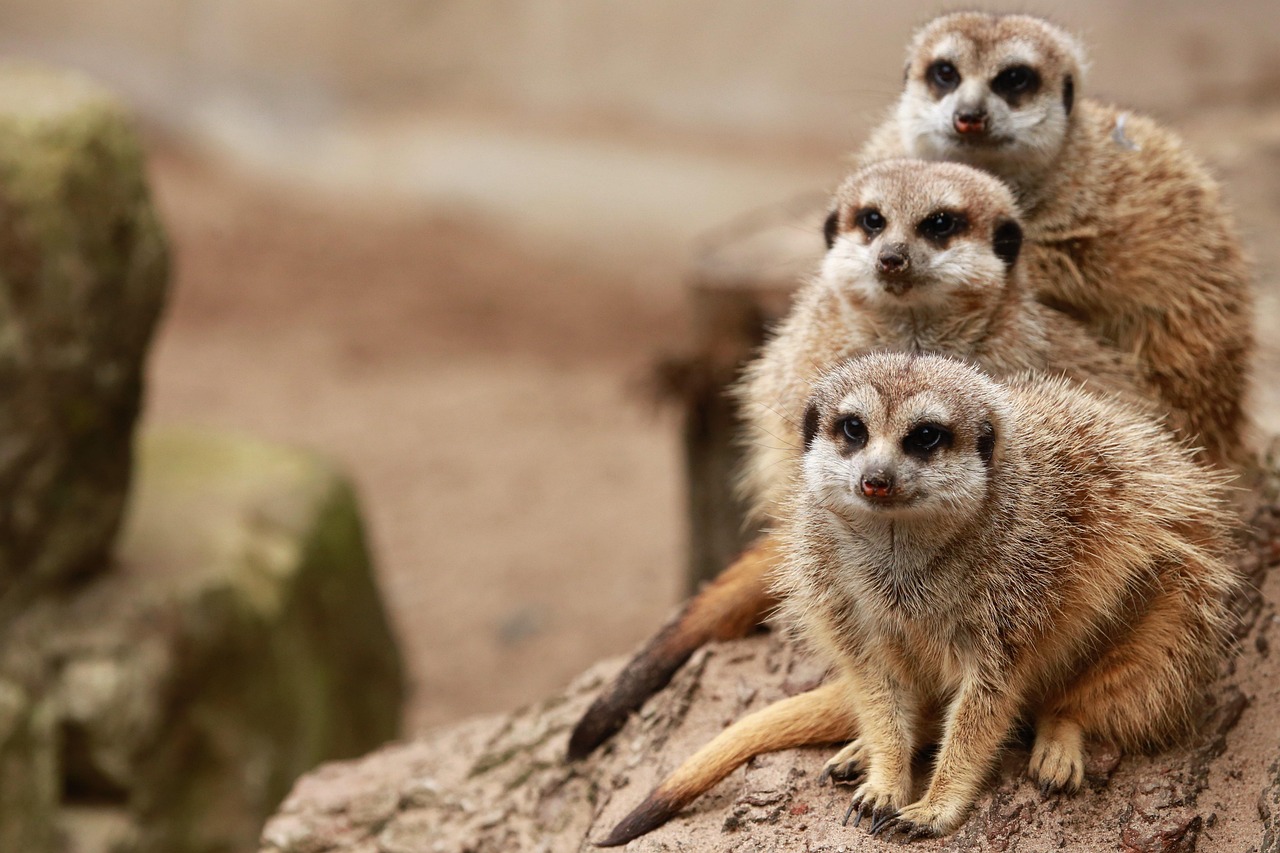
In Kalahari meerkats (Suricata suricatta), breeding individuals of both sexes live in cooperative groups, with dominant members accounting for the bulk of reproduction. These adorable creatures take turns standing guard while others feed, embodying the Thanksgiving spirit of service and looking out for one another. Their sentinel system ensures that someone is always watching for danger while the community goes about daily life. This rotating responsibility mirrors how family members naturally take turns hosting holidays, bringing dishes, or watching children during Thanksgiving celebrations. Their alertness and dedication to community safety shows genuine care for the welfare of others.
Conclusion
After exploring the remarkable behaviors of these incredible creatures, it becomes clear that the natural world is filled with examples of gratitude, community, and generosity. From the Arctic tern’s epic journey to reunite with seasonal abundance, to the emperor penguin’s shared parenting responsibilities, each animal demonstrates unique aspects of what makes Thanksgiving so special to us humans. Perhaps what’s most beautiful about these examples is how they remind us that the values we celebrate during Thanksgiving aren’t uniquely human – they’re woven throughout the fabric of life itself. Whether it’s elephants using wisdom to guide their families or wolves ensuring no pack member goes hungry, nature shows us that gratitude and community support are fundamental forces for survival and thriving. What do you think about these amazing parallels between animal behavior and our Thanksgiving traditions? Tell us in the comments.

- Your Dog Doesn't Love You for the Food – 14 Signs You're Its Whole World - July 21, 2026
- 10 Myths About Horses That Owners Keep Falling For - July 21, 2026
- 13 Ways a Shelter Dog Shows It Has Decided to Trust You for Good - July 21, 2026