
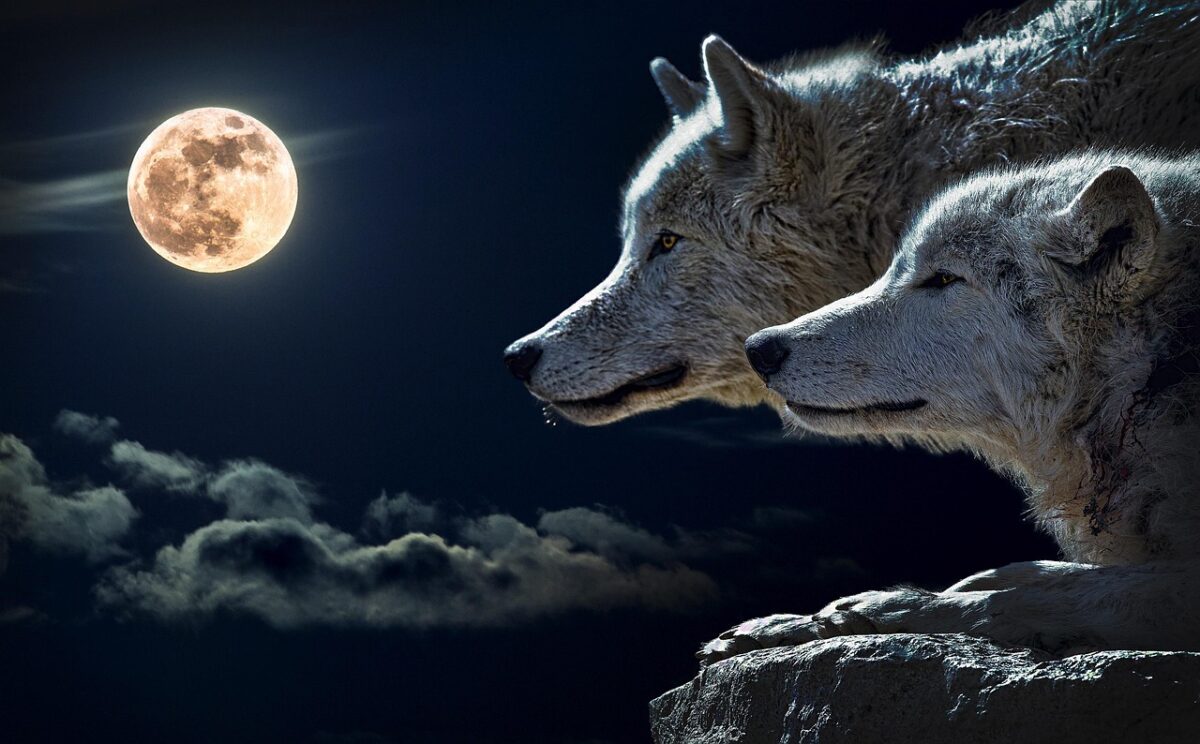
Ever wondered why some people naturally jump out of bed at dawn while others struggle to function until noon? Your sleep patterns might be more wild than you think. Scientists have discovered that our sleep habits mirror those of specific animals in the wild. From prowling wolves to early-rising lions, there’s a creature out there whose circadian rhythms match yours perfectly. Let’s dive in and discover which wild animal shares your sleeping personality.
The Science Behind Your Inner Animal Clock
Chronotype is the natural inclination of your body to sleep at a certain time, or what most people understand as being an early bird versus a night owl. Your genetic makeup determines whether you’re programmed for morning productivity or nighttime creativity. These patterns evolved millions of years ago when our ancestors needed different sleep schedules to ensure someone was always on guard duty.
An individual’s chronotype is influenced by genetics and driven by their circadian rhythm. Think of it like your body’s internal GPS system, constantly recalibrating to match your biological needs. Unlike what you might expect, this isn’t something you can simply change with willpower or caffeine.
Meet the Four Sleep Animals

The four sleep chronotypes are the bear, the lion, the wolf, and the dolphin. Each represents a distinct sleep pattern found both in the wild and among humans. These aren’t just cute nicknames – they’re based on real animal behaviors that scientists have studied for decades.
One of the most popular online quizzes was made by Dr. Michael Breus, who describes four kinds of chronotypes, based on sleep-wake patterns seen in animals. This breakthrough research connected human sleep science with animal behavior studies. The results reveal surprising similarities between how we sleep and how our wild counterparts rest.
Bears – The Sun Followers
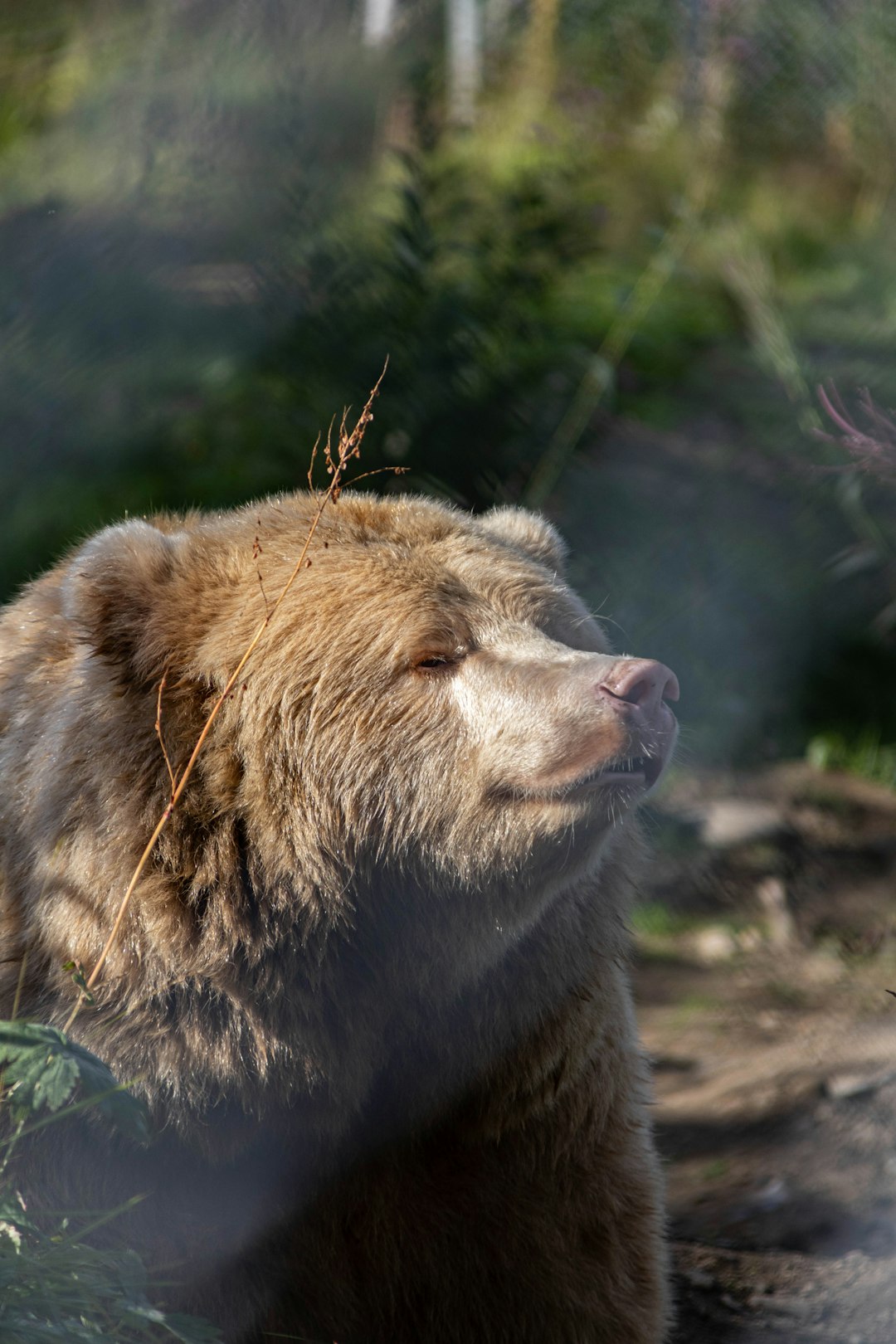
According to Dr. Breus, the bear chronotype makes up about 55% of the population. People with this intermediate chronotype tend to follow the sun. If you’re a bear, you probably feel most energetic during daylight hours and naturally wind down when darkness falls. Your sleep schedule mirrors that of actual bears in the wild.
As a bear, you sleep after the sun sets and are awake when the sun has risen. Most of modern society follows a schedule perfect for bears, which is no surprise since bears are over half of the population. This explains why typical work schedules feel natural to most people. Bears are typically more productive before noon and may experience a decrease in energy between 2 p.m. and 4 p.m. That afternoon energy dip isn’t laziness – it’s biology.
Lions – The Dawn Warriors
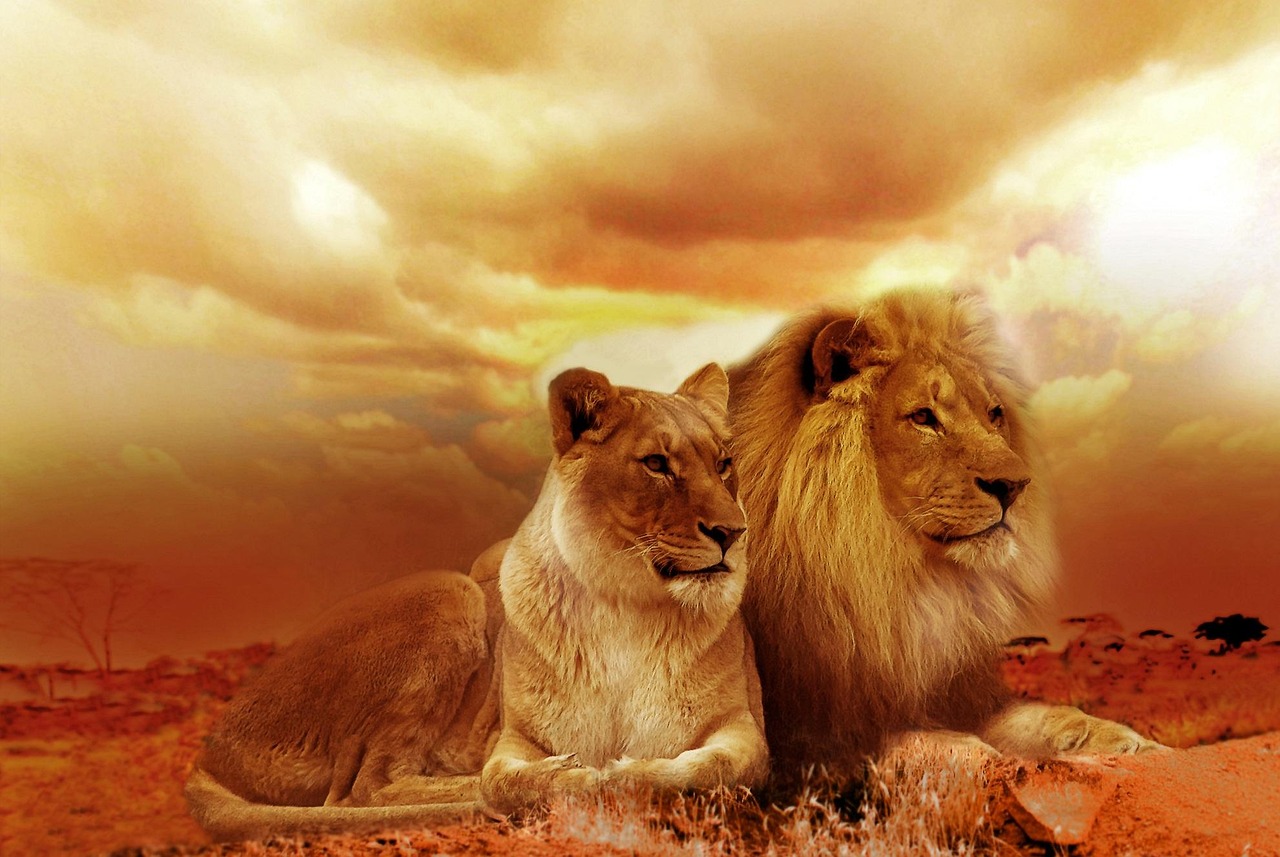
The chronotype most closely associated with being an “early bird” is the lion. Lions sleep earlier than bears and get up earlier in the morning. Lion chronotypes are natural leaders who tackle their biggest challenges before most people have their first cup of coffee. In the wild, lions hunt primarily during dawn hours when their prey is most vulnerable.
Lions are morning hunters, and people who are the Lion chronotype are the early risers of the world. Lions are optimistic, naturally disciplined (including about their sleep routines), practical, and goal-oriented. The lion chronotypes are the early risers of the world. These folks wake up early in the morning, brimming with vim and vigor to start their day. Lions are most productive in the morning hours before lunch, but as the hours tick by, they progressively lose steam. Lions typically crash hard in the evening, often struggling with late social events.
Wolves – The Night Prowlers

If you’re a wolf chronotype, you may have trouble waking up in the morning, preferring to sleep in until noon. Wolves are the true night owls of the human world. Wolves are nighttime hunters, and the Wolf chronotype has a strong preference for evenings. Wolves are the people who drag themselves out of bed before 9 a.m. and don’t start feeling really tired until midnight or so.
It may surprise many people that wolves are not nocturnal animals. Instead, these predators are crepuscular, but can be active at night too. Similarly, human wolves often feel most creative and energetic during evening hours. Wolves are creative, impulsive, and emotionally intense. They love to seek out new experiences and are natural risk-takers. This chronotype often clashes with traditional schedules, making wolves feel perpetually jet-lagged in a morning-oriented world.
Dolphins – The Light Sleepers
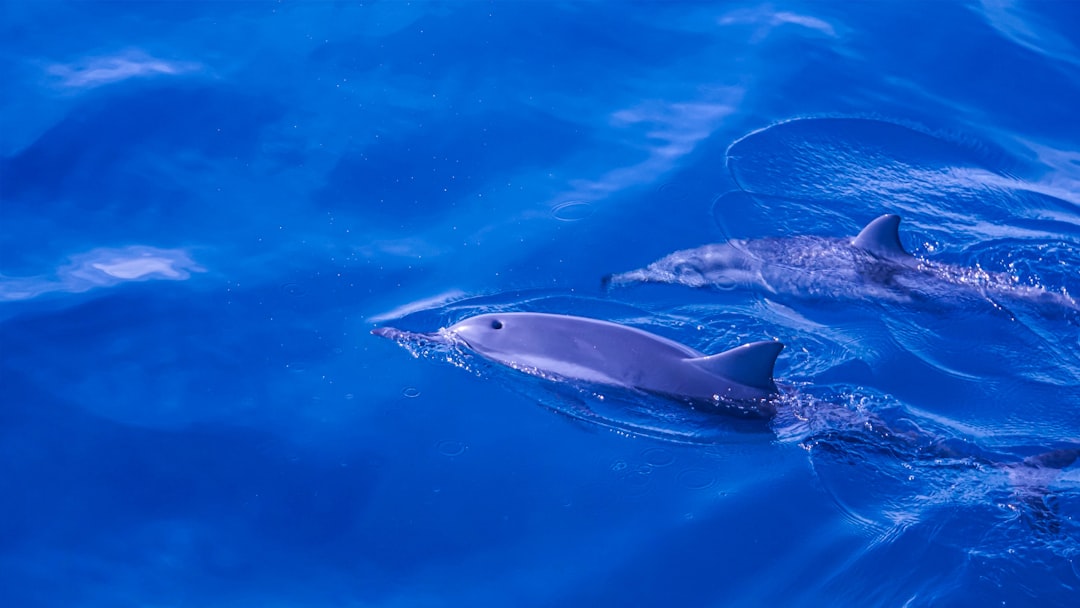
This chronotype gets its name because dolphins in the wild remain alert while sleeping to evade predators. People with this chronotype tend to be sensitive to light and noise while they sleep, and prone to fragmented sleep patterns. Many are considered insomniacs. This is the rarest chronotype and comprise only about 10% of the population. If you are a Dolphin, you tend to be a light sleeper, easily disturbed by noise and temperature changes, often waking up in the middle of the night.
Dolphin humans often feel tired even after a full night’s sleep because their rest is frequently interrupted. The insomniac of the water, actual dolphins sleep with half of their brain on at a time – this helps them stay alert and aware of predators. Similar to their nocturnal counterpart, there is always underlying tiredness for dolphins due to their anxious sleeping behaviors – including having a hard time falling asleep each night and rarely getting a full night of sleep. The upside of being a Dolphin is that your peak productivity hours span from around 3pm to 9pm but can start in late morning.
How Wild Animals Really Sleep
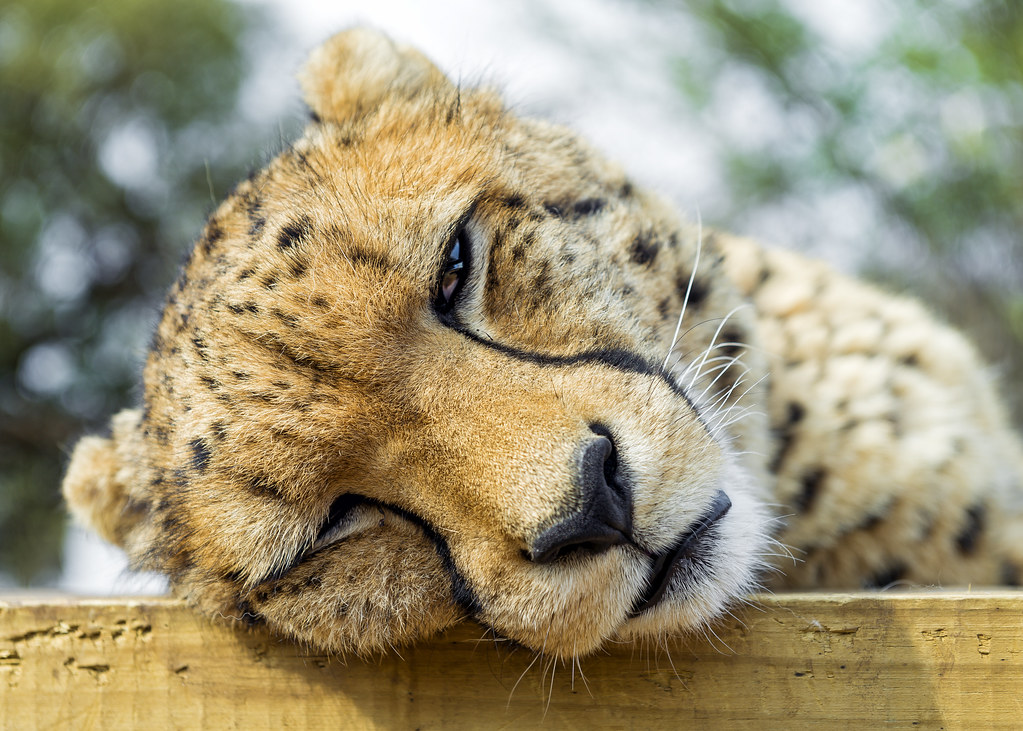
Most animals feature an internal circadian clock dictating a healthy sleep schedule; diurnal organisms, such as humans, prefer to sleep at night; nocturnal organisms, such as rats, prefer to sleep in the day, and crepuscular organisms, such as felidae, prefer to sleep for periods during both. Wild animals have adapted their sleep patterns to survive in harsh environments where staying awake at the wrong time could mean death.
Some, such as bats, sleep 18–20 hours per day, while others, including giraffes, sleep only 3–4 hours per day. Evidence suggests that nocturnal primates display on average longer sleep durations (13–17 h daily) compared to diurnal species that sleep for 8–11 h. These dramatic differences show how evolution shaped sleep to match survival needs rather than comfort.
Environmental Forces Shape Sleep Patterns
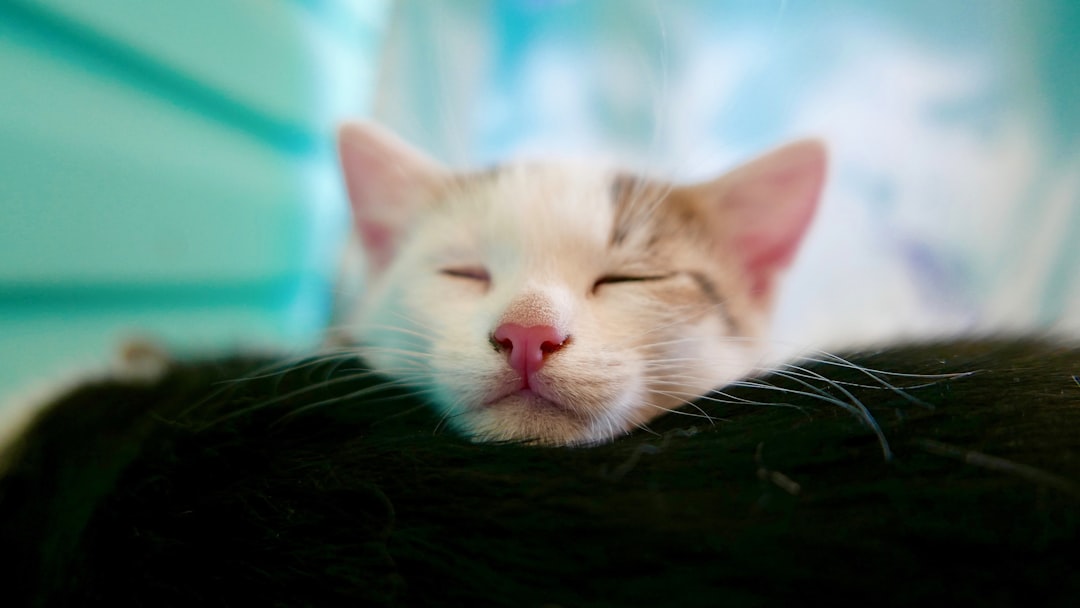
The various patterns of activity are thought to be mainly antipredator adaptations, though some could equally well be predatory adaptations. Many predators forage most intensively at night, whereas others are active at midday and see best in full sun. Animals constantly adjust their sleep schedules based on food availability, temperature changes, and predator threats.
Climate change has led to an increasing number of diurnal species to push their activity patterns closer towards crepuscular or fully nocturnal behavior. This adaptive measure allows species to avoid the day’s heat, without having to leave that particular habitat. Even in the wild, sleep patterns are more flexible than we once believed. Animals demonstrate remarkable adaptability when survival demands it.
Why Your Chronotype Matters
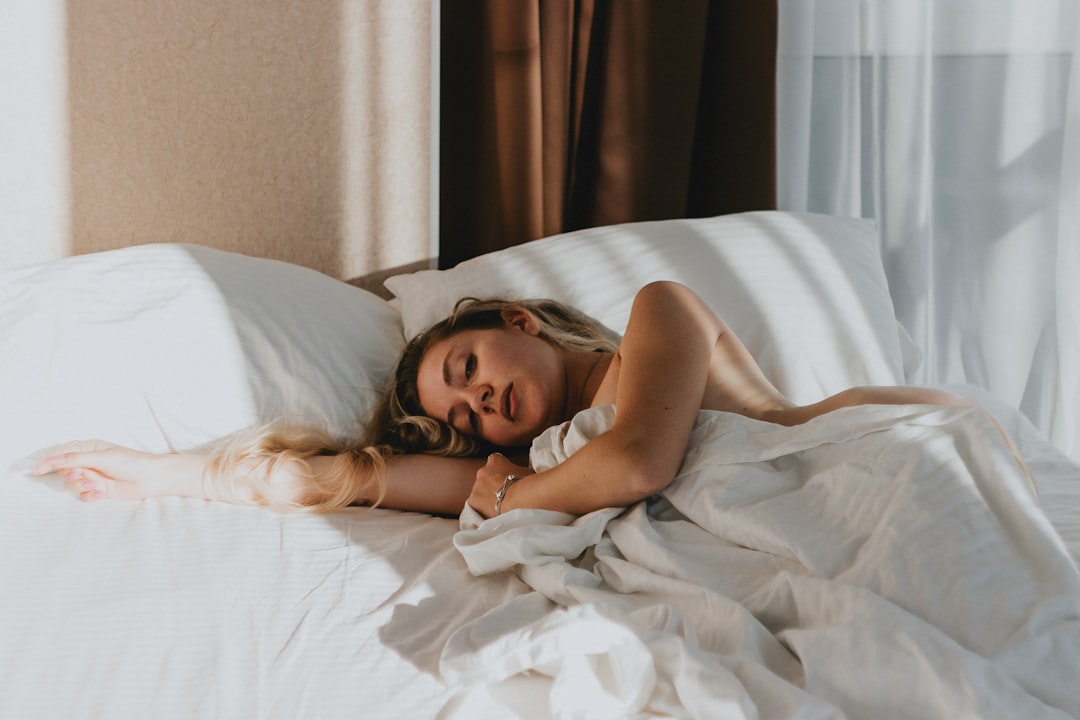
Adapting to one’s natural chronotype can improve your sleep quality, energy, and mood. Fighting against your natural patterns creates unnecessary stress and reduces performance. Adopting a routine that aligns with your chronotype can help ensure you’ll get enough high-quality sleep each night, even if your body doesn’t follow what’s considered a “normal” sleep schedule.
Chronotypes also influence other aspects of daily life, such as your appetite, core body temperature, productivity level, and libido. Understanding your animal match helps explain why certain times feel natural for exercise, creative work, or social activities. Chronotypes don’t determine or influence how much sleep we need, but they can give you some insight into the best timing for your sleep and wake schedules. By understanding your chronotype, you can improve your sleep, maximize your productivity, and live your best life.
Conclusion: Embrace Your Wild Side
Your sleep patterns connect you to ancient survival mechanisms that kept our species alive for millions of years. Whether you’re an early-rising lion, sun-following bear, nocturnal wolf, or vigilant dolphin, your chronotype reflects a successful evolutionary strategy. Instead of fighting your natural rhythms, consider working with them to optimize your daily life.
The next time someone tells you that early birds catch all the worms, remember that wolves catch different prey entirely. Each chronotype brings unique strengths to the table. Your body knows what it’s doing – it just might be speaking the language of your wild animal counterpart. What do you think about it? Tell us in the comments which animal matches your sleep style best.

- 14 Signs a Dog Near the Rainbow Bridge Is at Peace With Its Person - July 21, 2026
- 15 Ways a Shelter Animal Tells You It Was Always Meant to Be Yours - July 21, 2026
- 14 Ways a Dog Shows You Are the Center of Its Whole World - July 21, 2026