


The African savannah, a vast ecosystem characterized by grassy plains and scattered trees, is facing unprecedented threats from human activities, climate change, and ecological imbalances. This iconic landscape, which has evolved alongside its diverse inhabitants for millennia, now stands at a critical crossroads. Among the many potential conservation strategies, one provocative idea has emerged: could reintroducing lions to areas where they’ve been extirpated help restore the ecological balance of the savannah? Lions, as apex predators, play a crucial role in maintaining healthy ecosystems, but their populations have declined by approximately 43% in the last three decades. This article explores the complex ecological relationships between lions and the savannah, examining whether strategic reintroduction efforts could help preserve this threatened ecosystem for future generations.
The Current State of African Lions

African lion populations have experienced alarming declines over the past century. Historical estimates suggest that lions once roamed much of Africa, the Middle East, and even parts of Europe and Asia. Today, their range has contracted dramatically, with wild populations primarily restricted to sub-Saharan Africa. According to the International Union for Conservation of Nature (IUCN), only about 20,000 to 25,000 lions remain in the wild—a stark contrast to the estimated 200,000 that existed a century ago.
This 90% reduction has placed lions on the IUCN Red List as “Vulnerable,” with some regional populations considered “Critically Endangered.” The primary threats include habitat loss, prey depletion, human-wildlife conflict, trophy hunting, and disease. In West and Central Africa, lion populations are particularly fragmented and at risk of local extinction, with some protected areas containing fewer than 50 individuals.
The Ecological Role of Lions in Savannah Ecosystems
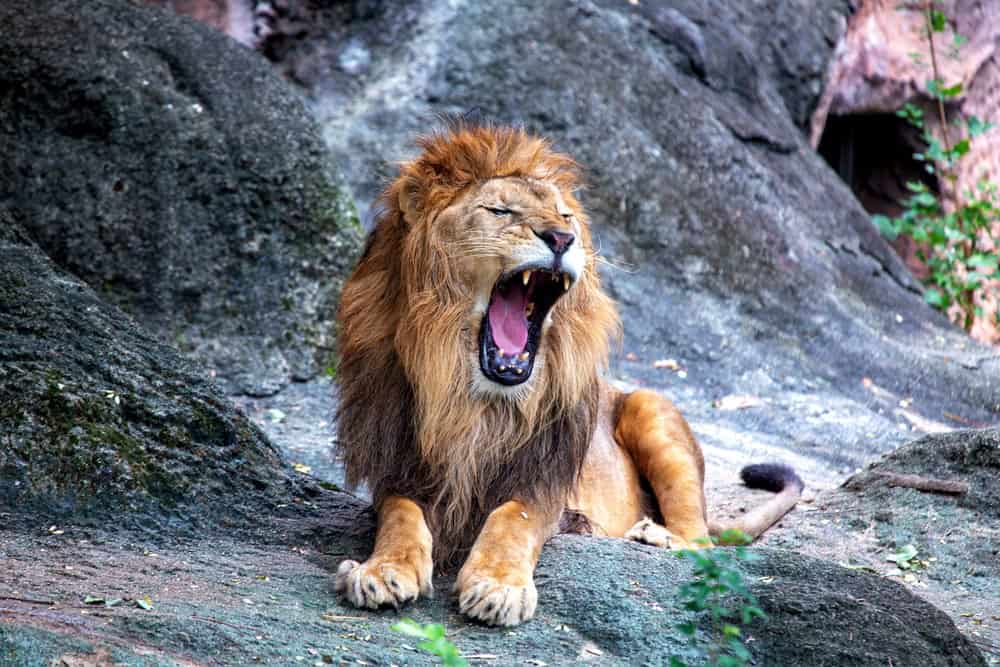
Lions function as keystone species within savannah ecosystems, exerting disproportionate influence relative to their abundance. As apex predators, they help regulate herbivore populations, particularly middle-sized ungulates like zebras, wildebeests, and various antelope species. This regulation prevents overgrazing and maintains vegetation structure, which in turn supports countless other species.
Research in Serengeti National Park has demonstrated that in the absence of lions, mesopredators (medium-sized predators) like hyenas and jackals increase in number, creating ripple effects throughout the food web. Lions also influence prey behavior through what ecologists call “the landscape of fear”—herbivores modify their grazing patterns and habitat use to avoid predation, creating a mosaic of vegetation at different growth stages. This dynamic interaction between predator and prey helps maintain the heterogeneity of the savannah landscape, promoting greater biodiversity and ecosystem resilience.
The Concept of Trophic Cascades

Trophic cascades represent one of ecology’s most fascinating phenomena, where changes at the top of the food chain trigger far-reaching effects throughout an ecosystem. When apex predators like lions are removed, herbivore populations often increase, leading to overgrazing, altered vegetation composition, and ultimately transformed landscapes. A well-documented example comes from Yellowstone National Park, where wolf reintroduction in the 1990s triggered remarkable ecosystem changes, including improved riverbank vegetation, increased beaver populations, and altered river morphology.
Similar cascades have been observed in African systems. In parts of the savannah where lions have disappeared, researchers have documented increased browsing pressure from ungulates, reduced tree recruitment, and altered fire regimes. These cascades don’t just affect wildlife—they impact ecosystem services crucial for human communities, including water purification, carbon sequestration, and soil retention. Understanding these complex interactions provides a compelling ecological rationale for considering lion reintroduction as a conservation strategy.
Historical Lion Reintroduction Efforts

Lion reintroduction initiatives, while less numerous than those for some other large carnivores, provide valuable insights into the potential effectiveness of future efforts. South Africa has been at the forefront of lion restoration, with notable projects in reserves like Phinda and Pilanesberg. In Phinda Private Game Reserve, lions were reintroduced in the early 1990s after being absent for nearly 50 years. The population has since stabilized and contributed to ecosystem restoration. .
Similarly, Pilanesberg National Park’s lion reintroduction in the 1990s has resulted in a self-sustaining population. These projects typically involve translocation of lions from areas with robust populations to protected areas with suitable habitat and prey base. Careful genetic management is essential, as demonstrated by the Lion Management Forum’s guidelines to prevent inbreeding in small, isolated reserves. While these examples demonstrate biological feasibility, they also highlight the intense management requirements, including adequate fencing, monitoring programs, and conflict mitigation strategies with surrounding communities.
Potential Benefits of Lion Reintroduction
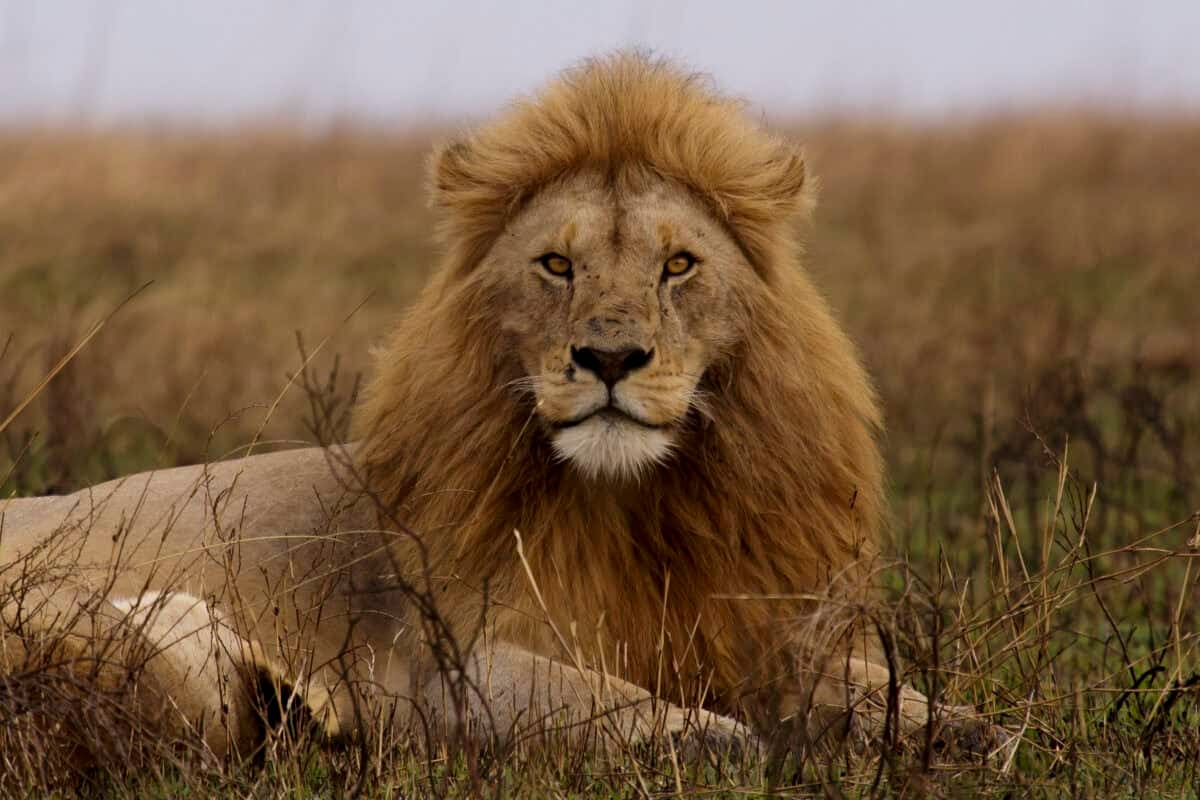
Reintroducing lions to areas where they’ve been extirpated offers multiple potential ecological benefits. First, as previously discussed, lions help regulate herbivore populations, preventing overgrazing and promoting vegetation diversity. A 2019 study in Mozambique’s Gorongosa National Park demonstrated that areas with reintroduced predators showed improved tree recruitment and more diverse herbaceous plant communities compared to predator-free zones. Second, lion presence can control mesopredator populations, potentially benefiting smaller prey species that might otherwise face increased predation pressure. Third, by influencing prey behavior, lions create habitat heterogeneity that benefits numerous species, from insects to birds. Beyond ecological benefits, lion reintroduction can drive economic advantages through ecotourism. Kenya’s wildlife tourism, heavily centered on big cat viewing, generates approximately $1 billion annually. Finally, successful reintroduction programs can serve as powerful conservation symbols, raising awareness about broader environmental issues and potentially catalyzing support for habitat protection beyond reserve boundaries.
Challenges and Limitations of Lion Reintroduction
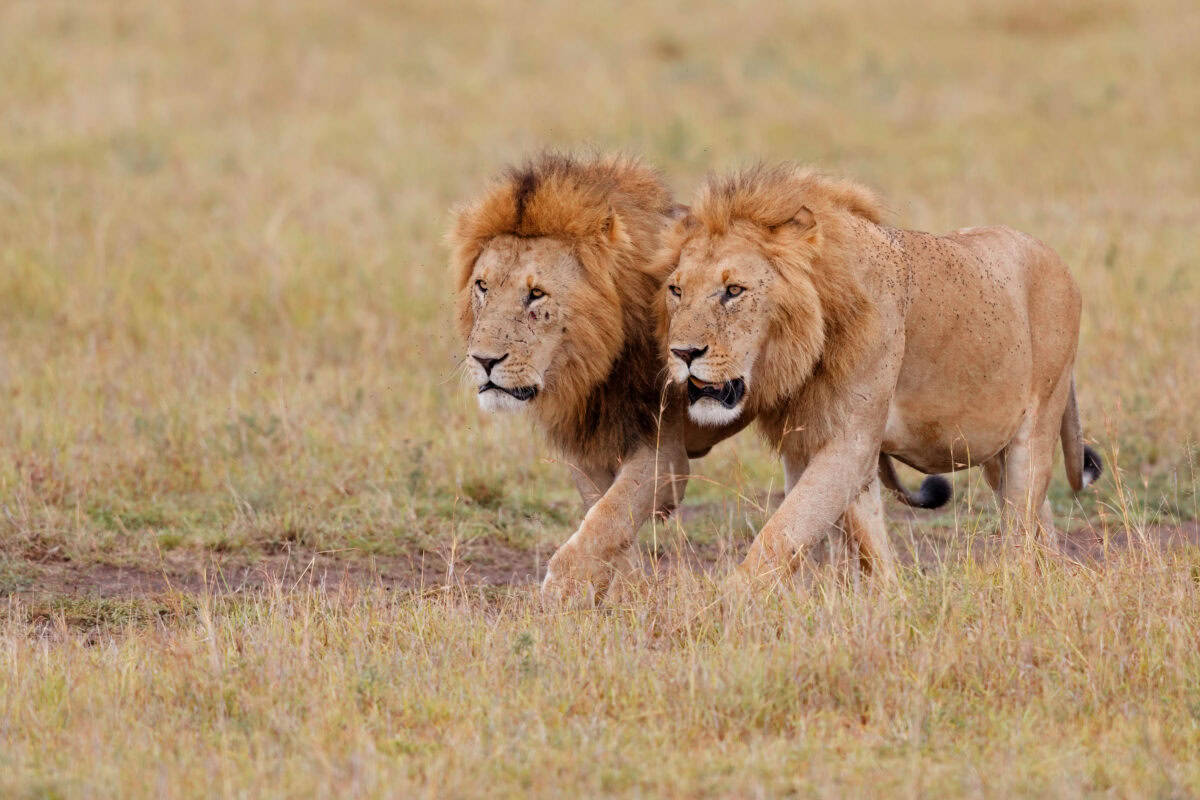
Despite its potential benefits, lion reintroduction faces substantial challenges. Human-wildlife conflict remains perhaps the greatest obstacle, particularly in regions with high human population density or extensive livestock husbandry. Lions can cause significant economic losses through livestock predation—a study in northern Tanzania documented annual losses of up to $290 per household in some communities. These conflicts sometimes result in retaliatory killing of lions, undermining conservation efforts. Habitat fragmentation presents another challenge, as lions require large, connected territories to maintain viable populations.
Many potential reintroduction sites may be too small or isolated to support self-sustaining lion populations without intensive management. Disease transmission between reintroduced lions and domestic animals poses bidirectional risks, with diseases like canine distemper and bovine tuberculosis documented in wild lion populations. Finally, genetic considerations are crucial; small founder populations can suffer from inbreeding depression and reduced adaptive potential. The failed lion reintroduction in Hluhluwe-iMfolozi Park in the 1960s, which resulted in genetic abnormalities due to a limited founder population, serves as a cautionary example.
Human-Wildlife Conflict Mitigation Strategies

Successful lion reintroduction hinges on effective human-wildlife conflict mitigation. Traditional approaches like compensation schemes for livestock losses have shown mixed results—while they can alleviate economic hardship, they don’t necessarily reduce killing of predators and can be plagued by verification difficulties and delayed payments. More promising are preventative measures that reduce lion predation on livestock. These include improved livestock enclosures (bomas), particularly those reinforced with living walls of thorny plants like Commiphora, which have reduced nighttime predation by over 80% in some communities. Guardian dogs specifically bred and trained to protect livestock have proven effective in several African countries.
Community-based conservation programs that provide tangible benefits from wildlife presence, such as Namibia’s communal conservancies, have successfully aligned conservation goals with community interests. Innovative approaches include lion lights—solar-powered LED lights that flash intermittently around livestock enclosures, deterring predator approaches—and early warning systems that alert herders when collared lions approach livestock areas. Long-term success requires combining these technical solutions with genuine community involvement in decision-making processes.
Site Selection Criteria for Reintroduction

Identifying suitable reintroduction sites requires careful assessment of multiple ecological and socioeconomic factors. Adequate prey base stands as the foremost requirement—lions need access to sufficient ungulate populations to sustain themselves without causing prey depletion or shifting to livestock predation. A general rule suggests a minimum of 40-50 kg of prey biomass per square kilometer to support viable lion populations. Habitat characteristics matter significantly; lions prefer savannah woodlands with a mix of open areas for hunting and cover for stalking prey and protecting cubs. Water availability influences both lion and prey distribution, particularly during dry seasons.
Territory size requirements must be considered—lions typically require 20-400 square kilometers per pride, depending on prey density and habitat quality. Protected status and management capacity are essential; sites must have legal protection and sufficient resources for monitoring and management interventions. Buffer zones between lion habitat and human settlements reduce conflict potential, with research suggesting minimum buffers of 5-10 kilometers. Finally, connectivity to other lion populations, either through corridors or metapopulation management, promotes genetic diversity and population resilience. Comprehensive site assessments using these criteria have identified promising reintroduction opportunities in countries including Malawi, Rwanda, and parts of West Africa.
Case Study: Lion Restoration in Akagera National Park, Rwanda

Akagera National Park represents one of the most successful recent lion reintroduction efforts in Africa. Lions disappeared from this Rwandan park during and after the 1994 genocide, when returning refugees settled in the park with their livestock, leading to habitat conversion and elimination of large predators. After significant boundary changes and management improvements, African Parks (a conservation NGO) partnered with the Rwanda Development Board in 2010 to restore the park. In 2015, seven lions (five females and two males) were translocated from South Africa to Akagera—the first lions in Rwanda in over 15 years.
Intensive preparation included construction of a 120-kilometer predator-proof fence, extensive community engagement programs, and development of rapid-response teams to address potential conflicts. The lions were initially kept in a quarantine boma before release, allowing them to acclimate to their new environment. The results have been remarkable: by 2021, the population had more than tripled to 25 individuals through natural reproduction. Tourism revenue increased by 300% following the reintroduction, providing economic benefits to surrounding communities. While challenges remain, particularly regarding long-term genetic management, Akagera demonstrates how careful planning, community involvement, and adaptive management can lead to successful lion restoration.
Economic and Social Dimensions
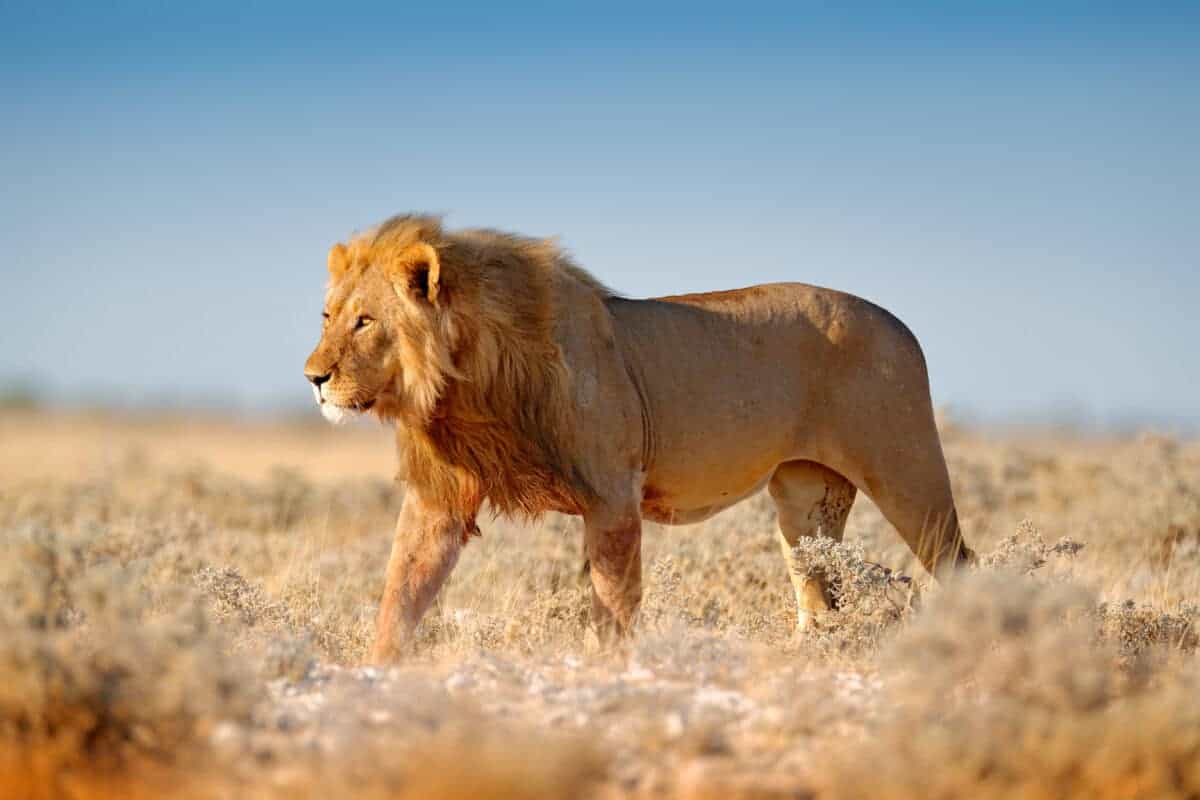
The economic implications of lion reintroduction extend far beyond conservation biology. Tourism represents the most obvious economic benefit—lions are flagship species that attract visitors and their spending. A study in Botswana found that tourists were willing to pay 22% more for safaris that guaranteed lion sightings. In South Africa’s private reserves, the presence of lions can increase land values by up to 30%. However, these benefits often accrue unevenly, primarily benefiting tourism operators rather than local communities who bear the costs of living with dangerous predators. More equitable models include community-owned conservancies like those in Namibia, where tourism revenue is directly channeled to local residents.
The social dimensions are equally complex. In many African cultures, lions hold profound symbolic importance—they may represent strength, courage, or leadership, and killing a lion traditionally conferred status in some communities like the Maasai. Conversely, lions can symbolize government control over traditional lands, particularly when reintroductions occur without meaningful community consultation. Successful reintroduction programs must navigate these complex socio-cultural landscapes, respecting traditional knowledge while addressing legitimate concerns about safety and livelihoods.
Alternative Conservation Approaches
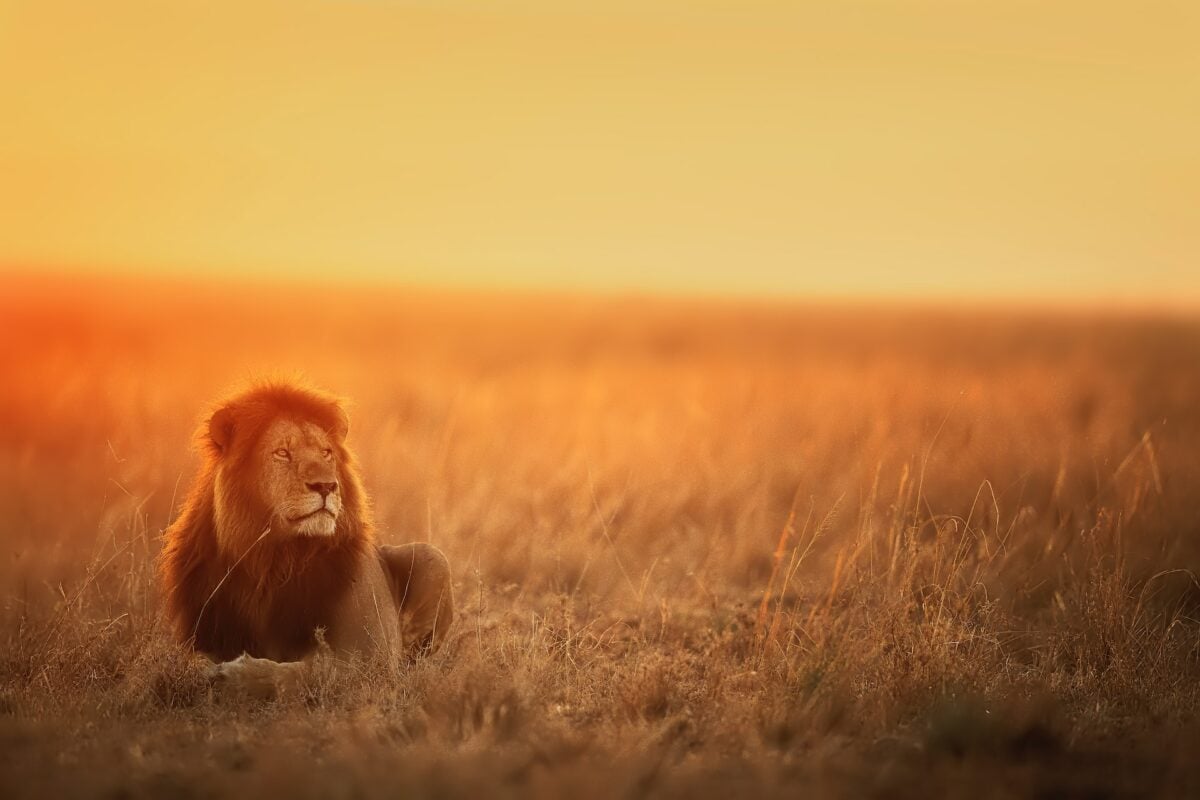
While lion reintroduction represents one approach to savannah conservation, several alternatives or complementary strategies warrant consideration. Habitat protection and connectivity initiatives focus on preserving and linking remaining lion habitats, allowing natural recolonization rather than active reintroduction. The Kavango-Zambezi Transfrontier Conservation Area (KAZA), spanning five countries in southern Africa, exemplifies this approach, creating wildlife corridors that facilitate lion movement between protected areas. Community-based conservation programs like Kenya’s Northern Rangelands Trust empower local communities to manage wildlife resources sustainably, often resulting in lion population recoveries without formal reintroduction.
Ex-situ conservation through captive breeding programs maintains genetic diversity, though controversy exists regarding the effectiveness of captive-bred lions for reintroduction purposes. Translocation of “problem” lions from conflict areas to protected areas with depleted populations offers another approach, simultaneously addressing human-wildlife conflict and bolstering threatened populations. Finally, some conservationists advocate for intensive management of small, fenced reserves—the “managed metapopulation” approach pioneered in South Africa—where lions are periodically exchanged between reserves to maintain genetic diversity. Each approach has strengths and limitations, and optimal strategies likely involve combining elements based on local contexts.
The Role of Technology in Lion Conservation
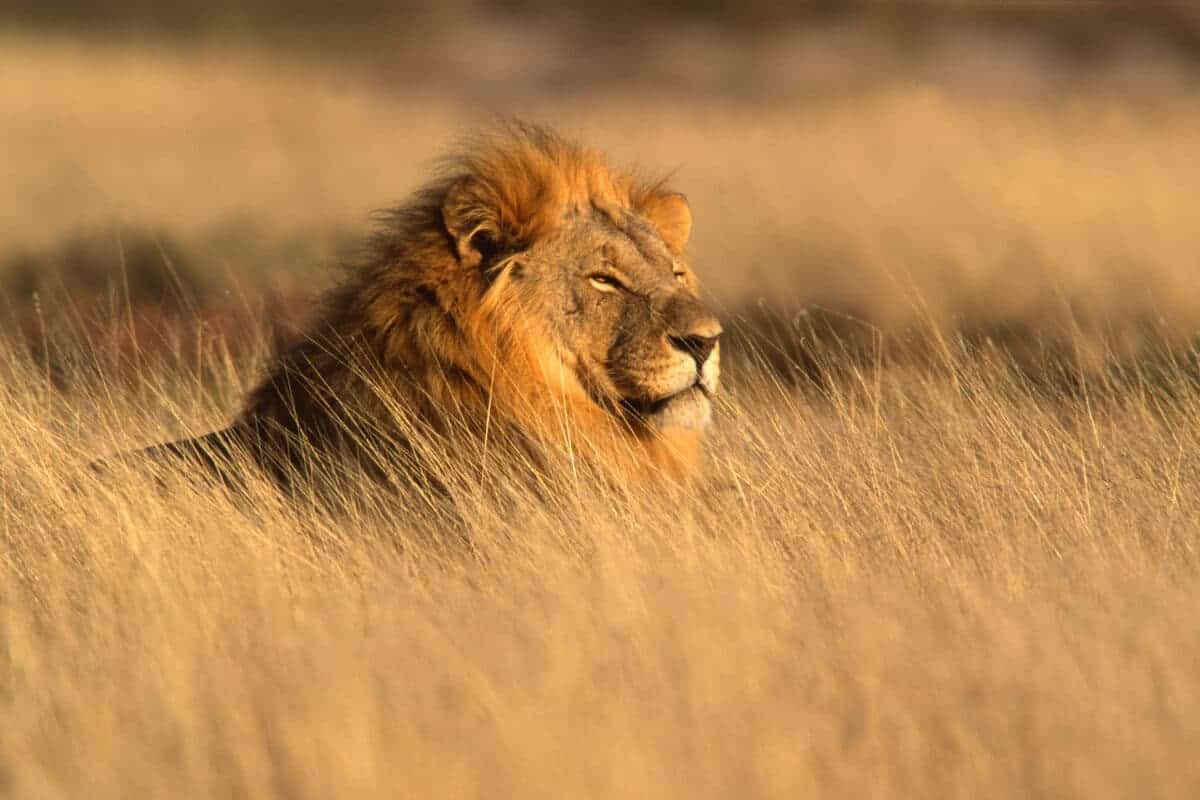
Technological innovations are revolutionizing lion conservation and reintroduction efforts. GPS collars provide unprecedented insights into lion movements, habitat use, and potential conflict hotspots. These collars now incorporate geofencing capabilities that can trigger alerts when lions approach community boundaries, enabling proactive conflict prevention. Camera trap networks, increasingly powered by artificial intelligence for image recognition, allow non-invasive monitoring of reintroduced populations, providing critical data on pride composition, reproductive success, and behavioral patterns. Genetic tools have become essential for metapopulation management, with DNA analysis informing breeding recommendations to maximize genetic diversity.
Environmental DNA (eDNA) sampling offers a promising method for detecting lion presence in new areas without direct observation. Drone technology assists with anti-poaching efforts and habitat monitoring, while mobile applications connect communities with conservation authorities, facilitating rapid reporting of lion sightings or conflicts. Perhaps most promising are integrated systems that combine multiple technologies—for instance, the SMART (Spatial Monitoring and Reporting Tool) conservation software integrates field data from multiple sources to inform adaptive management decisions. As these technologies become more affordable and accessible, they offer unprecedented opportunities to monitor and manage reintroduced lion populations while minimizing conflicts.
Future Directions and Research Needs
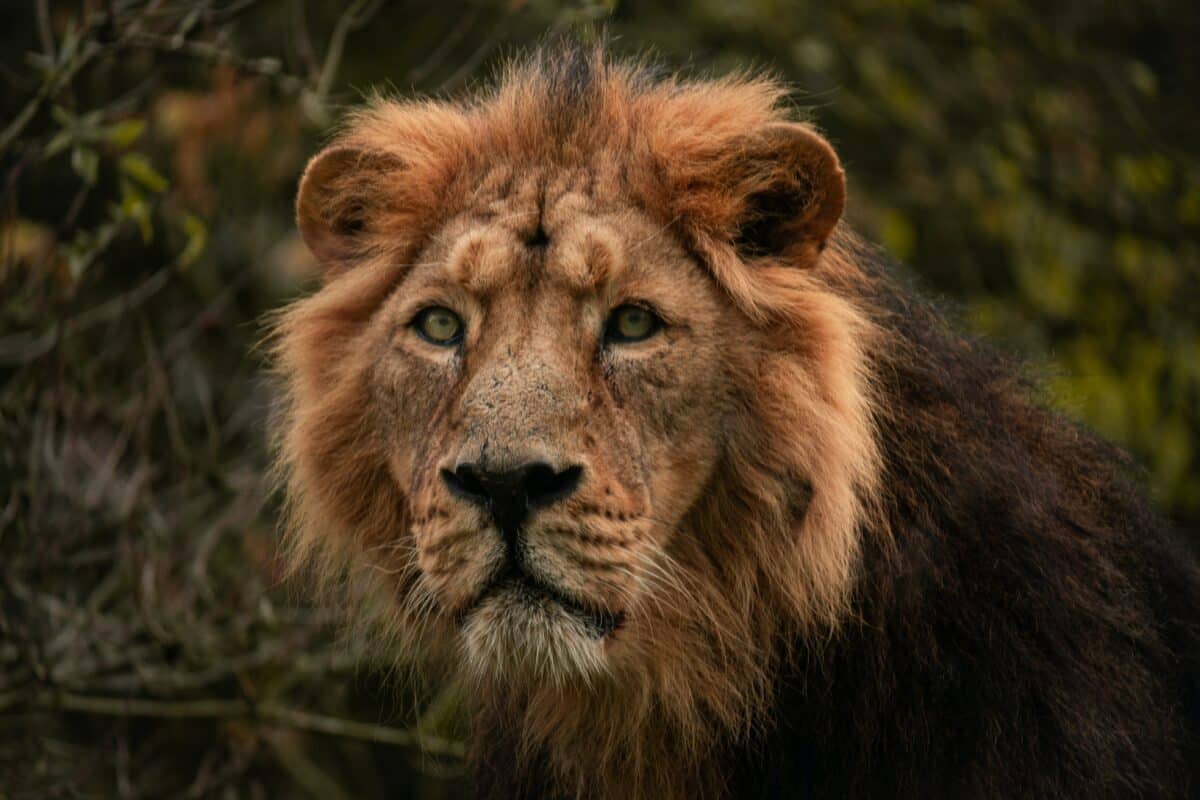
The future of lion reintroduction as a conservation strategy depends on addressing several critical knowledge gaps. Long-term studies of existing reintroduction efforts are essential to understand the multi-generational ecological and genetic outcomes. Current monitoring rarely extends beyond immediate post-release survival and reproduction to examine broader ecosystem effects or genetic viability over decades. Better understanding of the minimum viable population size for reintroduced lions in different contexts would improve planning—current estimates range from 50 to 250 individuals, creating significant uncertainty for managers.
Research on climate change impacts on potential reintroduction sites is urgently needed, as shifting rainfall patterns could fundamentally alter habitat suitability and prey availability. More sophisticated economic analyses that fully account for both costs (including opportunity costs to local communities) and benefits (including ecosystem services) would provide a more complete picture of reintroduction feasibility. Perhaps most importantly, interdisciplinary research integrating ecological, social, and political dimensions is essential—successful reintroduction requires not just biological understanding but also insights into governance systems, power dynamics, and cultural values. Emerging research methodologies like agent-based modeling show promise for integrating these complex factors to predict reintroduction outcomes under different scenarios.
Conclusion: Can Lions Save the Savannah?
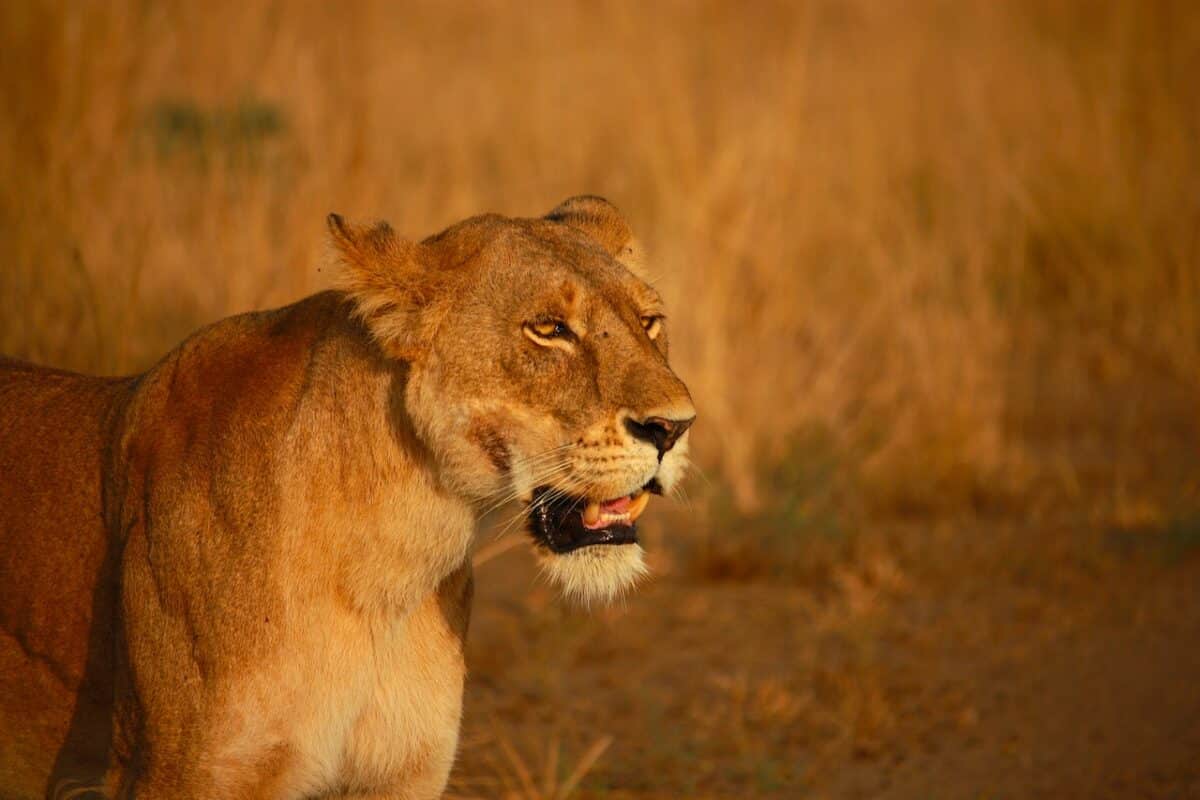
The question of whether reintroducing lions can save the savannah resists simple answers, reflecting the complexity of both the ecological systems involved and the human contexts in which conservation occurs. The evidence suggests that lion reintroduction, when carefully planned and implemented, can indeed contribute significantly to restoring ecological processes in savannah ecosystems. Lions’ roles in regulating herbivore populations, influencing prey behavior, and triggering trophic cascades make them powerful agents of ecosystem restoration. However, reintroduction represents just one tool in a broader conservation toolkit, not a silver bullet solution.
The most successful approaches will likely integrate lion restoration with complementary strategies including habitat protection, corridor development, community-based conservation, and sustainable land-use planning. Perhaps most importantly, the future of both lions and savannahs ultimately depends on addressing the underlying drivers of ecosystem degradation—human population growth, unsustainable development patterns, and climate change. Lion reintroduction thus represents not just an ecological intervention but an opportunity to reimagine human relationships with predators and the landscapes they inhabit, working toward a future where people and lions can coexist across Africa’s iconic savannahs.

From exploring the marine wonders in the Azores and witnessing the vast savannas of Kenya, to delving deep into the rich biodiversity of South Africa and traversing iconic landscapes in Australia and the US like Yellowstone, Chris's experiences are vast.
With a penchant for diving alongside sharks, the ocean holds a special place in his heart.
Through his academic insights, he champions wildlife conservation, striving with 'Animals Around The Globe' to cultivate a profound connection between humans and animals, enhancing our mutual appreciation.
Connect with him at Feedback@animalsaroundtheglobe.com.
- The Lizard That Shoots Blood From Its Eyes - July 21, 2026
- What Happens If Fireflies Stop Glowing? - July 21, 2026
- Coyotes Are Thriving in Every U.S. State — Even New York City - July 21, 2026