

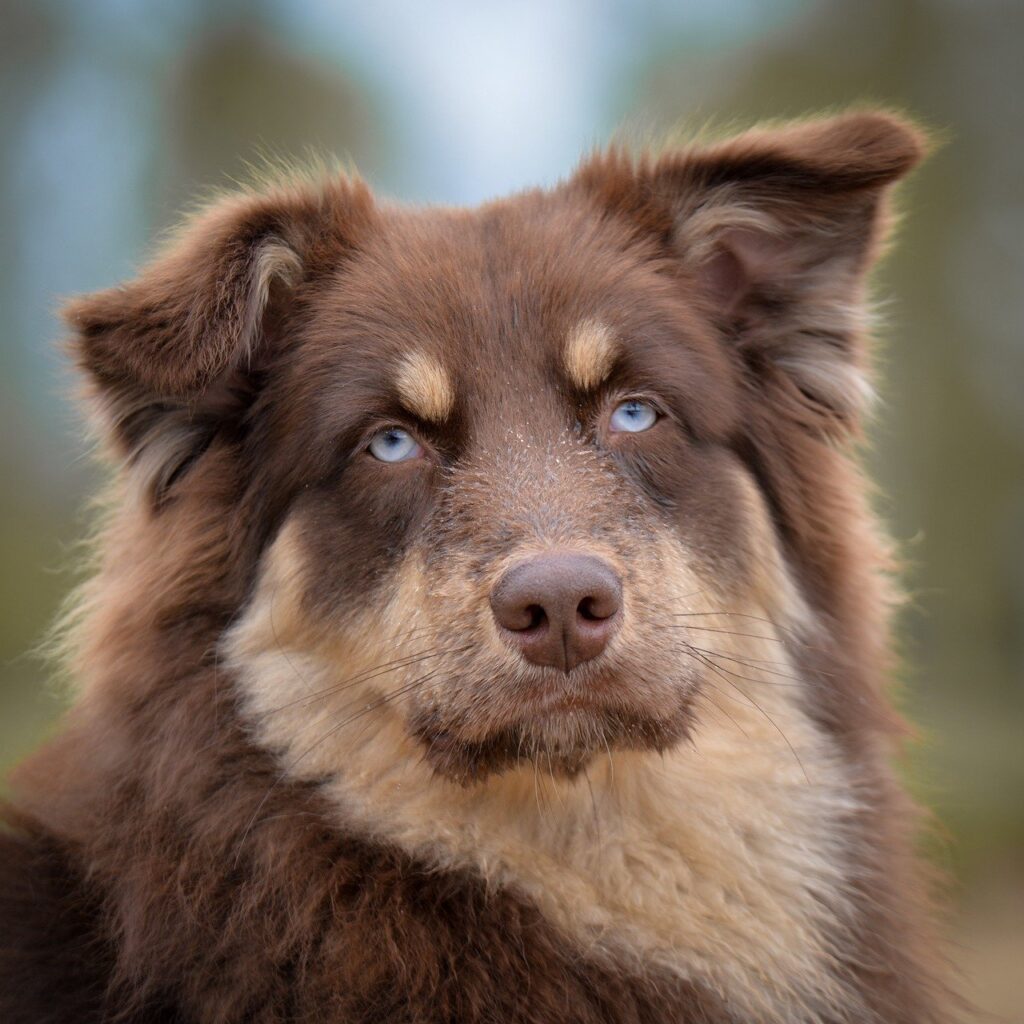
Your furry companion might be putting on a brave face while silently struggling with stress, discomfort, or even sadness. Many dog owners miss these subtle warning signs, convinced their pet is content when warning signals are actually flashing right before their eyes.
Dogs are masters at hiding their true feelings. Unlike humans, they can’t simply tell us when something’s bothering them. Instead, they communicate through a complex language of body movements, behavioral changes, and physical symptoms that often go unnoticed by even the most devoted pet parents.
Understanding these hidden distress signals could be the key to improving your dog’s quality of life dramatically. Let’s dive into the surprising signs that reveal what your dog might really be feeling inside.
Your Dog Keeps Licking Their Lips When No Food Is Around

You might think your dog is just being cute when they lick their lips, especially if they’re staring at you with those big eyes. However, lip-licking when no food is present is actually a sign of stress, fear, or nervousness. This behavior is often accompanied by other anxiety signals that many owners overlook.
If your dog is demonstrating licking behaviors in the absence of appetizing smells or wet paws, this is a signal that he is experiencing anxiety. Lip licking may be an early sign of stress, particularly when accompanied by a tight mouth and often a whining sound.
Their Tail Is Wagging, But Something Feels Off
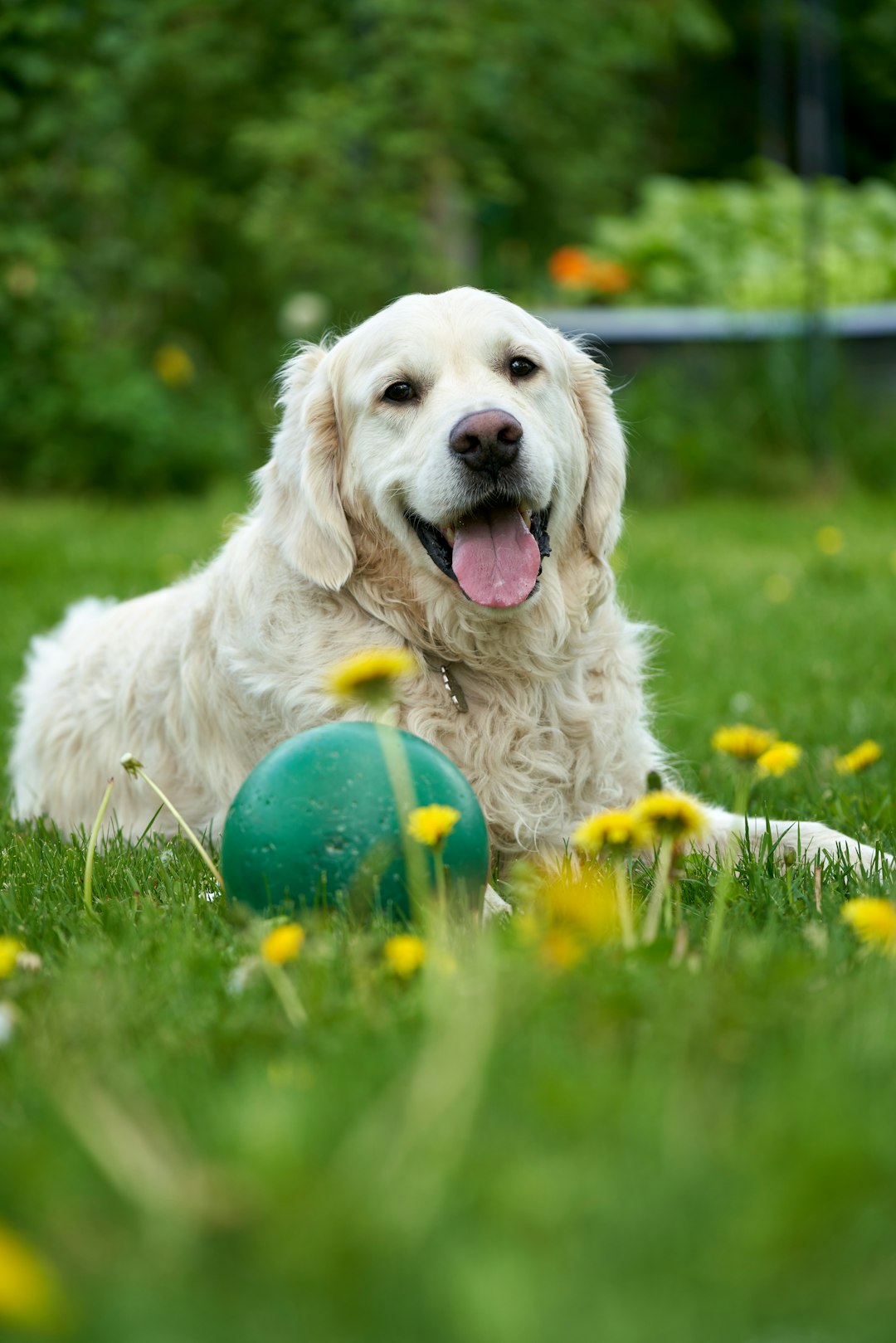
Tail wags are often misconceived as a happy sign. If your dog’s tail is low and has a slight, stiff wag, this doesn’t mean that he is enjoying himself. The position and speed of your dog’s tail movement tells a much more complex story than most people realize.
A tucked or low, fast-wagging tail can mean: “I am scared or unsure.” A high, stiff wag can mean: “I am agitated or aroused.” Dogs with their tails pointing down to the ground or even tucked between their legs are feeling fear and stress. Dogs with their tails held up like a flag are feeling confident, perhaps even aggressive.
They’re Panting Heavily Without Exercise or Heat
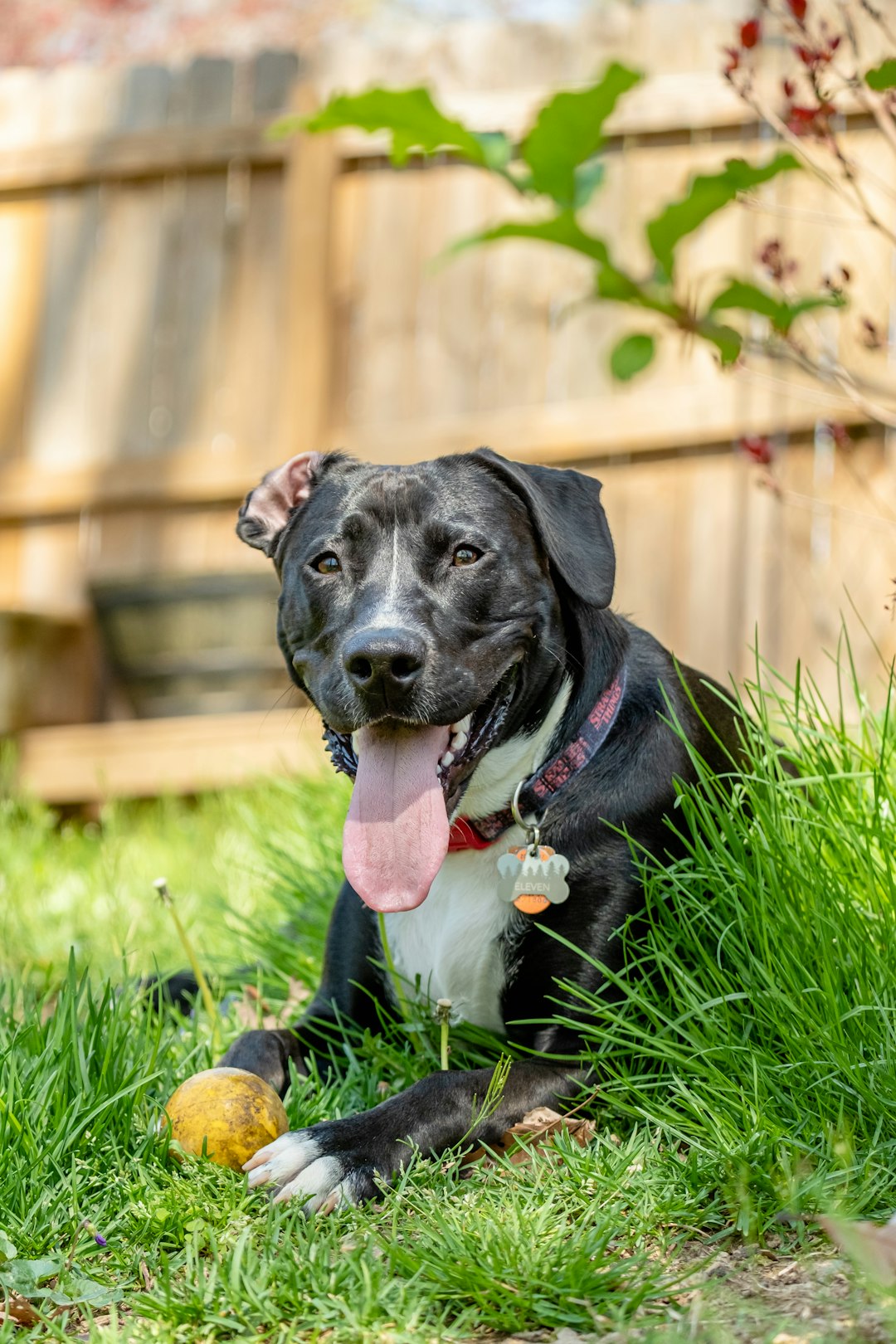
Dogs pant when hot, excited, or stressed. If your dog is panting even though they have not exercised, they may be experiencing stress. This is one of the most overlooked signs because panting seems so normal for dogs in general.
While panting is normal for dogs to regulate body temperature, excessive panting without apparent cause could indicate stress or anxiety. When dogs feel anxious or stressed, their bodies may release stress hormones such as cortisol, which can trigger physiological changes, including increased respiratory rate (panting).
Their Ears Are Constantly Pinned Back
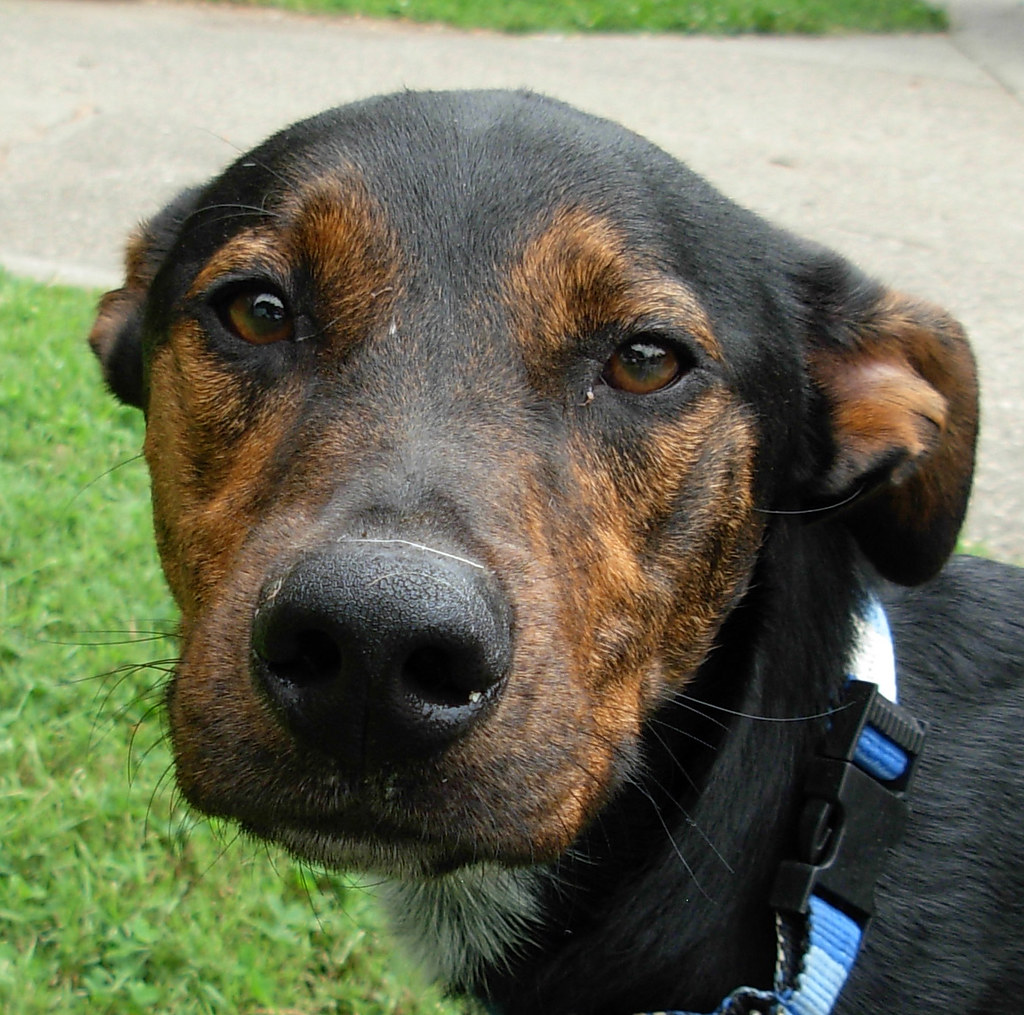
When a dog pulls their ears back tight or flattens them, it is usually a sign of stress. The body language of a stressed pooch is hard to miss. Many dog owners mistake this for their pet being “good” or submissive, missing the underlying anxiety.
They may have their ears back and possibly flattened against their head. Their pupils may be dilated and they might be giving you “whale eye.” A dog with a tense posture and ears pinned straight back is probably feeling extremely scared.
They Show “Whale Eye” – The Whites of Their Eyes
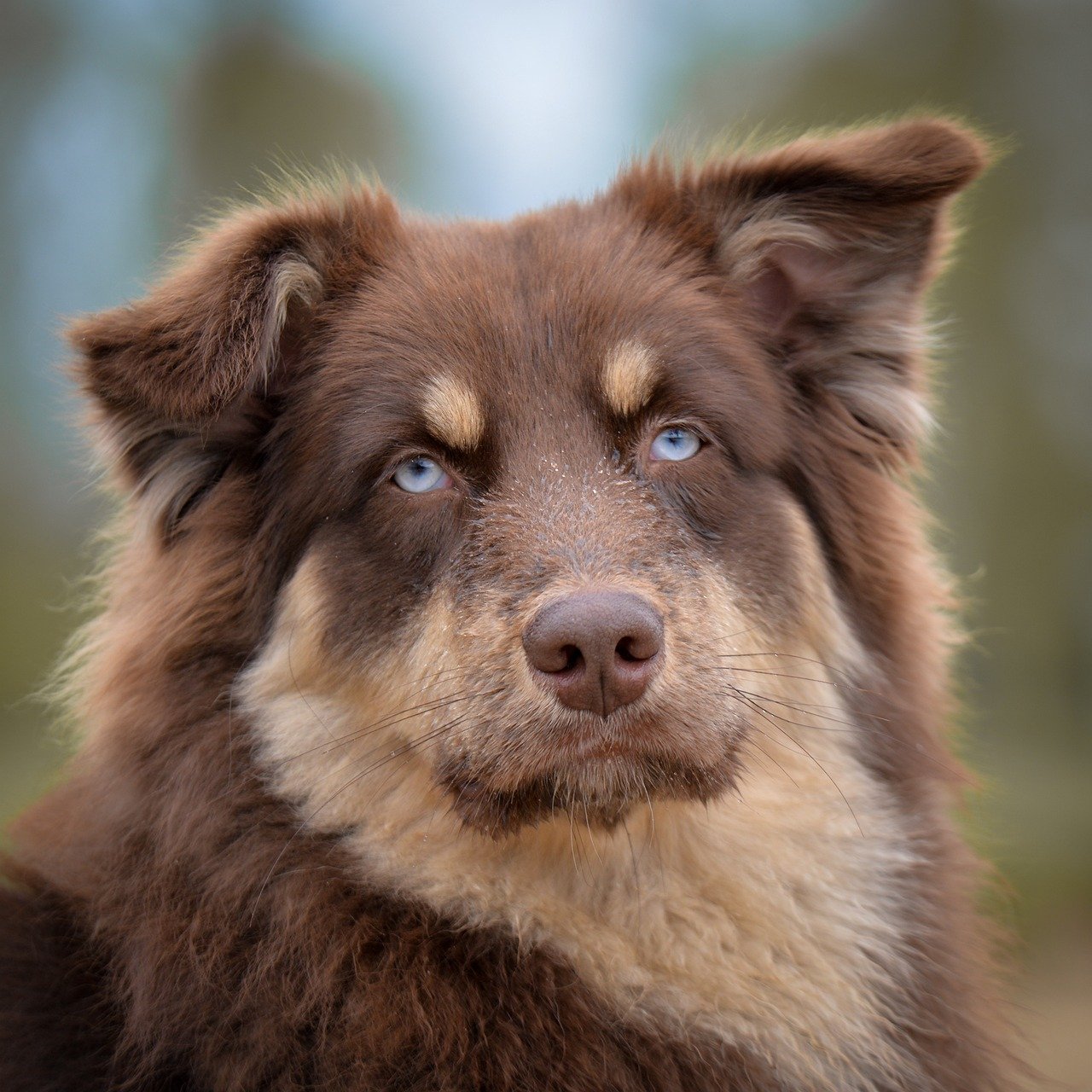
Whale eye or “half-moon eye” is usually seen in dogs who are feeling stressed or anxious. The dog will turn their head away but keep looking at whomever or whatever is causing the stress or perceived threat. This makes the white of their eyes appear as a half-moon shape.
When a dog is calm and relaxed, you don’t usually see much white around her eyes. The “half-moon” refers to the white arc that is often seen when a dog is stressed and trying to hold it in. This subtle sign is often the first warning before more obvious stress behaviors emerge.
They’re Yawning When They’re Not Tired
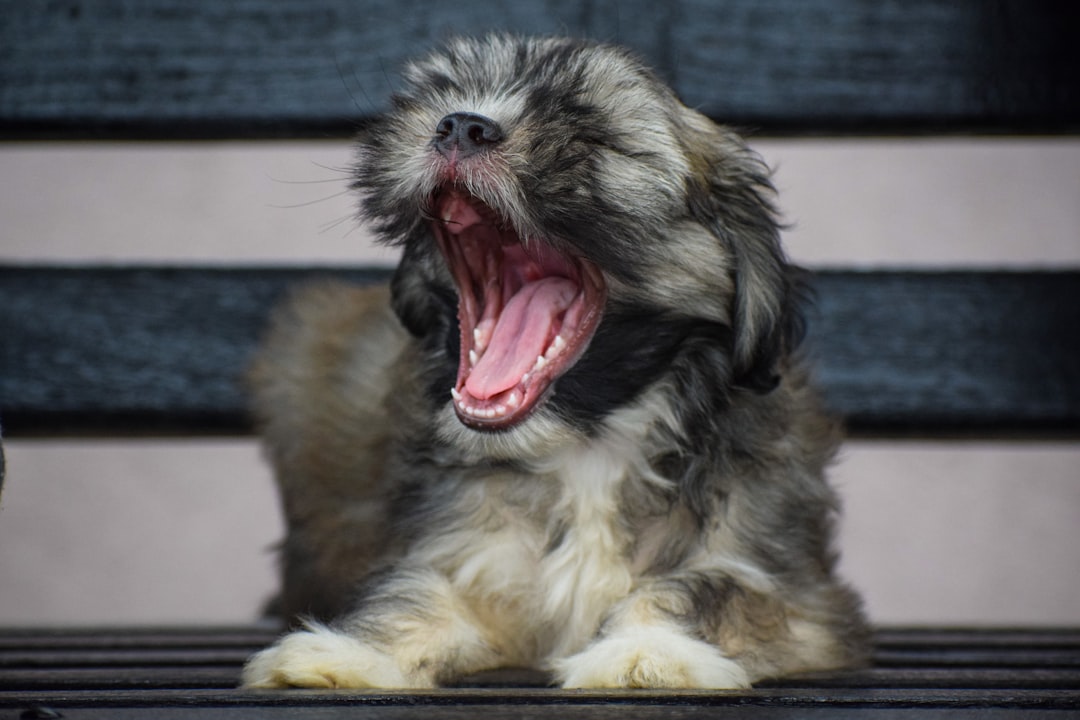
Stress signs to look for include whale eye, tucked ears or tail, raised hackles, lip-licking, yawning, and panting. Yawning might seem like the most innocent behavior, yet it’s actually one of the most reliable stress indicators when it occurs outside of sleepy contexts.
He may pant excessively (when not hot or recently exercised), lick his lips (when not hungry), yawn (when not tired), and have a slightly lowered body stance with his ears slightly back. This displacement behavior helps dogs cope with uncomfortable situations by self-soothing.
They’re Avoiding Eye Contact or Turning Away
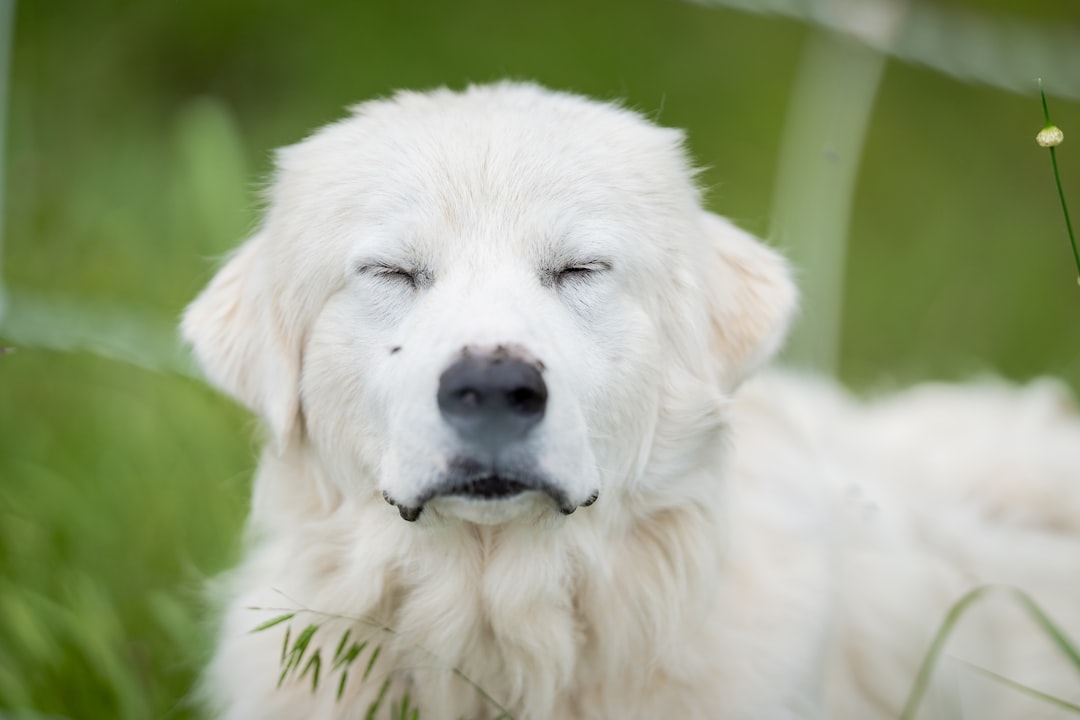
Your dog might also avoid eye contact or look away. This is most commonly seen in a dog that seems “guilty.” However, the dog is actually reacting to your voice and body language and thinks something must be wrong.
Dogs can find making direct eye contact intimidating, so you might see your dog turning their head away from whatever is troubling them. Avoiding eye contact: Dogs that avoid looking at you may be feeling distressed or threatened.
They’re Hiding or Withdrawing From Family Activities

If a dog is unhappy, they may try to seek refuge by hiding around the house. If there’s no clear stimulus that would cause them to hide, such as fireworks, this avoidant behavior can be a sign that they’re not feeling their best.
An unhappy dog might avoid attention, hide in corners, or separate themselves from the family. Hiding or escape behavior. An extension of avoidance, some tense dogs move behind a trusted person or behind a nearby object.
Their Appetite Has Changed Dramatically
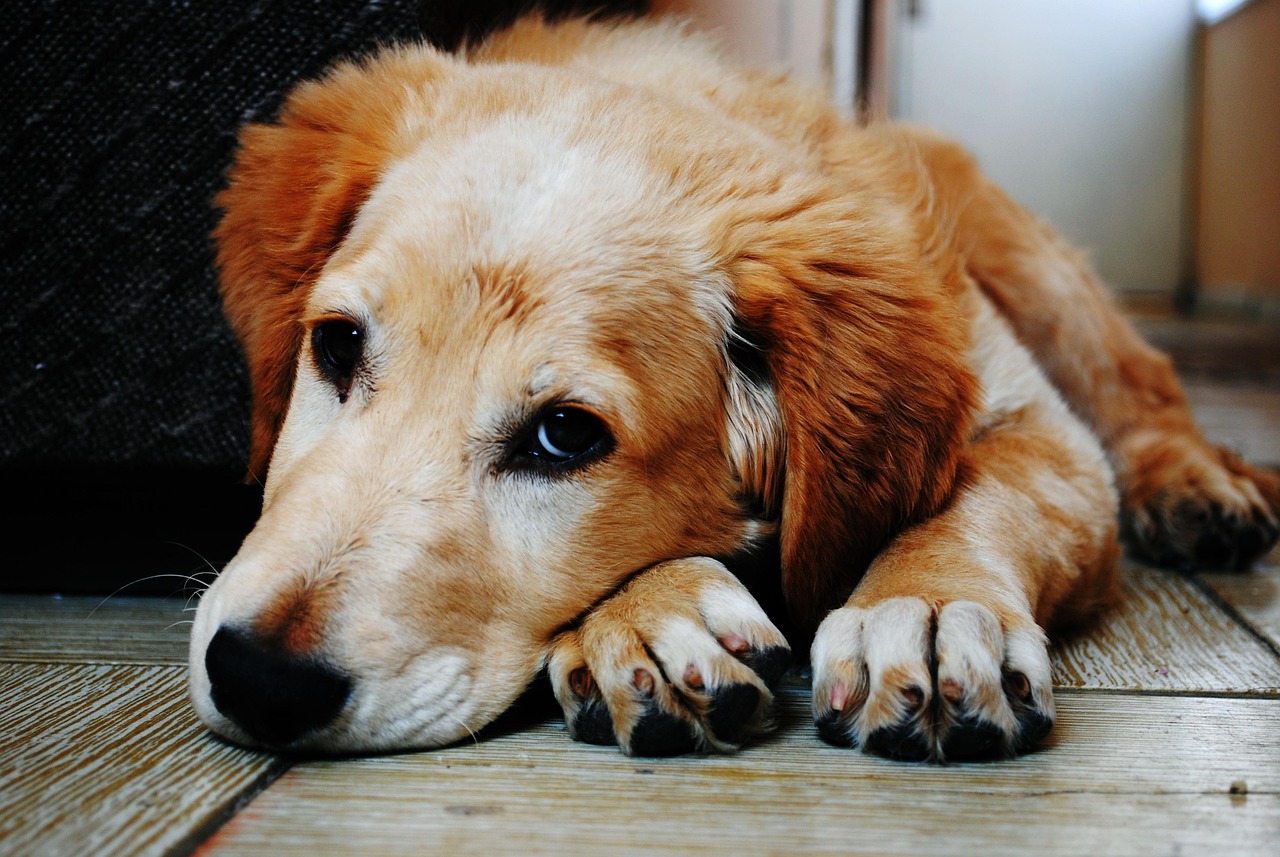
Loss of appetite: Reduced interest in food or treats can be a sign of both emotional and physical discomfort. Having little to no interest in food can be an indication that a dog is unhappy. Similar to humans, a loss of interest in normal activities can be a sign a dog is not feeling like their normal, happy self.
On the other hand, unhappy dogs may also choose to increase their food intake, as food can serve as a comfort to them. Whether it’s an increase or decrease in appetite, any change can be a clue about a pet’s state of mind. A change in eating habits can also result in a change in weight.
They’re Excessively Licking or Chewing Their Paws
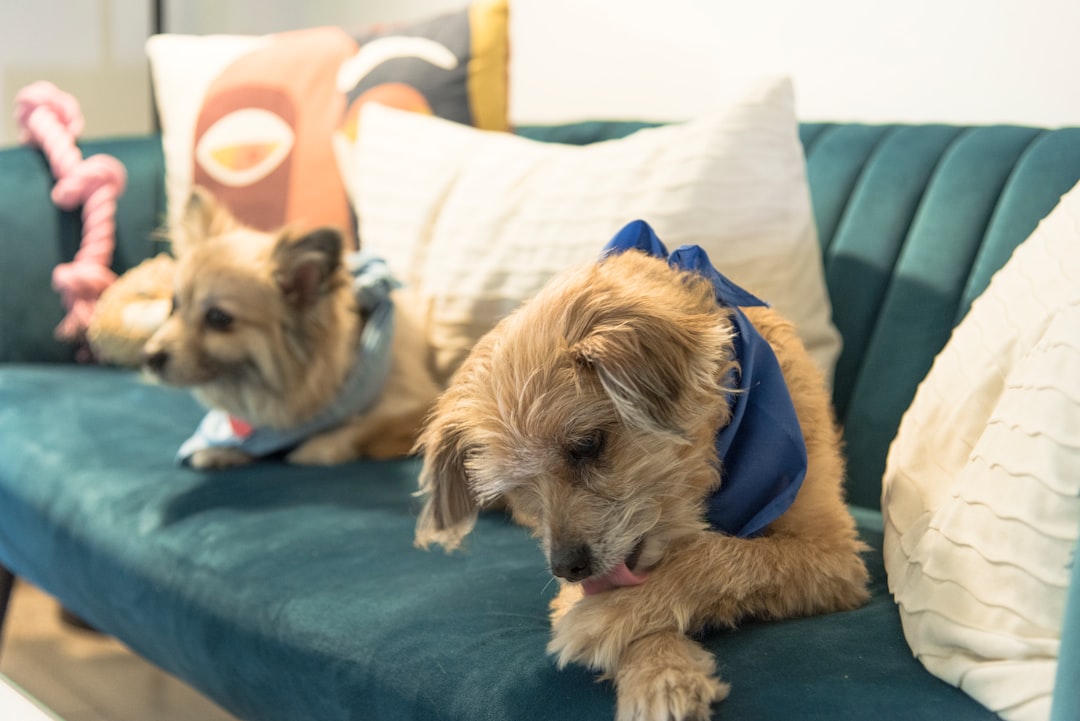
When dogs lick and chew their paws, it may seem like they’re trying to clean themselves or scratch an itch. However, it’s possible that they may be trying to soothe themselves because they’re feeling blue. “Most people are not aware, but excessive licking (or chewing) can be a way of self-soothing.”
For example, a chronically stressed dog might repetitively lick at one or more of their limbs in an attempt to self-soothe. Other compulsive behaviors include tail-chasing or spinning, air-licking, or flank-sucking. These repetitive behaviors often develop when dogs feel overwhelmed by their environment.
They’ve Become Unusually Aggressive or Snappy
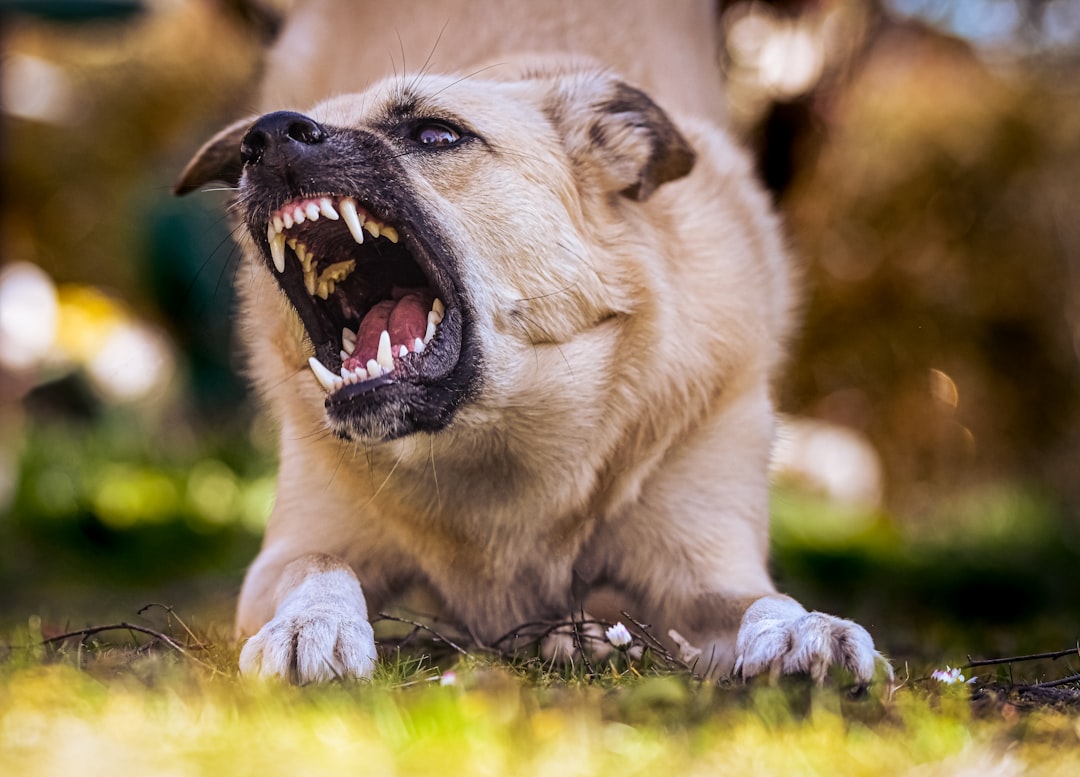
Aggression can be indicative of many issues in dogs, but did you know that the root of a dog’s aggression could simply be depression? If your pet is normally cool as a cucumber and starts to bark, lunge, snap, or growl at anything that comes their way, it could be a sign that they’re unhappy.
A typically friendly dog may become aggressive, growl, snap or bark excessively when stressed. This can be a response to feeling threatened or uncomfortable. A normally calm dog may snap, growl, or become uncharacteristically aggressive.
Their Sleep Patterns Have Changed Dramatically

Dogs sleep more often than humans do, averaging 12-14 hours a day, according to the American Kennel Club. However, if you notice an uptick in your pet’s sleep habits, it could be a sign that they’re unhappy. Conversely, insomnia can indicate the same thing.
Changes in sleeping patterns: Either sleeping excessively or experiencing disrupted sleep can reflect emotional distress. It’s important to note that insomnia can also be caused by physical pain, so make sure to rule that out if your pet is having trouble sleeping.
Conclusion
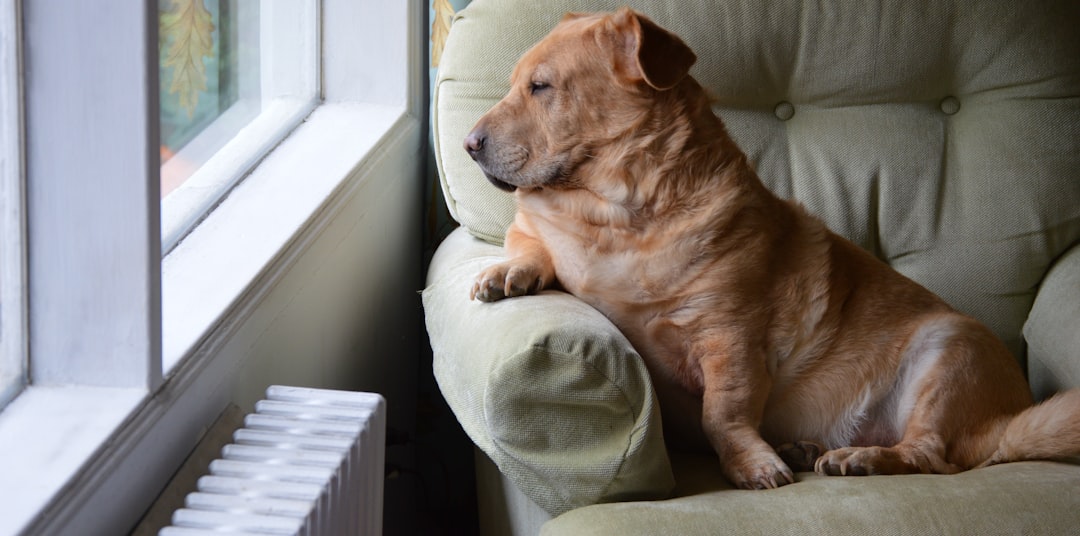
Recognizing these subtle signs isn’t about becoming paranoid about every little thing your dog does. It’s about becoming more attuned to the complex emotional world of your furry companion. It’s important to remember that each individual dog will handle stressors uniquely and may experience depression differently. Working with a veterinarian is the best way to start your dog on the path to recovery.
The good news? Once you start noticing these signs, you can take action to help your dog feel more comfortable and secure. Sometimes it’s as simple as creating a quiet space for them to retreat, maintaining consistent routines, or removing specific stressors from their environment.
Remember, a truly happy dog is one whose emotional needs are being met, not just their physical ones. What signs have you noticed in your own dog that made you realize they might need a little extra support? Share your experiences in the comments below.

- 21 Dog Breeds Only Found In America - July 12, 2026
- 10 Fascinating Facts About The Ancient City of Petra - July 12, 2026
- 15 Goofy Dog Breeds That Will Keep You Laughing Forever - July 12, 2026