

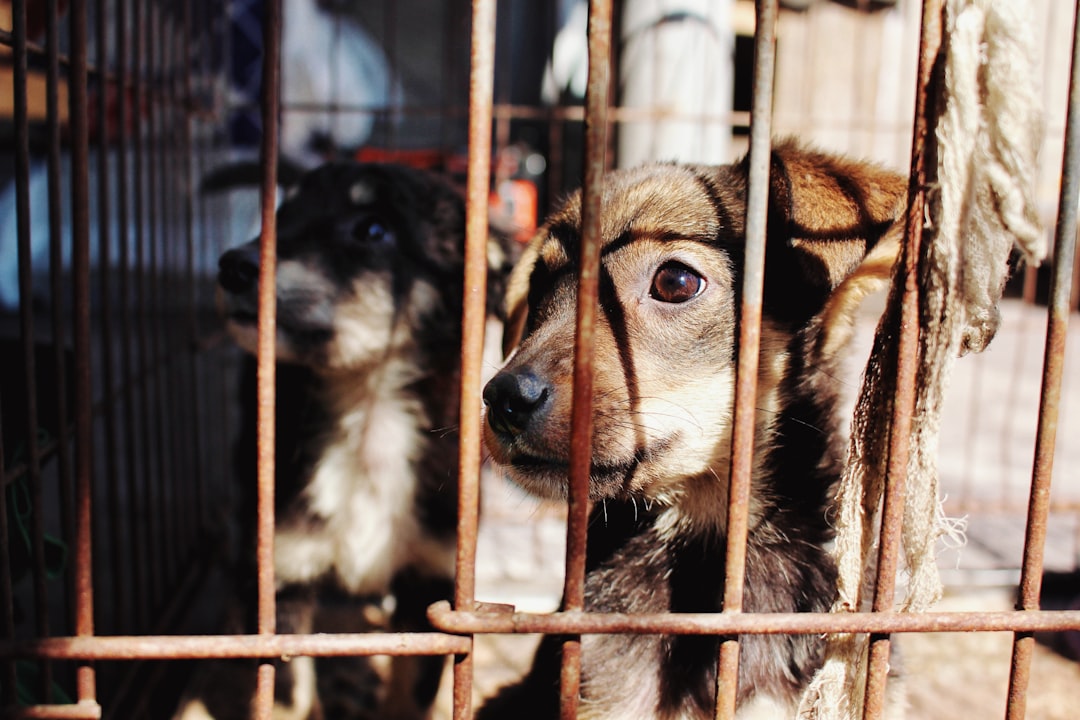

A Troubling Trend in Federal Responses (Image Credits: Unsplash)
Across the United States, the quiet hum of inadequate oversight echoes through labs and farms where animals wait in vain for real accountability.
A Troubling Trend in Federal Responses
Picture this: a dog left without proper care in a breeding facility, or a monkey suffering in a research setting. These aren’t just heartbreaking stories. They’re signs of a bigger problem. Federal inspectors, once quick to issue fines under the Animal Welfare Act, now lean heavily on “official warnings” even in severe cases of neglect.
Recent reports highlight how this shift has left violators walking away without financial sting. The Animal Welfare Institute dug into the data and found fines dropping to near zero for violations that used to carry real penalties. Animals pay the price while abusers face little more than a slap on the wrist.
It’s not just about the animals. This leniency erodes trust in the system meant to protect them. When warnings replace consequences, the message is clear: neglect might not cost you much.
Animals Caught in the Crossfire
Dogs fighting in brutal rings, elephants chained in circuses, primates in cramped lab cages – these scenes fuel outrage. Yet federal enforcement has faltered. The U.S. Department of Agriculture, tasked with oversight, has scaled back penalties dramatically.
Take the Preventing Animal Cruelty and Torture Act from 2019. It made crushing animals or creating abuse videos a federal crime, with up to seven years in prison. Convictions happen, like the recent Oklahoma case where a man got hit with six felonies for animal fighting. But everyday neglect? That’s often met with warnings.
Experts point out that without fines, facilities cut corners more freely. A single warning might note the issue, but without follow-through, the same problems repeat. Animals endure prolonged suffering as a result.
Vanishing Records and Lost Transparency
Public access to welfare inspections used to shine a light on abuses. Now, key records have vanished from view. The USDA pulled detailed reports online, citing privacy concerns, but critics argue it hides patterns of neglect.
This opacity makes it harder for advocates to track repeat offenders. Imagine trying to expose a facility’s history without the paper trail. Groups like the Animal Welfare Institute have called this a step backward, especially when animals die from mismanagement.
Without transparent records, accountability fades. It’s like closing the blinds on a room full of shadows – problems fester unseen.
New Task Forces Spark Hope Amid the Chaos
Not everything points downward. In September 2025, the Central District of California launched a federal animal abuse task force. Partnering with local law enforcement, it targets violations of the PACT Act head-on.
This move comes after years of FBI efforts to classify animal cruelty as a serious crime, tracking it since 2016. States like Georgia, with some of the highest reported cases, show the need for coordinated action. The task force aims to bridge gaps, prosecuting cruelty that crosses lines.
Still, one regional effort can’t fix a national lapse. It highlights the urgency, though, for broader reforms to match the intent of federal laws.
State Laws Fill Some Voids, But Not All
Federal weakness pushes reliance on states. In California, animal cruelty can mean felony charges with years in prison and hefty fines up to $20,000. South Dakota’s code bans neglect outright, with penalties up to two years behind bars.
Yet variations create uneven protection. What lands someone in court in one state might earn a warning elsewhere. The FBI’s database helps connect dots, but without strong federal backing, gaps persist.
- Federal PACT Act: Up to 7 years for intentional cruelty like videos or fights.
- State examples: Felonies for mistreatment, often with prison and fines.
- USDA warnings: Increasingly common, even for deaths from neglect.
- Recent convictions: Multi-year sentences in dog fighting rings.
- Task force initiatives: Focused prosecutions in high-need areas.
Key Takeaways for Animal Lovers
- Fines under the Animal Welfare Act have plummeted, replaced by warnings that lack bite.
- Public records’ removal hides repeat violations, demanding more transparency.
- Emerging task forces offer promise, but national enforcement needs a serious overhaul.
The collapse in federal enforcement isn’t just a policy glitch – it’s a betrayal of the animals we claim to protect. Stronger fines, better record-keeping, and consistent prosecutions could turn the tide. What steps do you think should come next to hold abusers accountable? Share your thoughts in the comments.

From exploring the marine wonders in the Azores and witnessing the vast savannas of Kenya, to delving deep into the rich biodiversity of South Africa and traversing iconic landscapes in Australia and the US like Yellowstone, Chris's experiences are vast.
With a penchant for diving alongside sharks, the ocean holds a special place in his heart.
Through his academic insights, he champions wildlife conservation, striving with 'Animals Around The Globe' to cultivate a profound connection between humans and animals, enhancing our mutual appreciation.
Connect with him at Feedback@animalsaroundtheglobe.com.
- This Monkey Has a Mustache - July 21, 2026
- How Steve Irwin Changed the World’s View of Wildlife - July 21, 2026
- The Catfish That Caused Earthquakes in Japanese Folklore - July 21, 2026