

There’s something quietly captivating about spotting a rabbit in your backyard. They seem simple enough, right? Small, soft, twitchy nose, big eyes – just part of the scenery. But underneath all that fluffiness is a creature that is genuinely surprising, biologically complex, and far more emotionally aware than most people give it credit for.
Most of us grew up thinking we had rabbits figured out. Pop culture didn’t help. Bugs Bunny eating carrots, Easter bunnies in baskets – the image stuck. The reality is something altogether richer. Whether you keep rabbits in your yard, encounter wild cottontails in your garden, or are thinking about welcoming one into your life, these 11 facts will change the way you look at them forever.
#1: Rabbits Are Crepuscular, Not Nocturnal

Most people assume that because rabbits seem so still during the day, they must be active at night like other small creatures. That’s not quite right. Rabbits are considered crepuscular animals, meaning they are mostly active during dawn and dusk. Those quiet early morning hours when you first step outside with your coffee? That’s prime rabbit time.
Wild rabbits forage during dawn and dusk to avoid predators and extreme temperatures. This timing is a survival strategy refined over thousands of years. It places them in low light conditions when many of their natural predators are less effective hunters, giving them a window to graze, explore, and interact with far less risk than during broad daylight.
#2: Their Teeth Never Stop Growing

One of the most crucial rabbit facts to know is that a rabbit’s teeth grow continuously – their teeth can grow up to five inches a year, which is why rabbits need to chew on hay and wooden toys to wear them down and avoid dental problems. It sounds like a design flaw, but it’s actually a precise evolutionary adaptation for animals that spend much of their lives chewing tough, fibrous vegetation.
A rabbit’s teeth never stop growing, and while many people believe they need to chew to keep their teeth short, it’s actually the normal wear from where their top and bottom teeth meet that keeps a rabbit’s teeth short. Rabbits that don’t eat enough hay can quickly develop dental disease, one of the most common health problems in rabbits, which can result in overgrown teeth and painful spurs that cut into the gums and tongues.
#3: Rabbits Can’t Vomit
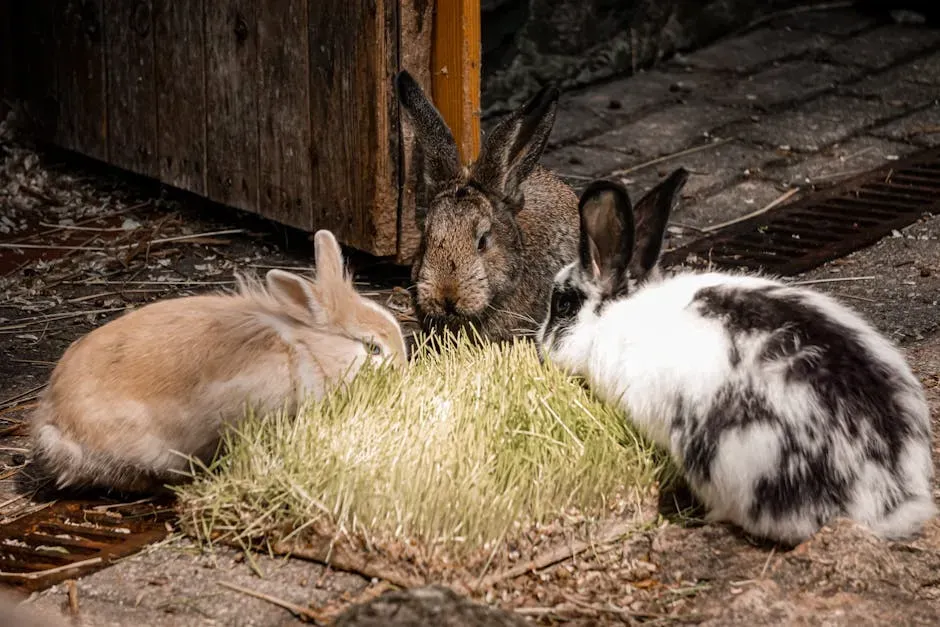
This one catches almost everyone off guard. Rabbits cannot vomit, and for assisting in digestion they need hay, which helps them prevent the forming of fur balls in the stomach. Unlike dogs or cats that can expel something that disagrees with them, rabbits have no such option. This makes their diet critically important, because there’s no going back once something is swallowed.
The reason why seems to be some combination of digestive arrangement, like a powerful block between the stomach and esophagus, and something about their brains that won’t or can’t communicate that kind of command. It’s a biological quirk that makes proper feeding not just a preference but a genuine health necessity for any rabbit living in your backyard.
#4: They Actually Eat Their Own Droppings (On Purpose)

Yes, it’s exactly what it sounds like – and it’s completely normal. Because a rabbit’s diet contains so much cellulose, they pass two different kinds of feces to completely break down their food, and while other grazers chew and swallow their feed then regurgitate it, rabbits re-ingest their feces on the first pass to get all of the nutrients they need. It’s their version of a second stomach.
As a pet parent, you may see your rabbit bend forward to reach their underside in an action that means they are eating their cecotropes – this behavior may be alarming to a new rabbit parent, but it is a normal, healthy part of their routine, as cecotropes are a special kind of feces that are an important part of their diet. Far from being a sign of poor health, it’s actually evidence that their digestive system is functioning exactly as nature intended.
#5: A Single Rabbit Stays Close to Home Its Entire Life
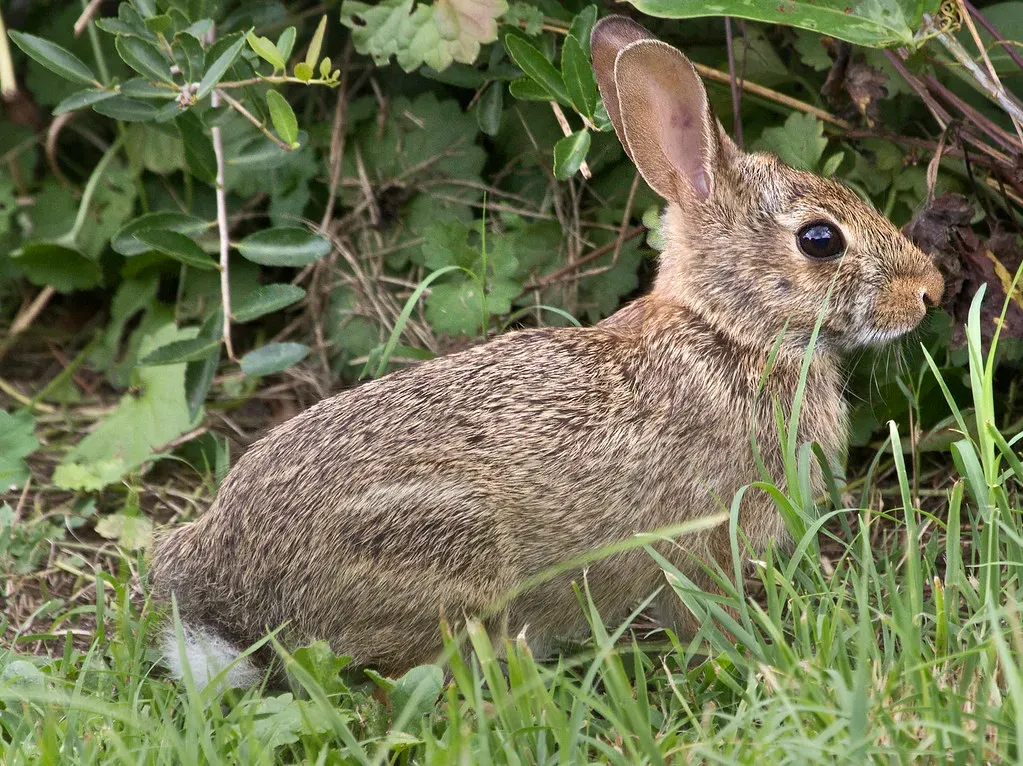
Wild rabbits are not wanderers. A single rabbit will spend its entire life within the same 10 acres of land, rarely venturing beyond that unless the availability of food and cover is compromised. That backyard cottontail you keep seeing in the same corner of your garden? It almost certainly lives within a very tight radius and considers your yard part of its entire known world.
Cottontail rabbits thrive in highly vegetated or agricultural areas with plenty of grass and plants for grazing and protection, and they find shelter within brush piles and other naturally occurring cover; in extreme weather they will occupy abandoned burrows dug by other animals. The more your yard offers in terms of low cover and leafy plants, the more permanently it becomes part of a rabbit’s small but carefully defended territory.
#6: Their Ears Are Biological Supertools
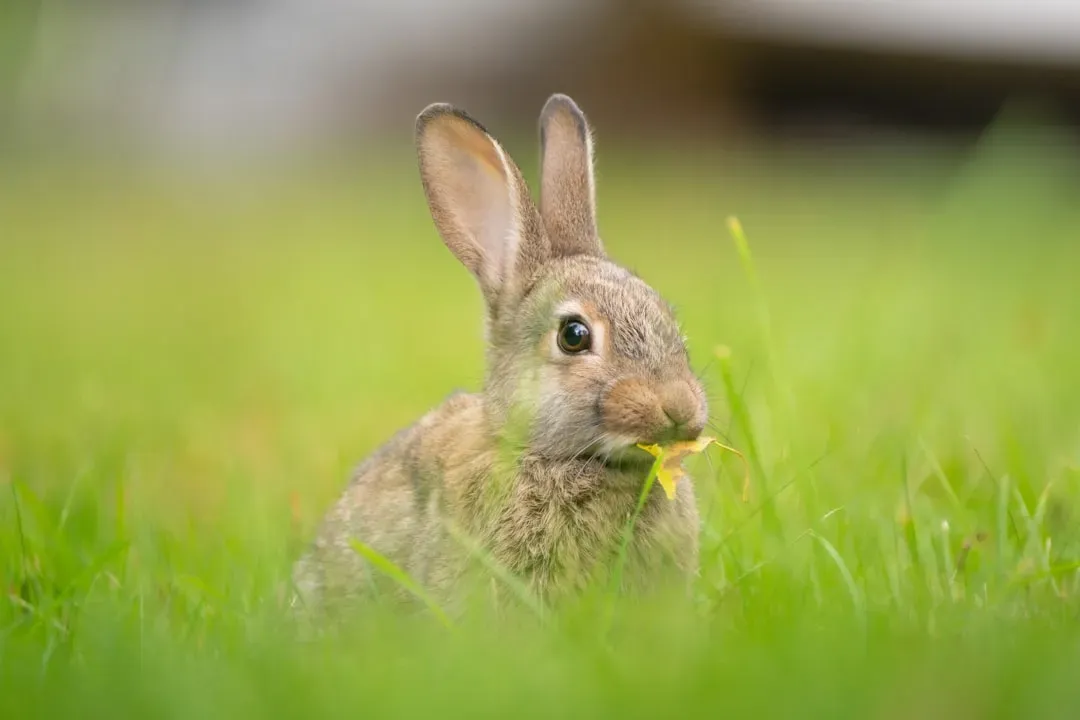
A rabbit’s ears act like a finely tuned radar, able to pick up sounds from as far as two miles away. That’s not a figure of speech. In order to pinpoint what direction sounds are coming from, rabbits can rotate their ears up to 270 degrees in either direction, allowing them to figure out whether a predator was in front of them, off to the side, or right behind them.
The function of those ears goes well beyond hearing, though. A rabbit’s ears also help regulate its body temperature, and on a hot day, the blood vessels in a rabbit’s ears will expand, allowing the air outside to quickly cool the rabbit’s blood as it passes up and down the ears. It’s a built-in cooling system that works without the rabbit needing to do anything at all. No panting, no sweating – just a pair of remarkable ears doing quiet, essential work.
#7: Rabbits Experience Something Very Close to Joy

There’s a behavior that rabbit owners talk about with unmistakable fondness, and it’s called the binky. The rabbit “binky” is used to describe a physical jumping, twisting, and jiggling sort of dance that rabbits do when they are happy and playful – sometimes it appears as a simple and spontaneous hop straight up or to the side, and other times it comes as a series of wild running, zooming, and popping up in the air while twisting.
Like cats, happy rabbits purr when content and relaxed, and the sound comes from teeth chattering softly. When rabbits grind their teeth softly, it’s a sign of happiness, and this gentle purring is different from the loud tooth grinding that indicates discomfort. Knowing both signals matters, because the difference between a rabbit that’s thriving and one that’s in pain can be surprisingly subtle to the untrained eye.
#8: Their Vision Has a Blind Spot Directly in Front of Their Nose
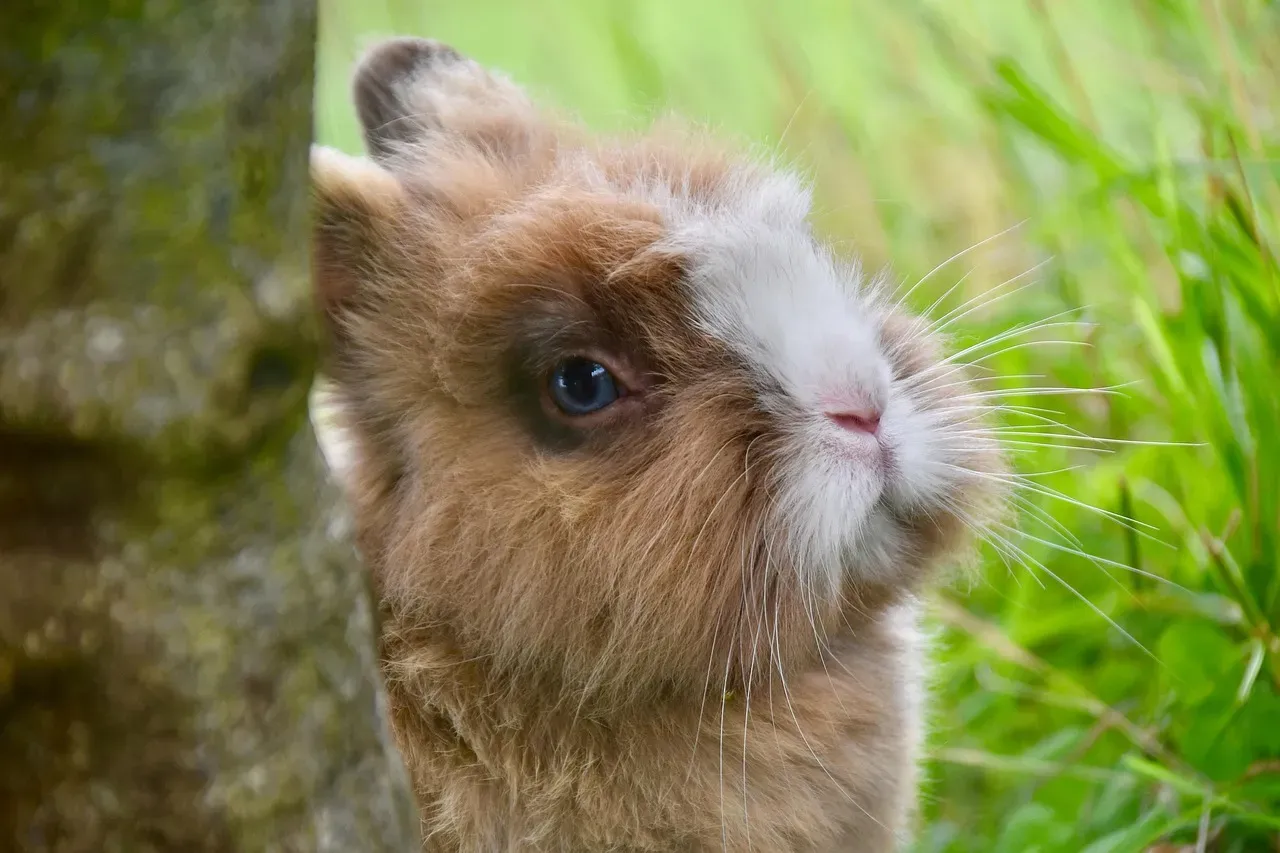
Rabbits have almost 360-degree vision, but they are born with their eyes shut. The wide-angle vision is one of their most impressive biological features, allowing them to monitor a broad field of potential danger while grazing. Rabbits have large eyes placed on the sides of their head, giving them a wide field of vision – however, they have a blind spot directly in front of their noses, which makes them rely heavily on their whiskers to navigate objects right in front of them.
Their whiskers help them determine whether they can fit through holes so they don’t get stuck. It’s a neat division of labor in their sensory system: the eyes watch the wide world for distant threats, while the whiskers handle close-range navigation. Two completely different tools working together seamlessly.
#9: Rabbits Are Deeply Social and Can Suffer Without Company
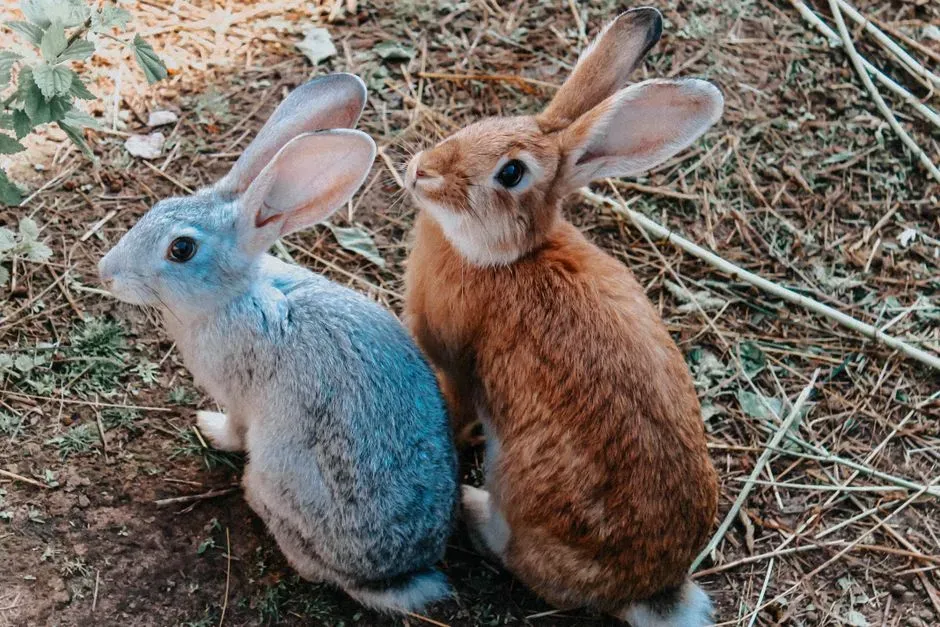
Rabbits are social creatures and are happiest in the company of their own species – the best combination is a neutered male and neutered female – and they can become extremely sad and depressed if kept on their own. This is one of the most underestimated aspects of rabbit ownership and one of the most important things to understand if you plan to keep backyard rabbits.
Rabbits often live in large colonies containing a number of social groups, each of which consists of up to three bucks and five does and has its own territory, with a dominance hierarchy among males and females. Even in your backyard, a rabbit that has a bonded companion will be visibly more active, more playful, and far more settled than one kept alone. Their social need isn’t just a nice-to-have; it’s genuinely wired into their biology.
#10: Their Reproductive Rate Is Almost Staggering
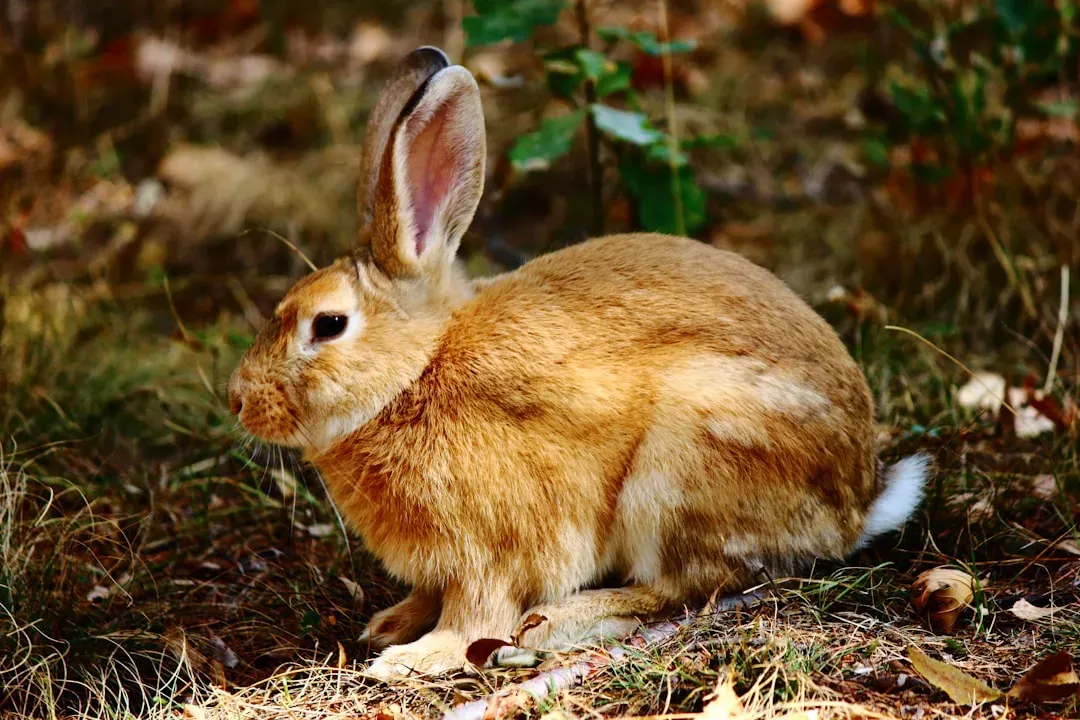
The average size of a rabbit litter is usually between 4 and 12 babies, resulting after a short 30-day gestation, and male rabbits can reproduce as early as 7 months of age while females can reproduce as early as 4 months – meaning in one year a single female rabbit can produce as many as 800 children, grandchildren, and great-grandchildren. That number isn’t a typo. It’s the compounding math of rapid, overlapping generations.
A rabbit can get pregnant almost immediately following giving birth, so a mother rabbit can have more babies within a month of her previous litter while still nursing her first litter. This is because only about fifteen percent of baby rabbits make it to their first birthday, so to ensure that the population grows, rabbits have more babies. Nature essentially built in extraordinary volume to compensate for extraordinary loss.
#11: Carrots Are Actually a Junk Food for Rabbits
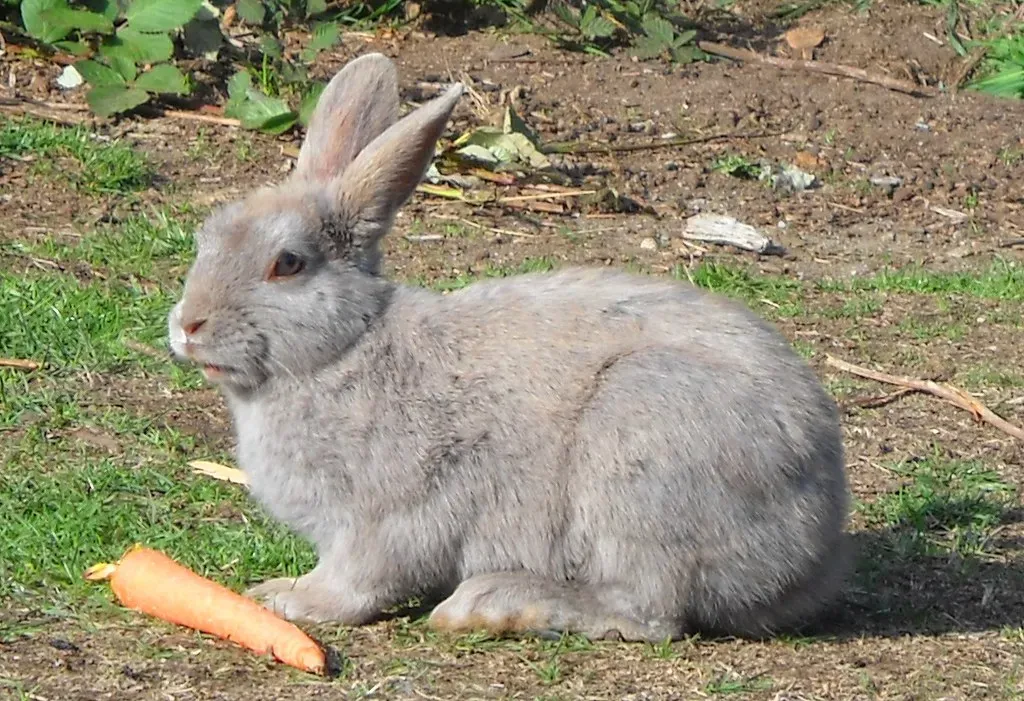
Blame Bugs Bunny. Root vegetables aren’t a natural part of a rabbit’s diet, and carrots are high in sugar so should only be fed occasionally and in small amounts. The image of a rabbit contentedly chewing a carrot is one of the most pervasive myths in popular culture, and it’s genuinely led to health problems in pet and backyard rabbits kept by well-meaning owners who didn’t know better.
Rabbits need a constant supply of hay or fresh grass to nibble on – in fact, around 90 percent of their daily diet should be made up of that – and an endless supply of hay and grass is essential if they’re to maintain digestive and dental health. Rabbits love leafy greens like spinach, watercress, fresh herbs, and dandelion leaves. If you want to offer your backyard rabbit something genuinely good for it, a handful of dandelion leaves from the lawn will do far more for its health than a carrot ever could.
Final Thought

Rabbits reward attention. The more closely you watch them, the more you realize how much quiet intelligence and biological sophistication is packed into such a compact creature. They feel companionship, express happiness, navigate the world through an extraordinary suite of senses, and operate according to rhythms shaped by millions of years of survival.
What makes them remarkable isn’t any single fact – it’s the accumulation of them. Next time one freezes at the edge of your yard at dusk, ears rotating, nose working, eyes catching the last light of the day, you’ll know you’re looking at something a great deal more interesting than you once thought.

- These Endangered Species Are Making Remarkable Comebacks Thanks to Dedicated Efforts - July 17, 2026
- 10 Fascinating Facts About the Badlands: America’s Ancient Fossil Kingdom - July 17, 2026
- 10 Fascinating Facts About Monument Valley: The Ancient Landscape That Shaped the American West - July 17, 2026