
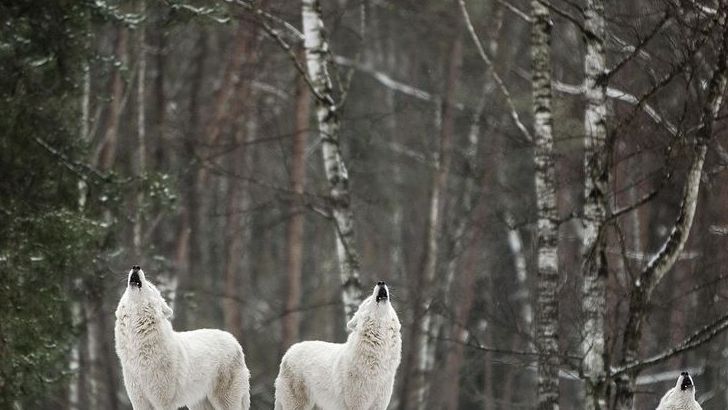
Picture this: you’re hanging out with your squad, and suddenly it hits you. The way your friend group operates feels eerily familiar to something you’ve seen on nature documentaries. Maybe it’s the way Sarah always takes charge of dinner plans, or how Marcus quietly keeps everyone grounded while the chaos unfolds around him. These pack dynamics aren’t just reserved for the wild – they’re happening right in your group chat.
The truth is, human social behavior has deep roots in our evolutionary past, and studying pack animals can reveal surprising insights about our own friendships. Two of nature’s most fascinating social creatures, wolves and coyotes, offer completely different approaches to group living. Understanding their contrasting styles might just help you figure out whether your friend group runs more like a wolf pack or operates with coyote-like flexibility.
The Wolf Pack Mindset: Family First, Always Together
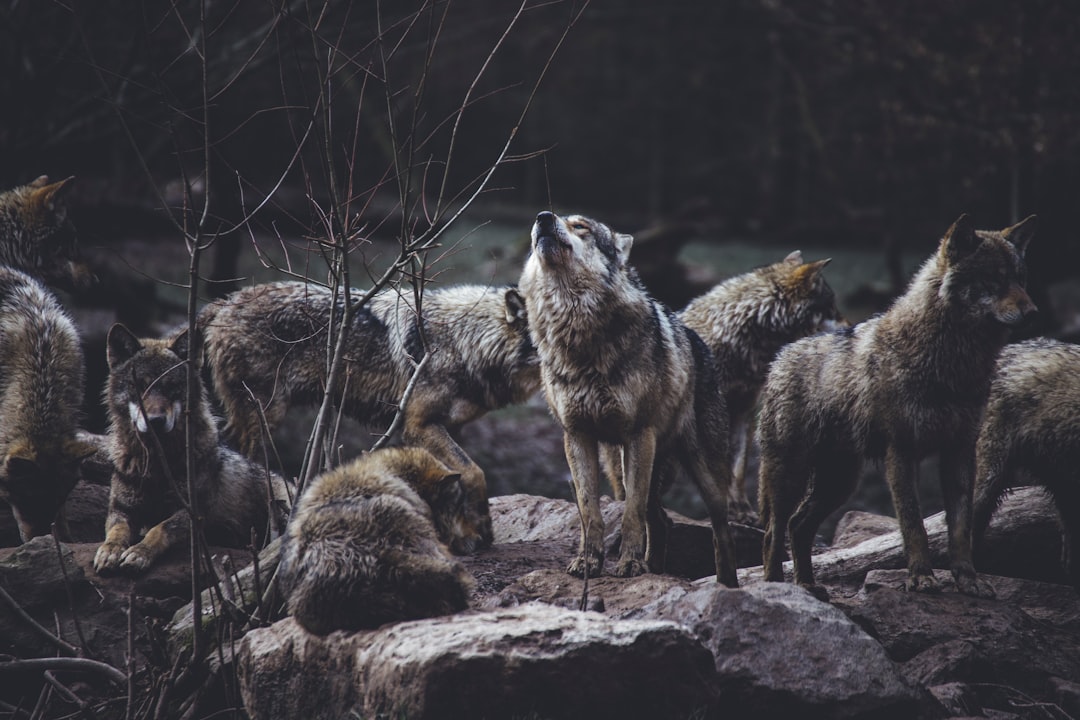
Wolf packs are essentially cohesive family groups that use established territories, typically containing a breeding pair and their current year’s pups, as well as any surviving pups from previous years. Think of them as the ultimate family business where everyone has a role and loyalty runs deeper than friendship.
Research shows that the typical wolf pack functions as a family, with adult parents guiding the activities of the group in a division-of-labor system. Does this sound like your friend group? Maybe you have that one couple who naturally became the “parents” of the group, organizing everything from weekend trips to birthday celebrations. The alpha pair, especially the alpha female, acts as the glue keeping the pack together, and the loss of a parent can have a devastating impact on social group cohesion.
The Coyote Approach: Flexible and Opportunistic
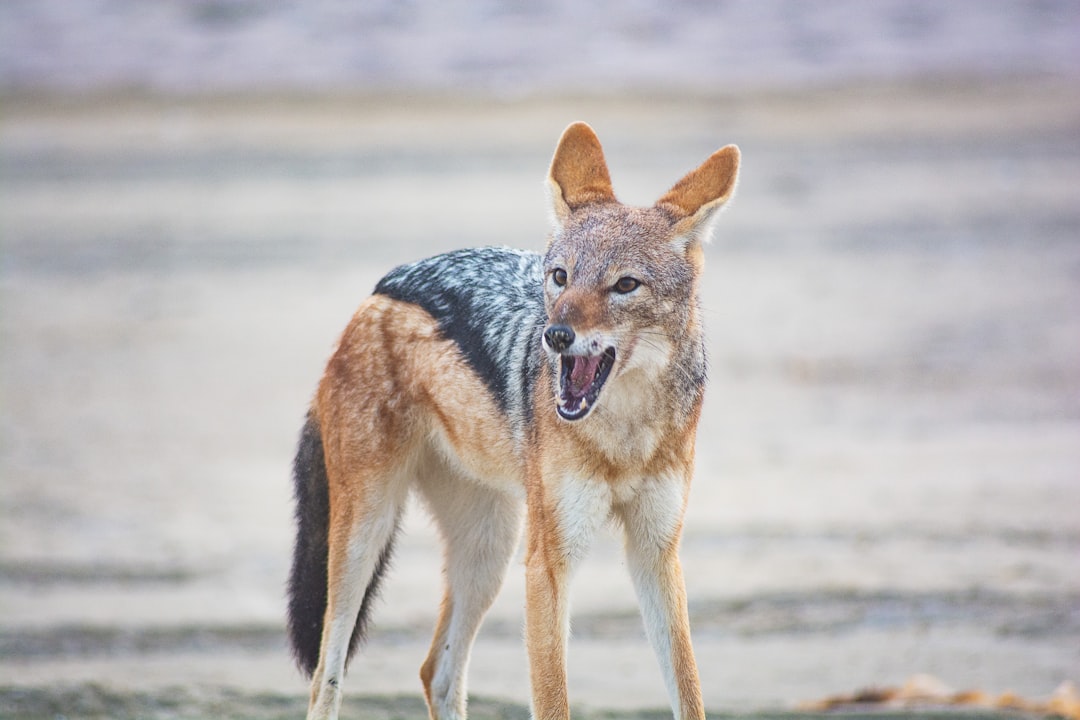
Coyotes tell a completely different story about social organization. They’re highly flexible in social organization, living either in a family unit or in loosely knit packs of unrelated individuals. Unlike wolves, coyotes don’t stick to rigid family structures. Unrelated coyotes may join forces for companionship, or to bring down prey too large to attack on their own.
While coyotes are social animals, they don’t form traditional packs but rather live in family groups, usually traveling and hunting alone but sometimes joining in loose pairs. This flexibility allows them to adapt quickly to changing circumstances. Does your friend group sound more like this? Perhaps you’re the type of crew that welcomes new members easily, shifts plans without drama, and doesn’t rely on one person to hold everything together.
Leadership Styles: The Alpha Versus the Adaptable
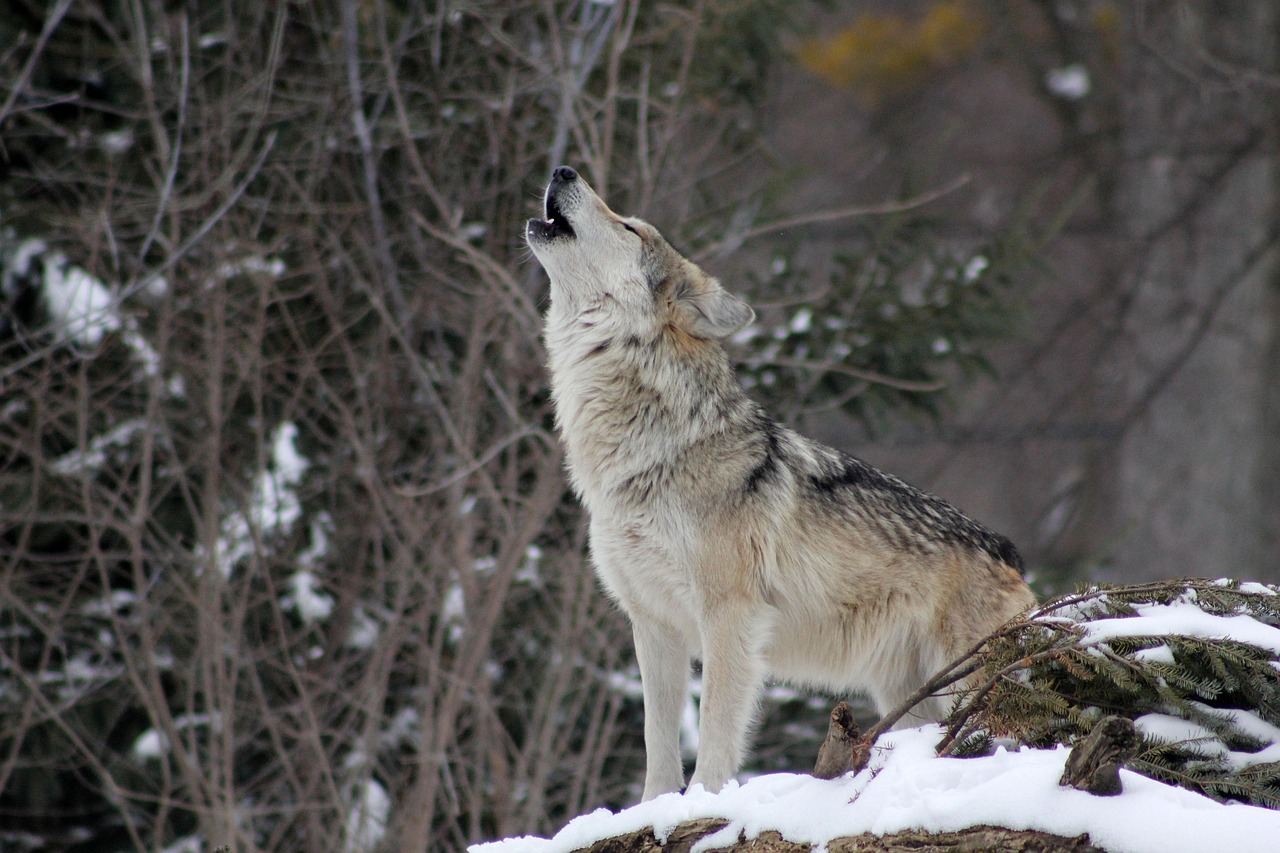
Contrary to popular belief, the leaders of a wolf pack aren’t always hyper-aggressive social climbers – the truth is more nuanced and interesting. Wolf packs are typically made up of two breeding adults and their progeny, with new pups born during spring and receiving care from both parents as well as older siblings.
In coyote groups, the pack is dominated by two breeding animals – the alpha male and female – who reproduce and defend the pack’s territory. However, solitary coyotes can be accepted into another pack as long as the alpha pair approves, and most cases involve lone coyotes finding or filling vacant territories. This creates a more fluid leadership dynamic compared to wolves.
Communication Patterns: Howls Versus Yips
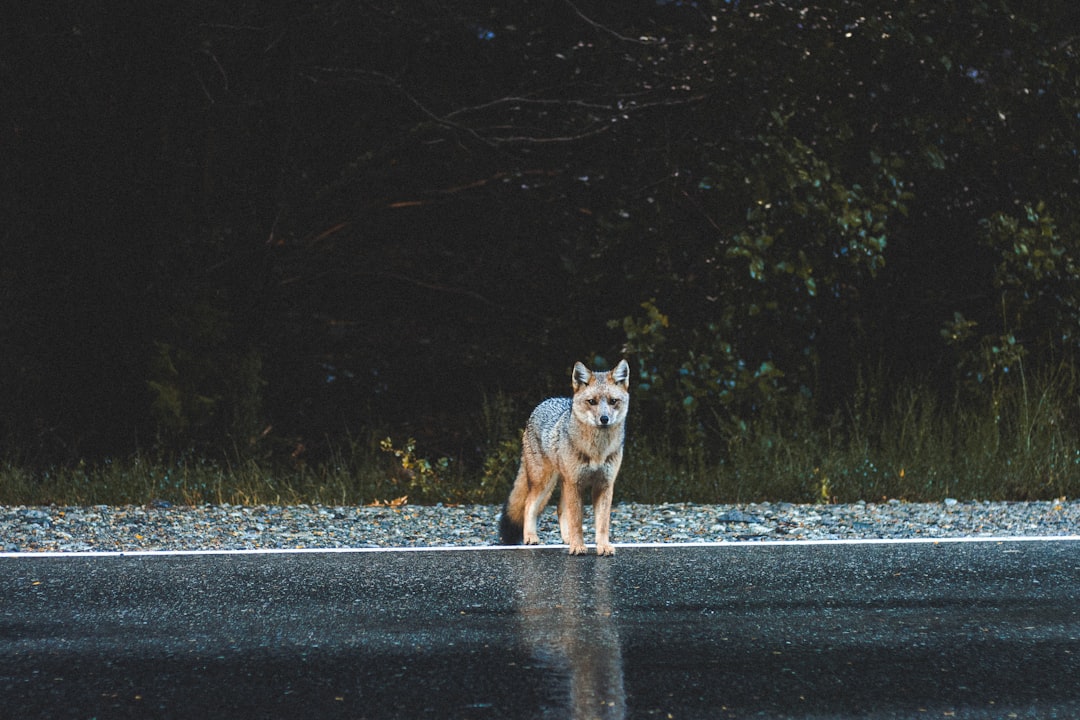
The way these animals communicate reveals fascinating differences that might mirror your own group’s style. Wolves howl for communal reasons, strengthening their social bonds and camaraderie through group sessions, similar to community singing among humans, with different tones and varying pitches that make it difficult to estimate the actual number of wolves involved.
Coyotes are very vocal animals with a varied repertoire of calls, using long howls to report location, short barks to warn of danger, yips when reuniting with pack members, growls when establishing dominance, whines and whimpers when bonding, and high-pitched barks to summon pups. Their communication is more situational and practical. Think about your group chat – is it more like wolf-style communal bonding sessions, or coyote-like quick, functional exchanges?
Territorial Behavior: Boundaries Versus Flexibility
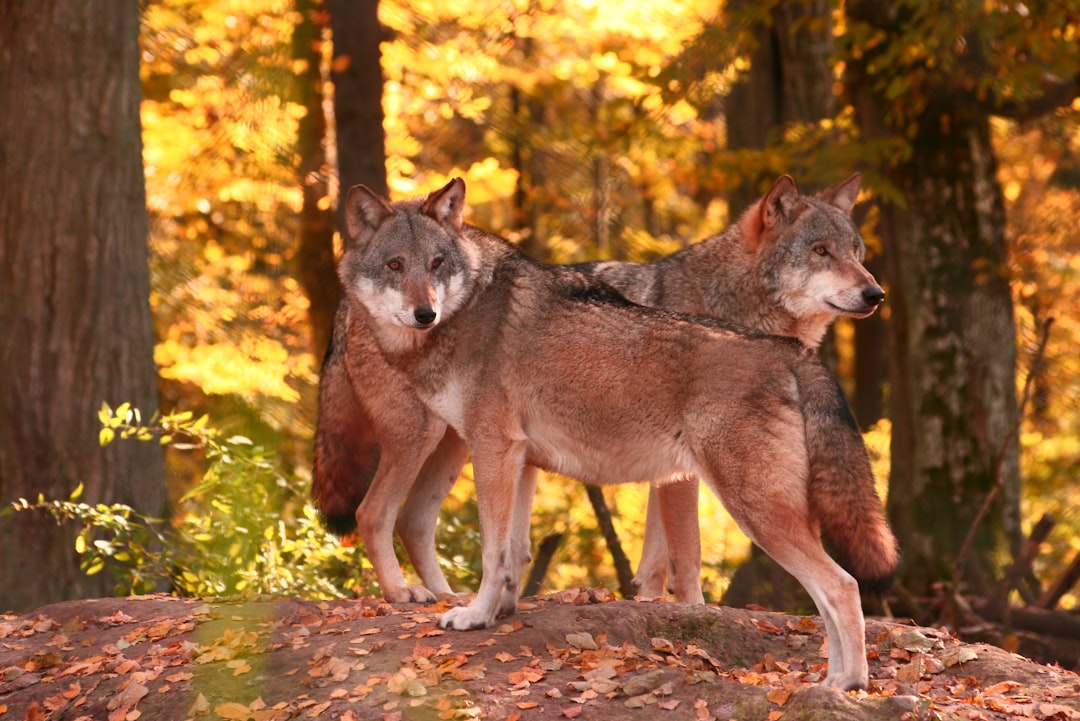
Wolf packs use traditional areas and defend them from other wolves, with territories ranging in size depending on prey availability and seasonal movement. Larger wolf families have numerical advantages during inter-pack competition for territory, and taking down large prey can be easier with more individuals, as can defending kills from scavengers.
Coyote packs have both home ranges and territories they defend against other coyotes, with territory size depending on food availability – packs relying on natural diet have larger territories than those with human-subsidized food sources. Solitary coyotes travel over large areas up to 60 square miles, covering many different municipalities and traveling between resident coyote territories.
Conflict Resolution: Pack Harmony Versus Individual Independence
After fights, subordinate wolves actually attempt to reconcile with their dominant pack mates through nose touching and licking behaviors, which researchers think is a way of apologizing and asking for forgiveness to resolve conflict, reduce tension, show respect, and prevent further violence.
Coyotes handle conflict differently. While pups fight each other regardless of sex, among adults, aggression is typically reserved for members of the same sex, with combatants approaching each other waving their tails and snarling, though fights are typically silent. Unlike wolf pups, coyote pups begin seriously fighting prior to engaging in play behavior, and by three weeks of age, coyote pups bite each other with less inhibition than wolf pups, establishing dominance hierarchies by four to five weeks.
Group Size and Composition: Big Families Versus Small Units
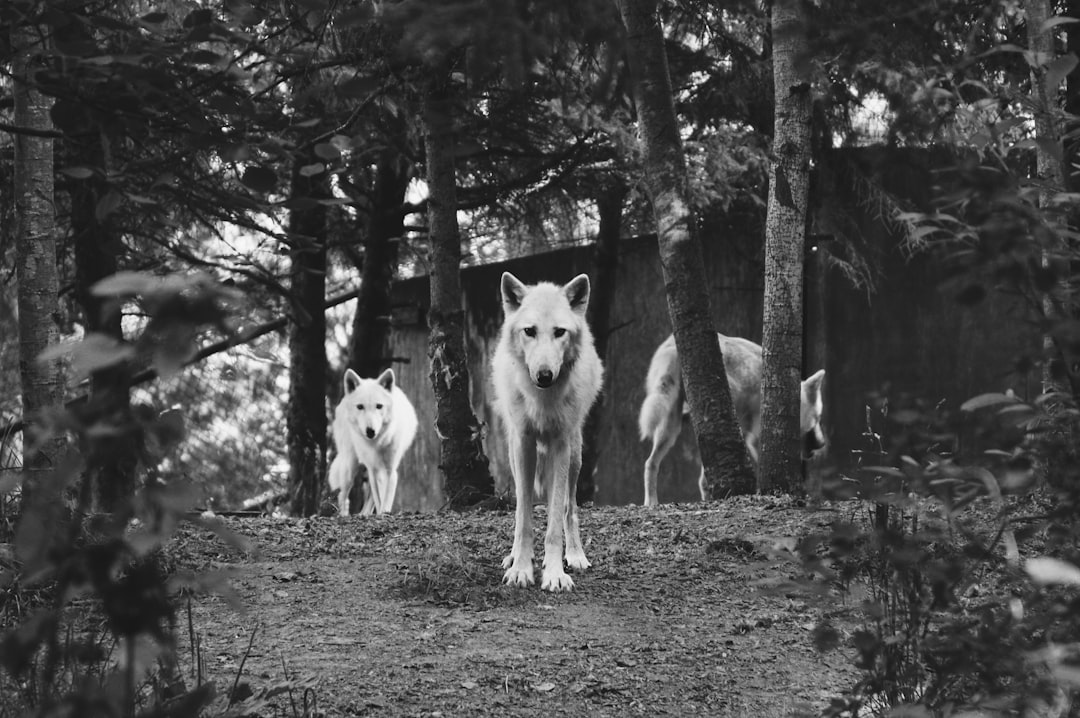
Most wolf families have between four and ten members, but can range from as few as two to as many as 15 wolves per family, with exceptional cases like the Druid Peak pack in Yellowstone National Park having 37 members at one point. A wolf pack is an exceedingly complex social unit – an extended family of parents, offspring, siblings, aunts, uncles, and sometimes dispersers from other packs, with old wolves that need care, pups that need education, and young adults beginning to assert themselves.
A coyote pack or family ranges from 2 to 10 adults plus 2 to 12 pups of the year, with pack size varying depending on food availability and territory size, typically ranging from 3 to 7 individuals. In areas with abundant food, packs can consist of up to 12 individuals, while in areas with limited resources, social units might just be composed of the mated pair.
Loyalty Patterns: Lifelong Bonds Versus Situational Partnerships
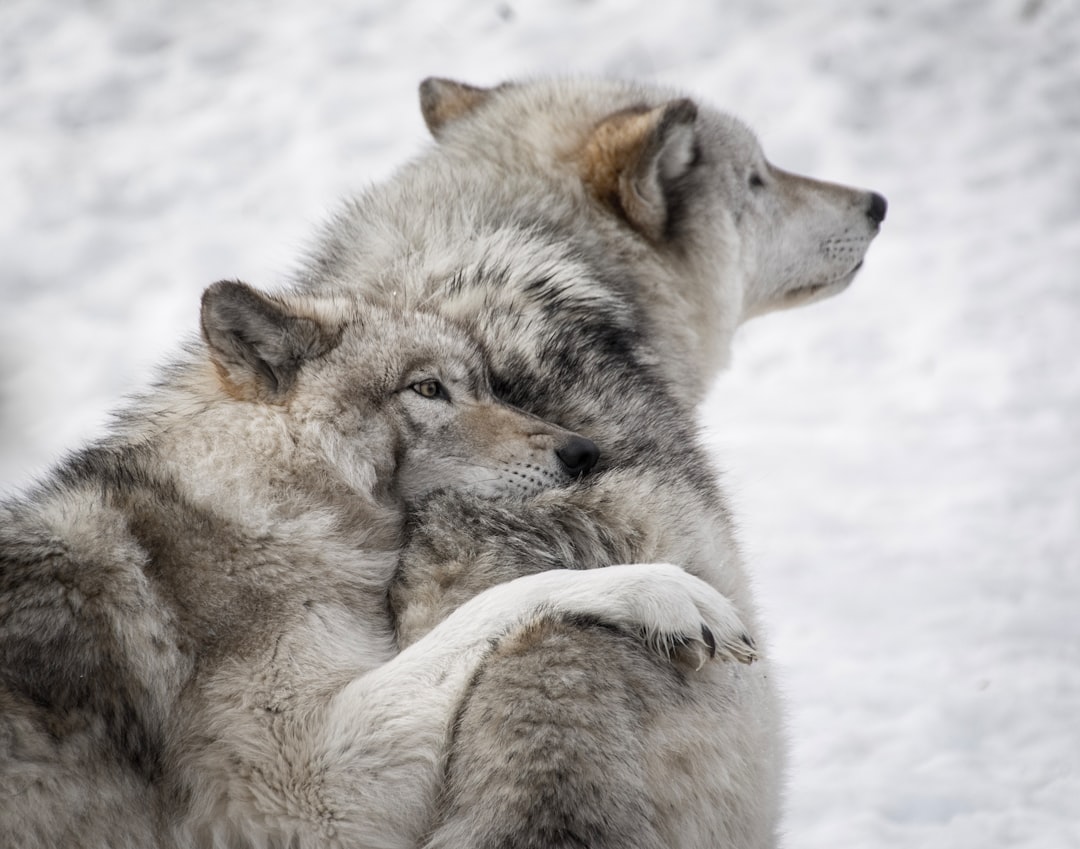
Like humans, wolves form friendships and maintain lifelong bonds, succeed by cooperating, and struggle when they’re alone – wolves need one another. A lone wolf is searching for another wolf, as everything in a wolf’s nature tells it to belong to something greater than itself: a pack.
Coyotes typically mate in February, with only the alpha pair mating and subordinates helping raise the young, appearing to be strongly monogamous with bonds broken only upon death, allowing some pairs to maintain bonds for multiple years. However, unrelated coyotes may join forces for companionship or to bring down large prey, with such “nonfamily” packs being temporary and consisting of bachelor males, nonreproductive females and subadult young.
Social Learning and Knowledge Transfer
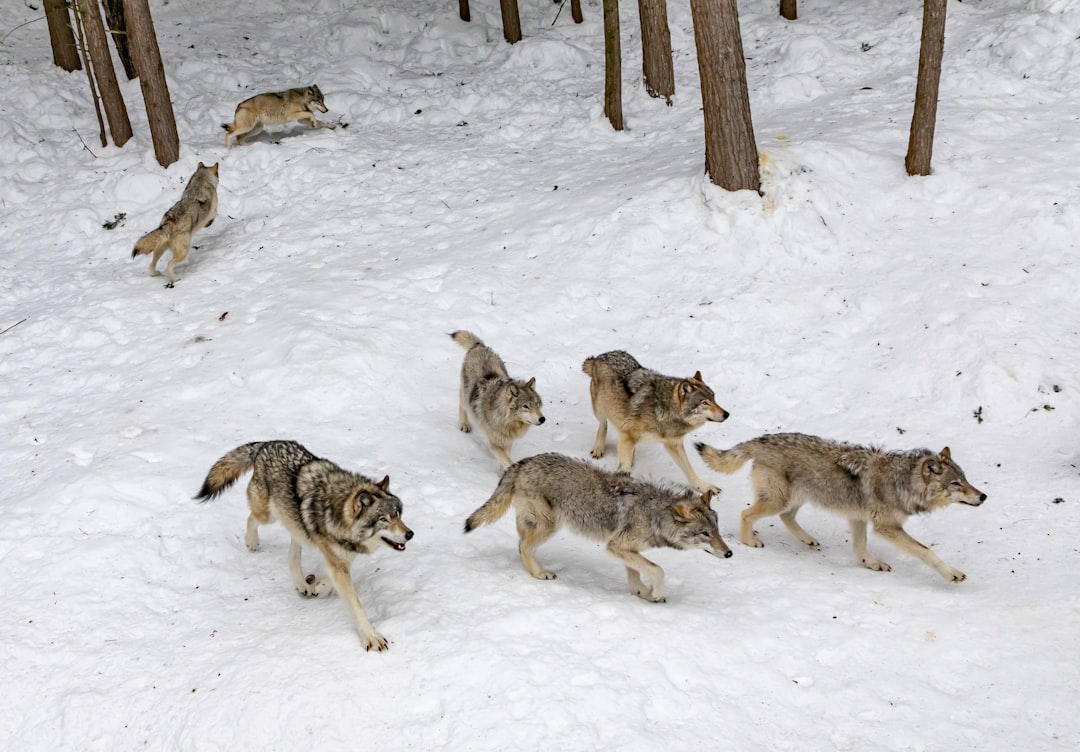
In wolf packs, older wolves share hunting strategies and techniques with younger wolves as more experienced hunters, passing down knowledge from generation to generation and maintaining a culture unique to that pack, with late biologist Gordon Haber observing wolves changing hunting strategies based on weather, terrain, and prey behavior.
In wolf societies, younger wolves learn from observing their elders, adopting behaviors that increase their hunting proficiency over time through “social learning” that is critical for pack survival, ensuring essential skills and tactics are passed through generations. Coyote offspring also help guard and patrol territories and assist in babysitting new litters of pups born during spring.
Decision-Making Processes: Hierarchical Versus Collaborative
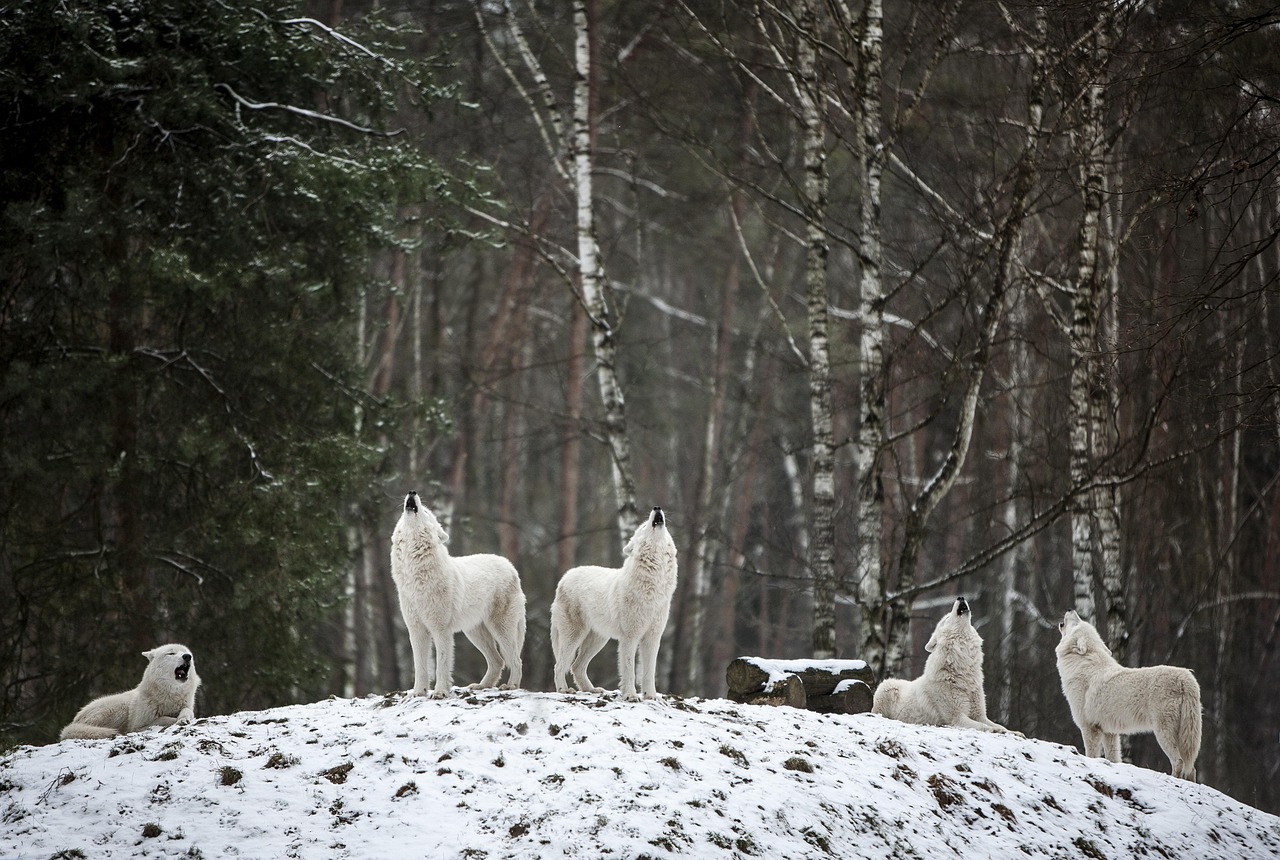
Alpha wolves, often the parents of the pack, lead the group and make important decisions such as hunting strategies and territory defense, with beta wolves (usually the alpha pair’s offspring) assisting with these decisions and potentially taking on leadership roles in the future, while the rest of the pack follows instructions and works together to maintain pack balance.
Wolf pack hierarchy and leadership are less about dominance and more about organized cooperation, with lead wolves acting as experienced guides and the pack’s hierarchy allowing each member to understand its place within the social structure, ensuring harmony and efficiency through situational leadership, cultural transmission, and structured roles.
Does your friend group make decisions through clear leadership, or does everyone contribute equally to the planning process? Understanding these patterns can help you navigate group dynamics more effectively and appreciate different decision-making styles within your social circle.
Which Pack Are You?
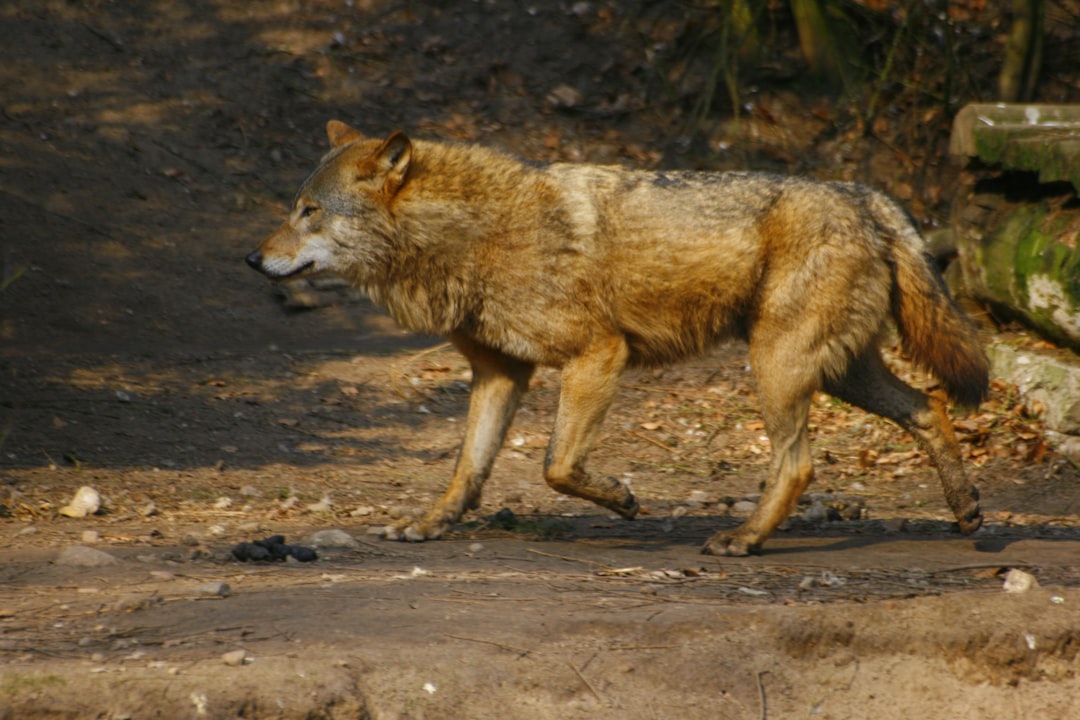
So, which pack animal does your friend group most resemble? If you’re the type of crew that’s been together since college, where everyone has clearly defined roles and losing a core member would devastate the whole dynamic, you’re probably running wolf pack style. Your group likely values deep, long-term connections and operates with an established hierarchy where certain people naturally take charge.
On the other hand, if your friend group is more of a revolving door of awesome people who come and go based on circumstances, interests, and life changes, you’re living that coyote life. Your crew probably adapts quickly to new situations, welcomes newcomers easily, and doesn’t fall apart when someone moves to a different city or gets caught up in a new relationship.
Neither approach is better than the other – they’re just different strategies for navigating the complex world of human relationships. Wolf-style groups offer stability and deep bonds, while coyote-style groups provide flexibility and resilience. Many of us probably experience elements of both throughout our lives, shifting between pack styles as our circumstances change.
What matters most is recognizing which dynamic fits your current life stage and needs. Are you craving that deep, familial wolf pack connection, or do you need the adaptable freedom of coyote-style socializing? Understanding these patterns can help you build stronger friendships and navigate group dynamics with more awareness and intention.
What do you think about your own friend group dynamic? Tell us in the comments which pack animal best describes your crew!
