
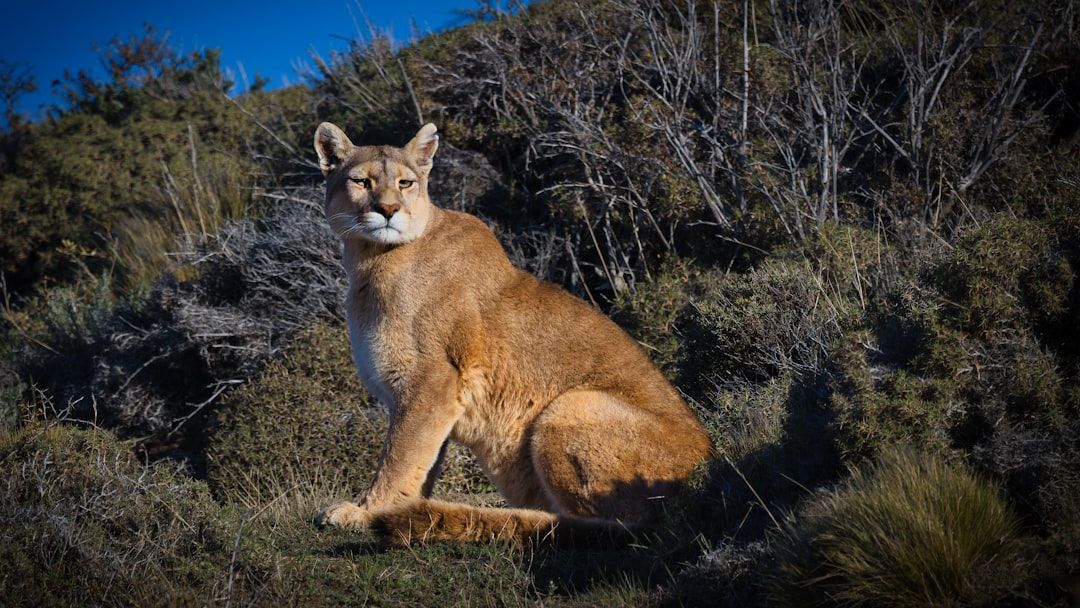
California has always carried a certain wildness beneath its sun-baked surface. Its mountain ranges, coastal forests, and sprawling open spaces are home to one of North America’s most elusive and powerful predators: the mountain lion. Most people will go their entire lives without ever seeing one in the wild, yet these cats are out there, quiet and persistent, threading through landscapes that increasingly bump up against city limits.
Mountain lions are generally secretive, solitary, and elusive. Most people never see this animal in the wild. In fact, both field biologists and outdoor recreationists rarely see mountain lions, even in habitats that support relatively dense populations. That hidden quality is precisely what makes record-breaking individuals so captivating when they do surface in the data. When wildlife biologists document a specimen that pushes the known limits of the species’ size, the questions multiply fast. How big can these cats actually get? And what does California’s population tell us about that upper limit?
#1. How Big Can a Mountain Lion Get? Understanding the Baseline
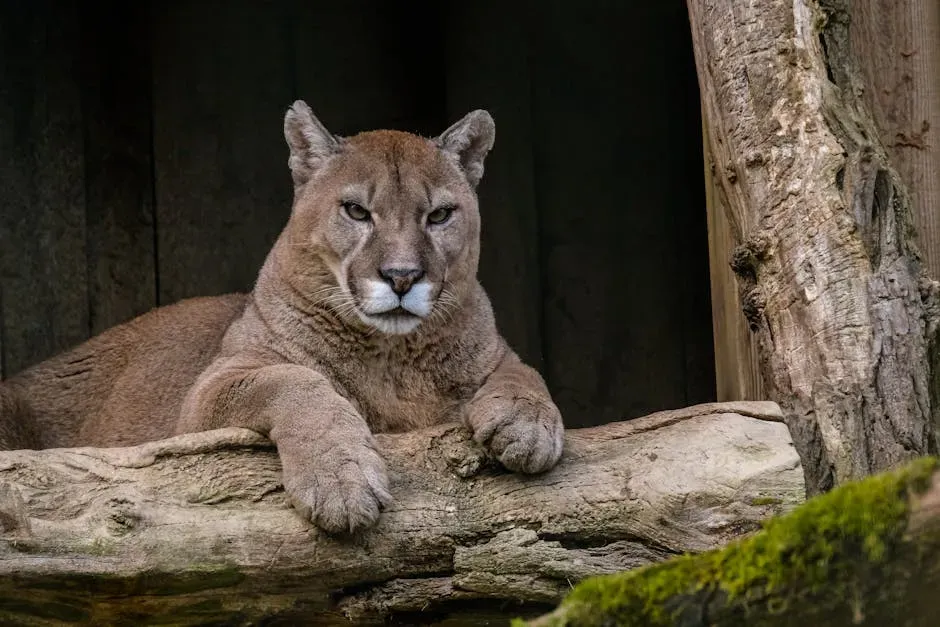
Before talking about the record-breakers, it helps to understand what a typical mountain lion actually looks like on the scale. A typical adult female will be between 80 and 130 pounds, and a typical male will be 110 to 180 pounds. Some mountain lions exceed 200 pounds, but this is fairly rare. In terms of length, adult males are typically between 6 and 8 feet from nose to tail tip, while females are 5 to 7 feet long.
Size is not fixed across the species’ range. If a human were to lie down, at up to 8 feet long including tail, mountain lions would be longer than even the tallest people. That single comparison does something numbers alone can’t – it makes the animal’s scale suddenly very real. Cougars can also easily outweigh many human adults, and their paws are about an inch bigger than most human hands.
Sizes can vary, especially between geographic ranges. Northern populations in colder climates with larger prey tend to produce heavier animals. California’s mountain lions, while formidable, operate in a somewhat different ecological context than their counterparts in the Canadian wilderness. That context matters when discussing which California animals approach the species’ known upper limits.
#2. The Record That Defines the Species’ Upper Limit
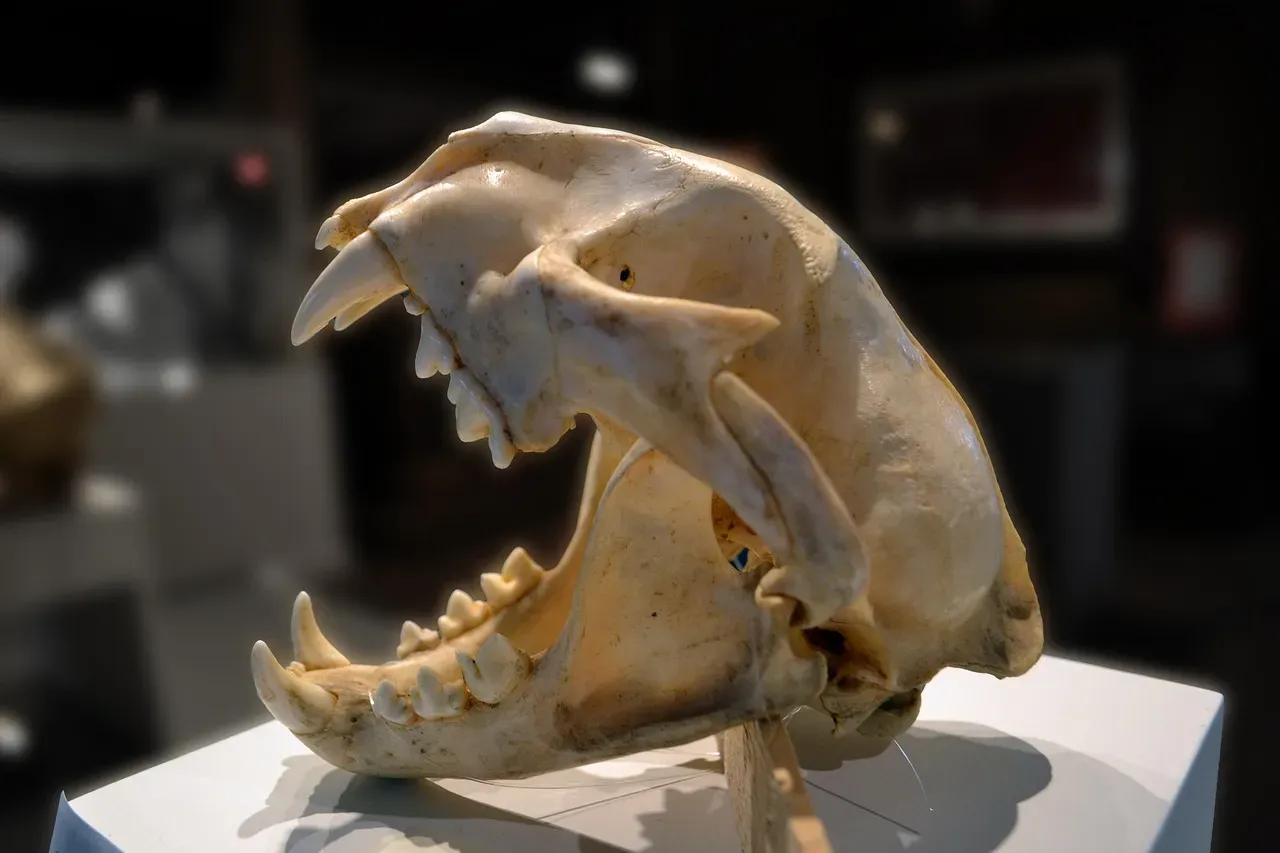
When researchers and wildlife agencies discuss the heaviest mountain lion ever documented anywhere, one figure comes up consistently. The largest mountain lion ever caught was said to weigh 276 pounds. According to the National Park Service, the heaviest wild mountain lion ever documented weighed 276 pounds, although the location and date of this catch are not given.
There is a separate record maintained by the Boone and Crockett Club, which measures skull dimensions rather than body weight. The largest mountain lion ever caught as recorded by the Boone and Crockett Club had a skull measurement of 16 4/16. This cat was hunted and killed in 1979 in Tatlayoko Lake, British Columbia, Canada. Only the skull is measured by the Boone and Crockett Club when determining the world record, so the cat’s weight is unknown.
These two records, one for weight and one for skull size, reflect different measurement standards. Neither has been definitively pinned to a California animal. Still, the 276-pound benchmark, cited by the National Park Service, is the species-wide reference point against which all large California cats are naturally measured.
#3. California’s Mountain Lions and What Makes Them Distinct
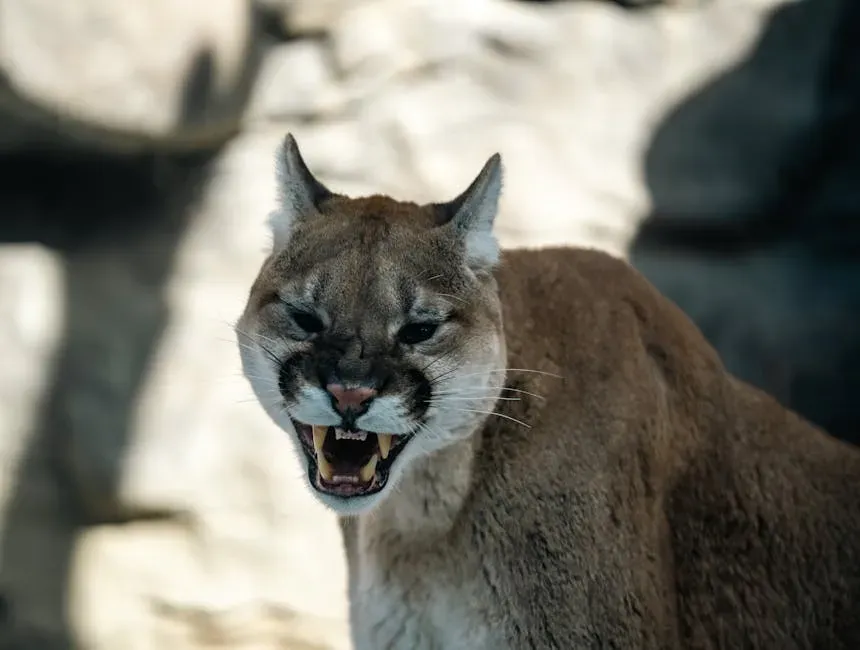
California carries one of the most significant mountain lion populations in the United States. More than half of California, including most of undeveloped areas, is prime mountain lion habitat. Mountain lions are a specially protected species in California. That legal protection has been in place for decades and has shaped the state’s population in meaningful ways.
In California, the cougar is protected under the California Wildlife Protection Act of 1990. While cougars are found in 15 to 17 states, only a few, such as California, offer full protection. In most states, they can still be legally hunted. This means California’s mountain lions are not routinely harvested, and older, more experienced males have at least some chance of reaching their full biological size potential.
The cougar lives in all forest types, lowland and mountainous deserts, and in open areas with little vegetation up to an elevation of over 19,000 feet. In the Santa Ana Mountains, it prefers steep canyons, escarpments, rim rocks, and dense brush. Terrain variety like this supports healthy prey populations, which in turn supports larger, well-fed cats.
#4. P-22: California’s Most Famous Mountain Lion and What His Story Reveals
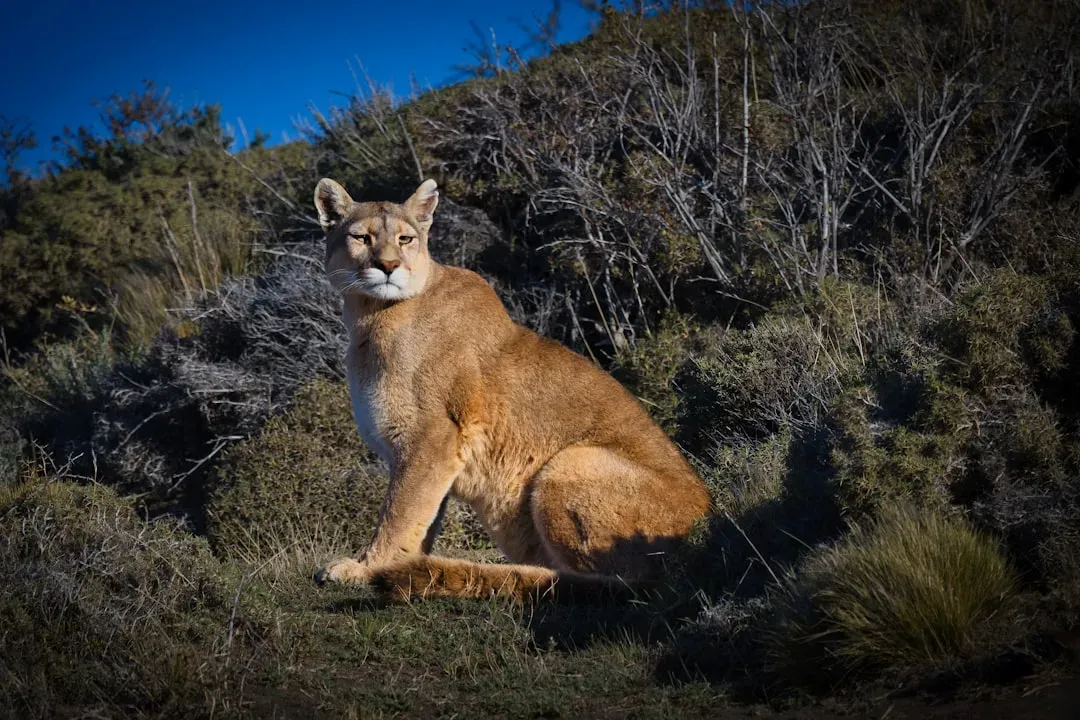
No discussion of California mountain lions in the modern era can skip P-22. P-22 was a wild mountain lion who resided in Griffith Park in Los Angeles, California, on the eastern side of the Santa Monica Mountains. P-22 was first identified in 2012 and was the subject of significant media attention, including numerous books, television programs, and other works of art.
His story is remarkable not because of his size, but because of his journey. Wildlife officials believe P-22 was born in the western Santa Monica Mountains but left because of his father’s aggression and his own struggle to find a mate amid a dwindling population. That drove the cougar to cross two heavily traveled freeways and migrate east to Griffith Park, where a wildlife biologist captured him on a trail camera in 2012. He was not , but he was arguably the most consequential.
In addition to various health issues, P-22 was found to be suffering from multiple longer-term medical problems, including stage 2 kidney failure, heart disease, a parasitic skin infection, and weight loss – he weighed 90 pounds instead of his typical 125 pounds. His typical healthy weight of around 125 pounds reflects what a well-monitored adult male in an urban-edge California habitat actually looks like, far from the 276-pound extreme but still a powerful animal by any measure.
#5. Conservation, Habitat, and the Future of California’s Largest Cats
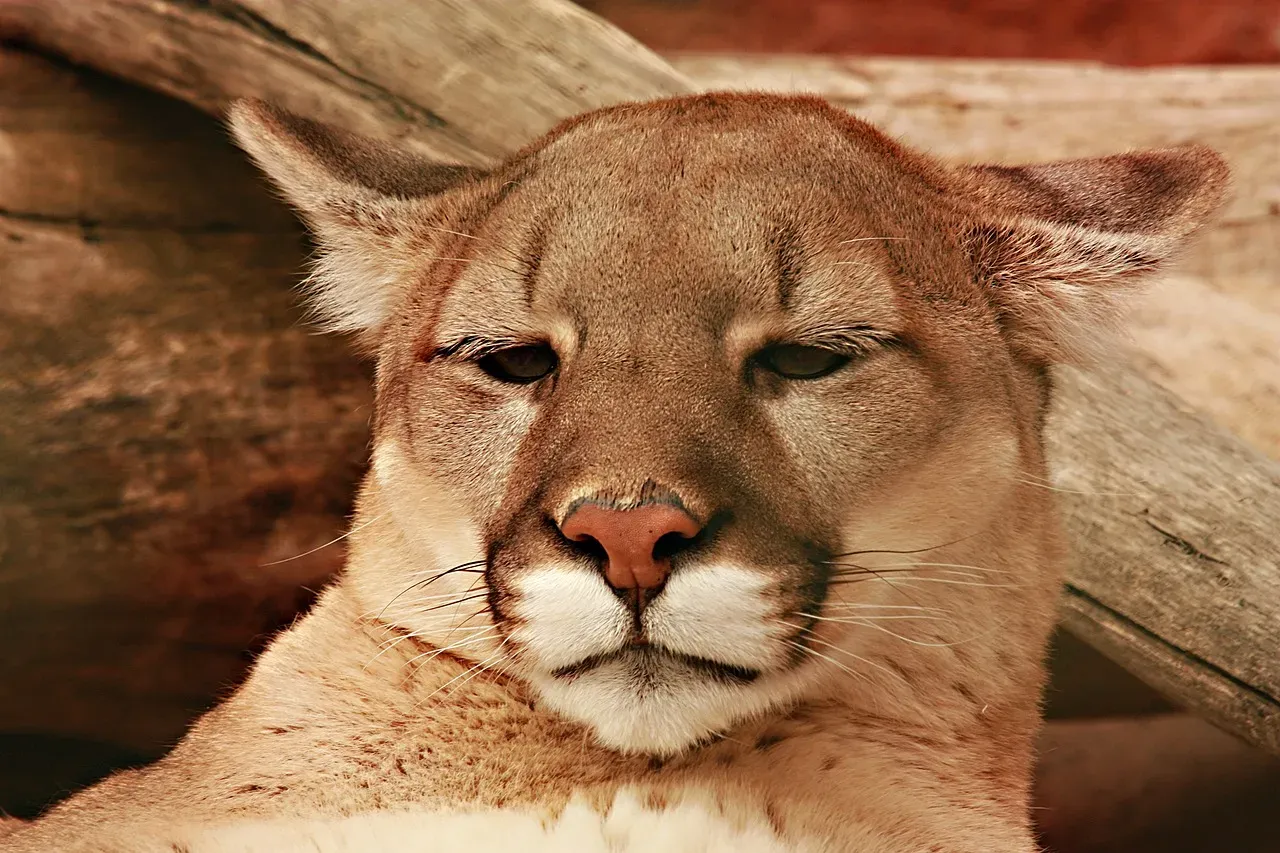
The question of how large California mountain lions can grow is inseparable from the question of how much space and prey they have access to. Mountain lions have naturally low population densities and need large, spacious areas in order to thrive. These wildcats are relatively solitary animals, except during mating season and when parenting their cubs. Males usually have a range of about 100 square miles, and females have a range of 20 to 60 square miles.
Habitat fragmentation is one of the biggest constraints on California’s mountain lion population, and on the animals’ ability to reach their physical potential. Although mountain lions do give birth to several kittens each spring, their population is not increasing due to vehicle collisions, rodenticides, and loss of habitat. A cat that survives long enough, eats well enough, and avoids roads and poison has a genuine chance of growing into a truly impressive specimen.
Cougars require a large habitat to roam, which can present a challenge to those attempting to preserve their way of life. They need 13 times the space to roam that a black bear would. The benefit of this is that mountain lions are considered an “umbrella species,” so protecting their habitat also safeguards countless other plants and animals. In that sense, tracking the largest individuals in the population isn’t just a curiosity. It’s a rough measure of how healthy the wider ecosystem actually is.
California’s mountain lions occupy a peculiar space in the American imagination: wild enough to unsettle, familiar enough to name. The largest among them, past and present, carry the full weight of that contradiction. They are animals that need vast silence to survive, living at the edge of one of the most densely populated states on Earth. Whether California’s protected population will eventually produce a record-breaking individual remains an open question, but the conditions for it, long protected land, abundant deer, and decades of legal shelter, are more present here than almost anywhere else in the country.

- 14 Ways an Old Dog Holds On a Little Longer for the Person It Loves - July 21, 2026
- 15 Tender Things Old Dogs Do the Closer the End Quietly Comes - July 21, 2026
- 14 Ways a Rescue Cat Shows It Has Given You Its Fragile Heart - July 21, 2026