

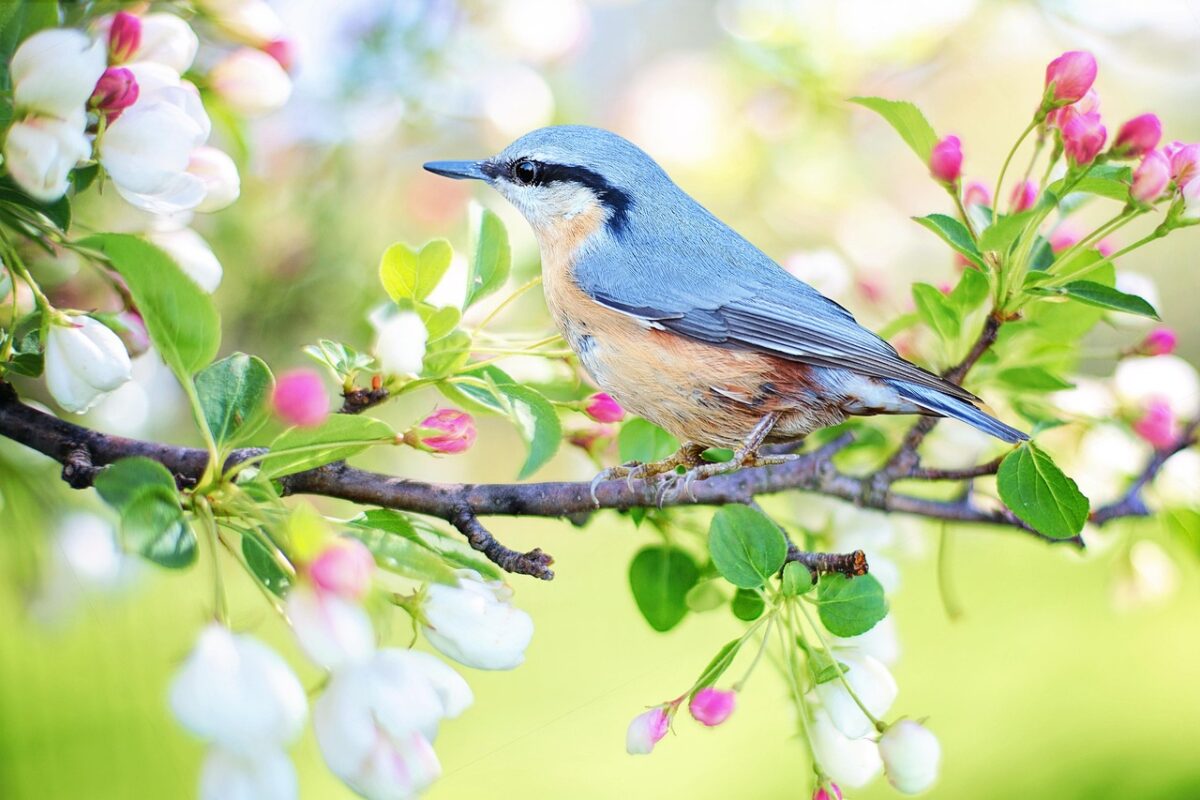
Picture this: you’re sipping morning coffee and watching brilliant azure wings flutter past your window. These aren’t just any birds – they’re the symbols of happiness itself, gliding through your very own backyard paradise. With their gorgeous colors, musical voices and gentle habits, bluebirds have captivated hearts for generations.
Still, many homeowners struggle to bring these enchanting visitors to their yards. The truth is, creating a bluebird haven isn’t as mysterious as you might think. With some strategic changes to your outdoor space, you can transform your property into an irresistible destination for these beautiful birds. So let’s get started on making your yard the neighborhood hotspot for bluebirds.
Create the Perfect Open Habitat They Crave
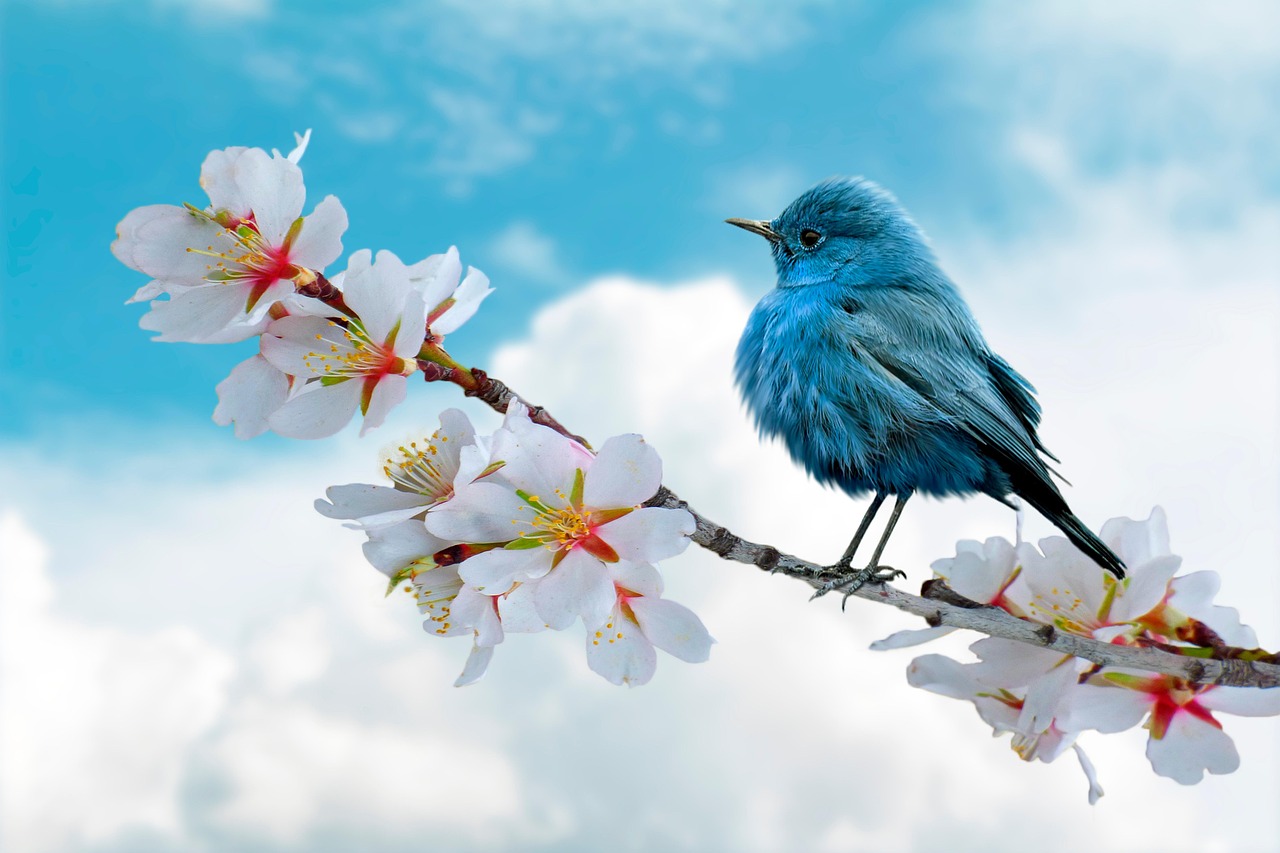
Bluebirds have very specific preferences when it comes to their ideal hunting grounds. A wide expanse of open, chemical-free lawn provides ideal habitat for these insect-loving birds. Think of your yard like a natural restaurant – bluebirds prefer to dine in spacious areas where they can easily spot their next meal.
Bluebirds prefer open areas with low grass and perches from which they can hunt insects. This means keeping your grass relatively short, around two to three inches tall, so they can easily see beetles, crickets, and other ground-dwelling prey. Large lawns, meadows, or even just clearing out overgrown brush can make a huge difference in attracting these birds.
Install the Right Nest Box in the Perfect Spot
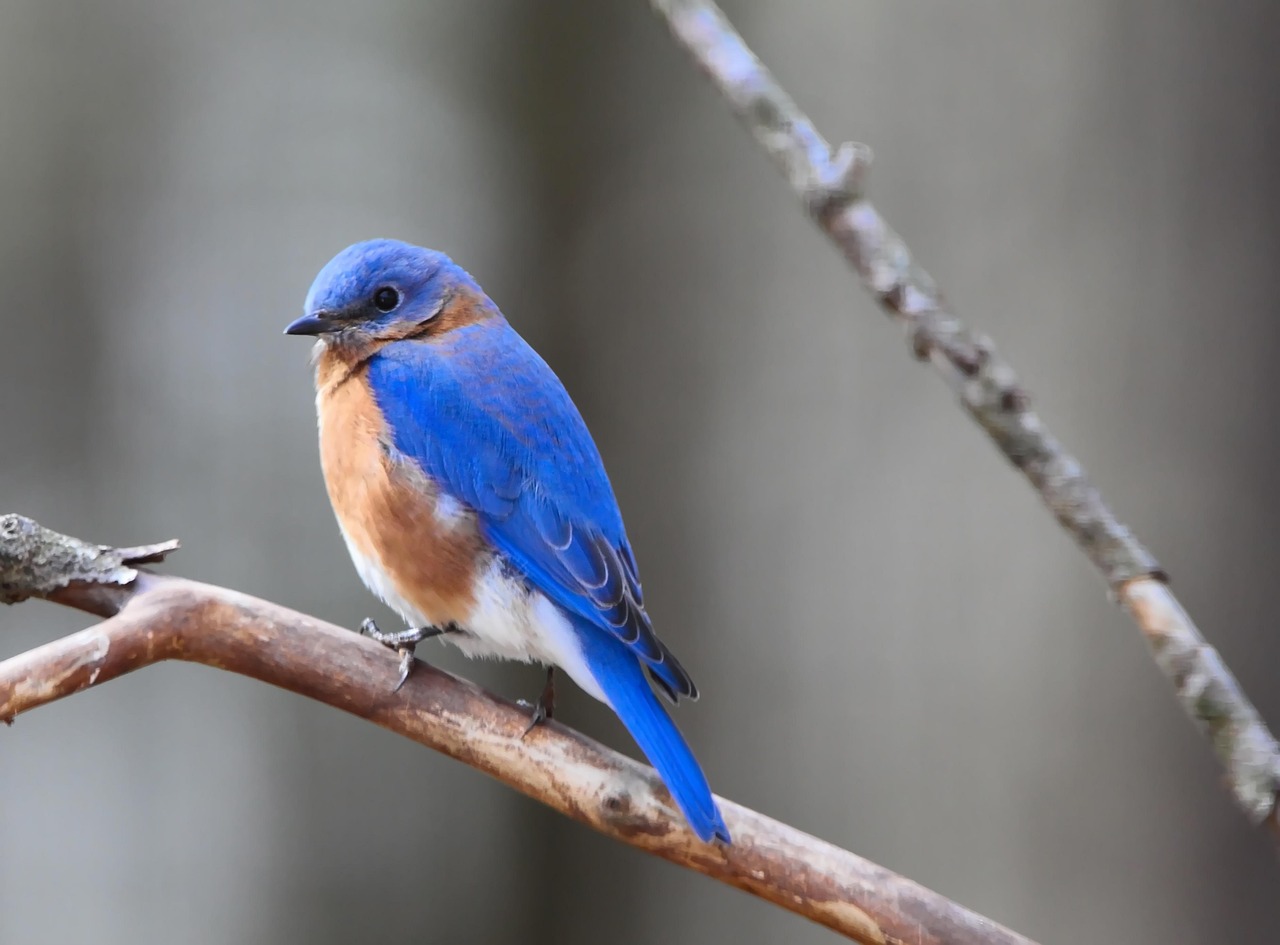
Attracting bluebirds to your property can be as easy as building and placing nest boxes in suitable habitats. Chances are the nest boxes will be occupied quickly and used year after year. However, not just any birdhouse will do – bluebirds have specific requirements that must be met.
An ideal nest box for bluebirds has a 1.5-inch diameter entrance hole approximately 2 inches below the front roof top. The interior should provide approximately 4-5 inches wide by 4-5 inches deep with a height of 8-12 inches. This gives the birds plenty of room to nest in and raise their young, yet not too big to allow larger species to invade them. Place your box on a pole at least five feet high in an open area with scattered trees nearby for perching.
Serve Up Their Favorite Protein-Packed Treats
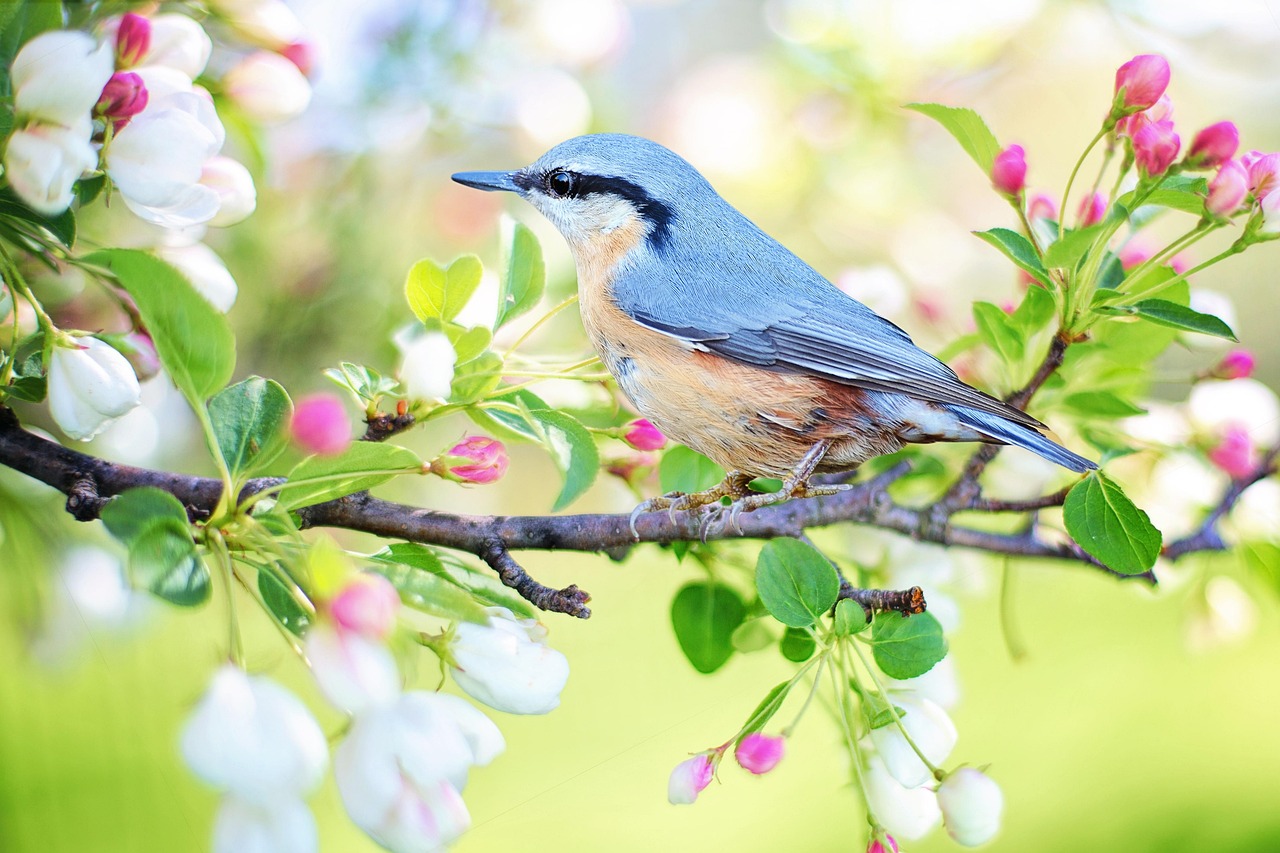
Nothing attracts bluebirds quite like their absolute favorite food: mealworms. Bluebirds are mainly insect eaters, so serving up their favorite mealworms is one way to bring them to your yard. These protein-packed treats are like candy to bluebirds, especially during breeding season when they need extra nutrition.
Living mealworms are the best option, as they provide more nutrients and hydration to eastern bluebirds. It’s essential to provide only living mealworms if you have nesting bluebirds who are feeding their fledglings. You can purchase live mealworms from pet stores or online suppliers. However, dried mealworms work well too – just soak them in water for about an hour to make them more appealing.
Provide Fresh, Moving Water Sources
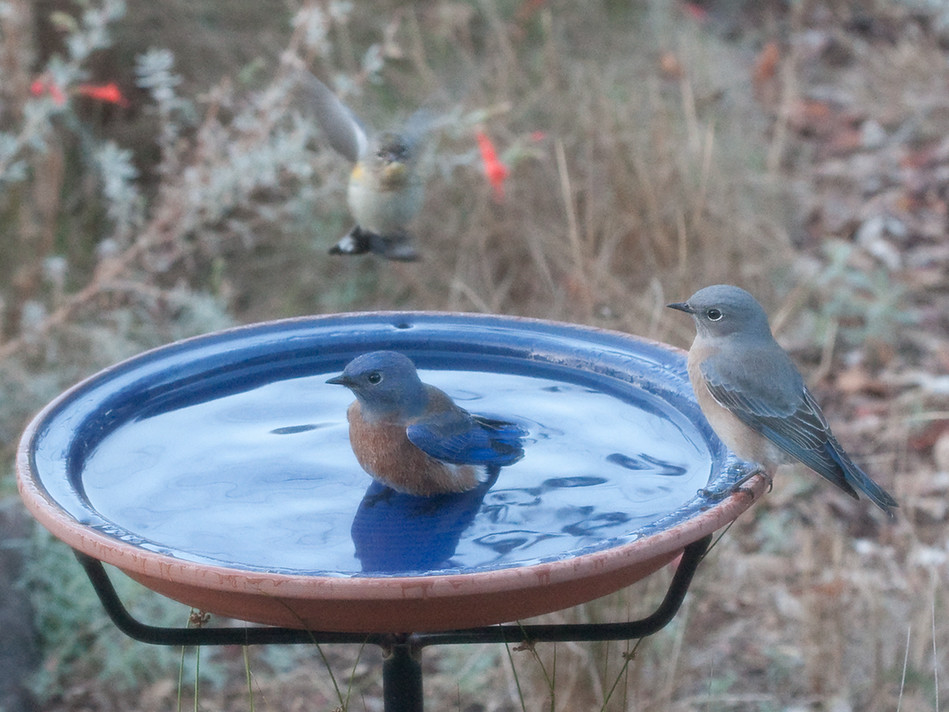
Another simple way to attract bluebirds is to add a birdbath or fountain to your outdoor area. Bluebirds aren’t picky about the type of water source – so long as it’s clean, fresh water, and not too deep. Water serves dual purposes: drinking and bathing, both essential for bird health and comfort.
Bluebirds tend to favor bird baths that feature running water, so choosing one with a fountain or some sort of water current will be more enticing for them. Keep the water shallow – no more than two inches deep in the center and one inch around the edges. The sound of trickling water acts like a dinner bell, alerting birds from considerable distances that refreshment awaits.
Plant Native Berry-Producing Plants
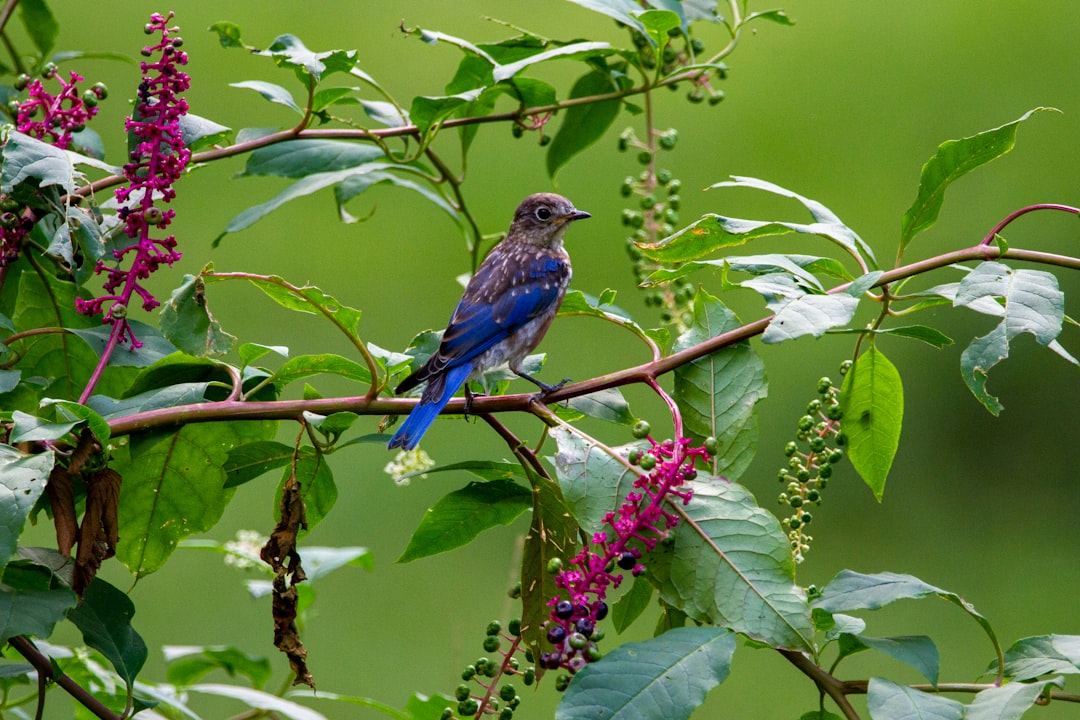
In winter, bluebirds add berries and other fruit to their diet, so planting trees and shrubs native to your area is a natural way to attract them. Junipers, dogwoods, sumacs, hollies, serviceberries and elderberries are good choices. These plants provide essential winter nutrition when insects become scarce.
Think of these plantings as creating a year-round buffet that keeps bluebirds coming back season after season. Native plants also attract the insects that bluebirds love during warmer months, creating a complete ecosystem that supports these birds throughout their lifecycle. The key is choosing species that fruit at different times, ensuring a continuous food supply.
Eliminate Pesticides and Go Chemical-Free
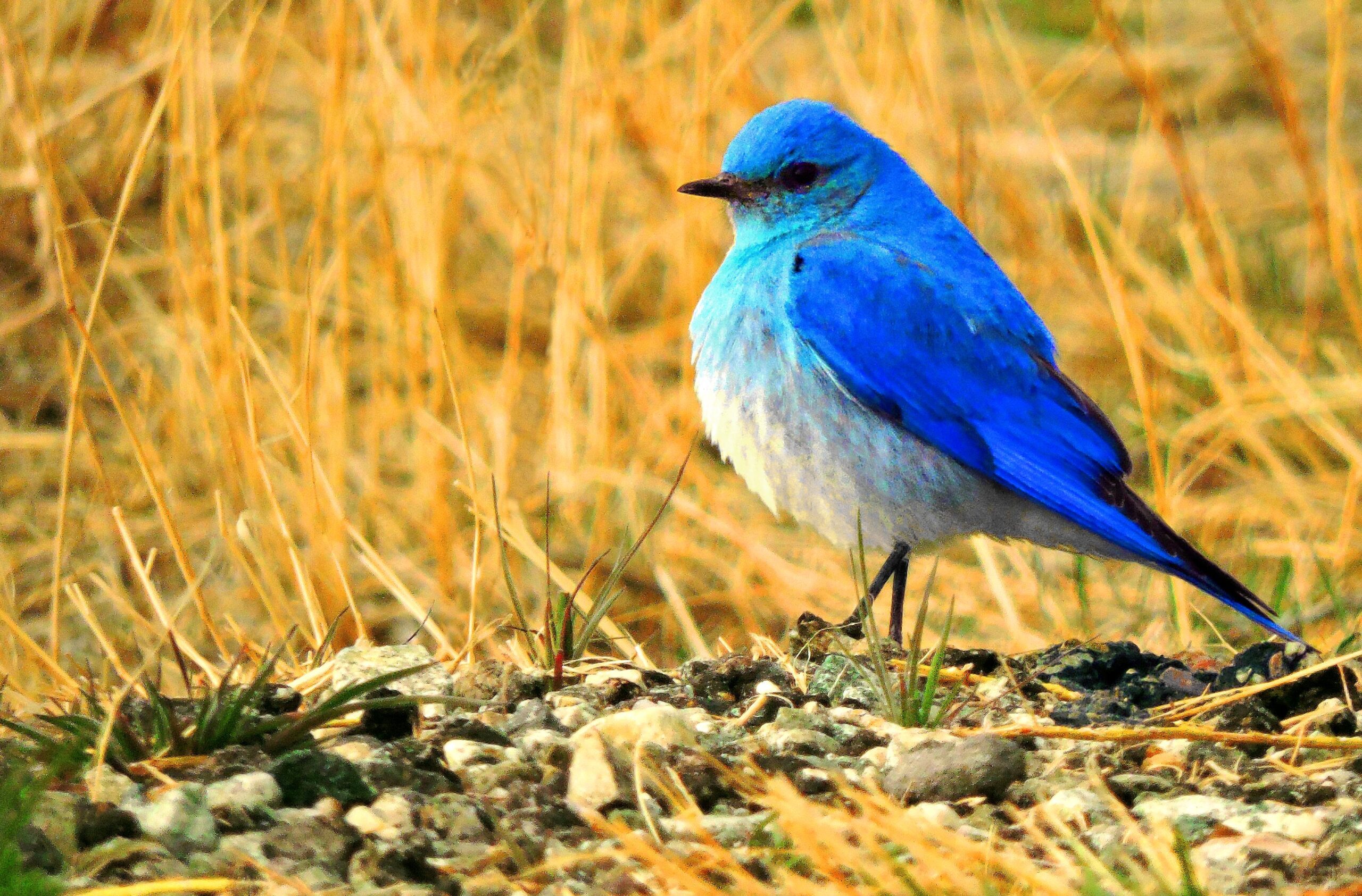
Between spring and fall, a bluebird’s diet is mainly insects gleaned from the ground. Pesticides and other lawn chemicals are dangerous for birds that feed this way. When you spray your lawn, you’re essentially poisoning the very food source that attracts bluebirds to your property.
Going chemical-free might seem daunting, but it’s actually liberating. Your yard becomes a safe haven where bluebirds can hunt naturally, and you’ll be amazed at how quickly insect populations balance out naturally. Furthermore, if you use pesticides, you’ll dissuade not only eastern bluebirds from your yard but also many other birds, such as the American robin, tree swallow, kingbirds, and more.
Keep Cats Indoors and Dogs Under Control
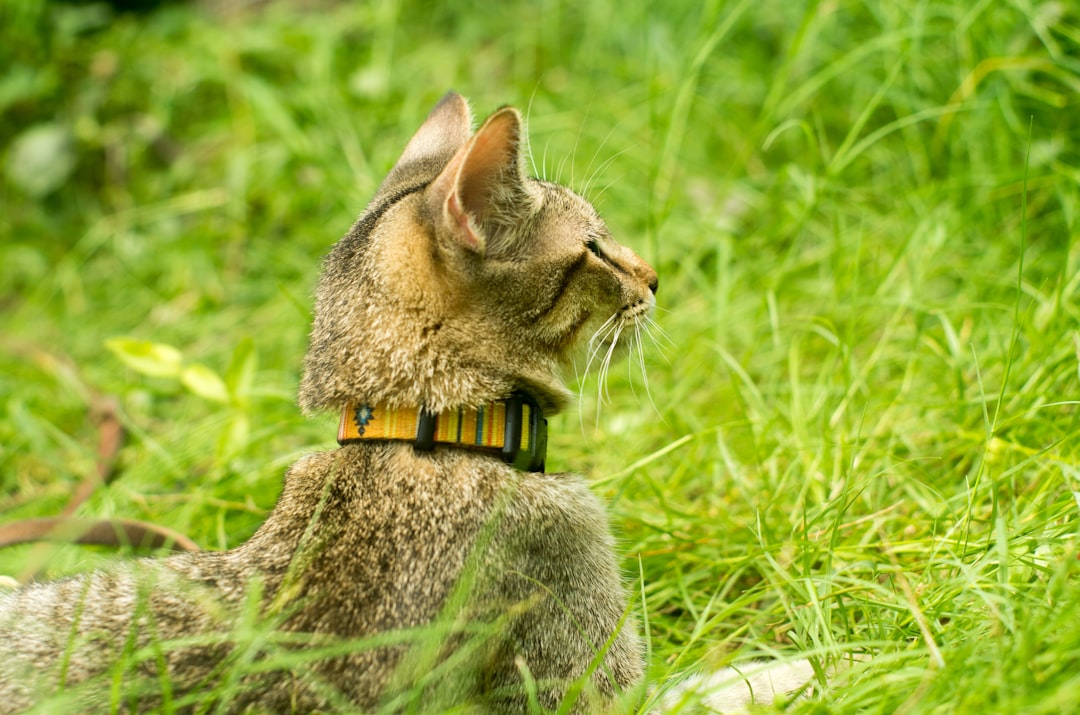
Cats are notorious killers of songbirds, especially young birds, and are responsible for the loss of billions of birds in the USA every year. Believe it or not, cats are the number one cause of human-related mortality in birds, and bluebirds are included. This single change can dramatically increase your success in attracting bluebirds.
You can’t expect bluebirds to feel comfortable enough to roost and raise their young if there are predators nearby. And that’s exactly how they see your cuddly cat and friendly dog! So, if you have pets in your yard, try to block off a space for the bluebirds that is inaccessible to them. If keeping cats indoors isn’t possible, bright cat collars, especially those with a bell are excellent for alerting local birds that a cat is hunting so they can get away in time.
Maintain Your Bluebird Paradise Year-Round
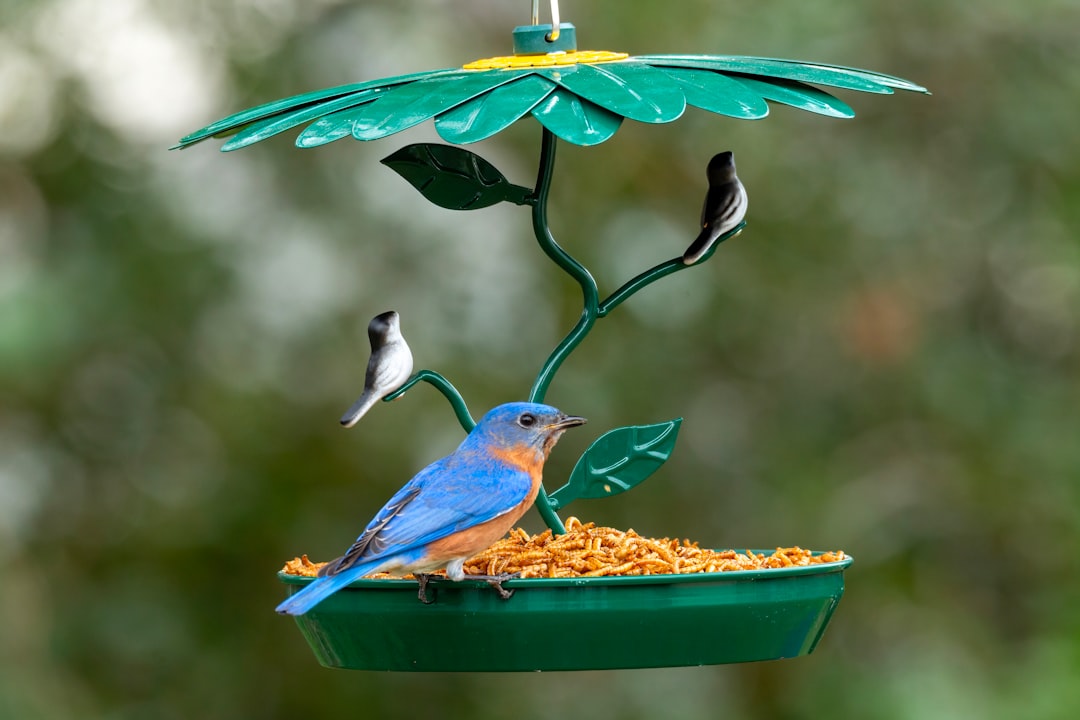
Once they know your yard as a haven filled with everything they need – food, water, and shelter – they’ll be loyal visitors for future breeding seasons. That’s why it’s good to keep your nest boxes and birdhouses up for more than one season, removing old nests and cleaning them after each breeding season. Regular maintenance ensures your efforts continue paying dividends.
Keep your mealworm feeders stocked, maintain fresh water sources, and monitor your nest boxes weekly during breeding season. Following all of these tips is more effective than just following just one or two. But still: you can do everything right, and it still may take longer than you think to see bluebirds appear in your yard. Patience and persistence are key to long-term success.
Conclusion
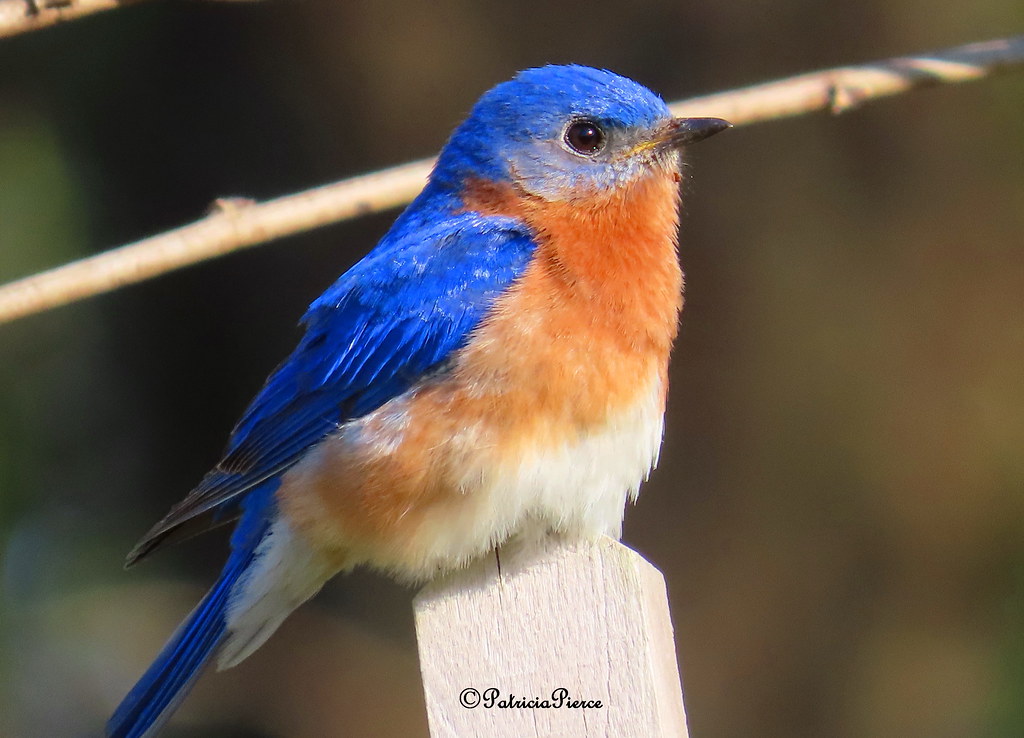
Transforming your yard into a bluebird magnet isn’t about luck – it’s about understanding what these remarkable birds need and providing it consistently. From creating open hunting grounds to offering their favorite mealworms, every change you make brings you closer to hosting these symbols of happiness in your own backyard.
The magic happens when all these elements come together: the perfect nest box overlooking a pesticide-free lawn, fresh water trickling nearby, and native plants providing natural sustenance. Soon you’ll discover what generations before us knew – there’s something truly special about sharing your outdoor space with bluebirds. What do you think about it? Tell us in the comments.

- 30 Plants That Absolutely Love Full Sun - July 15, 2026
- 25 Houseplants That Will Transform the Way Your Home Smells - July 15, 2026
- 25 Dog Breeds Perfect for Families With Kids - July 15, 2026