
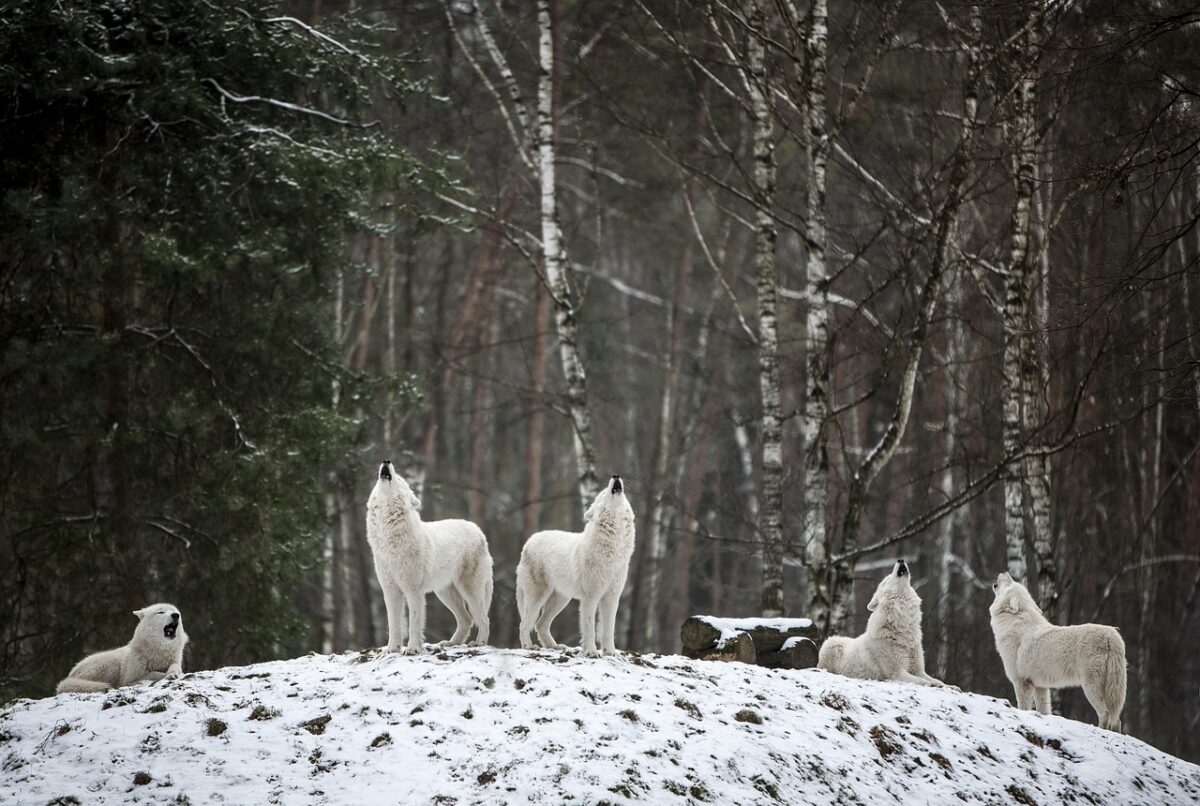
Think you know everything about leadership? Time to challenge that assumption. Most business experts analyze human behavior, but what if the animal kingdom holds the real secrets to effective leadership? The natural world presents us with two fascinating models: the misunderstood wolf pack and the surprisingly strategic bison herd.
These aren’t just random animal comparisons. Both species have evolved complex social systems that mirror many of the challenges we face in boardrooms, team meetings, and organizational hierarchies. The way wolves coordinate hunts and bison navigate vast migrations offers profound insights into human leadership dynamics.
The Reality Behind Wolf Pack Leadership
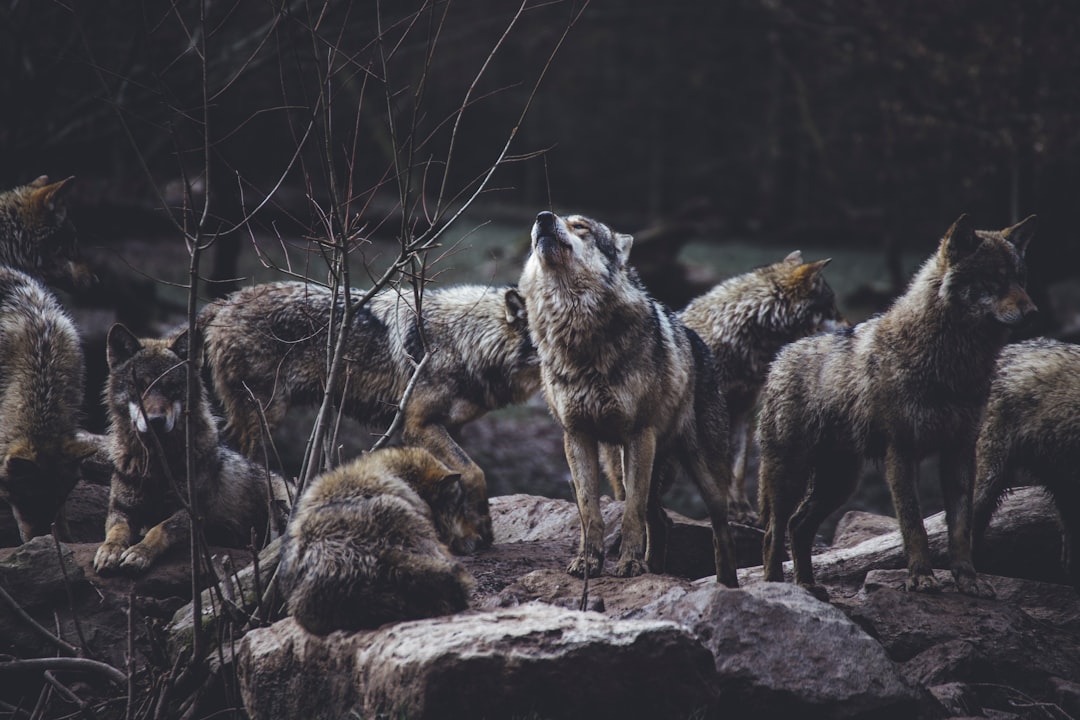
The popular image of wolves as ruthless competitors fighting for alpha status is actually based on outdated research from captive wolf studies. In the wild, wolf packs are typically family units consisting of a breeding pair and their offspring from the past two or three years.
Modern wolf researchers describe the role of wolf leaders as parents guiding, teaching, and caring for their pack members rather than dominating through aggression. This family-centered approach creates a completely different leadership dynamic. The parents naturally lead not because they fought their way to the top, but because they’re responsible for the survival and development of their family.
Bison Leadership Through Collective Intelligence
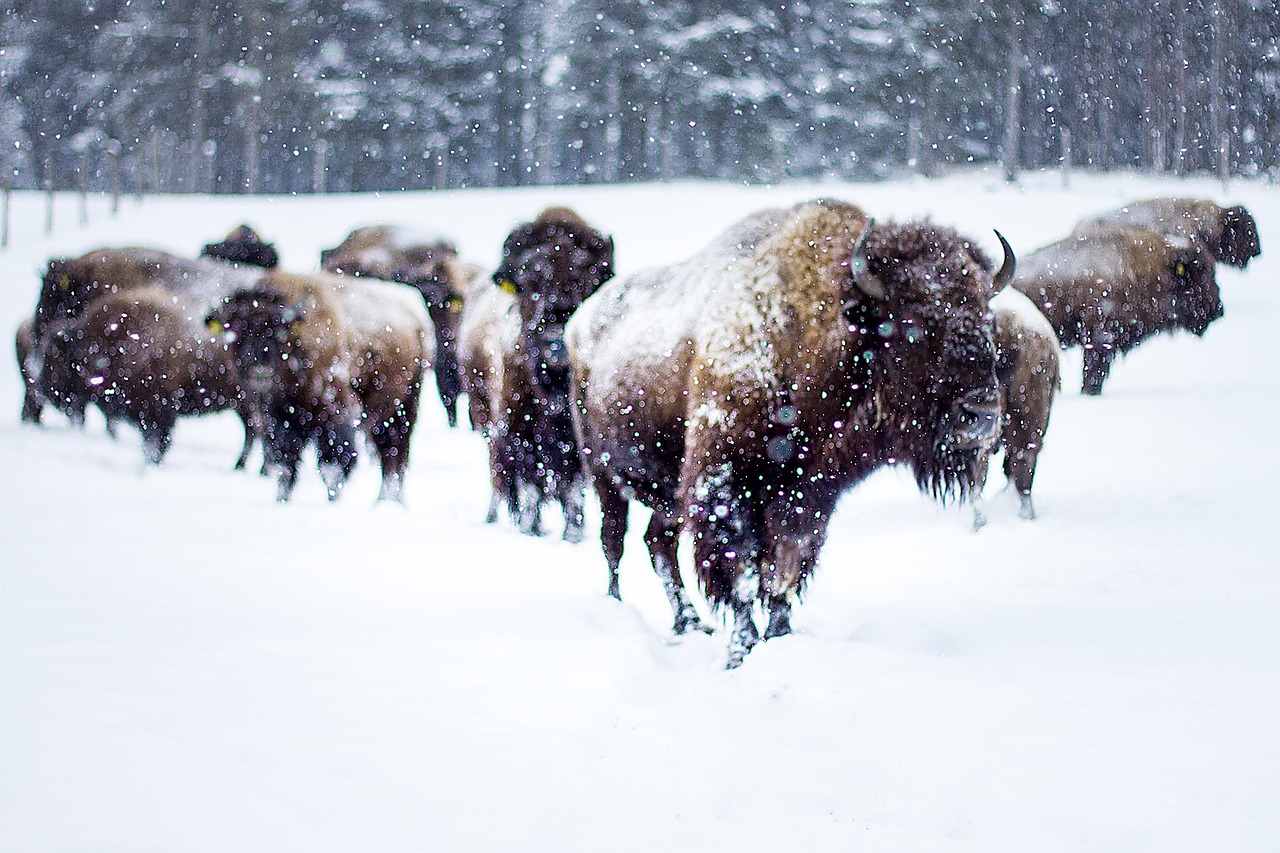
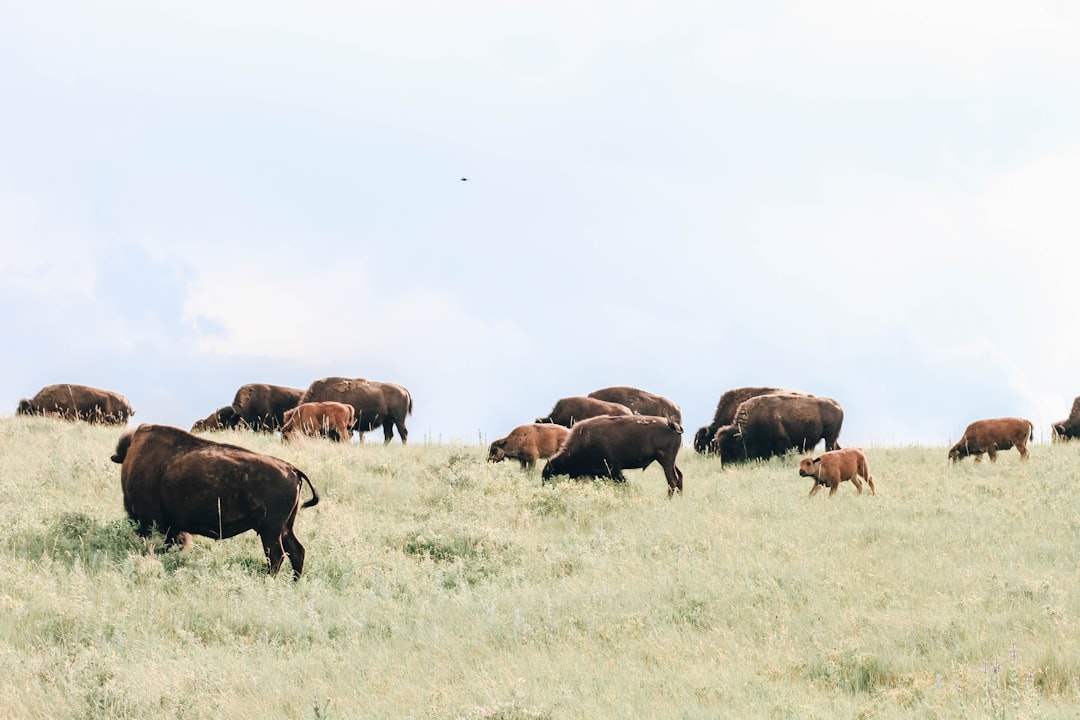
Bison herds operate under a different system where older females often make decisions for the group rather than younger females, with matriarchal females leading movement. While males are dominant over females with dominance increasing with age, and older bulls are more dominant than younger ones.
Both cows and bulls live in a dominance hierarchy established early in life, with females and young forming small bands most of the year while immature bulls may stay with them. The herd leadership alternates between one dominant male or several female matriarchs who direct movement during the day while all members graze together.
Wolf-Style Leadership in Modern Workplaces
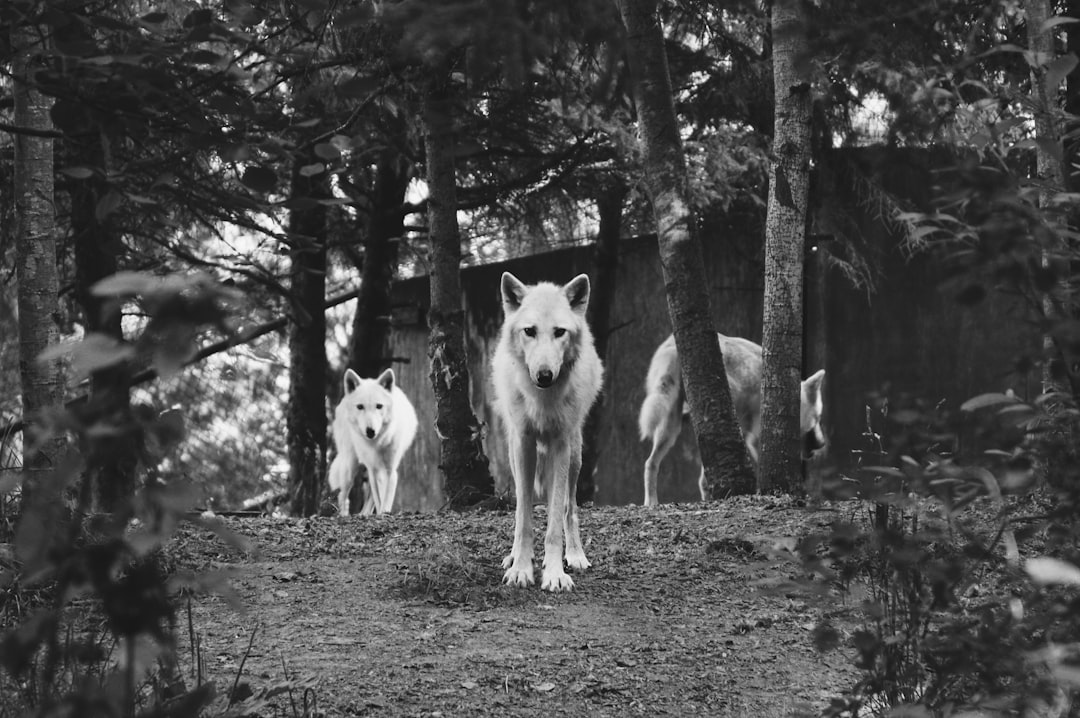
A wolf pack serves as a striking illustration of team roles, responsibilities, boundaries, communication, social hierarchy, and collaboration. The alpha wolf leads like a CEO who leads without fear and trusts that her team will respond when disruption occurs.
Research shows that in situations where verbal and nonverbal messages conflict, nonverbal cues carry more weight, and if a team leader enters with confidence like an alpha wolf, she is deemed confident, but word choices don’t matter if she demoralizes the team through poor delivery. Wolf-style leaders understand that presence and trust matter more than rigid control.
Bison-Style Collective Decision Making
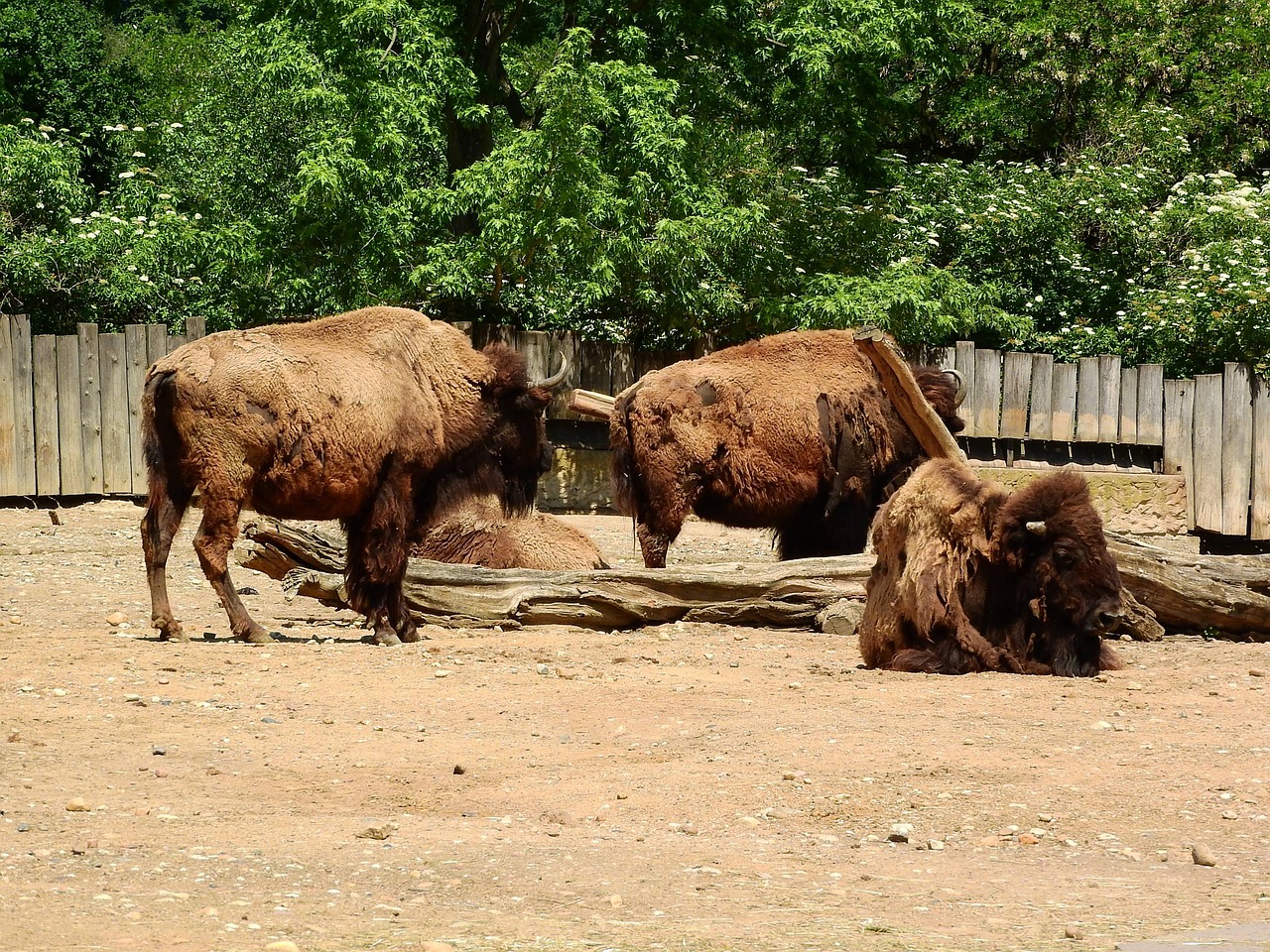
Bison herds have their own social hierarchy, and during mating season when males and females join together, male bison are more dominant, with older male bison establishing stronger dominance than younger ones. The same principle applies in female herds where older female bison have more authority than younger ones.
Studies show the strongest social associations are among mothers and their offspring, with these relationships extending over multiple generations. This creates leadership networks based on experience and relationship rather than simple hierarchy.
When Wolf Leadership Works Best
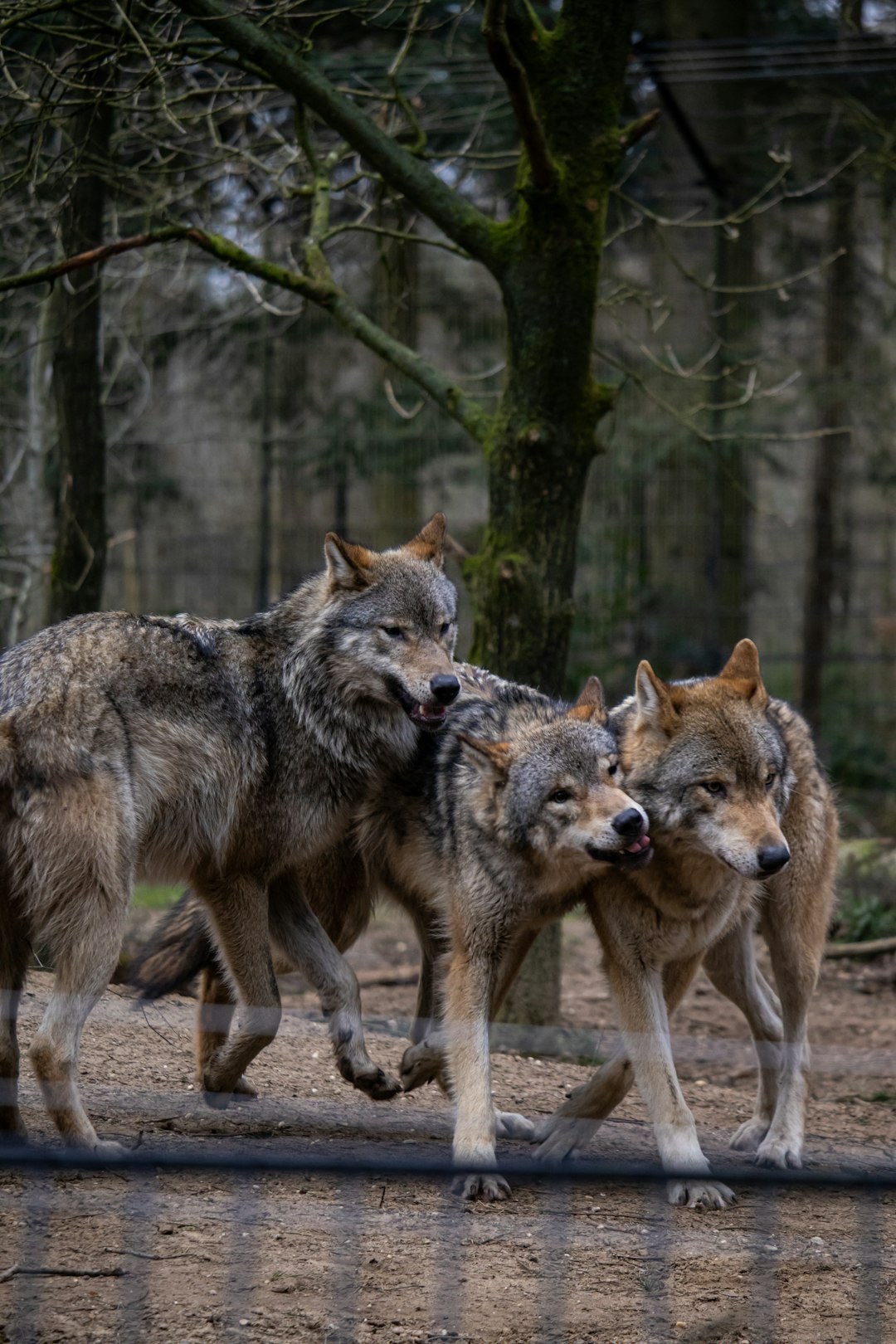
Social play among wolves allows pack members to compete and build skills in a safe context, with wolves being particularly playful with all ages and genders. This translates to workplaces where learning through experimentation is valued.
Wolf leadership thrives in startup environments, creative teams, and crisis situations where quick adaptation is essential. Wolves spend significant time playing, which helps develop leadership and communication skills. Teams that can pivot quickly, support each other instinctively, and operate with minimal formal structure benefit from this approach.
When Bison Leadership Excels
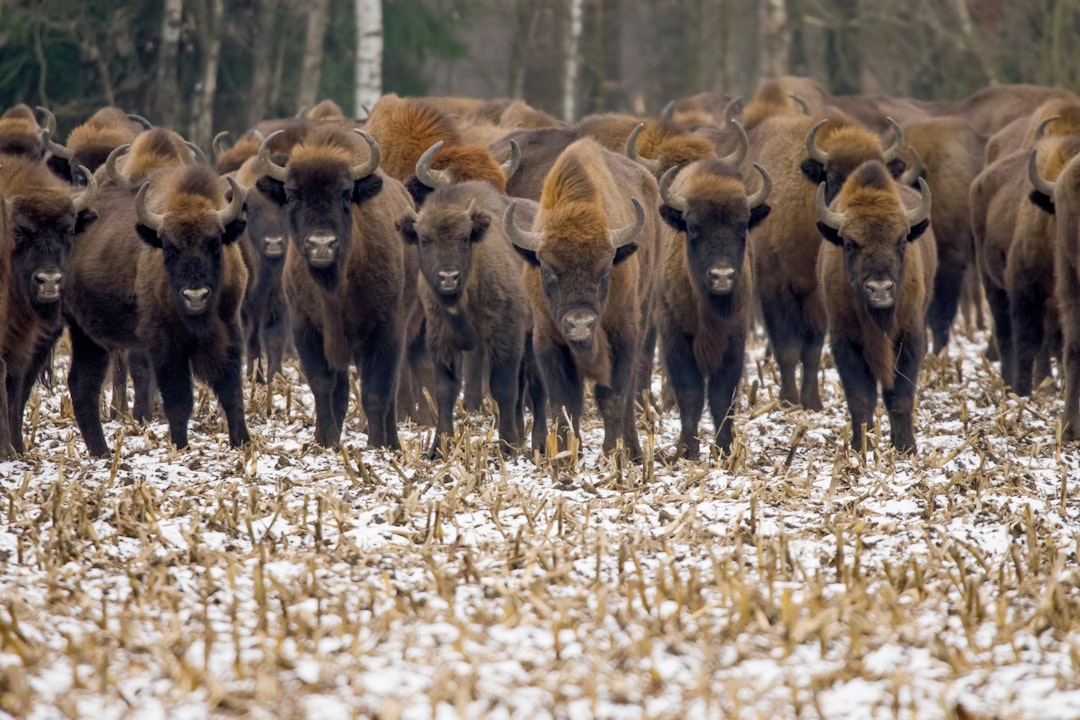
Seasonal group size varies considerably as forage conditions, seasonal behavior, population size, landscape composition, and environmental conditions influence group dynamics, with patterns of hierarchical social dominance well documented. Within bison herds exists a hierarchy based on dominance where older bulls have more influence, providing stability and reducing competition for resources.
Bison leadership works exceptionally well in large organizations, established industries, and situations requiring long-term strategic thinking. Bison arrange themselves by sex, age, season, and habitat, with older bulls often solitary and both cows and bulls living in dominance hierarchies established early in life.
The Hybrid Approach for Complex Organizations
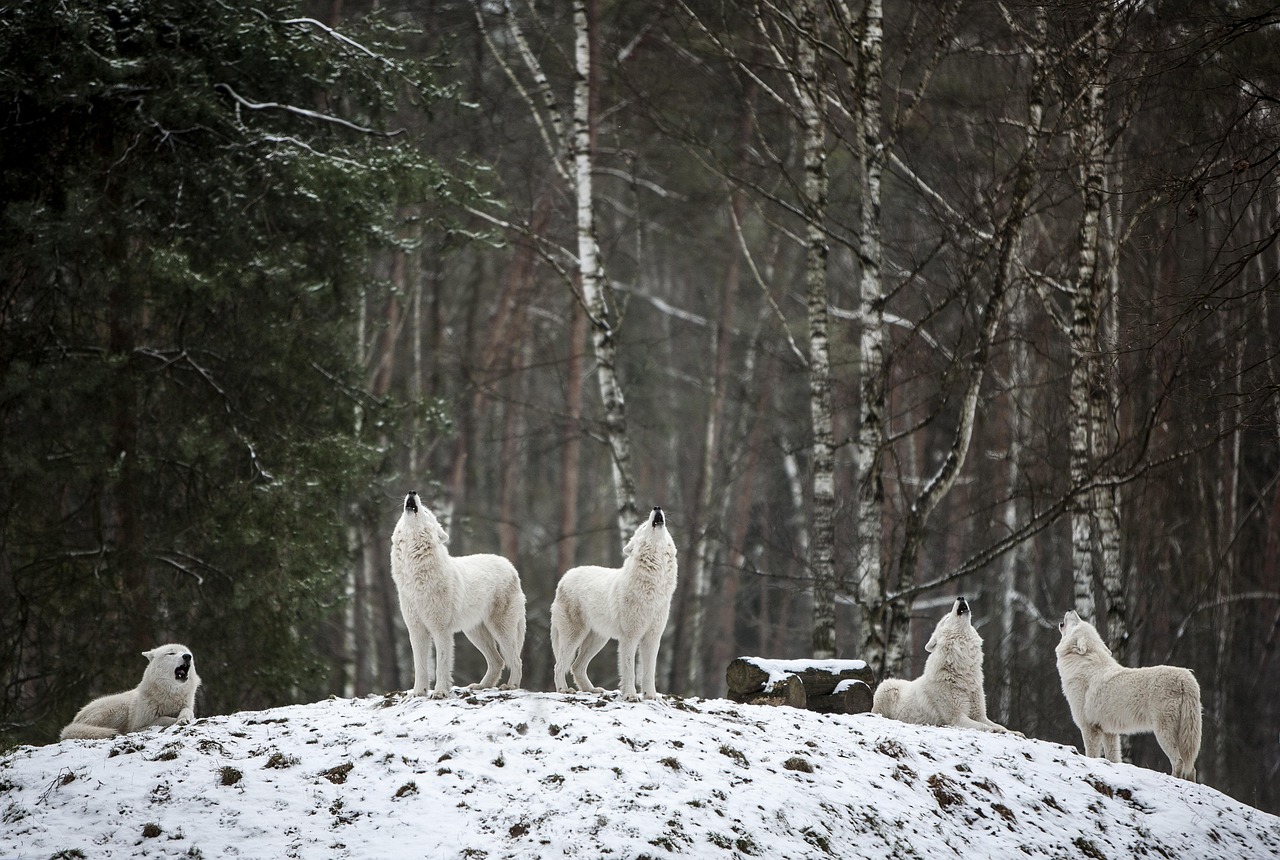
Research suggests that the most effective leaders adapt their style to different circumstances, whether changes in setting, organizational dynamics, or business cycles. Smart leaders recognize when to channel their inner wolf versus their inner bison.
During periods of innovation and change, wolf-like agility serves teams well. When stability and systematic progress are needed, bison-style collective wisdom becomes invaluable. The key lies in reading the organizational environment and matching your approach accordingly.
Conclusion
The most effective leaders develop leadership agility – the ability to recognize when their natural style may not fit a particular situation and consciously shift their approach, staying authentic to their core values while meeting team needs. Neither wolves nor bison represent a perfect leadership model, but understanding both approaches expands your toolkit significantly.
Your leadership effectiveness isn’t about choosing between being fierce like a wolf or steady like a bison. It’s about understanding when each approach serves your team best. What would happen if you started viewing your next leadership challenge through the lens of these ancient survival strategies?

- 7 Plants That Groundhogs Usually Leave Until Everything Else Is Gone - August 15, 2026
- Bird Science Says Chickadees Change Their Alarm Calls Depending on How Dangerous a Predator Is - August 15, 2026
- Animal Science Says Dolphins Use Signature Whistles That Function Remarkably Like Individual Names - August 15, 2026