
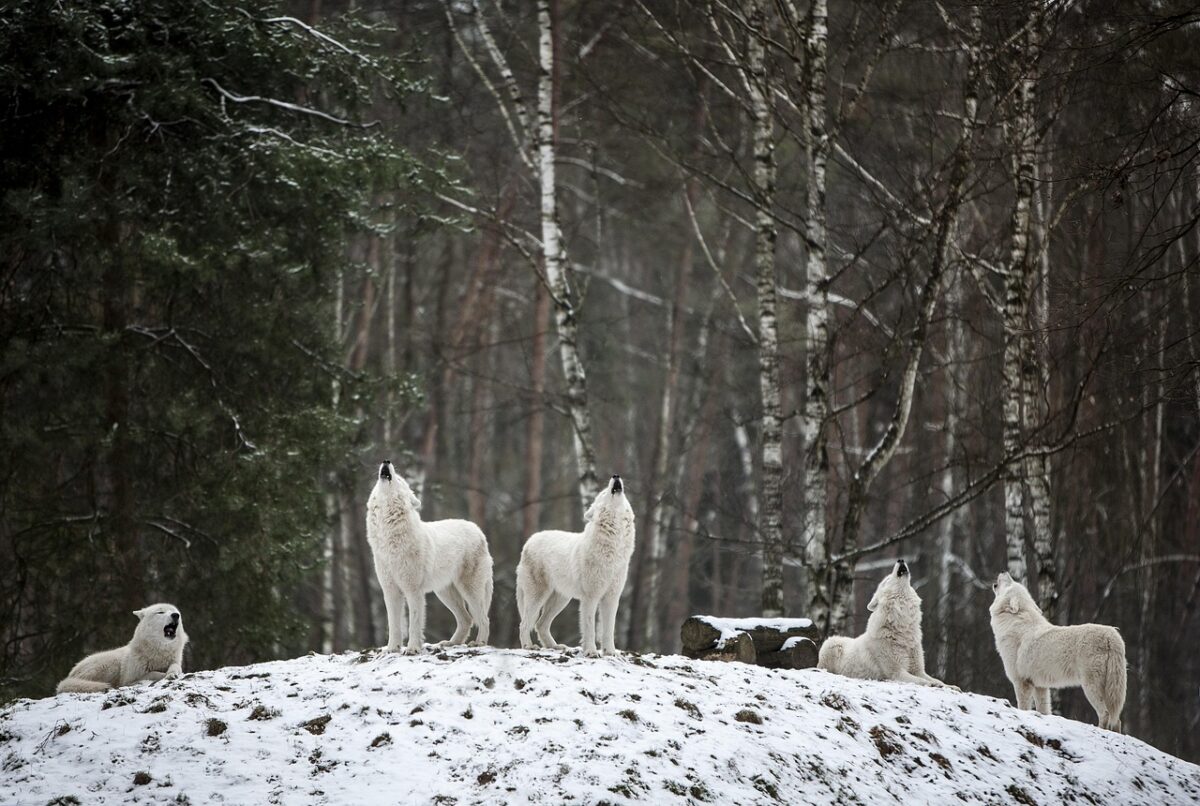
Have you ever wondered if your behavior changes dramatically between work days and weekends? Some people are like completely different creatures when the clock strikes five on Friday. They transform from methodical, adaptable weekday warriors into powerful, pack-oriented weekend adventurers.
A “lone wolf” figure often symbolizes independence and self-reliance, while coyotes are known for their adaptability and feature prominently in Native American folklore, representing resourcefulness. This fascinating dichotomy plays out in human personalities too. Let’s dive into this wild comparison to discover which spirit animal matches your daily rhythm.
The Pack Leader: Weekend Wolf Energy
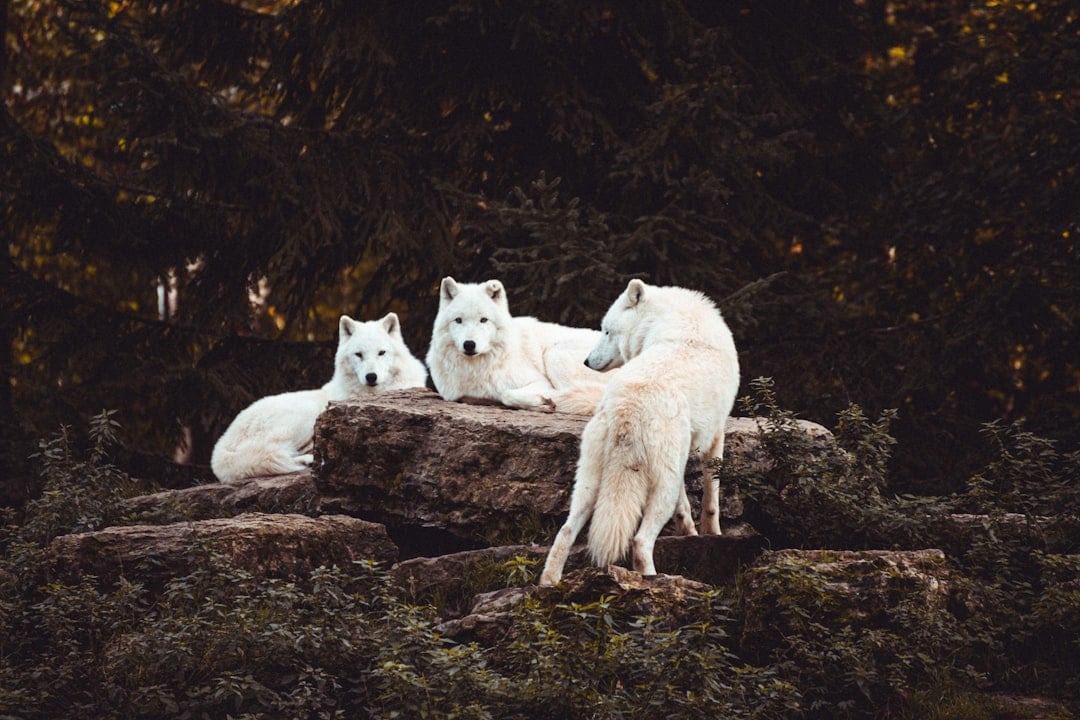
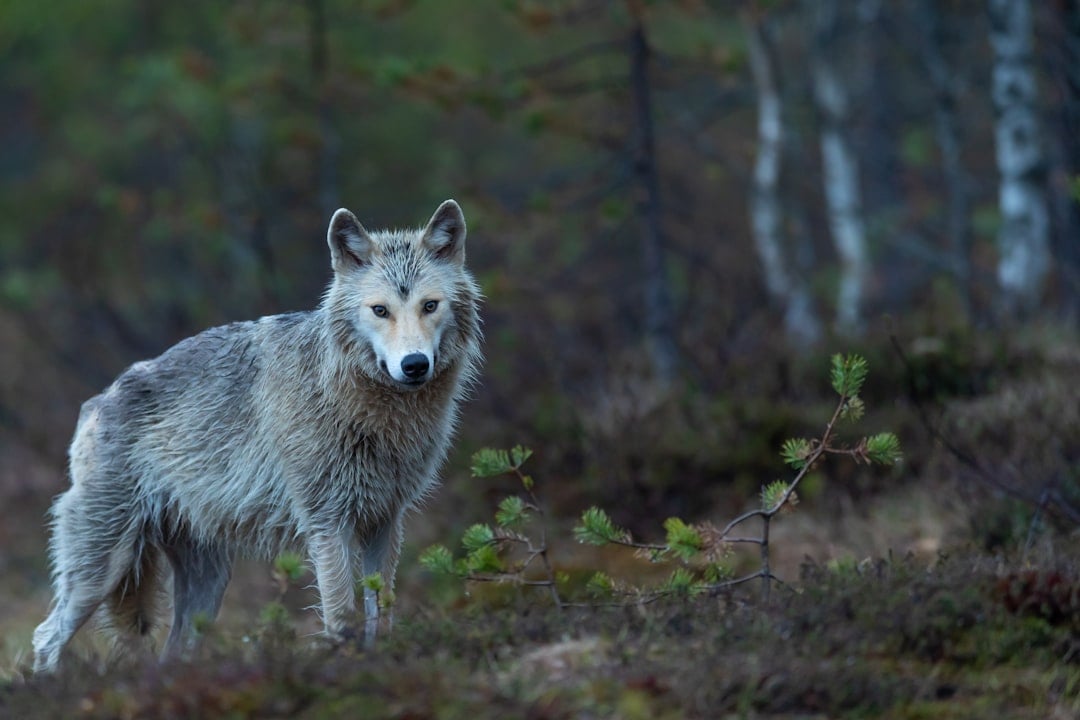
Weekends bring out the wolf in many of us. Wolves are famous for living in packs, which typically consist of 2-10 individuals, though some may reach up to 30 members in exceptional cases, with a strict hierarchy within the pack where each animal knows its place. Think about your weekend self – are you the one organizing group activities, leading hiking expeditions, or rallying friends for elaborate dinner parties?
Weekend wolves crave deep connections and meaningful experiences. The wolf generally possesses a kind personality that would be labeled “agreeable” in humans. A pack would function very inefficiently if its members were constantly at each other’s throats. Your weekend energy focuses on building lasting relationships and creating memorable experiences with your chosen pack.
The Weekday Survivor: Coyote Adaptability
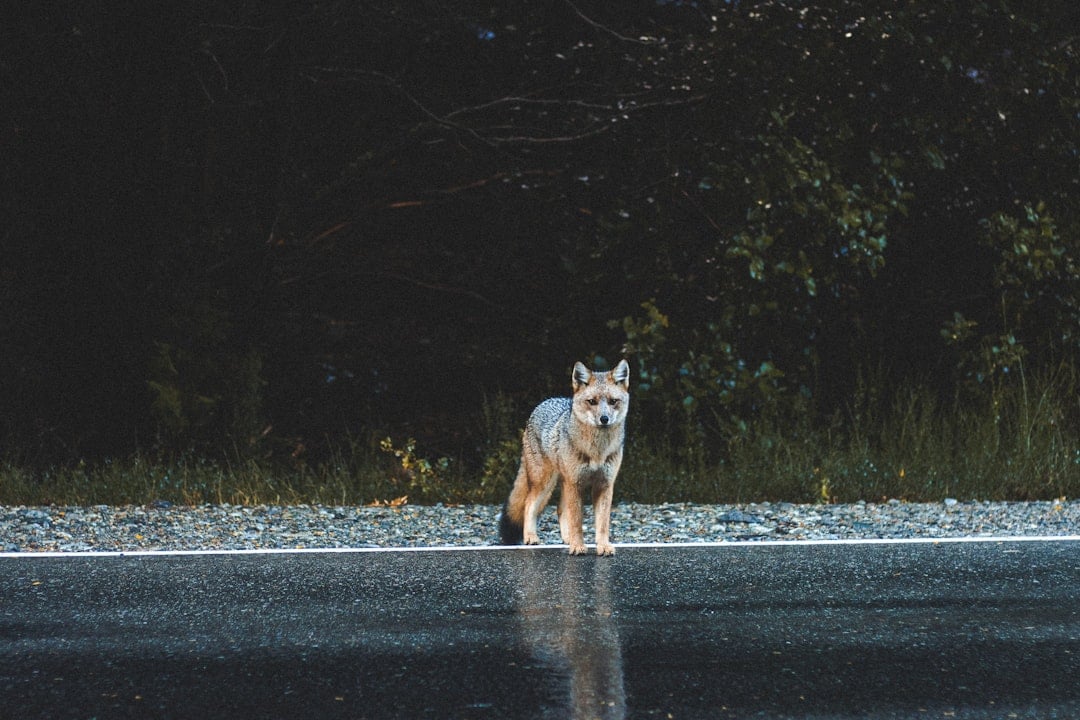
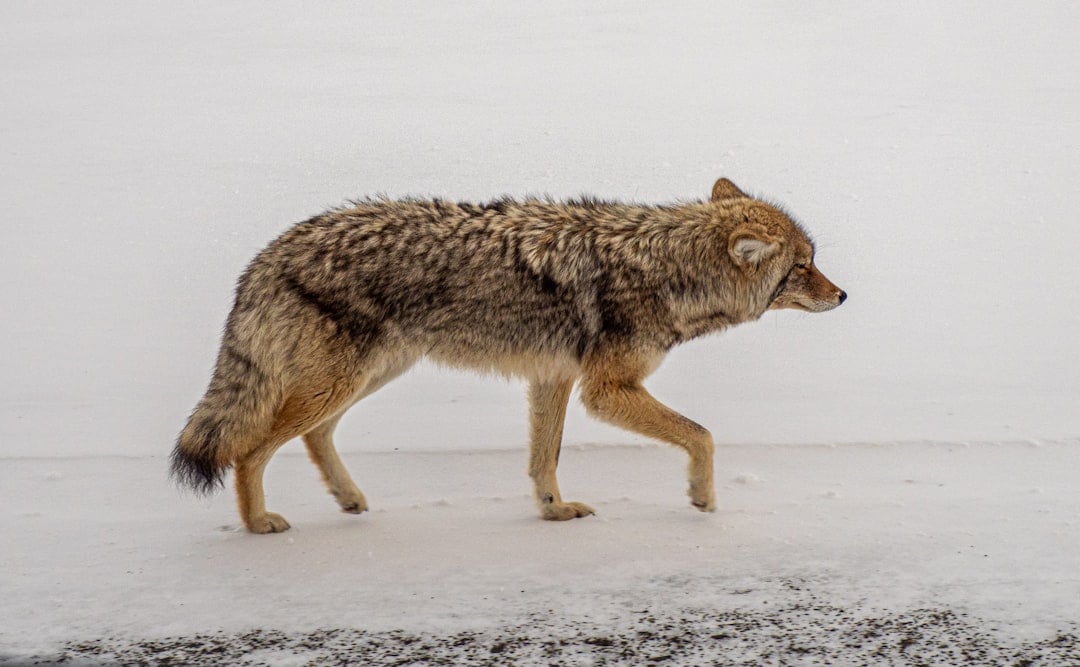
Monday through Friday calls for a different kind of energy entirely. Coyotes evolved to be much smaller, with the ability to adapt to more urban environments. Your weekday coyote persona thrives on flexibility, quick thinking, and solo problem-solving. You navigate office politics, adjust to last-minute changes, and find creative solutions when resources are limited.
Coyotes are intelligent, curious, playful, protective, adventurous, cunning, independent, self-reliant, have family values, a frontier spirit and strong individuality – characteristics we ourselves take pride in. Sound familiar? These traits serve you well in the modern workplace jungle.
Communication Styles: Howls vs. Yips
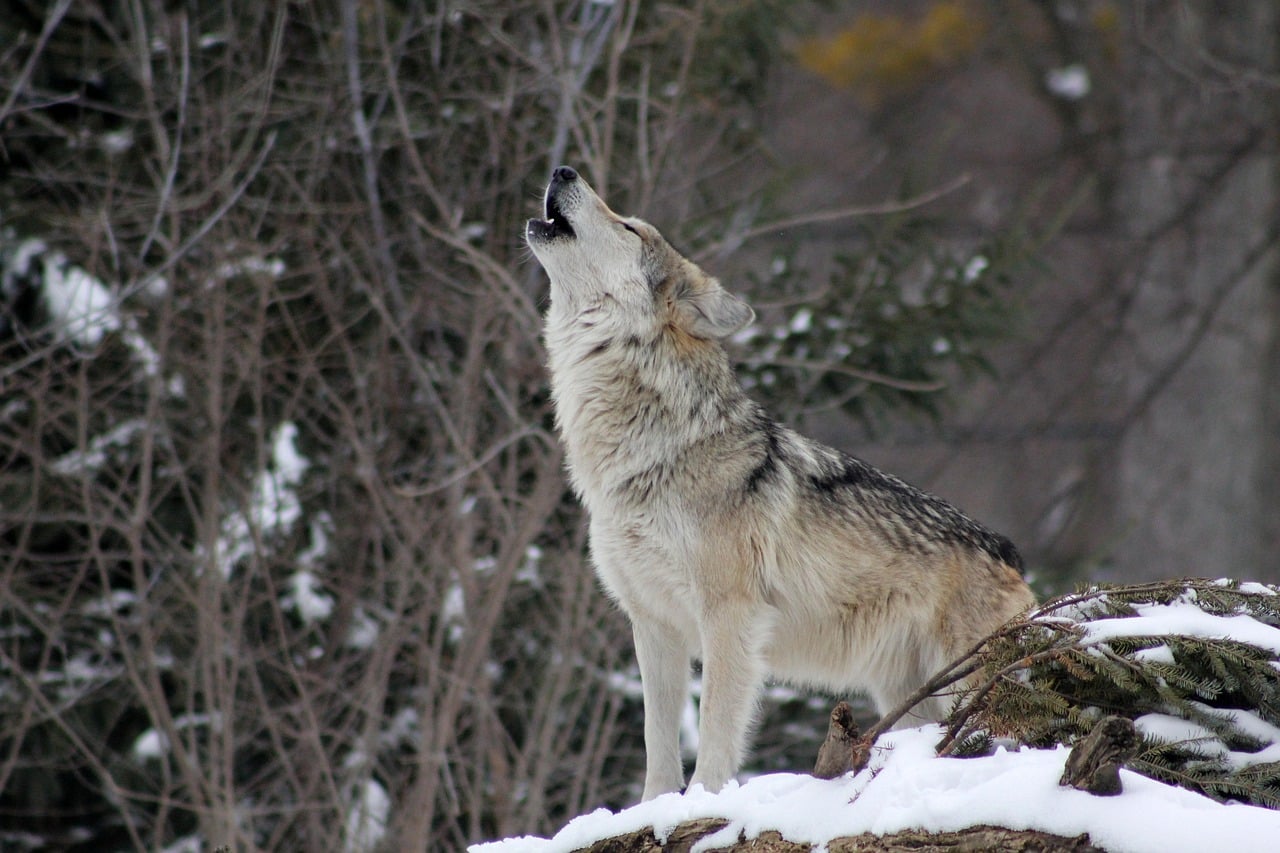
Your communication patterns likely shift between these two personas as well. Wolves are known for their haunting howls that echo through the wilderness, facilitating long-distance communication and reinforcing social bonds within the wolf pack. Weekend you might prefer deep, meaningful conversations that last for hours, building stronger connections with fewer people.
Weekday communication is more like coyote chatter. Coyotes are more famous for their yips, yelps and barks, which alert pack members to danger or help coordinate their group during a hunt. Your workday persona communicates efficiently through quick emails, brief meetings, and rapid-fire problem-solving sessions.
Hunting Strategies: Pack Power vs. Solo Success
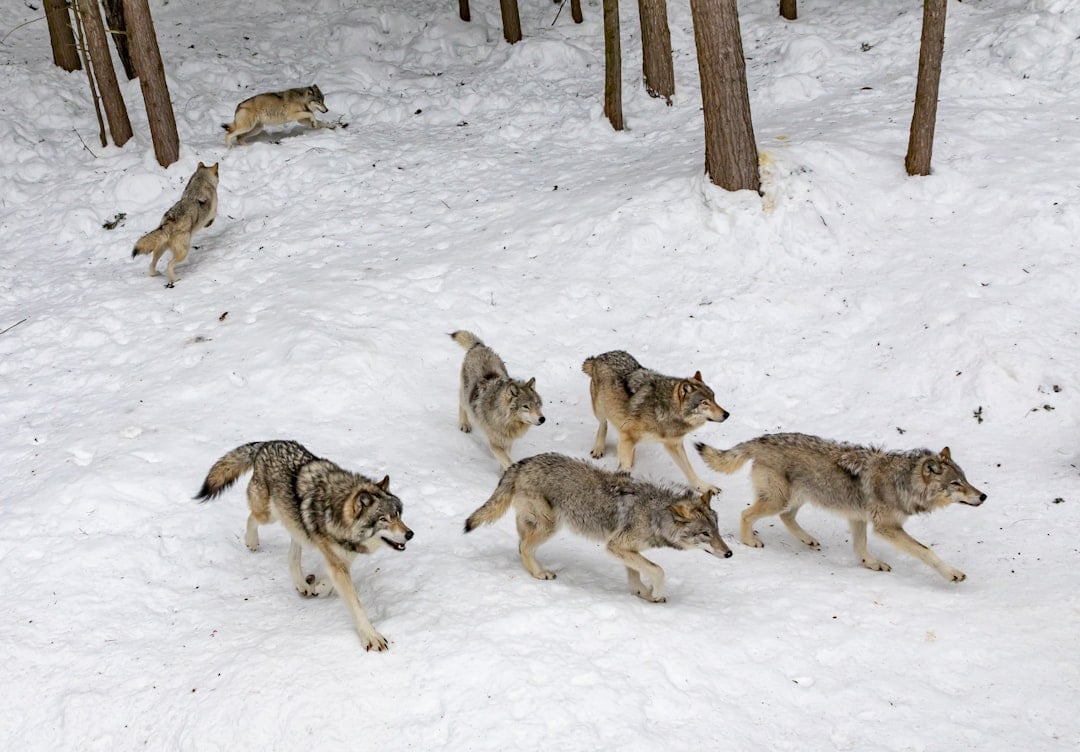
Weekend wolves approach goals differently than weekday coyotes. Wolves live and hunt in packs and are able to prey on much larger animals than coyotes. A pack of wolves can work together to bring down larger prey. Your weekend projects often involve teamwork – planning vacations with friends, organizing community events, or tackling home improvement projects with family.
Coyotes are ambush predators and mainly hunt alone or in pairs, preying mainly on small mammals such as rodents, rabbits, hares, and small deer. During the work week, you’re more likely to focus on individual tasks, quick wins, and adapting your strategy based on immediate circumstances.
Territory and Space: Home Range Differences
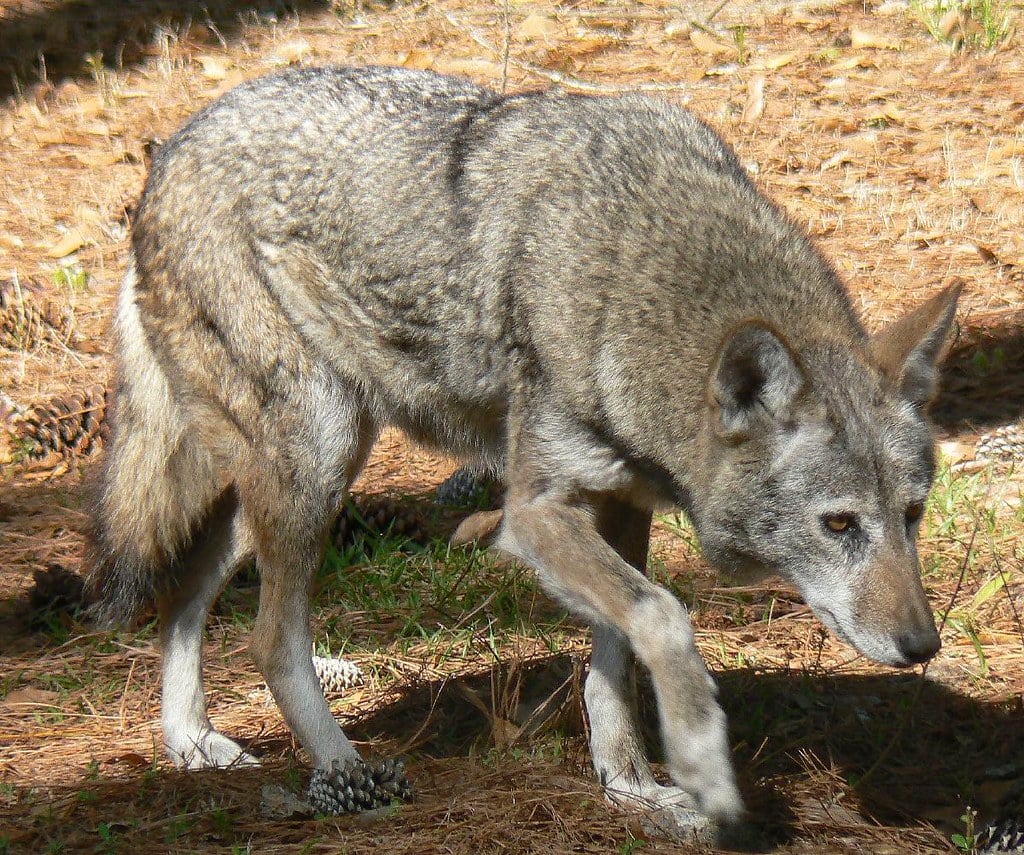
Your space preferences probably shift with your inner animal too. Wolves guard extensive territories of up to hundreds of square miles, patrolling and marking boundaries together. Weekend you might claim larger spaces – sprawling in the living room for movie marathons, taking up the whole kitchen for elaborate cooking projects, or claiming your favorite spot at the local coffee shop for hours of socializing.
Coyotes can adapt to smaller home ranges, especially near urban areas, where they find scattered resources. Weekday you efficiently operates within compact spaces – your office cubicle, the commuter train seat, or that corner table at the lunch spot where you can grab a quick bite and check emails.
Social Energy: Pack Life vs. Independent Navigation
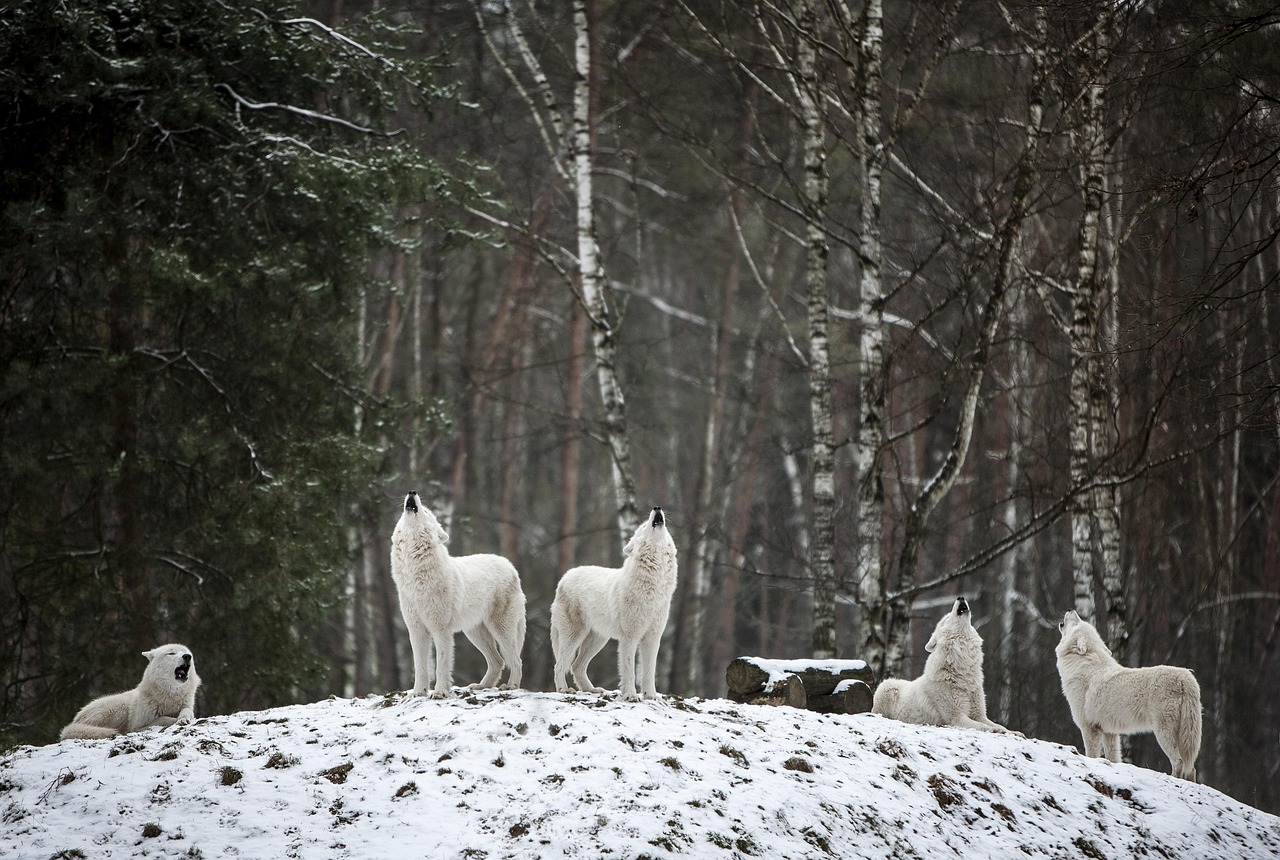
The most striking difference appears in how you handle social interactions. People with a lone wolf personality are introverted, self-aware, and resilient. They communicate directly and draw motivation from within. Yet paradoxically, weekend wolves often seek out their pack for energy and inspiration, even if they need alone time to recharge afterward.
Each coyote is an individual with a unique personality, with some tending to be innately much more gregarious while others are more shy – you can see this in their interactions with each other and in their reactions to approaching people. Weekday coyotes read the room quickly, adapt their social style to whatever the situation demands, and can shift between friendly collaboration and focused independence within the same afternoon.
The Hybrid Reality: Finding Your Balance
Most people aren’t purely one type or the other. There’s an array of trait possibilities which form our personalities and make each of us unique. This is as true for animals as it is for humans. You might find elements of both the weekend wolf and weekday coyote within yourself, shifting between pack leadership and solo adaptability as life demands.
The healthiest approach involves recognizing when each energy serves you best. Weekend wolf energy builds the relationships and experiences that sustain you, while weekday coyote skills help you navigate daily challenges with grace and creativity. Neither is superior – they’re complementary strategies for thriving in our complex modern world.
Conclusion
Whether you’re howling with your pack on Saturday nights or quietly adapting to Monday morning meetings, both energies have their place in a well-rounded life. The key lies in understanding when to channel your inner wolf for deep connections and collaborative projects, and when to embrace your coyote nature for quick thinking and independent problem-solving.
What do you think – are you more wolf on weekends and coyote during the week, or do you find yourself mixing these energies throughout your daily rhythm? Share your thoughts in the comments below.

- 15 Tender Things Old Dogs Do the Closer the End Quietly Comes - July 21, 2026
- 14 Ways a Rescue Cat Shows It Has Given You Its Fragile Heart - July 21, 2026
- 13 Familiar Things That Bring an Aging Dog Deep, Quiet Comfort - July 21, 2026