


Ever wondered why certain bands make your brain light up like a Christmas tree while others leave you cold? Recent groundbreaking research in neuroscience reveals that music isn’t just entertainment – it’s a powerful force that literally rewires our brains. The way Arctic Monkeys’ infectious rhythms, Def Leppard’s thunderous anthems, and Fleet Foxes’ ethereal harmonies affect us goes far deeper than simple preference.
Music has been scientifically proven to have a powerful effect on the brain, with scientists finding that music stimulates more parts of the brain than any other human function. Music is ubiquitous across human cultures – as a source of affective and pleasurable experience, moving us both physically and emotionally – and learning to play music shapes both brain structure and brain function.
The Neural Orchestra Behind Every Song
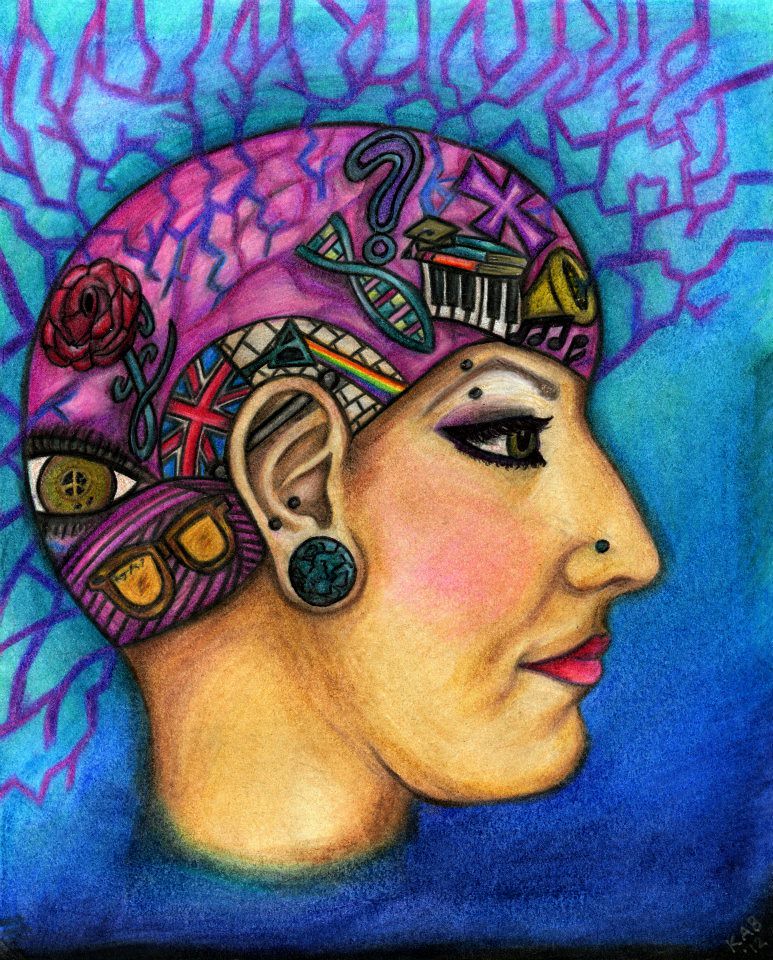
Your brain transforms into a symphony hall every time you press play. The neuroscience of music is the scientific study of brain-based mechanisms involved in the cognitive processes underlying music. These behaviours include music listening, performing, composing, reading, writing, and other related activities. What’s fascinating is how this process activates multiple brain regions simultaneously.
Research shows that music engages the areas of the brain involved with paying attention, making predictions and updating the event in memory. Think of it like your brain becoming a master chef, simultaneously managing multiple recipes while anticipating what ingredient comes next. Peak brain activity occurred during a short period of silence between musical movements – when seemingly nothing was happening.
Arctic Monkeys and the Science of Expectation

Research on Arctic Monkeys reveals how they use features of northern and/or more specifically Sheffield English accent and dialect to index values such as authenticity and independence from the corporate machine. This linguistic authenticity creates what scientists call predictive coding – your brain constantly guesses what’s coming next based on patterns.
When listening to music, we actively generate predictions about what is likely to happen next, and music perception, action, emotion and learning all rest on the human brain’s fundamental capacity for prediction. The Arctic Monkeys’ distinctive style creates a unique neural signature that makes their music instantly recognizable to your brain’s pattern-matching system.
The Power of Heavy Rock on Brain Chemistry

Artists like Def Leppard create diverse outlines of emotions, making us reflect on why a tune was produced, on when we heard it the first time, on the impression it left in our mind. This emotional resonance isn’t just psychological – it’s deeply chemical.
The chills such as hair standing on end, or shiver down the spine that listeners experience are due to dopamine secretion. Research using PET scans revealed that dopamine was released during moments of emotional arousal during listening sessions, with fMRI scans showing activation of caudate when anticipating peak emotions and activation of nucleus accumbens when experiencing the peak emotions.
Fleet Foxes and the Harmony Effect

Fleet Foxes represent something remarkable in neuroscience research. Their sound epitomizes open and melodic arrangements, chiming four-part harmonics with primarily acoustic instrumentation. These complex harmonies create what researchers call enhanced neural synchronization.
The comprehension of key and harmony in music engages distinct neural domains, including the auditory, prefrontal, and parietal cortices. Scientific investigations are currently delving deeper into understanding the brain’s intricacies in processing musical harmony. The layered vocals of Fleet Foxes essentially provide your brain with a rich feast of harmonic information to process.
Rhythm Processing and Motor Coordination

When individuals are preparing to tap out a rhythm of regular intervals the left frontal cortex, left parietal cortex, and right cerebellum are all activated. With more difficult rhythms, more areas in the cerebral cortex and cerebellum are involved. This explains why certain bands make you want to move your body.
Research shows that motor timing is not controlled by a single brain region, but by a network of regions that control specific parameters of movement and that depend on the relevant timescale of the rhythmic sequence. Whether you’re headbanging to Def Leppard or swaying to Fleet Foxes, different neural networks coordinate these movements.
The Right Brain Revolution
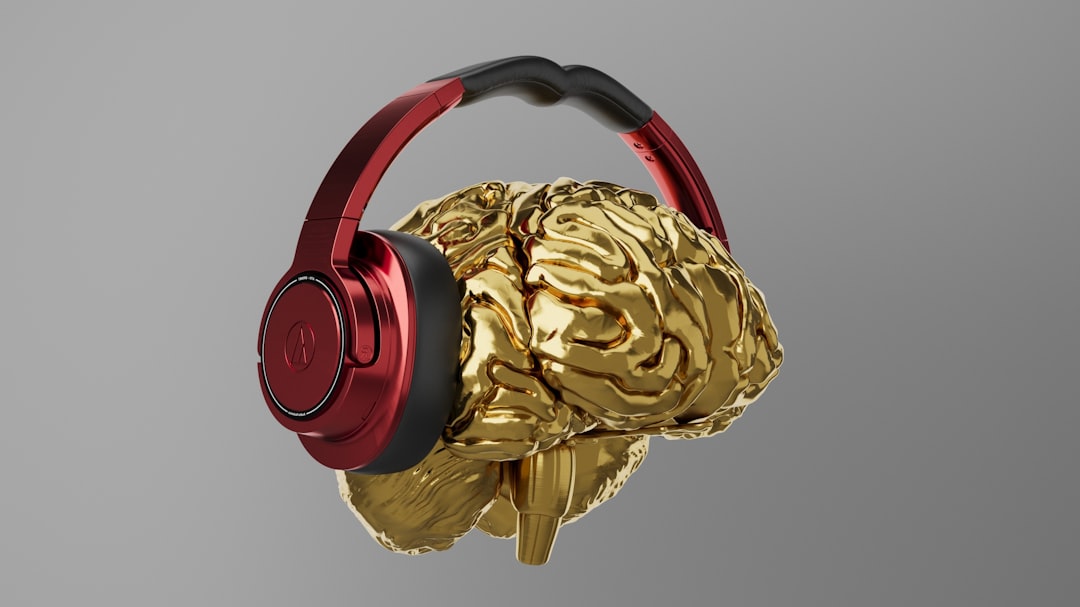
A highly significant finding to emerge from studies of the effects in the brain of listening to music is the emphasis on the importance of the right hemisphere. Lesions following cerebral damage lead to impairments of appreciation of pitch, timbre and rhythm, and studies using brain imaging have shown that the right hemisphere is preferentially activated when listening to music in relation to the emotional experience.
This challenges traditional thinking about brain function. Your right hemisphere isn’t just along for the ride – it’s the conductor of your musical experience. Arctic Monkeys’ storytelling lyrics, Def Leppard’s emotional power ballads, and Fleet Foxes’ atmospheric soundscapes all primarily activate this often-overlooked brain region.
The Memory Connection

Studies linking music to memory recall have increased since the early 20th century. Listening to certain music can take your mind back decades in an instant. This isn’t just nostalgia – it’s neuroscience in action.
When we listen to music decades later, it brings back memories of reflection that has been linked to the melody and stored away in the deep recess of the brain. That Arctic Monkeys song from your college years or the Def Leppard anthem from your first concert creates lasting neural pathways that science is only beginning to understand.
The Future of Musical Brain Research

Current clinical trials are showing that by listening to music and watching lights in a certain frequency relationship to the music, researchers can cause resonance in the brain that actually improves memory. This opens up incredible possibilities for therapeutic applications.
Neural resonance theory explains how oscillations in the brain’s neural activity actually synchronize with the pitches and rhythms of music. This synchronization creates the sense of expectation or anticipation, allowing people to keep time, dance, and effectively improvise music because human biological processes can sync with music.
Scientists continue uncovering the profound ways bands like Arctic Monkeys, Def Leppard, and Fleet Foxes literally change our brain structure and function. From dopamine releases to memory formation, from rhythm processing to emotional regulation, music proves to be one of the most powerful forces shaping human consciousness. Next time you lose yourself in a song, remember – your brain is performing one of the most complex symphonies in nature.
What do you think about it? Tell us in the comments.

- What Christmas Reindeer Are You According to Your Zodiac Sign - July 31, 2026
- Tropical Storm Gabrielle Now Eyeing Bermuda as a Hurricane - July 31, 2026
- Watch Two Hikers Fight Off Brown Bear Near Seward’s Exit Glacier - July 31, 2026