
Stress hits everyone differently. Some people charge headfirst into challenges like a bull seeing red. Others quietly disappear into the background, hoping trouble passes them by.
The fascinating truth is that our stress responses mirror those of apex predators in the wild. These automatic reactions come from evolutionary biology and work to maintain homeostasis during stressful situations. While our ancestors faced real physical dangers like saber-toothed tigers, today our “tigers” are more likely to be psychological stressors like job interviews or deadlines, but the body reacts in the same way. Understanding which predator matches your stress style can reveal powerful insights about how you navigate life’s challenges. So let’s dive in and discover your inner apex predator.
The Lion: Charging Head-On Into Battle
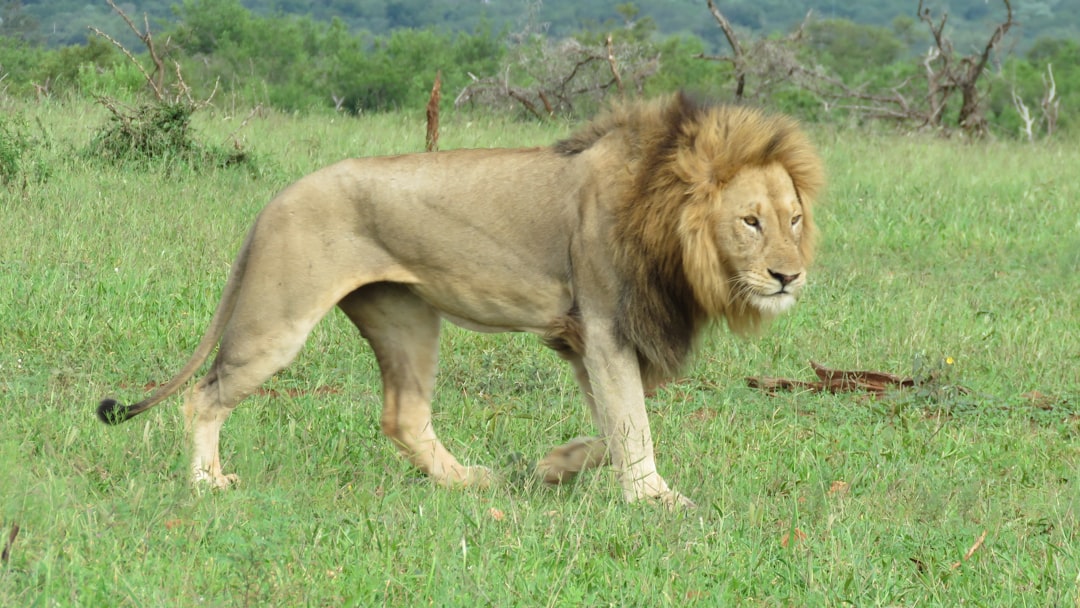
When your body feels that it is in danger and believes you can overpower the threat, you’ll respond in fight mode. Your brain releases signals to your body, preparing it for the physical demands of fighting. Lion personalities don’t back down from confrontation. They meet stress with fierce determination and direct action.
The lion, sometimes known as the African lion, is a classic, widely recognized apex predator. Lions have been feared, revered and admired by human cultures since at least archaic times, testifying to their dominant status as apex predators. If like a lion, you probably find yourself taking charge during crises. You speak up in meetings when others stay silent. When problems arise, your first instinct is to tackle them directly rather than avoid or overthink them. This bold approach often makes you a natural leader, but it can sometimes create unnecessary conflict when diplomacy might work better.
The Arctic Fox: Masters of Strategic Retreat
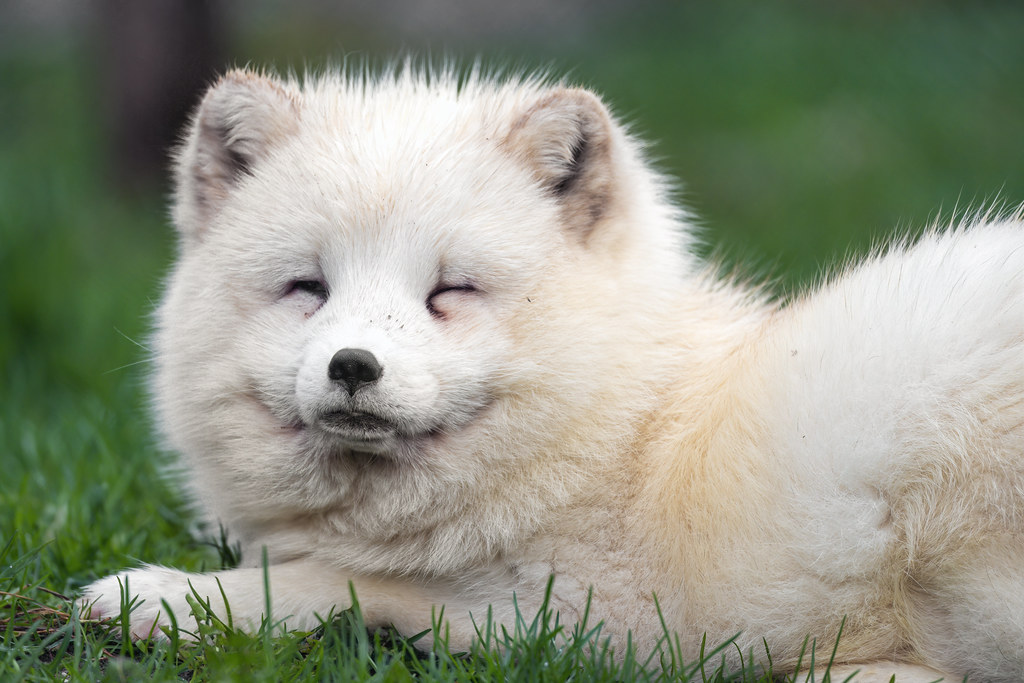
If your body believes you cannot overcome the danger but can avoid it by running away, you’ll respond in flight mode. A surge of hormones, like adrenaline, give your body the stamina to run from danger longer than you typically could. Arctic fox personalities are strategic retreaters who understand that sometimes the smartest move is stepping back from the situation.
The Arctic fox demonstrates remarkable adaptability in harsh environments. These creatures know when to conserve energy and when to act decisively. If this matches your stress style, you likely excel at removing yourself from toxic situations before they escalate. You might leave parties early when they get too chaotic, or take time off work when stress levels peak. While others might view this as avoidance, you recognize it as intelligent self-preservation. Your ability to disengage prevents burnout and allows you to return stronger when conditions improve.
The Polar Bear: The Calculated Observer

This stress response causes you to feel stuck in place. The freeze response serves as a stalling tactic. Your brain presses the “pause” button but remains hypervigilant, waiting and watching carefully until it can determine whether fleeing or fighting offers a better route to safety. Polar bear personalities take time to assess situations before making their move.
With their impressive size and snow-white fur, polar bears are iconic apex predators in their arctic environment. They mainly prey upon seals, but they are also known to eat other arctic animals such as smaller whale species, reindeer and even sea birds and invertebrates. People who handle stress like polar bears are master strategists. When faced with a challenging situation, you pause to gather information and consider all angles before acting. This thoughtful approach often leads to better outcomes than rushed decisions. However, sometimes you might find yourself overthinking situations that require quick action, or appearing indecisive when others expect immediate responses.
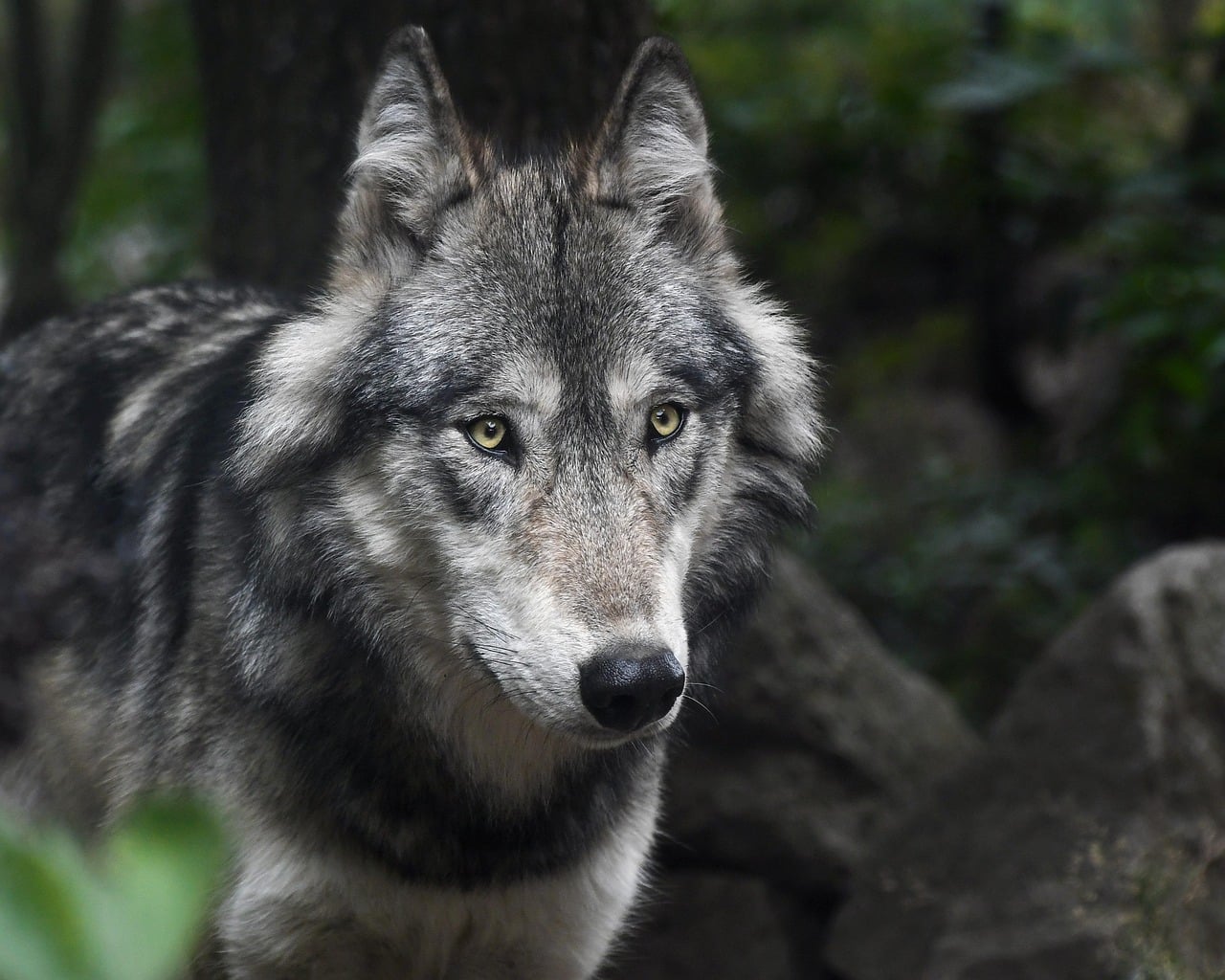
The Wolf: Pack-Powered Problem Solvers
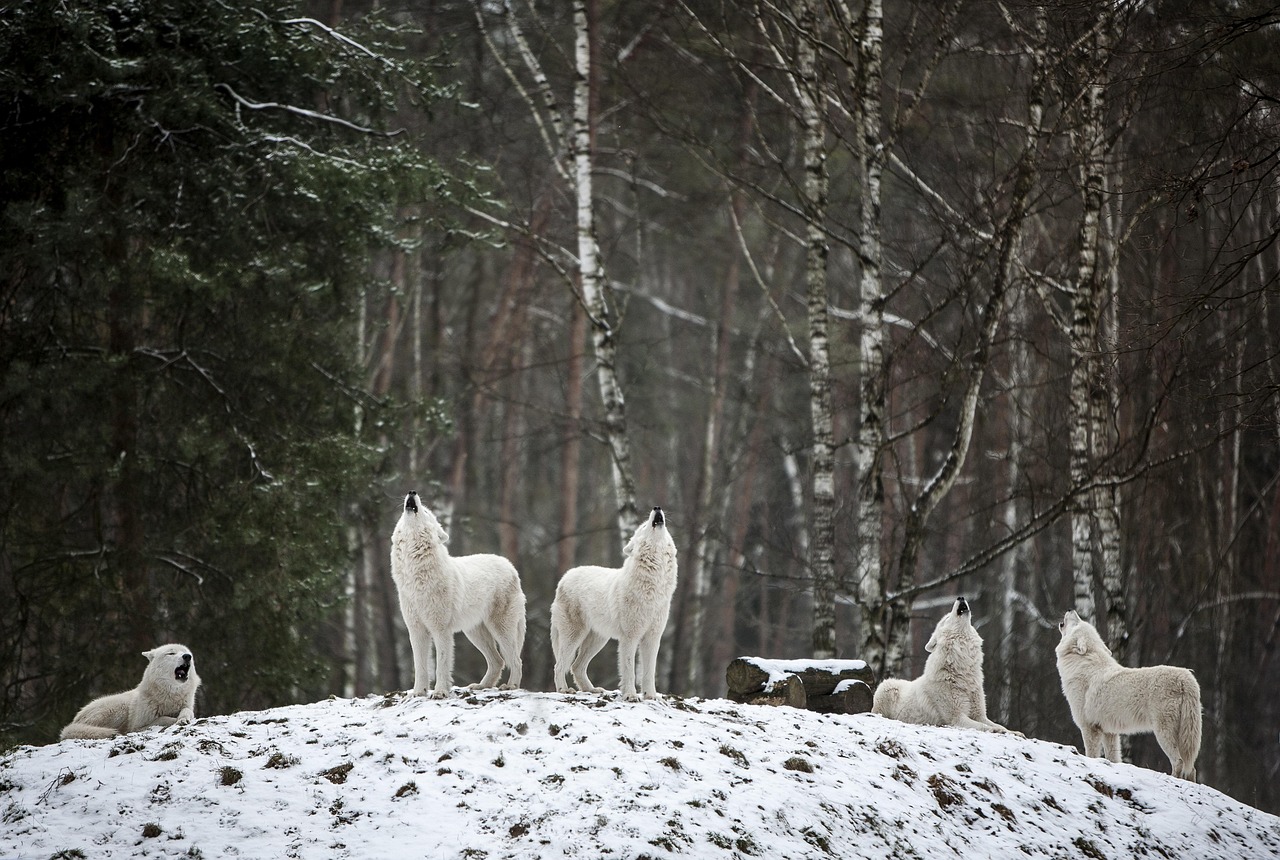
Unlike some apex predators, wolves are pack animals, which means that their hunting behavior is cooperative. At their position atop the food chain, they feed mostly on large prey, usually four-legged herbivores. Wolf personalities understand that strength comes through collaboration and social bonds during stressful times.
Wolves demonstrate incredible teamwork and communication when facing challenges. If like a wolf, you instinctively reach out to your support network when problems arise. You’re the person who organizes group study sessions before exams, coordinates family meetings during crises, or rallies coworkers around shared goals. Your natural inclination is to share burdens and work together toward solutions. This collaborative approach makes you an excellent team player, though you might struggle in situations where you have to handle stress completely alone.
The Great White Shark: Silent, Focused Hunters
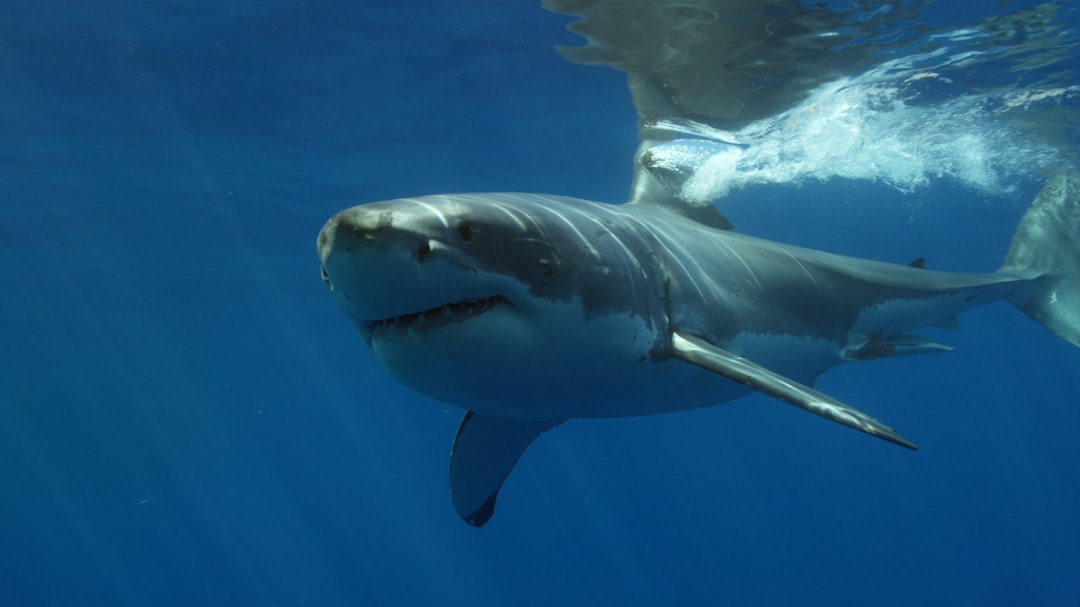
White shark populations are frequently centered in highly productive temperate coastal waters characterized by an abundance of fishes and marine mammals. Great white personalities approach stress with laser-focused intensity and minimal emotional display.
Great whites are solitary hunters who strike with precision and efficiency. If this matches your stress response, you probably handle challenges with remarkable composure. Others might not even realize you’re under pressure because you maintain such a calm exterior. You prefer to work through problems methodically, often surprising people with your sudden, decisive actions. Your ability to compartmentalize emotions allows you to function effectively during crises. Though sometimes people might misinterpret your calm demeanor as not caring, when in reality you’re simply processing stress differently than more expressive types.
The Leopard: Adaptable Survivors
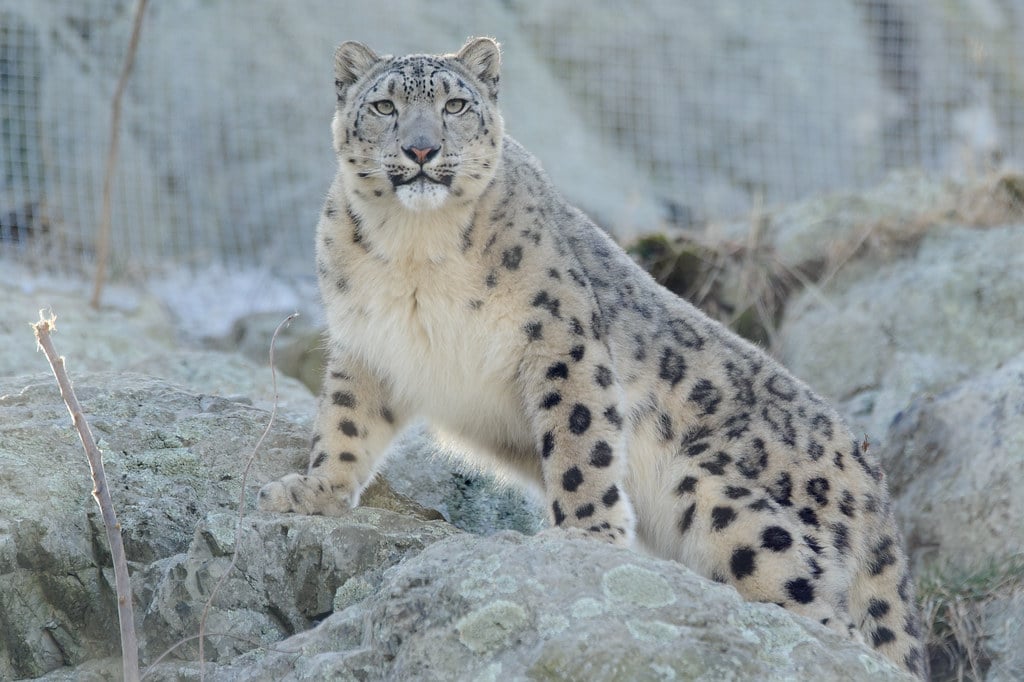
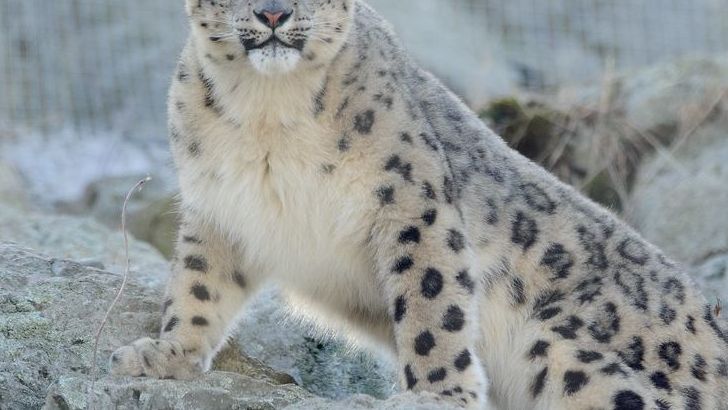
Fawn is your body’s stress response to try to please someone to avoid conflict. The fawn response, a term coined by therapist Pete Walker, describes often unconscious behavior that aims to please, appease, and pacify the threat in an effort to keep yourself safe from further harm. Leopard personalities excel at reading social situations and adapting their responses to minimize conflict.
Adaptable and widespread, leopards are solitary hunters known for their climbing ability. People who handle stress like leopards are incredibly flexible and resourceful. When tension rises, you instinctively work to smooth things over and find middle ground. You’re skilled at defusing arguments, mediating between conflicting parties, and finding creative compromises. Your diplomatic nature makes you invaluable in team settings and family dynamics. However, your tendency to prioritize harmony might sometimes come at the expense of your own needs, and you may find it challenging to assert yourself when the situation truly requires it.
The Golden Eagle: Strategic Heights and Perspective
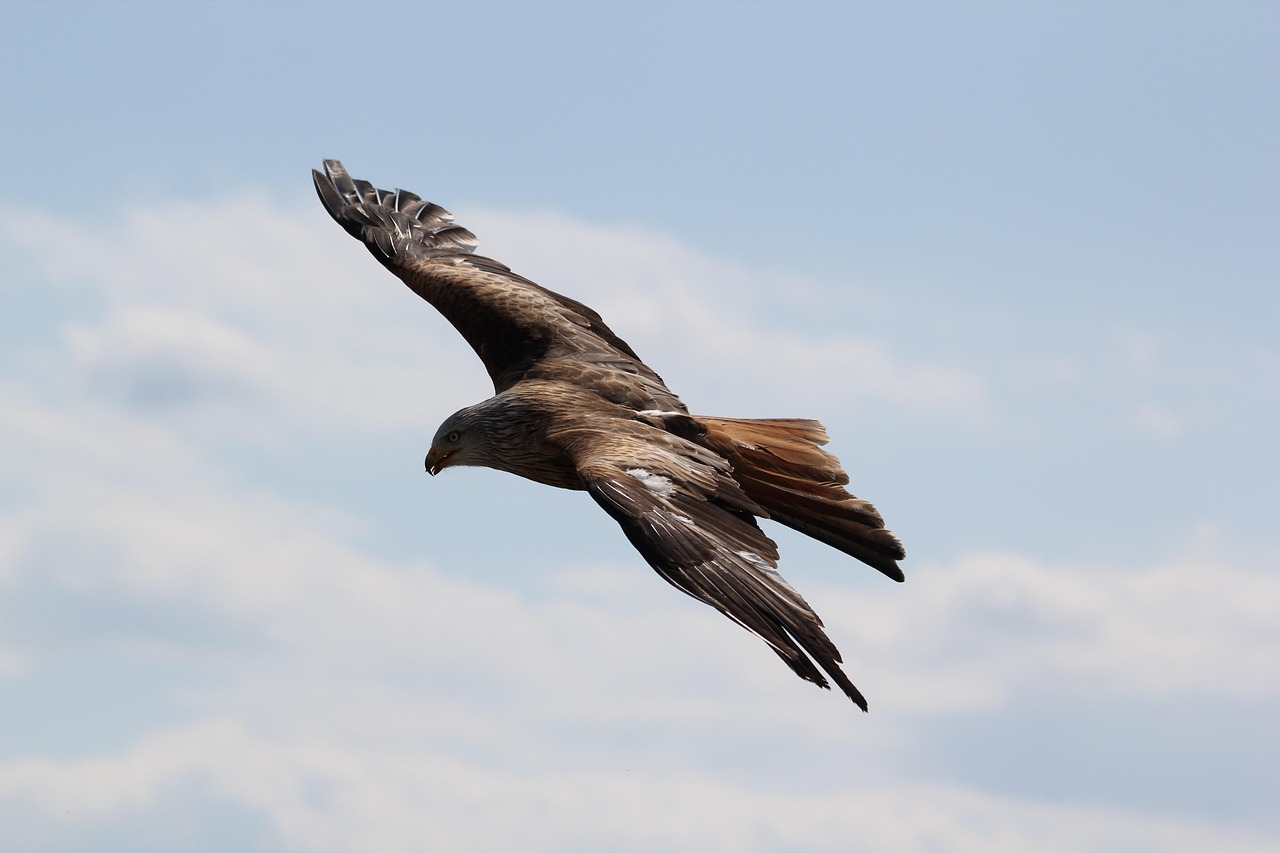
The golden eagle is an apex predator found in mountainous and open areas across North America and other continents. It feeds on various prey including small mammals, birds, and occasionally fish. Golden eagle personalities handle stress by seeking higher perspective and strategic overview of challenging situations.
Golden eagles soar above the landscape, using their exceptional vision to spot opportunities and threats from great distances. If you manage stress like a golden eagle, you naturally step back to see the bigger picture when problems arise. You’re the person who can remain calm during workplace drama because you understand how temporary conflicts fit into longer-term patterns. Your ability to maintain perspective helps you make decisions based on what matters most rather than getting caught up in immediate emotional reactions. While others get bogged down in details, you focus on overarching goals and strategic solutions.
Conclusion
The stress response, which involves joint activity of the nervous and endocrine systems, is one of the basic adaptive mechanisms that ensures the survival of the individual. Each predator style brings unique strengths to handling life’s pressures, from the lion’s bold directness to the arctic fox’s strategic withdrawal.
The most resilient people often develop the ability to shift between different predator styles depending on what the situation demands. Sometimes you need the wolf’s collaborative spirit, other times the shark’s focused intensity serves you better. Understanding your natural predator type helps you recognize your default patterns and expand your stress management toolkit. What stress predator do you see reflected in yourself? Tell us in the comments.

- 14 Ways an Old Dog Holds On a Little Longer for the Person It Loves - July 21, 2026
- 15 Tender Things Old Dogs Do the Closer the End Quietly Comes - July 21, 2026
- 14 Ways a Rescue Cat Shows It Has Given You Its Fragile Heart - July 21, 2026