
Have you ever wondered why some people unwind by sprawling on a couch for hours while others need complete solitude to truly relax? The answer might lie in understanding your inner bear archetype. Just as real bears in the wild display diverse approaches to rest and recuperation, humans mirror these patterns in fascinating ways when it comes to our relaxation preferences.
Bears make up about 55% of the adult population in chronotype classifications, and they naturally follow solar bio schedules. Yet within this broad category lies a rich tapestry of relaxation styles that mirror the diverse personalities found in the actual bear kingdom. Whether you’re someone who needs structured downtime or craves spontaneous moments of peace, there’s a bear archetype that perfectly captures your unique approach to unwinding.
The Classic Bear: Solar-Powered Relaxation

The classic bear chronotype thrives when days are built around their natural rhythms where mornings are for focus, afternoons for lighter tasks, and evenings for relaxation. These individuals follow the sun’s rhythm like their wild counterparts. Bears love a good and long bedtime routine, usually starting at 6 PM when their workday ends, running until 9 PM during which they enjoy relaxing activities including reading, meditation, or a quiet dinner.
Six o’clock is a typical dinner hour for bears as their bodies start to wind down and relax. If you find yourself naturally gravitating toward evening rituals, settling into comfortable routines as daylight fades, you’re embodying the classic bear’s approach to relaxation. These people don’t fight their natural energy dips but instead embrace them as signals to transition into rest mode.
The Hibernating Bear: Deep Rest and Solitude Seekers
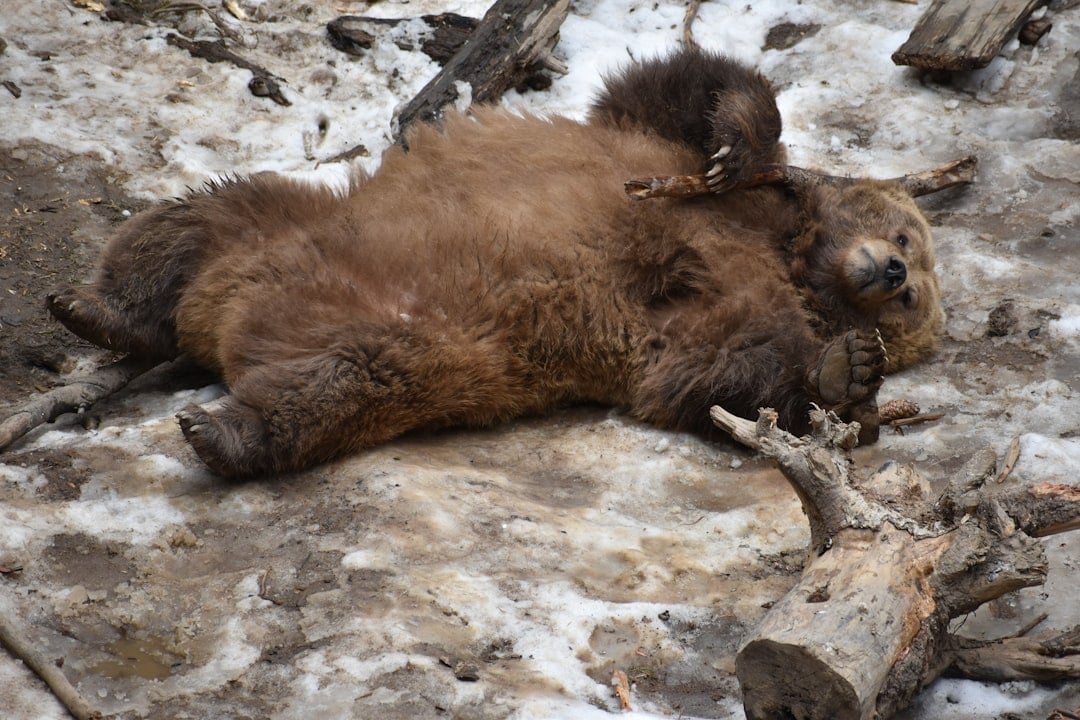
Bear personalities love lounging around and must have this time alone or with those few people they love to recharge their batteries, much like bears leisurely relaxing under a tree eating honey or hibernating for winter. This archetype represents those who need extended periods of complete withdrawal from the world to truly rejuvenate.
Like their animal counterparts who retreat to their dens for hibernation, human bears need periods of quiet reflection to recharge and process their experiences, leading to deep wisdom and insights. If you’re someone who disappears for entire weekends, turns off your phone, and emerges feeling completely renewed, you’re channeling the hibernating bear’s profound approach to restoration.
The Grizzly Bear: Intense but Brief Relaxation
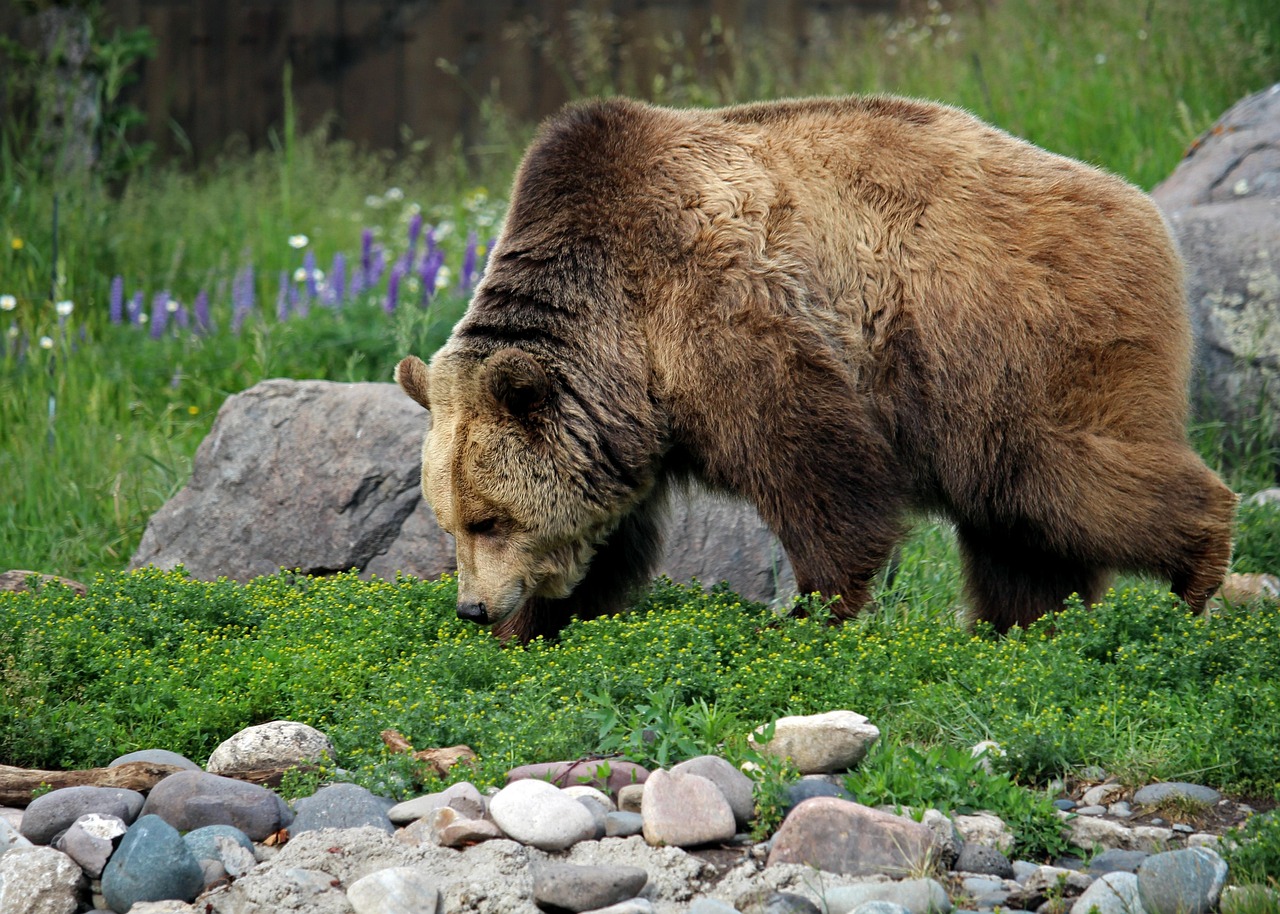
The Grizzly is a strong and powerful bear at the top of the food chain, and they are light sleepers who can wake up very quickly. Yet despite this, they are actually quite shy and retiring creatures, preferring to avoid human contact. This paradox defines the Grizzly relaxation style perfectly.
Grizzly-type relaxers approach downtime with the same intensity they bring to everything else. They might have short but incredibly rejuvenating power naps, intense meditation sessions, or brief but transformative solo retreats. Their ability to sleep soundly is legendary, despite their typically alert and active nature. These individuals can switch from high-energy mode to deep relaxation almost instantly, making them remarkably efficient at restoration.
The Teddy Bear: Social and Comfort-Seeking Relaxation

Warm, friendly, cuddly, loyal and popular with everyone, never saying a bad word, and always being there to listen to worries while being totally dependable for life. The Teddy Bear archetype captures those whose relaxation is deeply intertwined with social connection and physical comfort.
Just like a teddy bear, these individuals are very lovable and laid-back, tending to remain soft-spoken. If your ideal relaxation involves cozy gatherings with close friends, sharing comfort food, or simply being held and comforted by loved ones, you’re embracing the Teddy Bear approach. These people find their deepest rest not in solitude but in the warm embrace of trusted relationships.
The Panda Bear: Routine-Based Relaxation Rituals
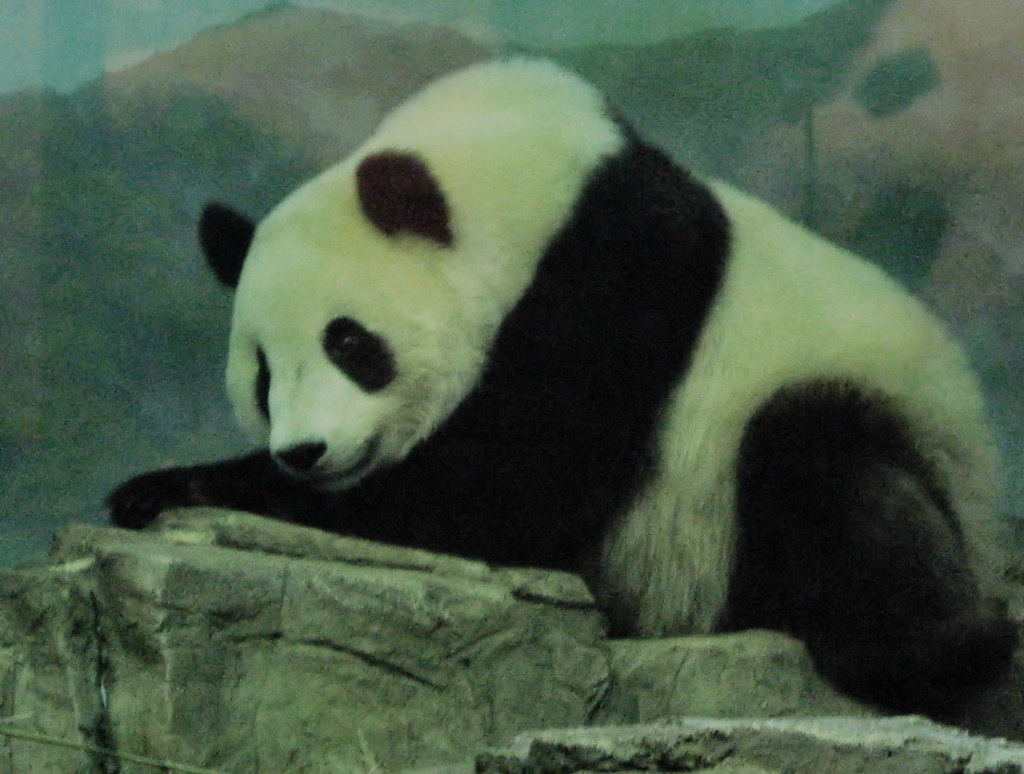
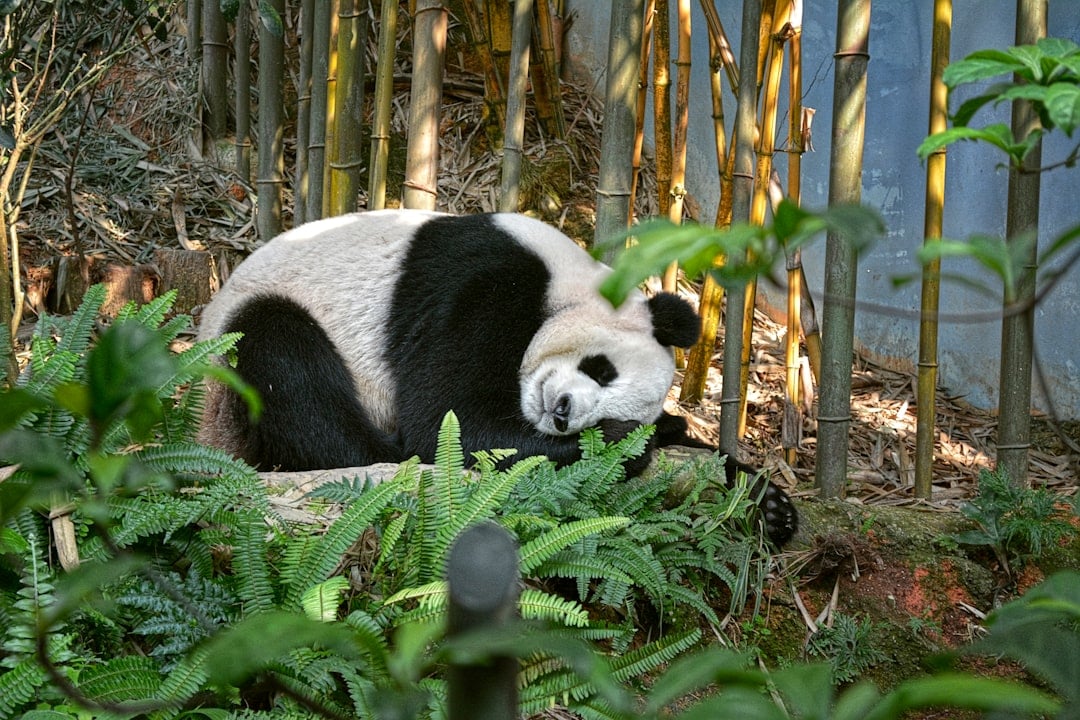
The panda is known to have an uncommunicative and eccentric personality, preferring to be alone, sleeping in the daytime and seeking out food at night, spending most of their time on their own. Panda-type relaxers are creatures of very specific habits and rituals.
These individuals have highly structured relaxation routines that might seem eccentric to others but are absolutely essential for their wellbeing. They might have elaborate tea ceremonies, specific playlists for different moods, or detailed evening routines that must be followed in exact order. Like koalas, they will sleep in the daytime and seek out activities at night, often marching to the beat of their own drummer when it comes to when and how they unwind.
The Polar Bear: Solitary and Adaptive Relaxation
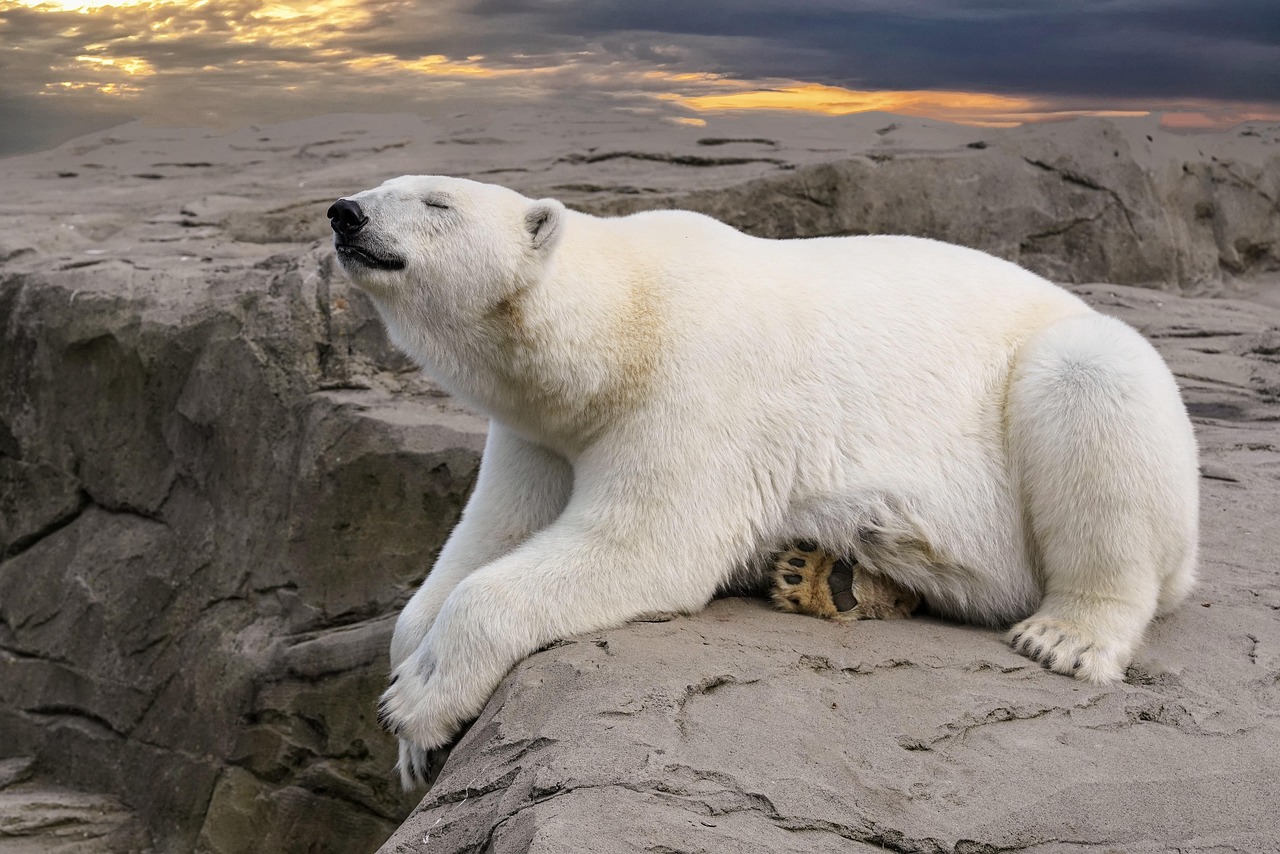
The Polar Bear spends a lot of time on its own and is happy with his own company. When not hunting, polar bears are often sleeping or resting, and may spend up to 87% of their time resting during certain periods. This archetype represents the ultimate self-sufficient relaxer.
Polar bears can enter a state of walking hibernation during fall, spring and summer months when food sources are scarce, reducing their metabolic rate and relying on fat stores to sustain themselves. If you’re someone who can find peace anywhere, adapt your relaxation style to any environment, and genuinely enjoy extended periods of solitude, you embody the Polar Bear approach. These individuals are remarkably adaptable, finding ways to relax whether they’re in a bustling city or complete wilderness.
The Sloth Bear: Slow and Steady Relaxation
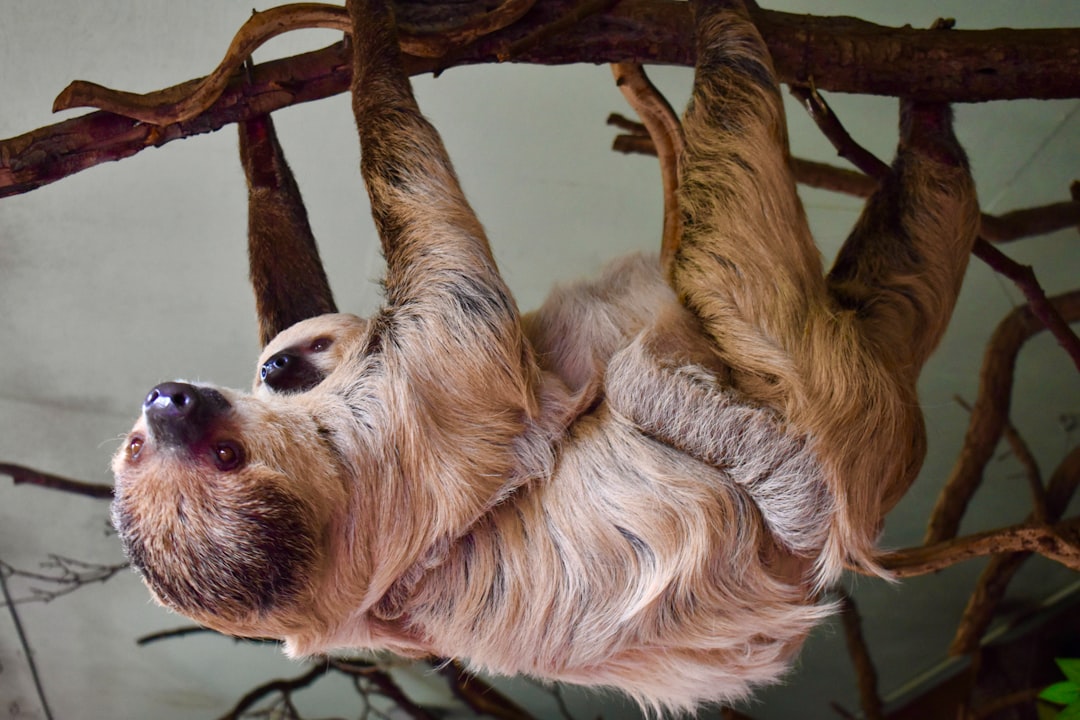
Due to their shy nature, sloth bears are rarely aggressive and despite their formidable appearance, are generally shy and prefer to avoid confrontation whenever possible. If you enjoy living in the slow lane, this is your bear, happiest hanging around and sleeping up to 15 hours daily as an adorable, lethargic animal that is also a bit of a loner.
The Sloth Bear represents the art of extreme slow living. These relaxers don’t just unwind; they practically melt into relaxation. They remain motionless most of the day and only venture out to seek food or social interaction when absolutely necessary. If your perfect day involves minimal movement, maximum comfort, and the luxury of having absolutely nothing urgent to do, you’re channeling your inner Sloth Bear.
The Koala Bear: Family-Centered Relaxation
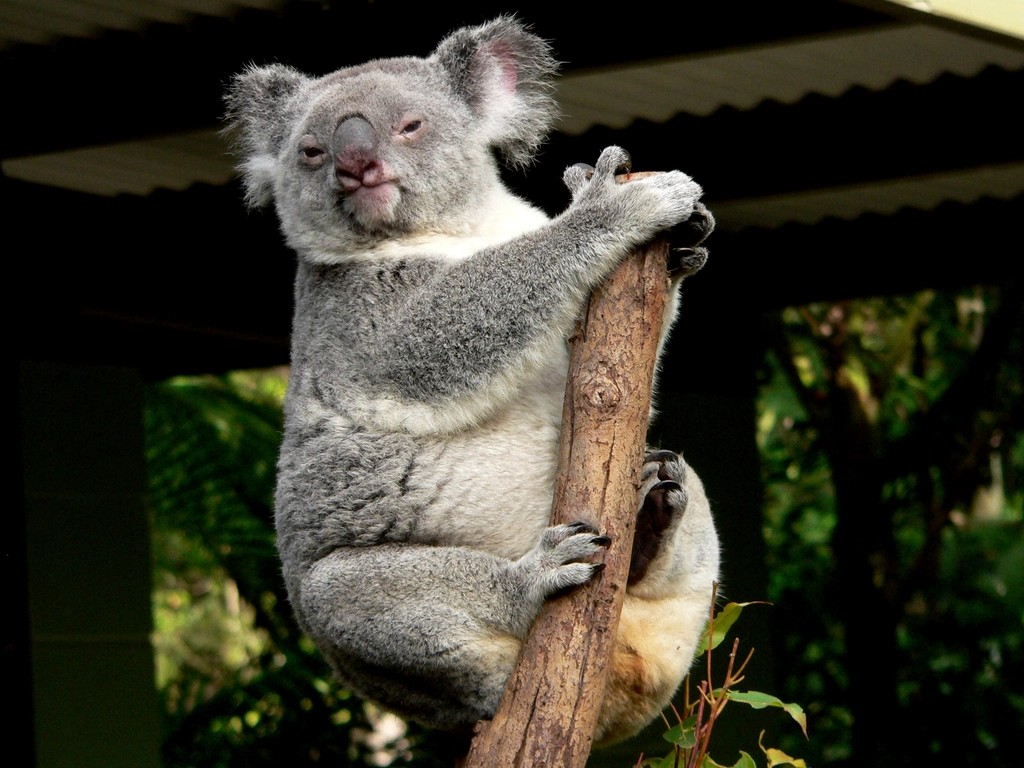
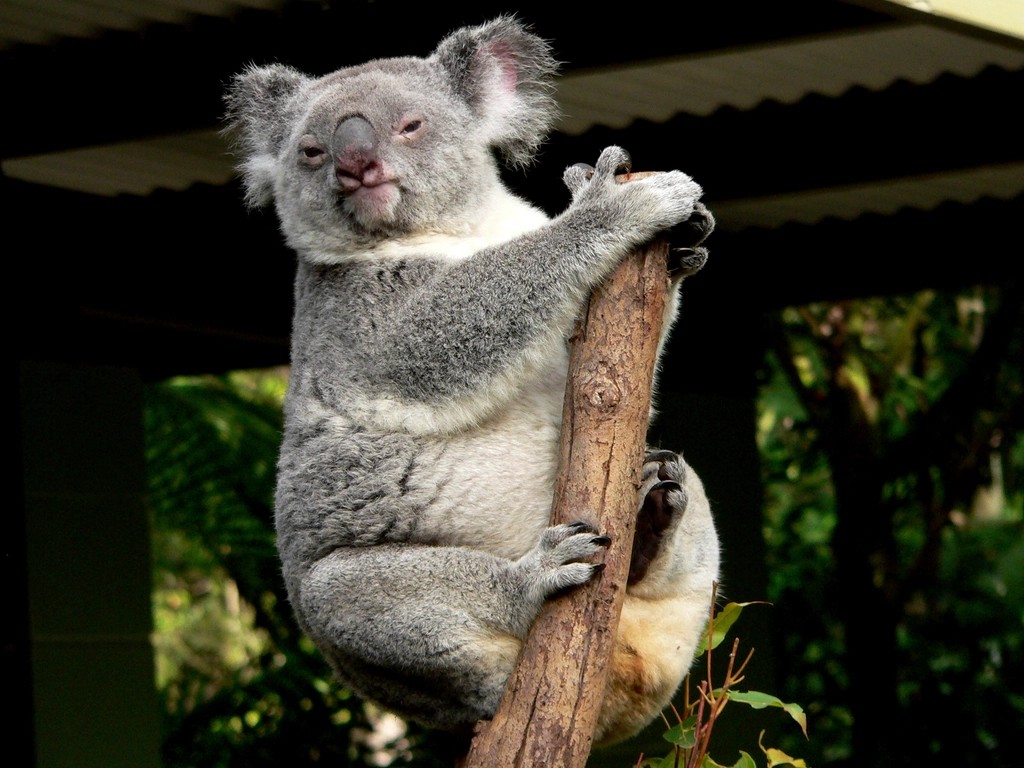
Koalas are nocturnal and when awake, love to eat, consuming up to 500 grams of leaves daily while living in family groups, finding safety and security in this arrangement, being loyal and caring while protecting other family members. Though technically marsupials, Koalas have earned their place in the bear relaxation pantheon.
Koala-type relaxers find their deepest peace within the context of family or chosen family groups. Their relaxation often involves nurturing others, creating safe spaces for loved ones, and finding comfort in familiar routines shared with those closest to them. They like the safety and security of family groups and are loyal, caring, and protective of other family members. These individuals often serve as the emotional anchors for their social circles.
The Active Bear: Movement-Based Relaxation
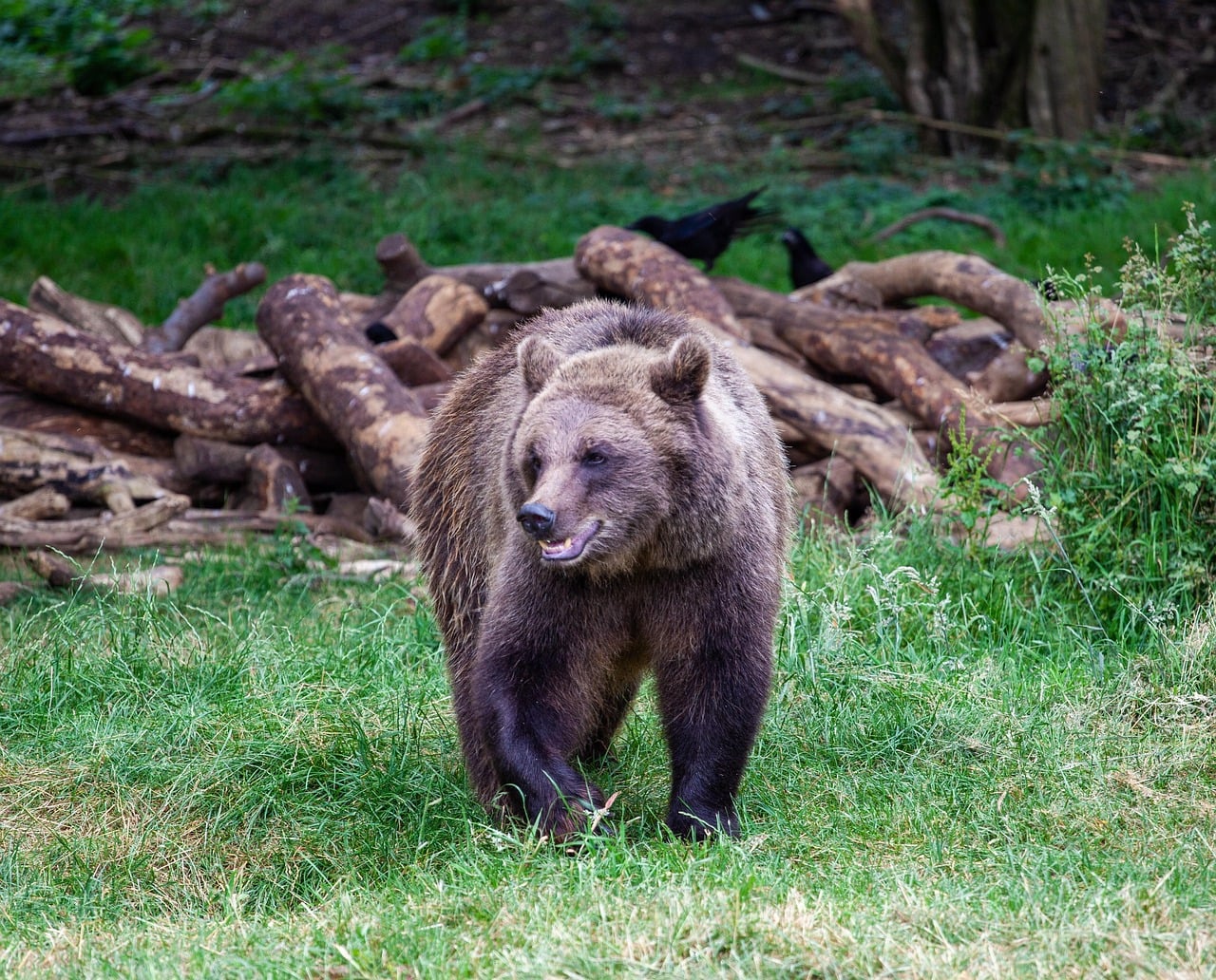
Bears’ behavior varies significantly, with some being more active in daytime and others selecting habitats closer to roads or open areas, while bears that are quite different from each other exist. Some bear personalities find relaxation not in stillness but in gentle, rhythmic movement.
This archetype represents those who unwind through activities like walking in nature, gentle yoga, or swimming. To maintain energy levels and prevent burnout, bear chronotypes can take fast breaks every few hours to promote relaxation and calm, with a quick walk or stretch providing an energy boost. These individuals might seem restless to others, but they’re actually engaging in their most natural form of restoration through purposeful movement.
The Wise Bear: Contemplative and Reflective Relaxation
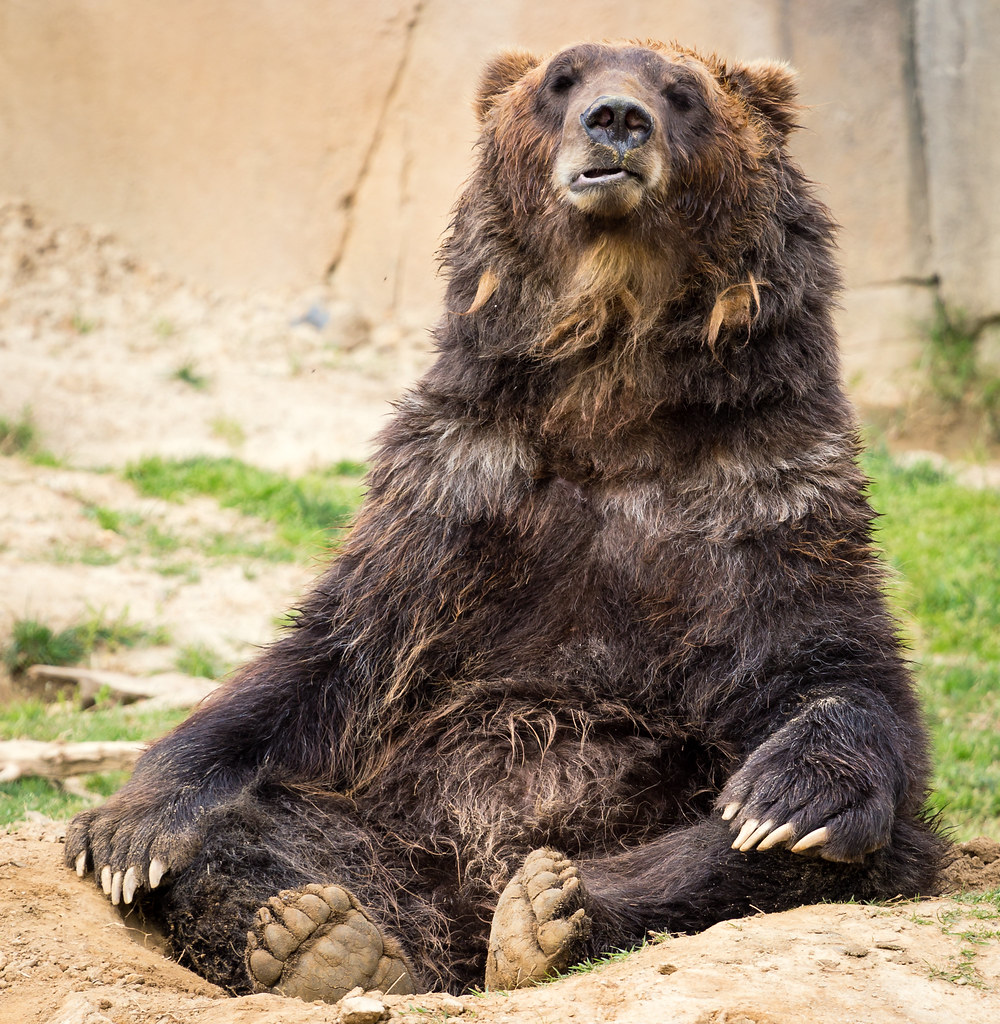
Bears are all about the “WHY” and enjoy understanding the deeper meaning of things, being very deep thinkers who are incredibly intelligent and wise, likely due to spending most of their time listening instead of talking. This archetype captures those whose relaxation involves deep contemplation and inner work.
People with this personality type are very deep thinkers, incredibly intelligent and wise, likely due to the fact that they spend most of their time listening instead of talking. If your ideal relaxation involves journaling, philosophical discussions, meditation, or any activity that helps you process the deeper meanings of your experiences, you’re embodying the Wise Bear approach. These individuals use relaxation time as an opportunity for personal growth and understanding.
Conclusion
Understanding your bear archetype isn’t just about satisfying curiosity; it’s about honoring your authentic needs for rest and restoration. For those who identify with bear personalities, embracing these traits can be a powerful path to personal authenticity, and understanding your need for solitude, protective instincts, and cycles of energy can lead to greater self-acceptance and more effective self-management.
Each bear archetype offers a unique pathway to genuine relaxation, and there’s no right or wrong way to unwind. The key is recognizing which approach truly serves you rather than forcing yourself into relaxation patterns that don’t match your natural inclinations.
What do you think captures your relaxation style best? Are you a hibernating bear who needs complete withdrawal, or perhaps a teddy bear who finds peace in connection? Tell us in the comments.

- 15 Ways a Shelter Animal Tells You It Was Always Meant to Be Yours - July 21, 2026
- 14 Ways a Dog Shows You Are the Center of Its Whole World - July 21, 2026
- 15 Quiet Habits That Show a Senior Dog Adores the Person It Chose - July 21, 2026