
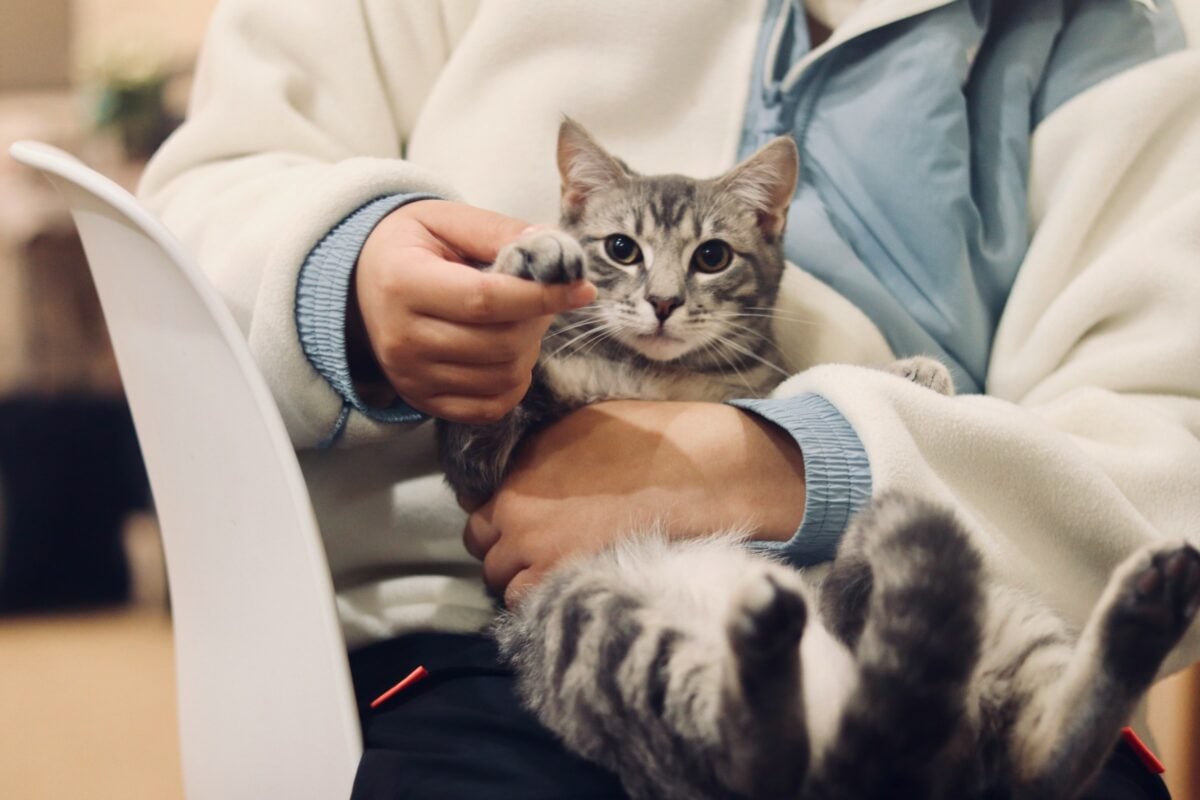
Most people assume a senior cat glued to your lap is just lazy, slowing down, or too old to bother moving. That’s the story everyone tells themselves. The truth is stranger and a lot more touching: an aging cat who keeps choosing your lap over every soft bed, sunbeam, and heated cushion in the house is sending you a message most owners never learn to read.
Some of these signs are so quiet you could miss them for years, right up until the day you finally notice the pattern and it stops you cold. Once you see it, you can’t unsee it. Here’s what that pattern actually looks like, sign by sign.
#1 – They Ignore Their Favorite Spots the Second You Sit Down
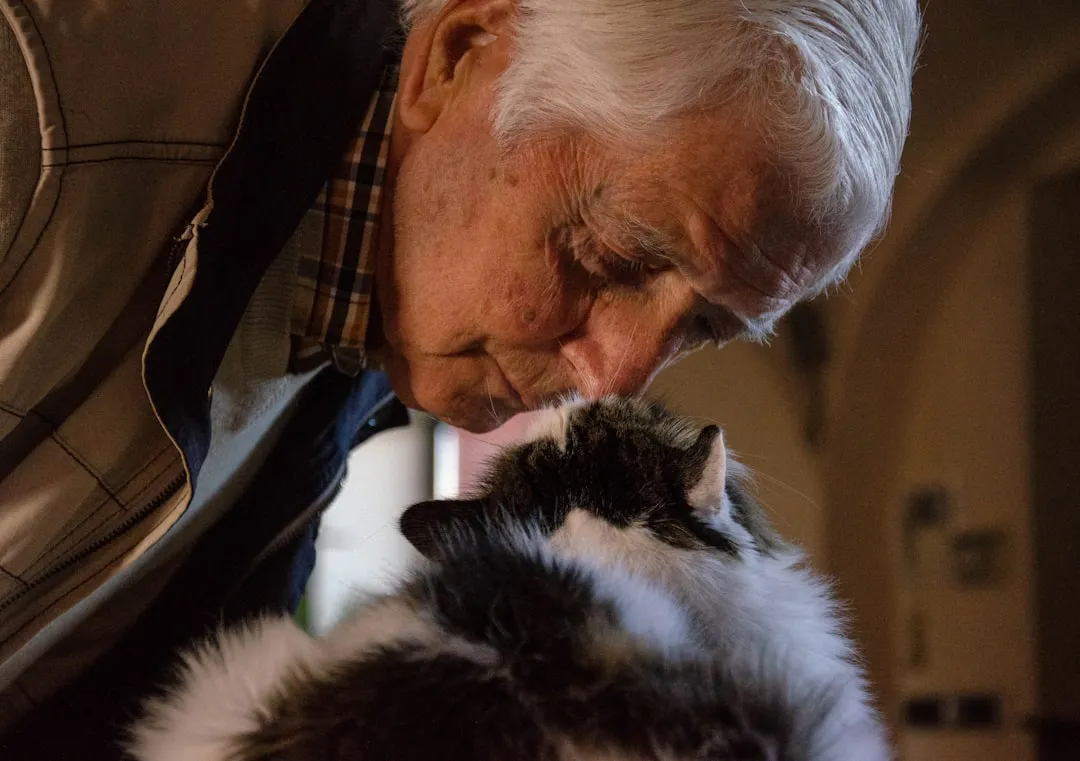
The clearest sign is almost embarrassingly simple: your old cat abandons every “perfect” spot the moment you sit. The heated bed, the sunny window, the cardboard box they once worshipped? Forgotten instantly. The second the couch cushions rustle, they’re on you like a magnet.
Many guardians notice this shift right around the time arthritis, stiffness, or mild cognitive changes start creeping in. Climbing to a shelf suddenly matters less than stepping into your lap. Your body has become the warm, soft, pain-friendly surface that moves with them, cushions them, and smells like safety. It isn’t childish clinginess — it’s a strategic choice made by a body that’s finally tired of fighting gravity alone.
- A slow, determined walk straight toward you, no detours.
- A small vocal “complaint” until you shift into the exact right position.
#2 – Their Purr Changes the Moment They’re on Your Lap
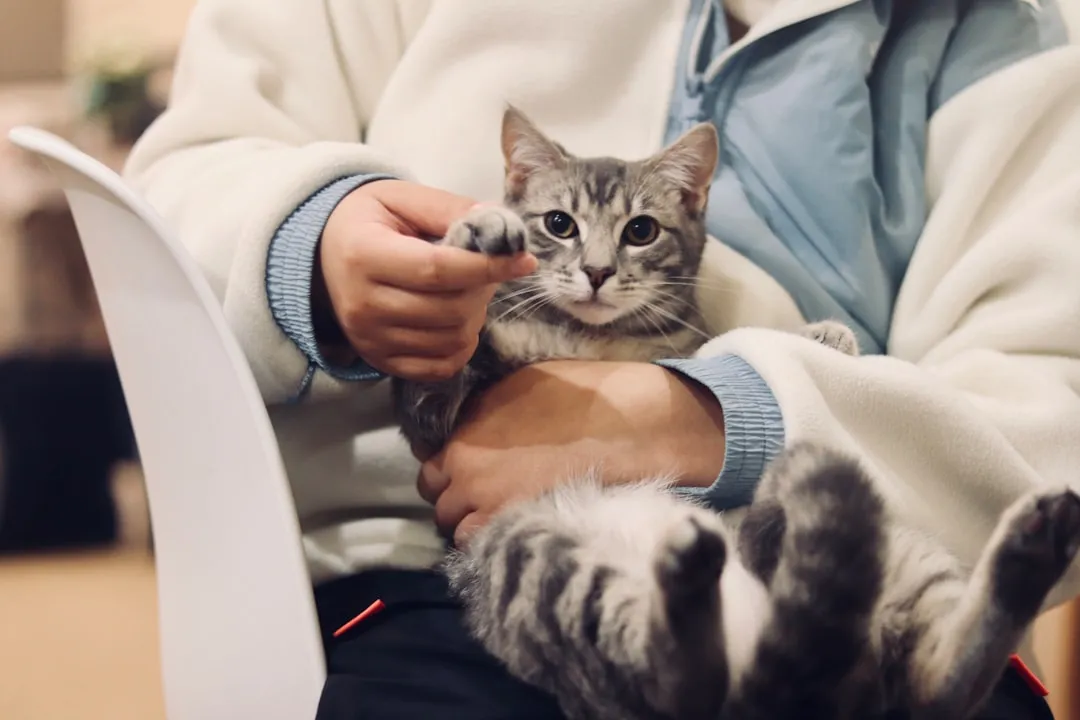
Most people assume a purr is just a purr. Not with seniors. Older cats often develop a “lap-only” purr that’s deeper, slower, and strangely more intense than the light buzz you hear during play or dinnertime. It can sound gravelly, motor-like, almost rattling.
As cats age, they conserve energy and stop wasting a full-body purr on random moments the way a kitten would. When your old cat saves their strongest vibration specifically for your lap, that’s a choice, not a reflex. Purring is thought to help with self-soothing and even bone healing, which makes that lap purr do double duty: comfort for the heart and relief for the body.
- They start purring before they’re even fully settled.
- The purr cuts off almost instantly if you stand up or shift away.
Fast Facts
- The average domestic cat purrs at a frequency of 25 to 150 Hertz (Hz).
- More recent research has shown that frequencies between 20 and 50 Hz increase bone density.
- Researchers and veterinarians believe purring isn’t just a sign of happiness – it’s also a self-soothing and self-regulating behavior.
#3 – They Track Your Every Movement Like It’s a Full-Time Job
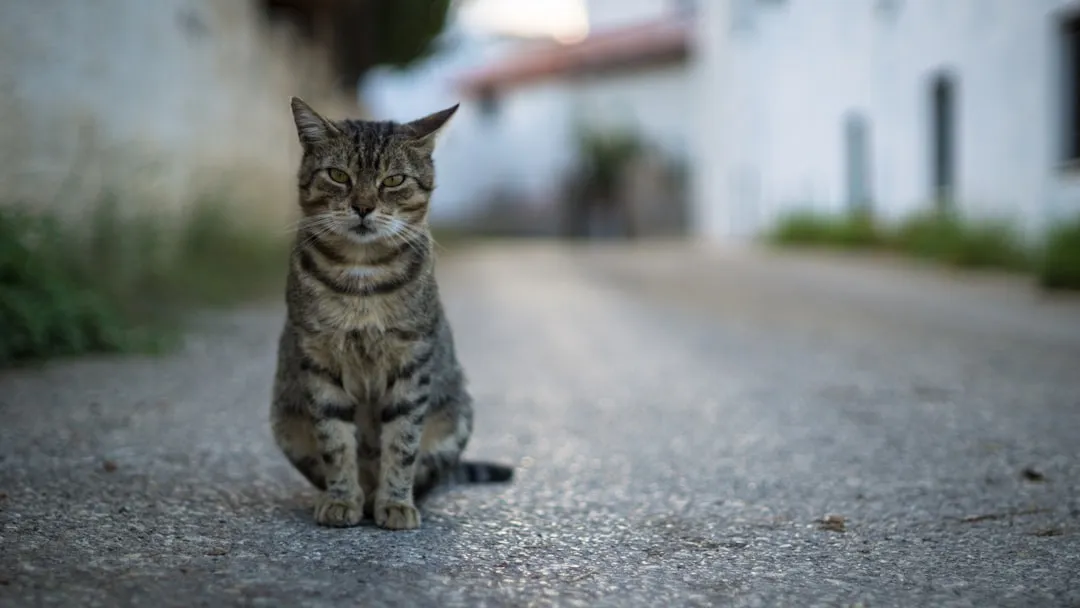
Young cats stalk birds. Old cats stalk you. If your senior spends more time watching your route from room to room than watching the window, that’s not random background behavior. You’ve quietly become their primary source of security, warmth, and routine.
These slow, shuffling “hallway escorts” aren’t just about being social. Older cats are often dealing with declining vision, fading hearing, or early cognitive changes, so knowing exactly where you are keeps their world predictable. Your lap isn’t just comfortable; it’s a known, safe zone in a body that’s a lot less sure-footed than it used to be.
- They position themselves where they can always see your usual chair or couch spot.
- They get mildly anxious or vocal if they lose visual contact with you for too long.
#4 – They Suddenly Tolerate Touch They Used to Flat-Out Refuse
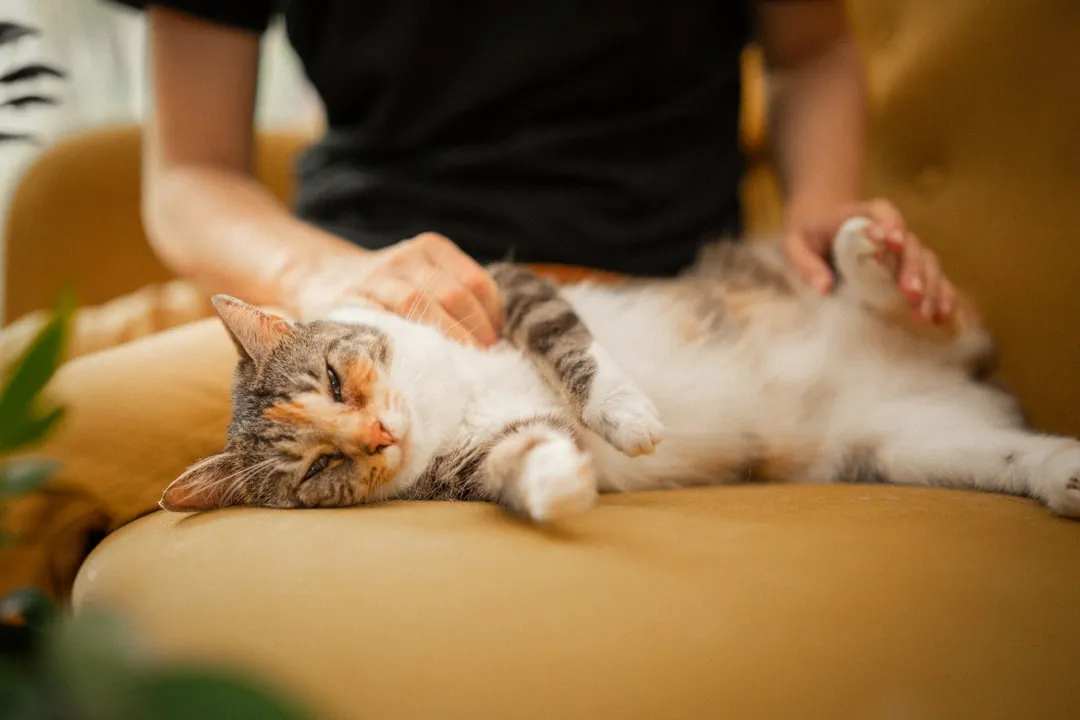
Some cats spend most of their lives radiating a clear “don’t touch me” energy. Then one day, that same aloof cat is nudging your hand onto their side, leaning hard into chest rubs, or even allowing gentle belly contact — but only on your lap. When a historically independent cat softens like this, it’s a major emotional shift, not a fluke.
Aging changes sensory thresholds. Joints ache, muscles tighten, and gentle pressure that used to feel intrusive can suddenly feel soothing. There’s a psychological piece too: older cats often start valuing predictable, gentle contact over the solo independence they clung to for years. You’re no longer just their feeder; you’ve become their physical therapist, weighted blanket, and comfort object rolled into one.
- They guide your hand back with their head or paw when you pause petting.
- They only accept this extra touch while settled on you, never on the floor or bed.
#5 – They Sleep Deeper and Longer on You Than Anywhere Else
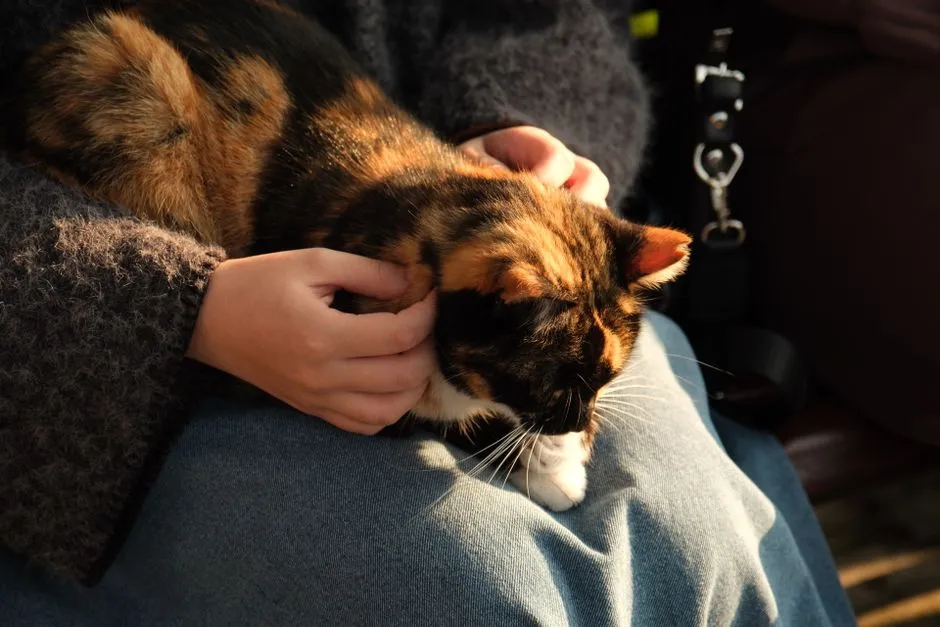
Watch how your old cat sleeps in a basket versus on your lap. On a random pillow, you’ll see twitchy ears, half-open eyes, and quick wake-ups at the smallest sound. On your lap? They slide into that heavy, limp, boneless sleep that says “I feel completely safe here.”
Deep sleep is genuinely risky for a prey species, and even the most domesticated cat still carries that old programming somewhere in its wiring. An older cat who chooses to go fully unconscious on you is making a serious trust decision. Your heartbeat, breath, and warmth create a kind of sensory cocoon where their aging nervous system finally, finally lets go.
- Slow, steady breathing, sometimes with a soft snore.
- You can shift a little and they don’t bolt awake — they just readjust and stay put.
#6 – They Get Personally Offended When Your Hands Do Anything Else
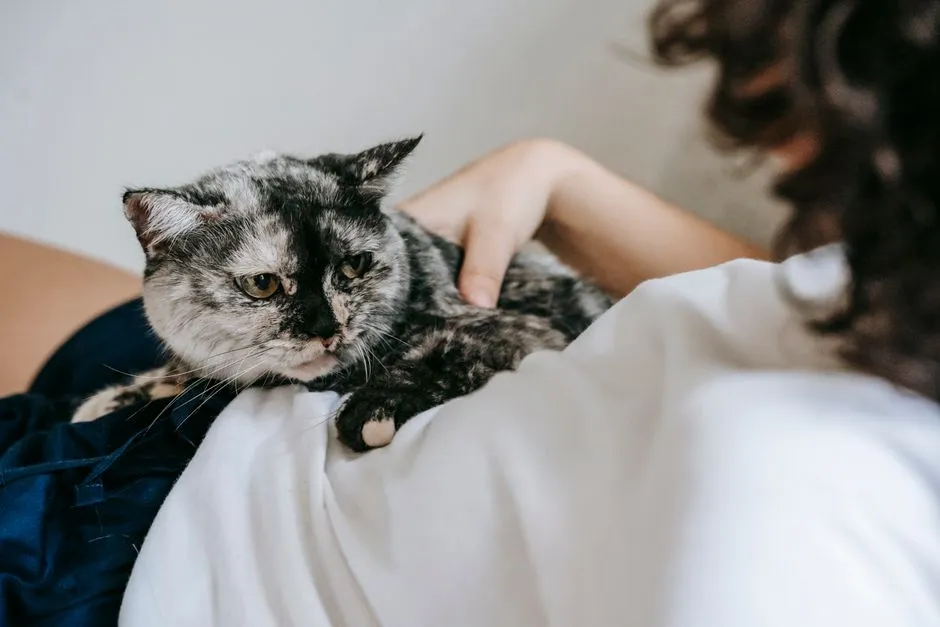
This is the one that drives people a little nuts. You try to check your phone, type on a laptop, or hold a book, and suddenly there’s a paw on your wrist or a head jammed under your palm. Senior lap cats often act genuinely wounded that your hands aren’t 100% dedicated to them.
It’s not simple attention-seeking. For an older cat, your hands are tools that regulate temperature, ease joint stiffness, and reinforce the bond through scent and touch. The second you stop, their pain, chill, or low-grade anxiety often creeps right back in, which is exactly why some will nip lightly, tap your fingers, or shove the phone out of the way.
- Gently but firmly nudging your phone or book aside.
- Pinning your hand under their head or paws like they’re holding it hostage.
#7 – They Stake Out “Your Spot” Before You Even Sit
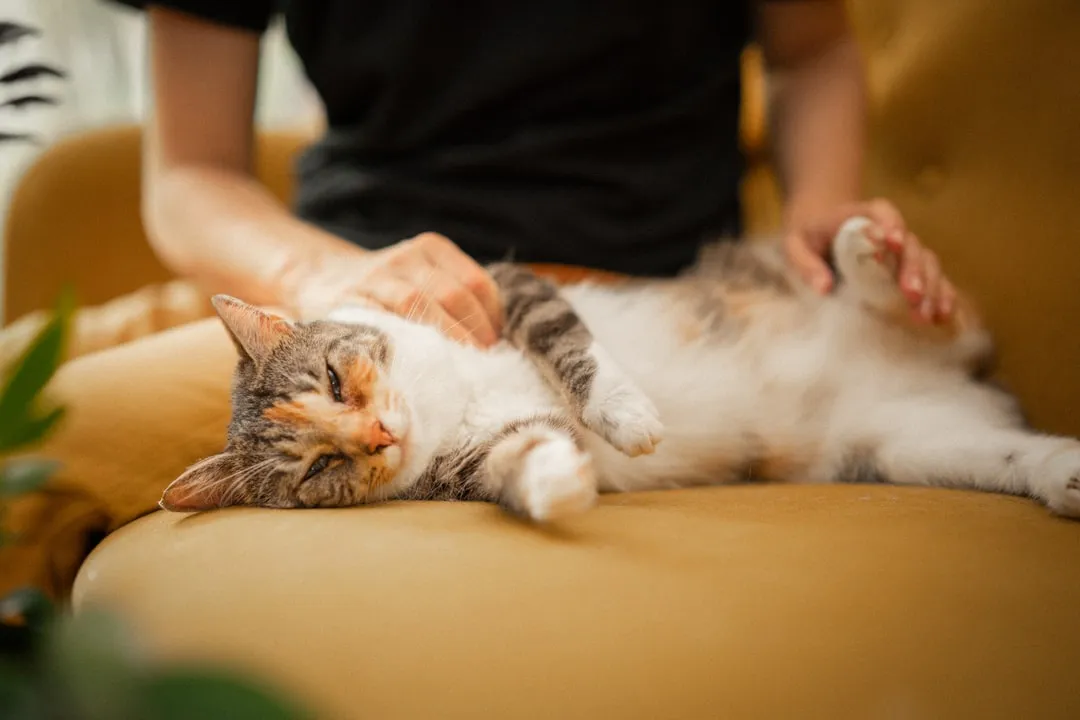
Some cats learn the sound of a kibble bag. Old lap cats learn the sound of your evening routine. If your senior wanders into the living room a few minutes before you normally sit and plants themselves beside your favorite chair, that’s not coincidence. They’re pre-booking your lap like it’s the last seat on a flight.
Cats are master pattern-readers, and older cats especially cling to routine because change gets harder on their bodies and brains with every passing year. Your predictable sit-down-for-TV moment becomes the anchor of their entire day. For a lot of seniors, that thirty or sixty minutes on your lap is the single highlight of an otherwise quiet, slow-moving twenty-four hours.
- They stare at you fixedly until you sit in the “correct” spot.
- They pace or seem frustrated if you choose a different seat than usual.
#8 – They Pick Your Lap Even When It’s Clearly the Harder Option
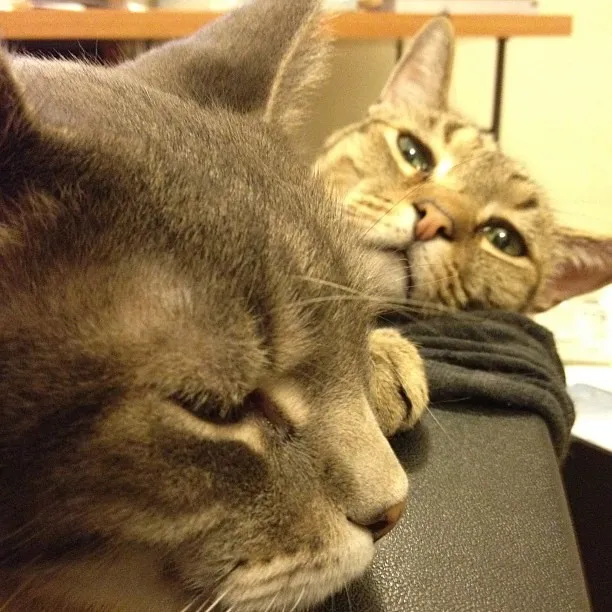
Heat vent blowing straight onto their bed. A sun puddle blazing on the carpet. That absurdly expensive orthopedic cushion you bought specifically for their joints. Your old cat will sometimes glance at all of it and still climb onto your jeans, even mid-awkward-position. That’s a cat choosing relationship over comfort shortcuts.
Physically speaking, a heating pad is easier on aging joints than the effort of climbing a human. That’s exactly why it matters so much when they still make that climb anyway. Your lap offers something no object ever will: your scent, your heartbeat, your micro-movements, your voice. For an animal with a finite amount of time left, staying close to “their person” simply outranks everything else on the list.
- Hesitating at the edge of the couch, visibly calculating the jump, then doing it anyway.
- Soft grunts or effort noises while settling, followed by instant relaxation.
At a Glance
- Joint arthritis is very common in older cats, affecting an estimated 70% to 90% of cats over 12 years of age.
- Studies suggest that about 60% of cats over 6 years old already show signs of arthritis.
- One study showed that 90% of cats older than 12 have radiographic signs of osteoarthritis, and most of these cats had no clinical signs recognized by owners.
- Most pet parents assume standard aging signs like sleeping more or walking stiffly are simply “normal,” not evidence of a treatable condition.
#9 – They Show Up to “Guard” You During Your Stillest, Quietest Moments
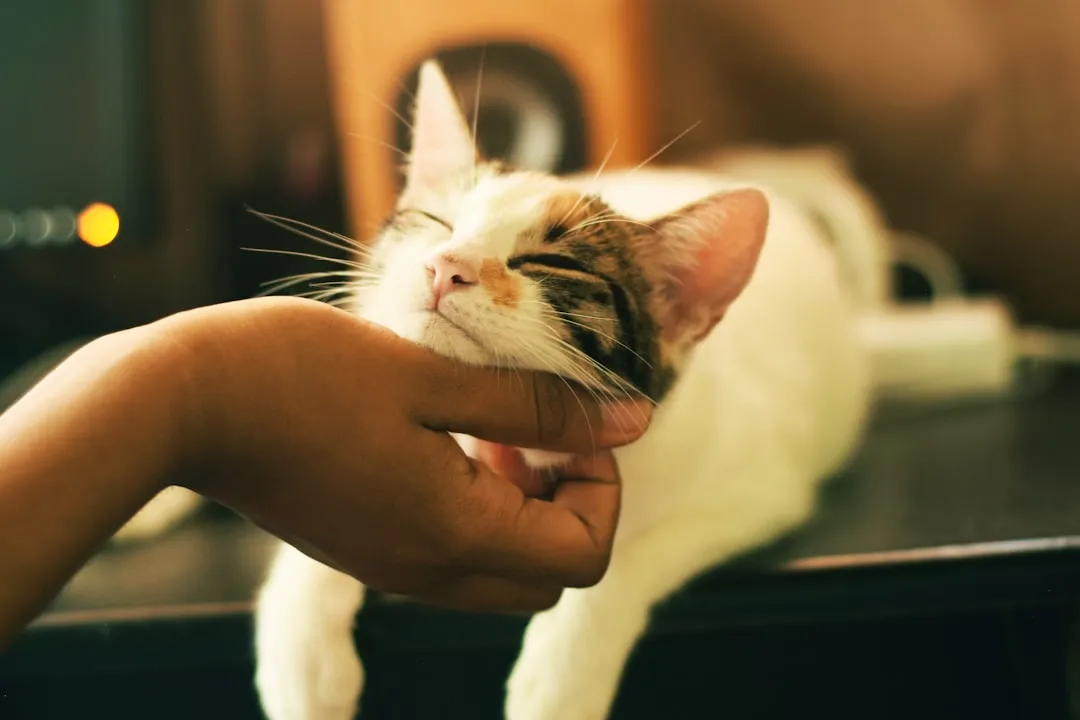
Pay attention to when your old cat chooses to park on you: reading, scrolling, watching TV, or deep in the late-night doomscrolling you swore you’d quit. They’re drawn to your quiet, still, emotionally leaky moments — some even show up the second you cry or sigh heavily.
Cats may not grasp human drama in any real sense, but they absolutely read body language, tone, and breathing. Senior cats, with slower play drives and more downtime to simply observe, become eerily accurate mood sensors. For them, a calm, still human is the perfect safe perch. For you, it starts feeling like something close to mutual protection: you hold them physically, and somehow they hold you back.
- Showing up specifically when you’re sick, exhausted, or mentally checked out.
- Pressing their body closer the second your breathing changes.
#10 – They Invent a Specific Sound That Means “Lap. Now.”
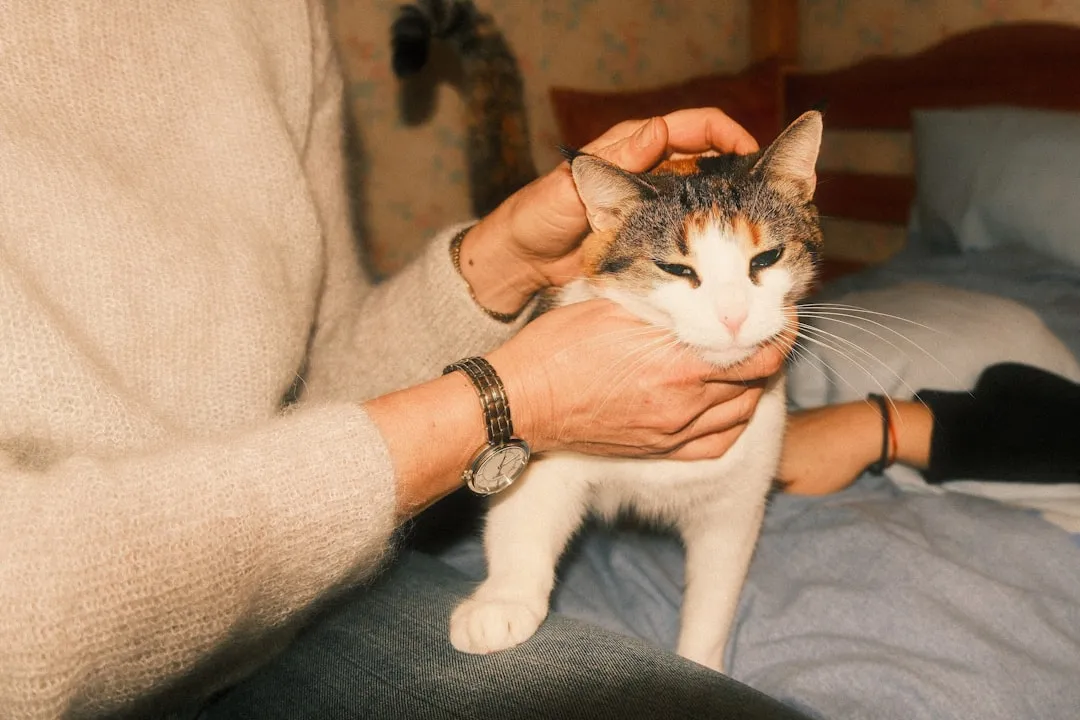
There’s the “feed me” meow, the “where are you” yowl, and then there’s the distinct “lap now, please” sound that old cats seem to invent from scratch. It’s often shorter, softer, and oddly insistent — a little chirp-meow hybrid that only stops once you’ve planted yourself somewhere they can reach.
Senior cats dealing with mild cognitive decline or anxiety often latch onto one calming ritual, and the lap nap is frequently it. That pre-lap vocal routine is them trying to fast-track the whole process. It isn’t drama; it’s self-advocacy from a body that genuinely feels better the moment it’s on top of you.
- The meowing spikes during your typical downtime hours — evenings, weekends.
- It stops almost instantly once they climb onto you, like a switch flipped.
#11 – They Relax Into the Positions That Expose Their Most Vulnerable Spots
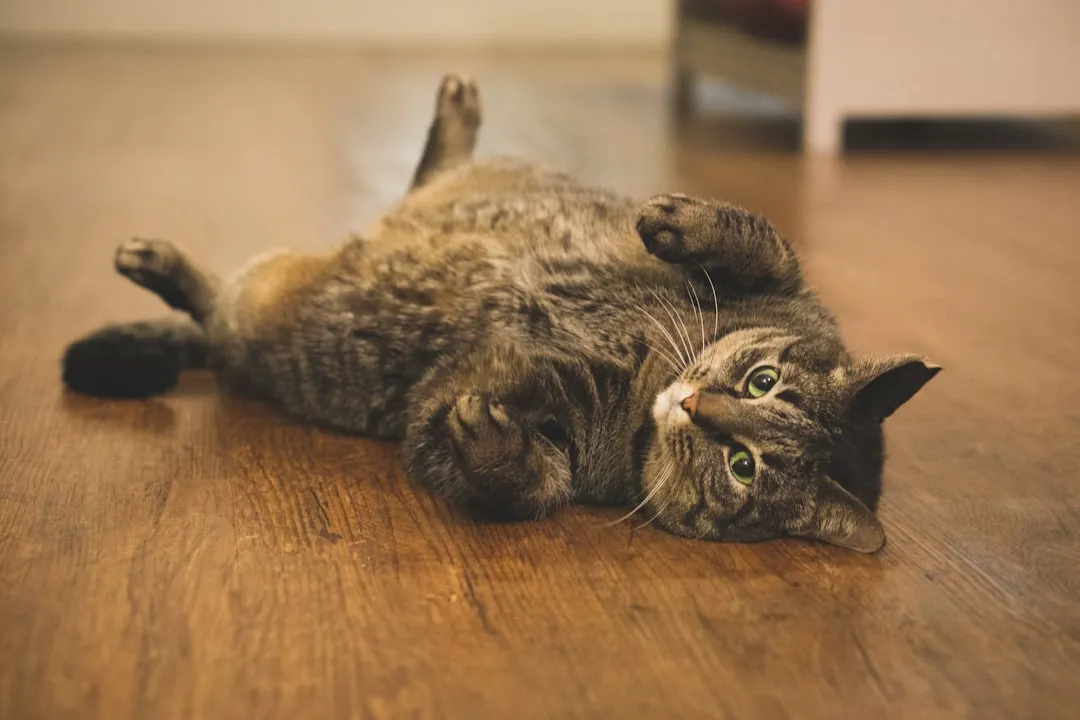
Cats don’t expose their belly, throat, or full spine to just anyone, especially not in old age when they can’t spring back up as quickly. When a senior sprawls full-length across your lap, belly or chest half-turned upward, that’s absolute faith on display.
Instinct says curl tight, tuck the paws, protect the organs. Age says: I’m too tired for that level of vigilance anymore. Your lap gives them permission to choose comfort over defense, and for many senior cats, it’s the place where they finally lay down the last scraps of the “always on guard” behavior they’ve carried since kittenhood.
- Flopped fully on their side, all four legs loose, sometimes hanging off you.
- Rolling partway onto their back, showing off their softer underside.
#12 – They Leave Their Scent on You Like a Two-Way Ownership Contract
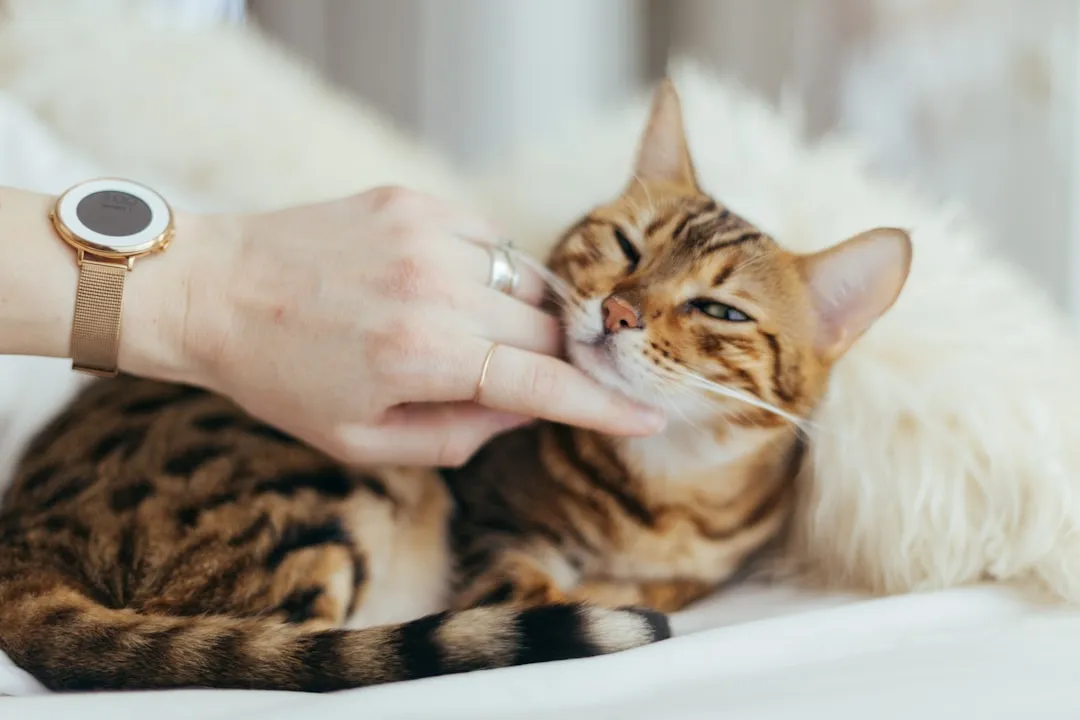
Cats aren’t just soaking up your scent when they nap on you. They’re also re-depositing their own scent on you, almost like a signed agreement that says you belong to each other. Older cats, who roam and explore far less than they used to, lean harder on familiar smells to feel secure.
Your lap becomes a scent-exchange hub. If their world has shrunk down to a handful of rooms and a handful of objects, making sure you and your clothes smell like their safe core territory is a genuine survival strategy, whether they know it consciously or not. It’s their quiet way of saying: you’re my place, don’t go too far.
- A noticeably stronger “cat” smell on your clothes, especially where they rested.
- Them re-sniffing and rubbing those exact same spots the next time you wear that item.
Worth Knowing
- Cats carry concentrated scent glands around their cheeks, chin, and forehead, which is why they rub those spots so deliberately.
- Scent-marking through rubbing and kneading is a cat’s way of building a shared “colony smell” between you and them.
- A cat that scent-marks you more as it ages is often narrowing its sense of “territory” down to the people and places it trusts most.
#13 – They Get Subtly Anxious the Second You Stand Up
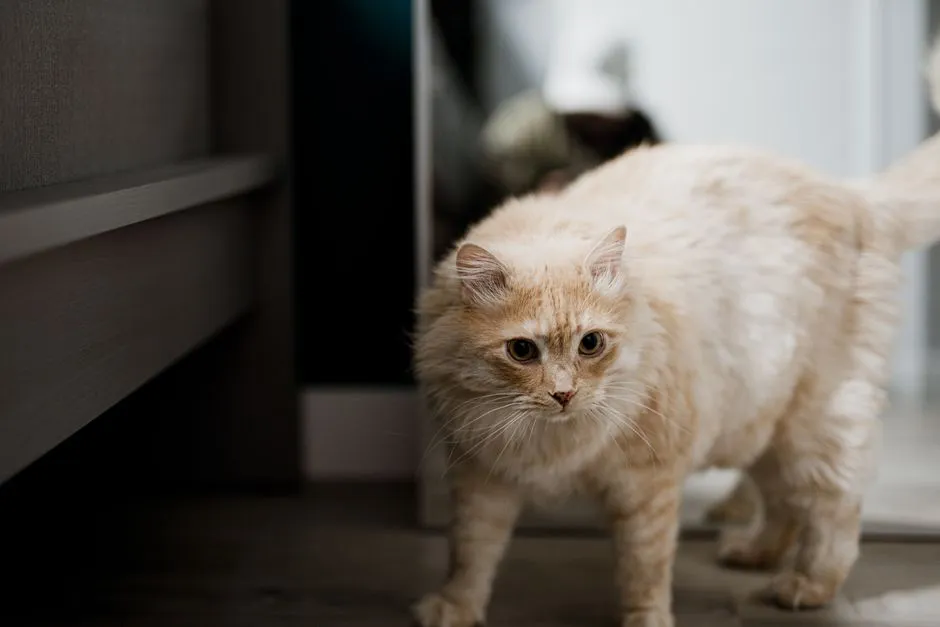
You shift to reach your drink and feel their body go tense. You stand, and there’s that small, disappointed trill or a confused, searching look. Senior cats who live for lap time often show micro-signs of anxiety the instant their “anchor” moves, even if it’s just for a second.
Aging brings a slow accumulation of uncertainty: blurred vision, muffled hearing, aches that show up without warning. Your lap is one of the few things that consistently feels good. When it disappears, even briefly, all that background wobbliness rushes back in at once. For a lot of seniors, that lap isn’t just nice to have — it’s their one reliable safe harbor in a body that doesn’t always cooperate anymore.
- Quick grooming that looks a lot like nervous fidgeting.
- Pacing on the exact cushion you just vacated.
- A heavy, resigned sigh before curling up in the spot where you were sitting.
#14 – They Turn Into an Almost Different Cat, But Only on Your Lap
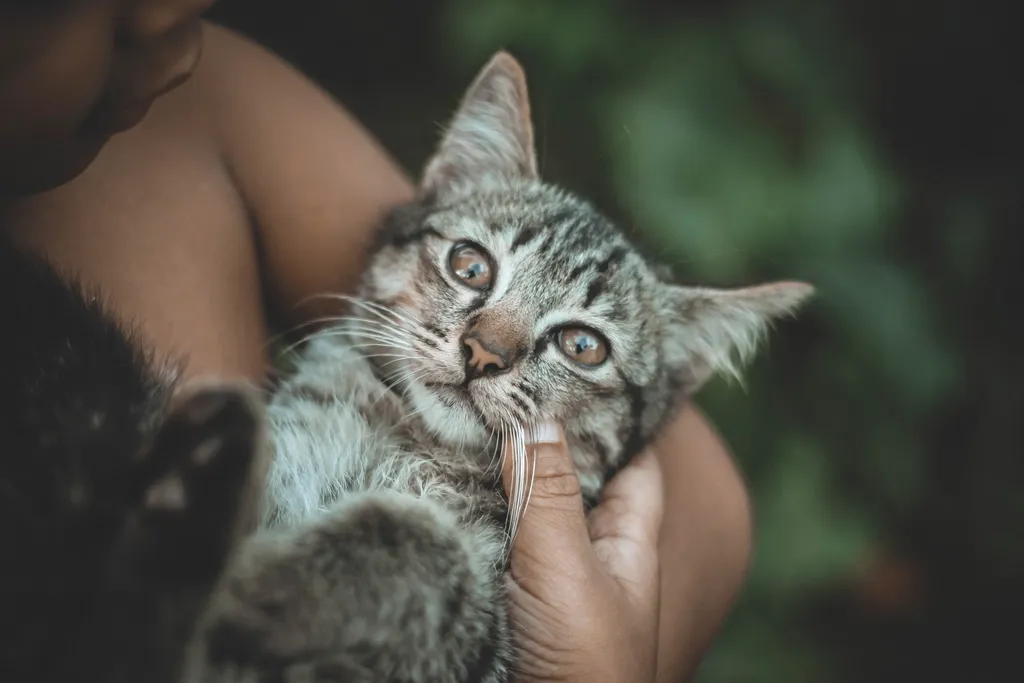
The most powerful sign is a full personality shift. The cat who’s standoffish with guests, skittish around kids, or bossy with the other pets suddenly turns into a puddle of affection the moment it’s just the two of you in a quiet room. On your lap, their edges blur — slow blinks, kneading paws, a little drool, maybe even kitten-like sounds you haven’t heard in years.
This “second cat” is who they really are underneath, once they feel completely safe and understood. Aging strips away a lot of performance and bravado, and what’s left is the raw attachment that was always there. Some people find this bittersweet — that particular softness so often shows up in the later chapters of a shared life, right when time starts to feel finite.
- The rest of the world fades to background noise the second they’re on you.
- You both, without ever discussing it, quietly stretch the moment a few minutes longer.
The Bottom Line
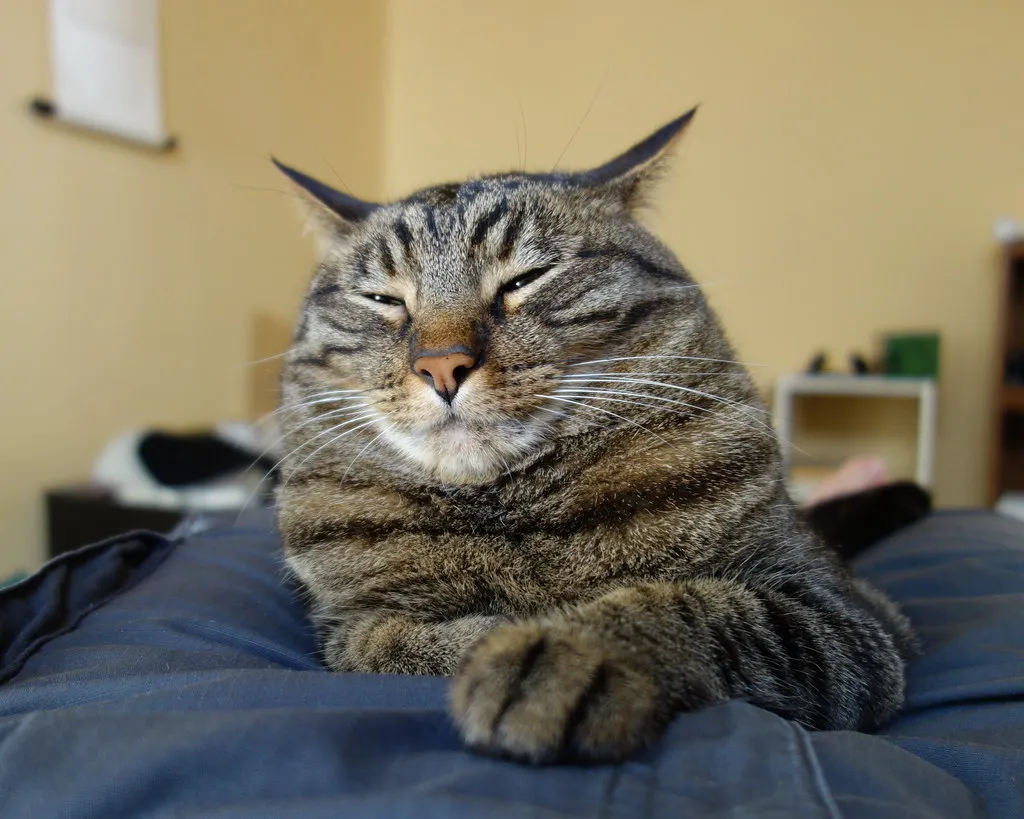
Old cats don’t cling to laps because they’re needy or spoiled. They do it because your body has quietly become the one place where aging, pain, and confusion get turned down to a tolerable volume. Every abandoned sunspot, every hallway escort, every annoyed paw swat at your phone is your senior cat voting, over and over, for time with you over everything else in the world.
Some people will always say “it’s just a cat,” but that’s usually the crowd who’s never had a gray-muzzled old soul melt into them like that. Those of us who have know better — this is what trust looks like near the end of a shared life, and it doesn’t ask for much. If you’re lucky enough to have an old cat who would trade anything for one more nap on your lap, the only real question left is whether you’re clearing enough space in your day to actually give it to them.
