


The world’s wildlife faces unprecedented challenges as we navigate through 2025. Despite conservation efforts, many mammalian species hover dangerously close to extinction, their numbers dwindling to shocking lows. From vast oceans to dense forests, these remarkable creatures fight for survival against habitat loss, poaching, and climate change.
Some of these mammals are so rare that scientists struggle to locate them in the wild, while others exist only in carefully monitored sanctuaries. Their stories reveal both the devastating impact of human activity and the remarkable resilience of nature. Let’s explore ten of Earth’s rarest mammals and discover just how few remain in our world today.
Northern White Rhinoceros: The World’s Most Critically Endangered Mammal
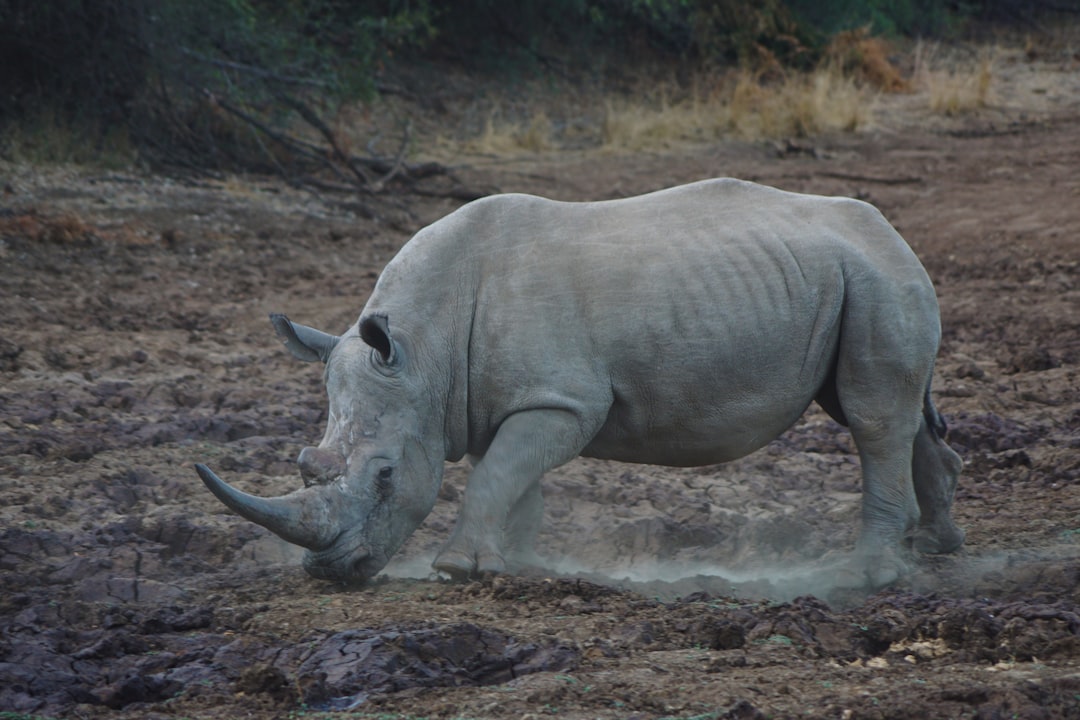
Only two northern white rhinoceroses remain alive on Earth today, both female. After the last male, Sudan, died in March 2018, this subspecies became functionally extinct, making it the rarest mammal on the planet.
The two surviving females, named Najin and Fatu, live under 24-hour armed guard at the Ol Pejeta Conservancy in Kenya. These gentle giants represent the end of a lineage that once roamed across East and Central Africa south of the Sahara. Scientists are desperately working on advanced reproductive technologies, hoping to save the subspecies through artificial insemination using stored genetic material from deceased males.
Vaquita: The Ocean’s Tiny Vanishing Porpoise
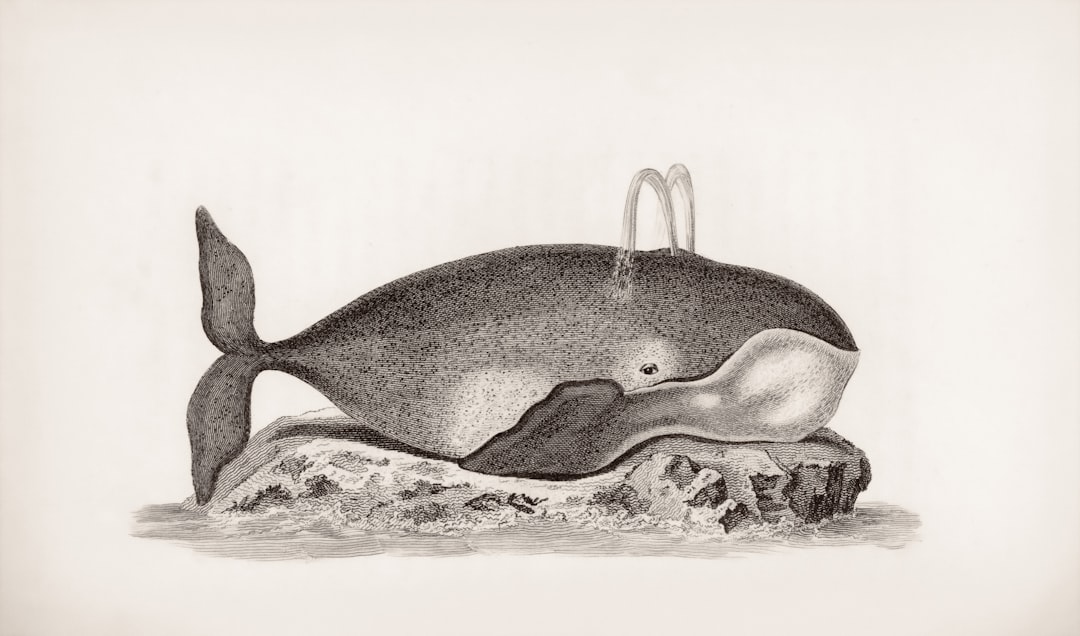
With fewer than 10 estimated to remain in Mexico’s Gulf of California, the vaquita is the world’s rarest marine mammal. Known as “little cow” in Spanish, this tiny porpoise measures only 5 feet in length, making it the world’s smallest cetacean.
The population has plummeted catastrophically from approximately 600 individuals in 1997 to just six to 22 remaining today. Illegal fishing nets have proven to be their deadliest enemy, causing fatal entanglements when fishermen pursue the equally endangered totoaba fish. Despite their kind and gentle nature, these shy creatures face imminent extinction.
Hainan Gibbon: The World’s Rarest Primate
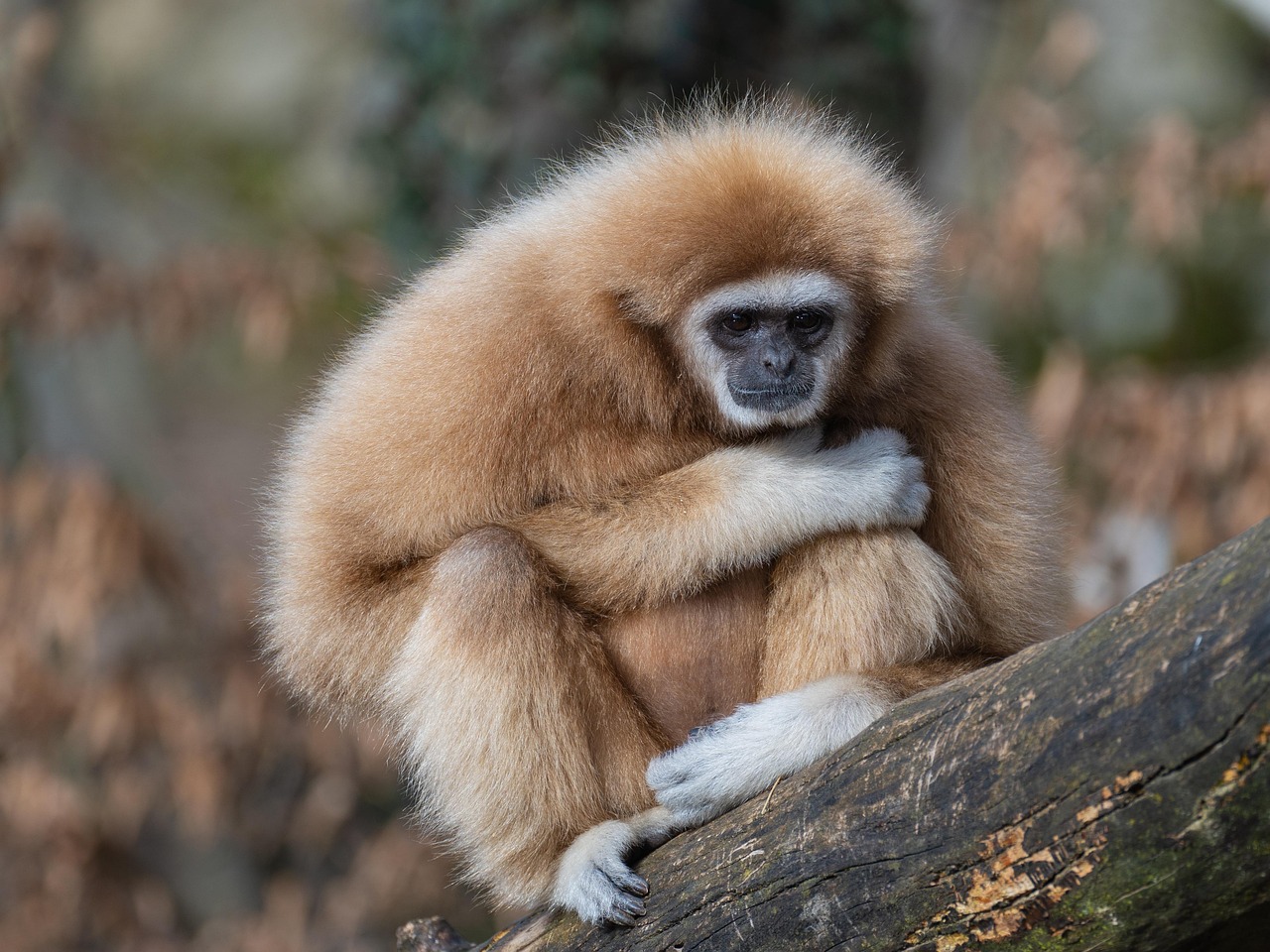
Only about 30 Hainan black-crested gibbons remain in the world, making them the rarest primate species. These extraordinary apes reside in a small patch of forest on China’s Hainan Island.
Deforestation and hunting have brought this species to the brink of extinction. Hainan Gibbons are social animals, living in small family groups and feeding on fruits, leaves, and insects. Conservation scientist Jessica Bryant describes their haunting song as “the most beautiful of all” gibbon calls. Conservation efforts focus intensely on habitat protection and reforestation, aiming to expand their living area and ensure their survival.
Javan Rhinoceros: Clinging to Survival in a Single Park
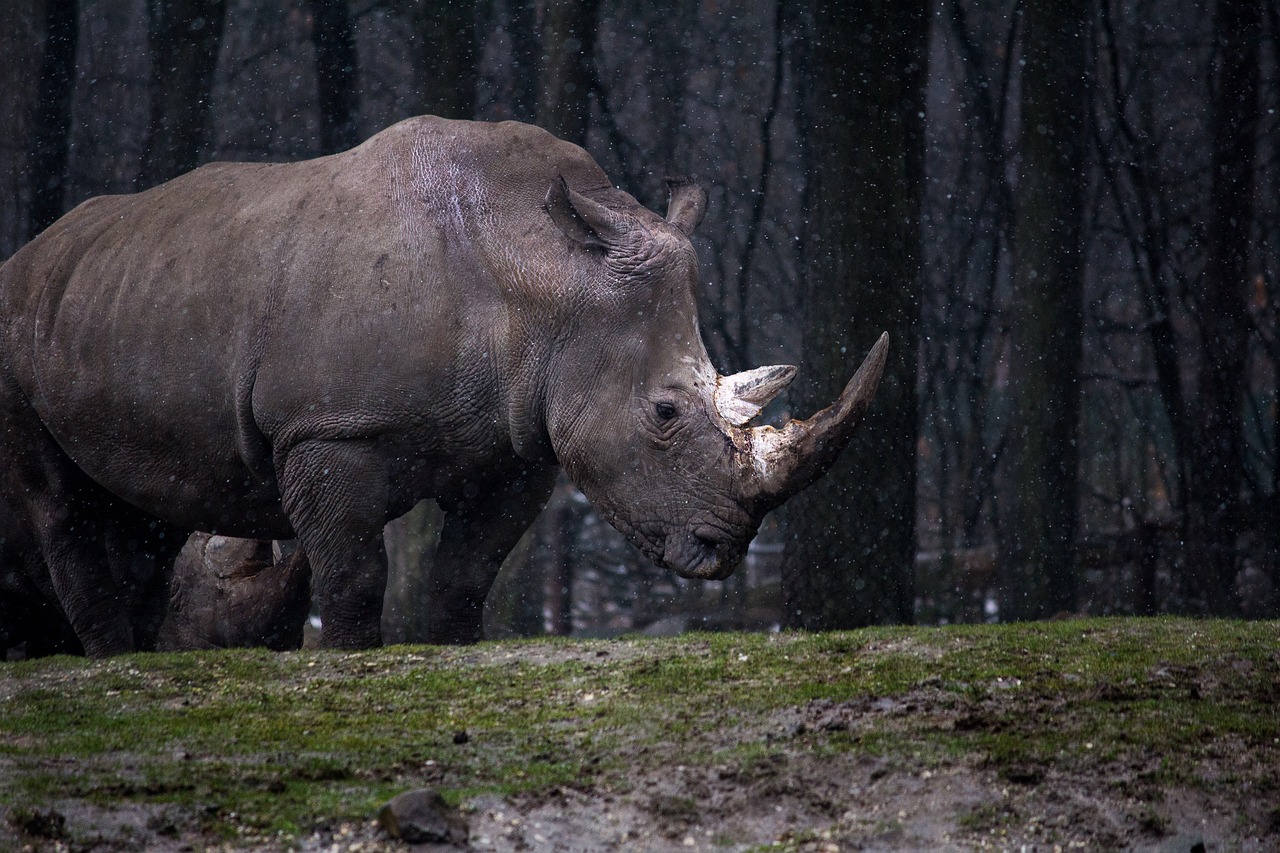
Found only in Ujung Kulon National Park, Indonesia, Javan rhinos number around 75 individuals. Camera traps in the park showed footage of two new rhino calves in early 2023, bringing the total to 77 individuals.
The species faces ongoing threats from potential poaching, though conservation efforts have helped the population remain stable in recent years. Beyond poaching, with all animals living in one place, the species is extremely vulnerable to natural disasters and disease. These unique rhinos once roamed across Southeast Asia but now face an uncertain future in their last remaining stronghold.
Sumatran Rhinoceros: Fewer Than 50 Left
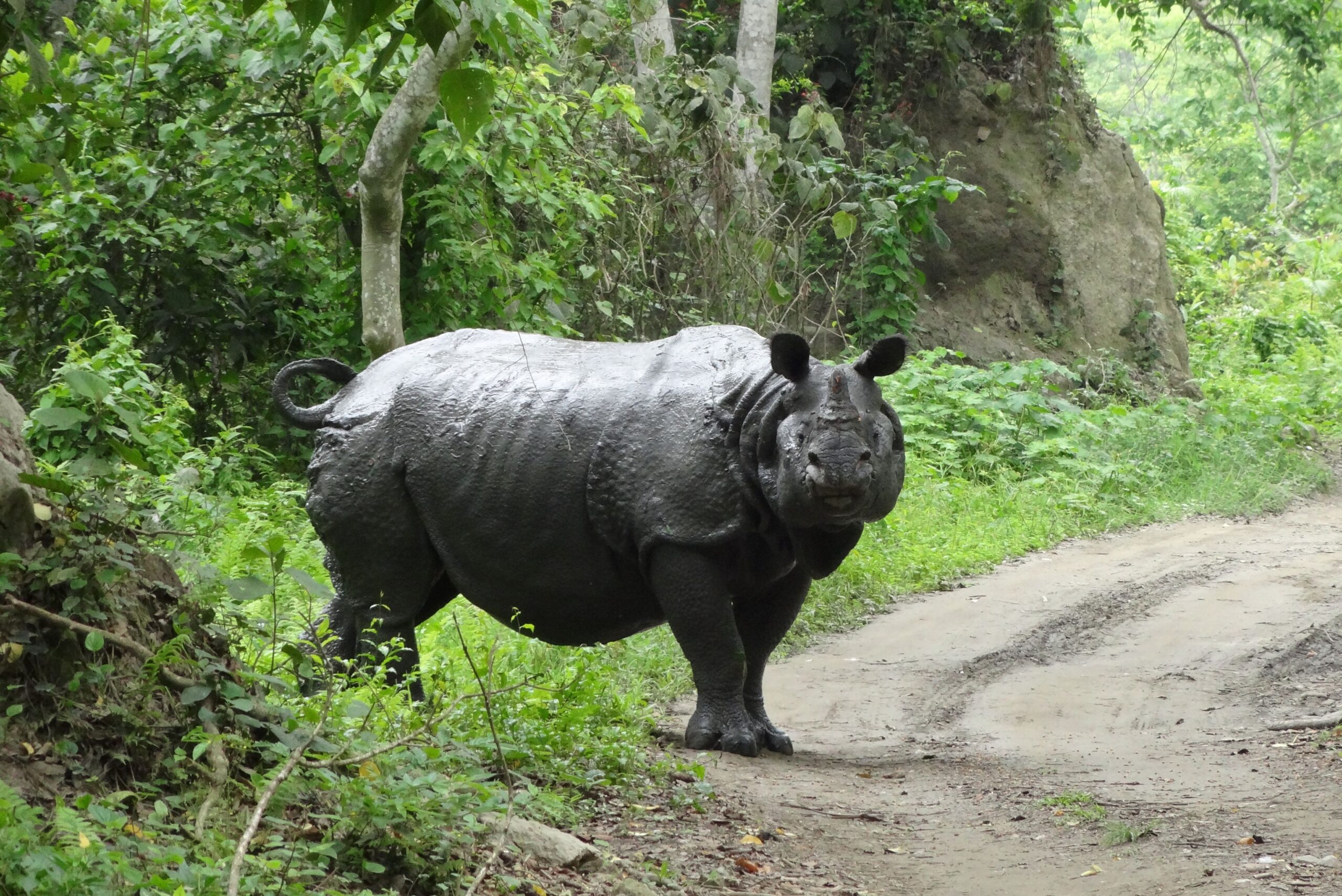
There are now estimated to be between 34 and 47 Sumatran rhinos left in the wild. The Sumatran rhino has more hair than other rhinoceros types, giving them a very distinctive look and the common name of hairy rhinoceros.
The Sumatran rhinoceros have been hunted for their valuable horns for centuries. Their habits of wallowing in mud baths during the day and solitary behavior have made them easy targets in the past. The Sumatran Rhino Sanctuary has produced five calves in total and continues to pioneer captive breeding, while Indonesian authorities are implementing advanced fertility techniques.
Cross River Gorilla: Africa’s Rarest Great Ape
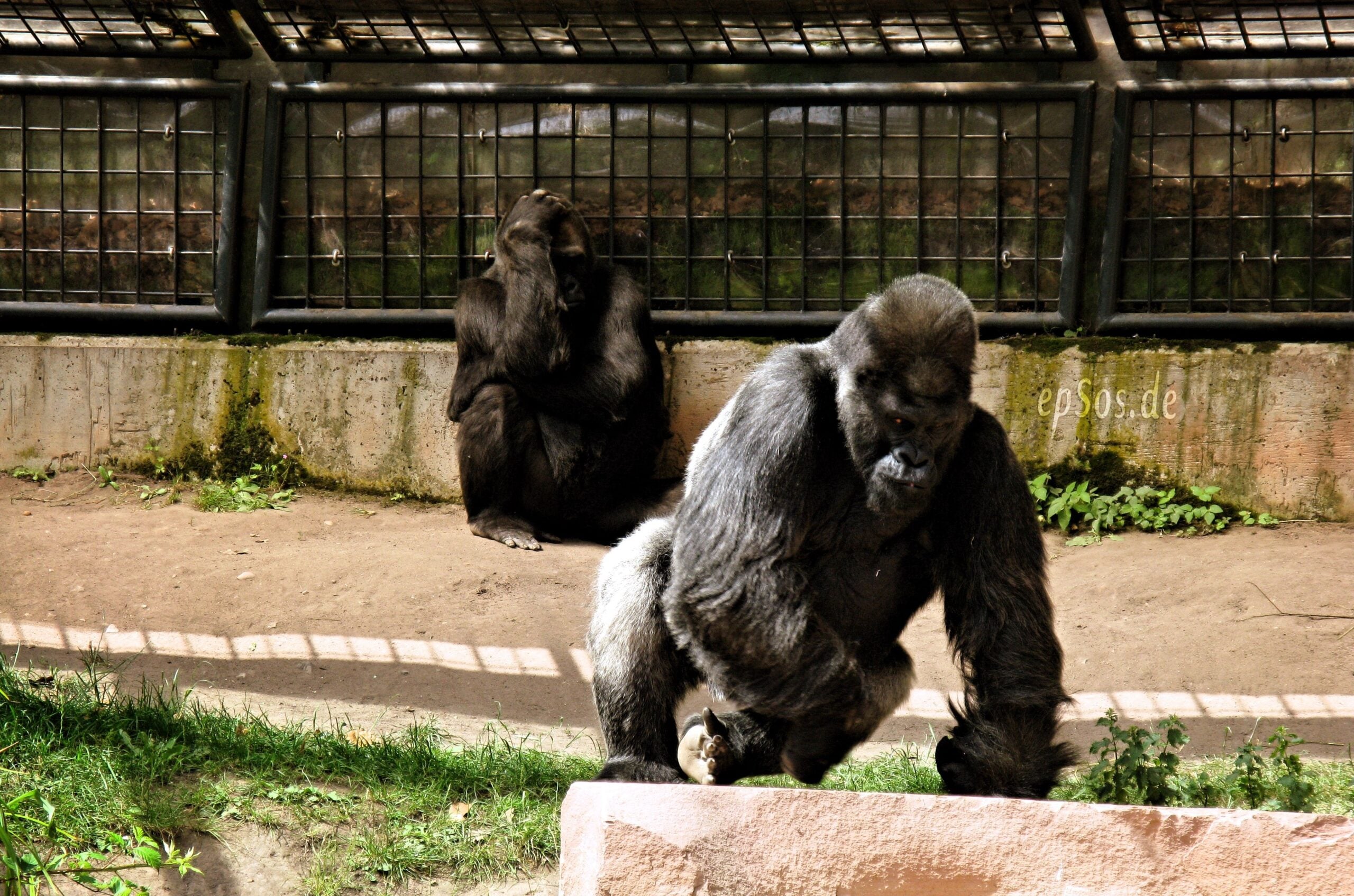
The Cross River Gorilla is Africa’s rarest great ape, residing in the dense forests and rugged terrain along the Nigeria-Cameroon border. This subspecies is the most endangered of all gorilla types and one of the world’s most at-risk primates, facing critical challenges from habitat loss, hunting for bushmeat and disease.
Conservation efforts focus on habitat protection, anti-poaching measures, and community-based conservation programs. The Cross River Gorilla’s shy nature has made their study difficult, but ongoing efforts aim to ensure their survival. Recent estimates suggest fewer than 300 individuals remain scattered across fragmented forest patches.
Tapanuli Orangutan: The Most Endangered Great Ape
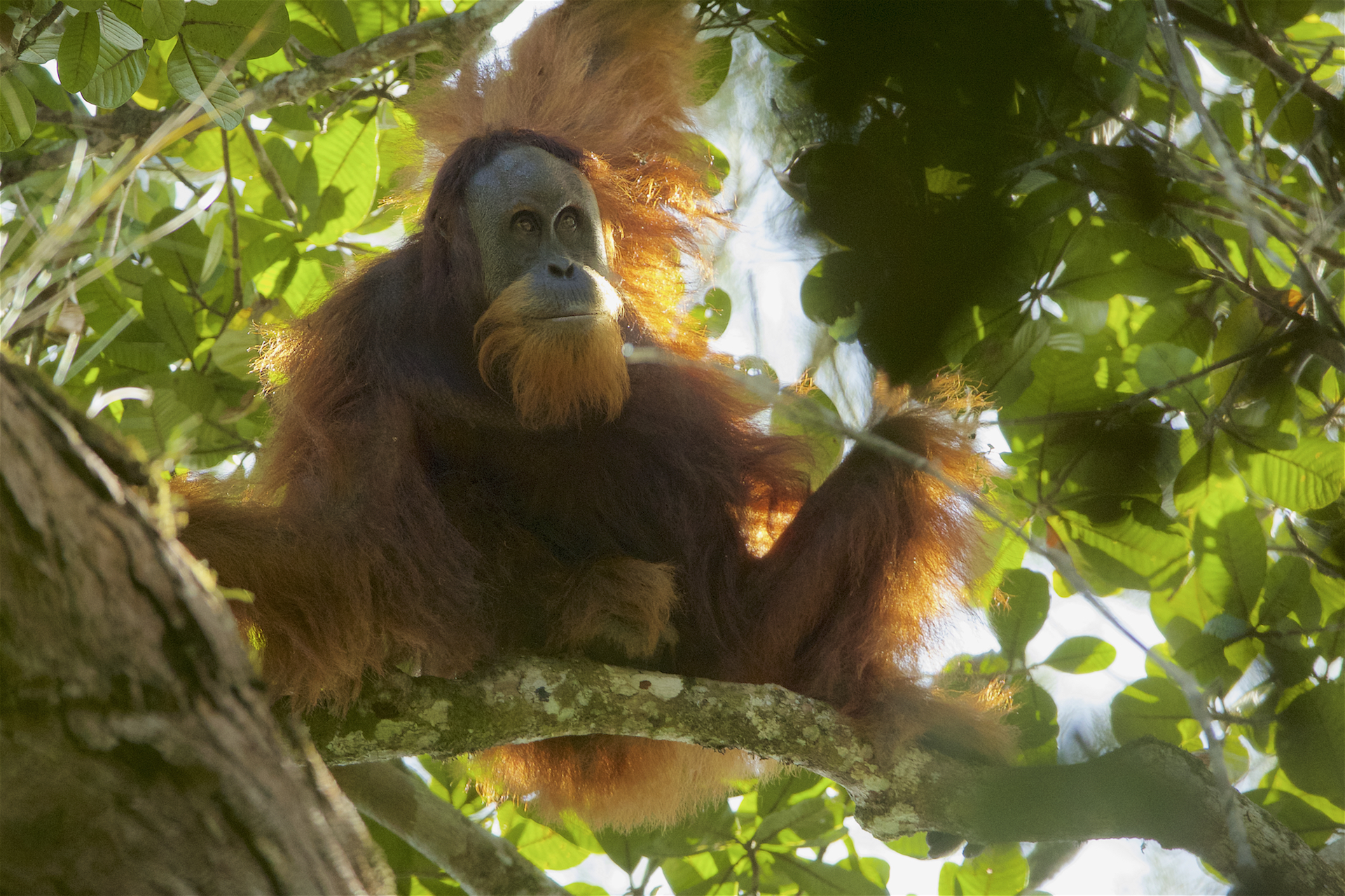
Tapanuli orangutans are the most endangered of the great apes, with only an estimated 800 individuals still alive. These remarkable primates were only identified in 2017, having originally been grouped with Sumatran orangutans.
Like other subspecies, Tapanuli orangutans have suffered from habitat loss, which, combined with an increase in human-orangutan conflict, has led to them becoming one of the most endangered species on the planet. With fewer than 800 individuals, they are the most endangered great apes, residing in North Sumatra, Indonesia.
Amur Leopard: The World’s Rarest Big Cat
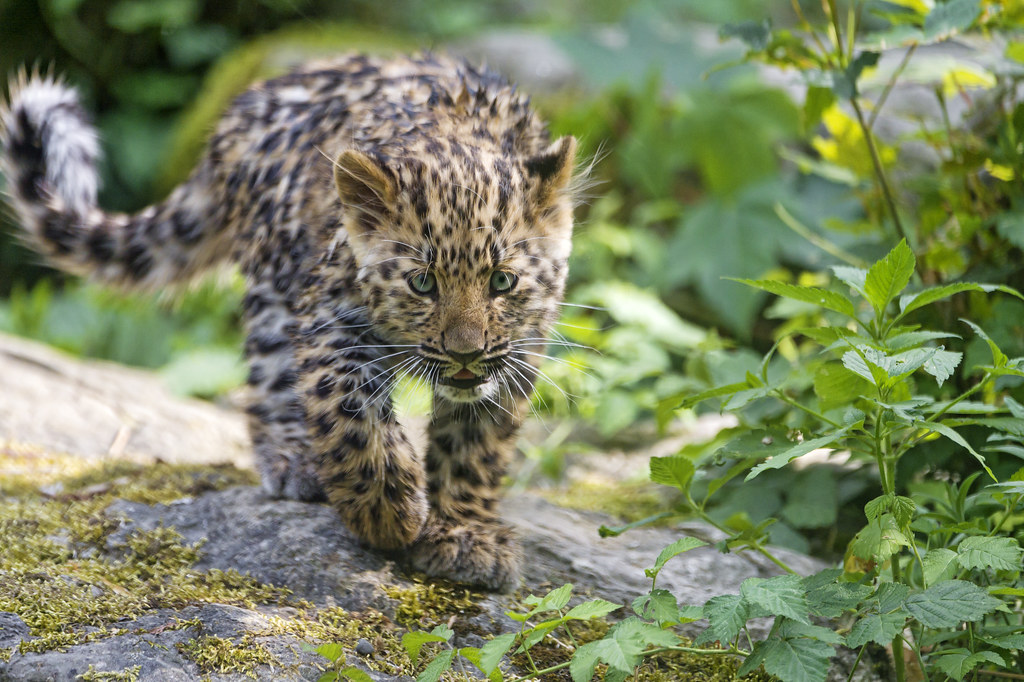
The Amur leopard is the rarest big cat of all, with the WWF estimating that only around 100 of these shy big cats are left in the wild. With fewer than 100 remaining in Russia and China, the Amur leopard faces habitat fragmentation and poaching.
While most endangered species stories bring up tales of gloom and doom, the Amur leopard may be able to beat the odds. This solitary and striking big cat is endangered due to habitat destruction and poaching, though conservation efforts have slightly increased numbers. Their thick, pale fur helps them survive harsh Siberian winters, making them uniquely adapted to their remote habitat.
Saola: Asia’s Mysterious “Unicorn”
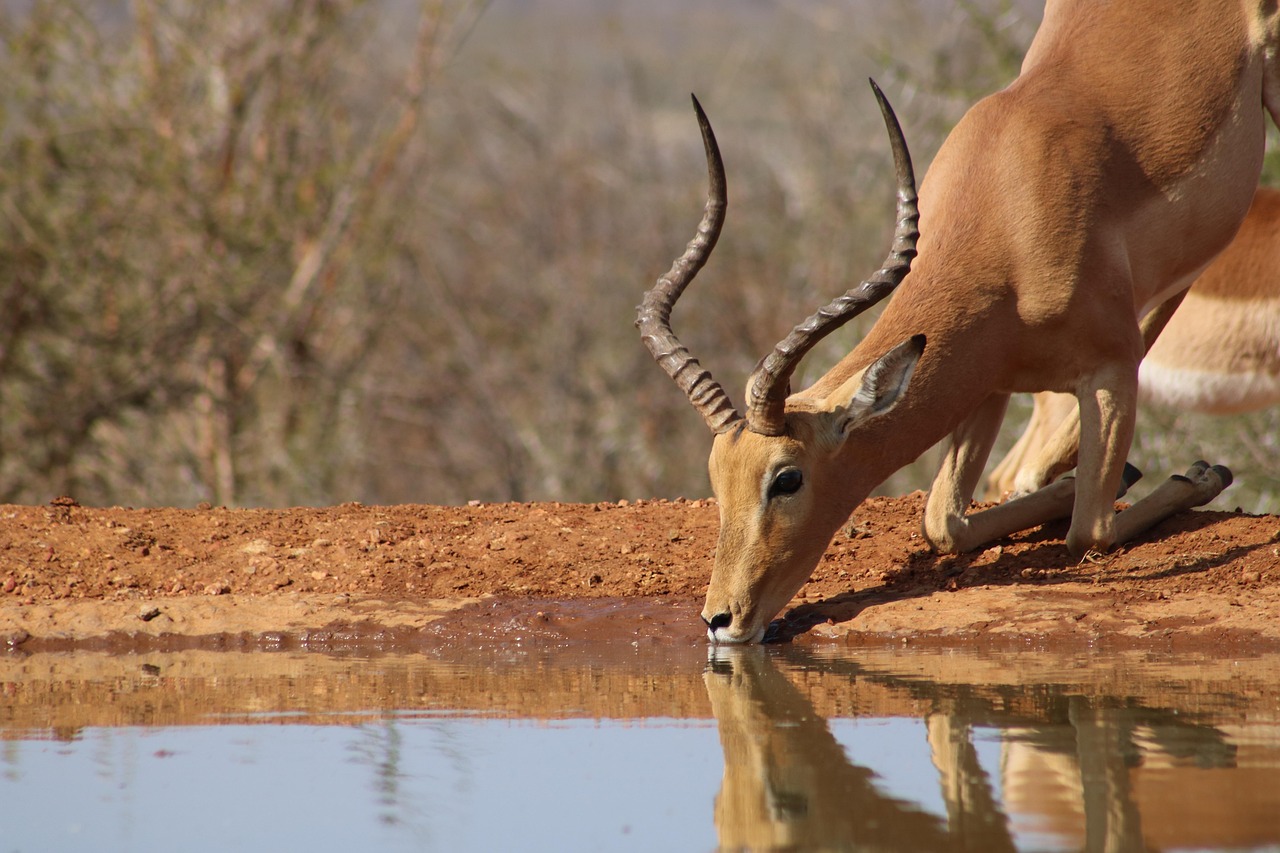
Discovered only in 1992, this “Asian unicorn” is so rare that scientists have documented it in the wild just a handful of times. Although known as the ‘Asian unicorn’, Saolas actually come from cattle and goats. This elusive antelope-like animal was discovered only in 1992 and has rarely been seen in the wild since, with numbers unknown but believed to be dangerously low.
Those remaining occupy the Annamite Mountains of Vietnam and Laos. They are one of the most spectacular zoological discoveries of the 20th century. Camera traps offer the best hope for monitoring this elusive bovine. The Saola’s secretive nature and remote mountain habitat make population estimates nearly impossible.
South China Tiger: Possibly Extinct in the Wild
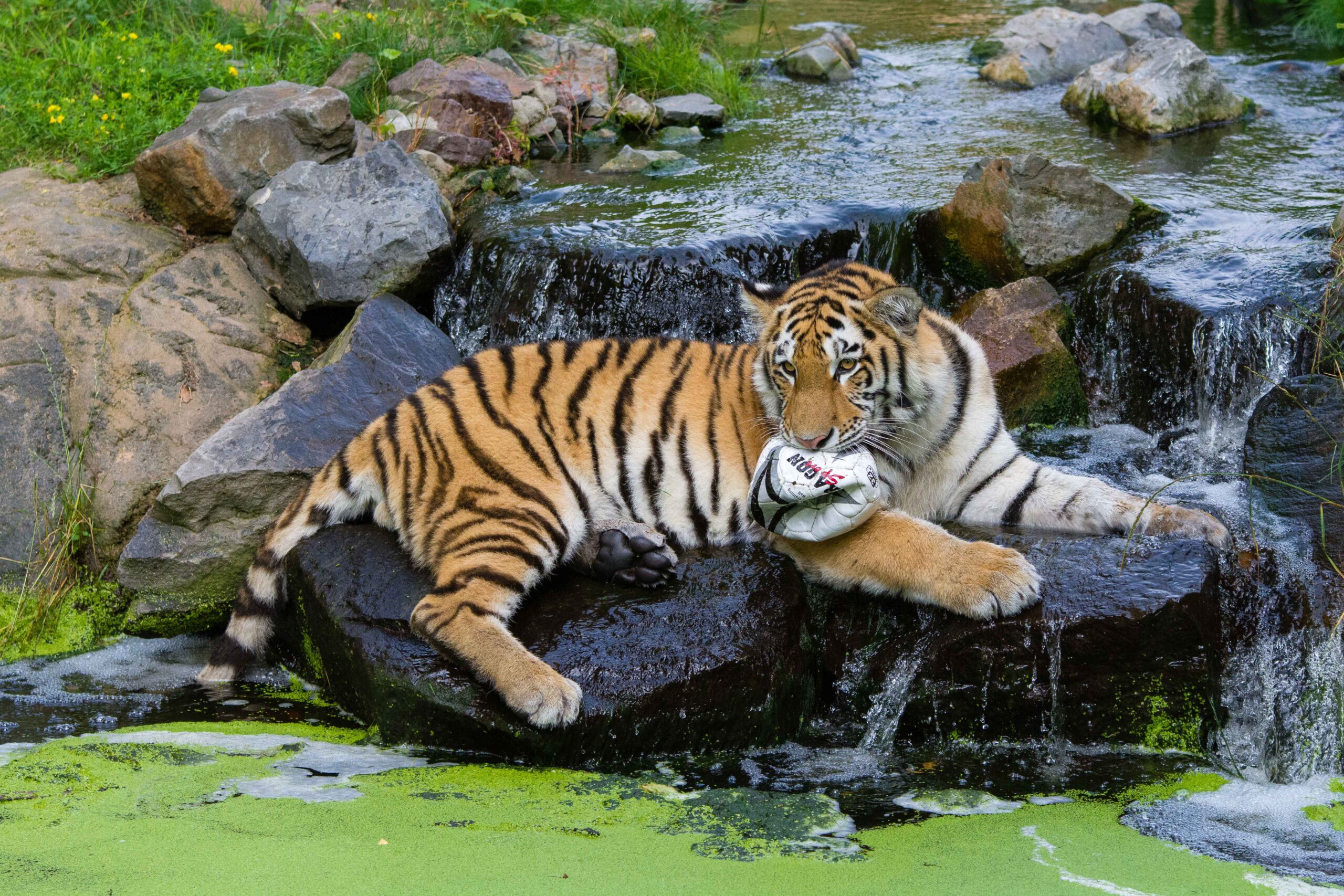
You can no longer find this tiger in the wild. This is primarily due to the region’s demolition of its natural habitats and illegal hunting. There were over 4,000 tigers in southern China in the 1950s, but by 1982, only 150-200 remained in a few distant mountain regions.
These tigers are smaller and more vibrant in color compared to other subspecies. Conservation efforts include captive breeding programs with hopes of reintroducing them into protected areas. The South China Tiger represents a critical conservation challenge, symbolizing the urgent need for wildlife protection initiatives. Most experts now consider this magnificent subspecies functionally extinct in the wild, surviving only in captivity.
Conclusion
These ten remarkable mammals represent our planet’s most critically endangered species, each clinging to existence with populations so small that every individual matters. From the two remaining northern white rhinos to the elusive Saola hiding in Vietnamese mountains, their stories reflect both humanity’s devastating impact on wildlife and nature’s incredible will to survive.
The numbers are sobering: fewer than 10 vaquita porpoises, roughly 30 Hainan gibbons, and less than 50 Sumatran rhinos. Yet within these grim statistics lies hope. Conservation success stories like the northern hairy-nosed wombat, which recovered from 35 to over 300 individuals, prove that dedicated efforts can pull species back from the brink.
Each of these mammals plays a vital role in their ecosystems, from orangutans dispersing seeds in tropical forests to rhinos shaping grassland habitats. Their loss would create ripple effects we’re only beginning to understand. What strikes me most is how many of these species were thriving just decades ago, reminding us that extinction can happen frighteningly fast in our modern world.
What do you think about these critically low numbers? Are you surprised by how few of these magnificent mammals remain?
