

Think you know the animal kingdom? Well, prepare to have your mind completely blown. While we’ve all watched nature documentaries and learned basic facts about wildlife, there’s a whole world of bizarre behaviors that would make even seasoned zoologists do a double take.
From deep-sea creatures that act like drunk party guests to land animals that seem to have mastered skills we thought only humans possessed, these fascinating behaviors will change how you see the natural world. So let’s dive in and discover what makes these creatures so wonderfully weird.
1. The Octopus That Throws Tantrums
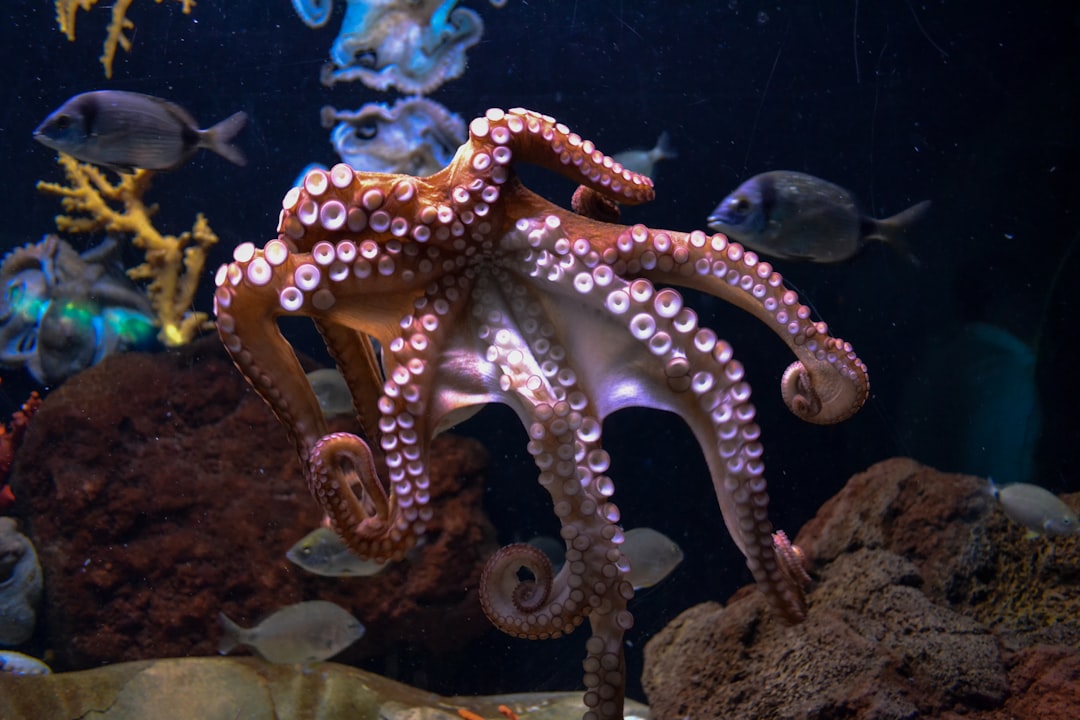
Picture this: an underwater neighbor dispute that would make any city dweller jealous. Australia’s gloomy octopuses need their personal space and they have a unique way of making sure they get it. There are quite a few cases where a male has been bugging a female for mating, and the female throws stuff at him. These eight-armed creatures don’t just politely ask for space like we might expect. Using pieces of underwater debris, they may even attack other octopuses directly. Though they don’t literally throw with their arms like people do, in 2022, for the first time, researchers have seen cephalopods purposefully throw clumps of sand, fragments of algae
What makes this behavior even more amusing is their apparent ability to aim with purpose. There’s another between two females that were tussling and poking at each other and the throws were mixed in with that sort of get-out-of-my-face behaviour. Honestly, watching an octopus basically tell another one to get lost by chucking debris sounds like something straight out of an underwater sitcom.
2. Dolphins Playing with Toxic Pufferfish to Get High
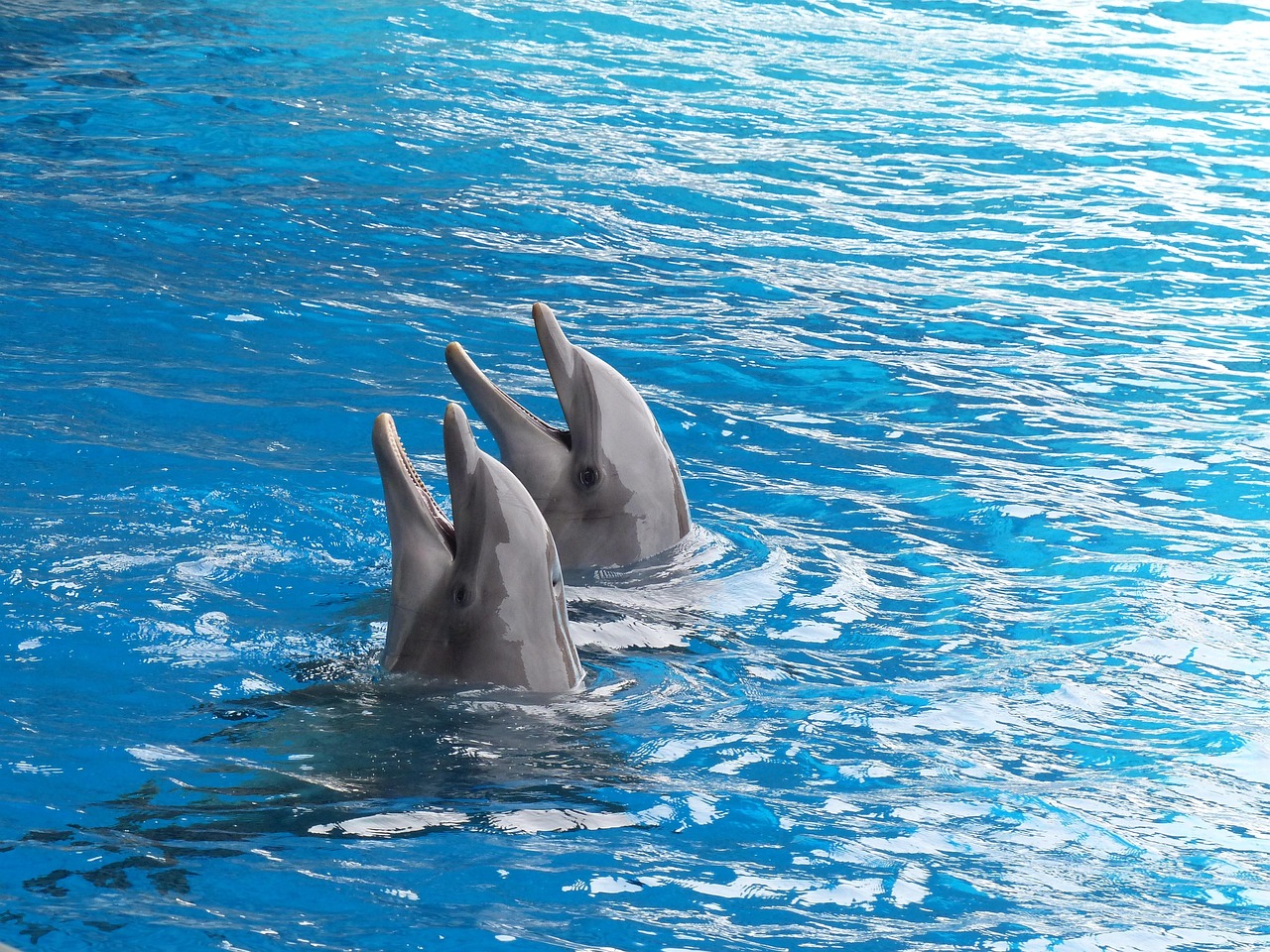
You might think getting high is purely a human vice, but dolphins have been caught red-handed engaging in what can only be described as recreational drug use. Dolphins use toxic pufferfish to ‘get high’. These marine mammals have figured out that pufferfish toxins, when consumed in small amounts, create a euphoric effect.
Groups of dolphins have been observed carefully passing around pufferfish like they’re sharing something precious. The behavior is so deliberate and social that researchers believe it’s a learned cultural practice among certain dolphin pods. It’s almost like watching teenagers experimenting behind their parents’ backs, except these “teenagers” are some of the ocean’s smartest creatures.
3. Emperor Penguins Running Secret Dance Clubs
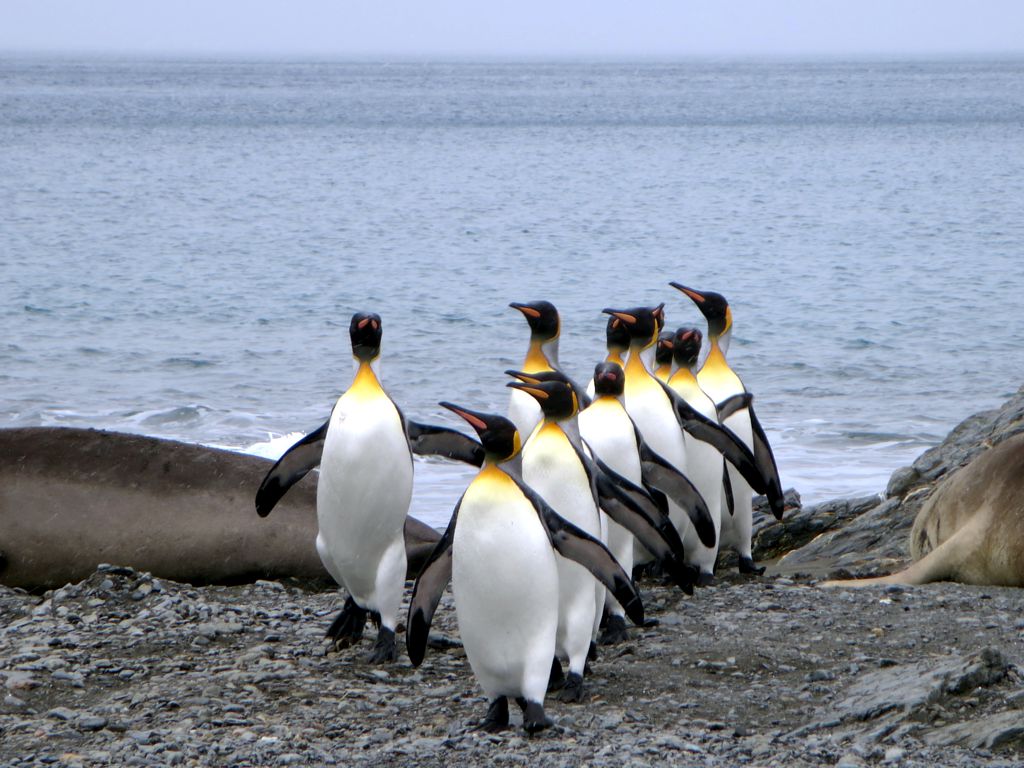
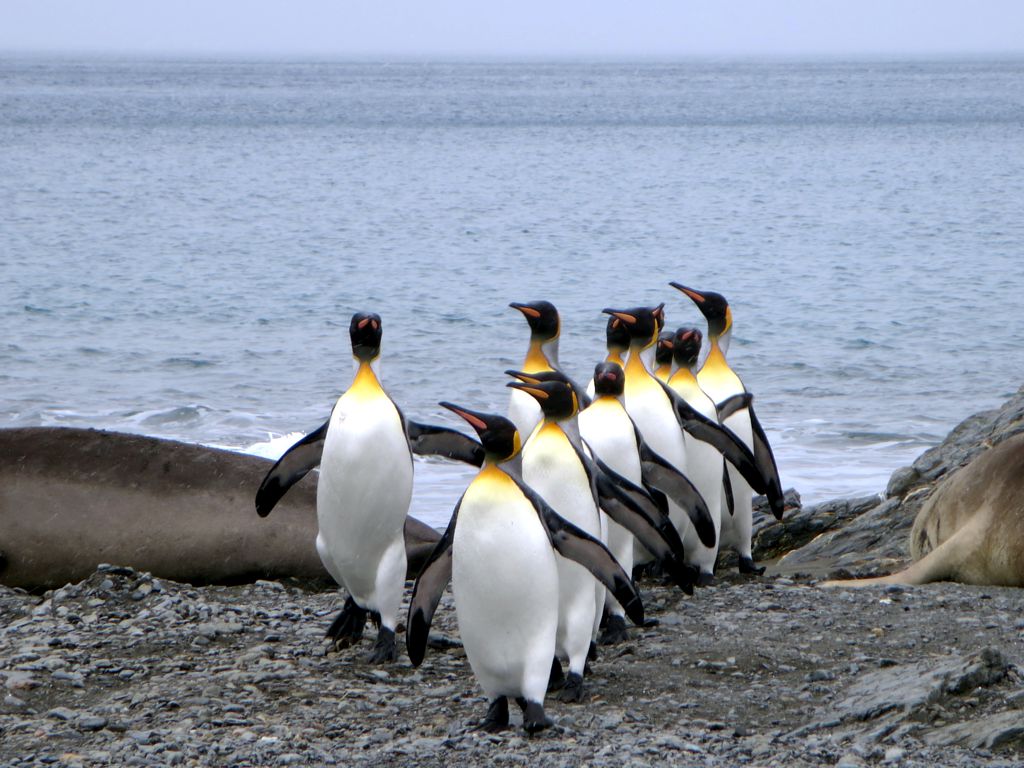
Emperor penguins apparently moonlight as choreographers. These tuxedoed performers sometimes break into synchronized dance routines that would put flash mobs to shame. What makes this behavior truly perplexing is that scientists can’t figure out why they do it.
These elaborate moves have nothing to do with mating, feeding, or any other obvious penguin priorities. It’s as if they’re running their own underground dance club, complete with hundreds of birds moving in perfect unison, and scientists still can’t figure out who’s calling the moves. Sometimes nature just wants to have fun, and apparently penguins know how to throw a party better than most humans do.
4. Orcas Learning to Open Garbage Cans Like Suburban Raccoons
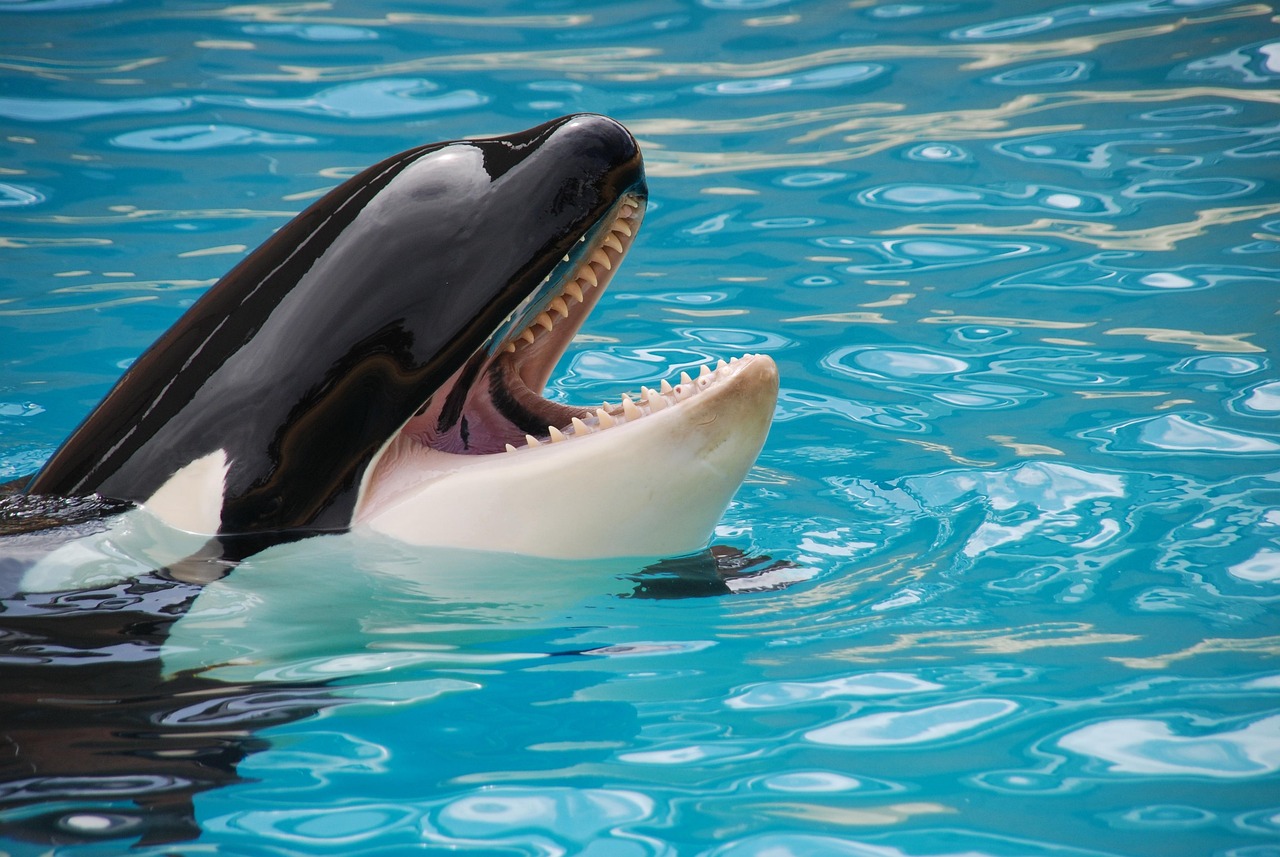
In what sounds like the beginning of a science fiction movie, killer whales have been spotted learning remarkably complex behaviors around human activity. These marine mammals have been observed developing innovative foraging techniques, including interactions with human-made objects and structures.
The truly mind-boggling part isn’t just that these massive marine predators are interacting with human-made objects, but that they’re teaching these skills to other orcas. Some orcas have been documented learning to manipulate fishing equipment and other human-made objects, demonstrating remarkable adaptability and intelligence. It’s like watching evolution adapt to our modern world in real time.
5. Tennessee Fainting Goats: Nature’s Ultimate Drama Queens
Now here’s where things get genuinely hilarious. The fainting goat or myotonic goat is an American breed of goat. It is characterised by myotonia congenita, a hereditary condition that may cause it to stiffen or fall over when excited or startled. These goats aren’t actually fainting at all, which somehow makes their dramatic reactions even more entertaining.
This is not a true faint, but a muscular phenomenon unrelated to the nervous system. The degree of stiffness varies from goat to goat, with some showing a consistently stiff response and others exhibiting stiffness only rarely. Picture a goat getting startled by a butterfly and immediately keeling over like it just witnessed the most shocking scandal of its life. It takes around 5 to 20 seconds for the imbalance of positively charged sodium ions and negatively charged chloride ions to equal out in Myotonic goats. Thus, the time it takes for fainting goats to relax and be back on their hooves. They’re essentially the drama queens of the livestock world, and their theatrical performances never get old.
6. Sheep Forming Perfect Geometric Circles for No Apparent Reason
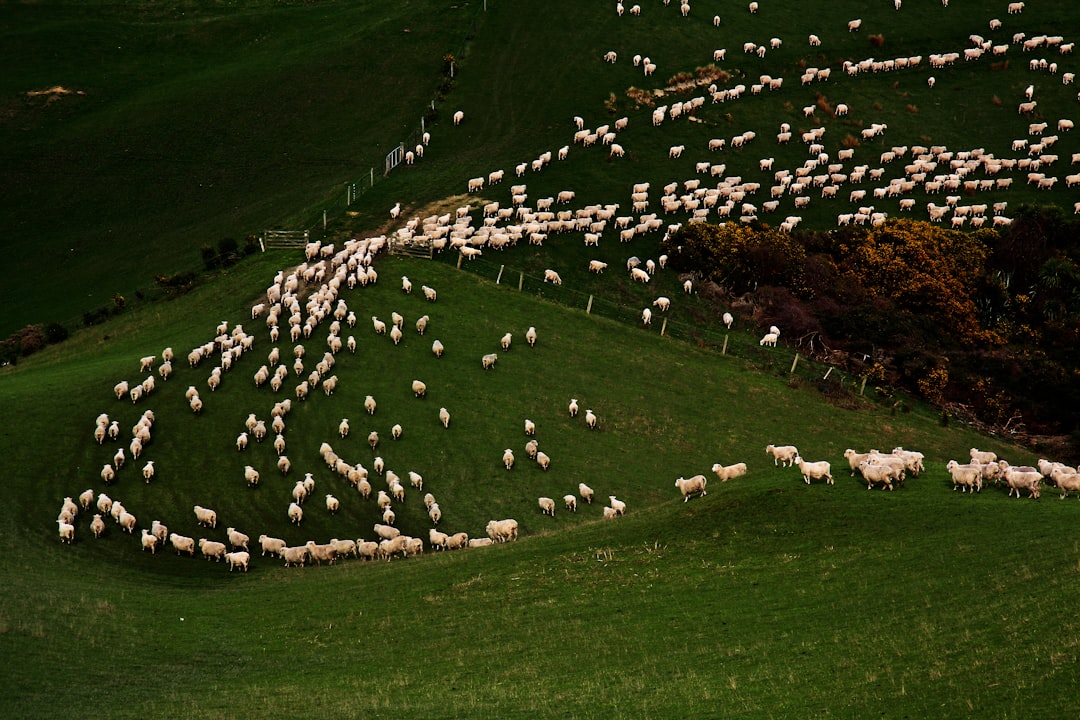
Sometimes entire flocks of sheep arrange themselves into perfect circles in fields, creating formations that look like they were planned with a compass. While other herd animals show coordinated movement, these sheep circles maintain their geometric precision for hours. This isn’t your typical flocking behavior where animals cluster together for warmth or protection.
Scientists are still trying to understand what prompts these impromptu geometry lessons in the middle of pastures. Their behavior raises questions about the cognitive abilities of these animals and whether they have an innate sense of symmetry. It’s like they’re auditioning for a role in a crop circle conspiracy theory, except these formations are 100% sheep-made and completely unexplained.
7. Humpback Whales Running Underwater Fish Restaurants
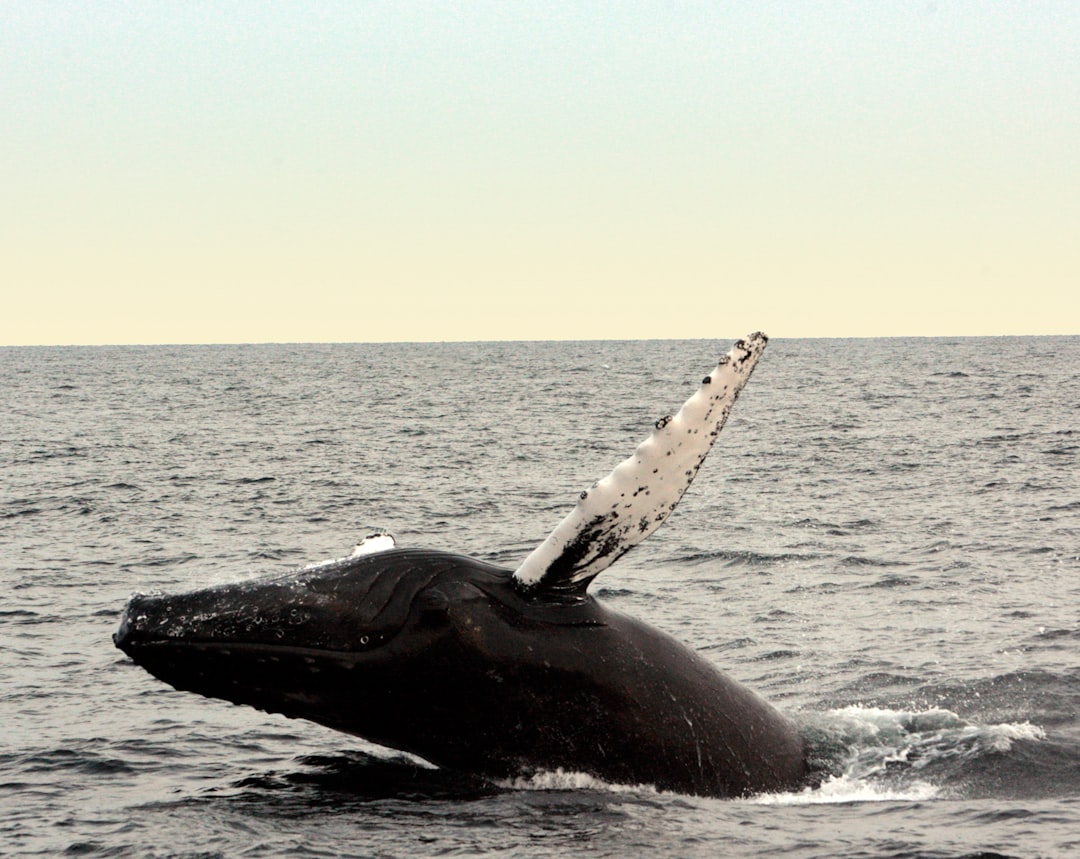
Humpbacks have mastered the art of bubble-net feeding, swimming in perfect spirals while blowing bubbles to create massive underwater nets that trap fish. This isn’t just impressive teamwork; it’s like watching a coordinated underwater construction project that would make human engineers jealous.
What really throws scientists for a loop isn’t just the complexity – it’s how young whales seem to download this knowledge like it’s a software update, with no formal training required. There’s no “Bubble-Netting 101” in whale school, yet somehow they nail this intricate technique. These marine giants have essentially created their own version of a sophisticated fishing operation that requires precise timing and teamwork.
8. Crows Operating a Gift Exchange Economy
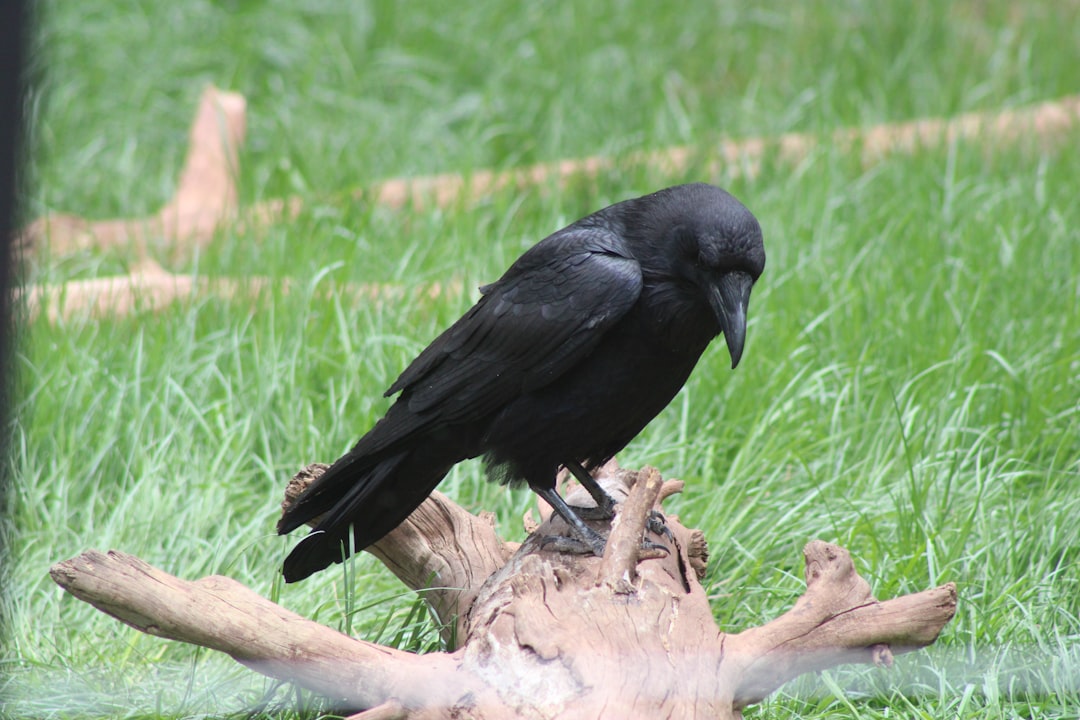
Some wild crows have mastered the art of gift-giving, bringing trinkets to humans who feed them regularly. These aren’t random offerings – crows often select shiny objects or items that seem specially chosen for their human friends. What makes this behavior particularly fascinating is the apparent thought process behind their selections.
It’s like they’re running a primitive exchange economy, complete with customer preferences and personalized selections. These birds have figured out that maintaining good relationships with humans involves more than just showing up for food. They’ve essentially created their own version of a loyalty rewards program, complete with thoughtful gift selection that shows they understand individual preferences.
9. Elephants Conducting Funeral Services
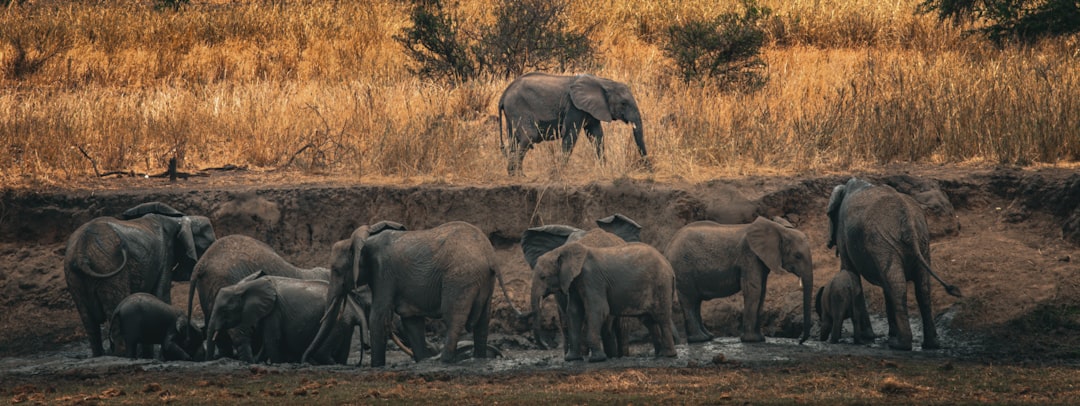
Elephants display a depth of emotion that challenges our understanding of animal consciousness. They regularly return to the bones of deceased family members, sometimes years after death. The fascinating part isn’t just their mourning behavior, but how they recognize specific bones among many others and choose particular individuals for repeated visits.
Elephants grieve their deceased in a highly ritualistic way. It has been seen that they lay their trunks over the body, cover the body with leaves and branches, or stand nearby as if on guard. It’s as if they maintain a mental map of their family’s final resting places, demonstrating a grasp of death that we’re still trying to understand. This suggests these massive creatures possess emotional intelligence and memory capabilities that rival our own understanding of loss and remembrance.
10. Magnetic Termites Building Cities with Built-in Compass Technology

Magnetic termites are nature’s architects, building their mounds in perfect north-south alignment. While other animals use magnetic sensing for navigation, these termites take it to another level, creating entire cities oriented to Earth’s magnetic field with architectural precision.
It’s like they have built-in compass technology that would make human engineers envious. Their ability to navigate and construct in this way is a remarkable feat of nature that has captured the interest of scientists. These tiny insects are essentially running their own version of a perfectly planned city, complete with magnetic guidance systems that help regulate temperature and airflow throughout their elaborate structures. It’s urban planning at a microscopic level that puts most human city designs to shame.
Conclusion
The animal kingdom continues to surprise us with behaviors that challenge everything we think we know about intelligence, emotion, and creativity in nature. From octopuses having underwater arguments to sheep forming mysterious circles, these creatures prove that the line between “instinct” and “intelligence” might be far blurrier than we ever imagined.
These remarkable behaviors remind us that we’re sharing this planet with some truly extraordinary minds, each adapted to solve problems and navigate their world in ways we’re only beginning to understand. What do you think about these amazing animal behaviors? Tell us in the comments.
