
Beneath Nevada’s blazing desert sun, a forgotten wilderness pulses with life. Valley of Fire State Park stretches across approximately 46,000 acres of crimson sandstone and hidden washes, where temperatures soar above one hundred degrees. Most visitors come for the geological wonders – those twisted spires and flame-red formations that gave the park its name. Yet hidden in every shadow and crevice, an extraordinary cast of desert survivors has carved out existence in one of America’s harshest landscapes.
From the massive bighorn sheep scaling impossible cliffs to tiny kangaroo rats that never drink water, each creature here tells a story of adaptation and resilience. These aren’t just animals struggling to survive – they’re masters of their domain, thriving in conditions that would challenge any living thing. Let’s discover the remarkable residents that call Valley of Fire home.
Desert Bighorn Sheep: Masters of the Vertical World
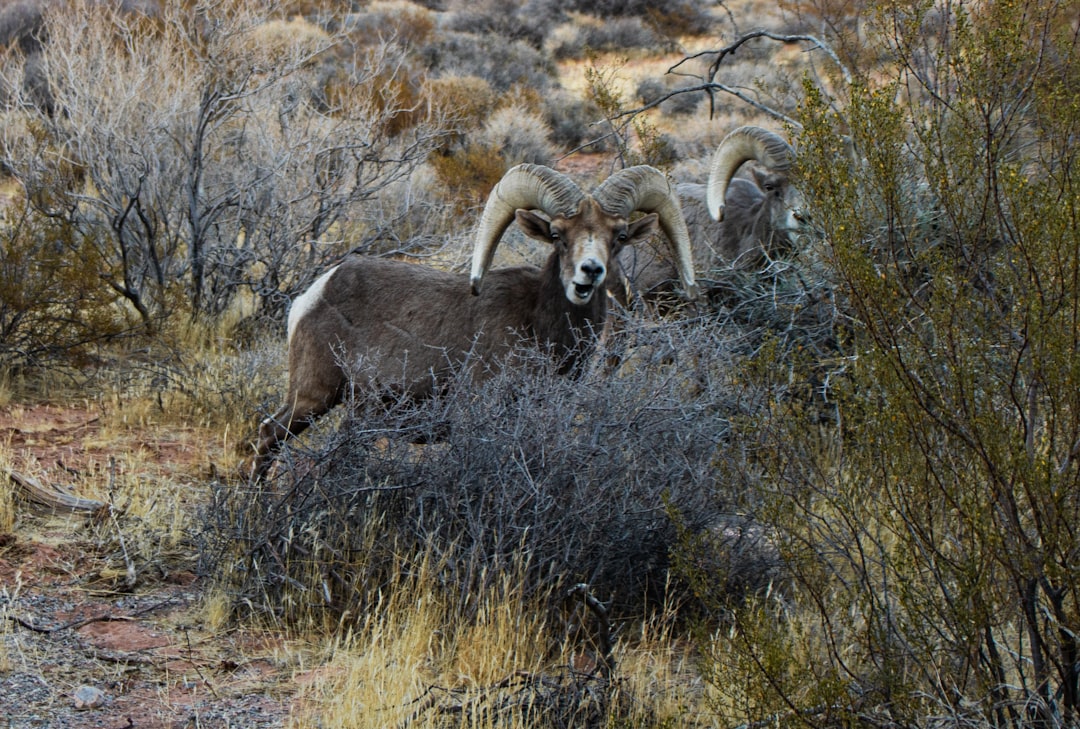
The symbol of the Mojave, desert bighorn sheep embody strength and precision. These sure-footed grazers nimbly climb steep sandstone ridges and narrow canyons of the park with ease, using split hooves and muscular legs for balance. They represent one of the most impressive spectacles in the American Southwest.
They feed on desert shrubs and grasses, often climbing high to catch cooler breezes. Rams grow impressive, curved horns used in dominance battles, while ewes lead small family groups. Even with mountains, rocks, and harsh climates dominating the park, these animals thrive effortlessly something that makes them more admirable.
Desert Tortoise: Nevada’s Patient State Reptile
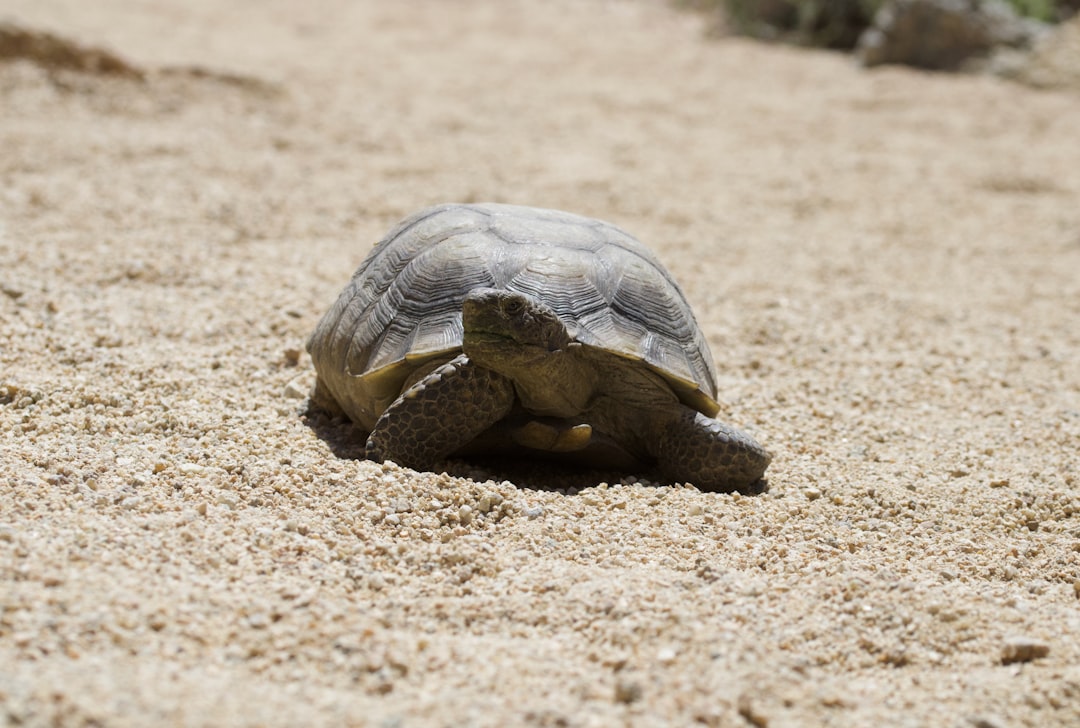
The desert tortoise, Nevada’s state reptile, is a true emblem of patience. Spending up to 95% of its life in burrows, it emerges mainly in spring and early summer to feed on grasses and wildflowers. Its domed shell shields it from heat and predators, while its slow metabolism helps it conserve energy through long dry spells.
These tortoises are a threatened species, protected by law, and seeing one in the wild is a rare privilege. These slow-moving reptiles can live up to 80 years and play a crucial role in the ecosystem.
Chuckwalla: The Desert’s Gentle Giant
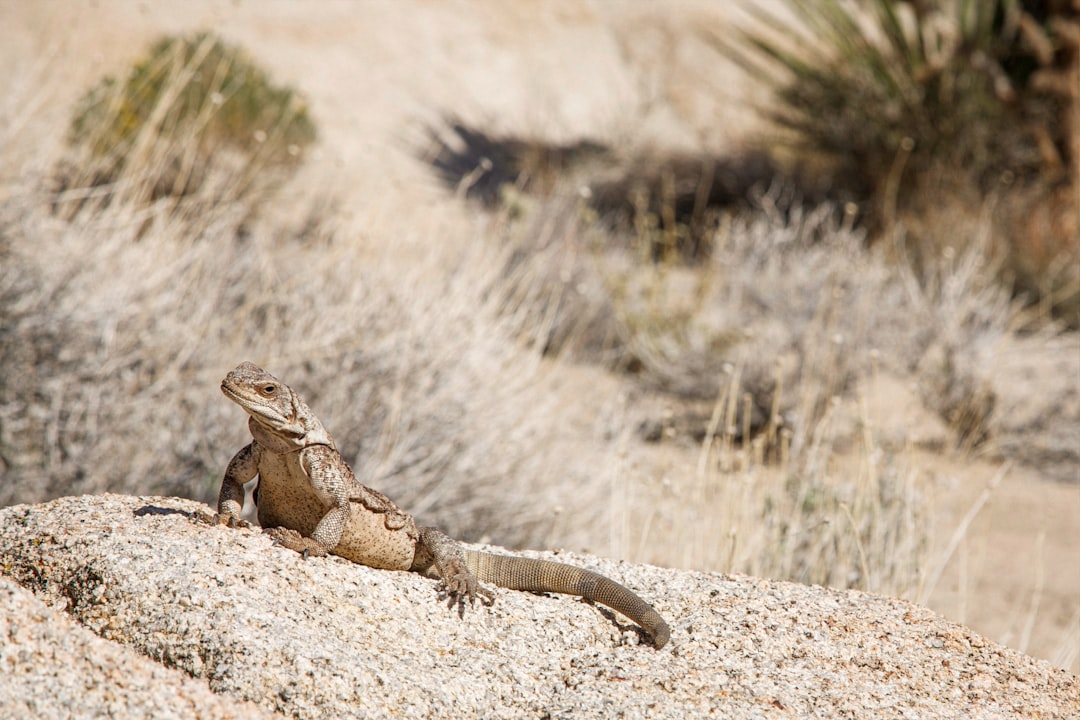
Heavy and prehistoric-looking, the chuckwalla is one of the desert’s most iconic reptiles. Found basking on rocks, it feeds on flowers, leaves, and fruit of desert plants. Chuckwallas are large lizards that can grow up to 20 inches long. They are often seen sunning themselves on rocks or crawling around in the sand.
When threatened, it wedges itself into a crevice and inflates its body, locking itself in place against predators. Though they look like mini-Komodo dragons, chuckwallas are slow-moving, calm vegetarians that pose no danger to people. Chuckwallas are harmless to humans and make interesting photo subjects!
Coyote: The Desert Trickster
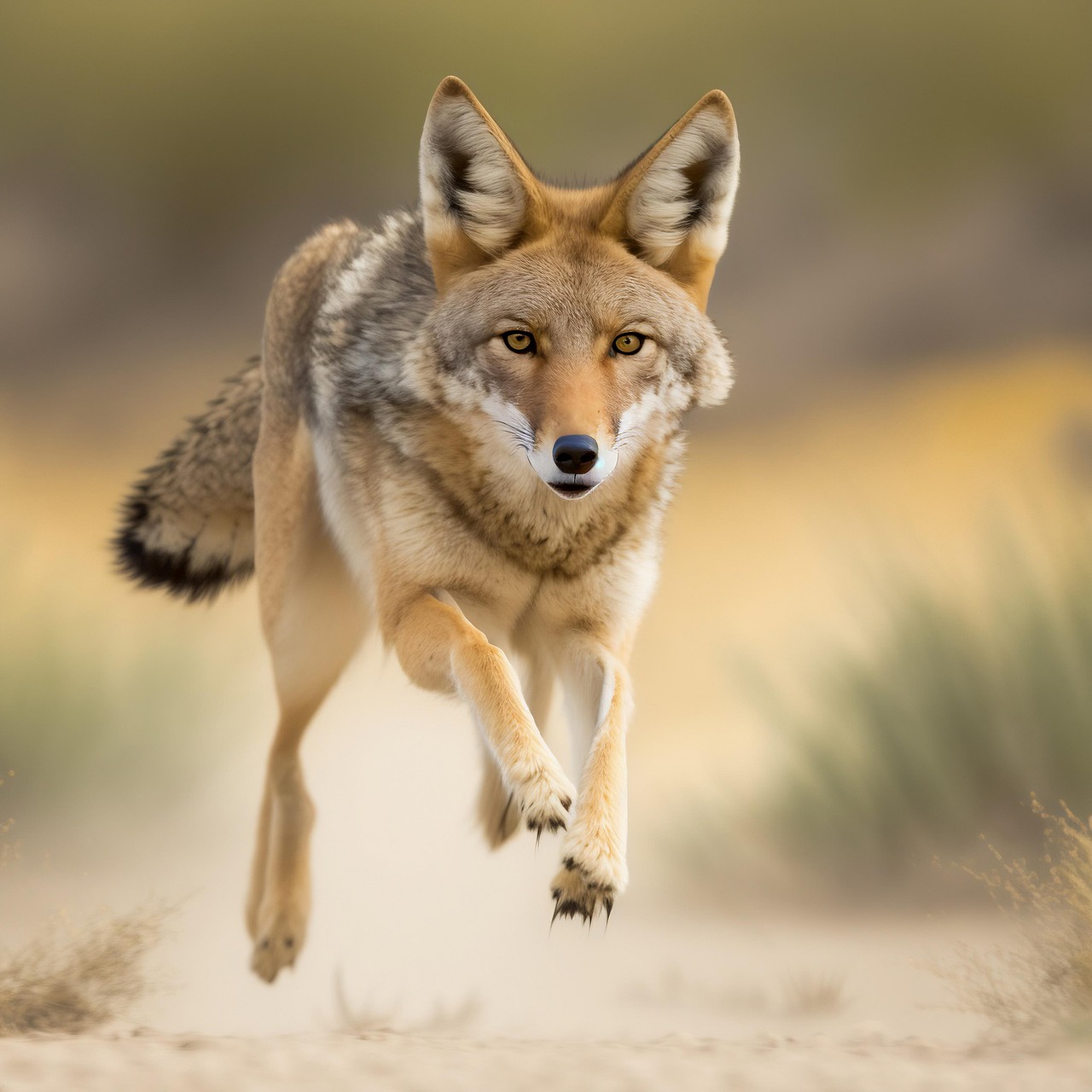
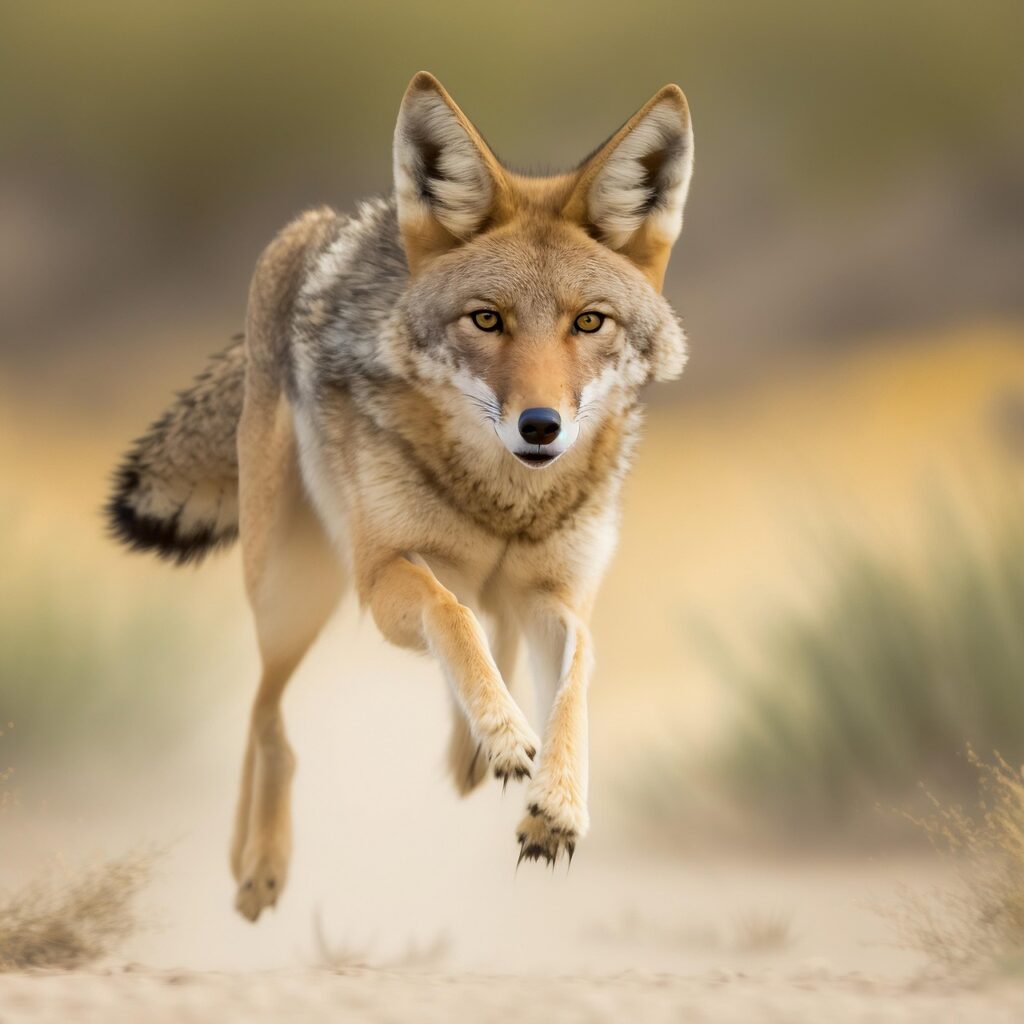
Native American tradition depicts the coyote as a trickster, and in fact, it does seem they have endlessly inventive ways of thriving in almost any environment. In Valley of Fire, coyotes hunt rodents, rabbits, and reptiles, supplementing their diet with fruit or carrion when necessary. They’ve adapted to virtually every habitat in North America.
Coyotes roam alone or in small family packs, traveling the arroyos and open basins under cover of darkness. Their haunting calls at dusk are the soundtrack of the west. These opportunistic omnivores play a vital role in the desert food web.
Kit Fox: The Night Hunter
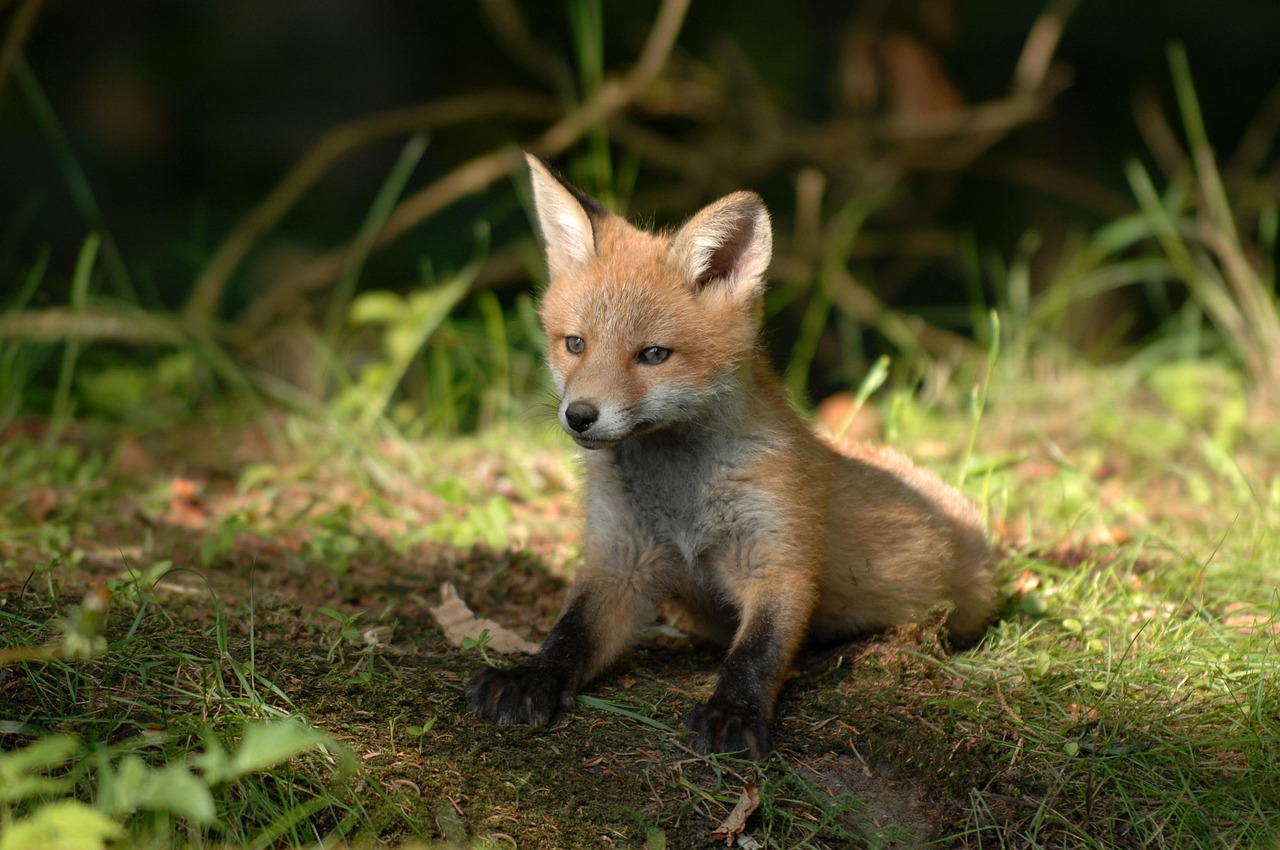
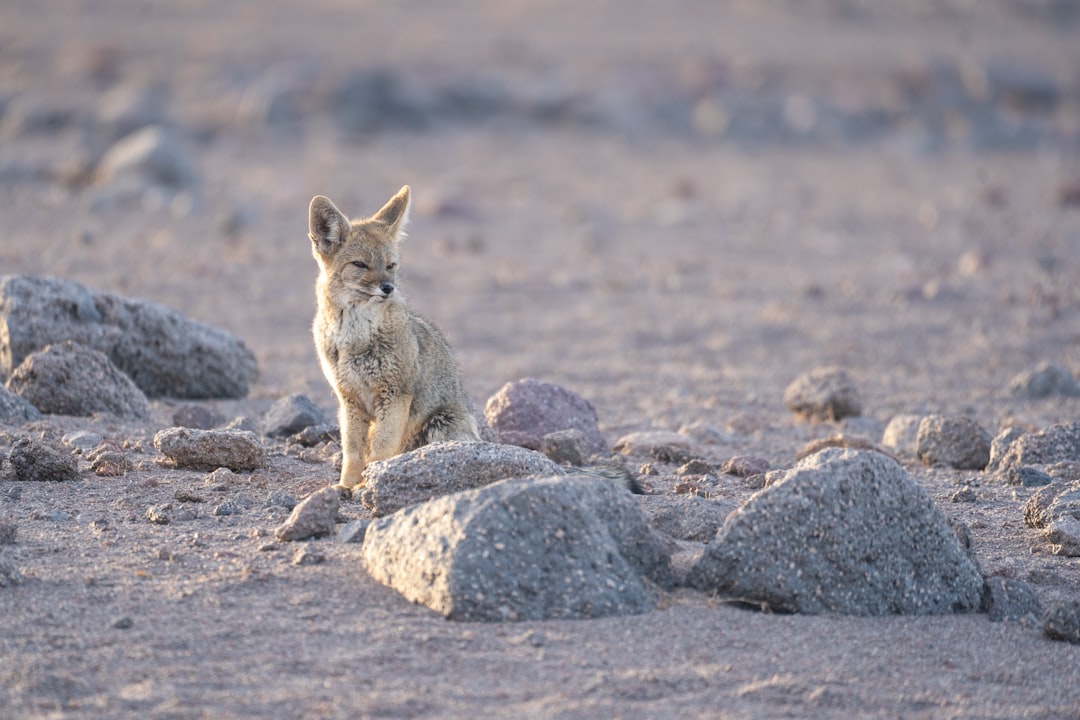
Small, sleek, and built for stealth, the desert kit fox is a creature of twilight. With its enormous ears, it can hear insects moving beneath sand. These foxes are nocturnal hunters, preying on kangaroo rats, lizards, and insects. Their hunting skills are legendary among desert predators.
By day they rest in burrows dug deep into dunes or soft soil. Their pale coats reflect sunlight, and their bodies are so well adapted to conserve moisture that they rarely ever drink standing water. This remarkable adaptation allows them to survive in the driest conditions.
Black-tailed Jackrabbit: The Desert Speedster
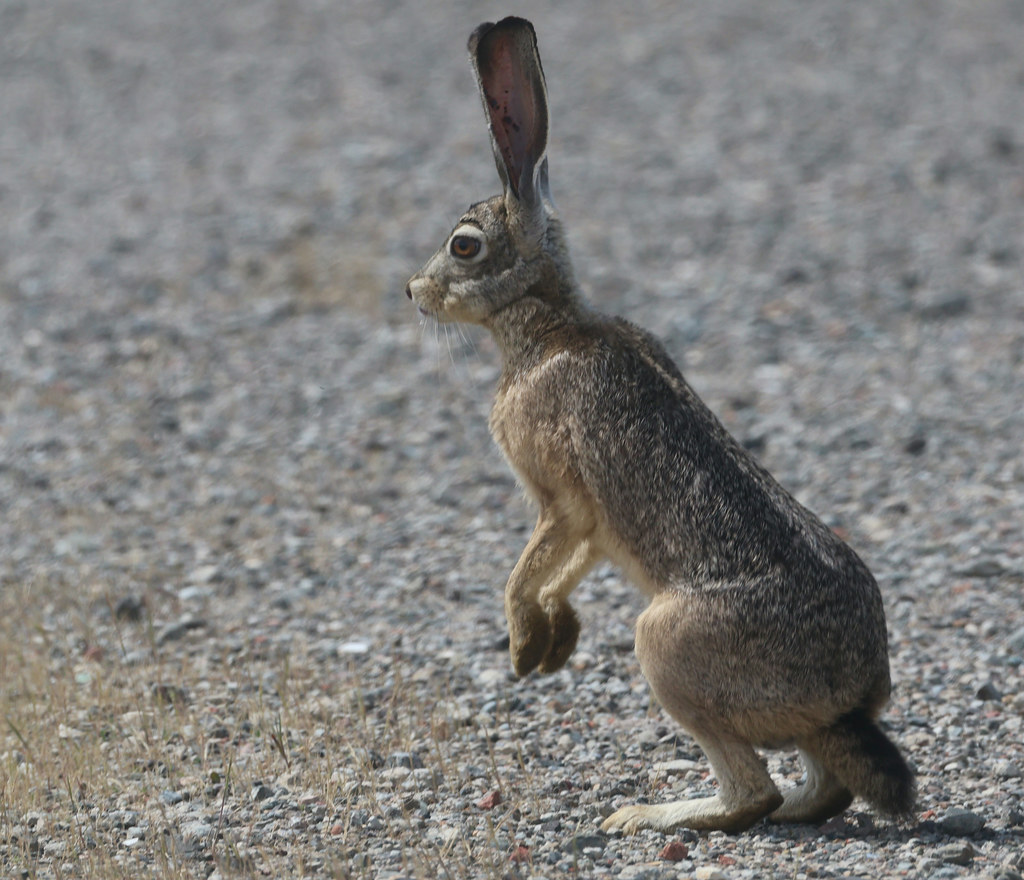
The black-tailed jackrabbit is one of the park’s most easily spotted mammals. After picking up a suspicious sound with its antenna-like ears, it bounds explosively across rocky flats to outrun potential predators. These creatures can reach speeds of forty-five miles per hour.
However, those enormous ears aren’t just for hearing – they help radiate heat in the desert’s 110°F summers. Jackrabbits feed on shrubs, grasses, and cacti, and their alert, statuesque posture often catches the eye of hikers before they vanish into the brush.
Ravens: The Desert’s Problem Solvers
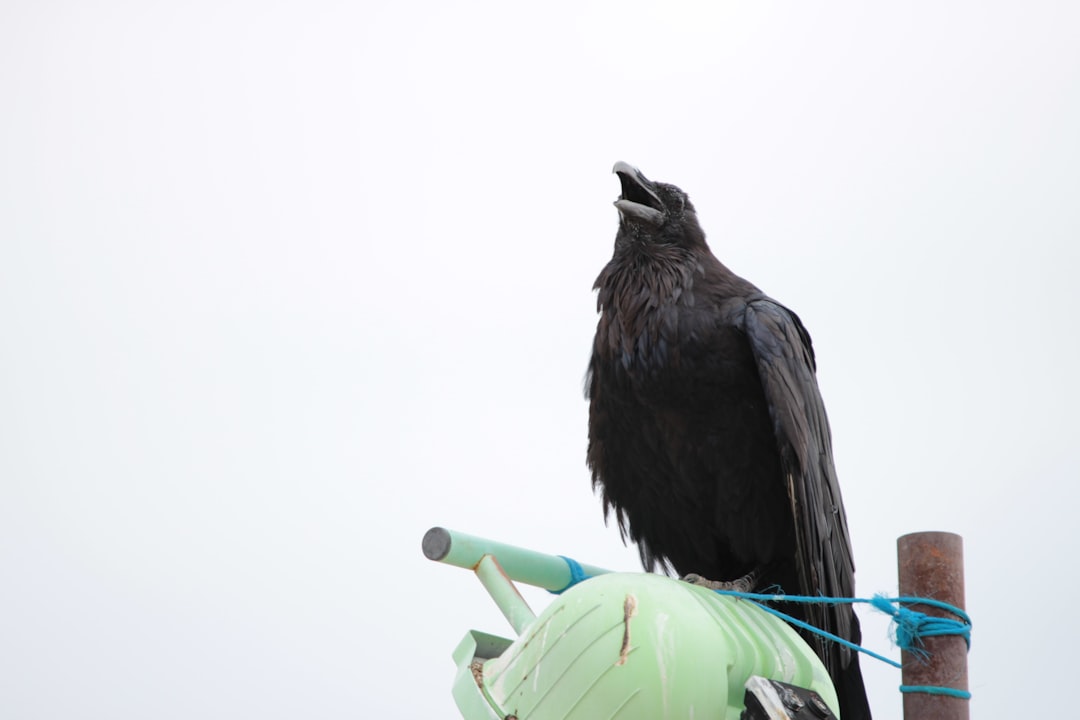
In Valley of Fire, ravens are everywhere – riding thermals, flipping midair, and scavenging near campsites. They are problem-solvers, capable of recognizing faces and using tools. Their intelligence rivals that of primates in many cognitive tests.
Their intelligence makes them both admired and mischievous, as they often unzip packs or tip over containers in search of food. Yet their adaptability is key to their survival in a place so harsh and exposed. These intelligent and adaptable birds are a common sight in the park, known for their distinctive calls and scavenging behaviors.
Greater Roadrunner: The Fearless Sprinter
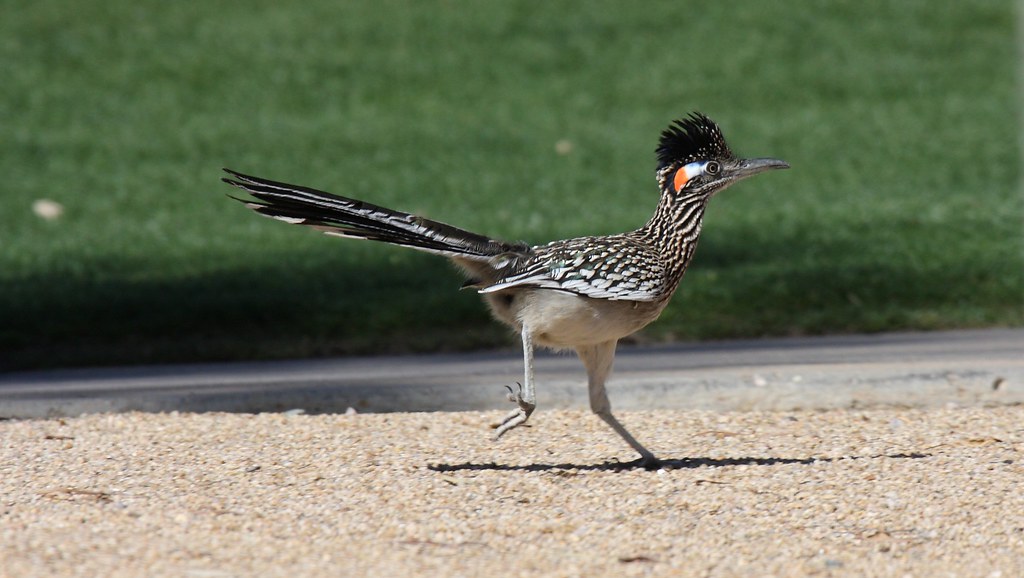
The greater roadrunner is fast and fearless. It can sprint up to 26 miles per hour across sand and rock, chasing lizards, insects, and small snakes. Despite its reputation from cartoons, this bird is a formidable predator in the desert ecosystem.
Its long tail helps it steer as it runs, and its bold eyes scan constantly for movement. Roadrunners are often spotted along roadsides or darting between boulders, their crest feathers raised in alert curiosity. These fast-moving birds are known for their ability to outrun predators and their unique hunting behaviors.
Kangaroo Rat: The Water-Free Survivor
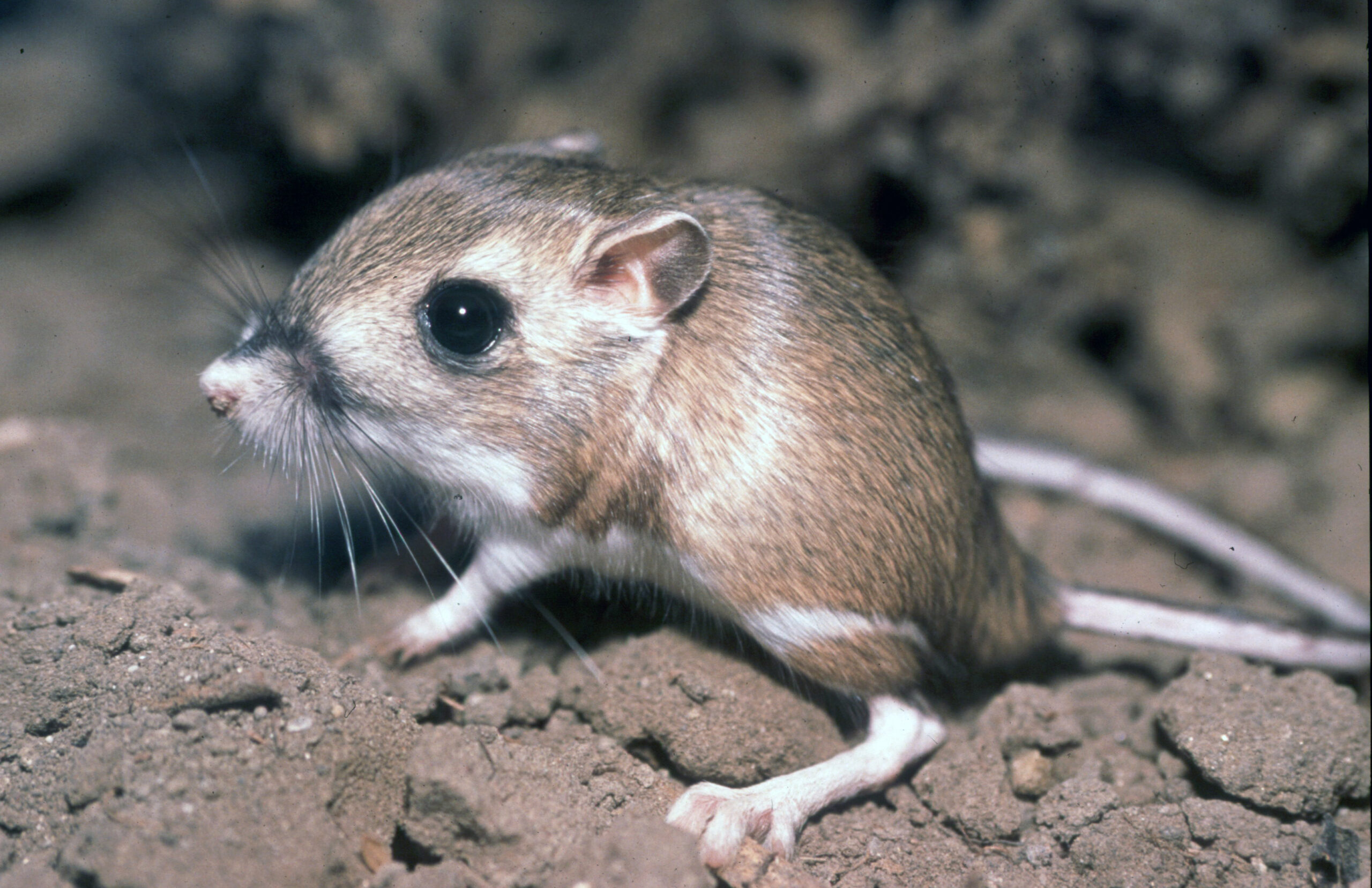
A small but essential piece of the desert puzzle, the Merriam’s kangaroo rat is an engineer of survival. It never drinks water; instead, it draws all needed moisture from seeds. This physiological marvel represents one of nature’s most incredible adaptations.
Its oversized hind legs allow it to hop like its namesake, conserving energy on the hot sand. At night, it emerges from its burrow to collect seeds, which it stores in cheek pouches for later. Its intricate tunnel systems also aerate the soil, allowing oxygen and the occasional moisture to penetrate deeper under the surface.
Speckled Rattlesnake: The Camouflaged Predator
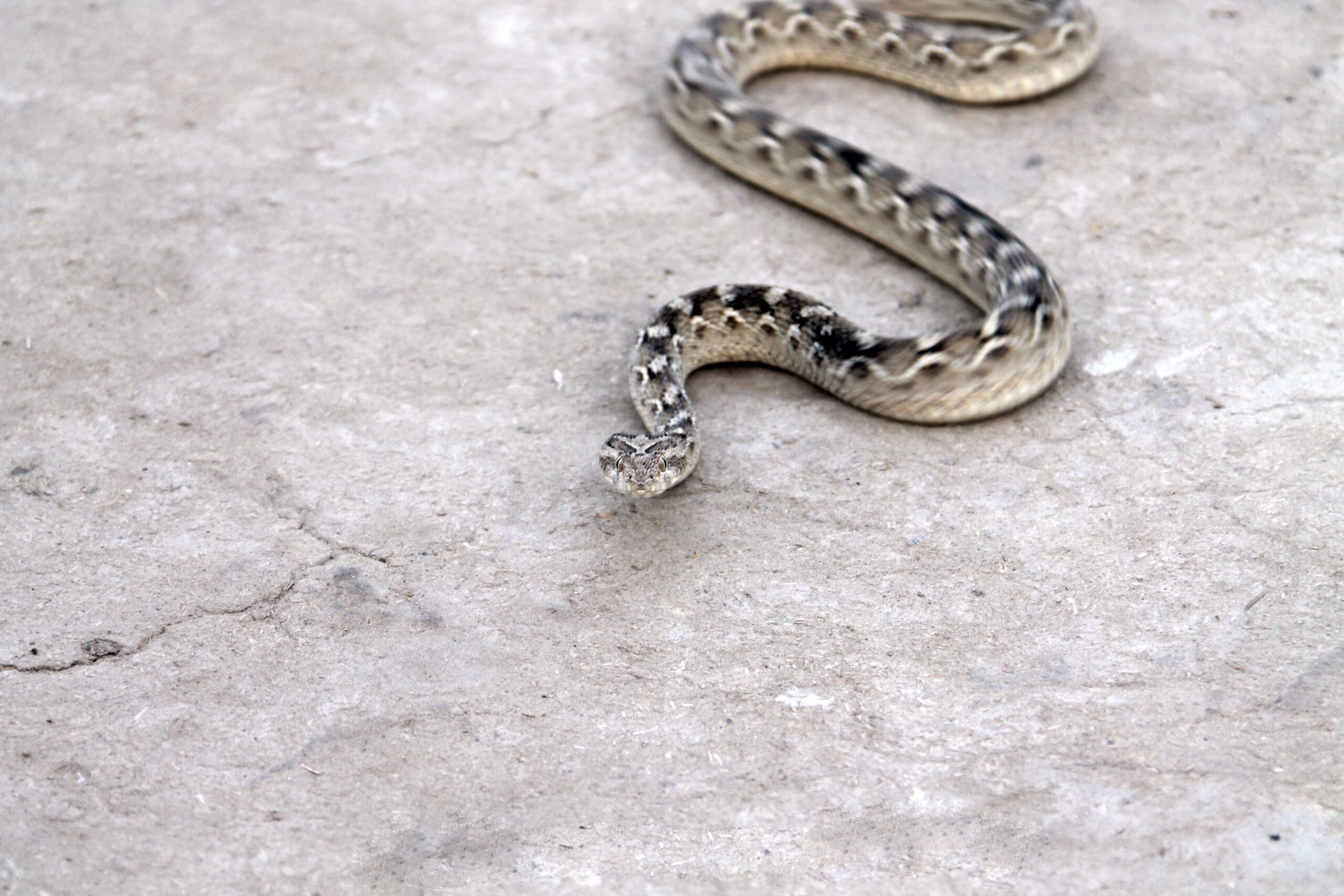
Speckled Rattlesnake (Crotalus mitchellii): These desert-adapted rattlesnakes are an important part of the park’s ecosystem, though visitors should exercise caution and respect their presence. The Southwestern speckled rattlesnake is a mid-to-large venomous snake most easily recognized by its faded pale sandy gray to brown colors.
It is considered the most common rattlesnake near Las Vegas but also an elusive one. Expert climbers, the southwestern speckled rattlesnake thrives in rugged canyons and rocky mountain areas with outcrops and boulders at elevations up to 8,000 feet. Their camouflage makes them nearly invisible against the sandstone.
Gila Monster: The Secretive Venomous Lizard
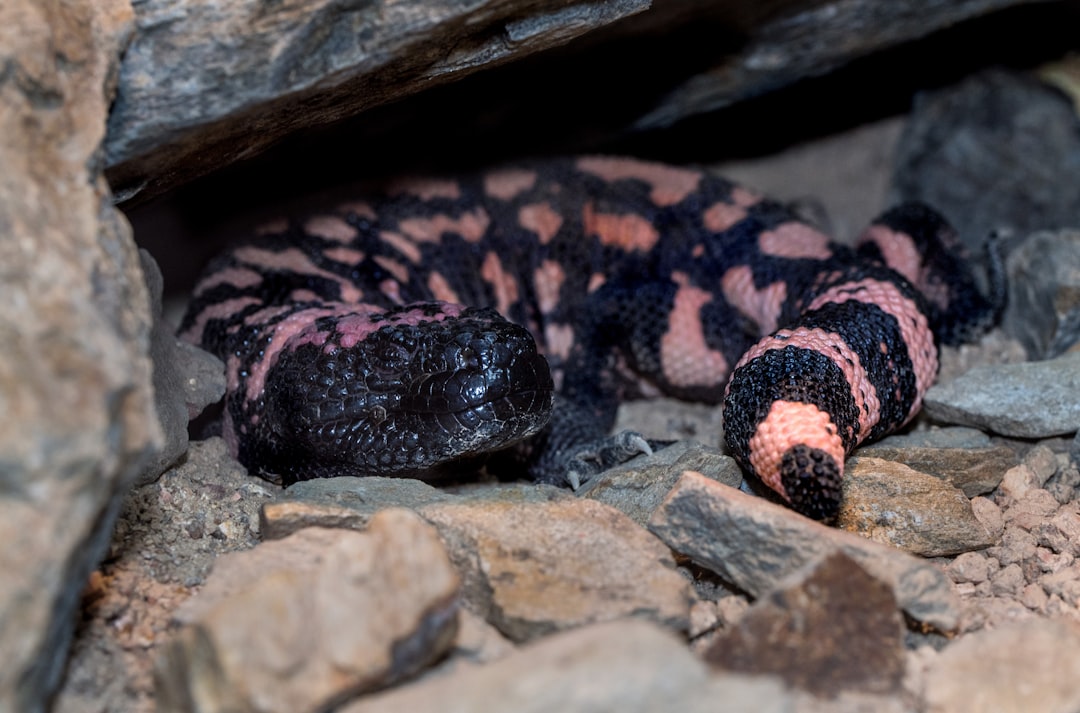
The Gila monster is one of the world’s few venomous lizards, along with the Mexican beaded lizard and some species of monitor lizards. It lurks in the park’s quieter canyons. This prehistoric-looking creature commands both fear and fascination.
Thick-bodied and slow, with black and orange beaded skin, it spends most of its life underground, emerging only for brief hunts or mating. It feeds on eggs, small mammals, and carrion. Despite its fearsome reputation, it’s shy and rarely seen.
Zebra-tailed Lizard: The Desert Showman
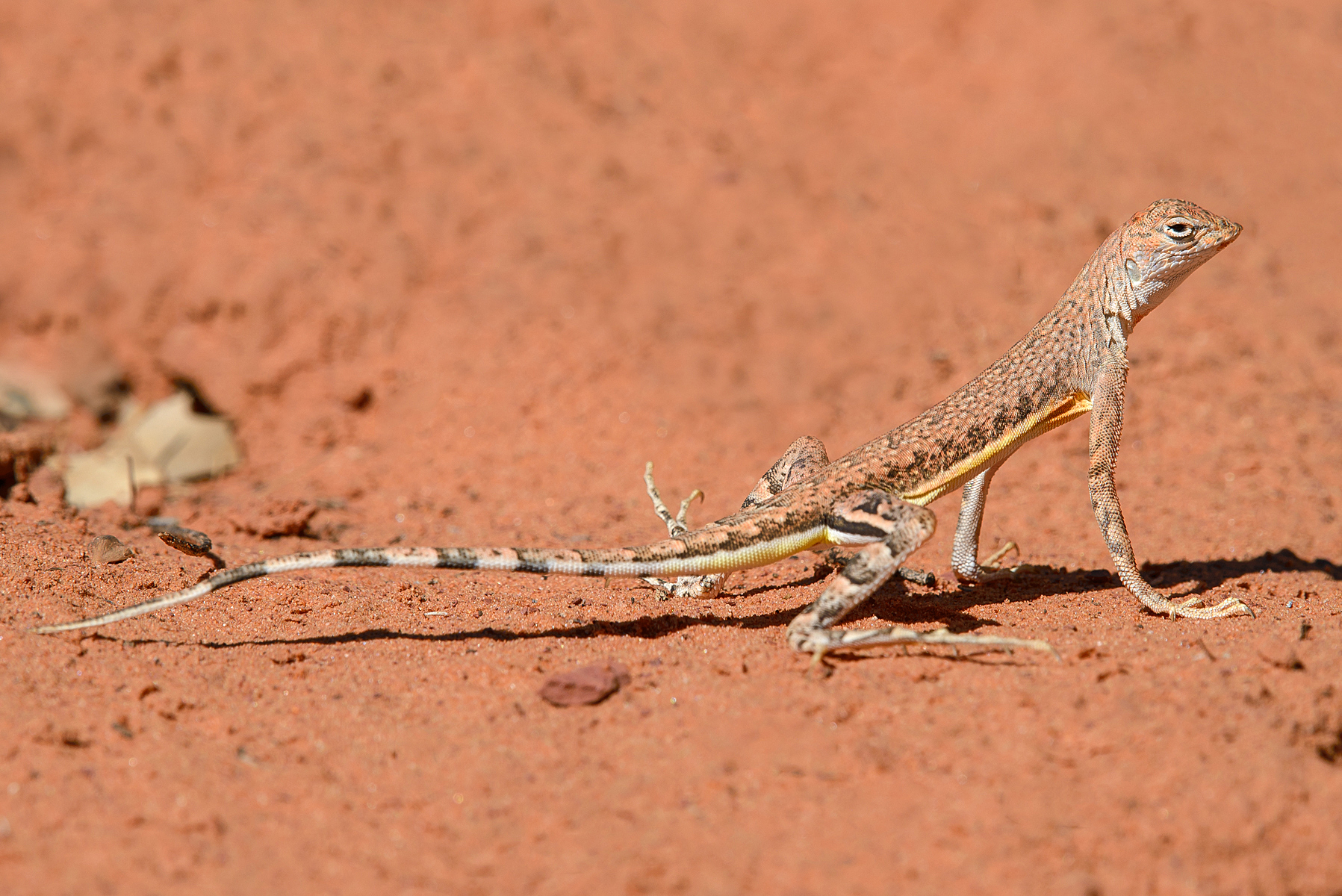
The zebra-tailed lizard is a master of agility and showmanship. When startled, it raises and curls its striped tail, flashing it like a warning flag before sprinting away on its hind legs. This behavior serves as both intimidation and distraction for predators.
These small lizards bask on open sand, feeding on insects and spiders. Their light coloration reflects heat, allowing them to survive surface temperatures that would bake most creatures. They’re like tiny track stars of the desert floor.
Desert Tarantula: The Misunderstood Giant
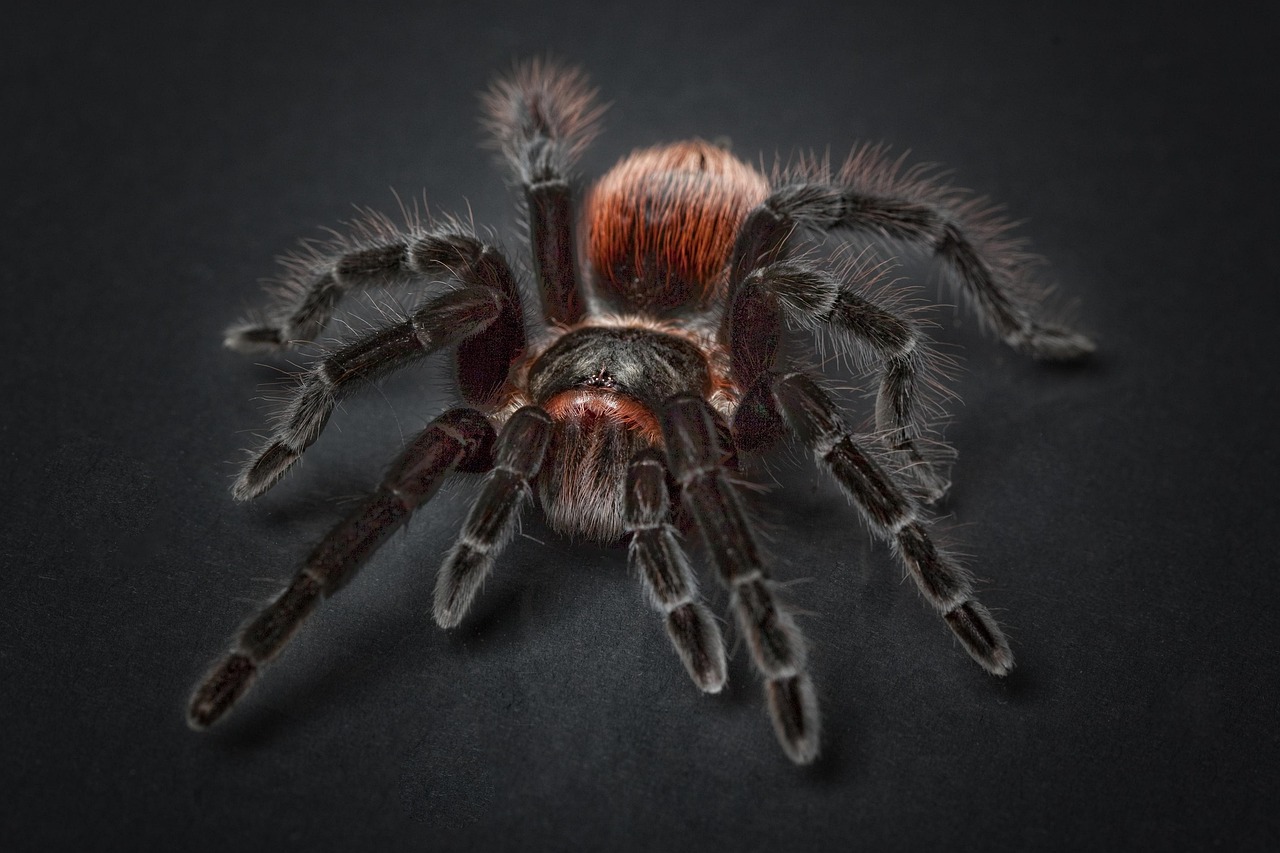
Large, hairy, and gentle by nature, the desert tarantula prowls the park’s sandy washes at night during late summer and fall. Males wander in search of mates, while females remain in silk-lined burrows. Despite their intimidating appearance, they’re remarkably docile creatures.
They feed on insects and small vertebrates, striking swiftly but rarely biting humans. Their quiet patience and nocturnal habits make them one of the desert’s most misunderstood residents. Many visitors never realize these gentle giants share their camping spaces.
Pallid Bat: The Ground-hunting Flyer
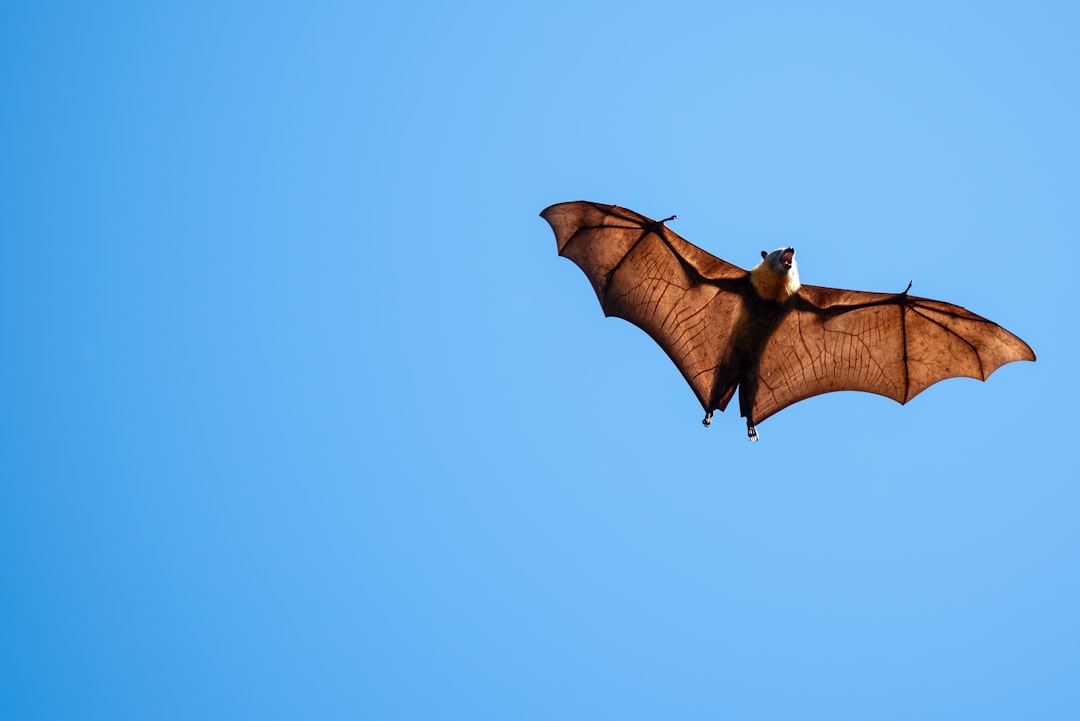
The pallid bat rules the night skies over Valley of Fire. Unlike most bats, it often hunts on the ground, snatching beetles, crickets, and scorpions with remarkable accuracy. This hunting strategy sets them apart from other bat species.
Using its large ears to detect movement, it swoops low over desert flats under starlight. Roosting in caves or rock crevices by day, this pale bat is a silent ally in keeping insect populations balanced. Their ecological role as pest controllers is invaluable to the desert ecosystem.
Conclusion: A Living Testament to Desert Resilience
Valley of Fire State Park isn’t just a geological wonderland – it’s a thriving ecosystem where every species has evolved extraordinary strategies for survival. Every species here has found a way to live in a place that tests endurance daily. The landscape may look harsh, but it’s alive with quiet routines that have worked for thousands of years, and likely will for thousands more.
From large bighorn sheep to miniature kangaroo rats, these desert dwellers remind us that life finds a way even in the most challenging environments. Their stories of adaptation, survival, and success in this crimson wilderness inspire wonder and respect for nature’s incredible resilience. What surprises you most about these desert survivors?
