
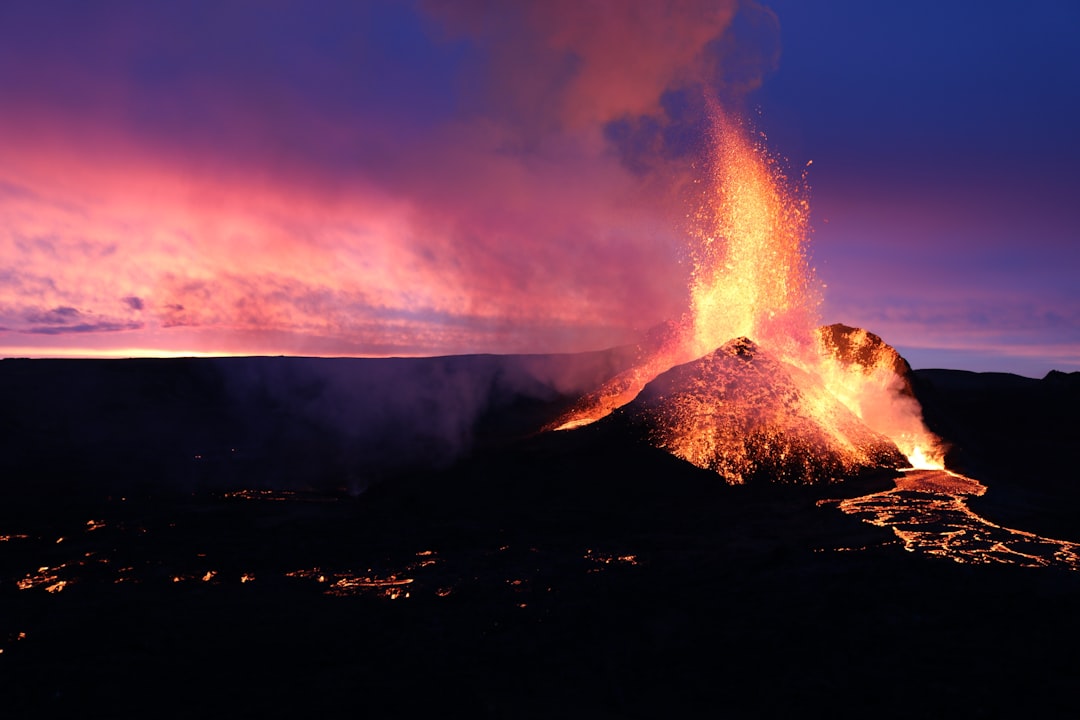
Picture our planet’s history as a violent, ever-changing canvas where life and death danced to the rhythm of Earth’s most dramatic forces. The story of prehistoric life isn’t just about evolution slowly creeping forward – it’s about cataclysmic events that wiped the slate clean and forced life to begin again. Three mighty forces shaped this ancient world more than any others: the fiery fury of volcanic eruptions, the bone-rattling power of earthquakes, and the crushing advance and retreat of ice ages.
Each of these geological giants has rewritten the map of life multiple times, creating and destroying entire ecosystems in what we might consider the blink of an eye in geological terms. Honestly, when you realize how many times our planet has essentially hit the reset button, it’s amazing anything survived at all. So let’s dive into this epic tale of destruction and rebirth that spans hundreds of millions of years.
The Volcanic Apocalypse That Started It All
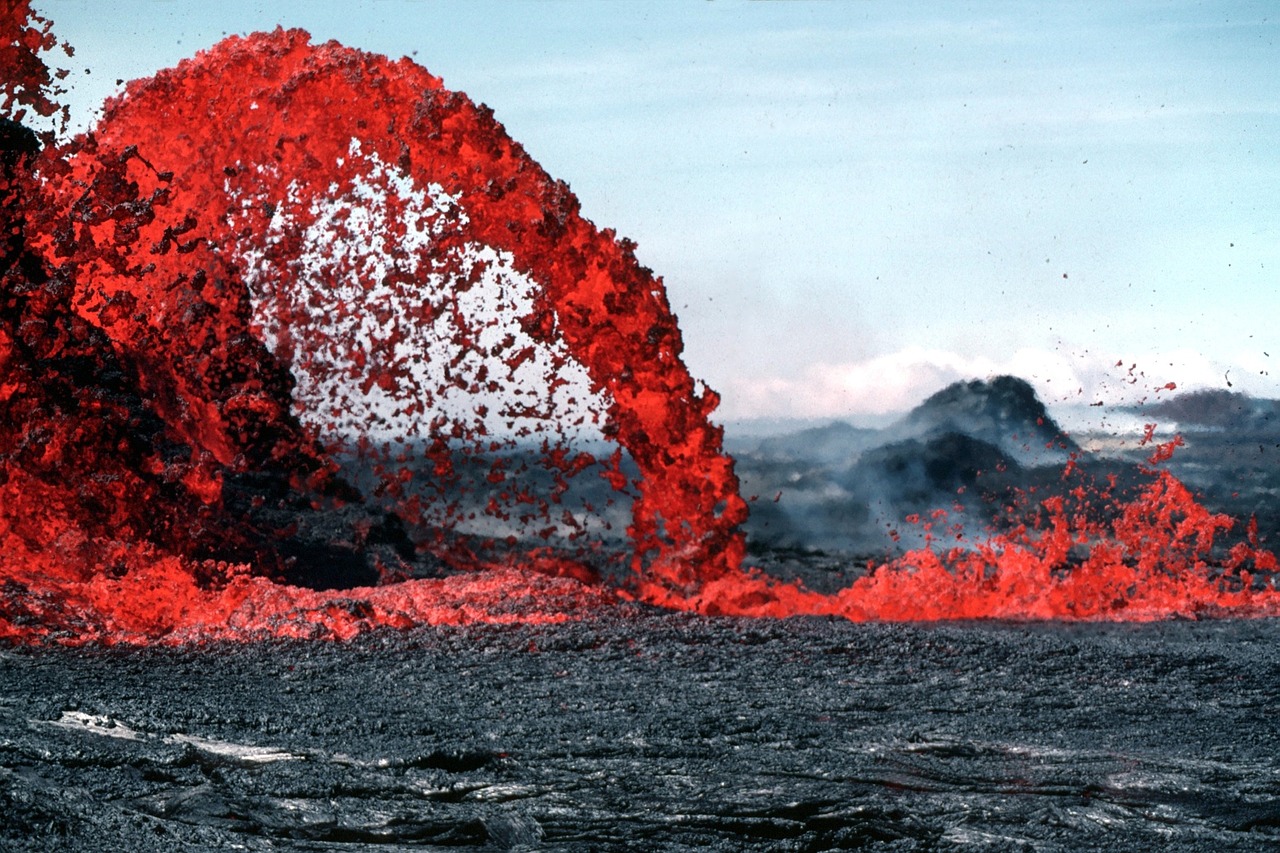
A new study concludes that most mass extinctions had one thing in common: They occurred after mega-eruptions that spewed volcanic lava and toxic gases for hundreds of thousands of years, and some for as long as a million years. The study shows that four of the five biggest mass extinctions over the past 540 million years correlate with major lava events. These weren’t your typical volcanic eruptions that we see today. We’re talking about geological monsters that make Mount Vesuvius look like a backyard barbecue gone wrong.
Imagine instead massive fissures and vents in the earth that ooze steady pulses of lava over hundreds of thousands of years. This sort of volcanic activity generates much more lava and affects vast areas, covering millions of square kilometers with lava. These flood basalt eruptions were so massive that they literally changed the chemistry of the entire atmosphere, turning Earth into an alien world where most life forms simply couldn’t survive.
The Great Dying: When Volcanoes Nearly Ended Everything
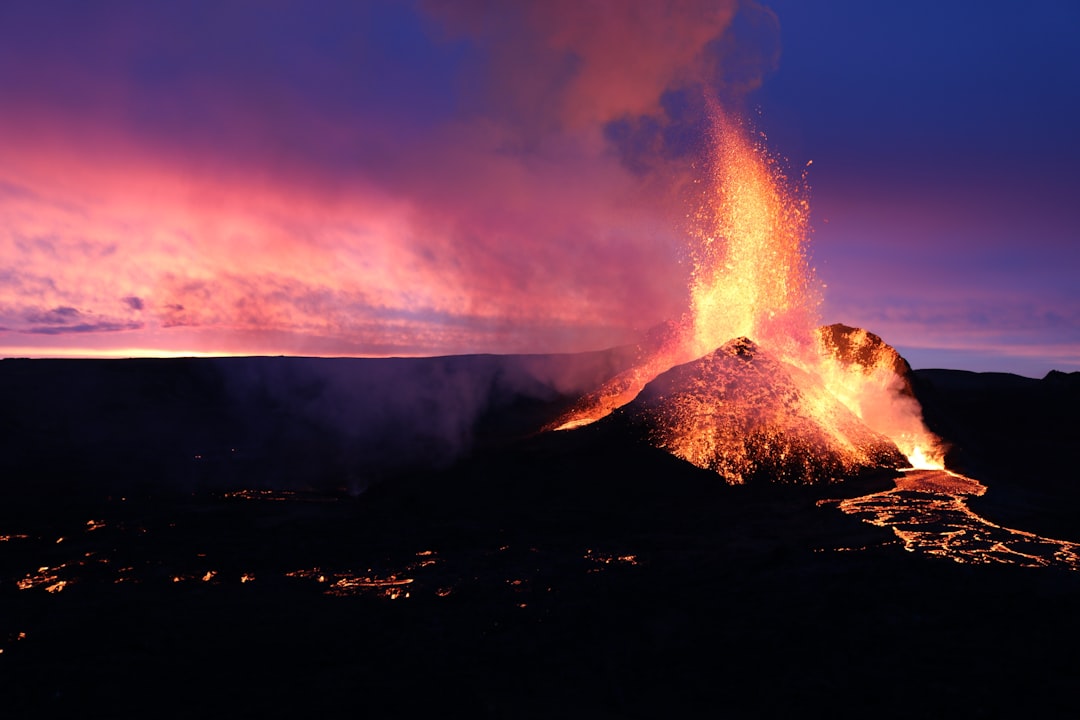
Mercury buried in ancient rock provides the strongest evidence yet that volcanoes caused the biggest mass extinction in the history of the Earth. The Siberian Traps eruptions spewed so much material in the air, particularly greenhouse gases, that it warmed the planet by an average of about 10 degrees centigrade. This event, happening around 252 million years ago, earned the terrifying nickname “The Great Dying” for good reason.
Some 252 million years ago, life on Earth faced the “Great Dying”: the Permian-Triassic extinction. The cataclysm was the single worst event life on Earth has ever experienced. Over about 60,000 years, 96 percent of all marine species and about three of every four species on land died out. Think about that for a moment – nearly everything alive on our planet simply vanished. The volcanic eruptions in Siberia were so intense that they fundamentally altered the planet’s climate and ocean chemistry.
The Surprise Twist: When Ice Caused Mass Extinction
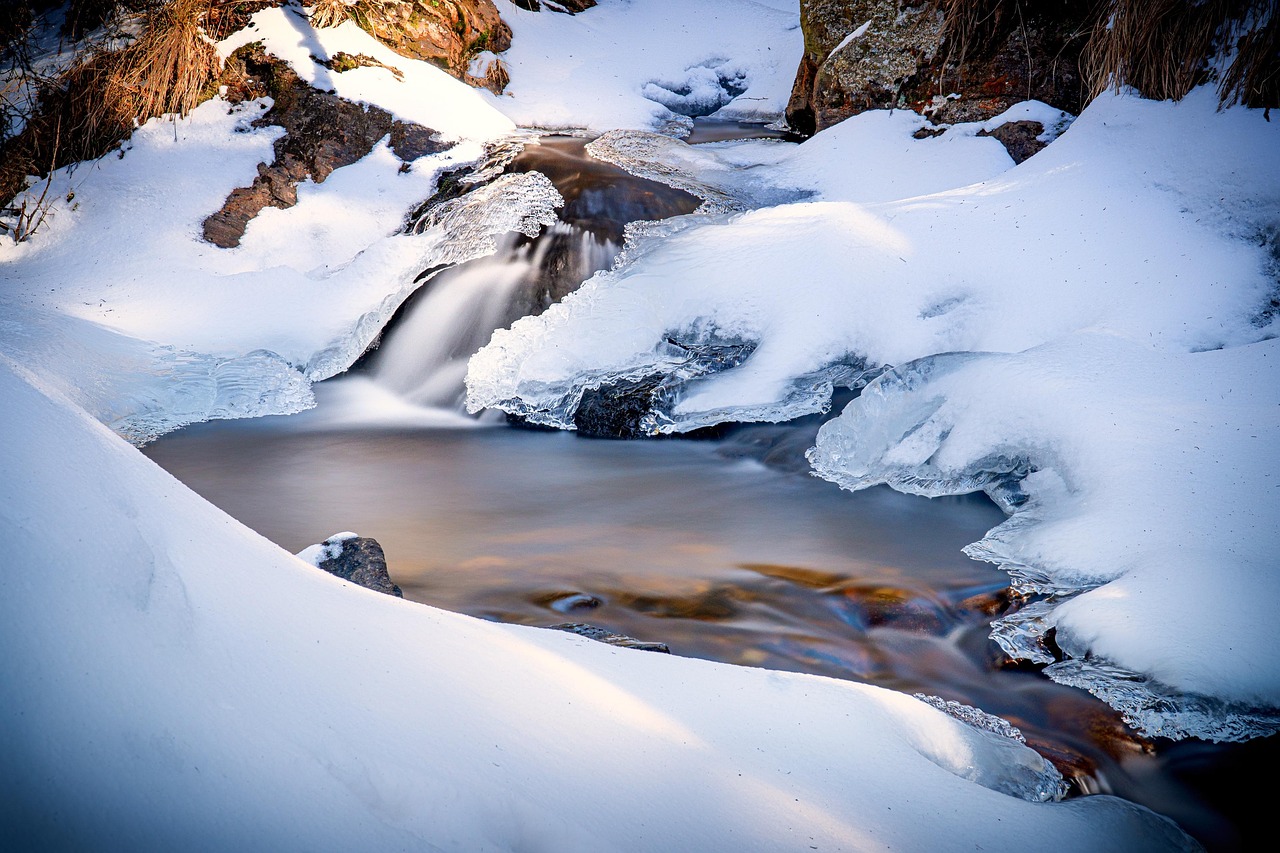
Researchers have now discovered that this extinction took place during a short ice age which preceded the global climate warming. It’s the first time that the various stages of a mass extinction have been accurately understood. This discovery turned everything scientists thought they knew about the Great Dying upside down.
The only explanation to this phenomenon is that there was ice, which stored water, and that this ice age which lasted 80,000 years was sufficient to eliminate much of marine life. We therefore have proof that the species disappeared during an ice age caused by the activity of the first volcanism in the Siberian Traps. The volcanic sulfur dioxide created a nuclear winter effect that froze the planet before the greenhouse gases could warm it up again. Life got hit with a devastating one-two punch.
The Dinosaur-Maker: Volcanic Eruptions That Created Jurassic Park
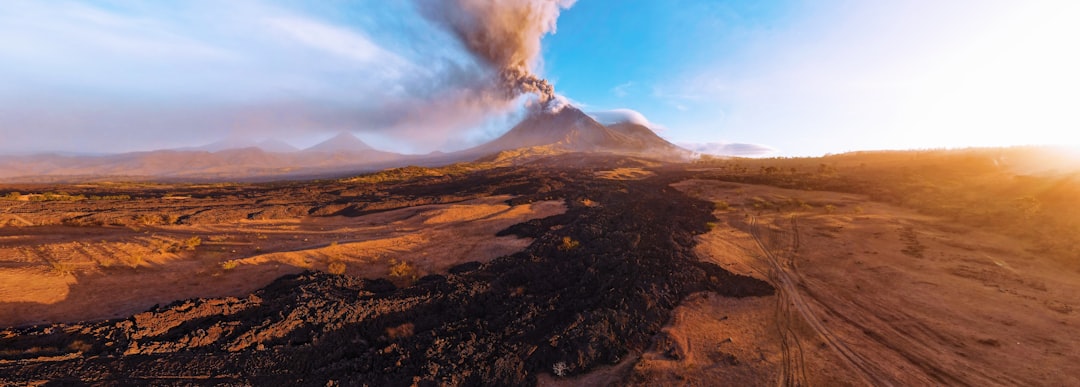
Around 201 million years ago, incredible volcanic outpourings in the supercontinent Pangaea shook up life on Earth and gave early dinosaurs a chance to thrive. Around 201 million years ago, incredible volcanic outpourings in the supercontinent Pangaea shook up life on Earth and gave early dinosaurs a chance to thrive. This wasn’t just another mass extinction – it was a changing of the guard that would define life on Earth for the next 165 million years.
At the end of the Triassic period, at least half of the species living on land and in the ocean went extinct, opening the way for dinosaurs to dominate Earth for the next 165 million years. The volcanic catastrophe wiped out the competition, leaving ecological niches wide open for small, scrappy dinosaurs to eventually evolve into the giants we know and love. It’s fascinating how destruction can pave the way for such incredible evolutionary success.
The Double Punch: Asteroid Plus Volcano Equals Dinosaur Doom
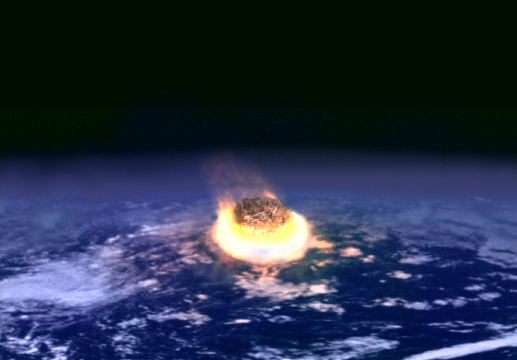
Currently, the leading theory to explain the mass extinction that saw the end of the dinosaurs suggests that it was triggered when a massive asteroid impacted Earth in what is now the Chicxulub region of the Gulf of Mexico. However, new research suggests that the asteroid may have had an ‘accomplice’ in this extinction event in the form of volcanic activity. The plot thickens when we realize that the dinosaurs might have faced the ultimate geological double-whammy.
Around the time of the Cretaceous period mass extinction, the Indian subcontinent was rocked by volcanic eruptions that created the Deccan plateau. Just like the strike of the Chicxulub impactor is proposed to have done, this could have had far-reaching global effects and could have filled the atmosphere of Earth with sunlight-blocking dust and toxic fumes. The poor dinosaurs were already dealing with massive volcanic activity when that six-mile-wide asteroid decided to crash the party.
Ice Age Giants: When Climate Created Monsters
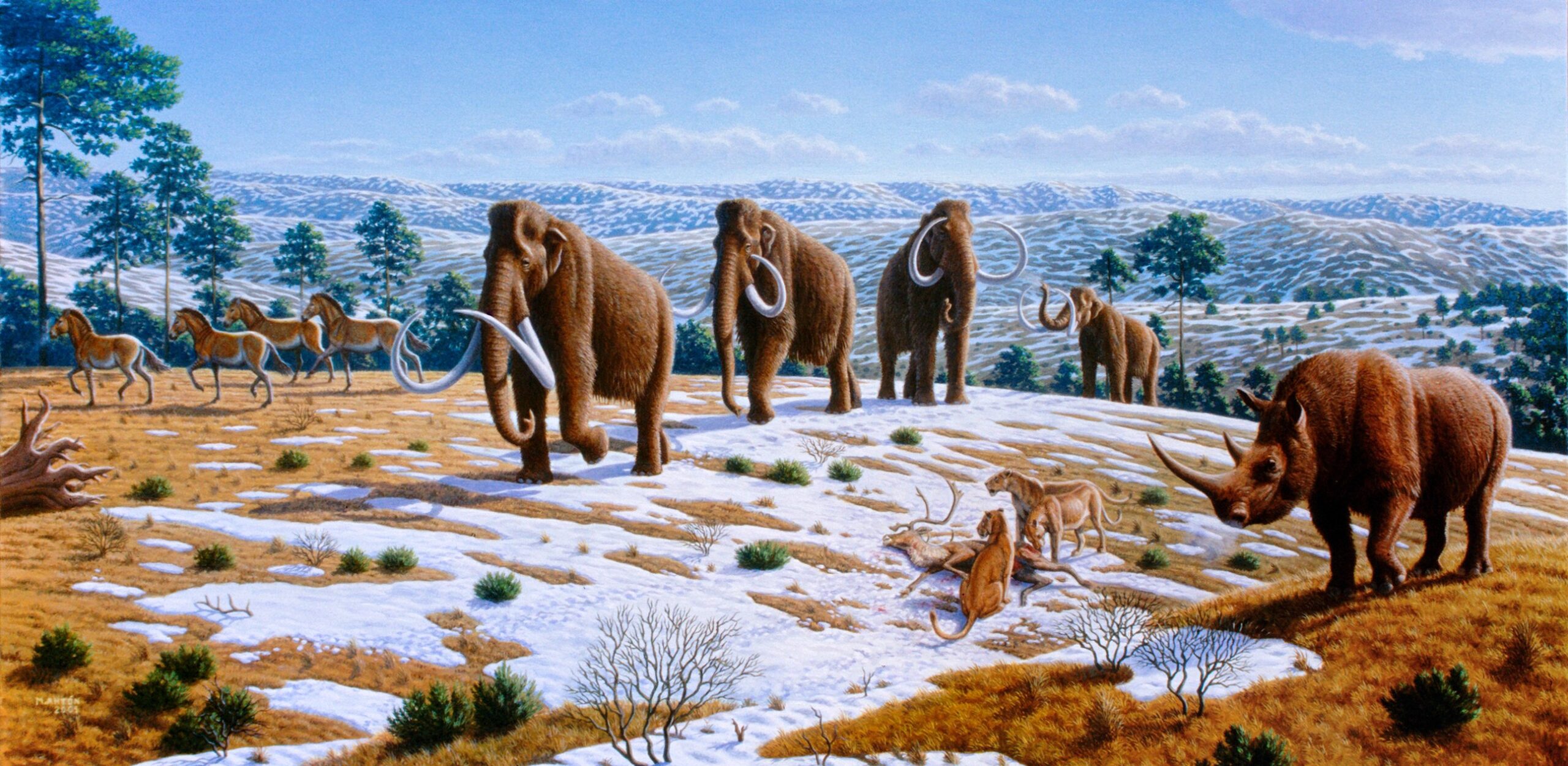
On land, the chilliest stretches of the Quaternary saw mammals like mammoths, rhinos, bison, and oxen grow massive and don shaggy coats of hair. They fed on small shrubs and grasses that grew at the ever moving edges of the ice sheets. About 12,000 years ago, the climate began to warm, and most of these so-called megafauna went extinct. The ice ages didn’t just kill – they also created some of the most impressive creatures ever to walk the Earth.
By comparing numbers of dated bones with climate records, we find that megafaunal species, like mammoth, horse, and bison, experienced boom and bust cycles during the ice age as they tracked rapid climate changes. It follows that long-distance dispersal was crucial for the long-term persistence of megafaunal species living in the Arctic. These massive creatures lived in a world of constant climate chaos, where survival depended on being able to pack up and move to entirely different continents when the weather changed.
The Human Factor: When Tool-Makers Became Extinction-Makers

The first theory, championed by Geoscientist Dr. Paul Martin, is called the Blitzkrieg or overkill theory. Dr. Martin posits this disappearance of the megafauna was due to a new devastating apex predator that could problem solve, throw objects like spears, and make weapons. Wherever humans came into new lands, corresponding extinction of large land animals occurred shortly afterward. For the first time in Earth’s history, a single species became a geological force capable of causing mass extinctions.
In North America, a group of humans called the Clovis people arrived about 13,000 years ago. These prehistoric people received their name after the large spear points they made which were first discovered in New Mexico. This tool enabled them to catapult a spear at high velocity and over a long distance to bring down slow-moving mammoths and other megafauna. In a short time span, these animals were hunted to extinction. The arrival of humans marked a new chapter in extinction history – one driven by intelligence rather than just geological forces.
Earthquakes: The Forgotten Force That Shook Life Apart
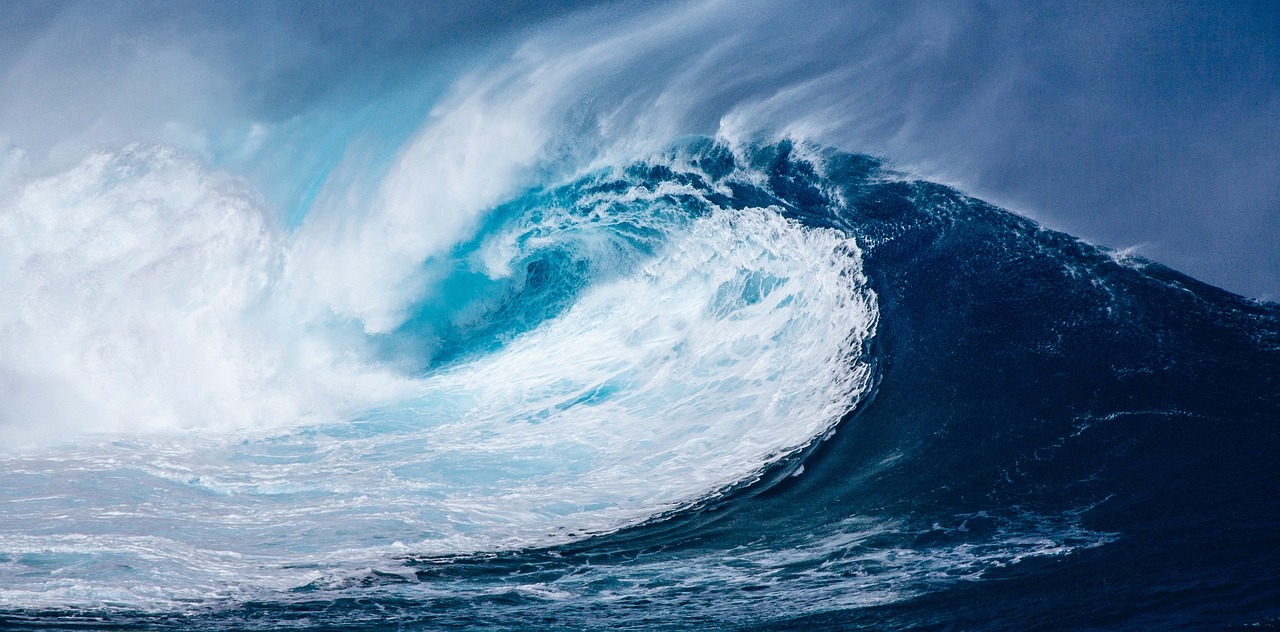
The large earthquakes generated by the impact would have additionally generated massive tsunamis across much of the globe. The impact occurred around extensive deposits of oil shale in the shallow marine Paraná–Karoo Basin, whose perturbation by the seismicity resulting from impact likely discharged about 1.6 teratonnes of methane into Earth’s atmosphere. The large earthquakes generated by the impact would have additionally generated massive tsunamis across much of the globe. While volcanoes and ice ages get most of the attention, earthquakes played their own crucial role in reshaping prehistoric life.
In addition to the expanding plant life, underwater sediment was disturbed by massive earthquakes, volcanoes, and continental drift. This activity released elements and minerals that changed water chemistry within highly populated environments. In addition to the expanding plant life, underwater sediment was disturbed by massive earthquakes, volcanoes, and continental drift. This activity released elements and minerals that changed water chemistry within highly populated environments. These seismic events didn’t just shake the ground – they literally poisoned the water that countless marine creatures depended on for survival.
The Recovery Game: How Life Bounced Back
Though mass extinctions are deadly events, they open up the planet for new forms of life to emerge. Every catastrophe that seemed to spell doom for life actually became an opportunity for evolutionary experimentation on a massive scale. The survivors of these events found themselves in a world with countless empty ecological niches just waiting to be filled.
Mass extinctions are typically followed by evolutionary bursts or radiations within surviving groups of organisms, such as mammals after dinosaurs became extinct at the end of the Cretaceous. The combined effect of mass extinctions and the following evolutionary bursts is that new groups of organisms fill niches previously filled by now-extinct organisms. It’s remarkable how quickly life can bounce back from seemingly impossible situations, often becoming more diverse than ever before.
The story of how volcanoes, earth reveals something profound about our planet and the resilience of life itself. These catastrophic events that seemed like endings were actually beginnings in disguise. Each mass extinction cleared the stage for entirely new evolutionary experiments, leading to creatures we can barely imagine and ultimately to the world we know today.
Perhaps most striking of all is realizing that we humans are now wielding the same planet-shaping power that once belonged only to volcanoes and ice sheets. The forces that created and destroyed entire worlds throughout Earth’s history are now, in many ways, in our hands. What do you think about it? Tell us in the comments.
