

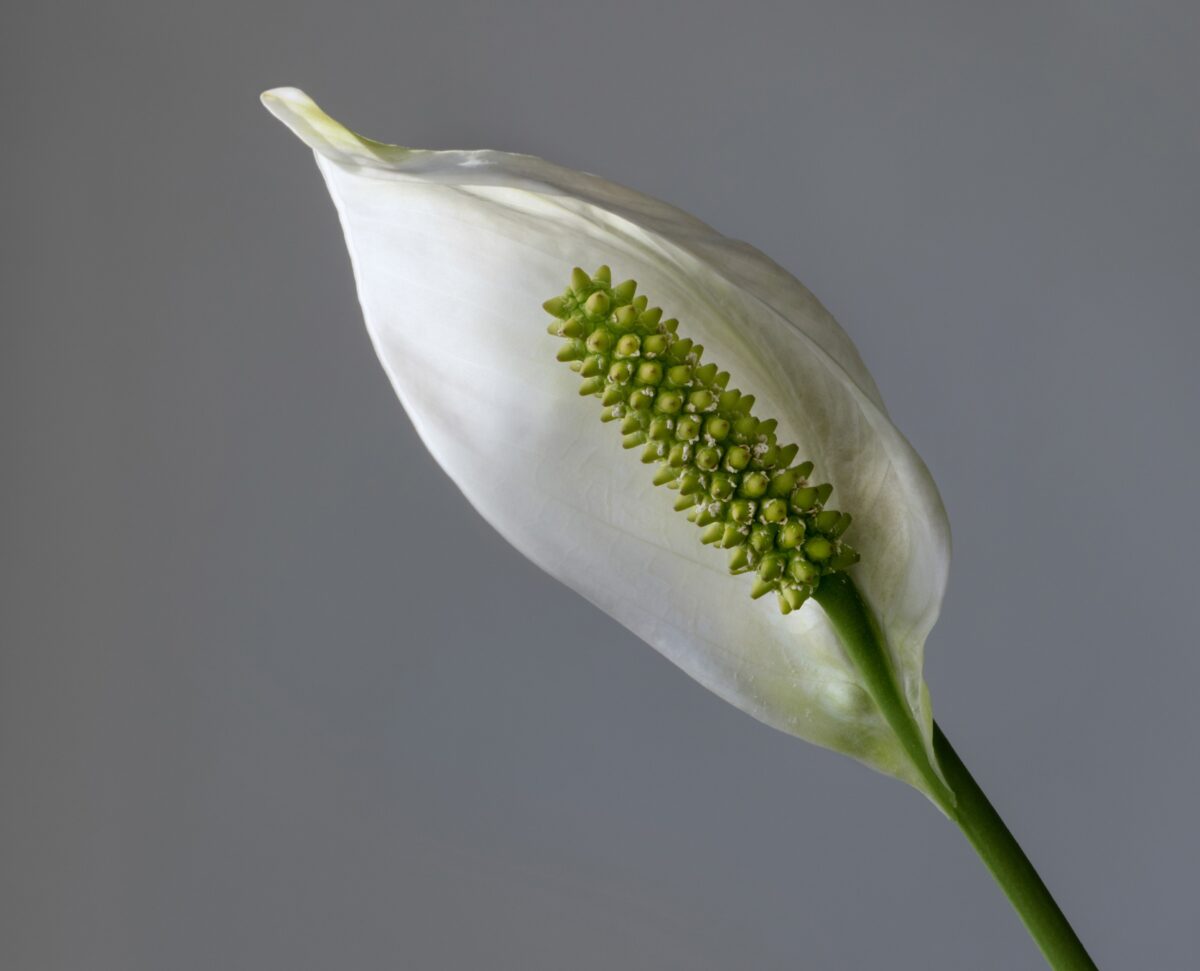
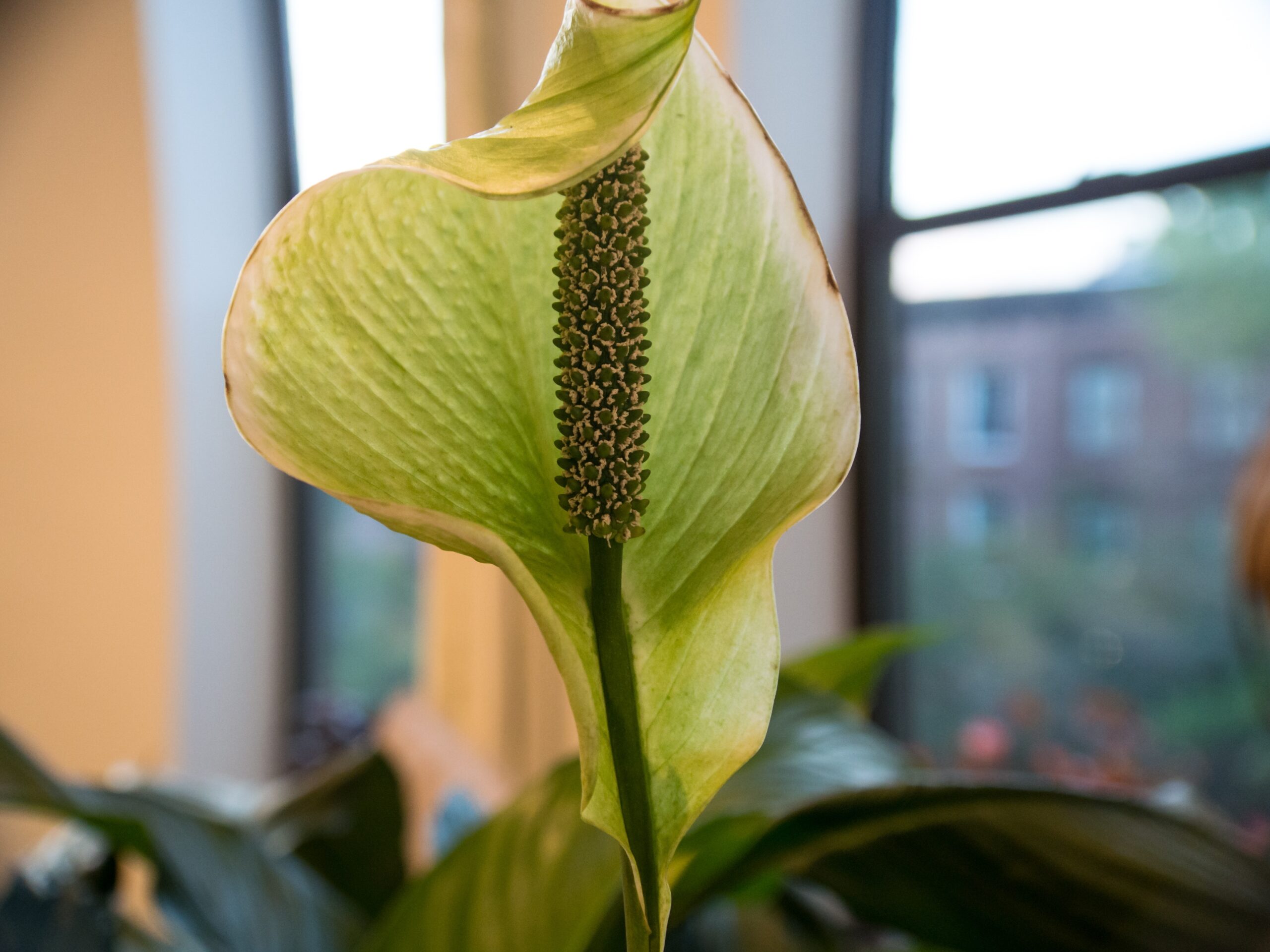
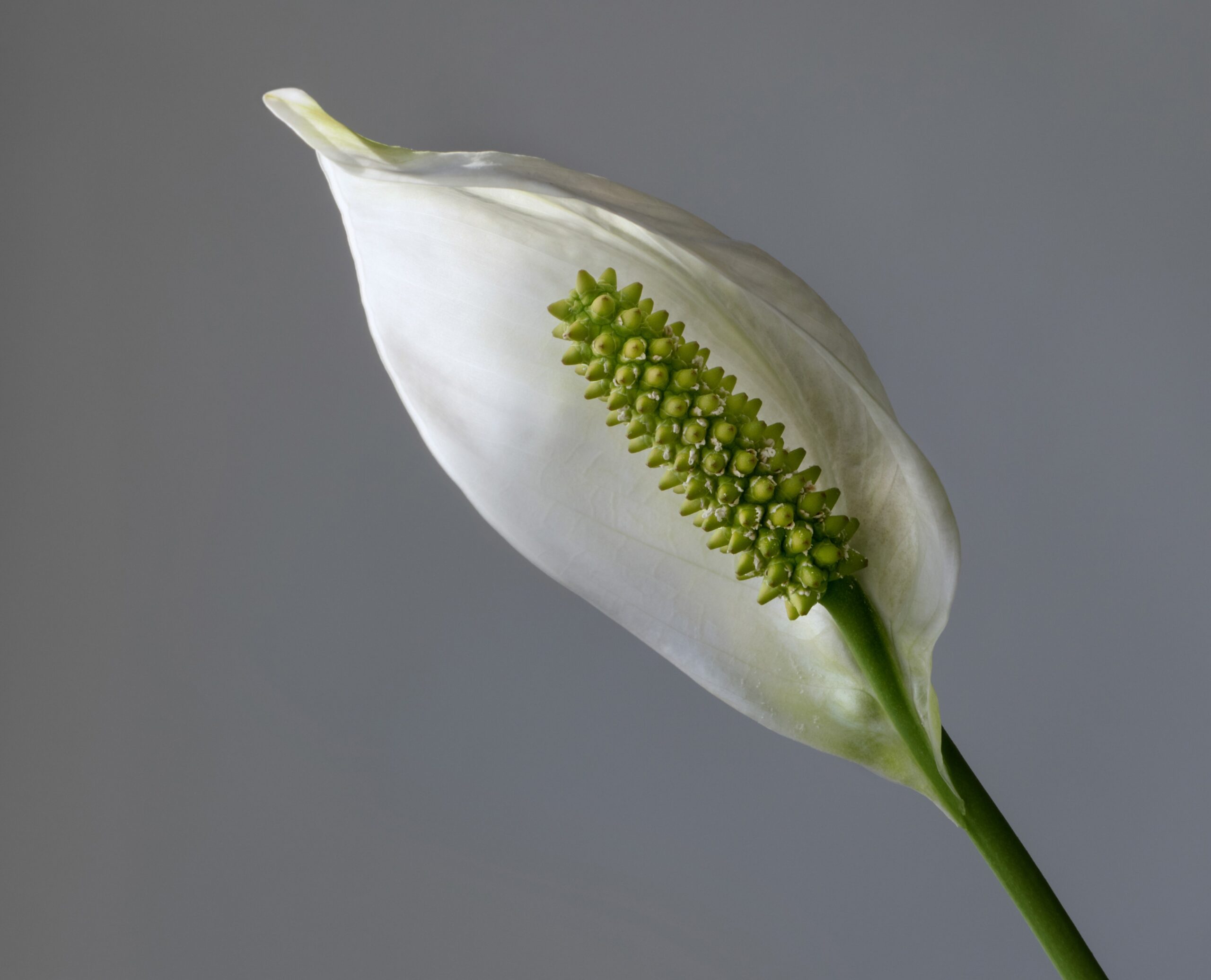
Peace lilies sit quietly in homes around the world, their broad green leaves and elegant white flowers creating an atmosphere of serenity. Yet beneath this peaceful facade lies a secret that might surprise you. While these beloved houseplants have earned their place as popular indoor companions, they harbor a hidden characteristic that demands respect and careful handling.
The stunning Spathiphyllum, commonly known as the peace lily, has more than just beauty to offer. These plants contain natural defense mechanisms that can affect anyone who handles them carelessly. Understanding why proper handwashing after touching your peace lily matters could save you from uncomfortable skin reactions and potential health issues.
The Hidden Defense Mechanism in Your Peace Lily
Peace lilies contain calcium oxalate crystals in their leaves, stems, and sap, which can cause skin irritation and burning sensations. These sharp needle-shaped crystals are packed in bundles within plant cells, and when the plant is damaged during handling, water enters and causes the cells to swell, forcefully propelling the sharp crystals into the surrounding environment. These needlelike crystals produce pain and edema when they contact skin.
The major functions of calcium oxalate crystal formation in plants include high-capacity calcium regulation and protection against herbivory. Think of these crystals as tiny natural weapons, designed to deter creatures from munching on the plant. When you touch or handle your peace lily, especially during pruning or repotting, you’re essentially triggering this ancient defense system.
What Happens When Skin Meets Peace Lily
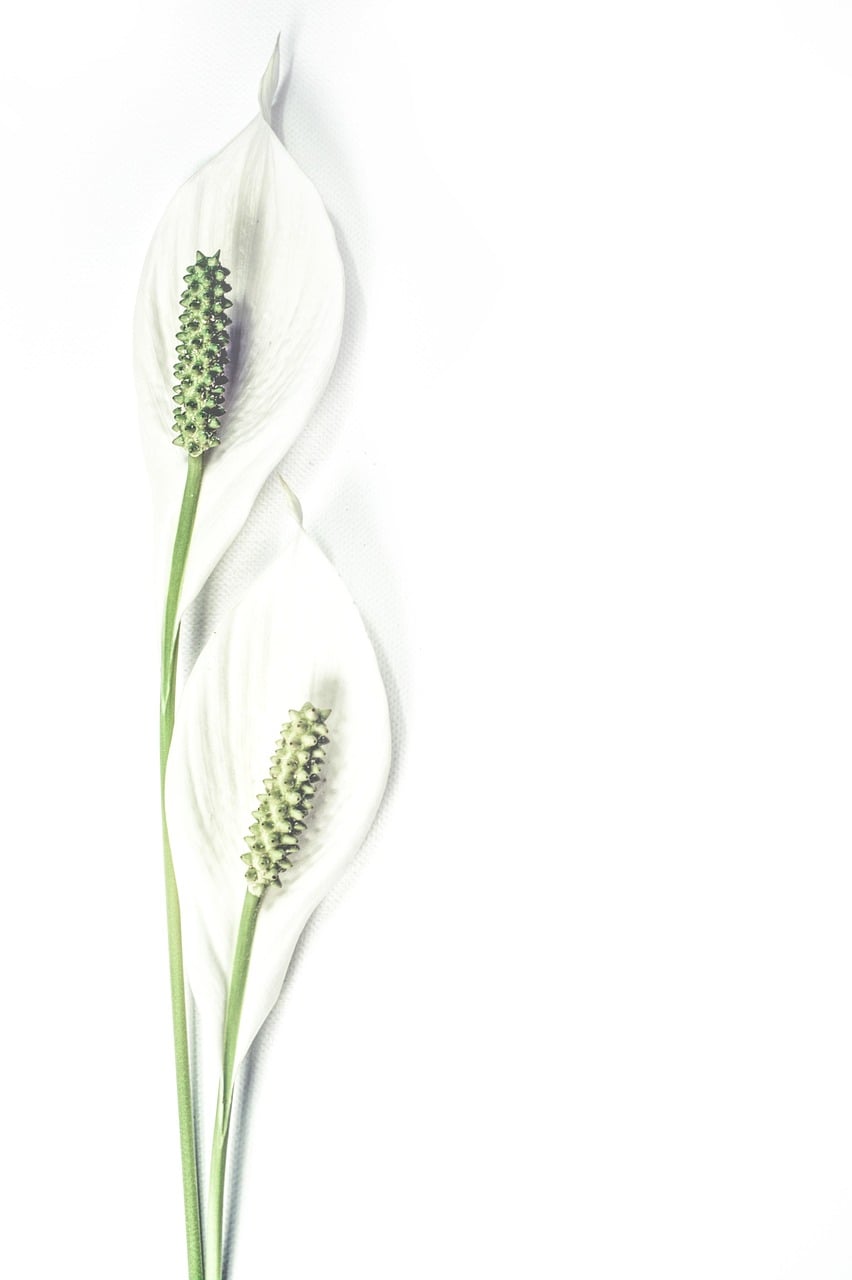
Peace lilies can actually irritate your skin and cause contact hives if handled with bare hands for prolonged periods of time. Contact dermatitis may also occur in sensitive individuals. The reaction can range from mild tingling to more noticeable skin irritation.
Contact with the peace lily can spark a skin rash, redness, or an itch that makes you want to scratch, and in some cases, you might even see blisters. Some medical experts recommend that allergy-prone individuals steer clear of peace lilies for this exact reason. The severity of the reaction often depends on your individual sensitivity and the duration of contact.
The Science Behind the Sting
Oxalate plants contain sharp, tiny crystals in their juices, leaves and stems, called calcium oxalate crystals, which can cause intense pain and swelling if they come in contact with the skin, creating the sensation of biting into ground glass when chewed. Calcium oxalate crystals cannot be dissolved in water and are heat resistant, so washing and cooking cannot reliably remove calcium oxalates from toxic plants.
Edema primarily is due to direct trauma from the needlelike crystals and, to a lesser extent, by other plant toxins. The crystals essentially create microscopic puncture wounds in your skin tissue. Calcium oxalate crystals, which are found in many organs of plants, have different morphological forms: as druses, prism, styloids, raphides and crystal sand.
Why Regular Handwashing Isn’t Enough
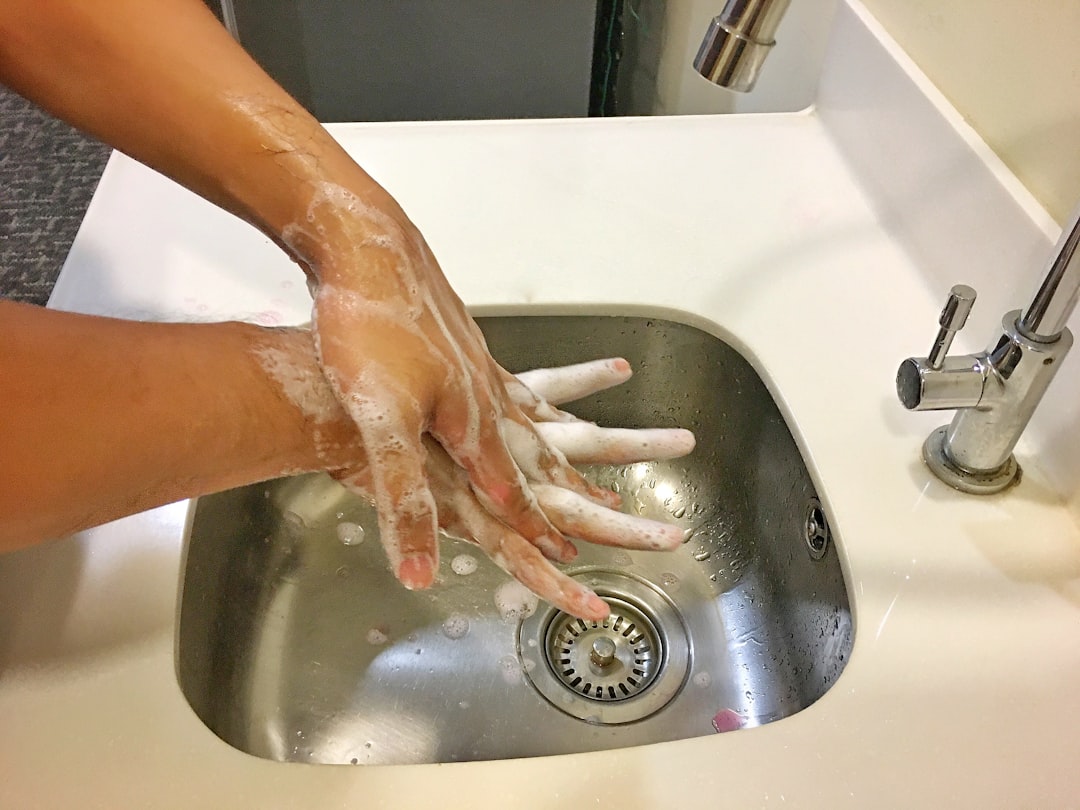
You should always wash your hands with soap and warm water after handling or pruning your potted peace lily. By washing your hands after handling peace lilies, you’ll remove any lingering plant residue from your skin and minimize the likelihood of experiencing discomfort or breaking out in hives. Simple water rinsing won’t effectively remove all the microscopic crystal particles.
After handling your plant, head straight to the sink, as handwashing isn’t just about hygiene; it’s a ritual for plant safety, and you should make it a family routine, akin to brushing teeth. The soap helps break down plant oils and residues that might contain the troublesome crystals. Thoroughly scrub between your fingers and under your nails where particles might hide.
Special Considerations for Families with Children
In small children, peace lily exposure can be far more problematic, and the effects of peace lily toxicity are particularly concerning for children due to their natural curiosity and tendency to explore with their mouths. Kids and babies are natural explorers, often led by taste and touch, which makes them particularly vulnerable to the peace lily’s toxic traits, as their smaller size and developing bodies can react more intensely to the irritants.
Skin contact can lead to irritation, and in the delicate skin of toddlers and babies, we’re talking about a potential rash. When handling peace lilies, such as during repotting or cleaning, wear gloves and avoid touching your face, eyes, or mouth afterward. Teaching children never to touch plants without permission becomes crucial in households with peace lilies.
Professional Handling Tips and Best Practices
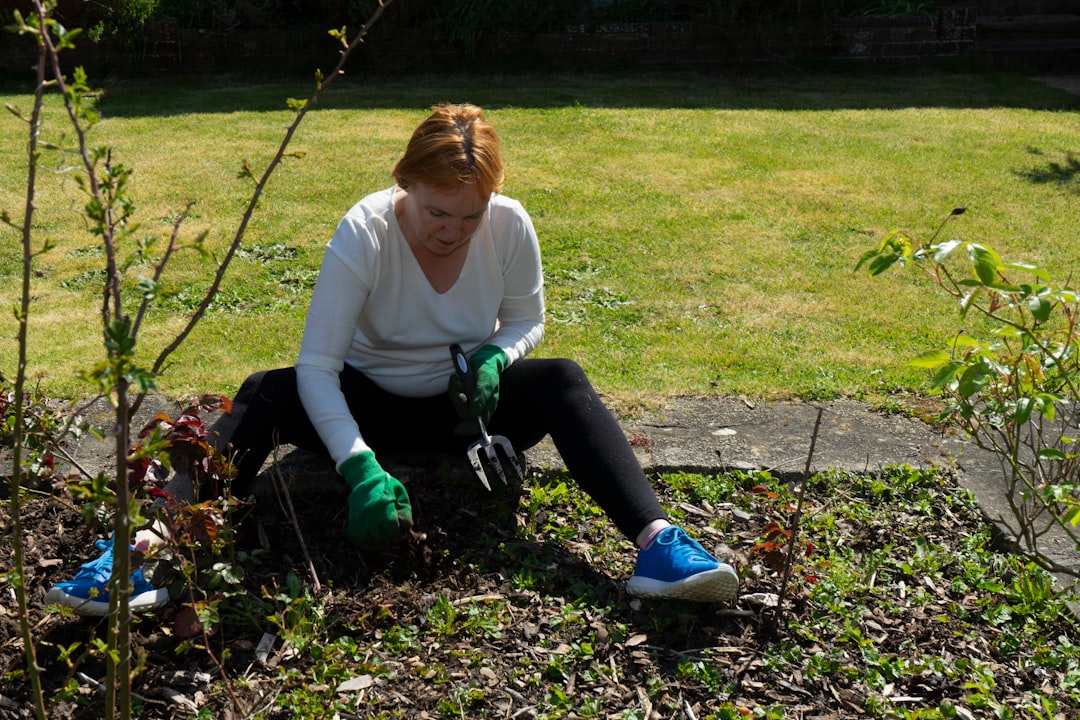
You can also wear gloves when touching them, although if you’re diligent about handwashing, this extra precaution shouldn’t be necessary. Gloves are your green thumbs’ best friends, shielding you from the plant’s sap and setting an example for the little ones. Choose nitrile or rubber gloves that won’t allow the microscopic crystals to penetrate.
Keep a designated plant care towel nearby for wiping hands during handling sessions. Never rub your eyes or touch your face while working with your peace lily. You are fine to handle the plant as long as you follow proper safety protocols. Consider keeping hand cream available, as frequent washing might dry your skin.
What to Do If Irritation Occurs
If your skin throws a fit after contact with this plant, wash the area with soap and water immediately. In cases of skin contact, wash the area with soap and water, applying a cool compress if needed. Cool water helps reduce inflammation and provides immediate relief from the burning sensation.
If irritation occurs, wipe out any residue and offer a cool drink or snack such as a popsicle, applesauce or yogurt to anyone who might have accidentally gotten plant material in their mouth. Clinical signs usually resolve within 24 hours with no lasting effects. However, monitor the affected area for signs of worsening irritation or allergic reaction.
Conclusion

Peace lilies remain wonderful houseplants despite their defensive crystal arsenal. Understanding their hidden nature allows us to enjoy their beauty while respecting their natural protective mechanisms. Simple handwashing after handling these plants prevents uncomfortable skin reactions and keeps your family safe.
The microscopic calcium oxalate crystals in peace lilies serve as nature’s security system, but they don’t have to become your problem. With proper handling techniques and consistent handwashing habits, you can continue to appreciate these elegant plants without worry. Remember that awareness and simple precautions make all the difference between a pleasant plant care experience and an uncomfortable learning lesson.
Have you noticed any skin reactions after handling your houseplants? What safety measures do you follow in your plant care routine?
