
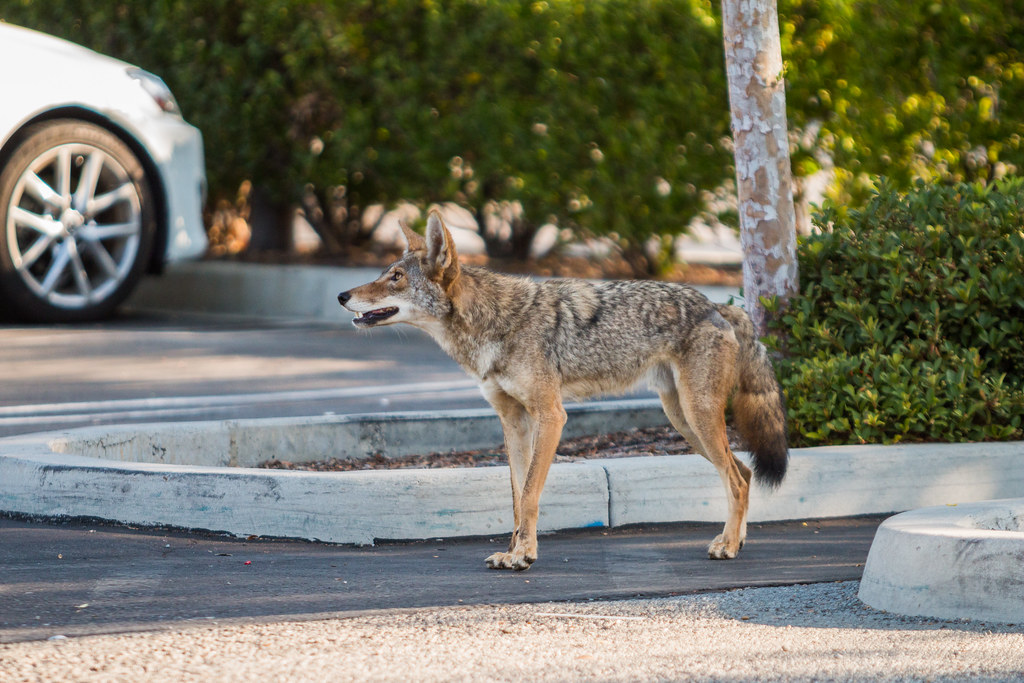
The sight of a coyote padding silently through an urban alley at dawn no longer surprises wildlife researchers. What does amaze them is how quickly these canines have evolved to not just survive in cities, but to truly thrive there.
Recent genetic studies and population data paint a remarkable picture of rapid adaptation that would make Darwin himself take notice. We’re witnessing evolution in real time, compressed into just a few generations, as coyotes transform from rural predators into sophisticated urbanites.
The Numbers Tell an Incredible Story
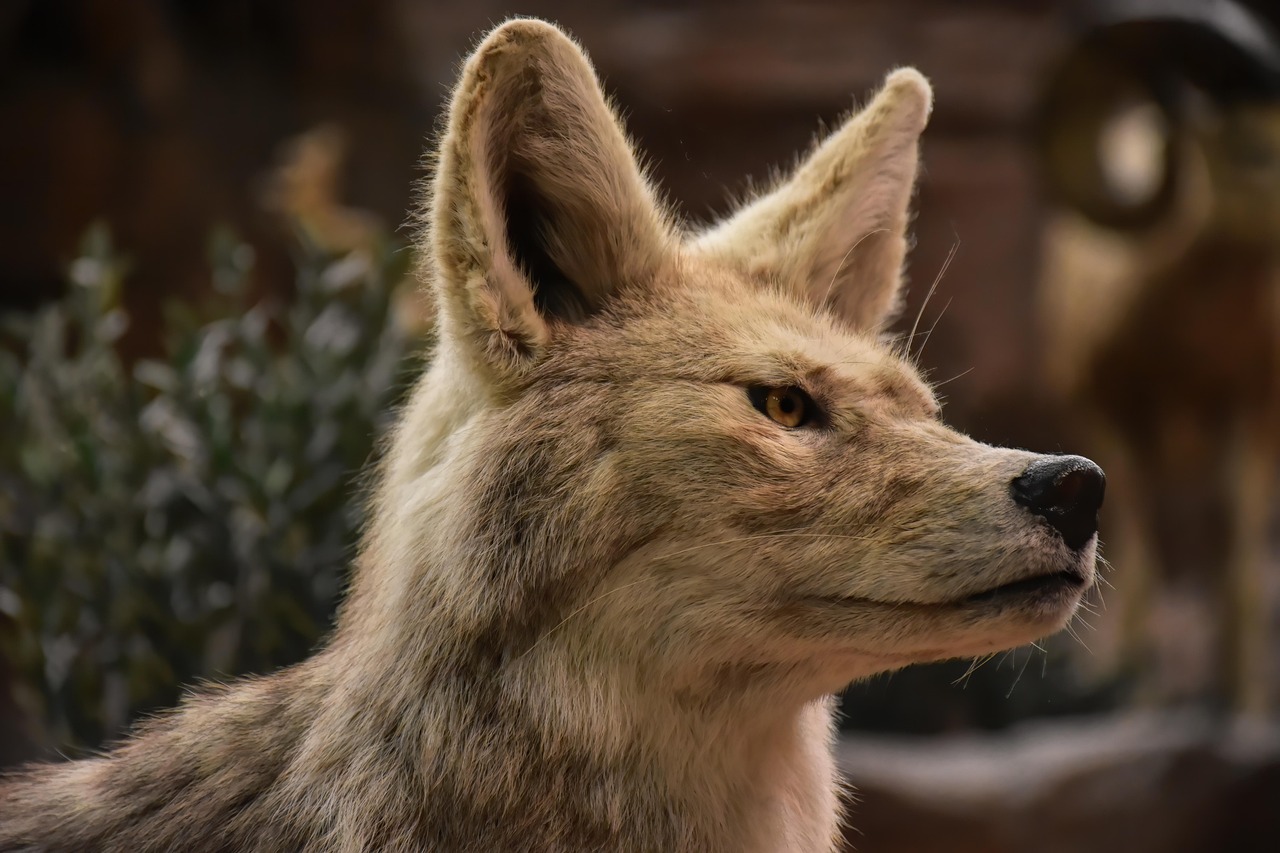
Researchers estimate up to 2,000 coyotes are living in Cook County, a number that continues to grow steadily, making this one of the most studied urban coyote populations in America. The density isn’t just impressive – it’s unprecedented for a large carnivore in such densely populated areas.
Almost all eastern states show exponential growth with no leveling off in most places, according to zoologist Roland Kays. From coast to coast, the pattern remains consistent: wherever humans build cities, coyotes follow and flourish.
What makes these numbers even more striking is their geographic spread. From New York City to the Florida Keys to the Hollywood Hills, no city or climate seems off limits. The adaptability we’re seeing defies traditional wildlife management expectations.
Genetic Evidence of Rapid Urban Evolution
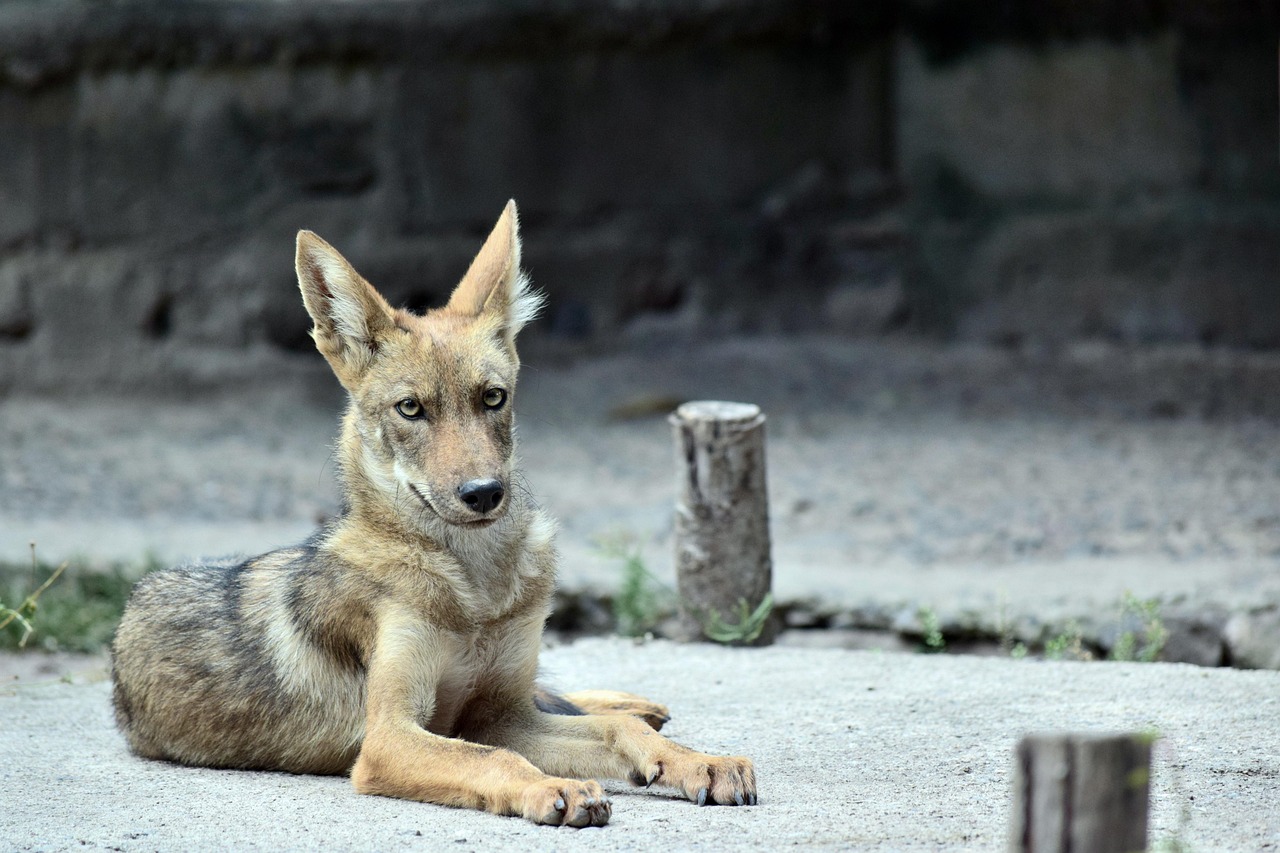
“Coyotes are doing really well in urban spaces,” notes Elizabeth Carlen from Washington University. Her groundbreaking research reveals that evolution can happen within just a few generations, not the vast timescales scientists once believed necessary.
The genetic changes happening in urban coyotes mirror those seen in domestic dogs over thousands of years of selective breeding. Urban coyotes probably need to be able to digest more starch, similar to domestic dogs who have increased copy numbers of AMY2B, a gene responsible for starch digestion efficiency. This adaptation allows them to process the high-carbohydrate human food sources that make up a significant portion of their urban diet.
Urban coyotes differ genetically from coyotes in natural habitats, with natal habitat-biased dispersal resulting in urban populations becoming genetically distinct over time. The implications are staggering – we’re watching the birth of a new urban-adapted subspecies.
Superior Intelligence and Problem-Solving Abilities
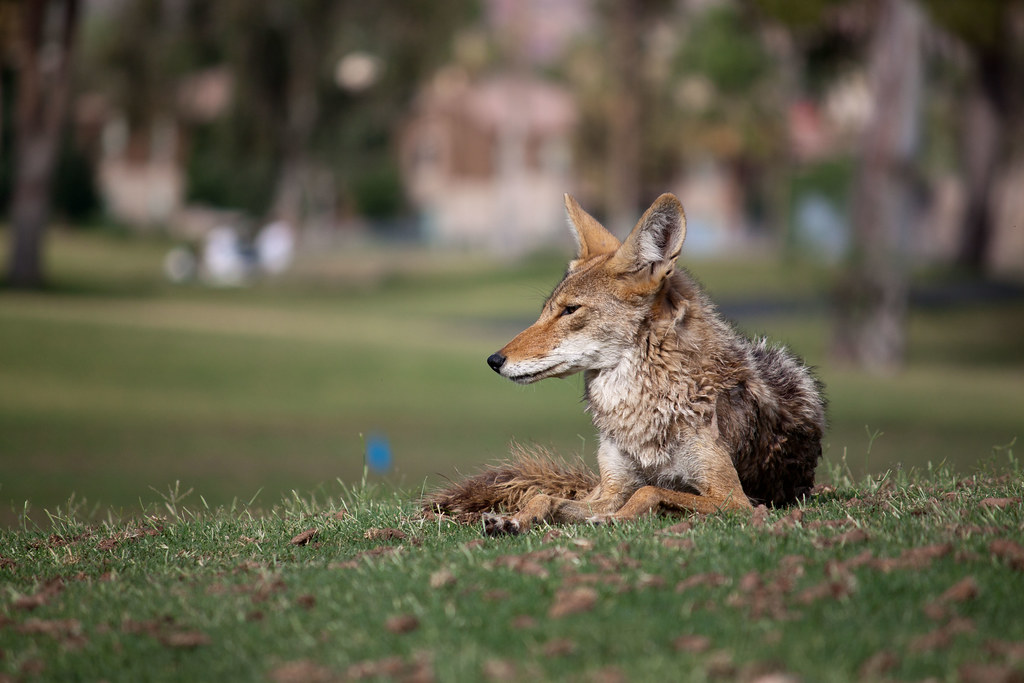
If intelligence is defined as “the ability to acquire and apply knowledge and skills,” then coyotes demonstrate it in abundance through their ability to adapt, their perceptiveness, and their ability to meet and solve challenges. Urban environments demand smarter animals, and coyotes are rising to meet that challenge brilliantly.
Urban coyotes demonstrate remarkable behavioral adaptations for navigating city streets, though claims about using traffic signals remain unverified by researchers. They’re not just surviving traffic – they’re mastering it.
Urban areas require wildlife to make more decisions and assess more new and changing situations than rural areas do, leading researchers to expect an increase in cognition. The cognitive demands of city living are literally selecting for smarter coyotes over time.
Their innate intelligence and ability to navigate complex urban environments give them an edge, allowing them to evade human disturbances while exploiting new resources. They’ve become the ultimate urban opportunists.
Behavioral Adaptations That Outsmart City Planning
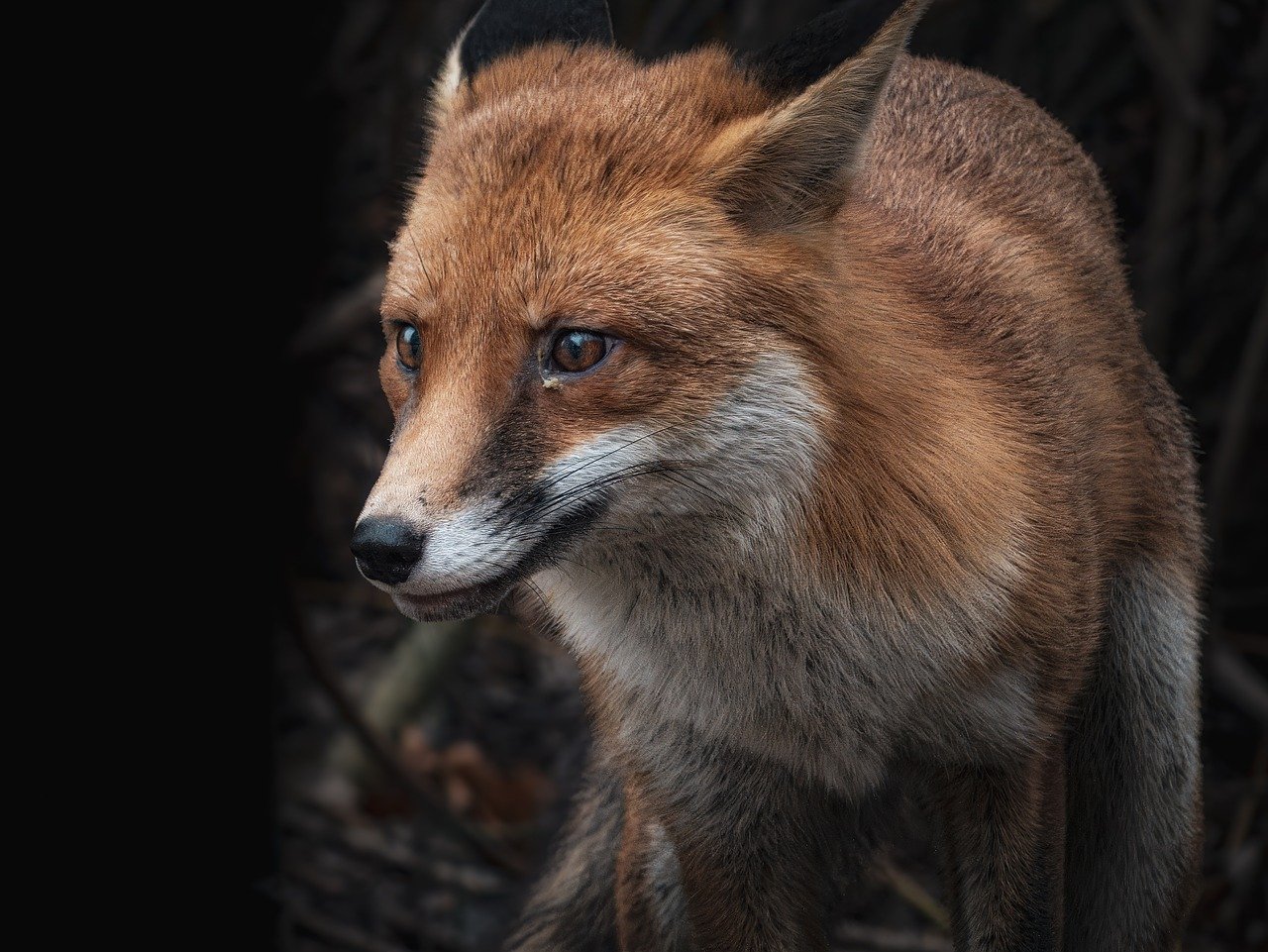
Urban coyotes demonstrate behavioral plasticity, changing their activity patterns from diurnal in rural settings to predominantly nocturnal in cities to avoid human activities. This temporal niche switching represents sophisticated behavioral adaptation that maximizes resource access while minimizing conflict.
Urban coyotes have learned to navigate roads, utilize green spaces, and adjust their behavior to minimize human contact. They’ve essentially become invisible neighbors, moving through urban landscapes with remarkable stealth and timing.
“Storm drains, power line rights of way, and railroad tracks are coyote highways, linking one habitat to another,” according to wildlife researchers. They’ve co-opted our infrastructure for their own transportation network, using the very corridors we built to fragment habitat as their personal expressways.
The sophistication of their territorial behavior amazes scientists. GPS collar tracking reveals that coyotes form stable territories even within densely populated urban areas, often overlapping with human neighborhoods yet remaining mostly unseen.
Dietary Flexibility Gives Them a Competitive Edge
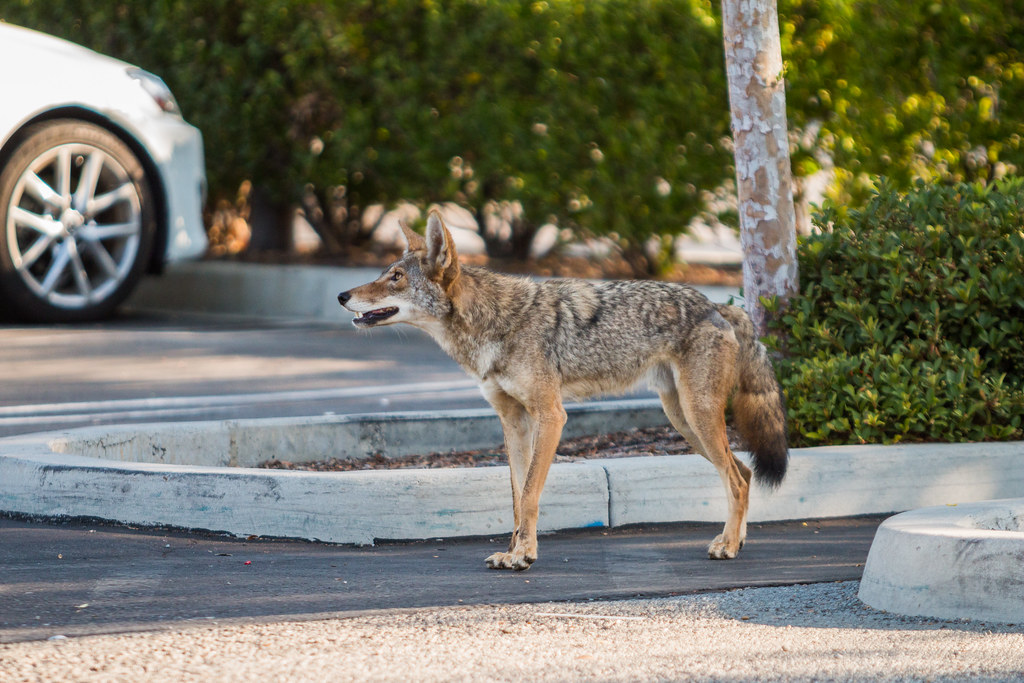
Human food constituted a significant portion of urban coyote diet with 22% of scats containing human food and 38% of diet estimated by stable isotope analysis. This dietary flexibility allows them to exploit resources unavailable to more specialized predators. They’ve become omnivorous generalists par excellence.
Food prey is abundant in the form of rodents, birds, opossums, skunks, raccoons, vegetation, bugs and lizards, with human-related food sources comprising an estimated 25-35% of their diet in San Francisco. This resource abundance in cities provides a more stable food base than many rural environments can offer.
Coyotes are omnivores, eating fruit and vegetables which are in plentiful supply in suburbs, yet they still eat a lot of wild prey like rabbits and squirrels instead of just trash or human food. They maintain nutritional balance while exploiting new opportunities – a hallmark of successful adaptation.
Population Resilience Despite Human Control Efforts
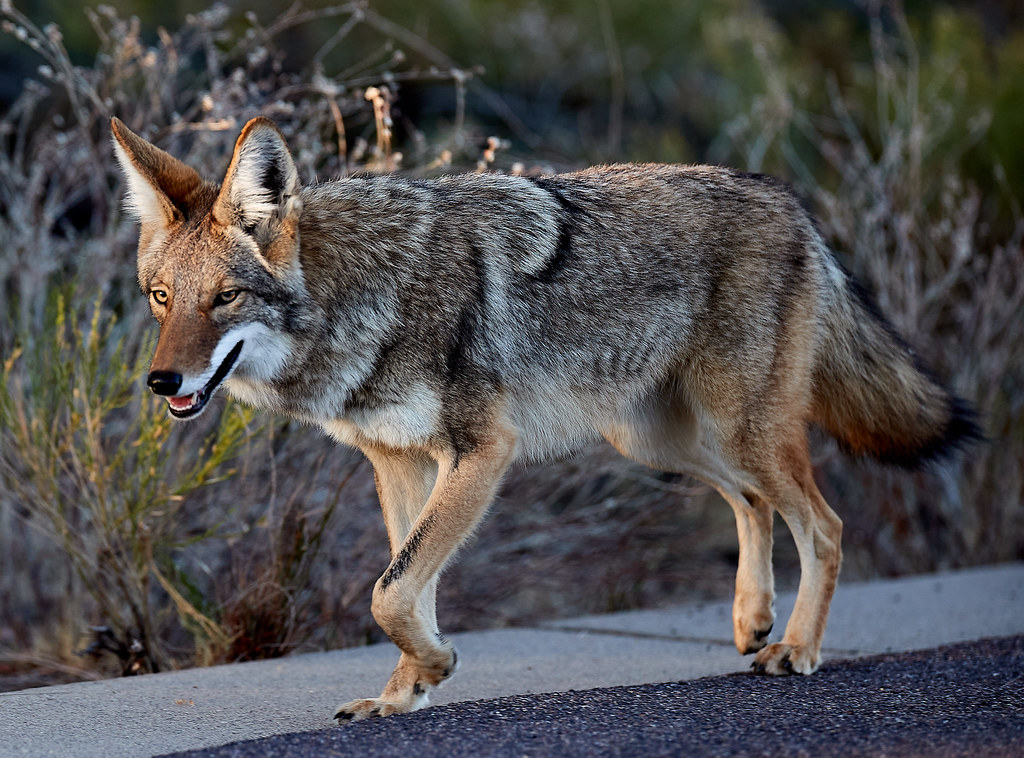
Perhaps most remarkably, human hunting practices may actually contribute to increasing the number of coyotes. Hunting lowers the average age of coyotes, leading to less competition for food and increased litter sizes, while their ability to find food sources and roam for new territories enables populations to rebound.
On smaller local scales, urban development reduces coyote numbers due to human presence and habitat fragmentation, but at larger suburban scales, populations thrive by benefiting from fragmented habitats and edges that offer access to both natural and human-modified resources. They’ve learned to work with the urban mosaic rather than against it.
Most studies report relatively high survival rates with annual survival of 0.62 to 0.74, and relatively small home-range sizes and high survival rates suggest coyotes are successful in adjusting to urbanized landscapes. These survival rates often exceed those of rural populations, highlighting just how well-suited cities have become for coyotes.
The Future Belongs to Urban-Adapted Wildlife
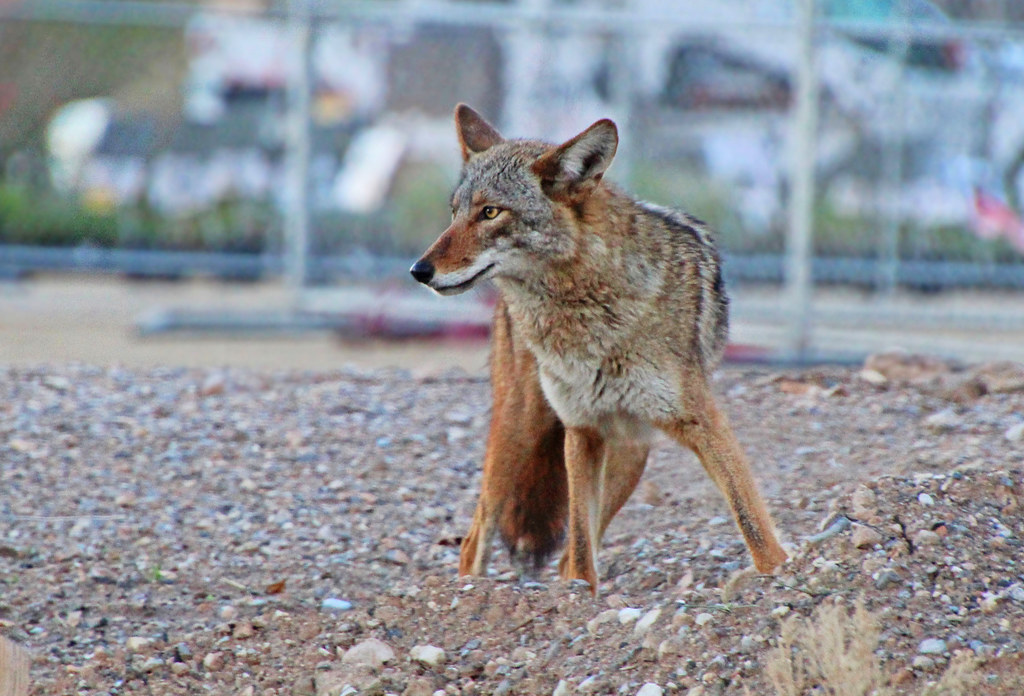
Studies find that factoring in wealth, pollution, human population density, and other societal data points with landscape and infrastructure information results in more accurate predictions of coyote movement than models containing only ecological factors. Coyotes are responding to the complete urban environment, not just green spaces within it.
Research illuminates cities as laboratories of evolution, challenging the notion of urban life as wholly detrimental to wildlife and revealing that adaptability can thrive even in unconventional environments. We’re witnessing the emergence of entirely new urban-adapted ecosystems.
Coyotes are thriving in our human-dominated Anthropocene era when most species aren’t, representing a really interesting evolution story happening right under our noses. They’ve become the poster species for successful urban adaptation, showing other wildlife what’s possible with sufficient behavioral and genetic flexibility.
Conclusion
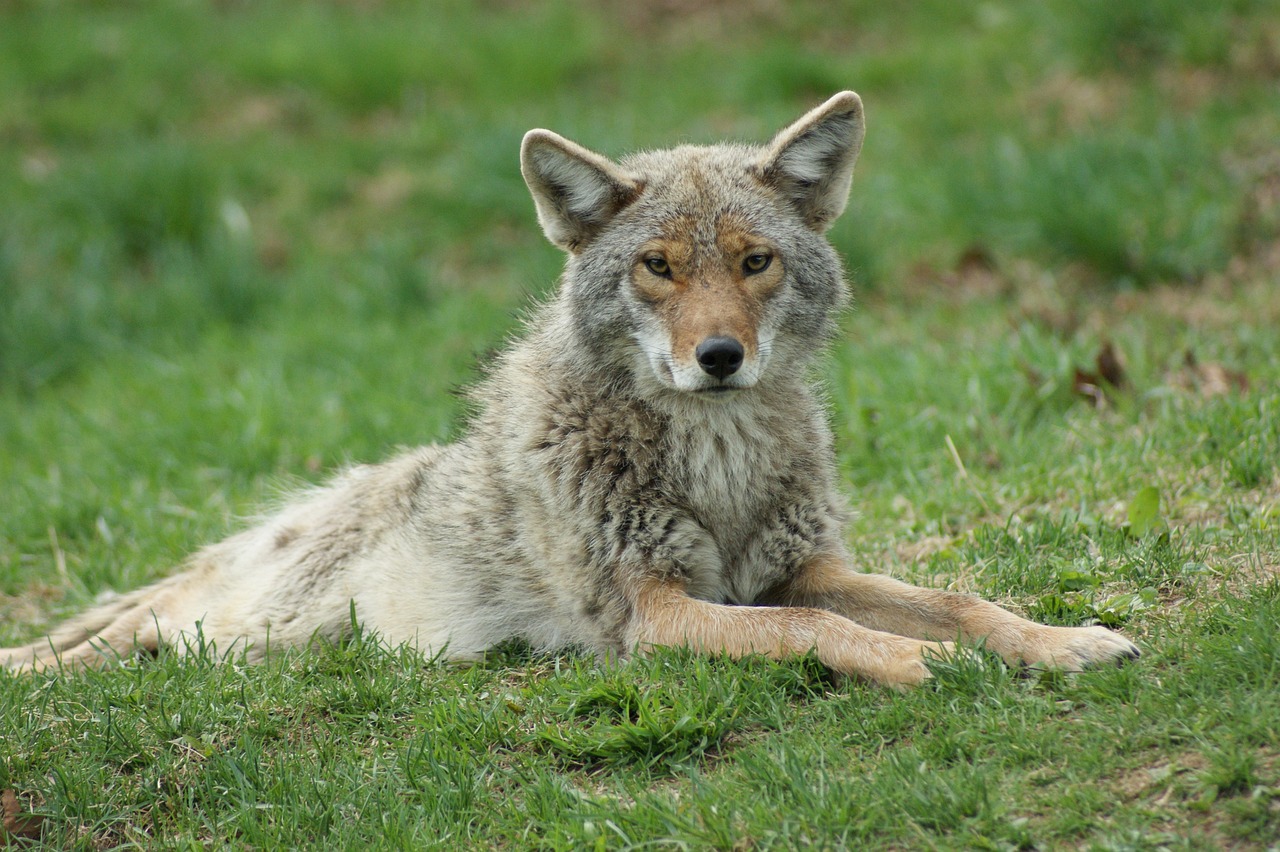
The data doesn’t lie – coyotes aren’t just surviving in American cities, they’re evolving to dominate them. Through genetic adaptation, behavioral innovation, and remarkable intelligence, they’ve cracked the code of urban living in ways that would impress any city planner. Their success story offers both hope for urban wildlife conservation and perhaps a gentle reminder that nature’s adaptability often exceeds our ability to control it.
As cities continue expanding globally, coyotes have become the blueprint for what successful urban wildlife looks like. They’ve transformed from rural outcasts to urban success stories, proving that with enough evolutionary pressure and intelligence, even the most human-dominated landscapes can become home.
What does this mean for the future of urban wildlife? If coyotes can adapt this successfully, what other species might follow their lead into our concrete jungles?

- 13 Quiet Signs an Old Dog Is Gently Saying Goodbye - July 30, 2026
- 12 Signs a Horse Mourns Quietly Every Time You Walk Away - July 30, 2026
- 10 Remarkable Facts About the African Cheetah: The Lightning of the Grasslands - July 29, 2026