
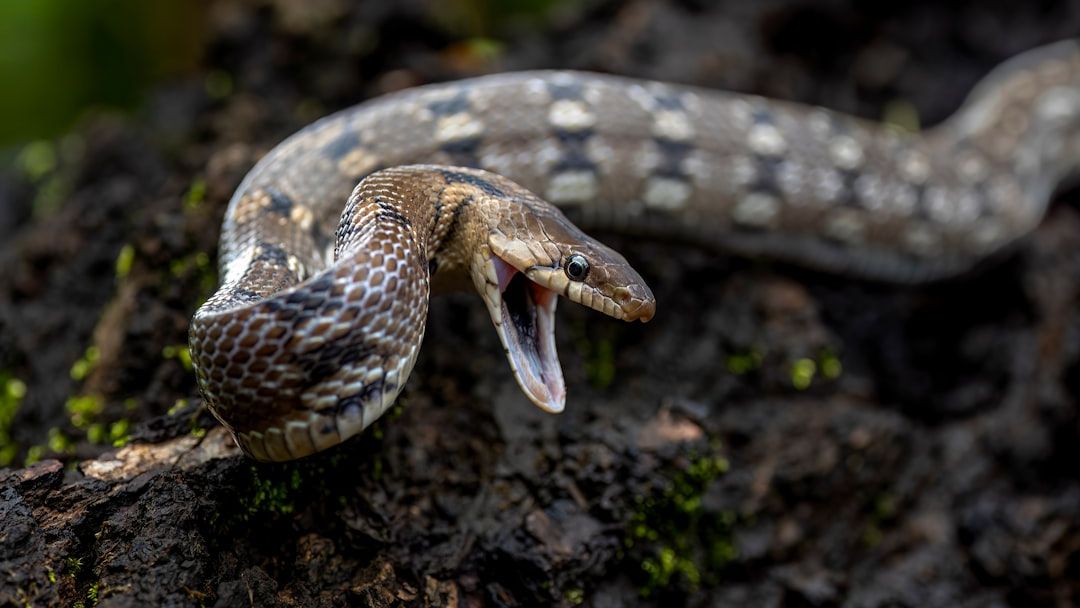
The rustling of leaves ahead stops you dead in your tracks. Your heart pounds as you strain to listen, suddenly aware that every sound in the wilderness might carry a warning. You’re not alone out there, and some of nature’s most dangerous inhabitants have developed their own audio language to communicate their presence.
Understanding snake sounds isn’t just about satisfying curiosity. It’s about survival. Listen for warning sounds, such as the rattle of a rattlesnake, which can alert you to their presence. Avoid using headphones or earbuds while hiking, as they can block out crucial auditory signals. These audio cues can mean the difference between a memorable hike and a medical emergency. So let’s dive into the sounds that could save your life on the trail.
The Unmistakable Rattle
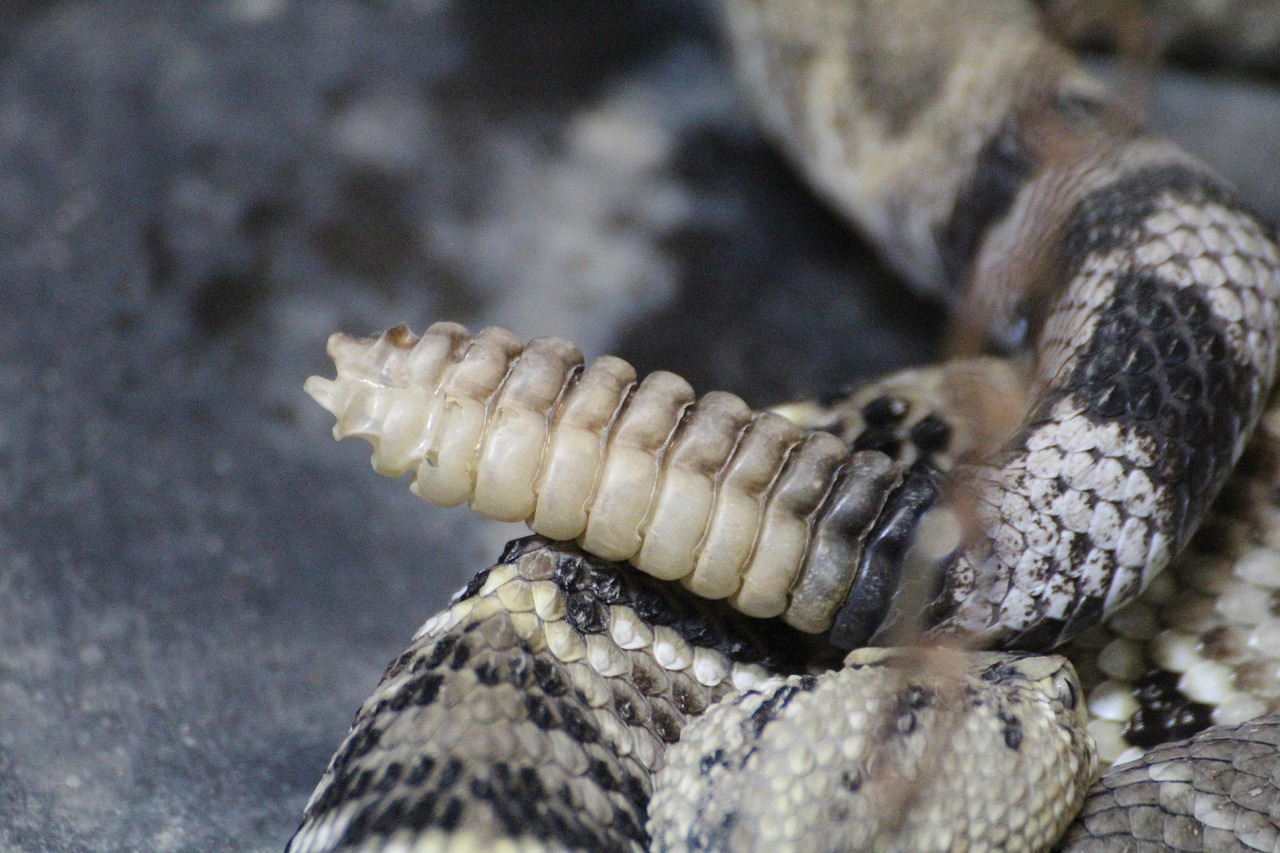
A rattlesnake’s rattle is named appropriately, since it sounds so similar to a baby’s rattle. When they use this sound, it’s to warn predators to stay away. This distinctive warning system isn’t just noise – it’s one of nature’s most sophisticated alarm systems.
The rattle is composed of a series of hollow, interlocked segments made of keratin, which are created by modifying the scales that cover the tip of the tail. The contraction of special “shaker” muscles in the tail causes these segments to vibrate against one another, thus making the rattling noise. These specialized muscles are among the fastest known in the animal kingdom, capable of firing up to 90 times per second.
The rattlesnake’s rattling sounds like a jet of water hitting a spinning fan – and while they use it as a warning when threatened, they may not take the time to rattle if they’re suddenly startled. Never assume you’ll always hear this warning before an encounter.
The Sharp, Defensive Hiss
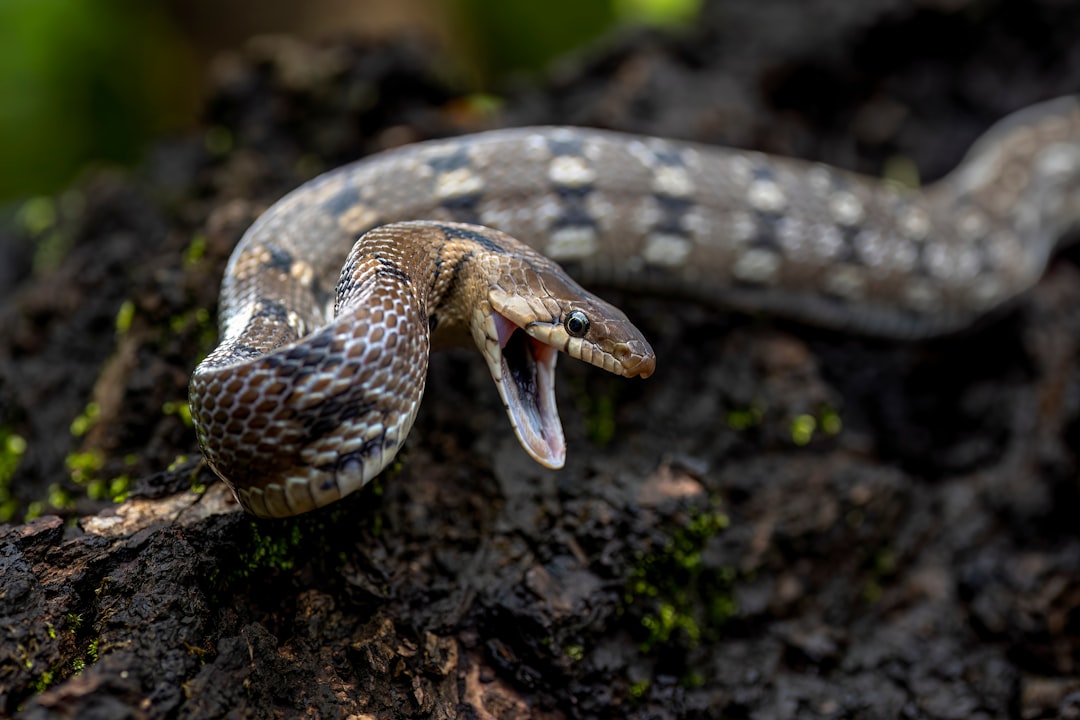
Hissing occurs when a snake forcibly blows air from its mouth and nose. It’s meant to scare away predators. This sound creates an immediate sense of alarm, precisely what the snake intends to achieve.
When threatened, the snake’s sound is typically a loud, sharp hiss. This hiss is meant to intimidate and warn off potential threats. The frequency and intensity of the hiss increase as the danger increases. The louder and more aggressive the hiss, the more stressed or threatened the snake feels.
You’ll recognize that both venomous and non-venomous snakes hiss, though the sound intensity varies by species and the level of perceived threat. When you hear a snake hiss, it’s like nature’s warning alarm, letting everyone know danger is afoot. This makes hissing one of the most universal warning sounds you’ll encounter in snake territory.
Vibrating Tails Without Rattles
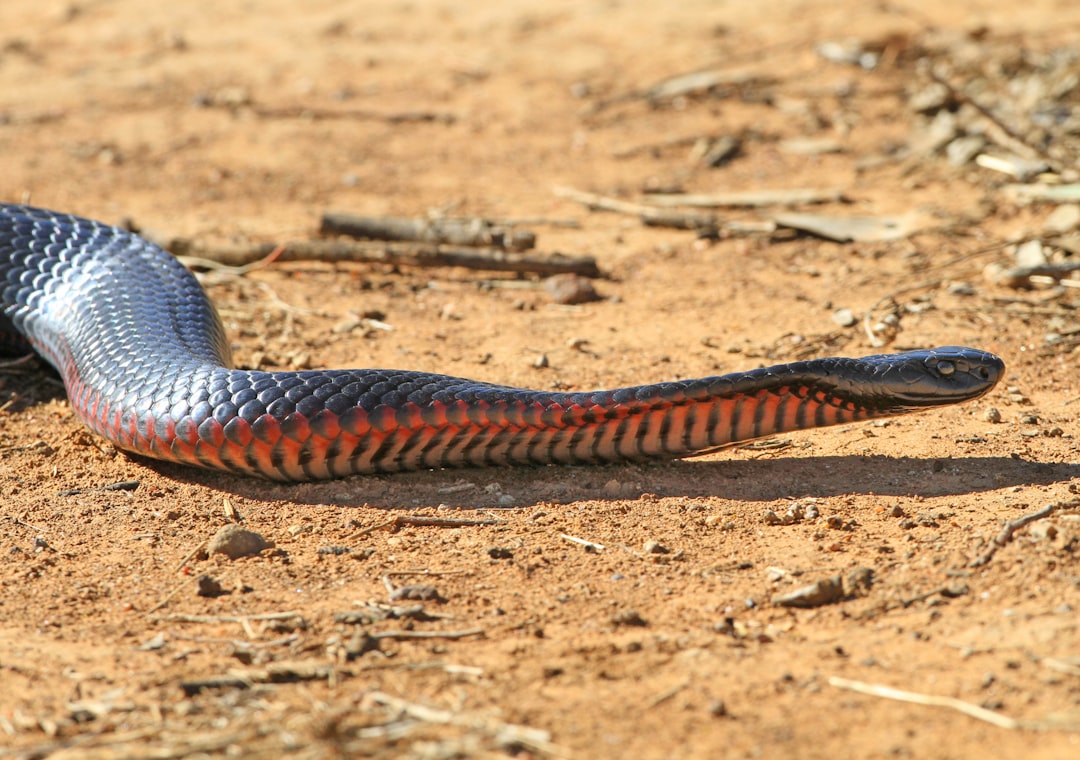
While a rattlesnake will hold its tail vertically while rattling, other snakes shake their tails horizontally. Snakes without rattles don’t produce their own rattling sound, but create a similar buzzing noise when their tail vibrates against the ground or an object. This mimicry can be startlingly convincing.
When a snake vibrates its tail in dry leaf litter, on dry grass, or against a hard surface, the resulting rustling sound can be remarkably similar to a rattlesnake’s rattle. This auditory mimicry enhances the illusion of danger, providing the snake with a better chance of escaping unharmed. Many non-venomous species use this clever deception.
Copperheads are another species of snakes that don’t have rattles, but can be mistaken for rattlesnakes because of their tail vibrating behavior. The sound of the shaking tail in dry leaves can make most humans think that it’s a dangerous rattlesnake. This defensive behavior proves that not all rattling sounds come from actual rattlesnakes.
The Buzzing Warning Signal
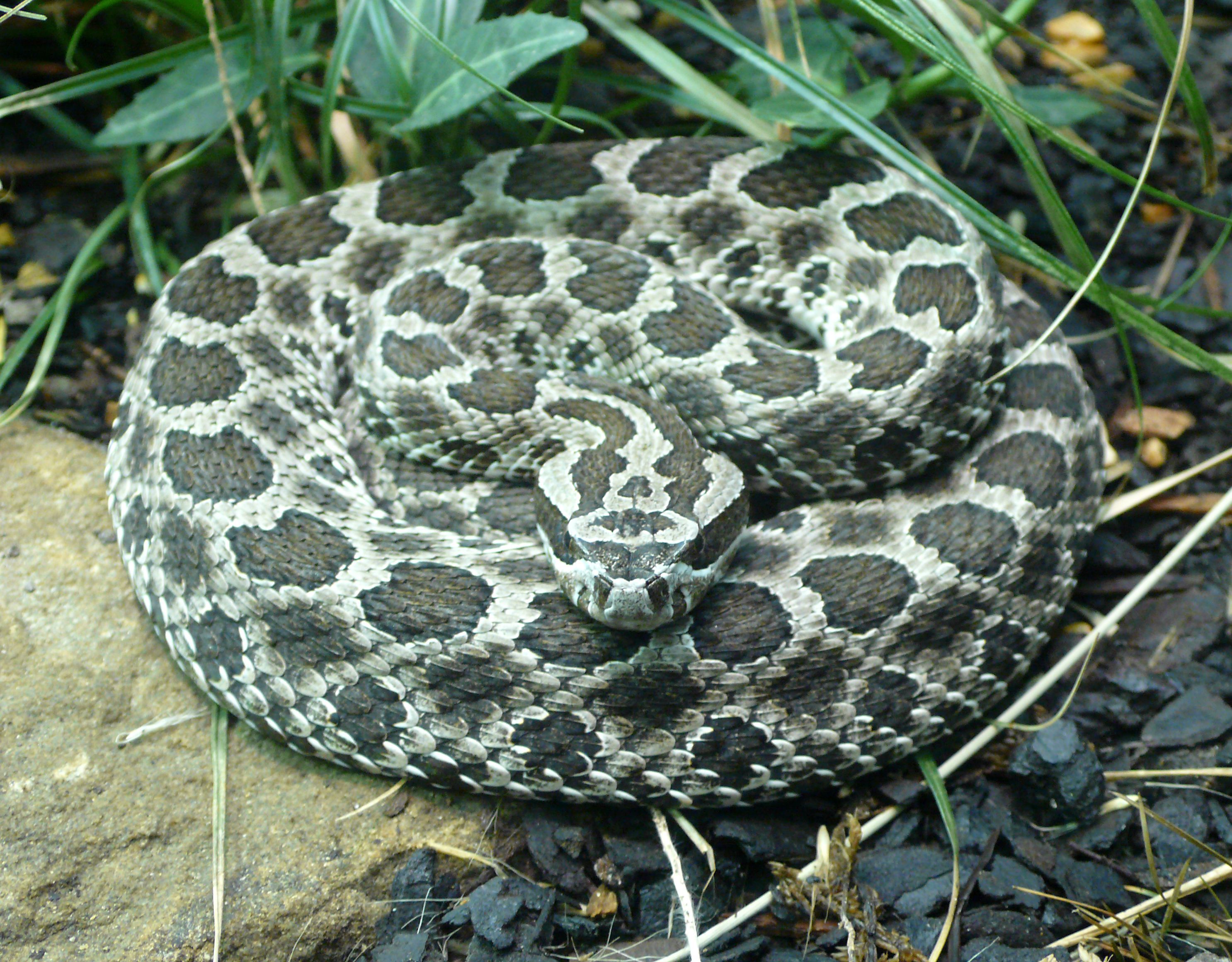
Eastern Massasauga rattlesnakes produce a buzz. An eastern Massasauga rattlesnake shakes its butt like all rattlesnakes to produce a warning noise, but instead of a rattle, out comes a buzz! It’s comparable to a distressed bee or wasp and pretty distinctive. This unique variation can confuse even experienced hikers.
But if they feel alarmed enough, they will bust out their buzzing tail in warning. The sound has been compared to that of a buzzing bee that’s caught in a spider web. The intensity of this buzzing increases with the snake’s level of stress or threat perception.
Understanding this buzzing sound is crucial because it might not immediately register as a snake warning. The bee-like quality can make you look up instead of down, potentially putting you in greater danger. Always investigate buzzing sounds at ground level when .
Rasping and Scraping Sounds
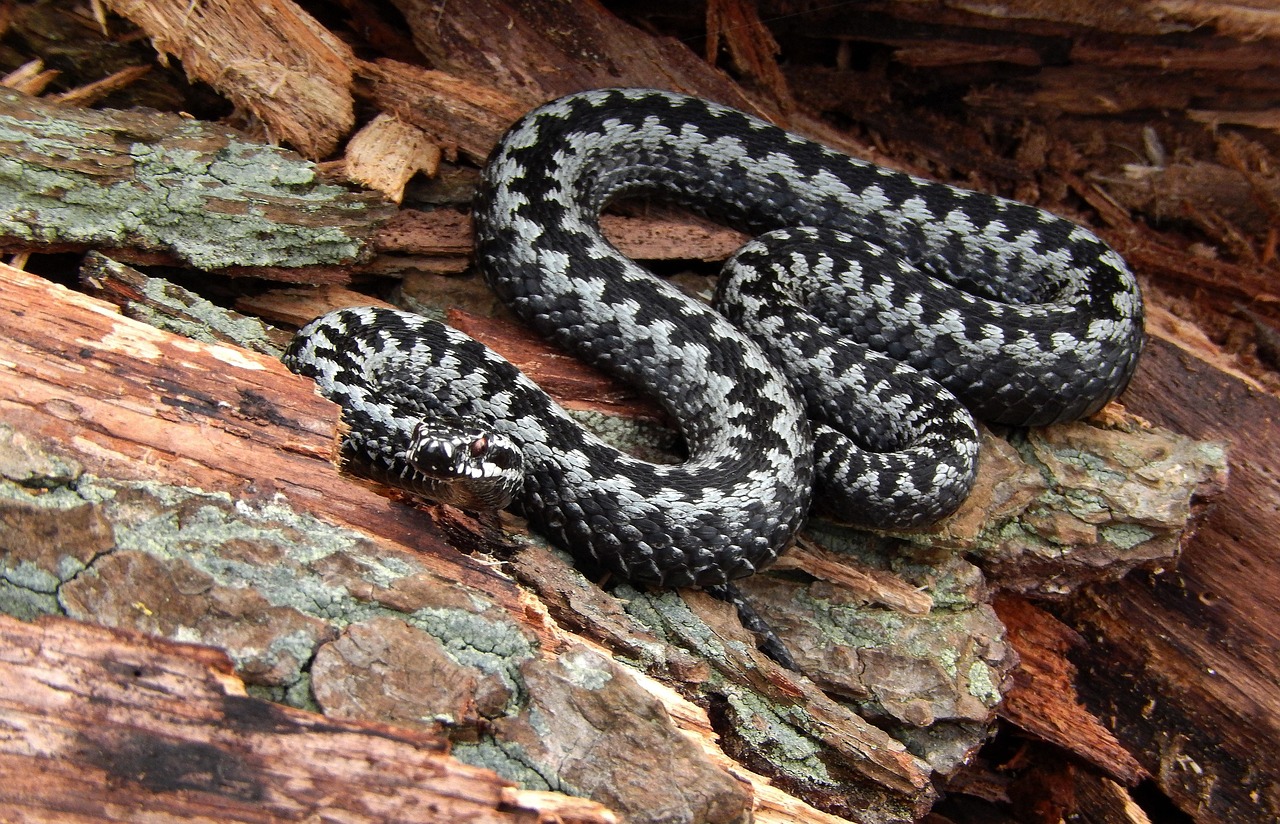
Just like sandpaper on rough wood, snakes like Africa and Asia’s saw-scaled vipers create a rasping sound to warn off predators. When scared or angry, these vipers move in an S shape and rub their textured scales to create a warning rasp. This mechanical warning system uses the snake’s own body as an instrument.
Well, instead of hissing, some snakes will rasp by rubbing their scales together. The most well-known snakes to do this belong to the Echis genus and are known as saw-scaled vipers. While these particular species aren’t found in North America, other snakes may produce similar scraping sounds.
These rasping sounds can be mistaken for insects or small animals moving through vegetation. However, the rhythmic, deliberate nature of scale-rubbing creates a distinctive pattern that becomes recognizable once you know what to listen for.
Unusual Vocal Sounds
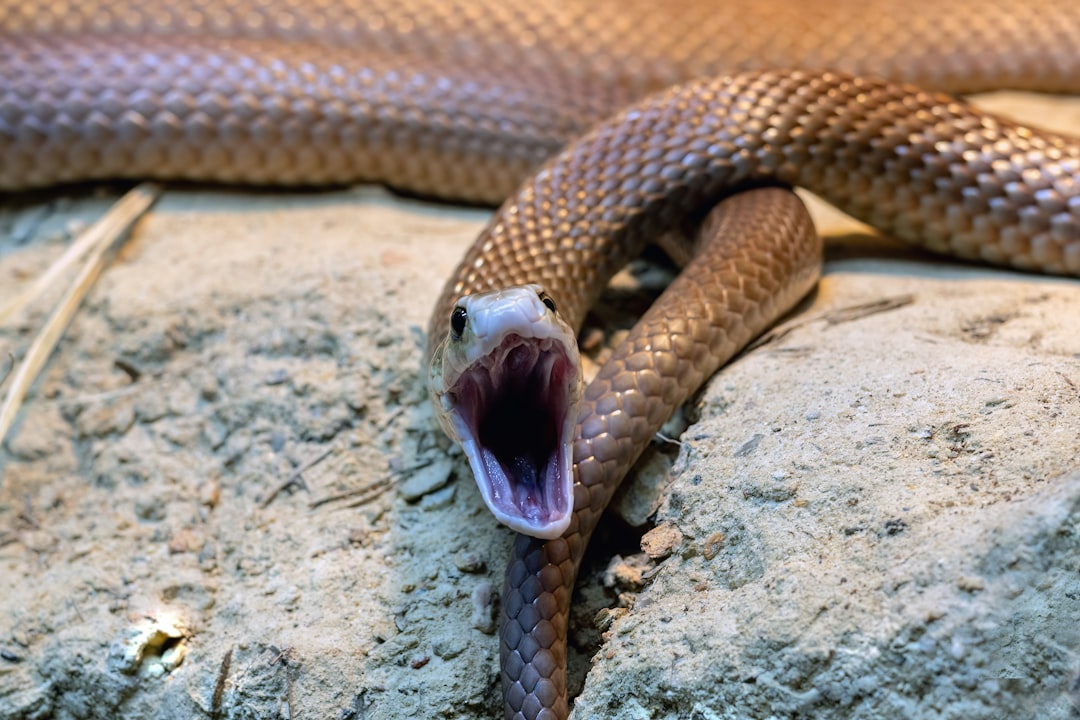
As well as hissing, farting, and growling snakes, let us introduce the pine snake (Pituophis melanoleucus). Pine snakes have a laryngeal septum. When they push air over it, what would be a hiss in other snakes becomes a pretty weird shrieking sound. These vocal adaptations create sounds that seem almost supernatural.
The hissing of most other snakes has a dominant frequency of 7,500 Hz, which is high-pitched. The dominant frequency of a King Cobra’s hiss is around 600 Hz. This means that when they hiss, it sounds almost like a growling dog. Though king cobras aren’t native to North America, other large snakes can produce similarly deep, menacing sounds.
Some snakes even produce popping or whistling sounds through their cloacal vents, creating an entirely different category of warning signals. These unusual vocalizations might catch you off guard, but they serve the same purpose as traditional hissing – to warn you away.
Environmental Sound Amplification
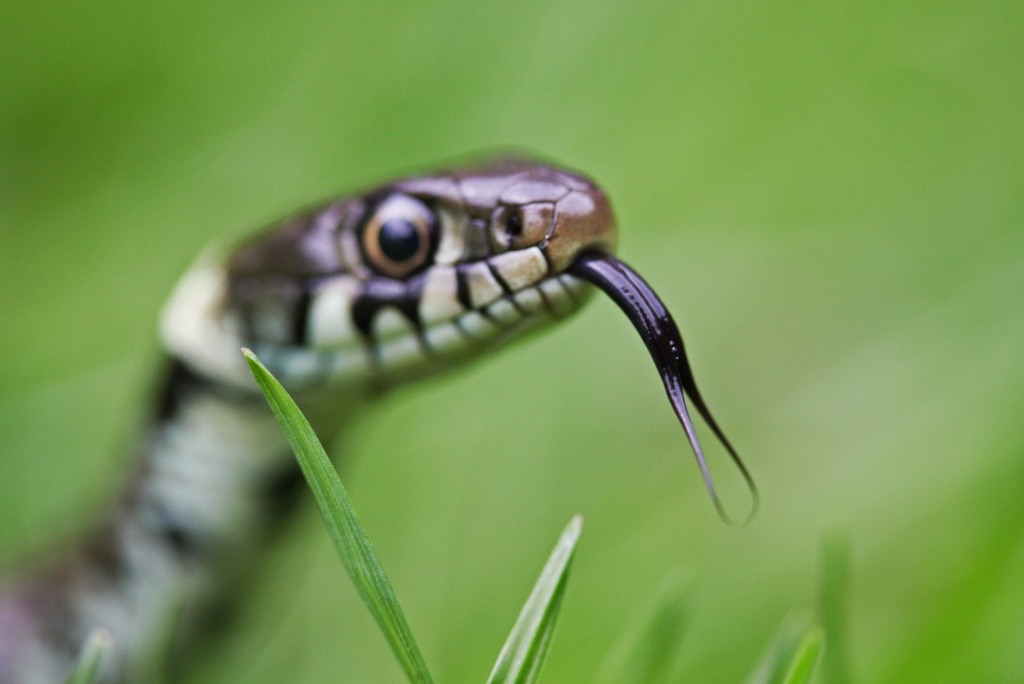
The Environment: A snake in a closed-in space might hiss louder, as the sound will reverberate more, amplifying the warning. Canyon walls, rocky outcrops, and dense vegetation can all change how snake sounds reach your ears.
Temperature and humidity can affect the volume and duration of a hiss. Snake sounds might be softer in cool environments. Your proximity and the snake’s stress level also influence whether it produces sound and how intense it will be. Early morning hikes in cooler temperatures might yield quieter warnings.
It can range from a subtle rustling in leaves to a buzzing or clicking sound when the tail strikes a hard surface. It’s typically not as loud or distinct as a true rattlesnake’s rattle. The surface material beneath a vibrating tail dramatically affects the sound’s intensity and character.
Silent Threats to Remember
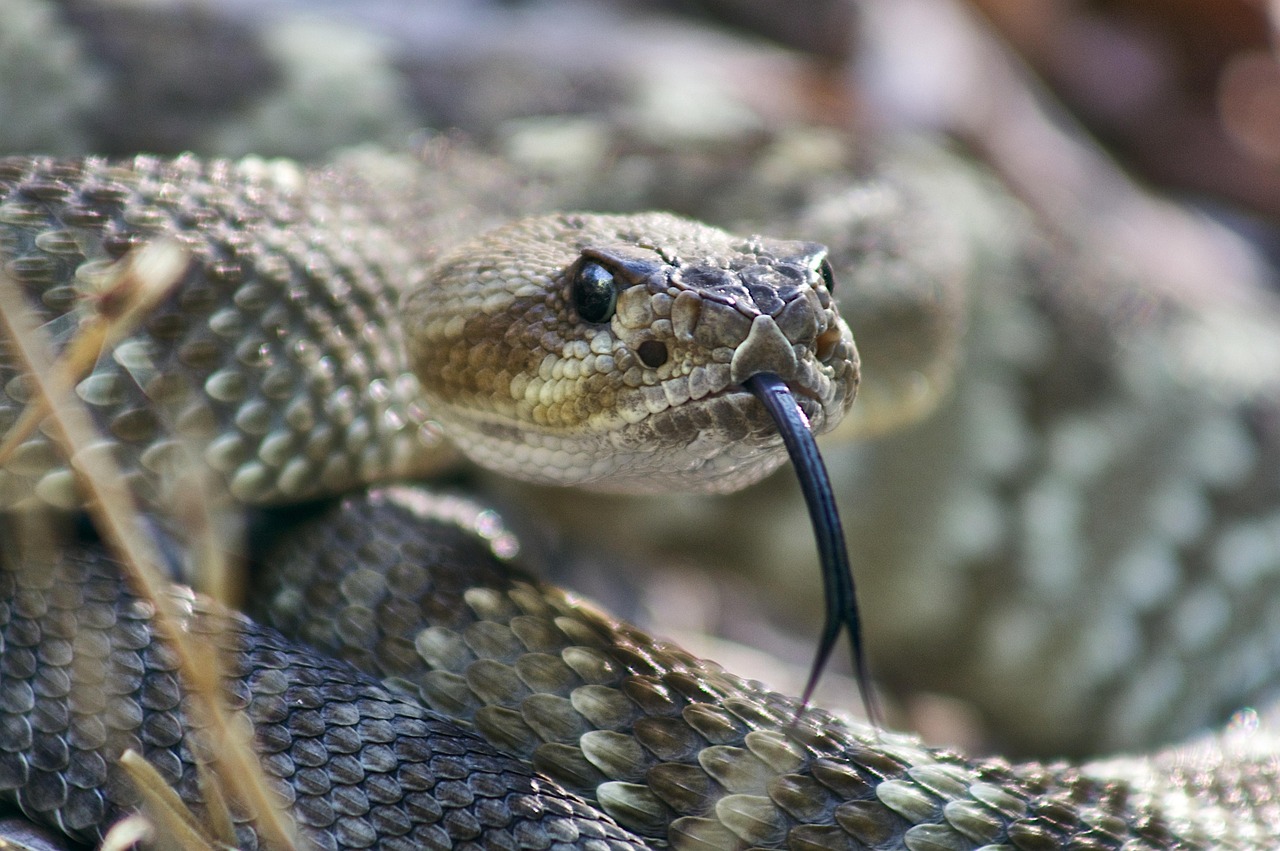
Not every dangerous snake encounter comes with an audio warning. At birth, a “prebutton” is present at the tip of the snake’s tail; it is replaced by the “button” several days later when the first skin is shed. However, no sound can be made by the rattle until a second segment is added when the skin is shed again. Young rattlesnakes are particularly dangerous because they can’t produce their signature warning sound.
Massasaugas are rarely observed by people because they are very timid. Bites from these shy serpents are rare and only happen when the snake is surprised such as being accidentally stepped on or moved. Some species prefer to remain completely still and silent rather than announce their presence.
This silent strategy makes visual awareness just as important as auditory vigilance. Watch your footing, use a hiking stick to probe ahead, and never assume that silence means safety when traversing snake habitat.
Conclusion
Understanding these six crucial snake sounds transforms you from a vulnerable hiker into an informed trail explorer. From the classic rattle to subtle buzzing, from aggressive hissing to environmental amplification, each sound carries vital information about potential danger nearby.
Remember that some of the most dangerous encounters happen silently. Combine this acoustic knowledge with visual awareness, proper gear, and respectful distance from any snake you encounter. Your ears might be your first line of defense, but they shouldn’t be your only one.
What do you think about these snake warning sounds? Tell us in the comments about any encounters you’ve had on the trail.
