
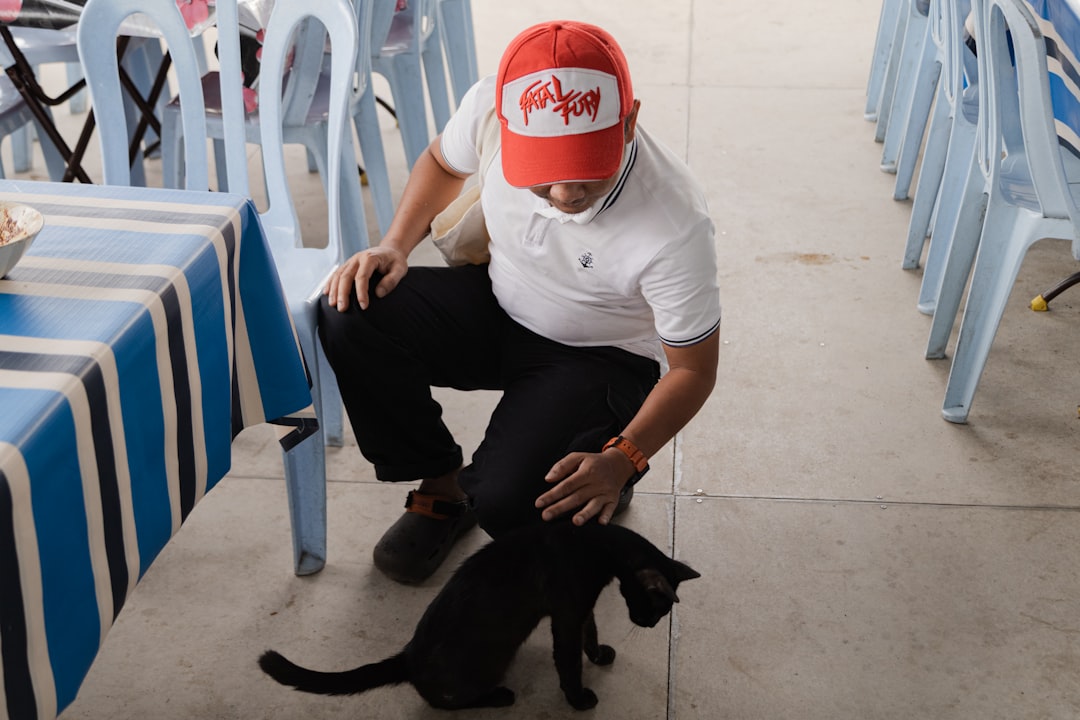
Picture this: you’re hiking through the wilderness when suddenly you find yourself face to face with a wild animal. Your heart starts racing, but what if I told you there’s one simple technique that could transform this scary encounter into a peaceful moment? The secret lies in a slow blink technique that signals non-aggression to animals, which they seem to understand as a sign of trust. This technique, primarily studied in domestic cats, may help in some animal encounters.
Most people panic when they encounter wild animals, but understanding this universal language of calm can change everything. Let’s dive into the fascinating world of nonverbal communication with wildlife and discover how one simple gesture can make all the difference.
The Science Behind Animal Communication
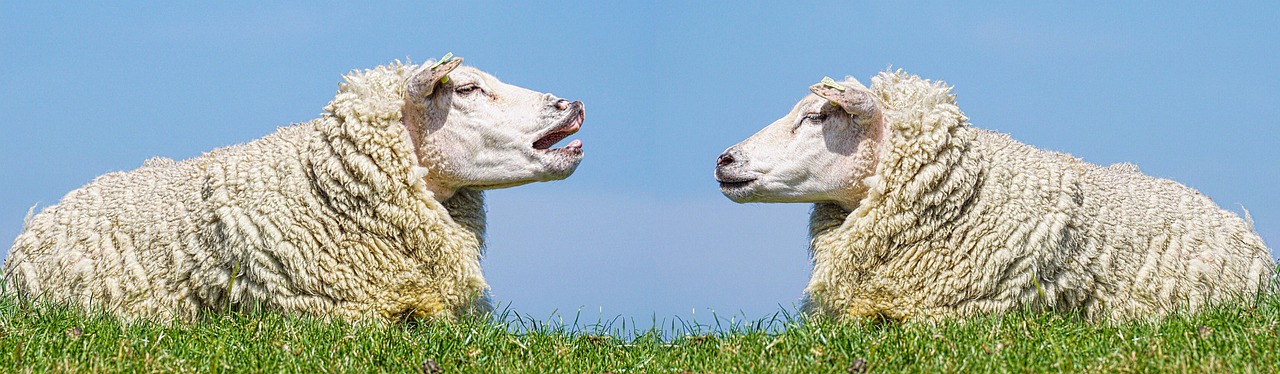
Animal communication is predominantly nonverbal, with most of their communication happening through body language. Unlike humans who rely heavily on words, animals have mastered the art of silent conversation through subtle movements, postures, and facial expressions.
Animals are highly attuned to non-verbal cues and can read the subtlest changes in our behavior. This heightened awareness makes them incredibly sensitive to human emotions and intentions, which is why our body language matters so much during encounters.
Think of it like this: while we humans chatter away with words, animals are having entire conversations through their eyes, tails, ears, and body positioning. Predators like canines and felines are especially expert in communicating non-vocally through body language, eye contact, teeth display, bristling fur, and tail posture.
The Universal Language of the Slow Blink
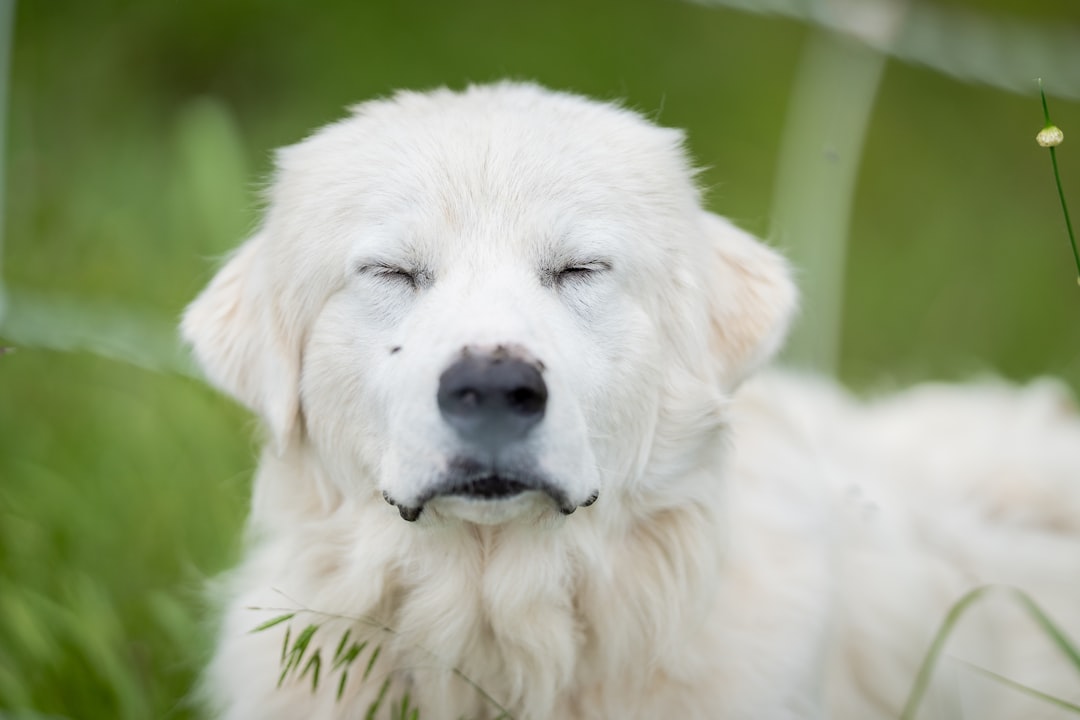
The technique involves making brief eye contact with the animal, then blinking slowly and at length before looking down and away as a signal of non-aggression that animals seem to understand. While this technique has some basis in animal behavior research with domestic animals of how animals interpret threats and safety signals.
The slow blink works because it directly contradicts predatory behavior. In the animal kingdom, sustained staring usually means one thing: you’re being sized up as either a threat or prey. For dogs and cats, especially their wild cousins, direct eye contact is threatening, as is a display of teeth.
When you perform a slow, deliberate blink, you’re essentially telling the animal that you’re not hunting or preparing to attack. It’s like saying “I see you, I acknowledge you, but I mean no harm” in the most ancient language on Earth.
Why Traditional Human Signals Fail with Wildlife
Unfortunately, human non-verbal forms of communication don’t necessarily transmit the same information to animals and vice-versa. What we consider friendly gestures can actually trigger fear or aggression in wild animals.
When humans meet another person, it’s polite to make eye contact and bare teeth in a pleasant smile, but for dogs and cats, especially their wild cousins, direct eye contact is threatening as is a display of teeth. This fundamental miscommunication can escalate dangerous situations.
Even our posture sends mixed messages. Standing tall and facing an animal directly – which might seem confident to humans – can be interpreted as a challenge or threat by wildlife. This is why understanding their communication system, rather than imposing our own, is so crucial for safety.
Reading an Animal’s Emotional State
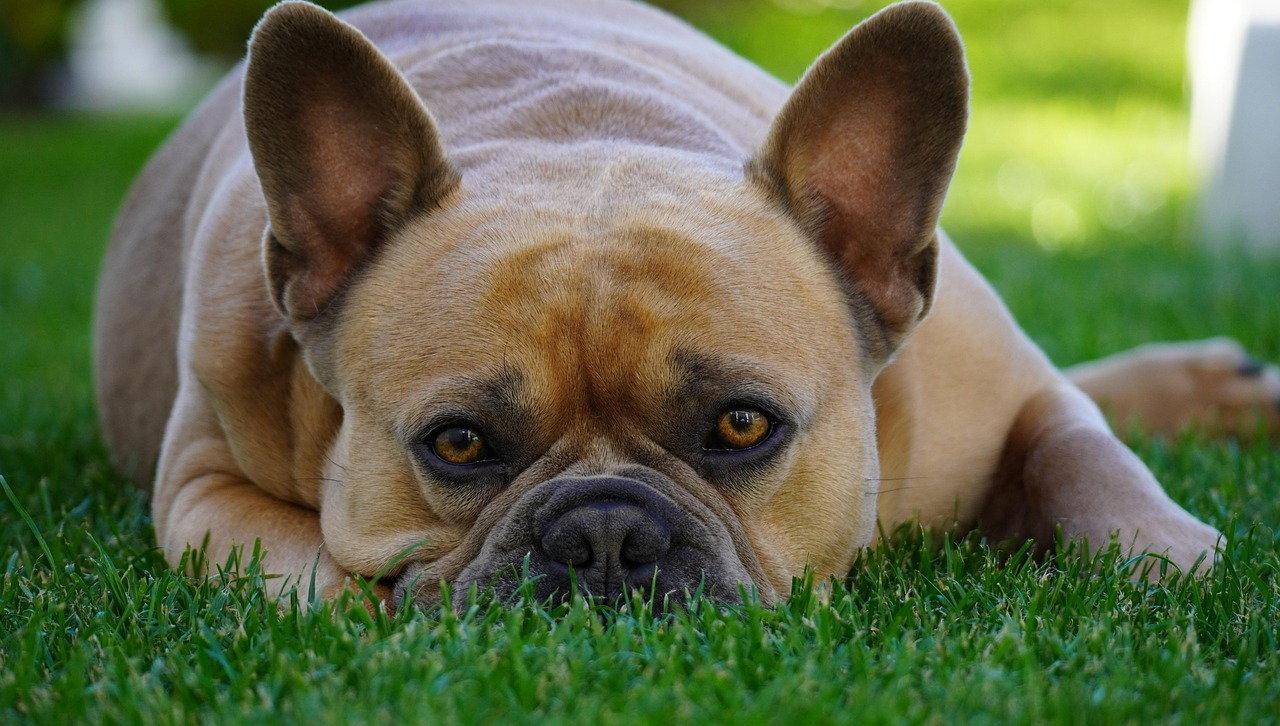
Calming signals or appeasement behaviours that are recognized as indicators of stress include: turning head away, blinking, lip/nose licking, freezing, play-bow, yawning, and panting. Learning to recognize these signals helps you understand whether your slow blink technique is working.
Calming signals are subtle body language animals use to self-soothe fear or anxiety and de-escalate tense situations, helping them calm themselves or others when interacting. When you see these behaviors, it means the animal is trying to communicate that it doesn’t want conflict.
A relaxed animal shows completely different body language. When animals are in a pleasant, tranquil mood, their body language reflects this with soft eyes, loose muscles, open mouth with tongue relaxed, and neutral posture, which are calm and happy signals that mean the animal is at ease.
The Proper Technique for the Slow Blink
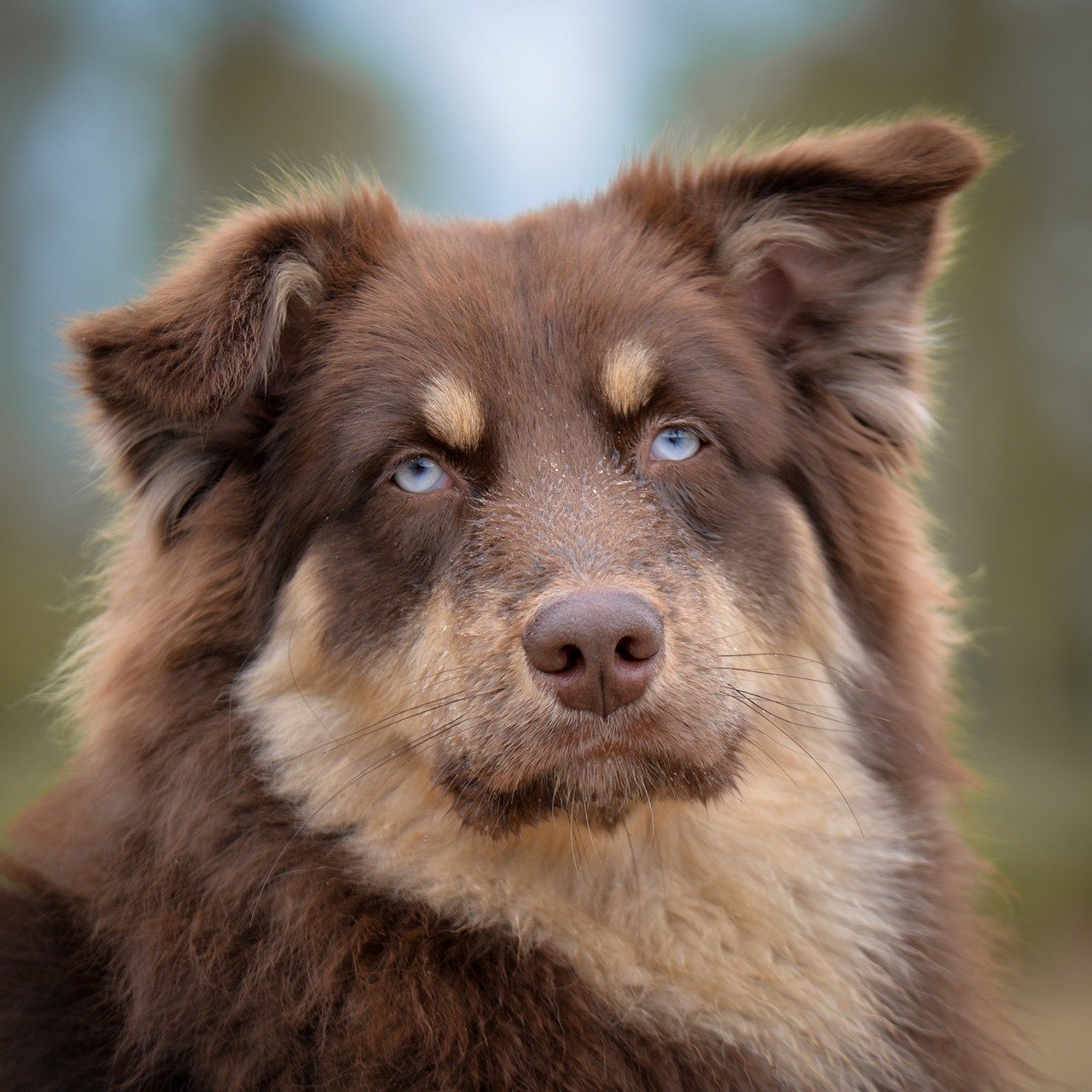
The execution of this technique is deceptively simple but requires patience and control. Start by making brief, gentle eye contact – not the intense stare of a predator, but the soft gaze of someone who acknowledges another’s presence. Hold this contact for just a moment.
Next, close your eyes slowly and deliberately. This isn’t a quick blink but a prolonged, peaceful closing that lasts several seconds. Think of it as the visual equivalent of a deep, calming breath. This signals “I see you and I am not a threat to you and I’m not afraid of you,” which seems to put the animal at ease somewhat.
Finally, open your eyes slowly and look down or away, breaking the direct gaze. This final step is crucial because it shows submission and removes any remaining threat perception. The entire sequence should feel natural and unhurried, like you’re simply taking a moment to collect yourself.
When and Where This Technique Works Best
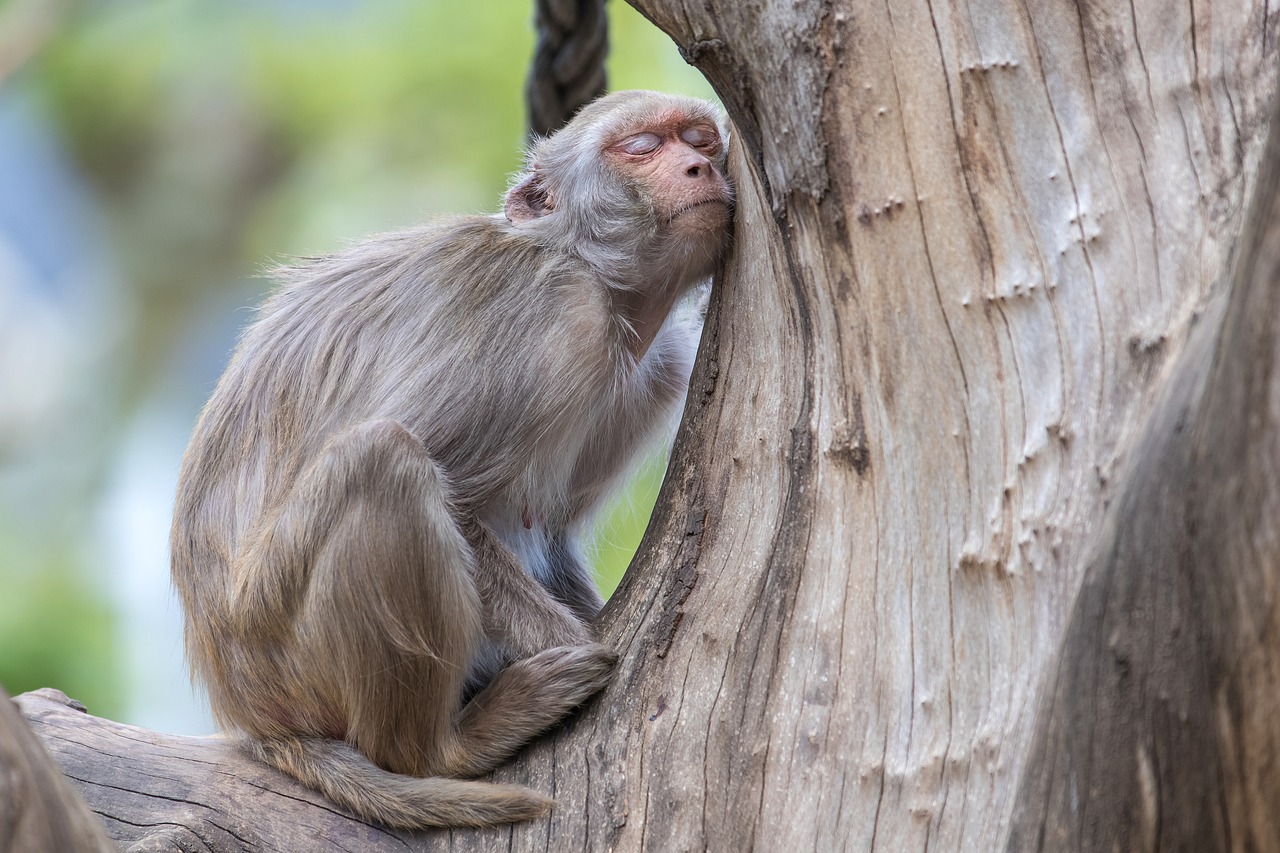
This method is particularly effective with mammals, especially those with similar eye structures to domestic animals. Experts can interpret the body language of animals like dogs in similar ways to humans if they are familiar with the kinds of postures adopted, and animals don’t have to consciously communicate for us to interpret their emotional state.
The technique works best when the animal hasn’t yet committed to fight or flight mode. If you encounter wildlife at a moderate distance and they’re simply assessing the situation, that’s your window of opportunity. It’s less effective if the animal is already showing signs of extreme agitation or preparing to charge.
Coyotes, bobcats, and even some larger mammals can respond positively to this approach. Some wildlife photographers report using body language techniques, allowing for better photo opportunities by putting animals somewhat at ease.
What NOT to Do During Wildlife Encounters
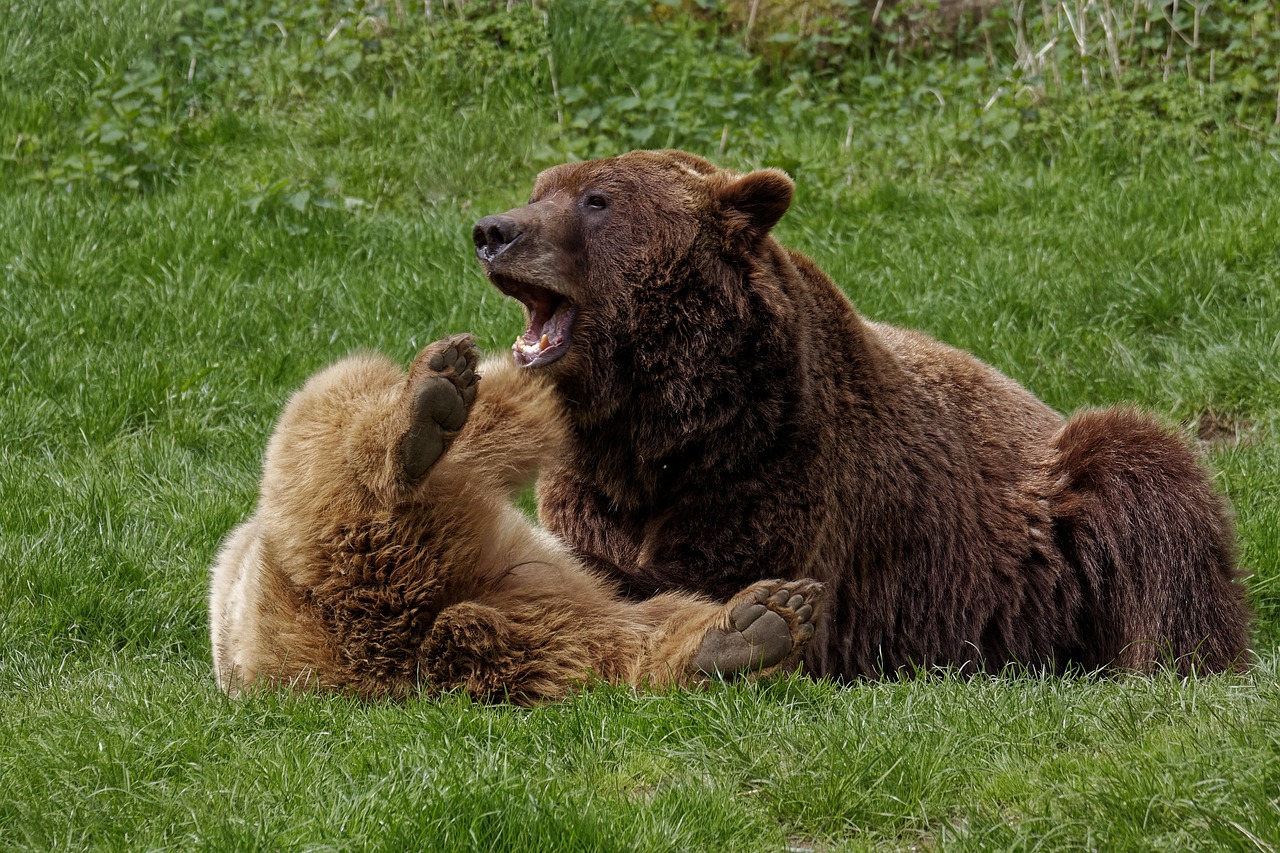
When you first encounter a wild animal, you should remain calm and not startle it, as screaming or running away can cause the animal to associate you with prey, leading them to come toward you. These instinctive human reactions often make dangerous situations worse.
Remaining calm and avoiding running away from an animal is crucial because unexpected movements can frighten animals and make them feel threatened, increasing the likelihood of an attack. Your sudden movements can trigger their chase instinct, turning a neutral encounter into a dangerous pursuit.
Never attempt to feed or approach the animal, even if your slow blink seems to be working. Most wild animals naturally avoid humans, but they can attack if they feel threatened, so exploring with caution allows you to enjoy the outdoors and witness wildlife safely. Respect must always be maintained, regardless of how calm the situation appears.
Combining the Slow Blink with Other Calm Behaviors
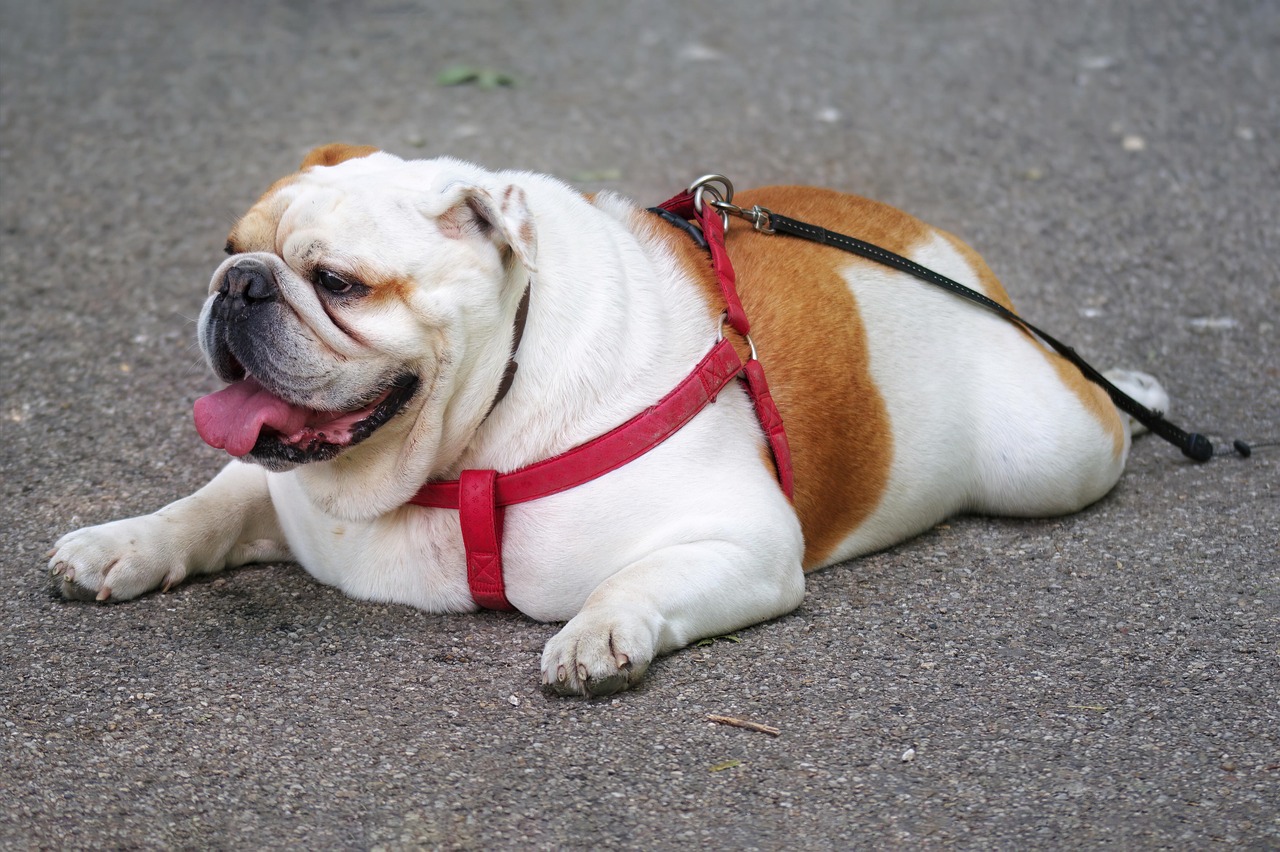
The slow blink technique works even better when combined with other calming behaviors. Veterinarians and veterinary staff can use calming signals such as slow movements, relaxed posture, and gentle tones to reduce stress and fear in animals. These same principles apply to wildlife encounters.
Facing away from the animal with a side-on view of your face, yawning and taking a deep breath followed by relaxed release of air is similar to what dogs do when they lay down to chill. This creates a complete picture of non-aggression.
Keep your body language open and non-threatening. Avoid crossing your arms, making yourself appear larger, or any gesture that could be interpreted as dominance or aggression. Instead, present yourself as calm, aware, but completely non-confrontational. Sometimes, the best communication happens in silence.
Conclusion
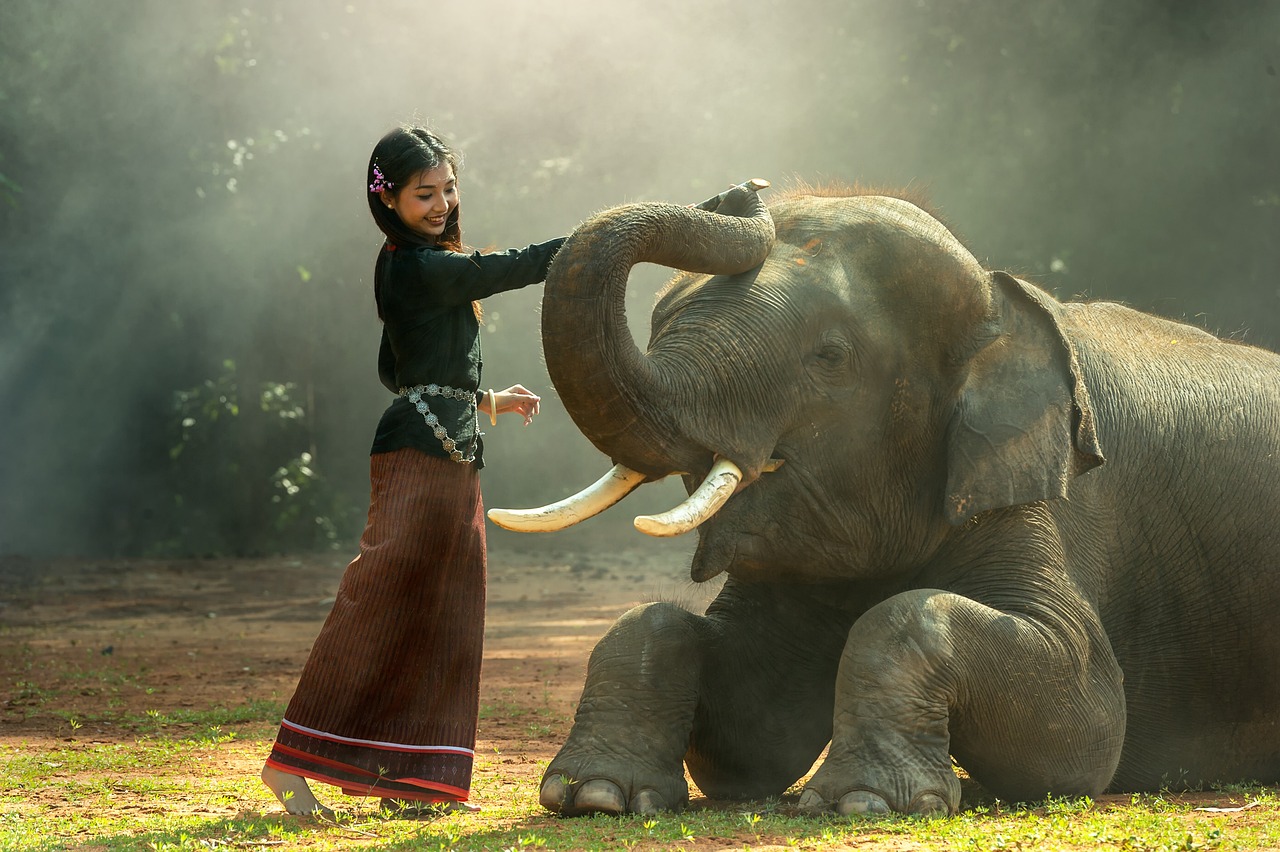
The slow blink technique represents something beautiful about our connection to the natural world. In an age where we often feel disconnected from wildlife, this simple gesture reminds us that communication transcends species boundaries. By staying calm, you signal to the animal that you are not a threat, reducing the likelihood of an aggressive response.
While this technique may be helpful in some situations with certain animals. It’s not magic – it’s simply understanding and respecting how animals see the world. The next time you find yourself sharing space with wildlife, remember that sometimes the most powerful communication happens without saying a word.
What do you think about this technique? Have you ever tried nonverbal communication with animals? Share your experiences in the comments below.

- 7 Hidden Conditions That Invite Termites Into Your Walls - August 6, 2026
- What It Means When Hummingbirds Return on Nearly the Same Date Every Year - August 6, 2026
- 10 Ways Your Dog Secretly Communicates With You Every Day - August 6, 2026