

Picture the scene: two of the ocean’s most formidable predators facing off in the deep blue. On one side, the great white shark with its razor-sharp teeth and legendary reputation as the ultimate marine killer. On the other, the orca, often misunderstood as a gentle giant from marine parks. Which one emerges victorious when these titans clash? The answer might shock you, especially if you’ve been watching too many shark movies. The truth is that when it comes to real ocean dominance, there’s actually no contest at all.
The Ocean’s True Apex Predator Revealed
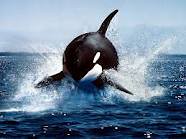
In direct confrontations, the orca is the clear winner, with almost every documented case of killer whale vs. shark ending with the killer whale victorious. While Hollywood has painted great white sharks as unstoppable killing machines, marine biologists know the real story. Orcas are, without question, at the top of the marine food chain.
Even experts acknowledge that orcas are “probably more powerful than a white shark” and “we often think of white sharks as being the top predator in the ocean, when actually orca are”. It’s a reality check that challenges everything we thought we knew about ocean hierarchy.
Size and Strength: When Bigger Really Means Better

The size difference between these predators tells the whole story. The largest orca on record measured 32 feet long, while adult male orcas typically weigh between 12,000 and 22,000 pounds and measure 20 to 26 feet long. Compare that to even the most massive great whites, and the gap becomes obvious.
The largest great white shark on record is Deep Blue, measuring 20 feet and weighing an estimated 5,000 pounds. Even the most impressive sharks pale in comparison to orcas, who can weigh nearly three times as much. Scientists estimate that Deep Blue weighs about 5,000 pounds, which is less than typical adult male orcas.
The Intelligence Factor: Brains Over Brawn
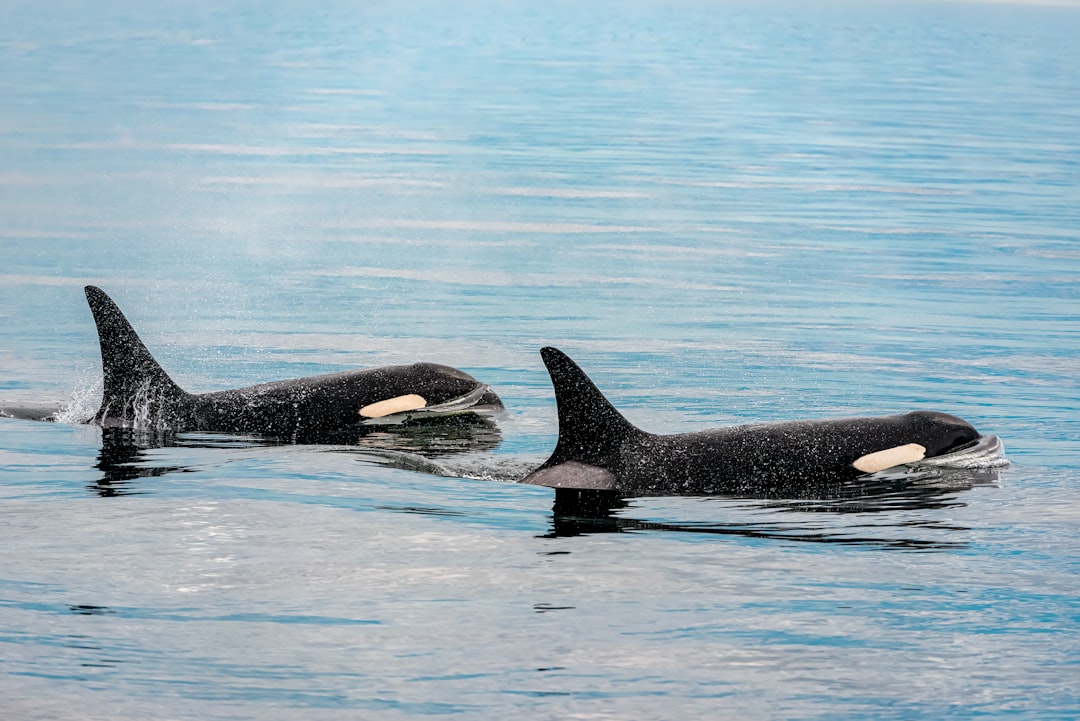
What makes orcas truly formidable isn’t just their size, but their remarkable intelligence. These marine mammals are known for their complex communication patterns and cooperative hunting techniques, with each pod having a unique set of communicative noises that allow them to recognize each other from great distances. Great whites, while cunning predators, operate primarily on instinct.
This behavior is “a testament to orcas’ advanced intelligence, strategic thinking, and sophisticated social learning, as the hunting techniques are passed down through generations within their pods”. They’re essentially teaching their young how to become more efficient killers, something sharks simply cannot match.
Speed and Agility: The Chase Is On
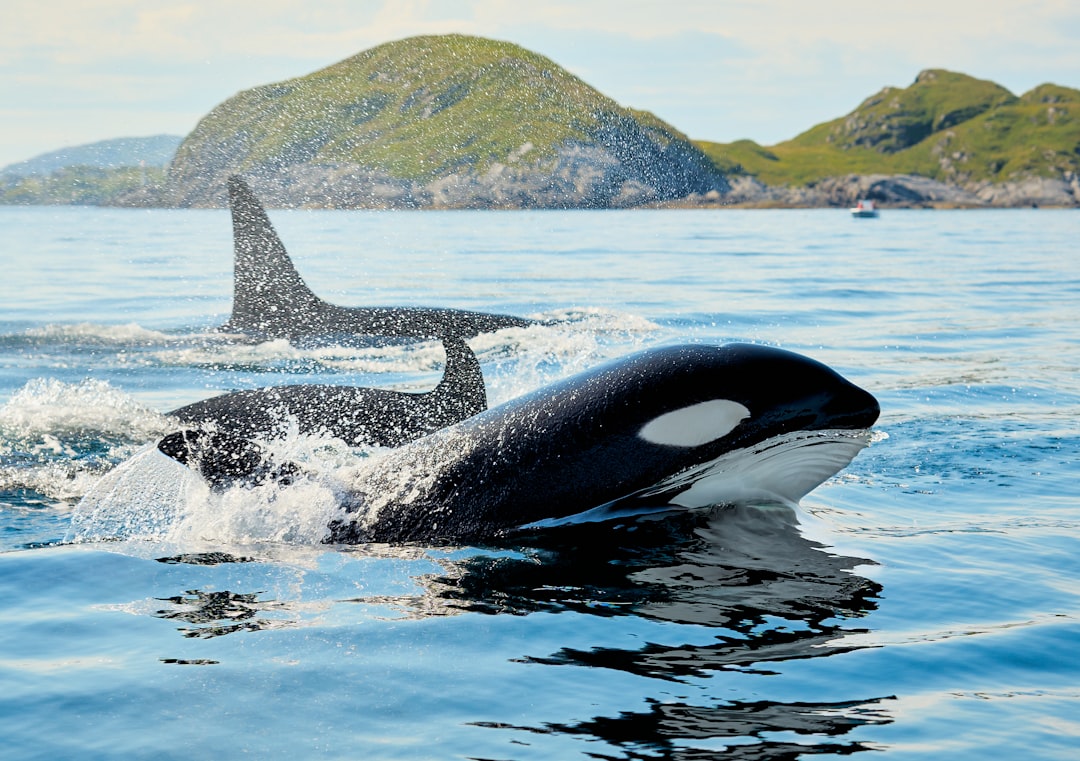
When it comes to raw speed, the matchup is surprisingly close. An adult killer whale’s top speed in attack mode is 35 mph, which matches a great white’s top speed of closer to 35 mph. However, there’s a crucial difference in how they use this speed.
Great whites can swim at speeds of 25 miles per hour for longer periods than orcas, who can reach up to 28 miles per hour but only for short bursts, with their usual cruising speed being around 3-4 miles per hour, though they can maintain 8-10 miles per hour for extended periods. Yet this advantage rarely helps sharks when orcas are on the hunt.
Hunting Tactics: The Art of Shark Assassination
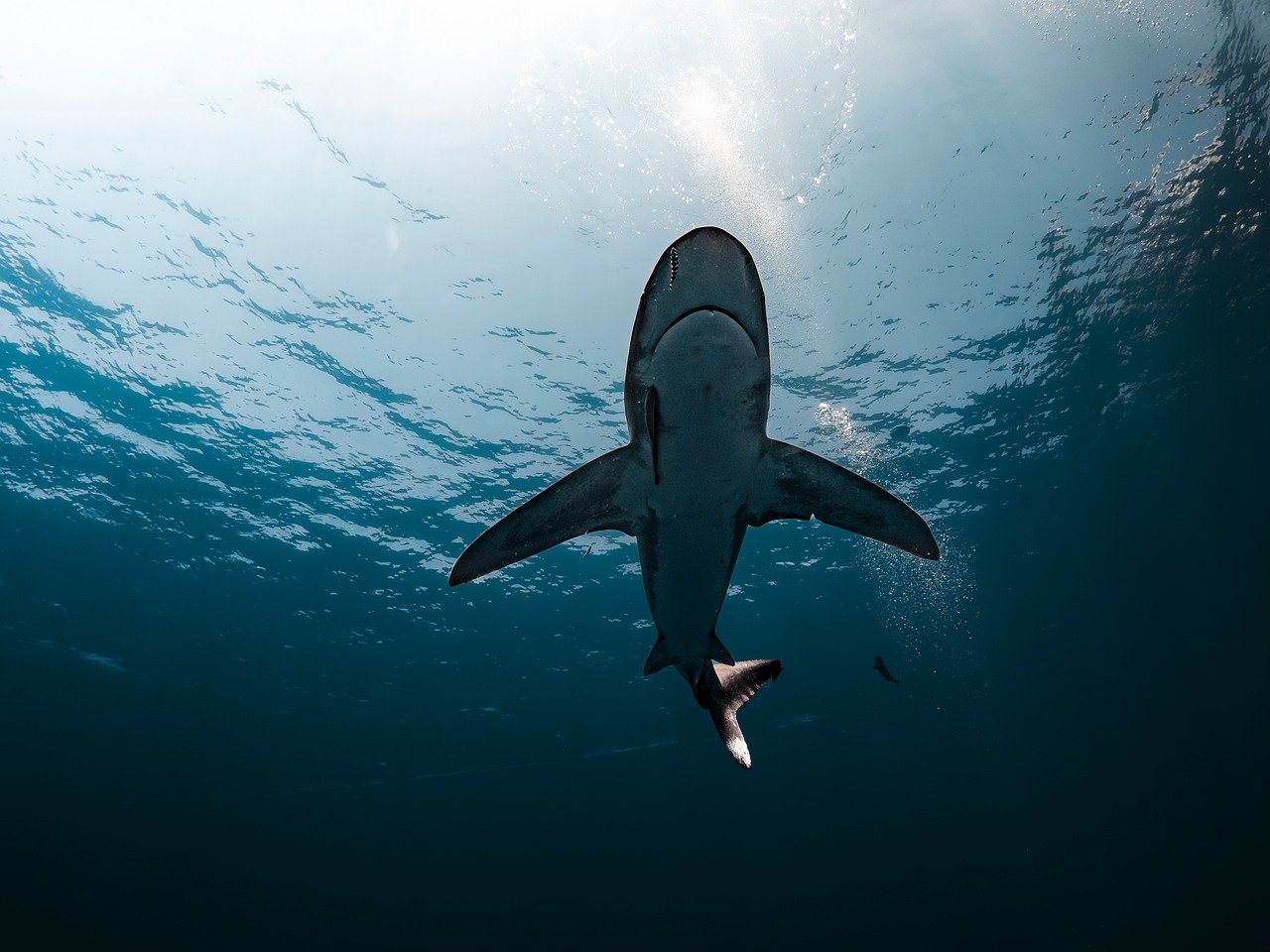
Here’s where the story gets truly fascinating. Orcas have developed a chilling technique for taking down great whites that sounds like something from a thriller movie. Key to their attack is how they turn the sharks onto their back, a technique that induces a temporary state known as tonic immobility, effectively paralyzing the fish.
When turned upside down, a shark enters temporary paralysis known as tonic immobility, which occurs when its awareness of its environment is disrupted, rendering the shark defenseless and allowing orcas to extract its nutrient-rich liver. It’s biological warfare at its most sophisticated.
The Liver Prize: Why Orcas Target This Specific Organ
The precision of orca attacks becomes even more remarkable when you understand what they’re after. The liver is a fatty and nutritious organ that takes up about one-fourth of a shark’s body, providing “a lot of energy”. Great white sharks need these enormous energy stores to power their trans-oceanic migrations, and unfortunately for them, orcas around the world have realized that they are swimming around with a huge reward in their bellies.
This temporary state renders the shark defenseless, allowing the orcas to extract its nutrient-rich liver and likely consume other organs as well, before abandoning the rest of the carcass. They’re not just killing for sport – they’re surgical in their precision.
Fear Factor: When Apex Predators Run Away
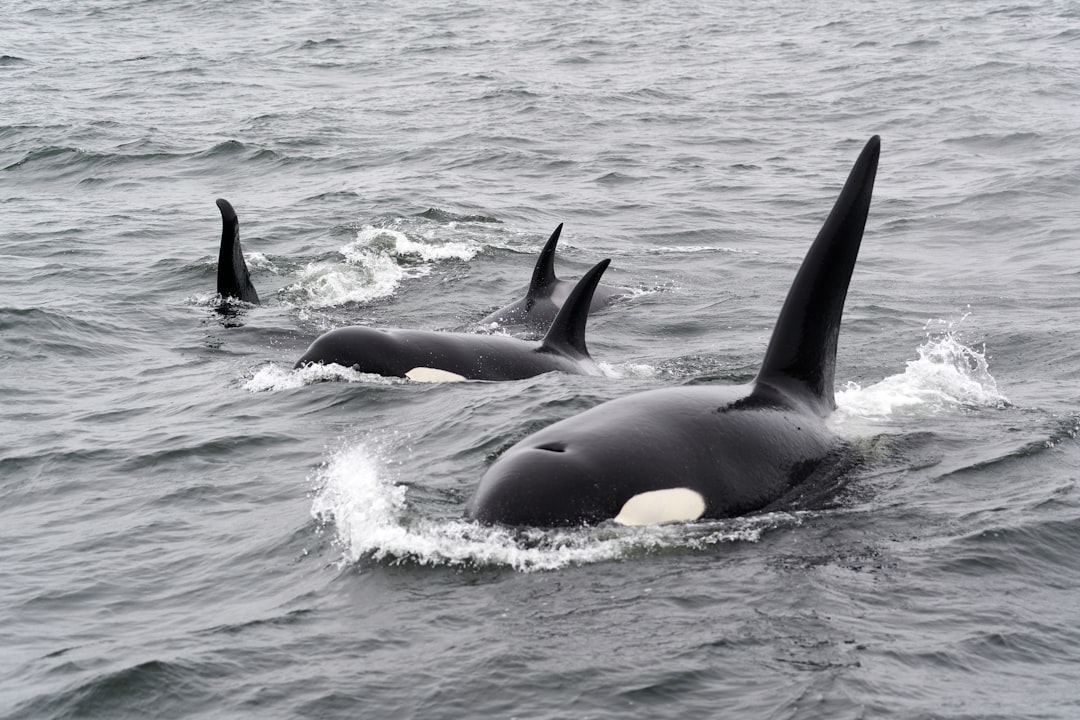
Perhaps the most telling evidence of orca dominance is how great whites react to their presence. White sharks around the world are very finely attuned to the arrival of orcas and will scatter and basically vanish from the hunting grounds where they gather in numbers if orcas approach. Imagine being so terrifying that other apex predators flee at the mere hint of your arrival.
The sharks’ predatory habits stop when orcas arrive, with sharks fleeing the scene just a few hours later, not returning to hunting areas until months later, and continuing to flee any time orcas appear. This isn’t just avoidance – it’s absolute terror.
Conclusion: The Verdict Is Clear
The ocean’s hierarchy has been settled by nature itself, and the results are definitive. While great whites possess advantages in their teeth, endurance, and senses, orcas win the title of the superior predator, a claim backed up by evidence from studies conducted in the wild. The killer whale would win the battle against the largest great white ever, with even the biggest great white being completely outclassed in this battle.
The next time you watch a shark movie or hear someone claim that great whites rule the seas, remember this truth: in the real ocean, there’s only one apex predator that matters. The orca doesn’t just win occasionally – it wins every single time. What do you think about this underwater reality? Tell us in the comments.
