
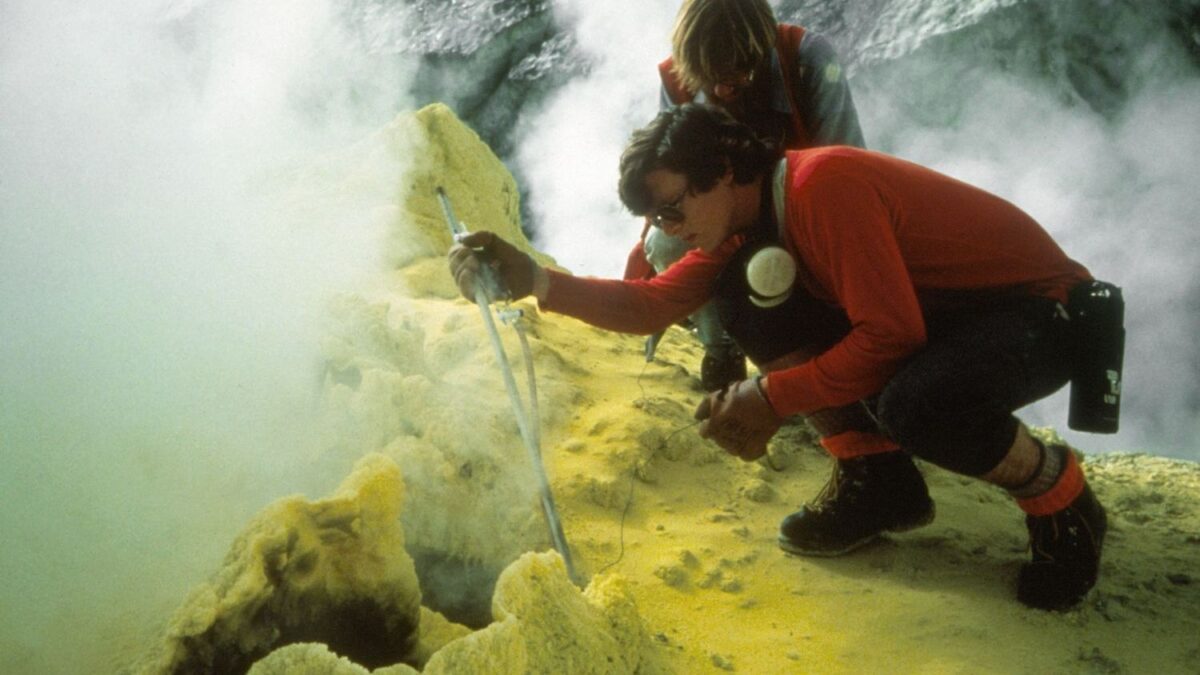
Picture yourself standing on the edge of a glowing crater, feeling the heat on your face and hearing the rumbling deep below. The thought sends shivers down your spine, right? While most of us admire volcanoes from the safety of our living rooms, some scientists dedicate their careers to working directly on these fiery giants.
Volcanoes are inherently beautiful places where forces of nature combine to produce awesome events and spectacular landscapes. For volcanologists, they’re FUN to work on! Safety is, however, always the primary concern because volcanoes can be dangerous places. The reality is far more complex than Hollywood movies suggest. Let’s dive into what scientists have discovered about the real threats lurking on active volcanoes.
Toxic Gases: The Silent Killers You Can’t Always Smell
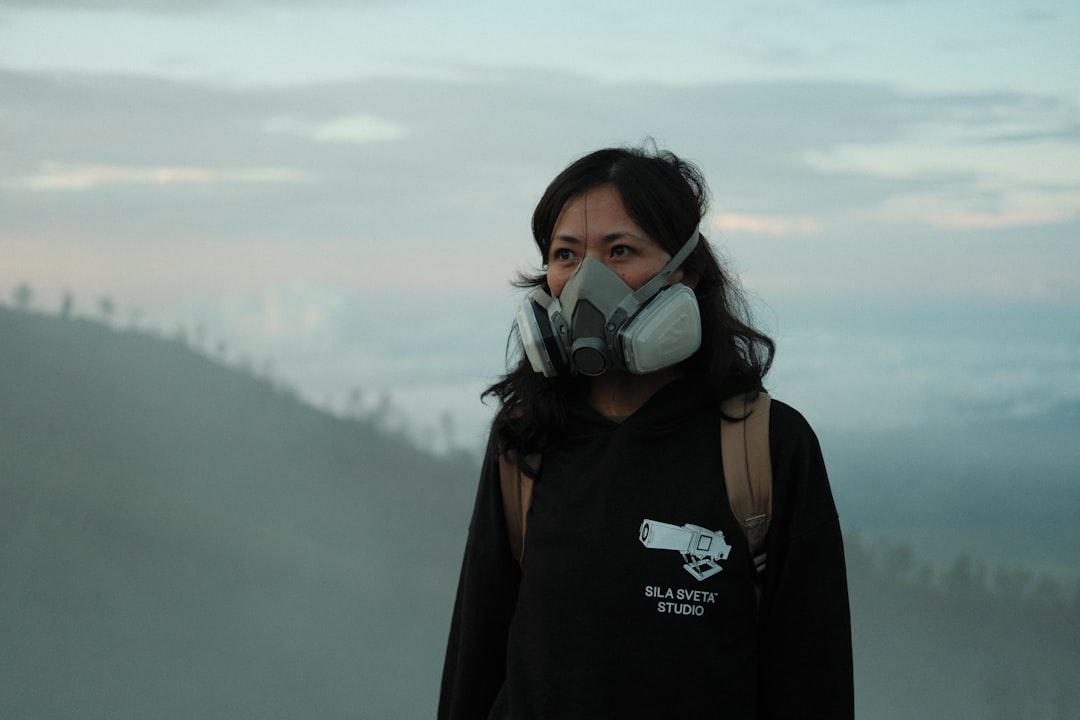
The most insidious danger on volcanoes isn’t always the molten lava or flying rocks. However, significant amounts of carbon dioxide, sulfur dioxide, hydrogen sulfide and hydrogen halides can also be emitted from volcanoes. Depending on their concentrations, these gases are all potentially hazardous to people, animals, agriculture, and property. What makes volcanic gases particularly treacherous is their ability to accumulate in low-lying areas without warning.
However, because cold carbon dioxide gas is heavier than air it can flow into in low-lying areas where it can reach much higher concentrations in certain, very stable atmospheric conditions. This can pose serious risks to people and animals. Breathing air with more than 3% CO2 can quickly lead to headaches, dizziness, increased heart rate and difficulty breathing.
Even more dangerous is hydrogen sulfide, which starts with that distinctive rotten egg smell but becomes odorless at higher concentrations. Unfortunately, however, our sense of smell is not a reliable alarm – at mixing ratios above about 0.01%, H2S becomes odorless and very toxic, causing irritation of the upper respiratory tract and, during long exposure, pulmonary edema. Exposure to 500 ppm can cause a human to fall unconscious in 5 minutes and die in an hour or less.
Pyroclastic Flows: Nature’s Freight Trains of Destruction
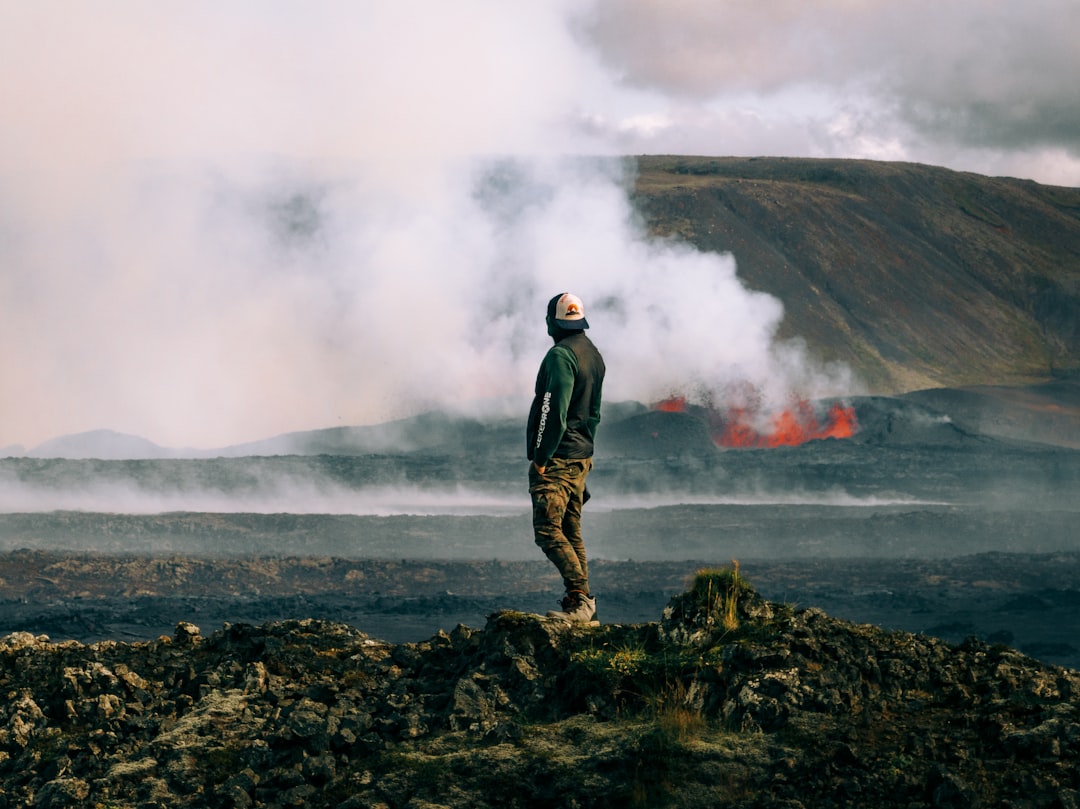
Pyroclastic flows: Blistering-hot avalanches of gasses, rocks, and volcanic ash can barrel down a volcano’s slopes, burying structures, sparking fires, and destroying everything in their path. They are extremely speedy, with some rushing as fast as 400 miles per hour. Pyroclastic flows can even travel uphill or cross water. Imagine trying to outrun something moving faster than most race cars while carrying superheated debris.
These flows aren’t just fast – they’re devastatingly hot. It’s superheated gases (1000°C) pushing debris that can be the size of houses down the mountain. Since the gases are heavier than air, they tend to offer a cushion between the ground and the material which can help propel the tephra at speeds up to 400 mph. This is a superheated avalanche. The concrete shelters built around some Japanese volcanoes offer limited protection, but only if you’re far enough from the source and the flow doesn’t last too long.
Volcanic Bombs: When Molten Rock Becomes Artillery
Volcanic projectiles: These bits of searing hot rock are flung from active vents or volcanic craters. If they’re larger than 2.5 inches across, they’re dubbed lava bombs. While claims of refrigerator-sized lava bombs during Kilauea’s 2018 eruption were overblown, these blazing blocks can be up to several yards across. And at sizzling hot temperatures, even small volcanic projectiles can be dangerous, setting fires, breaking bones, and melting human flesh.
Volcanic bombs can vary in size from a few centimeters to several meters in diameter, and they can travel significant distances away from the vent of the volcano before landing. Volcanic bombs can vary in size from a few centimeters to several meters in diameter, and they can travel significant distances away from the vent of the volcano before landing. These molten projectiles solidify during flight, sometimes creating distinctive shapes that tell the story of their violent journey.
The Heat Factor: Beyond What Your Body Can Handle
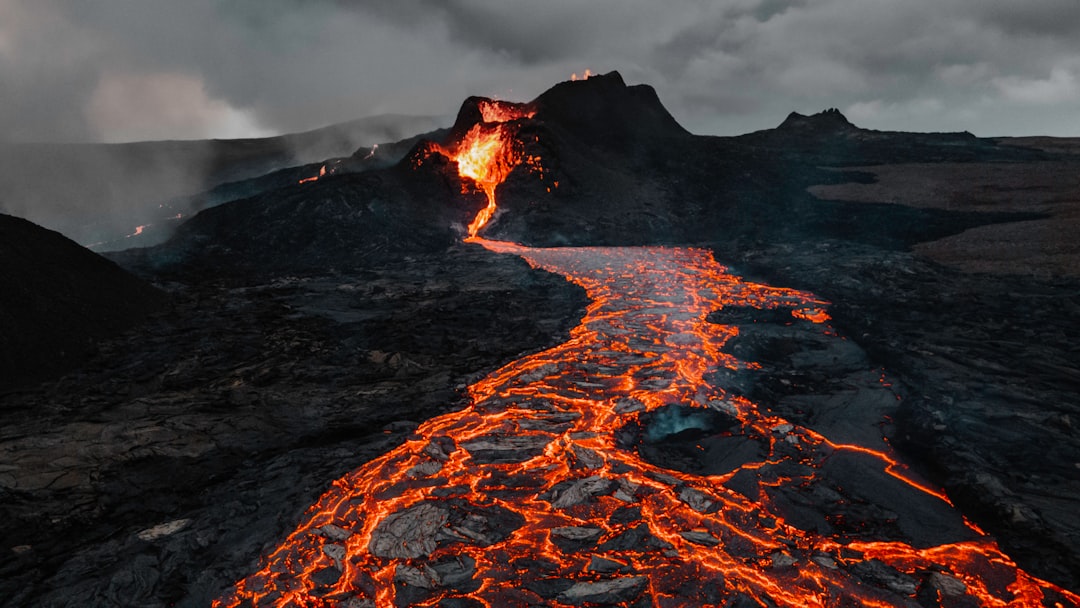
Lava flows: These rivers of molten rock are extremely hot. While their exact temperature depends on their chemistry, lava flows can exceed a searing 2,000 degrees Fahrenheit – hot enough to melt copper. The temperature and chemistry also play into the lava’s viscosity, which controls how fast it flows. This isn’t just about avoiding direct contact with lava – the radiant heat alone can be lethal from considerable distances.
Scientists have developed specialized protective equipment for volcanic research. Luckily for you, the University of Missouri has been developing suits to withstand the heat of volcanoes. It uses flame resistant Kevlar® and breathable fabric. Wearing this can help you withstand the incredibly hot temperatures. However, these suits are designed for brief exposures during scientific work, not overnight camping trips on volcanic slopes.
Breathing Apparatus: Your Lifeline in a Toxic Environment
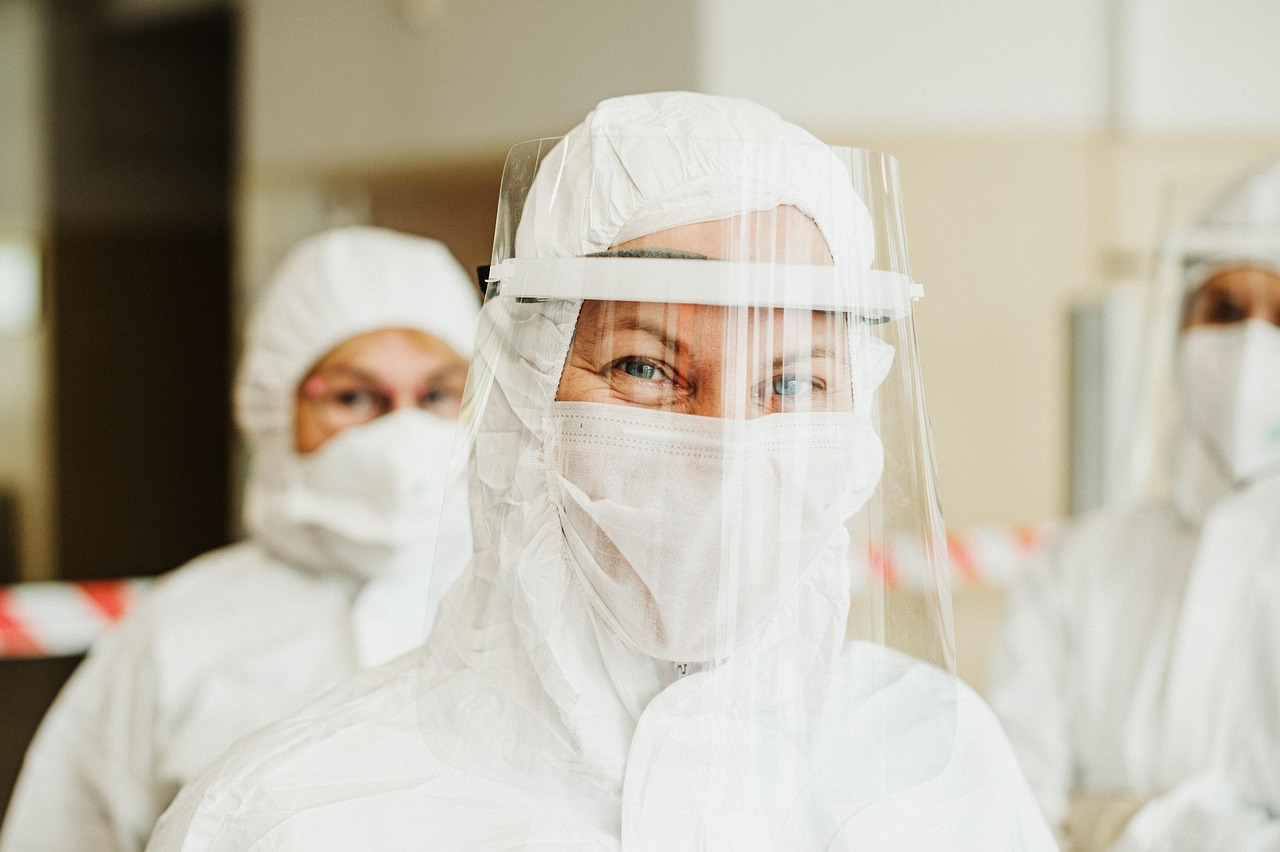
These workers should keep in mind that disposable particulate respirators do not filter toxic gases and vapors, including sulfur dioxide. These workers should keep in mind that disposable particulate respirators do not filter toxic gases and vapors, including sulfur dioxide. Simple dust masks won’t save you from volcanic gases – you need specialized equipment designed for chemical protection.
Short-term use of N95 masks can help protect against volcanic ash but not gases. N95 respirators do not filter toxic gases and vapors. The International Volcanic Health Hazard Network warns that commercial gas masks exist but require proper training and fit testing for safe use.
In an active volcanic or geothermal environment, move upwind and away from the smell of the gases, if you find yourself in uncomfortable concentrations. Limit strenuous activities during poor air quality. Outdoor work, exercise and exertion increase your chances of being affected by the gases and aerosols.
Ground Instability and Seismic Activity
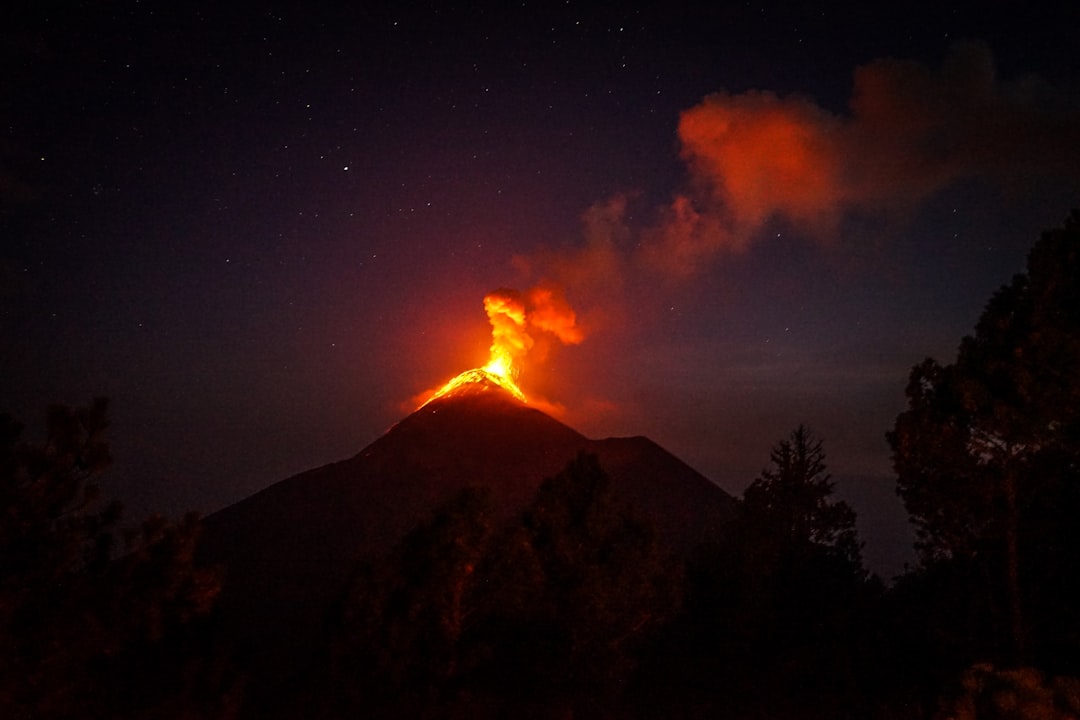
Active volcanoes are constantly moving beneath your feet. Small earthquakes are often one of the most noticeable signs. Local water sources and the ground itself will often get warmer. These are all warnings of the heated pressure getting ready to explode just beneath the surface. What feels like solid ground can quickly become unstable during volcanic unrest.
The volcanic terrain itself presents unique hazards. Loose volcanic rocks, unstable slopes, and hidden crevasses can turn a simple hike into a dangerous expedition. Critically, a volcanologist must be: very careful to avoid areas that could be dangerous – within the path of pyroclastic flows or mudflows or lava bombs, near gas vents or lava flows, or unstable ground are just a few.
The Unpredictable Nature of Volcanic Activity
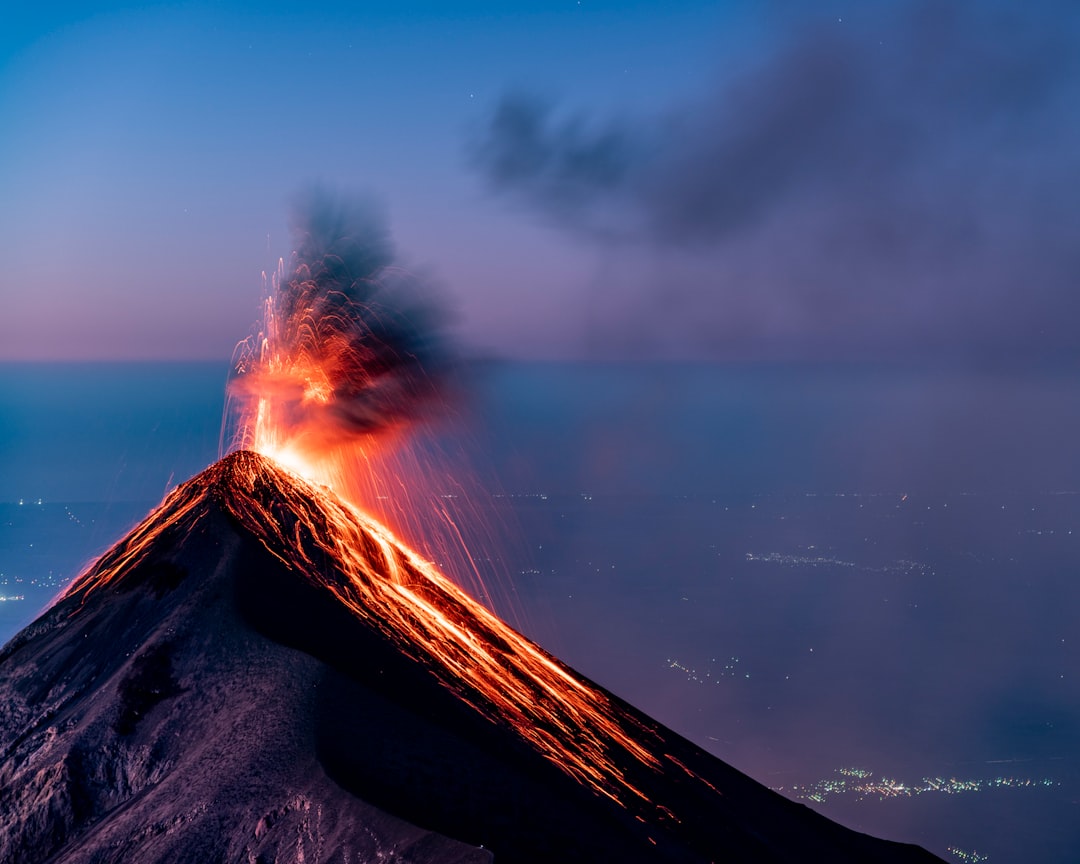
We can often predict that there’s an eruption coming. What’s harder to predict is the exact nature of the eruption and the time of onset. This unpredictability makes spending extended time on active volcanoes extremely risky, even for experienced scientists.
Evacuations due to volcanic activity usually last for much longer time periods than those associated with other intensive hazard events, typically from days for hurricanes (Lindell et al., 2011) and days to a few weeks for floods and flash-floods (Haynes et al., 2009). We have already noted that the distribution of fatalities, eruption time-scales, paroxysmal activity and evacuations are broadly consistent: many eruptive episodes can persist for months or even years.
Scientists’ Safety Protocols: How Professionals Stay Alive
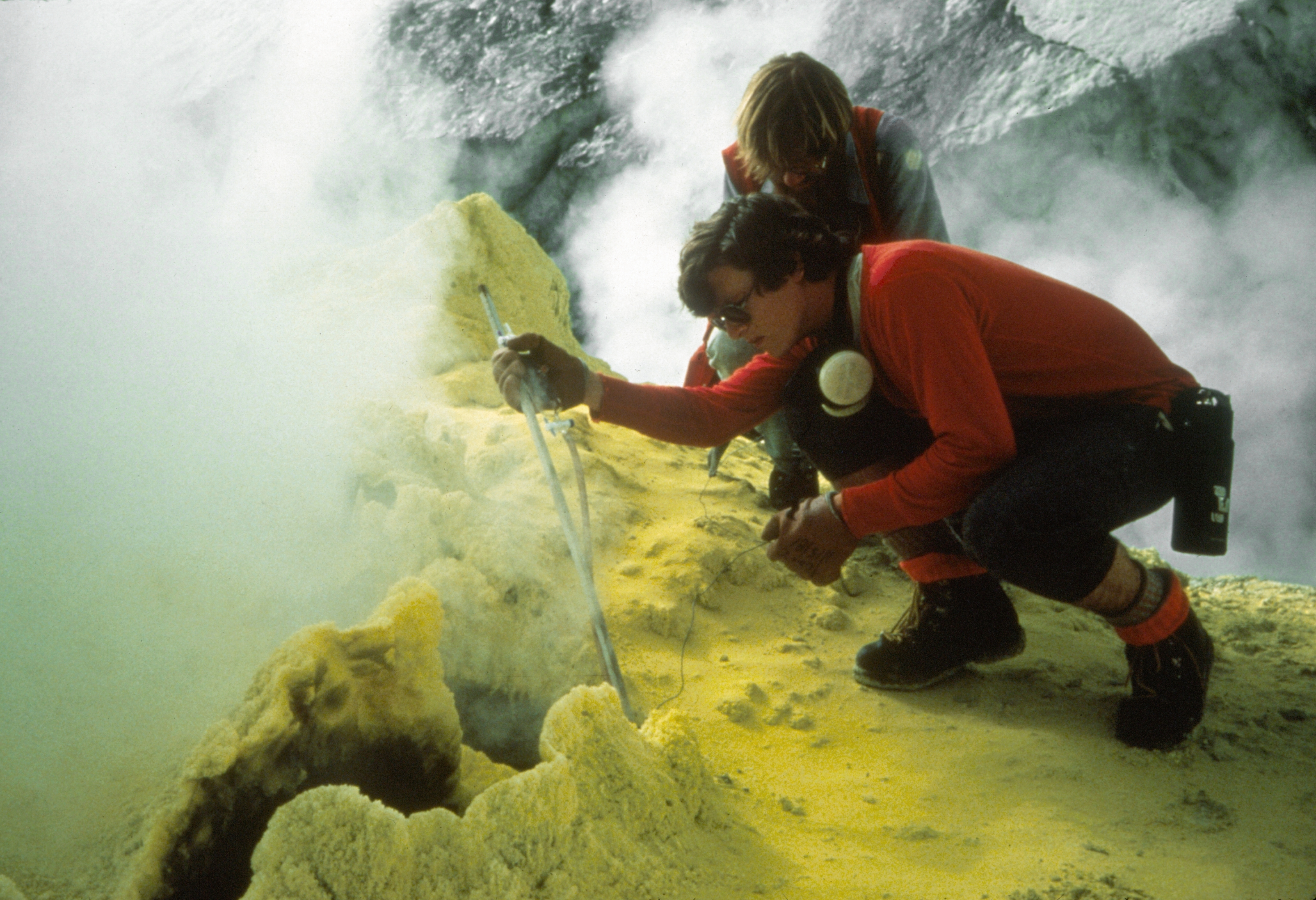
USGS scientists try hard to understand the risk inherent in any situation, then train and equip themselves with the tools and support necessary to provide a comfortable margin of safety. Such training involves learning the past and current activity of the volcano, first aid, helicopter safety procedures, and wilderness survival techniques. When working around non-explosive volcanoes in places like Hawaii, USGS scientists go through training to wear gas masks and use heat-resistant gear as needed.
Even with all this preparation, volcanic work remains dangerous. Research has shown that a significant percentage of scientist fatalities occur in or near volcanic craters (within 1 km), highlighting the danger to field scientists visiting the summit of active volcanoes. As with tourists, the most commonly identified fatal cause for scientists is ballistics (7 incidents, 15 fatalities). The statistics show that proximity to volcanic activity dramatically increases risk, even for trained professionals.
Conclusion
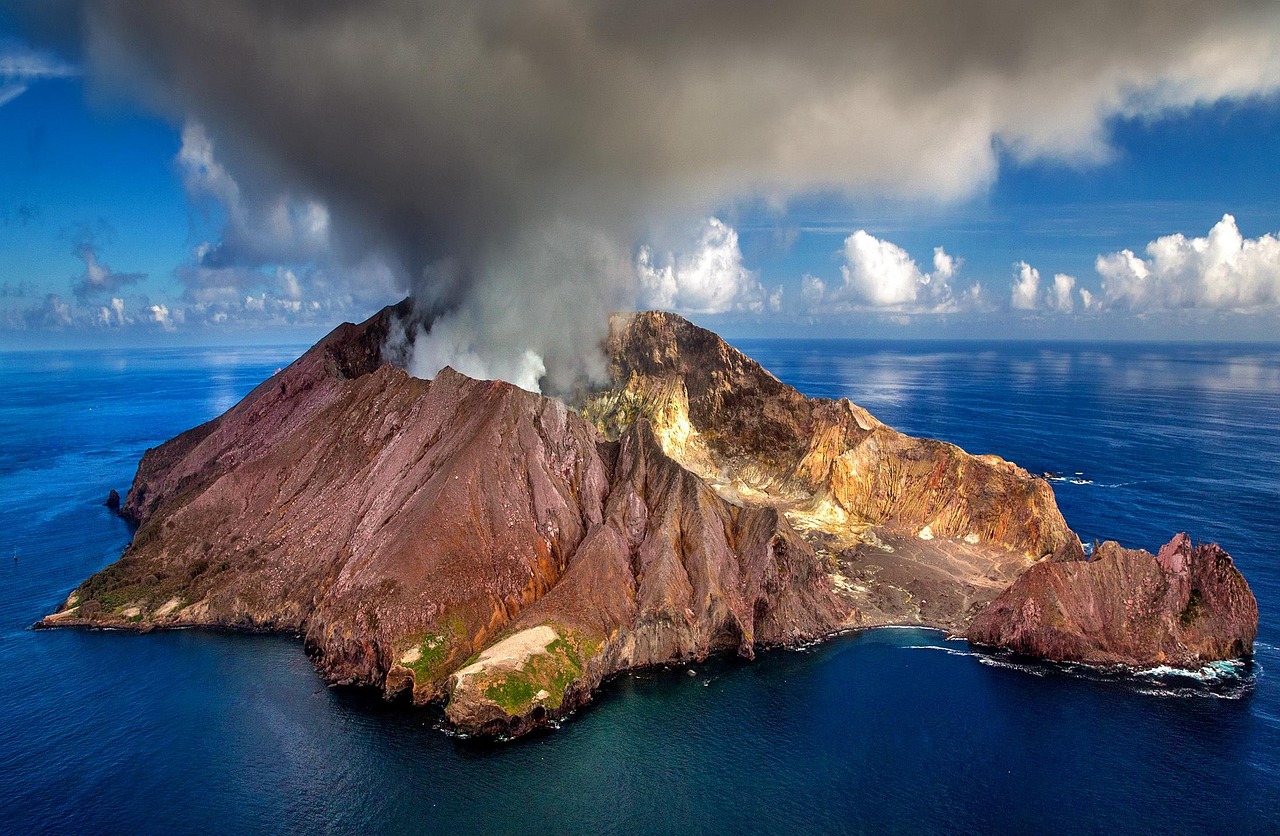
Could you survive a night on an active volcano? The scientific evidence suggests it would be extraordinarily difficult and dangerous, even with proper equipment and training. The combination of toxic gases, extreme heat, unstable terrain, and unpredictable volcanic activity creates a perfect storm of life-threatening conditions. While volcanologists work on active volcanoes regularly, they do so with extensive safety protocols, specialized equipment, and carefully planned brief exposures – not overnight camping adventures.
The real lesson here isn’t about conquering nature’s most powerful forces, but about respecting them. Volcanoes have claimed thousands of lives throughout history, and even our best scientific understanding can’t eliminate all the risks. What do you think about it? Would you still be tempted to spend a night on an active volcano after learning about these dangers?

- According to Irish Folklore, Ravens Were Guardians of Forgotten Wisdom - August 5, 2026
- According to Native American Tradition, Ravens Were World-Creators Rather Than Omens of Death - August 5, 2026
- According to Native American Tradition, Eagles Were Divine Messengers Rather Than Just Birds of Prey - August 5, 2026