

Deep in the heart of America’s first national park, a drama unfolds daily that most visitors never witness. While tourists gather around Old Faithful waiting for predictable eruptions, nature’s most unpredictable showdown plays out across Yellowstone’s vast wilderness. Two titans of the American landscape clash in encounters that decide life and death, survival and dominance.
The relationship between grizzly bears and bison represents one of nature’s most compelling power struggles. These interactions reveal truths about apex predation, defensive strategies, and the delicate balance that keeps Yellowstone’s ecosystem functioning. What really happens when nearly a thousand pounds of muscle and fury meets two thousand pounds of charging defiance? The answer might surprise you.
Size Matters: The Numbers Behind the Giants
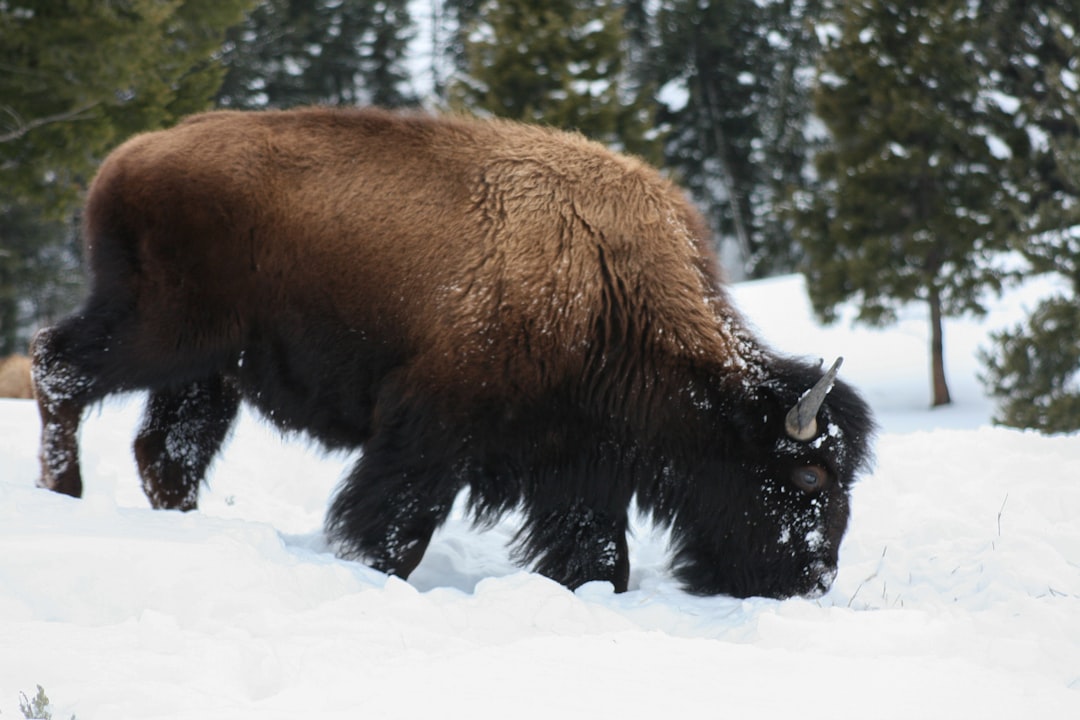
Yellowstone’s grizzlies typically weigh between 290 to 790 pounds, with males averaging around 480 pounds and females around 330 pounds. Cow bison can weigh over one thousand pounds, while bulls can reach up to two thousand pounds. This size disparity becomes starkly apparent when both animals occupy the same space.
Observers note that grizzlies appear tiny when crossing valleys where bison graze, even compared to smaller cow bison. The physical dimensions tell only part of the story though. Bison can reach heights of six to seven feet at the withers, towering over even the largest grizzlies.
Yet size doesn’t always determine outcomes in nature. Despite appearing slow due to lethargic movements, bison can easily outrun humans and have been observed running as fast as 35 miles per hour. Meanwhile, grizzlies bring different advantages to any confrontation. Their agility, powerful claws, and predatory instincts can shift the balance when conditions are right.
When Grizzlies Hunt Successfully
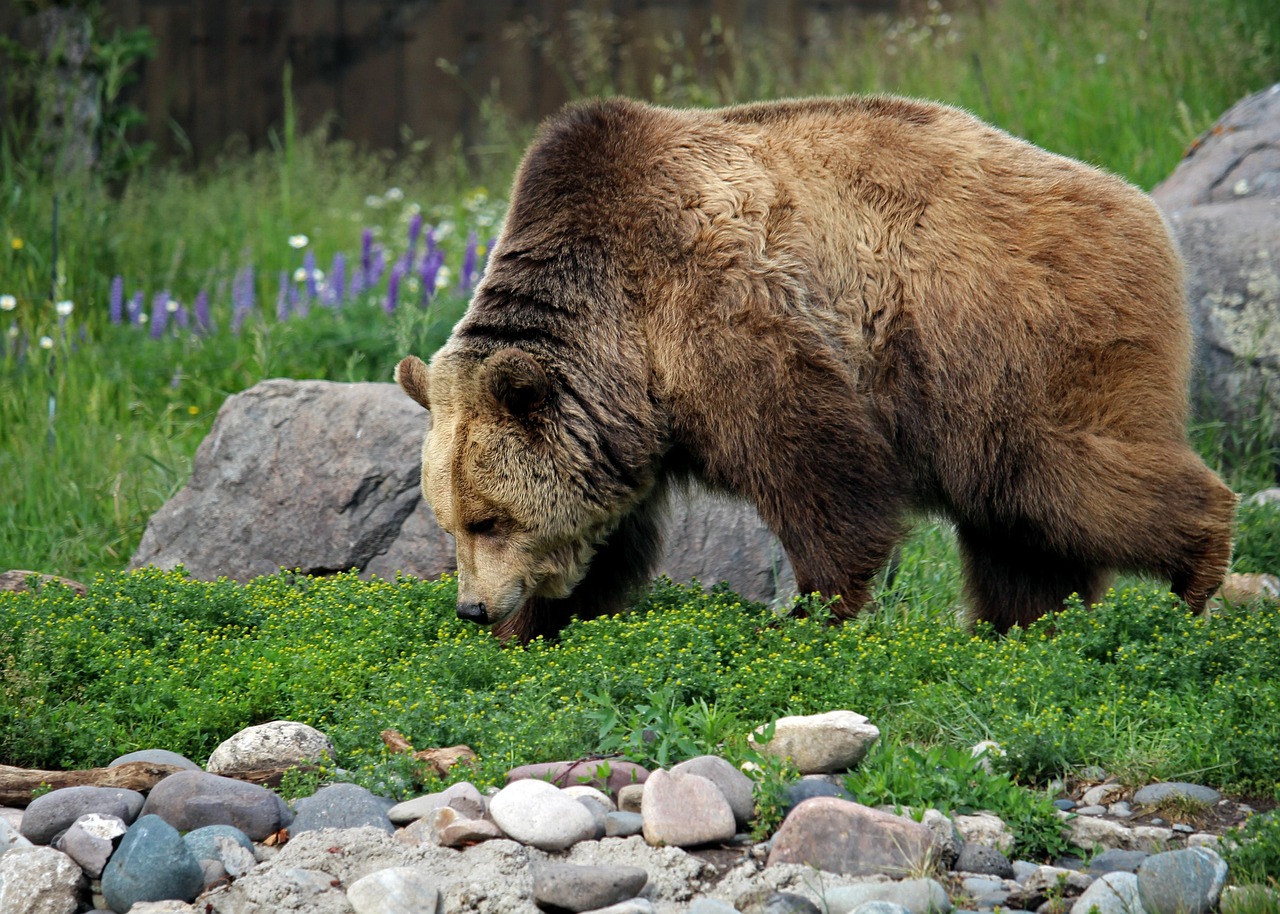
Elk and bison represent the two most important large prey species for Yellowstone grizzlies in terms of calories, commonly eaten as scavenged carcasses and serving as an especially critical protein source in spring for lean bears fresh from winter dens.
Bison weakened by Yellowstone’s harsh winters become more vulnerable in spring. Bull bison injured or exhausted from rutting fights might also be taken down by large grizzlies. Kerry Gunther, Yellowstone’s bear management biologist, has observed several grizzly attacks on bison and noted that some bears develop proficiency at it.
The dramatic 2020 encounter at Grand Prismatic captured visitors’ attention when a subadult grizzly successfully killed a young bison. The five-minute ordeal involved fighting mere feet from parked cars, crossing a bridge, and eventually ending in a river. However, such successful hunts remain exceptional rather than routine.
The Bison’s Defensive Arsenal
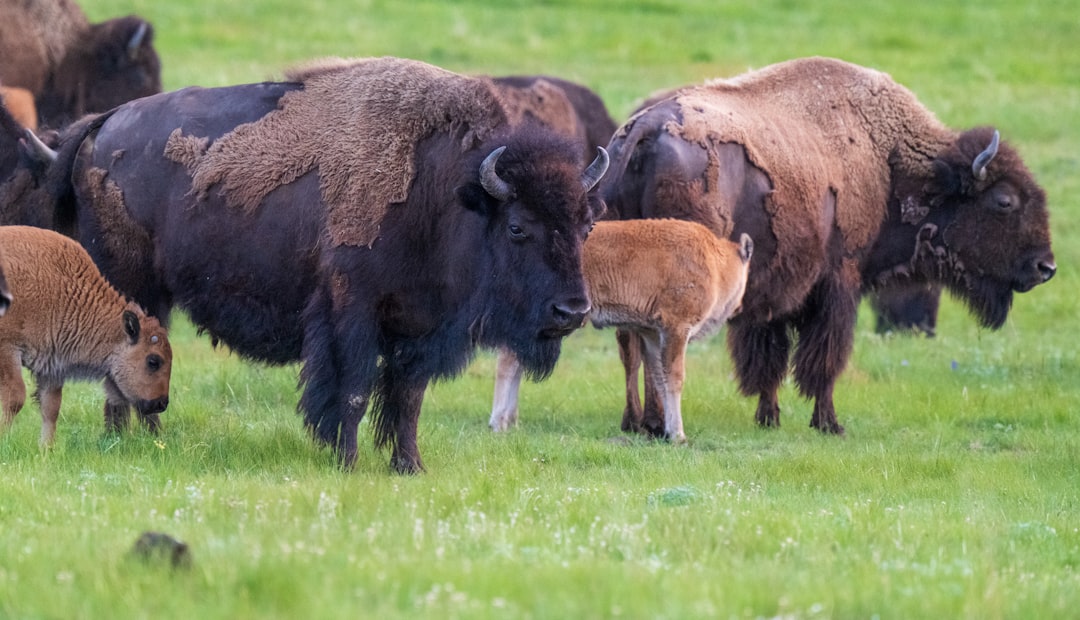
While grizzly bears are natural predators of bison, they often back down when faced with charging adult bison rather than risk injury. The bison’s defensive capabilities extend far beyond their massive size.
Bison possess a wild and ungovernable temper, can jump close to six feet vertically, and run up to 35 miles per hour when agitated. This agility and speed, combined with their great size and weight, makes bison herds formidable opponents.
As the largest land mammal in North America, with bulls weighing up to two thousand pounds and standing six feet tall, bison present a formidable and dangerous prey for any solitary grizzly bear. Their curved horns serve as lethal weapons when defending themselves or their young.
Herd Mentality vs. Solo Predator
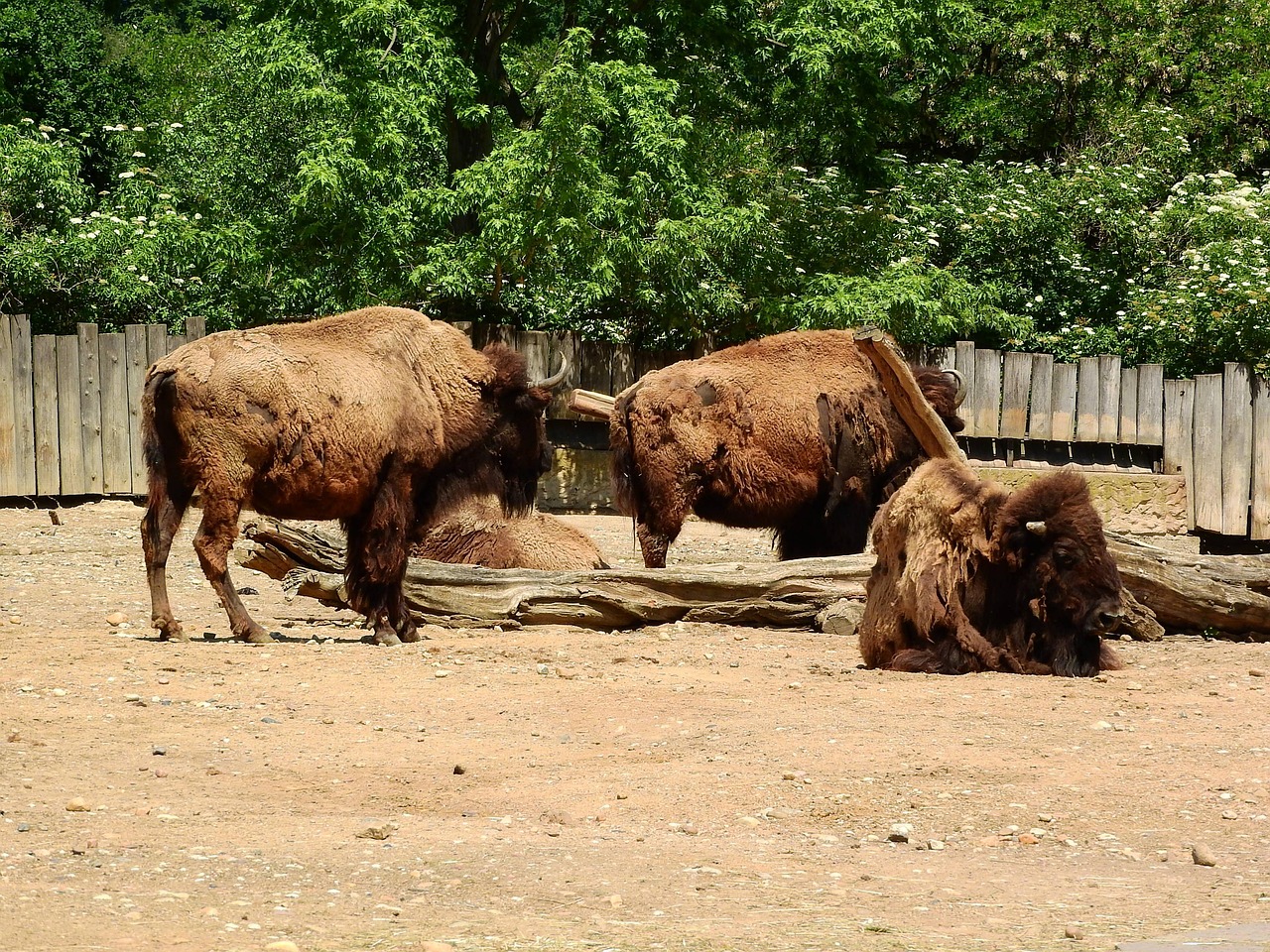
All it takes is one bison with a chip on its shoulder to start a whole-herd charge. One individual cow reacting aggressively to a bear’s presence and running toward it can trigger the entire herd to follow.
The dynamics of group defense versus individual hunting create an inherent disadvantage for grizzlies. While grizzlies benefit from increased wolf predation by scavenging leftovers or bullying packs off carcasses, there’s nothing they can learn from wolves regarding successful bison hunts since bears don’t operate in packs.
A recent example from Old Faithful perfectly illustrated this dynamic. When a grizzly appeared along the Firehole River near a grazing herd of over twenty bison, the entire herd charged after the bear when it appeared to get too close. Yellowstone’s apex predator took the hint and retreated at full gallop.
Seasonal Hunting Patterns and Success Rates
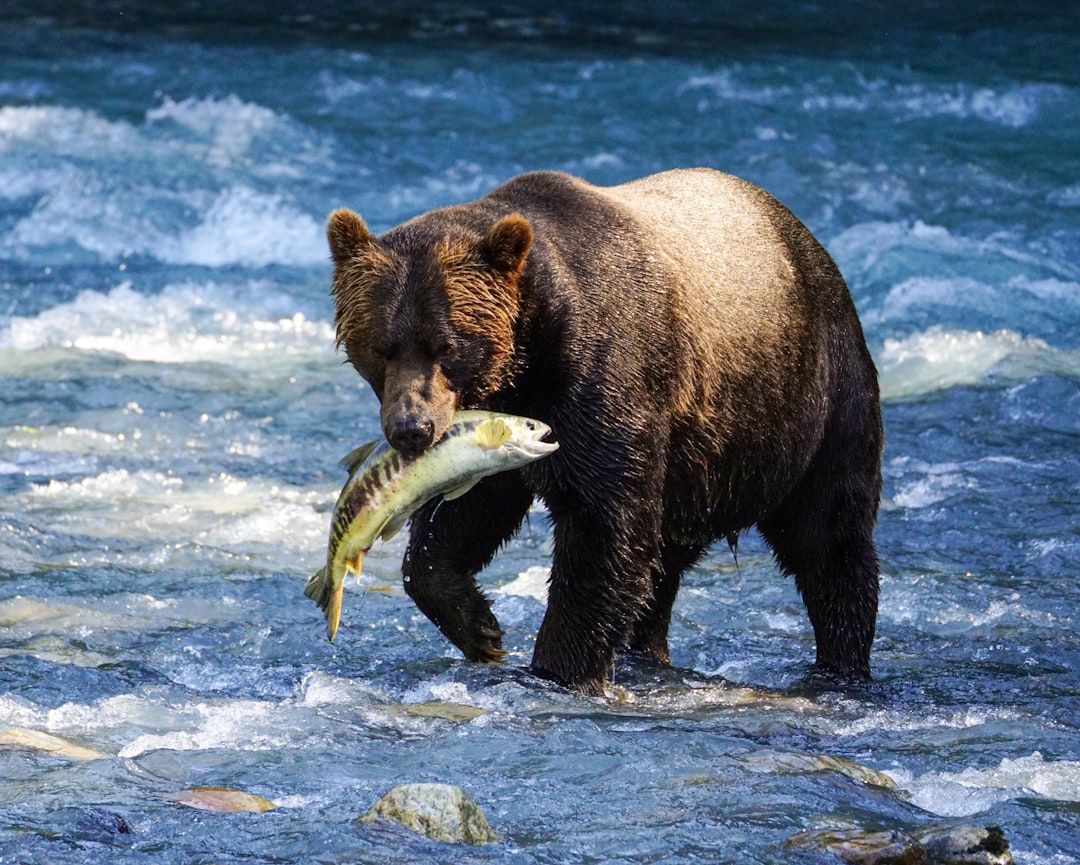
From March through May, ungulates like elk and bison comprise a substantial portion of grizzly bear calorie intake. When grizzlies do hunt bison, they usually target weakened or vulnerable individuals like those suffering from injury or young calves.
During early spring, grizzly bears primarily feed on ungulates such as elk and bison, often consuming carrion from animals that didn’t survive winter or were killed by wolves. Large adult bison are a favored target, especially for giant male grizzlies who are strong enough to overpower these massive creatures.
The spring timing proves crucial for hunting success. Spring is when bison calves are born and still small enough for predators to see them as easy prey. This critical time allows grizzly bears and other predators to access protein-rich young animals new on the landscape.
The Reality of Predation Success
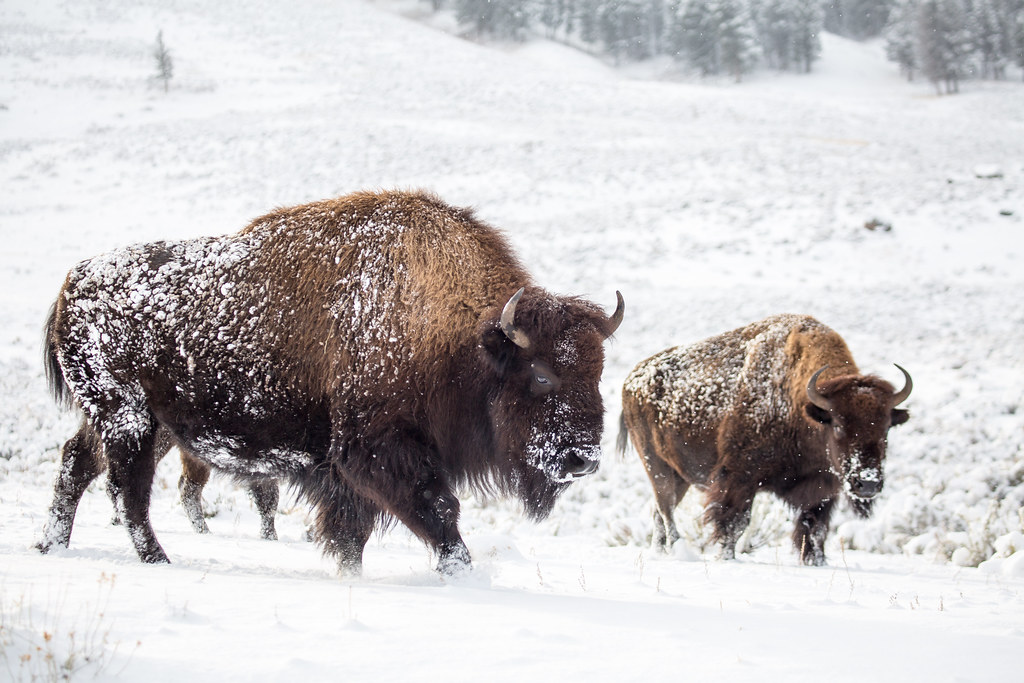
Grizzlies can sometimes kill calves as well as old, injured, or sick adult bison, but direct killing of adult bison is rare even when targeting lone and injured young individuals. Attacking a healthy bison is risky for a bear, who itself may be killed instead.
Reports of predation by grizzly bears on adult bison are rare. Ninety-nine percent of bison killed are calves or young specimens. While bears have taken adult bison, it’s not something they do regularly and remains very rare.
Even when confrontations occur, the outcomes aren’t guaranteed. When a grizzly faces a full-grown bison, it’s far from a foregone conclusion that the apex predator will have the upper hand. Interactions like those in Yellowstone’s Lamar Valley show grizzly bears being forced to flee from charging bison.
The Human Factor in Wildlife Encounters
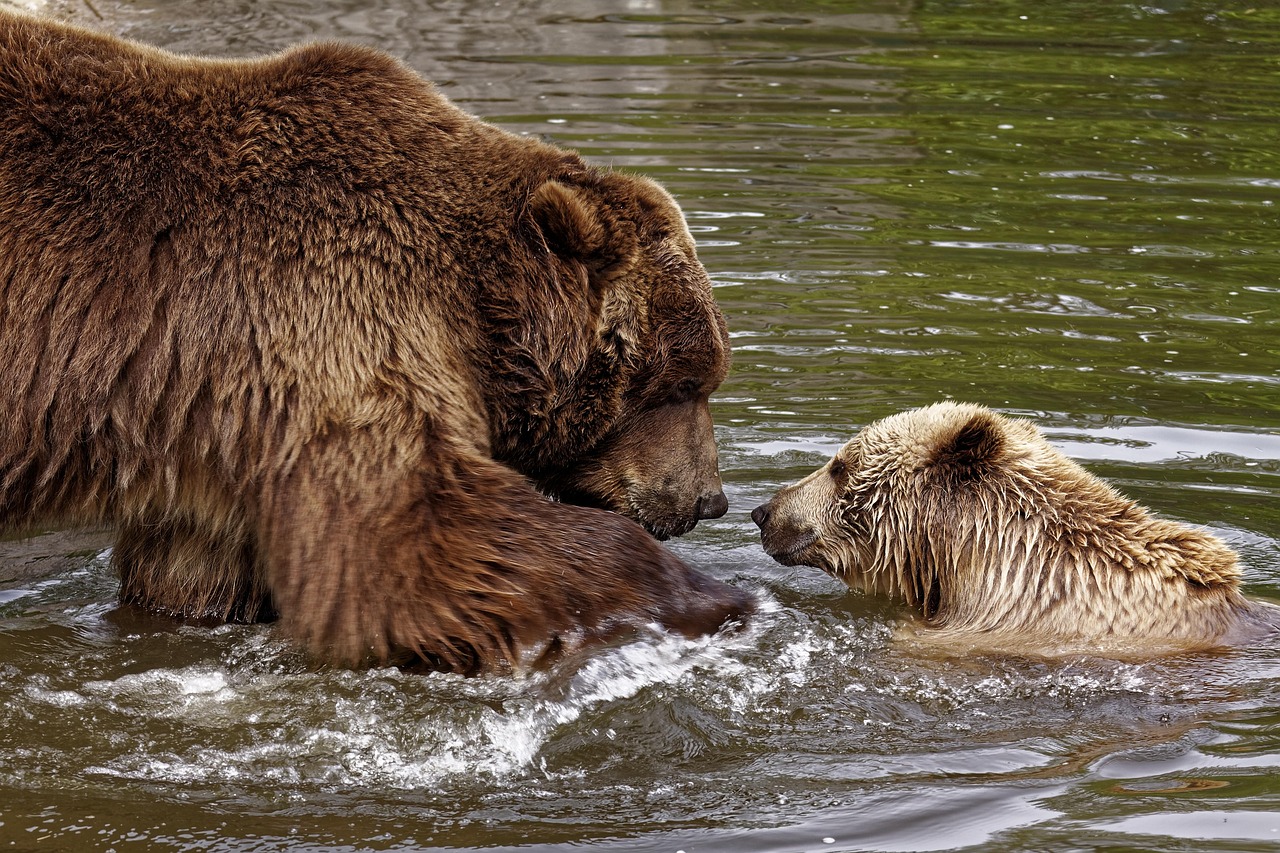
Between 1980 and 1999, more than three times as many people in Yellowstone were injured by bison than by bears. During this period, bison charged and injured seventy-nine people, with injuries ranging from goring puncture wounds and broken bones to bruises and abrasions.
Bison have injured more people in Yellowstone than any other animal. This statistic reflects both bison’s unpredictable nature and visitors’ tendency to underestimate their danger. The animals’ size advantage over humans mirrors their advantage over grizzlies in many encounters.
The primary safety rule requires tourists to stay at least one hundred yards away from bears and wolves and at least twenty-five yards from all other animals, including bison and elk. These distances acknowledge the real danger both species present, though for different reasons.
The Verdict: A Complex Balance of Power
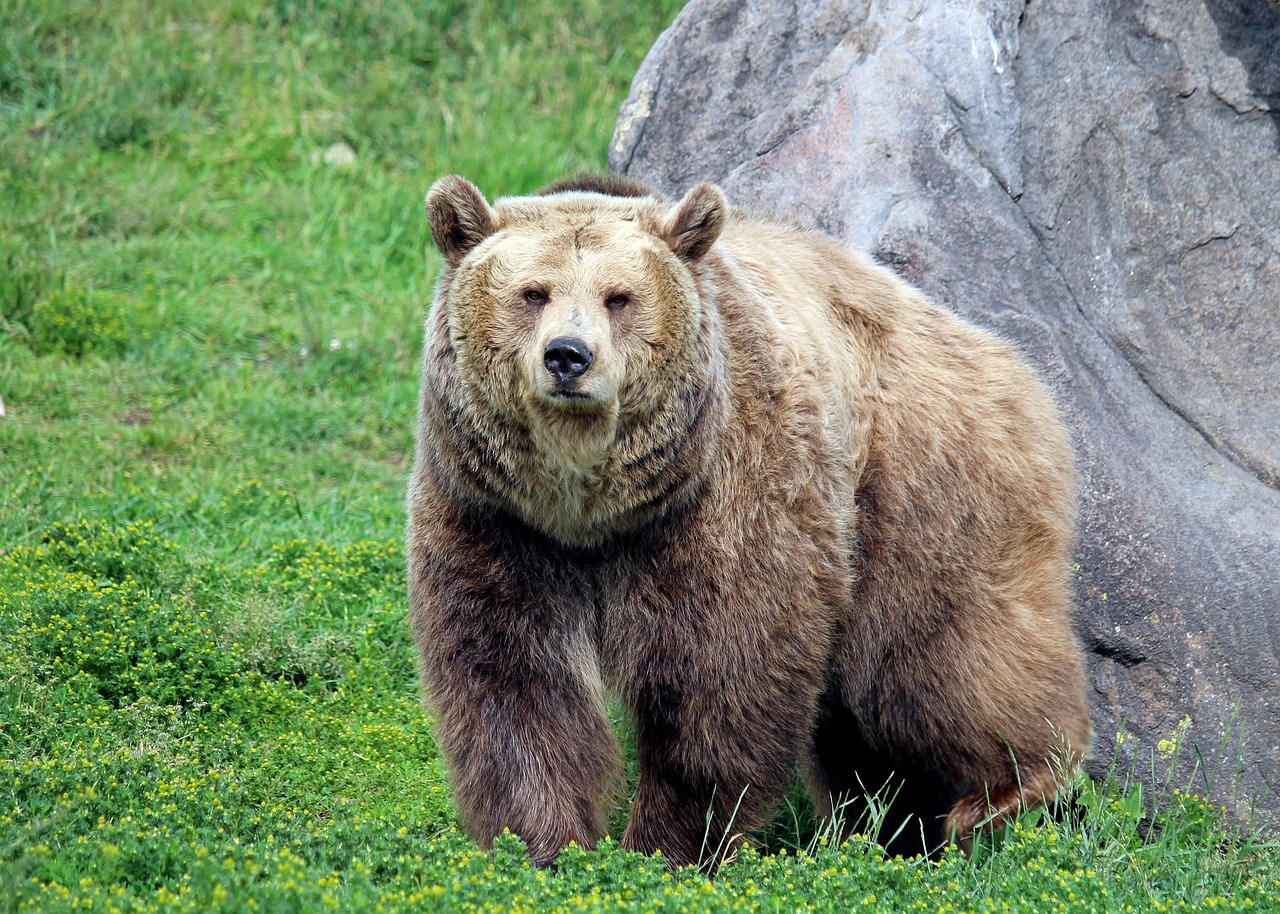
The truth about grizzly versus bison encounters defies simple answers. While grizzlies remain apex predators capable of taking down massive prey, healthy adult bison represent one of their most challenging opponents. Success depends on numerous variables including the bear’s size, the bison’s age and health, seasonal timing, and whether the encounter involves solitary animals or herds.
Though grizzlies might be apex predators of the Greater Yellowstone Ecosystem, bison are bigger. The iconic animals usually coexist peacefully, even when in close proximity to each other. Large male grizzlies often walk through herds of fifty to sixty bison without incident.
The relationship reveals nature’s nuanced approach to dominance. Raw power meets defensive strategy, individual cunning confronts collective protection, and seasonal vulnerability battles year-round strength. In Yellowstone’s grand theater, every encounter between these giants writes a new chapter in an ongoing story of survival, adaptation, and the complex balance that defines one of America’s last great wilderness areas.
What do you think about these incredible wildlife dynamics? Have these encounters changed your perspective on apex predators and their challenges in the wild?

- 8 US States With the Most Horseshoe Crab Spawning Beaches - August 6, 2026
- What It Means When a Cardinal Taps at the Same Window Each Morning - August 6, 2026
- 7 Reasons Mountain Lions Avoid Humans More Often Than They Approach - August 6, 2026