

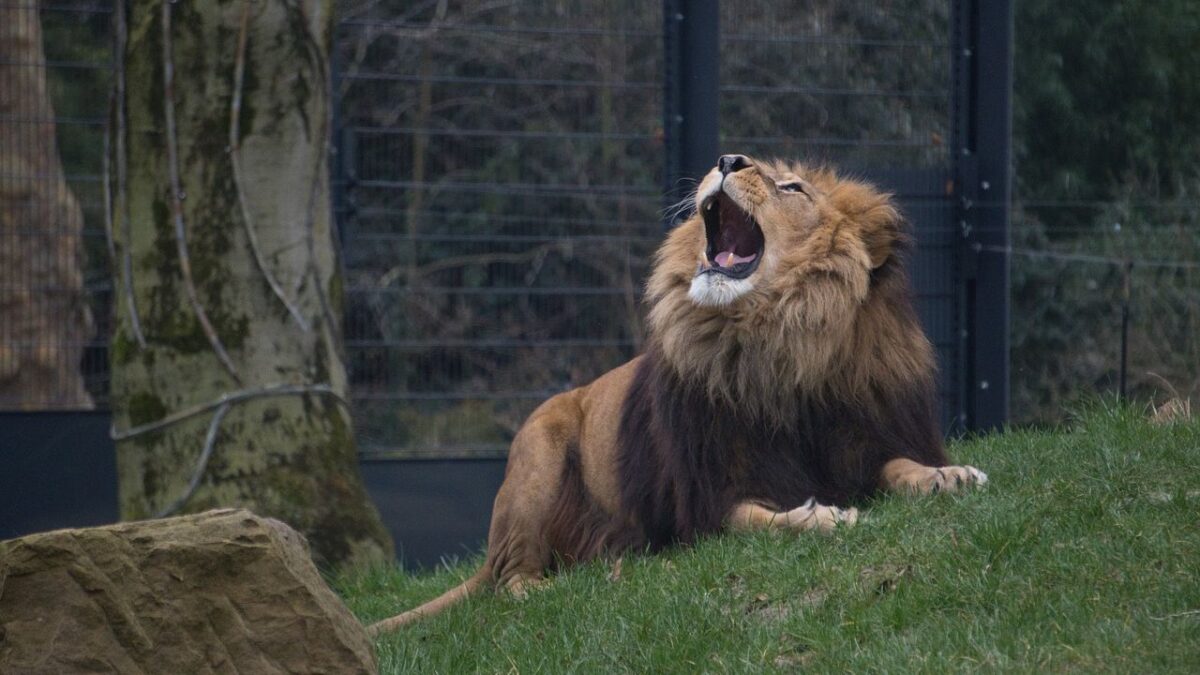
Imagine standing in the vast African savanna at dawn, surrounded by the gentle rustling of grass and the distant chatter of waking birds. Suddenly, a thunderous sound cuts through the peaceful morning air, so powerful it seems to shake the ground beneath your feet. That unmistakable roar belongs to the king of beasts, and scientists have been fascinated by just how far this incredible vocalization can travel.
The claim that you can hear a lion’s roar from five miles away isn’t just safari folklore passed down through generations of wildlife enthusiasts. It’s a scientifically backed phenomenon that showcases one of nature’s most remarkable acoustic achievements. So let’s dive into the fascinating world of big cat communication and discover what makes this extraordinary sound carry such incredible distances.
The Scientific Reality Behind the Five-Mile Claim
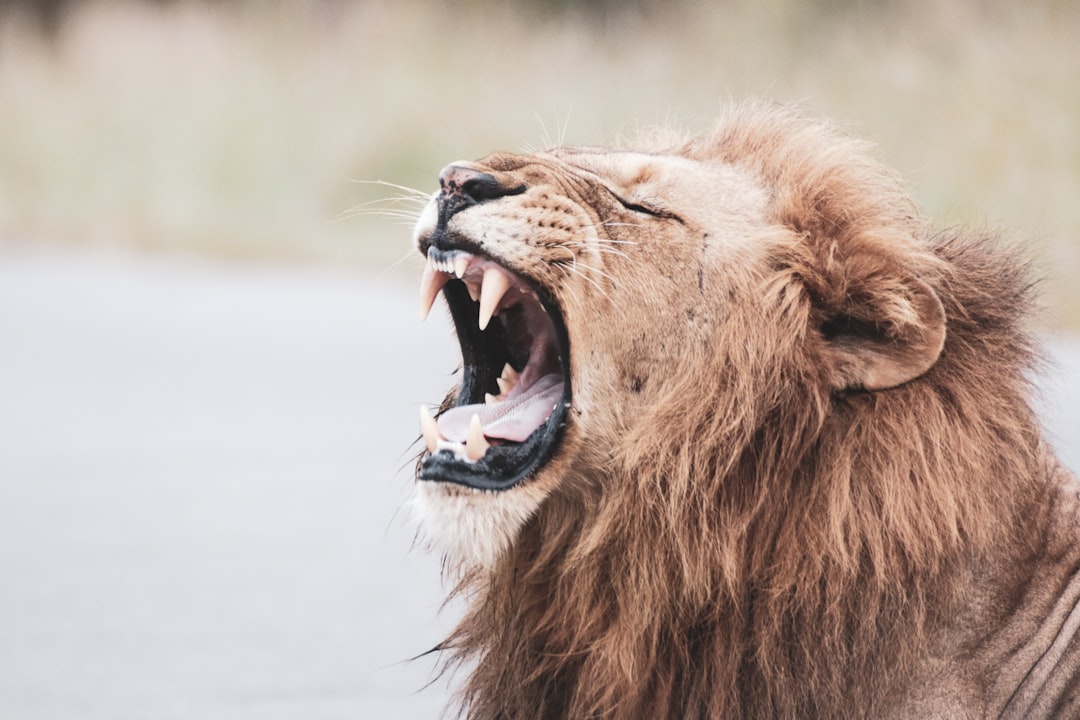
Lion roars can be heard for up to 5 miles away, and this remarkable claim has been consistently verified by wildlife researchers and zoo professionals alike. The roar is so loud it can be heard up to 5 miles away and reaches 114 decibels (at a distance of around one meter). To put this extraordinary volume into perspective, that’s roughly equivalent to standing next to a chainsaw in operation.
The sound can be heard from a distance of 8 kilometres or 5 miles and is used to advertise the animal’s presence. The roar of a lion is immensely powerful, capable of reaching up to 114 decibels, much louder than a chainsaw but quieter than a jet engine, and can be heard as far as five miles away on a quiet night. This incredible acoustic reach makes lions one of the loudest terrestrial animals on Earth.
The Anatomy Behind the Thunderous Roar
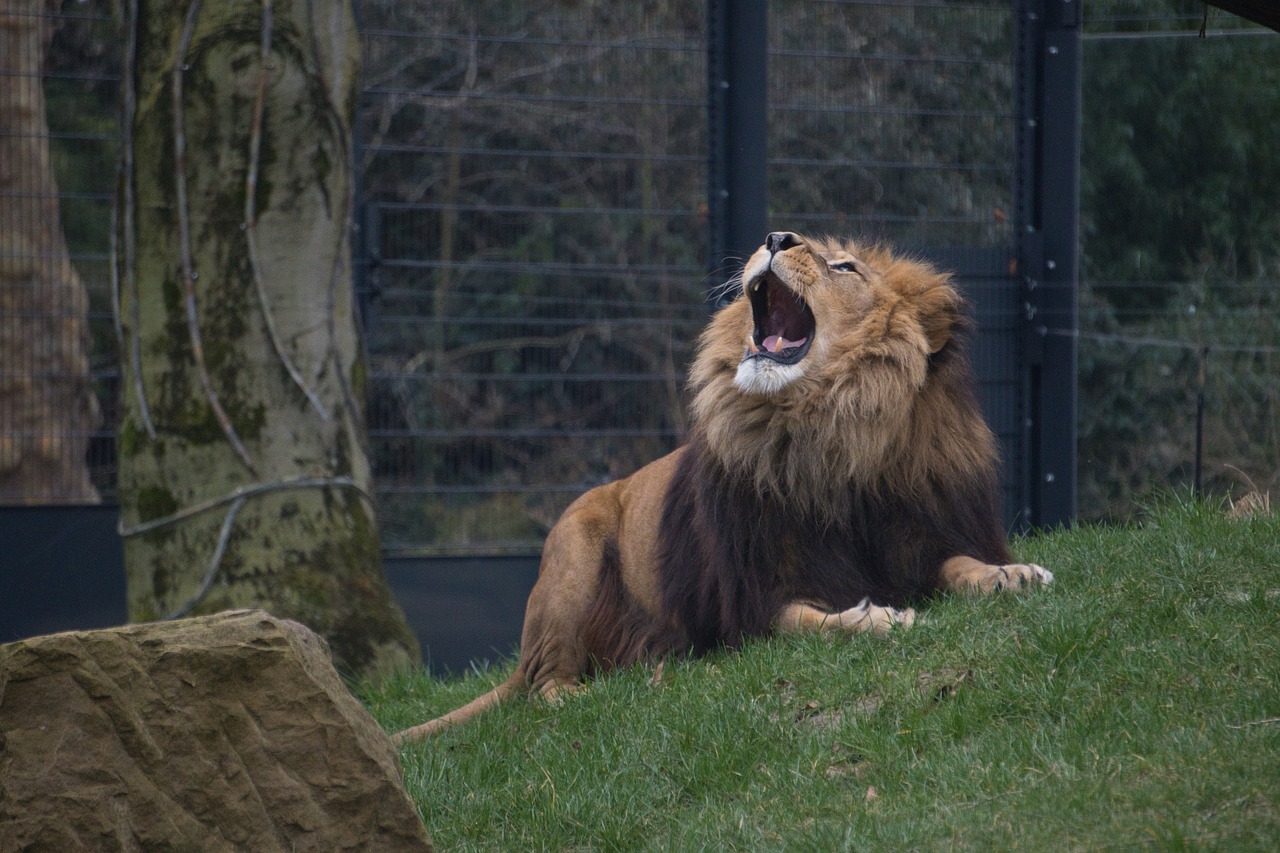
A group of biologists and speech scientists studied how lions and tigers roar by examining and testing tissue from the larynges of three lions and three tigers from the Henry Doorly Zoo in Omaha that had been euthanized because they were old and sick. What they discovered revolutionized our understanding of how these big cats produce their legendary vocalizations. Lions and tigers can roar loudly and deeply because their vocal folds have a flat, square shape and can withstand strong stretching and shearing.
A lion’s roar is so loud because its vocal folds form a square shape. This shape essentially stabilizes the vocal cords, enabling them to better respond to the passing air. Additionally, lions have exceptionally long vocal folds (vocal cords) measuring approximately 8-12 centimeters in adult males. These lengthy vocal folds can vibrate at lower frequencies than shorter vocal cords, creating the deep, resonant qualities that characterize a lion’s roar.
The Physics of Long-Distance Sound Travel
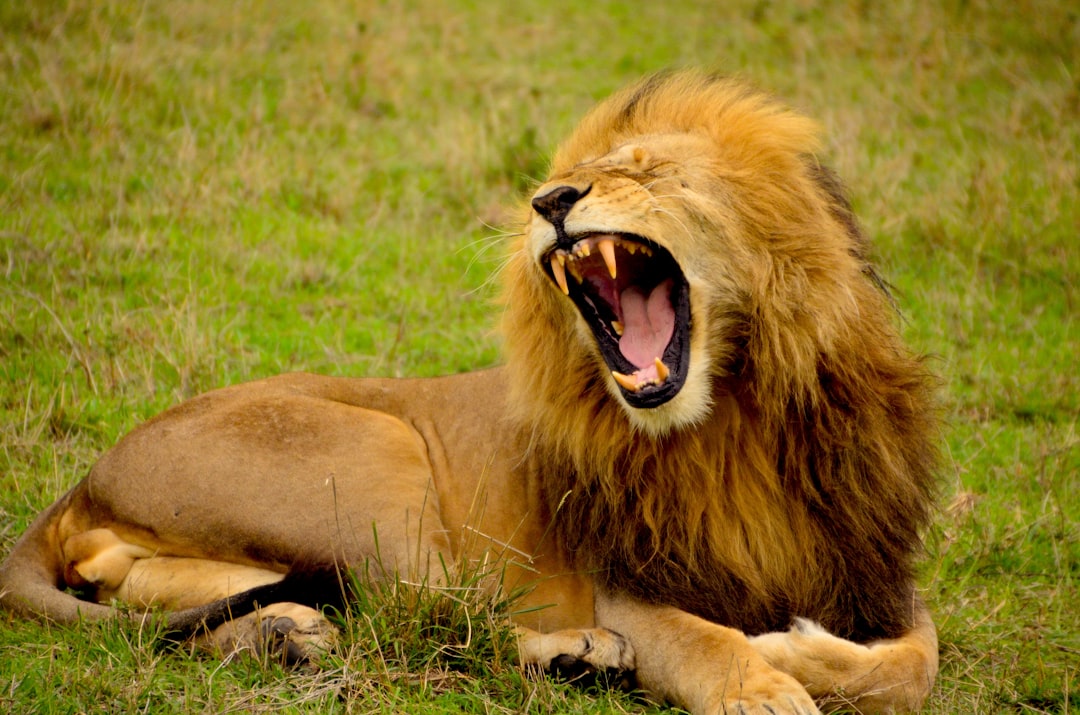
A 36–81 Hz roar of about 0.5 to 1.5 s in duration reaches sound pressure levels of 114 dB SPL at 1 m [15], [16]. A lion’s roar is delivered in bouts, lasting up to 90 seconds, consisting of up to 50 calls with F0 of 40 to 200 Hz. These low frequencies are the secret to the roar’s incredible travel distance. These low frequencies are less susceptible to atmospheric absorption and can penetrate through vegetation and around obstacles more effectively than higher-pitched sounds.
The typical frequency range of a lion’s roar is relatively low, often falling between 150-250 Hz. This low frequency contributes to the roar’s ability to travel long distances, as lower frequencies are less easily absorbed or scattered by obstacles. Think of how thunder rumbles across great distances while the sharp crack of lightning fades quickly. The same principle applies to a lion’s roar, where the deep, booming qualities travel much farther than high-pitched sounds would.
Environmental Conditions That Amplify the Roar
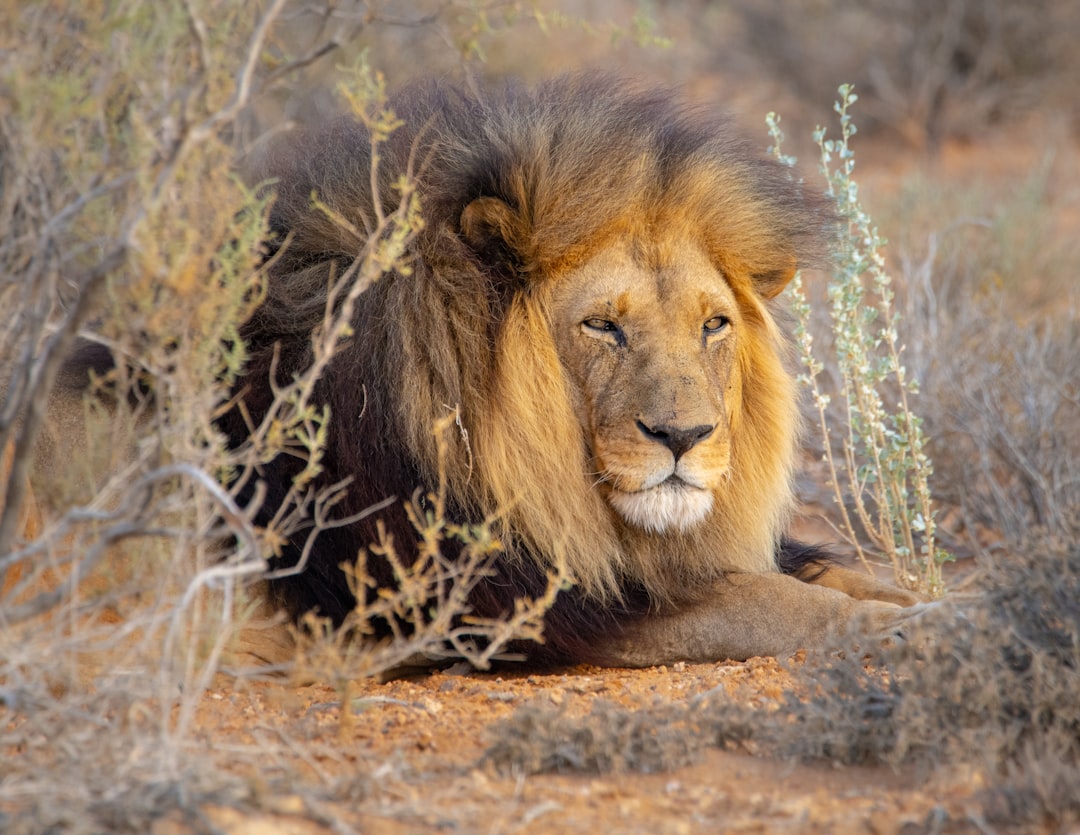
Environmental conditions also play a crucial role in how far a lion’s roar can travel. Sound travels farther in cool, still air, which is why lions often roar in the early morning or evening when atmospheric conditions are more favorable for sound propagation. On a cold day, there tends to be a layer of warmer air above the cold pockets closest to the ground. Because sound moves faster in warm air than colder air, the wave bends away from the warm air and back toward the ground.
Higher humidity levels generally decrease sound absorption, allowing sound to travel further. In dry conditions, on the other hand, sound can dissipate more quickly, leading to an underestimation of sound levels. The flat, open terrain of the African savanna further aids sound transmission, with fewer obstacles to absorb or deflect the sound waves. Under ideal conditions – cool air, low wind, and open terrain – a lion’s roar can indeed reach the often-cited distance of five miles.
Comparing Lions to Other Loud Animals
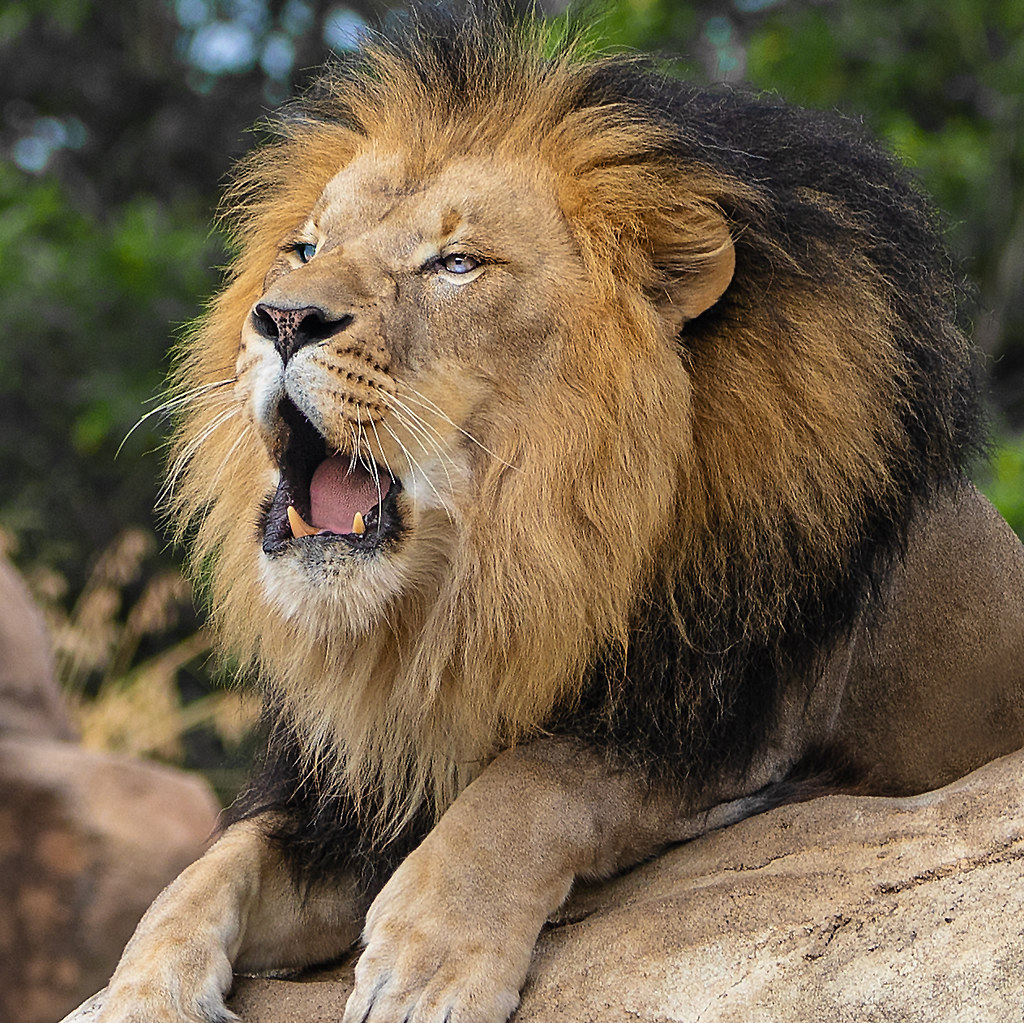
While lions certainly rank among the loudest animals on Earth, they’re not the ultimate champions of volume. Blue whales make the loudest sound of all, with males emitting a rumbling call that can reach 188 decibels and be heard by potential mates hundreds of miles away. The famous hyena “laugh,” meanwhile – actually a sound the animals make under stress – can reach a distance of 3-5 kilometers (2-3 miles).
Lions, blue whales, and hyenas would all be impressed by the mighty, tiny pistol shrimp, which shoots out bubbles to incapacitate its prey and in doing so creates a sound that can reach 218 decibels, louder than a gunshot. Fortunately for any humans that might be nearby, it lasts only a fraction of a second. However, among terrestrial mammals that we might actually encounter in the wild, the lion’s roar remains unmatched in its combination of volume and carrying power.
The Evolutionary Purpose Behind the Power
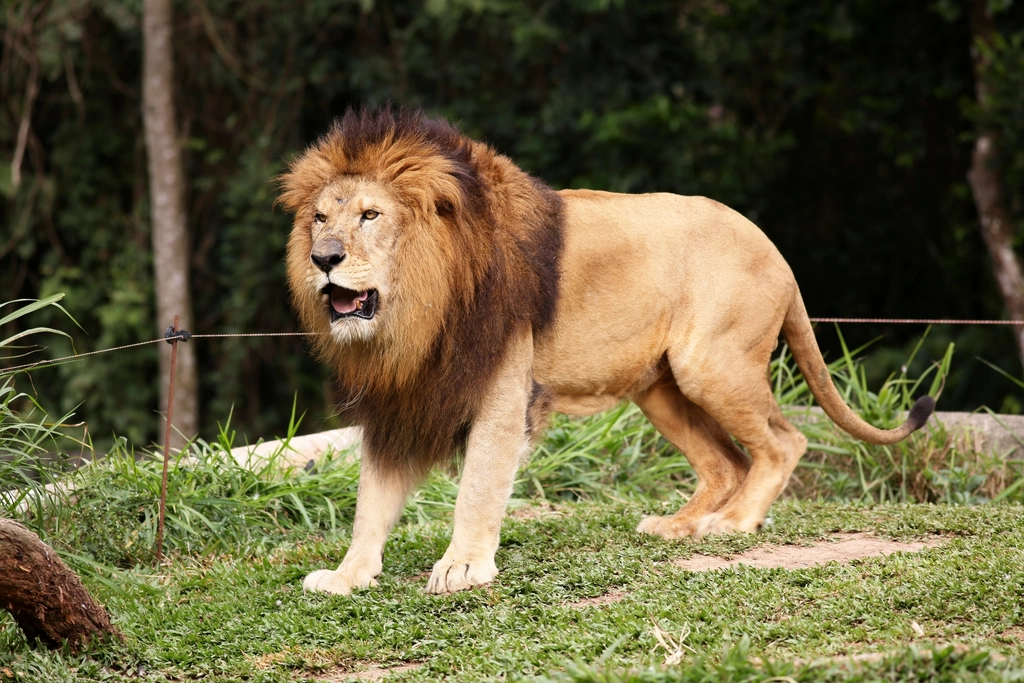
Male lions will use their roar to scare off intruders and warn the pride of potential danger. When lions roar, they are essentially telling other lions, “This area belongs to us.” This incredible vocal range serves multiple crucial evolutionary functions that have been perfected over millions of years. Lions live in a pride, which is a social group that works together for various activities, including hunting. Roaring helps coordinate their actions and reunite separated members.
Male lions use their roars to announce their presence and availability to potential mates. A powerful roar signals their strength and ability to protect and provide for a pride and their offspring. Think of it as nature’s ultimate long-distance communication system, allowing these magnificent predators to maintain their territories and social bonds across the vast landscapes they call home without the energy expense of constant physical patrolling.
Modern Research and Future Discoveries
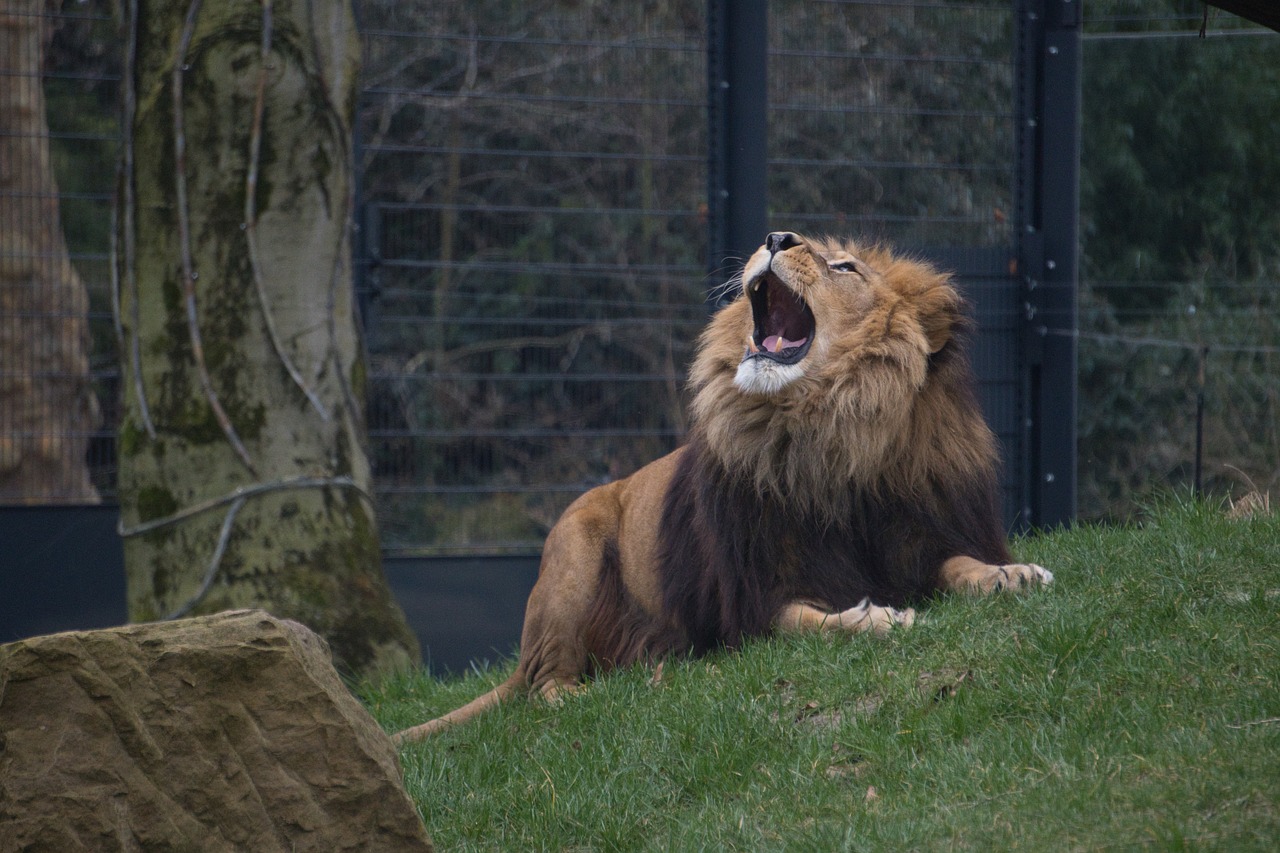
Scientists continue to uncover new aspects of lion communication that challenge our previous assumptions. A 2021 study of the roar of male lions revealed that they roar mainly at night, and are most likely to roar when wind speeds are low and air humidity is higher. This research supports the environmental factors we’ve discussed and shows how lions have evolved to time their vocalizations for maximum effectiveness.
According to research published in Bioacoustics, these roars are unique to each lion. Our team closely observes and interprets these vocalizations to gain insights into carnivore behavior and emotional state. Modern acoustic monitoring equipment and GPS tracking now allow researchers to study these powerful vocalizations with unprecedented precision, revealing details about lion communication that were impossible to detect just a few decades ago.
The answer to whether you could hear a lion roar from five miles away is a resounding yes, under the right conditions. This remarkable acoustic achievement represents millions of years of evolutionary refinement, combining specialized anatomy, favorable physics, and optimal environmental conditions. From the unique square-shaped vocal folds to the low-frequency sound waves that pierce through obstacles, every aspect of the lion’s roar has been perfected for maximum impact and range. What do you think about this incredible natural sound system? Tell us in the comments.

- New Dinosaur Discovered With Crocodile in its Mouth - August 7, 2026
- 10 Pets Most Compatible with Zodiac Sign Aries - August 7, 2026
- Marine Biologists Shed Light on Fish Living in Manta Ray Butt - August 7, 2026