
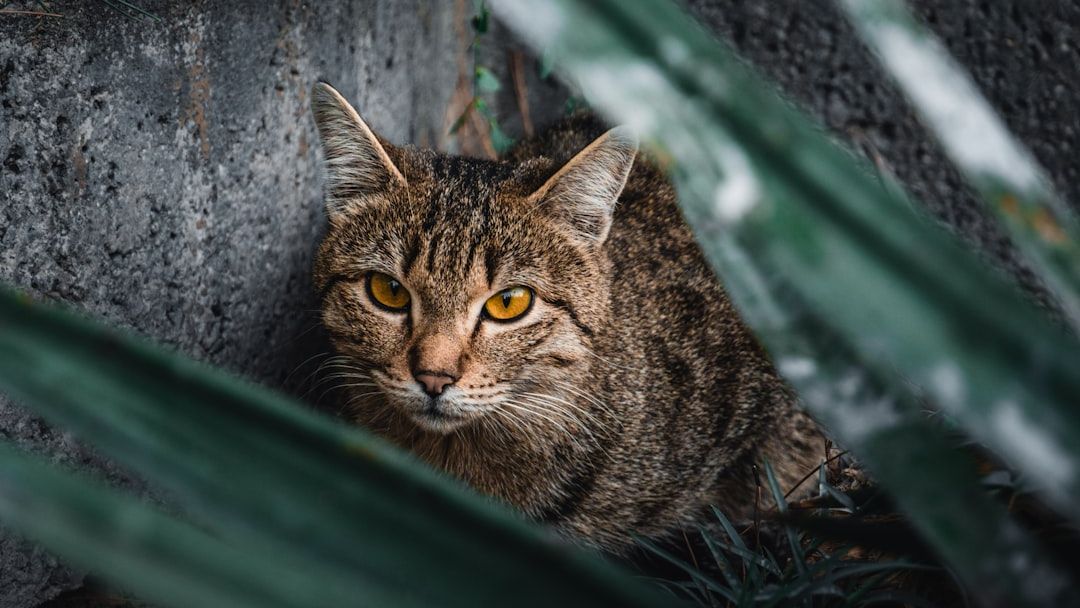
Fear is one of our most primal emotions, triggering rapid heartbeat, sweating, and adrenaline surges. While we might think we’re good at hiding our terror, the truth is startling. Nature has crafted predators with sensory abilities so refined that they can detect our fear before we even realize we’re experiencing it.
These incredible hunters possess sensory superpowers that make human perception look almost primitive by comparison. From chemical signals to electrical fields, they’ve evolved to read the subtle signs of fear that we unconsciously broadcast. Let’s explore these remarkable creatures and their extraordinary abilities.
Sharks: Masters of Electrical and Chemical Fear Detection
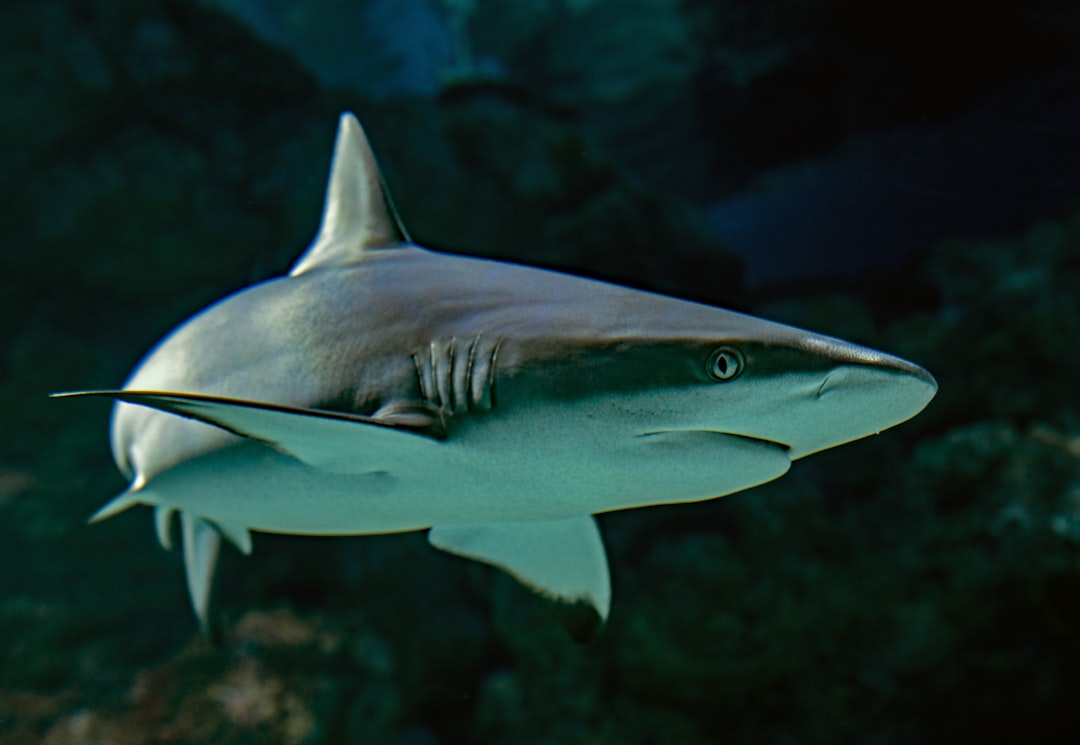
While many people believe sharks can “smell fear,” the reality is even more fascinating. Sharks are equipped with one of the most finely tuned olfactory systems in the animal kingdom. Their sense of smell allows them to detect blood in concentrations as low as one part per billion.
However, their most remarkable ability lies in electroreception. Sharks can detect the electrical impulses given off by every living thing. They have many small pores in their skin around their snout, known as the ampullae of Lorenzini. When fear strikes, our muscles contract and our heart races, creating distinct electrical patterns that sharks can sense instantly.
Sharks have an electroreceptive system which allows them to detect small electric fields generated by distressed animals, such as those created by muscle contractions due to fear or injury. This combination makes them incredibly efficient at identifying vulnerable prey from impressive distances.
Dogs: The Ultimate Fear-Sniffing Companions
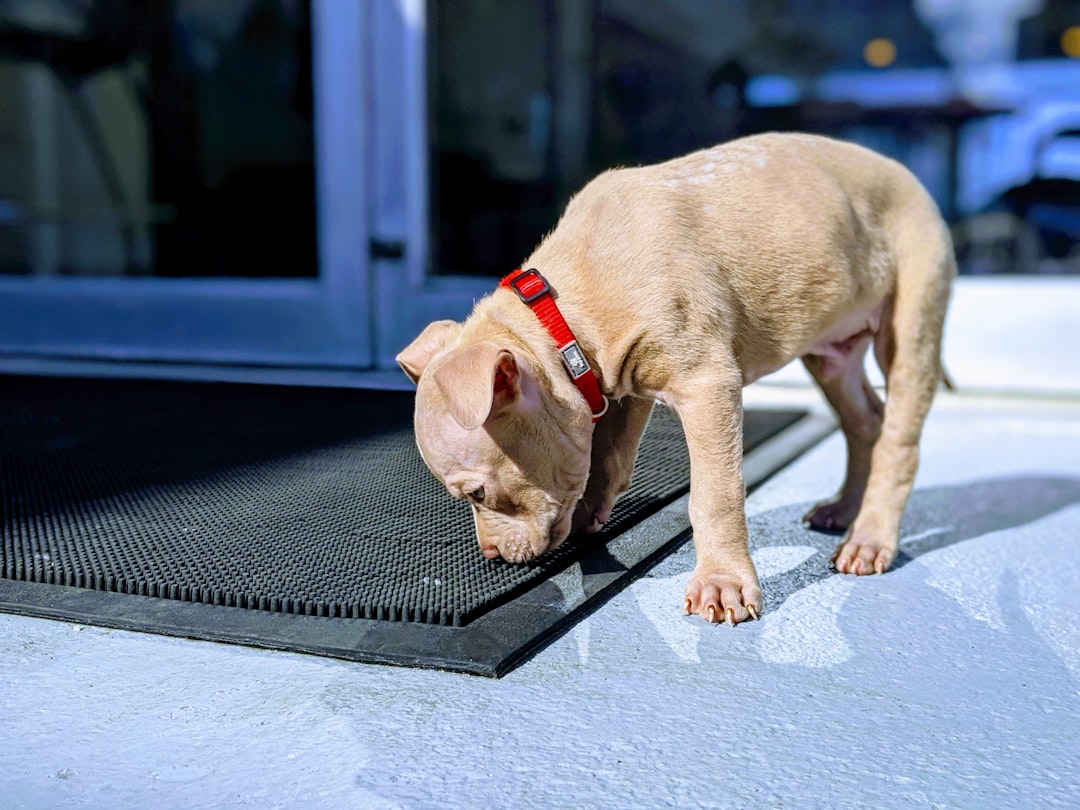
Dogs, with their keen sense of smell, can detect changes in human body odor associated with fear. This ability is linked to their training as service animals and their deep bond with humans. Their olfactory system is roughly 40 times more sensitive than ours, containing up to 300 million scent receptors.
When humans are fearful, they release pheromones through sweat that dogs can detect. Additionally, dogs can sense heightened physiological responses like increased heart rate and adrenaline, associated with fear. This explains why dogs often become protective or comforting when their owners are stressed.
Service dogs are specifically trained to recognize these chemical and physiological changes. They can detect seizures, panic attacks, and other medical emergencies before they become obvious to humans, making them invaluable companions for those with various conditions.
Cats: Silent Fear Detectors with Acute Observation Skills
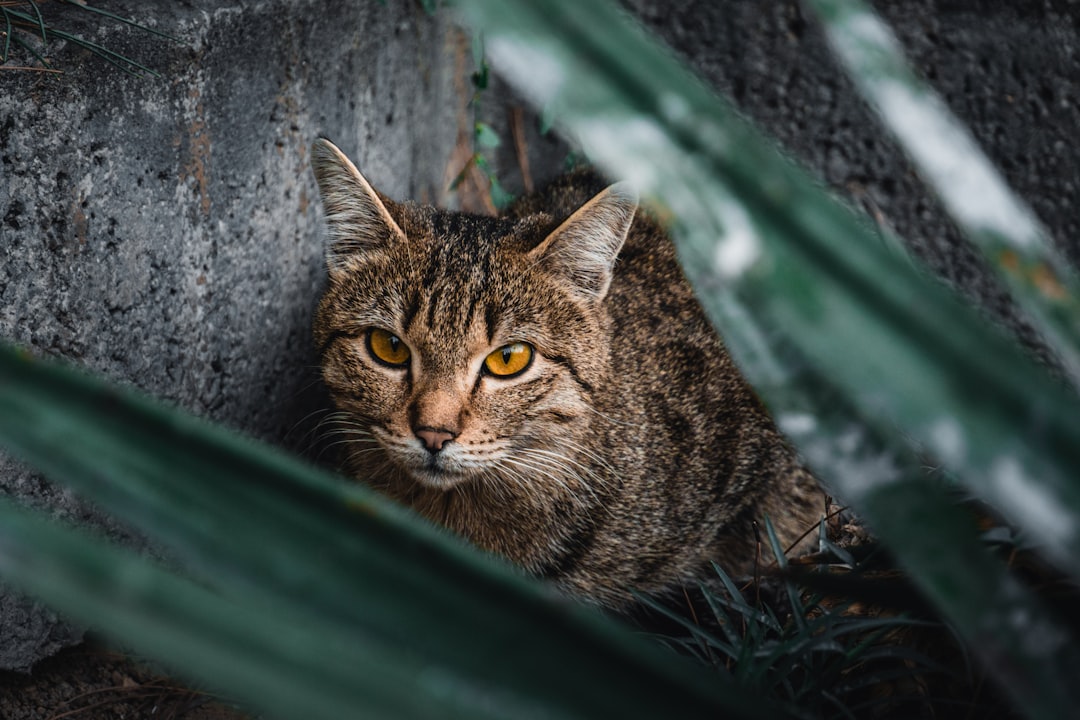
Their acute sense of smell enables them to detect subtle changes in human pheromones and body chemistry associated with fear. This sensory perception goes beyond scent; cats are also keen observers of body language and tone of voice.
Cats, often perceived as distant, have their own way of sensing fear. Their acute observation skills allow them to pick up on body language and subtle changes in scent. Unlike dogs, cats may become more aloof when they sense fear, choosing to watch from a distance.
This behavior makes evolutionary sense. Cats are both predators and prey in the wild, so detecting fear helps them assess whether a situation poses danger or opportunity. Their response is calculated and cautious rather than immediately protective.
Spiders: Vibration Masters Reading Environmental Fear Signals
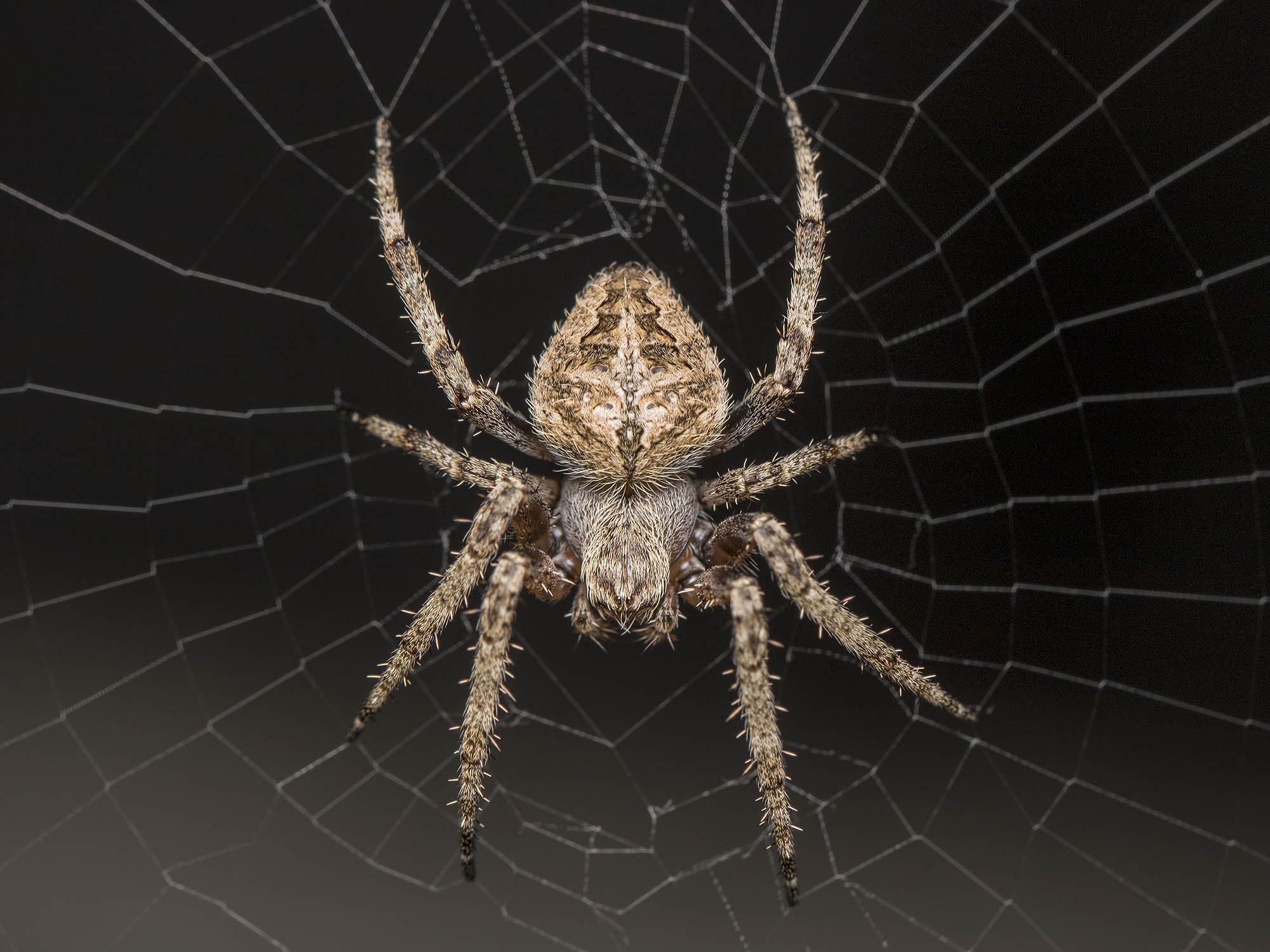
Many spiders have sensory hairs called trichobothria on their legs and body that are incredibly sensitive to air currents. These hairs can detect even the slightest changes in air movement, allowing spiders to sense the approach of predators or prey from a distance.
When a human is scared, they may fidget, tense up, or even tremble slightly. These subtle movements can create vibrations that a spider might perceive. Additionally, spiders possess chemoreceptors that may detect fear-related chemical changes in human body odor.
Spiders themselves are incredibly sensitive to vibrations and movements in their environment, using their legs and web to detect prey or predators. So they may be able to pick up on the subtle vibrations, motions, or disturbances caused by a fearful human or animal. Their response is typically defensive, often freezing or retreating when they sense potential threats.
Horses: Prey Animals Fine-Tuned to Detect Predator Fear
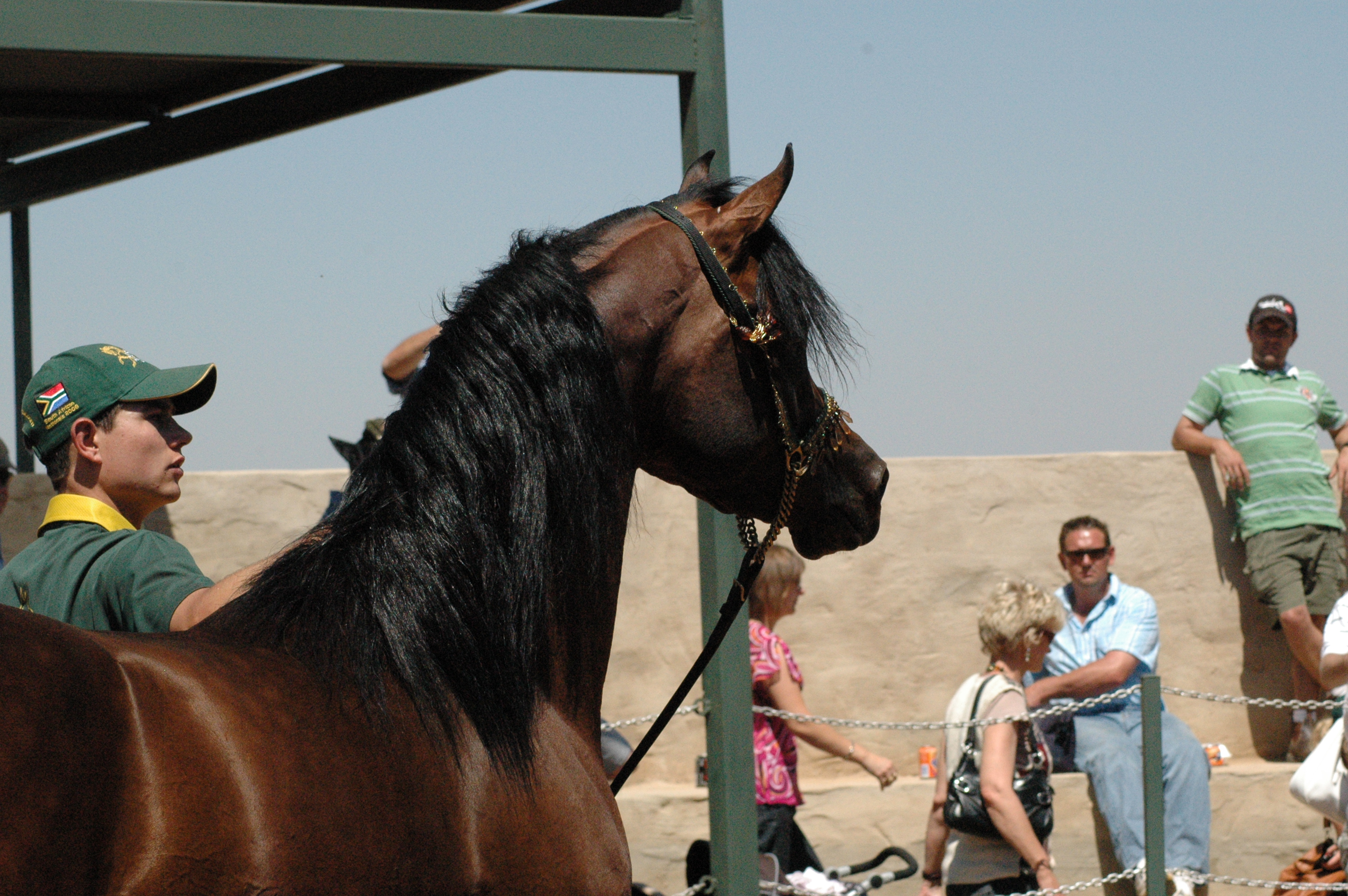
Horses are prey animals, and their survival has depended on their ability to read and react to threats quickly, according to the Equine Science Center. They can sense fear through body language and smell, detecting the subtle changes in human sweat when fear is present.
Horses have evolved incredibly sensitive flight responses because their survival depended on detecting danger milliseconds before it struck. They can read human emotions through micro-expressions, body posture, and chemical signals that we’re completely unaware we’re broadcasting.
This sensitivity makes horses excellent therapy animals and explains why they’re so responsive to human emotional states. Experienced horse handlers know that approaching these animals with fear or anxiety will immediately put the horse on edge, creating a potentially dangerous situation.
Bees: Collective Threat Detection Through Fear Pheromones
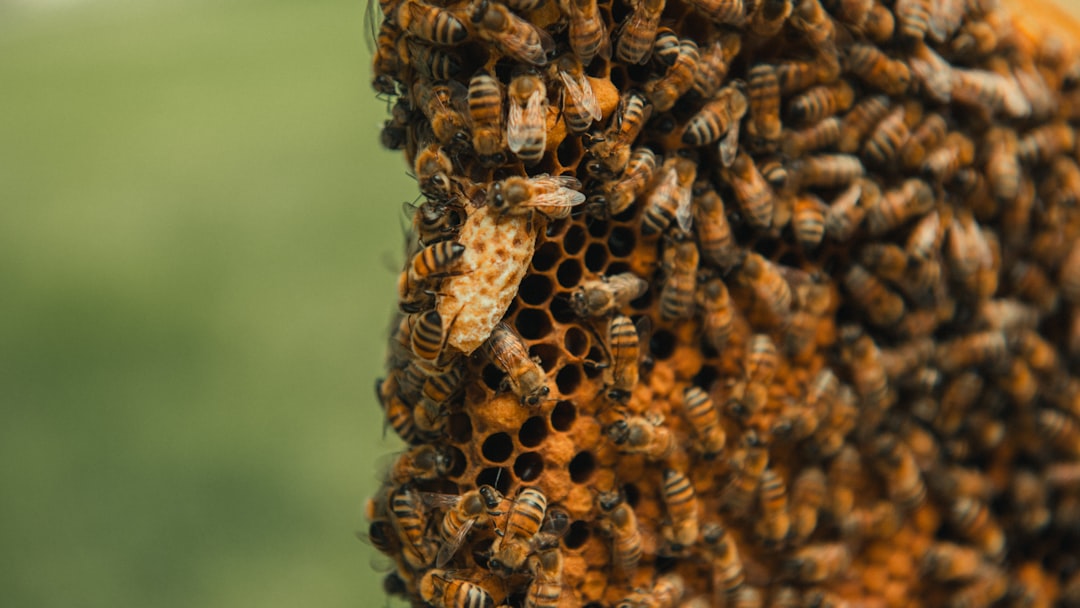
Bees are surprisingly perceptive and can detect human fear. When threatened or stressed, humans emit alarm pheromones, which can trigger bees to become more defensive and aggressive. This creates a dangerous feedback loop where human fear escalates bee aggression.
This sensitivity to fear is a survival mechanism for bees. If they sense a threat to the hive, they will act to protect it, often becoming more aggressive if they detect fear in nearby animals or humans. The collective nature of bee colonies means that once one bee detects threat pheromones, the alarm can spread rapidly through the entire hive.
Beekeepers learn early in their training to approach hives with calm confidence. Moving slowly and deliberately while maintaining relaxed breathing helps prevent triggering the colony’s defensive responses. This knowledge has been passed down for generations because it’s literally a matter of life and death.
Rats: Urban Survivors Reading Human Emotional States
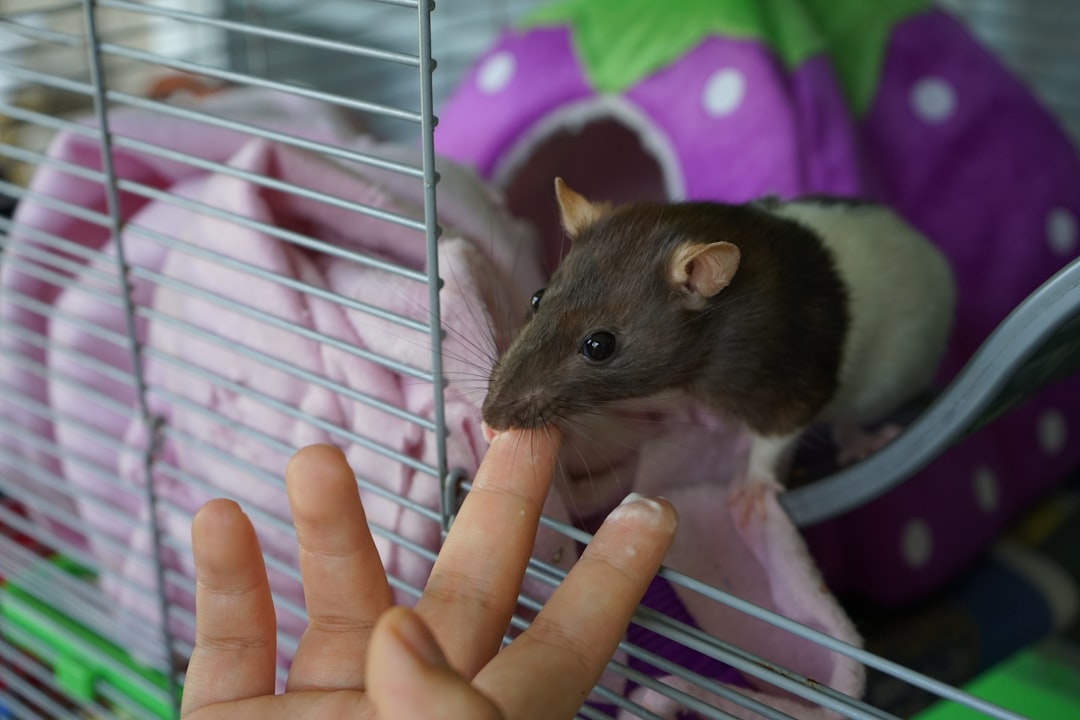
Rats, often the subject of urban myths and fears, have an acute ability to pick up on human emotions. These intelligent rodents can detect the stress pheromones we emit when we’re afraid. Their survival in human environments has sharpened these abilities to an extraordinary degree.
According to behavioral studies, rats respond to these fear signals by becoming more cautious and alert. In the wild, a rat’s decision-making is heavily influenced by their ability to detect fear. If they sense fear in a predator or another animal, they might take it as a cue to flee or hide.
Living alongside humans for millennia has given rats an almost supernatural ability to read our emotional states. They’ve learned to distinguish between humans who pose genuine threats and those who are merely afraid, adjusting their behavior accordingly to maximize their survival chances.
Conclusion
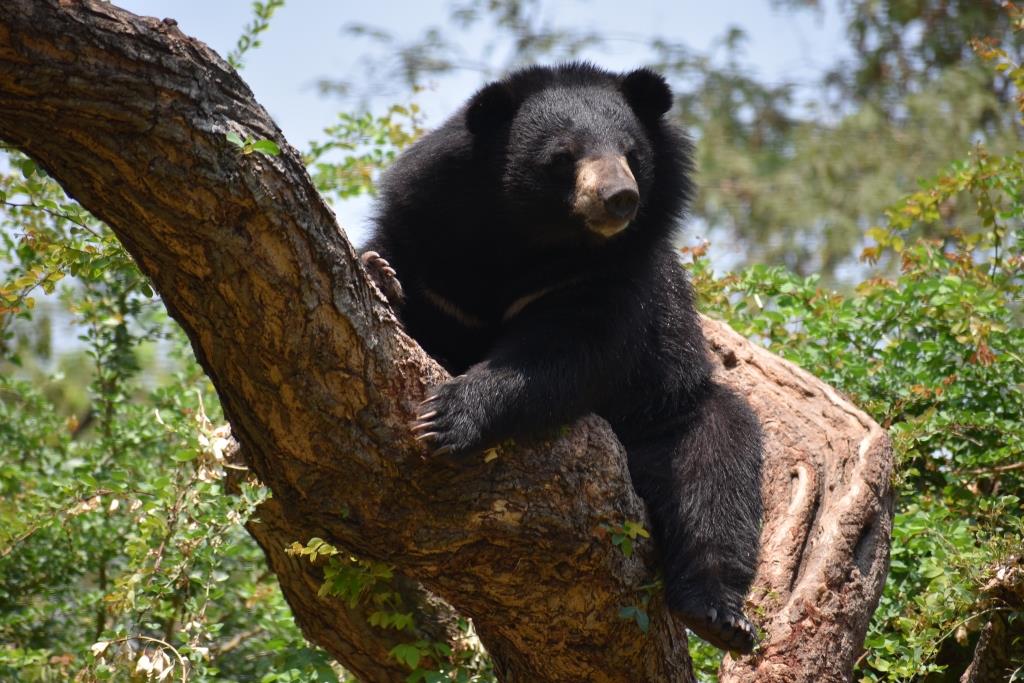
These seven predators remind us that fear is far more than just an internal experience. It’s a complex symphony of chemical, electrical, and physical signals that we broadcast to the world around us. While we might feel like masters of our emotions, these creatures can read us like an open book.
Understanding these abilities helps us appreciate the incredible sensory world that surrounds us every day. From the electrical fields sharks detect to the subtle vibrations spiders feel, nature has evolved detection systems that make our human senses seem almost crude by comparison. The next time you feel afraid, remember that you’re not just experiencing an emotion, you’re sending out signals that the natural world can intercept faster than you can blink.
What do you think about these remarkable abilities? Tell us in the comments which predator’s fear-detection skills surprised you the most.
