
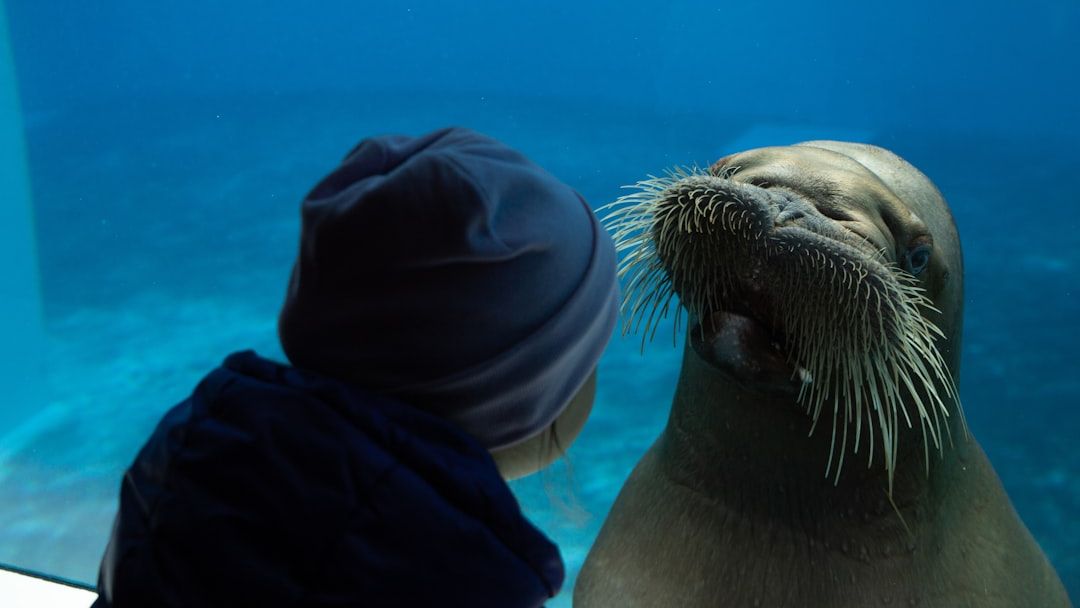
Picture this: you’re swimming in crystal clear waters, enjoying a peaceful afternoon when suddenly, a large shadow glides beneath you. Your heart pounds as you realize it’s a shark. But then, something extraordinary happens. A sleek marine mammal positions itself between you and the predator, seemingly defending you from harm.
While stories of dolphins rescuing humans have captured headlines for decades, the question of whether seals might perform similar heroic acts remains largely unexplored. Yet new research on marine mammal behavior suggests these whiskered ocean dwellers might possess more complex emotional lives than we ever imagined. Let’s dive into what science reveals about these potential underwater guardians.
The Surprising Intelligence of Seals
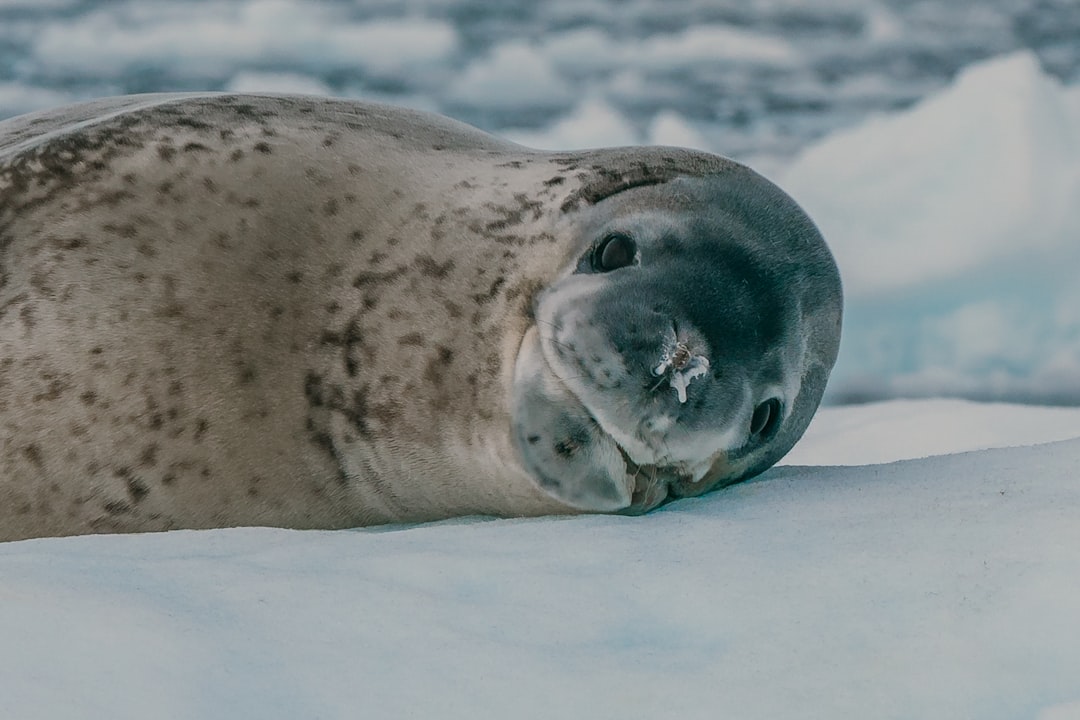
Seals possess remarkable cognitive abilities that rival those of many land mammals. Seals, like many marine mammals, have a high degree of emotional intelligence. They form strong social bonds with other seals and can display a range of emotions from joy and playfulness to concern and distress.
Their brains are highly developed, particularly in areas responsible for social processing and environmental awareness. The seal’s attempt to “rescue” the diver that it thinks is drowning is a clear indication of its ability to empathize with other beings. This act of selflessness and concern shatters any misconceptions that animals lack emotional depth or understanding.
Evidence of Seal Altruism in Action
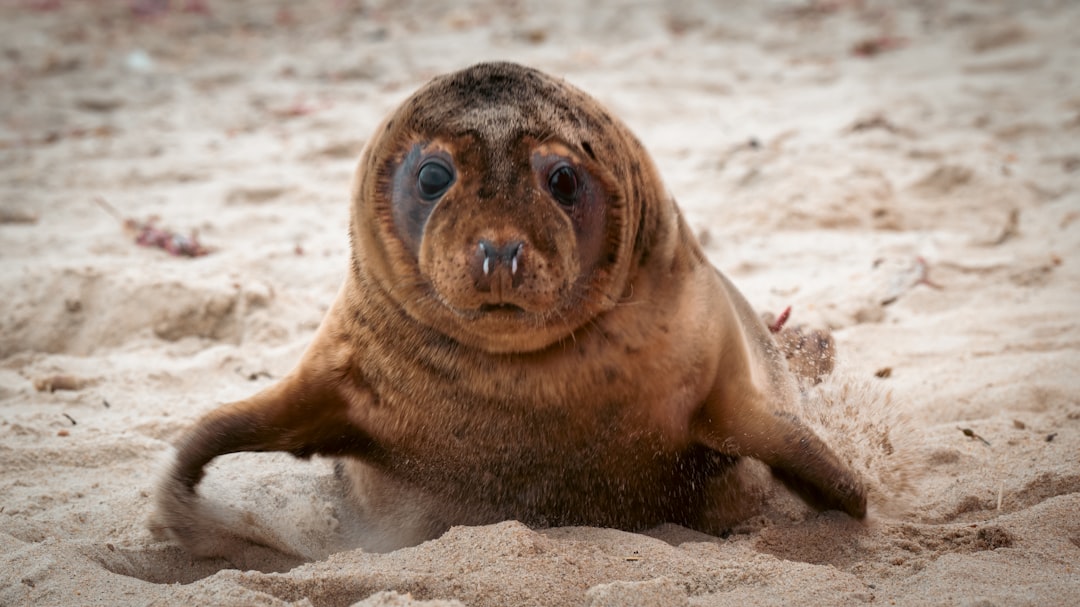
In what researchers describe as a rare display of altruism, elephant seals have been observed showing protective behavior toward pups, though such instances remain uncommon and poorly documented. This groundbreaking observation marked the first documented case of male altruism in elephant seals.
After their observation, the research trio searched the literature and could not find any other instances of such behavior by a bull elephant seal, suggesting it had been a unique event. They were not able to explain the seal’s behavior, but suggest it must have been motivated by factors known only to the seal itself.
When Seals Mistake Humans for Companions
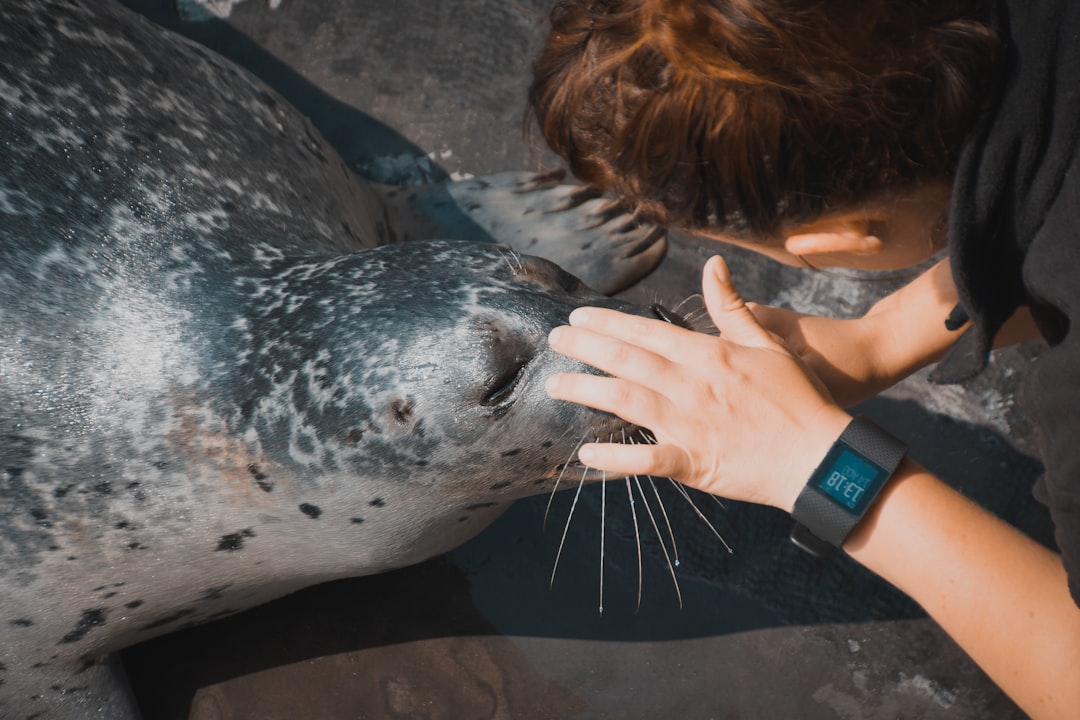
Sometimes seals demonstrate what appears to be rescue behavior when they encounter humans in distress. The seal’s attempt to “rescue” the diver that it thinks is drowning is a clear indication of its ability to empathize with other beings. This seal that thinks a diver is drowning is a beautiful display of altruism.
Altruism is the act of helping another individual, even if it comes at a cost to oneself. It’s a selfless act, driven by genuine concern for the well-being of another. Marine behaviorists believe seals may genuinely perceive humans as fellow mammals in need of assistance.
The Complex Relationship Between Seals and Sharks
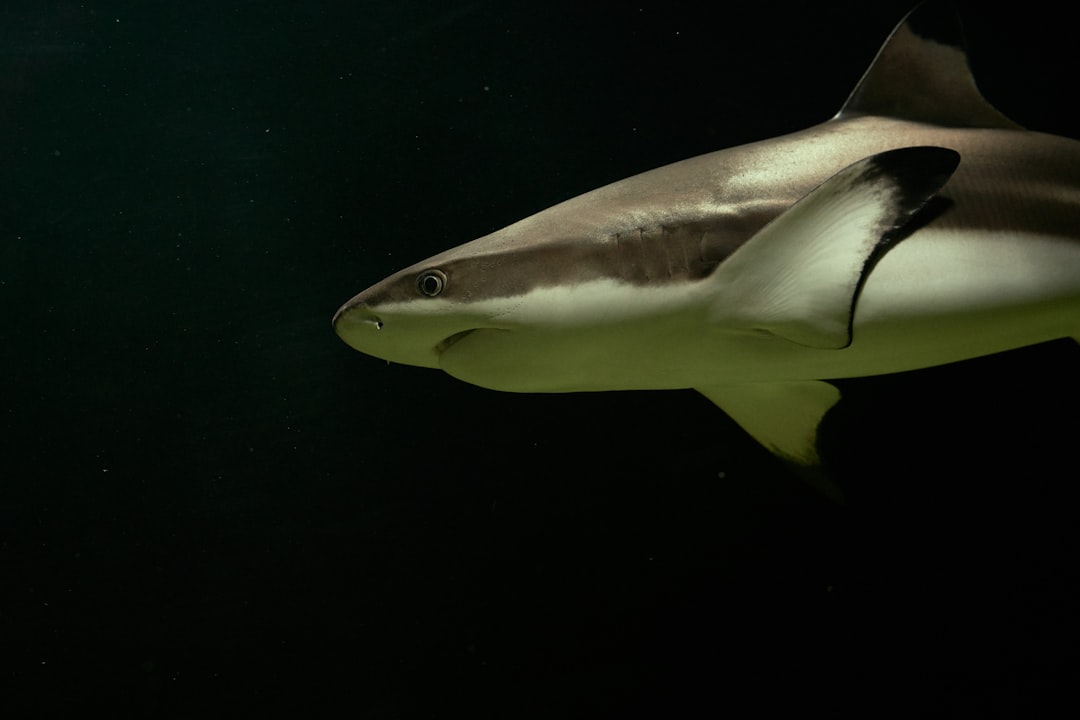
According to shark researcher Greg Skomal, attacks like this are extremely rare, and most likely cases of mistaken identity. White sharks are ambush hunters who target seals, a prey item that looks similar to a swimmer wearing a wetsuit. This predator-prey relationship has shaped millions of years of evolution.
One of the most interesting discoveries was the change in behaviour of seal pups when they were exposed to white sharks. Sharks arrive at the island just as the young-of-the-year start leaving on their first ‘practice’ foraging trips. The pups are pretty naive at this point, but our research results suggest that they wise up pretty quickly.
Marine Mammal Rescue Instincts
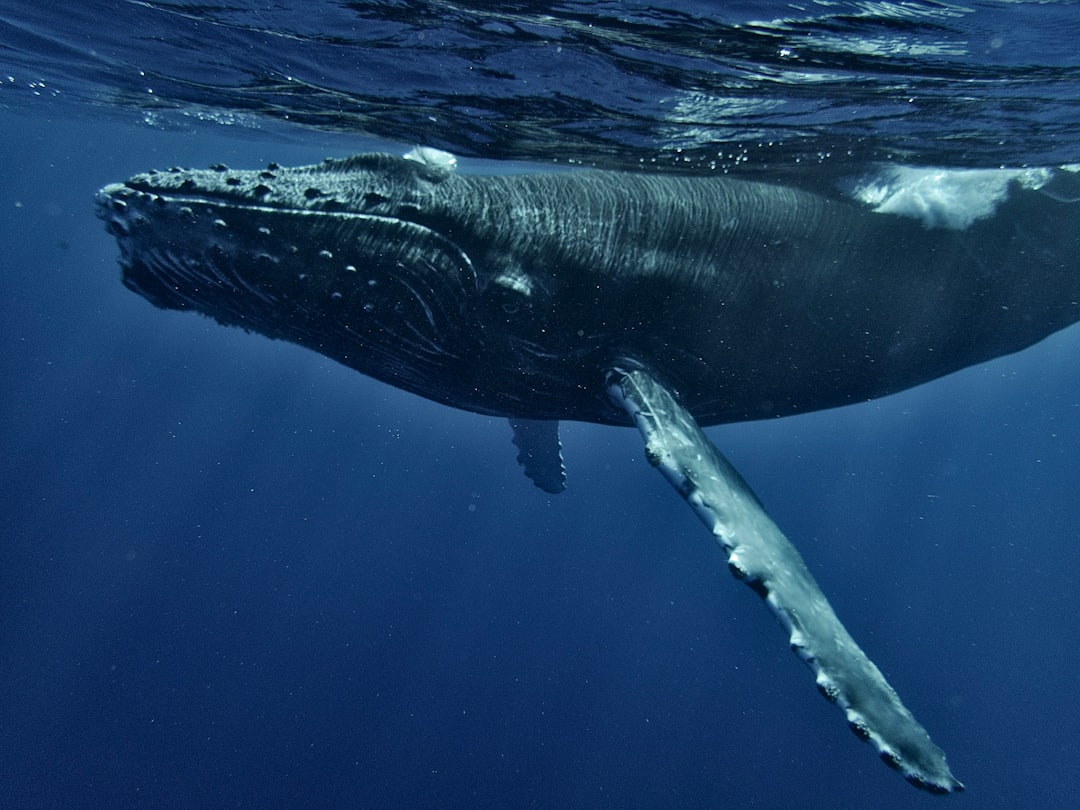
The instinct to help others isn’t unique to seals. Humpbacks, it turns out, deliberately interfere with attacking killer whales to help others in distress. They don’t just defend their own babies or close relatives. They intervene on behalf of other species – a gray whale calf with its mother, a seal hauled out on an ice floe, even an ocean sunfish.
What the humpback whales did was no fluke – it was one of numerous recorded episodes of humpbacks intervening in killer whale attacks on unrelated species, with researchers documenting over 70 such interactions. And humpbacks are not the only species known to help other animals. There are many stories of dolphins rescuing humans, dogs, and each other from sharks and fishing nets, and documented episodes of apes helping injured animals and even human children who fall into their enclosures.
What Drives Marine Mammal Altruism?
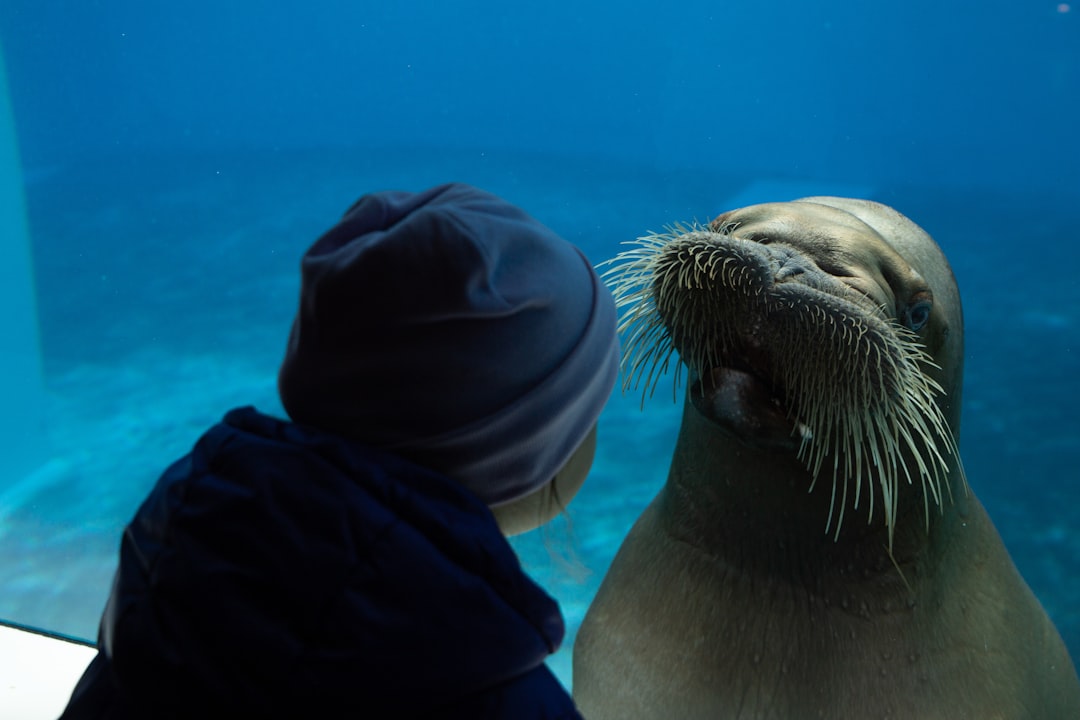
Activity in emotional brain structures like the amygdala, insula, and striatum, support empathy, which is the ability to understand when others are in need or distress, and caring, which is the desire to alleviate that state. These processes may suffice to motivate altruism in humans and non-humans alike.
Lori Marino, a neuroscientist who founded the non-profit Whale Sanctuary Project, believes the animals might be acting from “empathy-based altruism,” or the emotional impulse to help others. This suggests that seals, with their advanced emotional intelligence, could theoretically extend similar protective behaviors toward humans.
The Scientific Reality Check
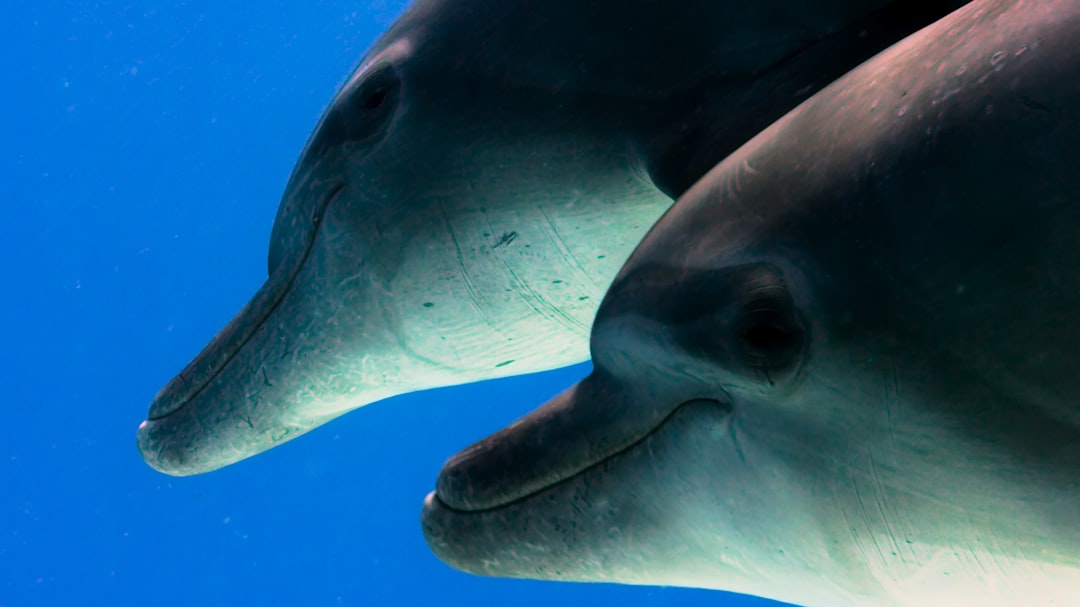
However, marine behaviorists urge caution when interpreting these behaviors. Mike Heithaus, professor in the department of biological sciences at Florida International University, said it’s unlikely dolphins were intentionally saving Richardson’s life. Heithaus said in most cases, whales and dolphins are probably not protecting humans for altruistic reasons – more likely they are trying to protect themselves or their young.
Many marine biologists are skeptical about dolphins intentionally saving humans from sharks. They point out that dolphins and sharks often share the same waters without conflict. The same principle likely applies to seals, whose interactions with sharks are primarily driven by survival rather than heroism.
Future Research and Conservation Implications
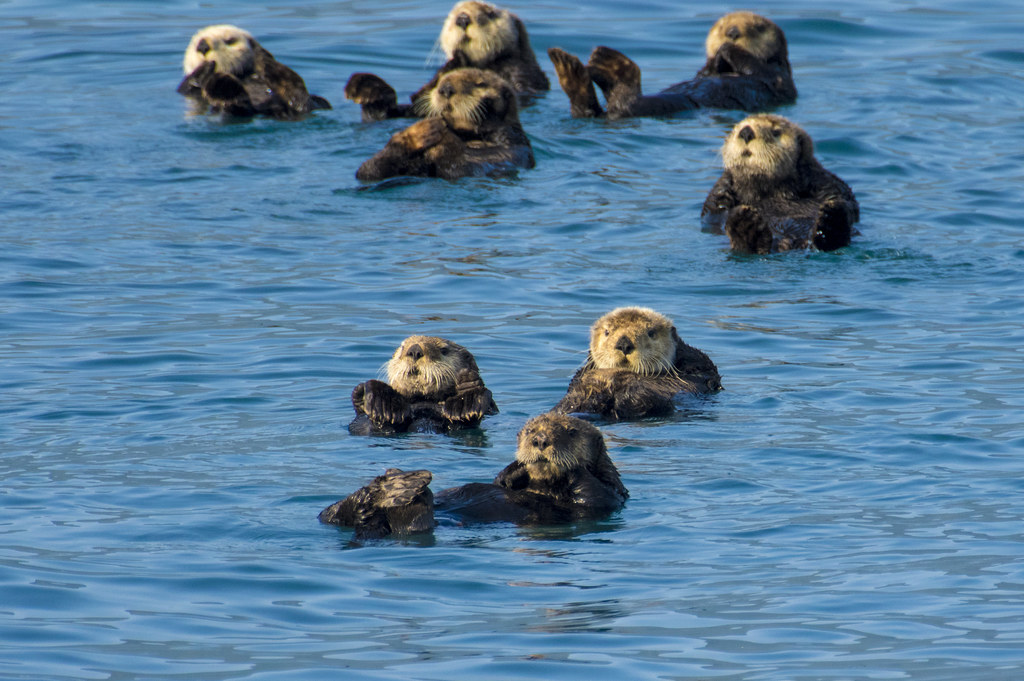
Understanding seal behavior has important implications for marine conservation efforts. Research suggests that human conservation interventions have played a significant role in supporting marine mammal populations, though specific statistics vary by species and region. This highlights how human intervention can make a real difference in marine mammal populations.
As we care for and diagnose these animals, we’re not just learning about the specific diseases that affect marine mammals, we’re also learning about the health of the ocean as a whole. Animals like California sea lions serve as sentinels of the sea, alerting us to the dangers they face. Rescuing these animals can help raise the alarm and inspire public action on threats like pollutants, ocean trash, overfishing and global warming. Because many of the threats marine mammals face are caused by human impacts, we feel an even greater responsibility to rescue, rehabilitate and return these animals to the wild.
Conclusion
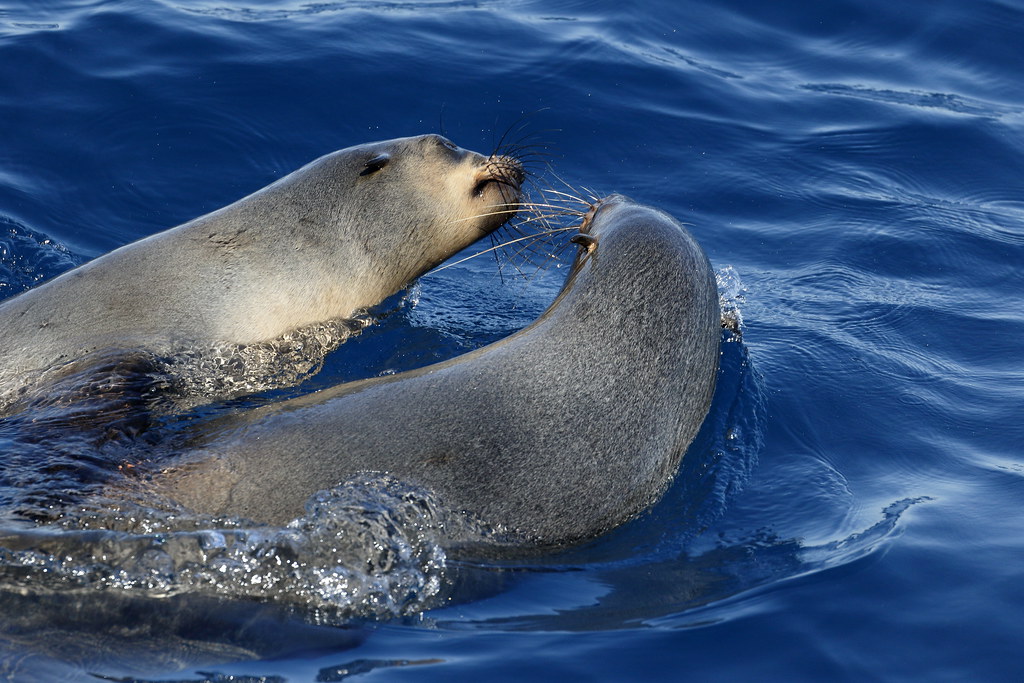
While the romantic notion of seals rescuing humans from sharks captures our imagination, the scientific evidence remains limited. Though seals demonstrate remarkable intelligence, empathy, and occasional altruistic behavior toward their own species, deliberate rescue of humans appears more likely to be coincidence than intention.
Still, these marine mammals continue to surprise researchers with their emotional complexity and social awareness. As we learn more about their inner lives, we gain deeper appreciation for the intricate relationships that exist beneath the waves. What fascinates you most about these underwater connections? Tell us in the comments.
