

You’ve probably heard the old saying never to let a dog know you’re afraid because it can “smell your fear.” It sounds like folklore passed down through generations, yet science is increasingly revealing that this ancient wisdom might be more accurate than we ever imagined. Animals inhabit a sensory world far richer than our own, where chemical messages float through the air like invisible conversations.
The relationship between animals and human emotions goes deeper than simple observation. Research shows that our four-legged companions don’t just watch our body language or listen to our voice. They’re actually detecting chemical changes happening inside our bodies, picking up on molecular signatures that we release without even knowing it. This extraordinary ability raises fascinating questions about how different species truly perceive and respond to our emotional states.
The Chemical Language of Emotions

In humans, there are several compounds in sweat, such as adrenaline or androstadienone (a steroid compound) that could be causing a shift in odor during moments of fear. When we experience strong emotions like fear or stress, our bodies release specific chemicals through our breath, sweat, and other secretions. These aren’t random byproducts but potentially meaningful signals that animals have evolved to detect and interpret.
They can detect chemical changes in our bodies, such as shifts in hormones like cortisol (linked to stress) or serotonin (linked to happiness). This allows them to “smell” our emotions, even when we try to hide them. Think of it like a chemical fingerprint that betrays our inner state, no matter how well we think we’re concealing our feelings.
How Dogs Decode Human Stress

The canine participants were able to detect with a greater than 90 percent accuracy which samples came from before and which came from after the 36 human volunteers had performed a stress-inducing arithmetic task according to research from Queen’s University Belfast. This remarkable accuracy suggests that stress produces such distinctive chemical signatures that dogs can identify them with near-perfect precision.
They found that the dogs were more hesitant to approach the bowl in the ambiguous location after smelling the odor of a stressed stranger – meaning they were more pessimistic that it would have any food in it. This finding reveals something profound about how dogs process emotional information. They don’t just detect our stress; they actually let it influence their own decision-making and emotional outlook.
The Horse Study That Changed Everything

Horses provided researchers with one of the most compelling pieces of evidence for interspecies emotional communication. Horses displayed distinct behaviors when exposed to human emotional scents, indicating an ability to differentiate emotional states in humans. The specificity of this response shows that horses aren’t just reacting to general arousal but can actually distinguish between positive and negative emotional states.
“But now we do know that [horses] can differentiate odors from different emotional states in humans.” Scientists collected sweat samples from people after they watched either comedy or horror movies, then presented these samples to horses. The animals demonstrated clear preferences and behavioral differences based solely on the emotional context of the human who produced the scent.
Cats: The Underestimated Emotional Detectives
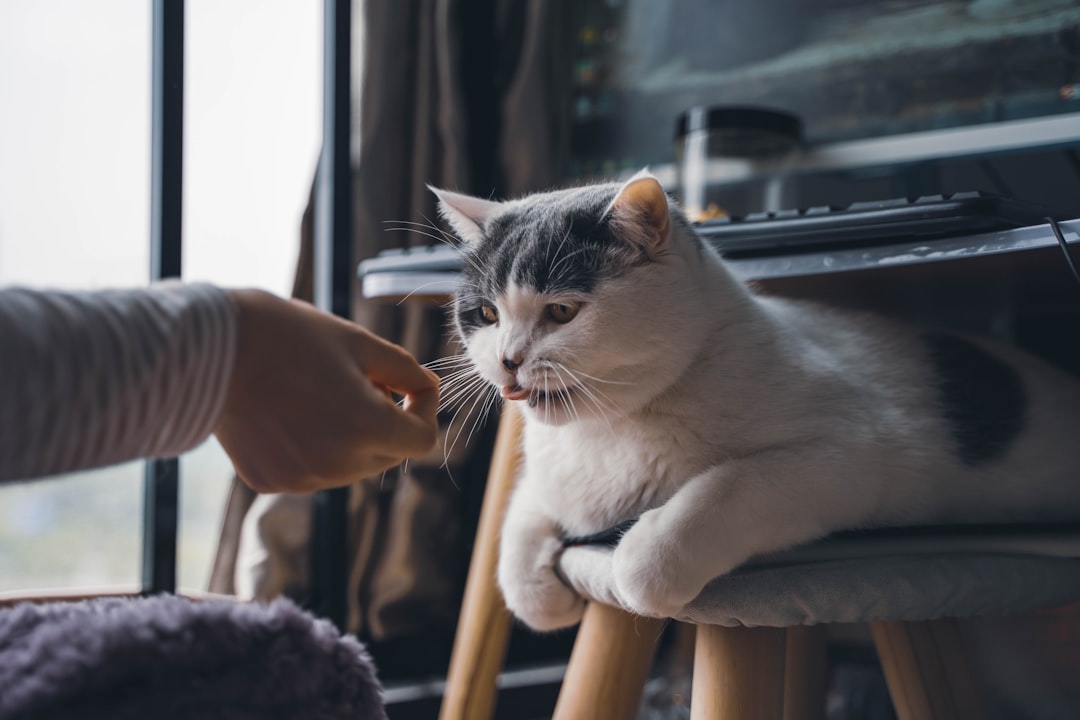
While cats often get dismissed as aloof and indifferent, research reveals they’re actually sophisticated readers of human emotion. The behavioral results demonstrated that cats respond in a functional way to human “anger” and conspecific “hiss” emotions, since behavioral expression of their stress levels were higher when responding to these emotional stimuli than in response to human “happiness” and conspecific “purr”. These findings suggest that cats recognize and interpret the emotional signals of the members of their social groups, both conspecifics and humans.
Cats are able to sense sadness in a way that they associate the visual and auditory signals of human sadness such as frowning and a listless voice with how they are addressed or treated whenever their human is in a sad state. This suggests cats develop emotional intelligence through experience, learning to recognize patterns between our emotional displays and our subsequent behavior toward them.
The Pheromone Puzzle
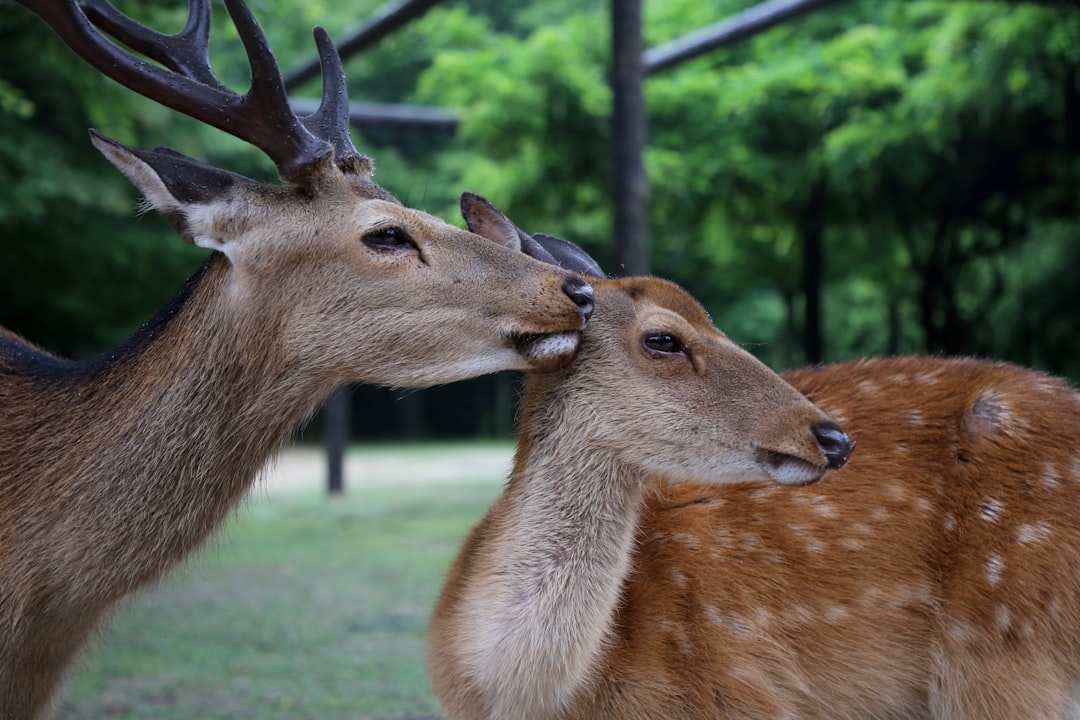
The science behind animal emotion detection centers on pheromones and chemical signals. This limitation makes it impossible for any animal to smell fear in members of different species. However, this doesn’t mean animals can’t detect human emotions through other chemical pathways. These compounds could also be carrying “emotional information” from one species to the other, the researchers wrote in the study.
Instead, Diehl suggests that an animal’s sense of fear may depend more on behavioral clues than on olfactory signals. The reality likely involves a combination of chemical detection and behavioral observation, creating a comprehensive picture that animals use to assess human emotional states.
Beyond Fear: The Full Spectrum of Animal Emotional Intelligence

Animals don’t just detect fear; they respond to the entire range of human emotions. “When the dogs smelled the odor of a happy person, they increased their interactions with the stranger in the room,” while “When they smelled fear, they would either go to their owner or they would go to the door and try to leave the room.” These contrasting behaviors demonstrate that animals don’t just sense our emotions but adjust their own actions accordingly.
When a dog perceives fear in a person through smell, body language, or facial expressions, it can result in behavior mirroring. This emotional contagion suggests a deep evolutionary connection between humans and animals, where our emotional states become shared experiences that influence behavior across species lines.
The Evolutionary Advantage of Emotional Detection

This suggests the existence of shared mechanisms and a common ability of domestic animals to respond appropriately to human negative emotional stimuli that could have a high adaptive value, since it allows individuals to anticipate and avoid potential negative consequences. For domestic animals, reading human emotions provides crucial survival information about their environment and caregivers.
“Importantly, it highlights how in-tune dogs are at picking up on mood,” which has practical implications for training and relationships. This study suggests that the reverse is also true: Approaching the process while stressed could have a negative effect on how a dog feels and learns. Our emotional states don’t just affect us; they ripple outward to influence the animals in our lives.
The Future of Emotional Research

Scientists continue pushing the boundaries of our understanding about animal emotional perception. Similarly, researchers are looking for the compound in sweat that signals fear. The “smell of fear” has been the “flavor of the month for the last five years in this field,” Sobel says. But there are thousands of different kinds of molecules in sweat, so finding the one, or ones, that signal fear could take many years.
If they find it, though, his vision of an anxiety-preventing nasal spray could one day be a reality. The implications extend beyond simple curiosity. Understanding how animals detect human emotions could lead to breakthrough therapies and diagnostic tools that harness this ancient biological communication system.
The question isn’t whether animals can smell human fear anymore. The evidence overwhelmingly suggests they can detect our emotional states through a sophisticated combination of chemical signals, behavioral cues, and learned associations. This remarkable ability reveals that the bond between humans and animals operates on levels we’re only beginning to understand, where invisible molecular messages create connections that transcend species boundaries. What fascinates me most is how this changes our perspective on animal intelligence and the depth of interspecies communication happening all around us every day.
What do you think about this hidden emotional dialogue between humans and animals? Tell us in the comments.

- 8 Ways Bobcats Move Through Suburbs Without Being Seen - August 9, 2026
- 7 Reasons Black Bears Return to the Same Food Source - August 9, 2026
- Animal Cognition Says Horses Remember People Who Treated Them Well and Those Who Did Not - August 9, 2026