
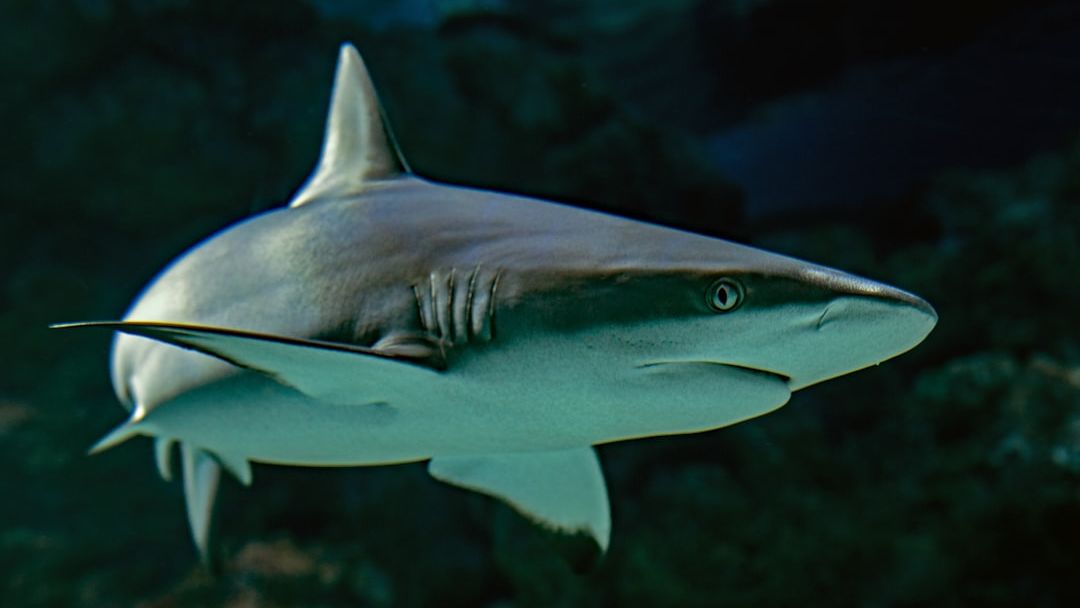
Picture this: you’re diving in crystal clear tropical waters when suddenly the ocean floor beneath you begins to rumble. Steam rises from volcanic vents while the water temperature spikes dramatically. Most marine life would flee immediately, right? Well, not if you’re a shark living in one of the world’s most extreme underwater environments. The discovery of sharks thriving inside active underwater volcanoes has stunned scientists and challenged everything we thought we knew about marine survival limits.
These remarkable predators don’t just survive in conditions that would kill most sea creatures instantly. They actually seem to thrive in scalding, acidic waters that bubble with volcanic gases. So let’s dive into this incredible underwater world where science fiction meets reality.
The Real-Life Sharkcano That Shocked Scientists
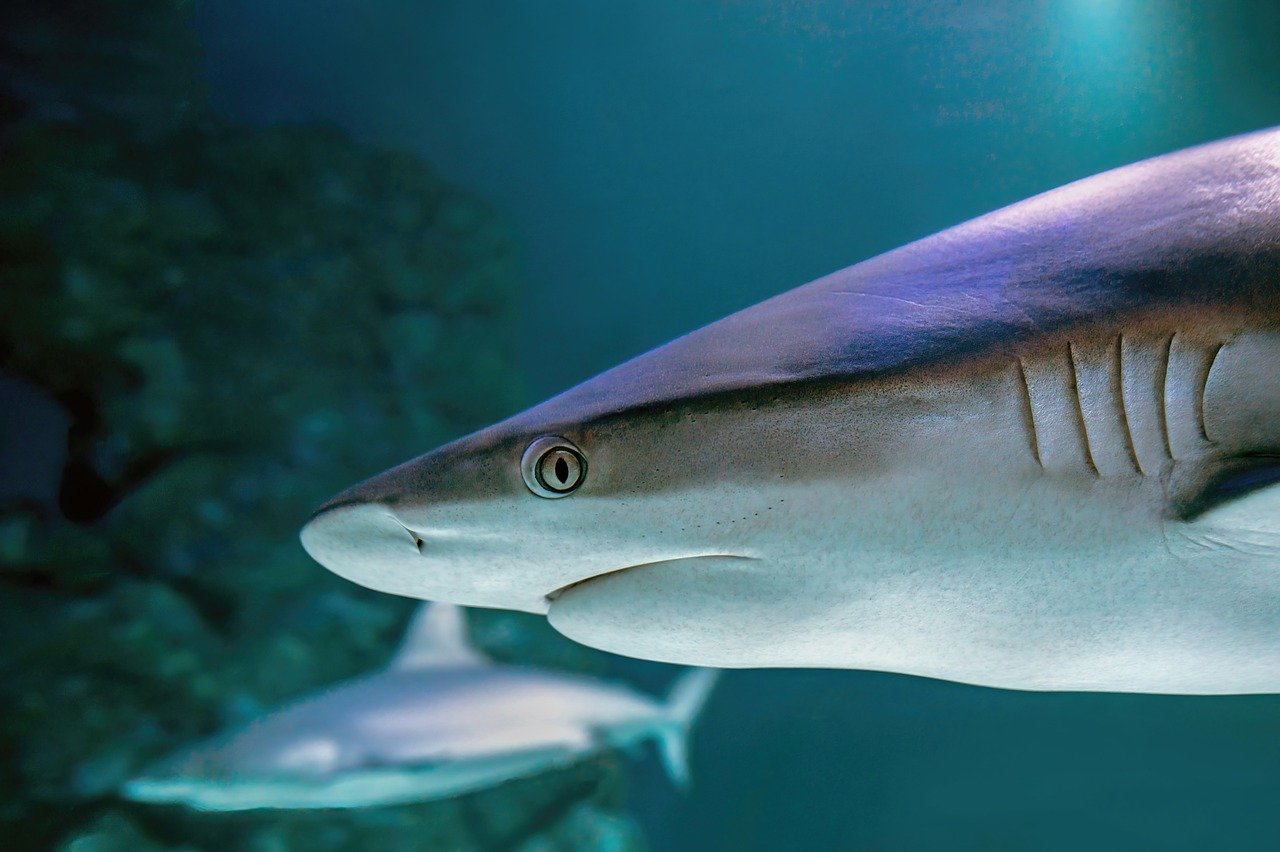
The Kavachi volcano, located about 15 miles south of Vangunu Island in the Solomon Islands, has become famous as the world’s first confirmed “sharkcano.” The volcano earned its nickname after a 2015 expedition revealed that the crater was home to two species of sharks, shocking researchers who never imagined such creatures could survive in these hellish conditions.
The summit of Kavachi currently lies about 65 feet below sea level, while the base sits on the seafloor at a depth of about three-quarters of a mile. The volcano is one of the most active underwater volcanoes in the Pacific and has been erupting intermittently since at least 1939. When it erupts, the spectacle is nothing short of apocalyptic.
Species That Call Hell Home
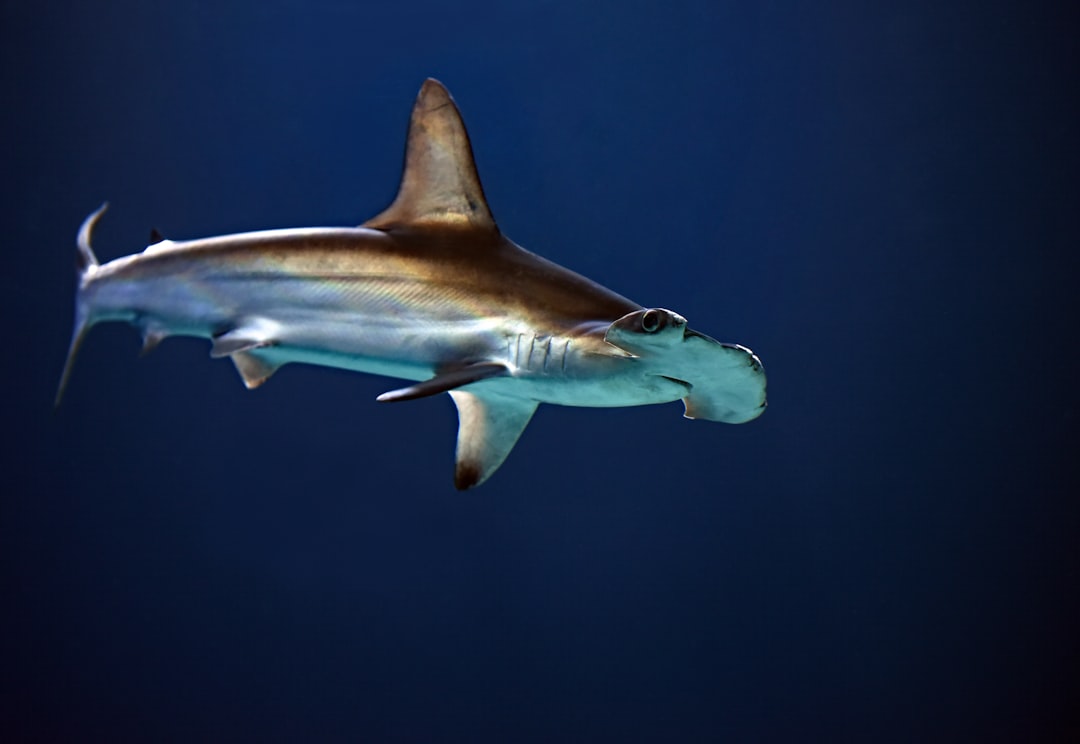
Scientists discovered hammerheads and silky sharks seemingly undisturbed by the water’s acidity and hot temperature. Currently, two species of sharks have been confirmed to inhabit active volcanoes: the scalloped hammerhead shark and the silky shark. These aren’t just occasional visitors either – they appear to be permanent residents.
The hostile environment hosts a vibrant ecosystem, including gelatinous zooplankton, reef fish, stingrays, snapper, and jellyfish. Researchers have also observed crabs, jellyfish, and other species of fish, with the diversity of life being surprising considering the extreme conditions. It’s like discovering an alien world right here on Earth.
Surviving the Inferno: Temperature Extremes
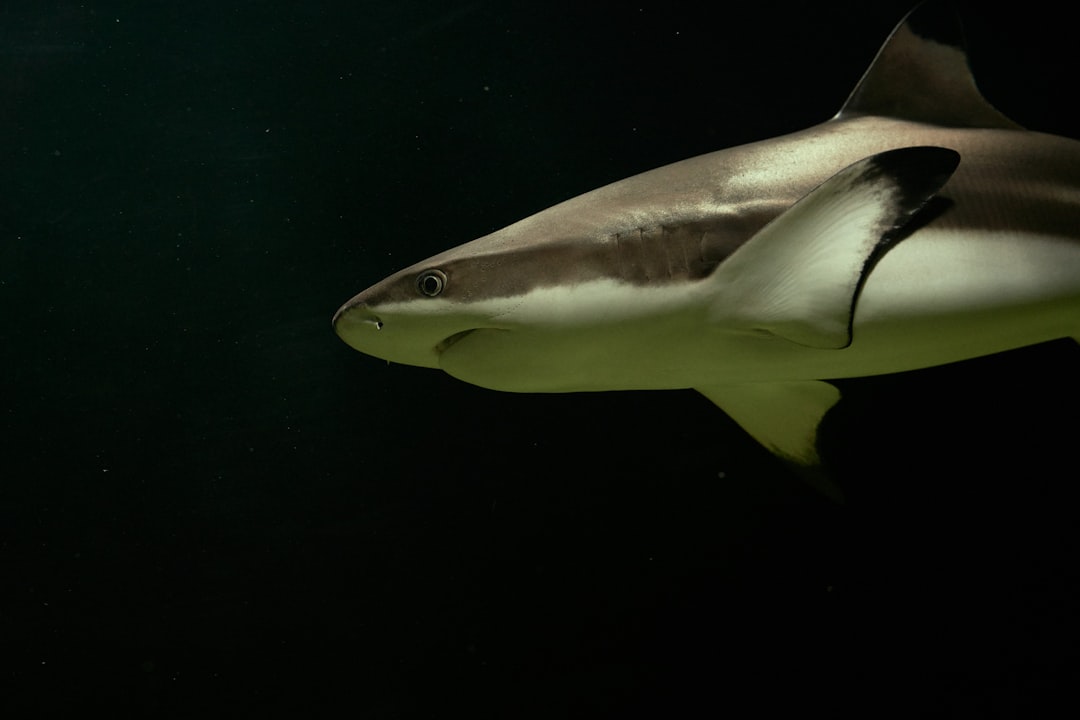
Scientists found water temperatures ten degrees higher than normal in the vicinity of the vent, with some areas reaching truly extreme levels. Most silky sharks spend the majority of their time in water that is 75-86 degrees, but despite water temperatures in excess of 100 degrees, the silky shark is at home in the volcano’s crater.
These sharks’ remarkable bodies contain specialized proteins that remain stable at temperatures that would denature normal cells, with blood vessel structures that efficiently dissipate heat while specialized skin cells provide additional protection. Think of them as nature’s ultimate heat shields, perfectly engineered for volcanic living.
Battling the Acid Bath
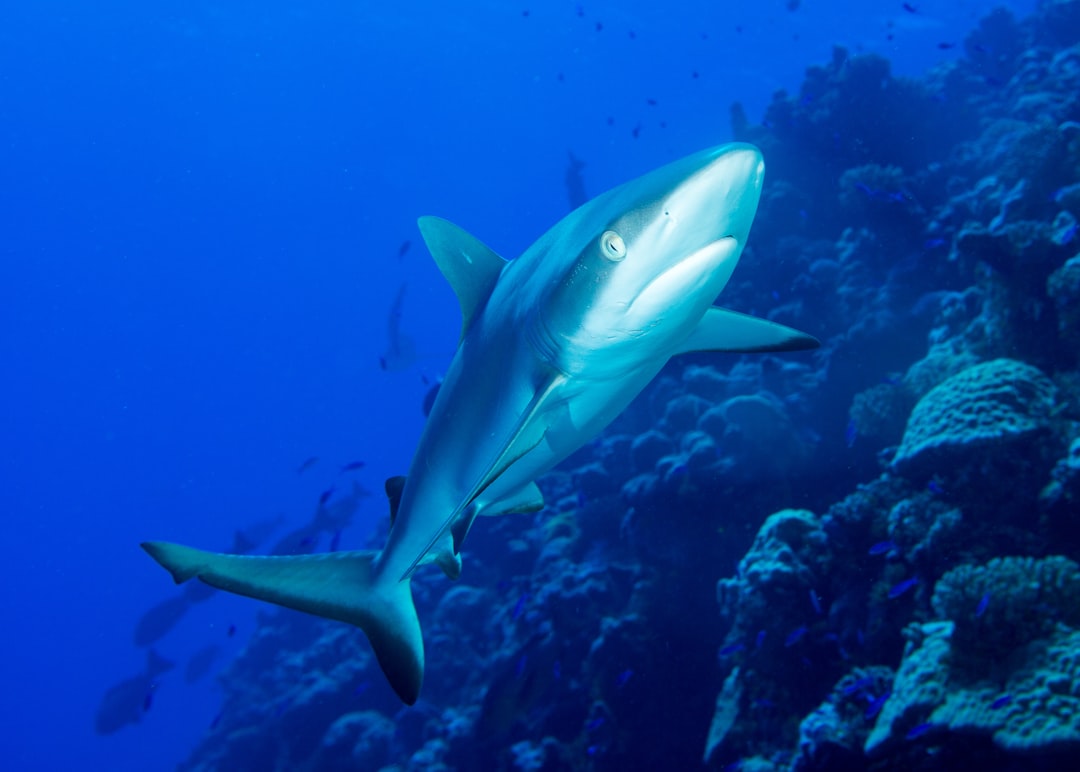
In the vicinity of the vent, researchers found a huge drop in surface pH levels, making the water very hot and acidic. Most marine creatures would be dissolved or severely damaged by such conditions, yet these sharks show no signs of distress whatsoever.
It would appear that the silky shark has been able to adjust to the unstable oxygen and CO2 conditions in the acidic water. While the long-term effects are still being studied, it’s likely the sharks experience some physiological stress due to the high acidity and metal concentrations in the water, however, they’ve evidently adapted or found ways to mitigate these effects.
Predicting Volcanic Doom: Shark Sixth Sense
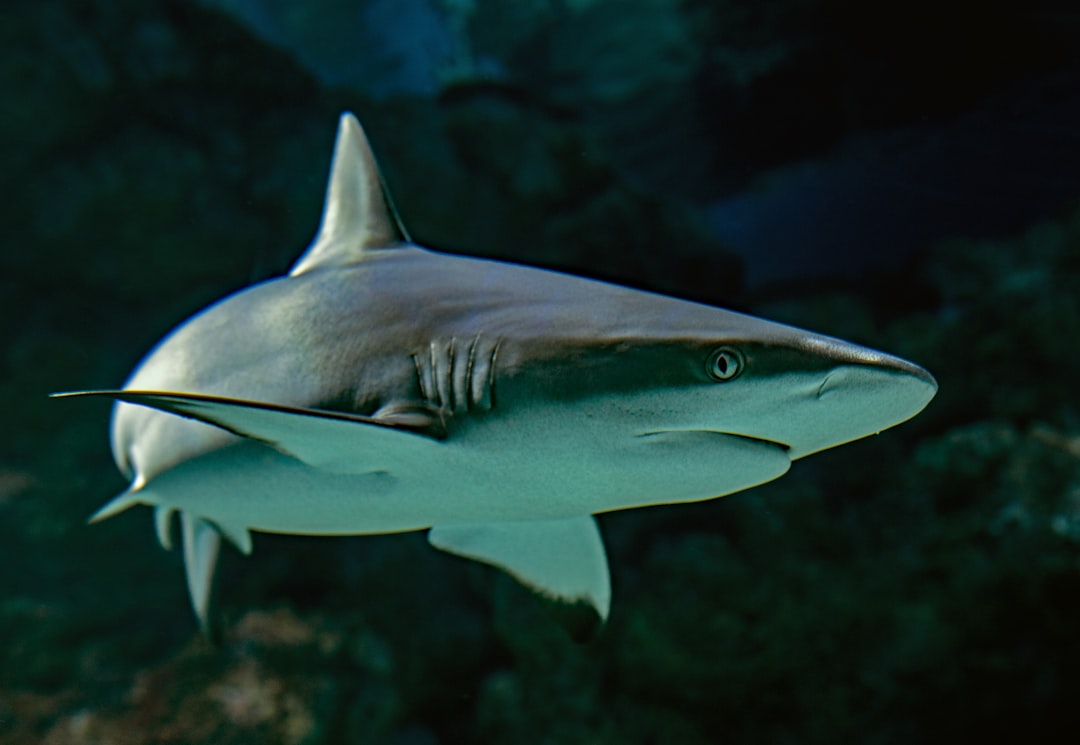
The sharks do leave when there is an eruption and appear to sense it before it happens, with this seeming to be a community that is used to this activity. Scientists speculate the sharks either possess some sensory mechanism to detect impending eruptions or they leave the area during periods of increased activity.
Sharks have incredible sensory systems and might sense vibrations in the water or detect some of the sounds that come before an eruption. Some propose that the sharks can sense subtle electromagnetic fields produced by volcanic activity, allowing them to navigate safely around the eruption sites and avoid hazardous zones. This natural early warning system puts our human technology to shame.
Feeding Frenzy in the Fire Zone
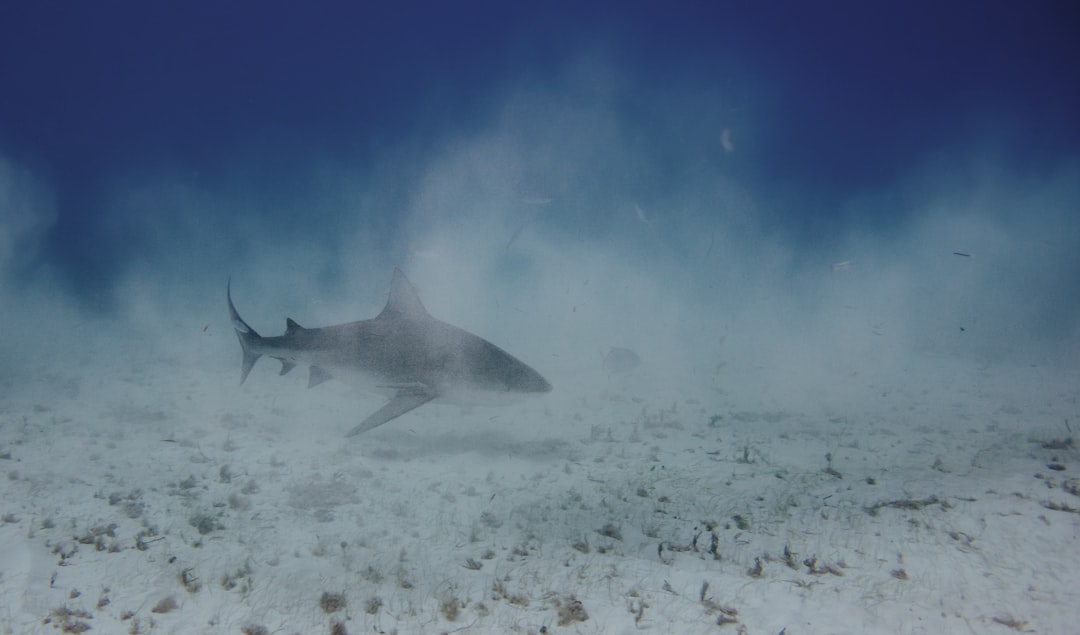
Volcanic activity creates unexpected feeding opportunities, as when underwater eruptions occur, they churn up nutrients from the ocean floor, attracting smaller fish that become shark prey. Active submarine volcanoes can supply nutrients to the surrounding water, boosting the overall health of the entire ecosystem and making it easier for marine life to weather rapidly changing conditions.
These areas have abundant sea life, including bony fish like tuna, mackerel, and mullet which are part of the silky sharks’ diet, so it is unsurprising to find a predator like the silky shark near a wide variety of prey. The volcano essentially serves as a natural feeding station, making it an attractive hunting ground despite the dangers.
Evolution’s Volcanic Laboratory
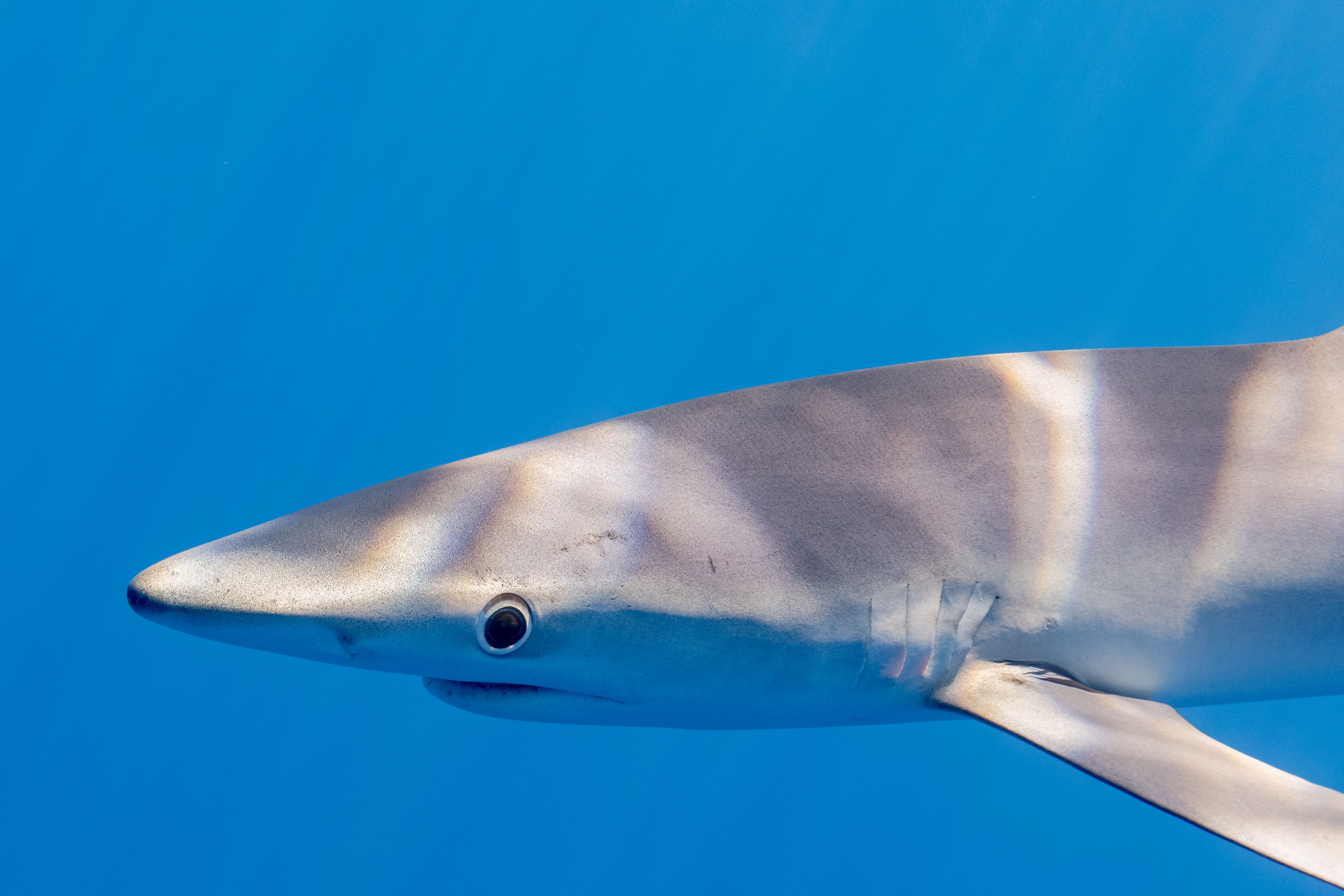
Modern sharks evolved from earlier species over millions of years, with the body plan we recognize today developing during the Jurassic period around 100-200 million years ago as they expanded their habitat from the bottom to the open ocean.
The answer to how these creatures survive in one of the most hostile environments on Earth could only lie in genetic mutations, with those with beneficial mutations being able to push their species to new places. These volcanic environments may be driving rapid evolutionary adaptations that we’re only beginning to understand.
The Ultimate Conservation Challenge
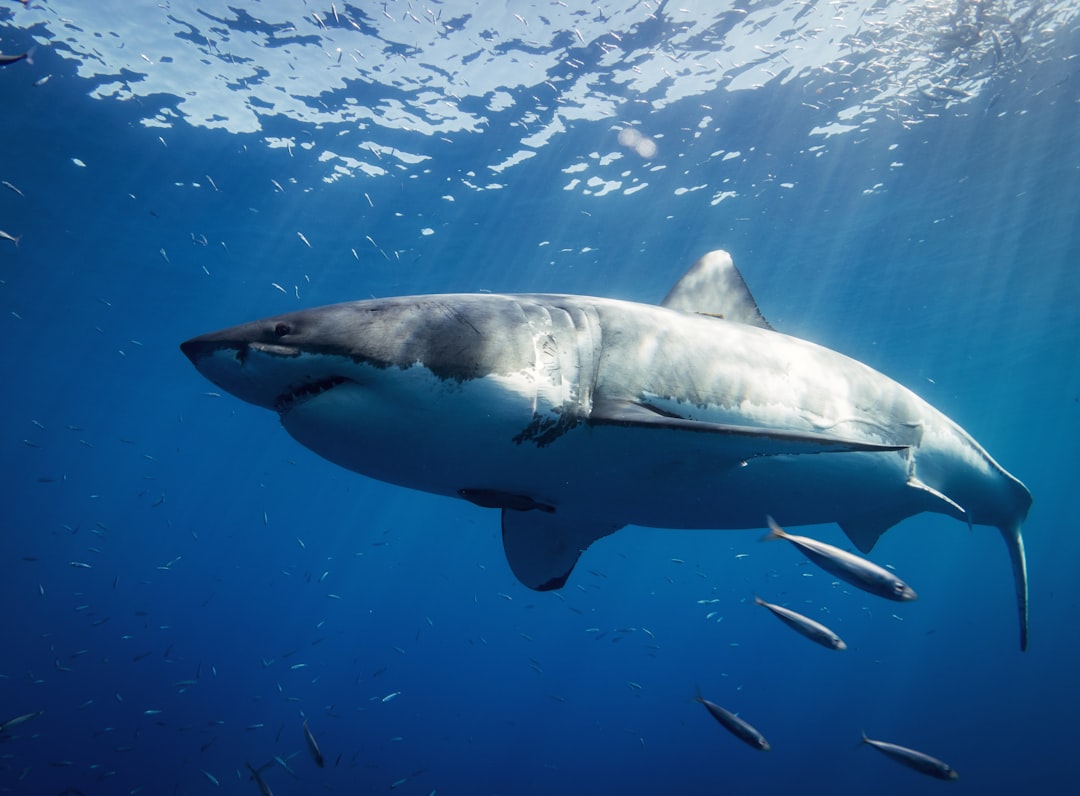
Despite their tough environments, volcano sharks face threats from ocean warming and acidification, as their specialized adaptations may not evolve quickly enough to match rapid climate changes. The discovery of sharks living inside an active volcano has significant implications for marine biology and our understanding of the limits of life, suggesting that life can adapt to environments previously thought to be uninhabitable.
The presence of these animals in such extreme conditions poses new questions about the resiliency of marine animals to rapid changes in their environments. Understanding how these sharks survive could provide crucial insights into how marine life might adapt to our rapidly changing oceans. These underwater fire-dwellers might just hold the key to marine conservation in an era of climate change.
Conclusion
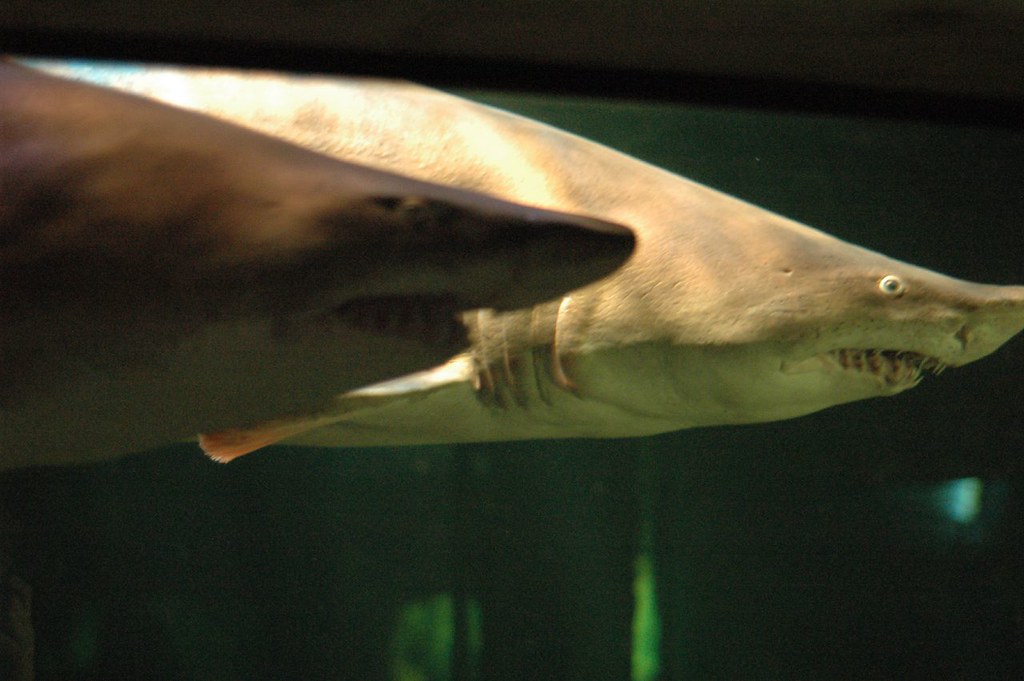
The discovery of sharks thriving in underwater volcanoes represents one of the most extraordinary examples of life’s tenacity on our planet. These remarkable predators have not only survived in conditions that would instantly kill most creatures but have actually turned one of Earth’s most hostile environments into their thriving home. From their specialized heat-resistant proteins to their uncanny ability to predict eruptions, volcano sharks challenge our understanding of biological limits and showcase evolution’s incredible power to adapt.
What do you think about these incredible volcanic survivors? Could studying them help us better prepare for climate change?

- 18 Quiet Things a Senior Cat Starts Doing in the Months Before Anyone Realises Anything Has Changed - August 12, 2026
- 18 Comforts Vets Say Mean the Most to a Senior Dog in the Weeks Before It Goes - August 12, 2026
- 19 Changes in an Ageing Cat That Only Ever Show Up Once the Weather Turns - August 12, 2026