

The world of bird migration remains one of nature’s most astounding mysteries. Every year, billions of birds embark on journeys spanning thousands of miles, navigating with precision that would impress even the most skilled human explorers. While we’ve long known that birds use the sun, stars, and landmarks to find their way, scientists have discovered something far more remarkable: birds can actually sense and navigate using the Earth’s magnetic field.
This extraordinary ability has captured the imagination of researchers for decades. How exactly do these feathered travelers perceive invisible magnetic forces that humans can only detect with specialized instruments? The answer involves cutting-edge quantum physics, tiny magnetic crystals, and sensory systems so sophisticated they challenge our understanding of biology itself. Let’s dive into the fascinating world of avian magnetoreception and uncover the secrets behind nature’s most remarkable navigation system.
The Two-Part Navigation System

Birds make use of the geomagnetic field in two ways: the vector provides them with a compass, and other parameters, probably magnetic intensity, appear to be an important component in the navigational ‘map’ for long-distance navigation. Think of it like having both a compass and GPS rolled into one biological system. This dual approach allows birds to not only determine direction but also pinpoint their exact location on Earth.
The mechanism they use to achieve this feat is thought to involve two distinct steps: locating their position (the ‘map’) and heading towards the direction determined (the ‘compass’). For decades, this map-and-compass concept has shaped our perception of navigation in animals, although the nature of the map remains debated. Scientists have discovered that this isn’t just theoretical. Birds actually possess two completely different magnetic sensing systems working together in harmony.
Quantum Vision: Seeing Magnetic Fields Through Cryptochrome
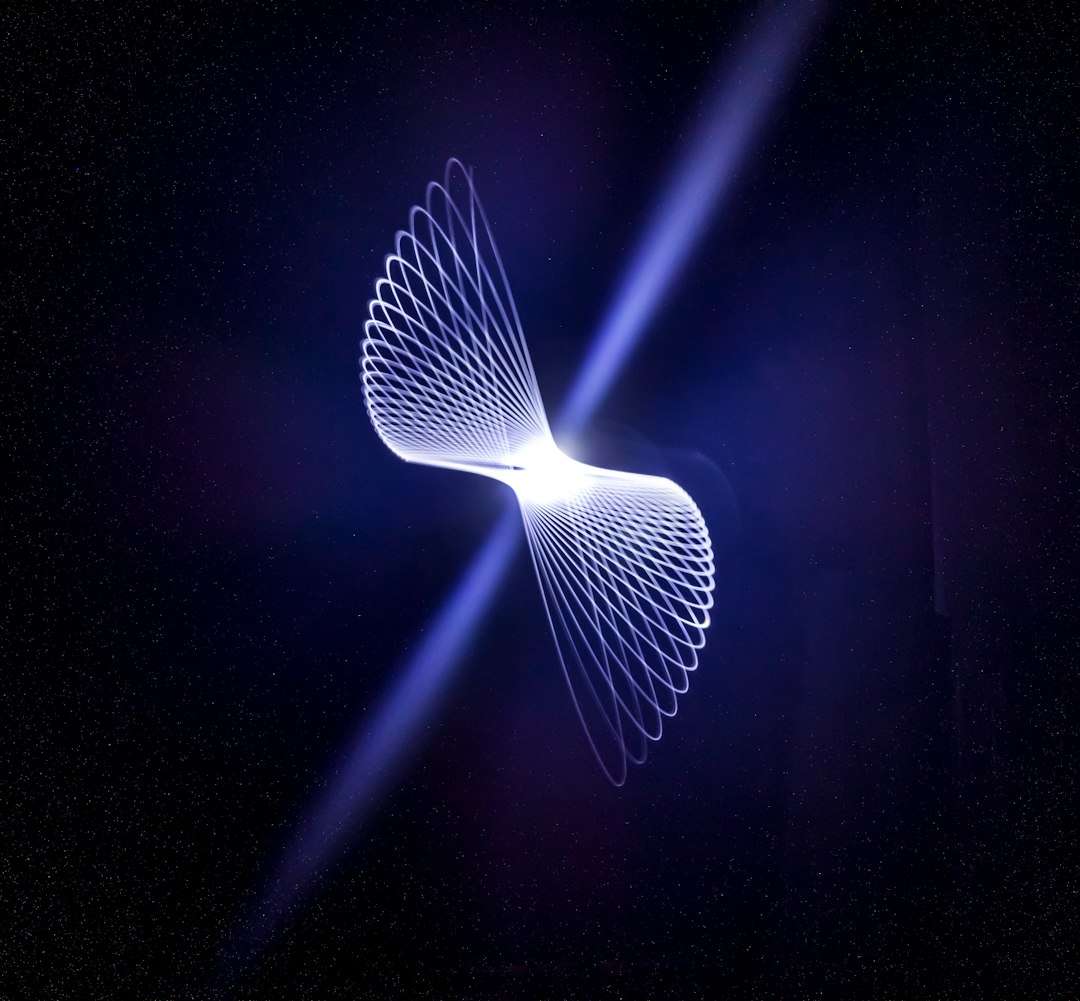
Our experimental evidence suggests something extraordinary: a bird’s compass relies on subtle, fundamentally quantum effects in short-lived molecular fragments, known as radical pairs, formed photochemically in its eyes. That is, the creatures appear to be able to “see” Earth’s magnetic field lines and use that information to chart a course between their breeding and wintering grounds. This discovery pushes the boundaries of what we thought was possible in biology.
Experiments on migratory birds provide evidence that they make use of a cryptochrome protein in the eye, relying on the quantum radical pair mechanism to perceive magnetic fields. This effect is extremely sensitive to weak magnetic fields, and readily disturbed by radio-frequency interference, unlike a conventional iron compass. The process works when blue light activates cryptochrome proteins in the bird’s retina, creating pairs of quantum-entangled electrons that respond differently depending on the magnetic field’s orientation.
Magnetite Crystals: The Backup Navigation System
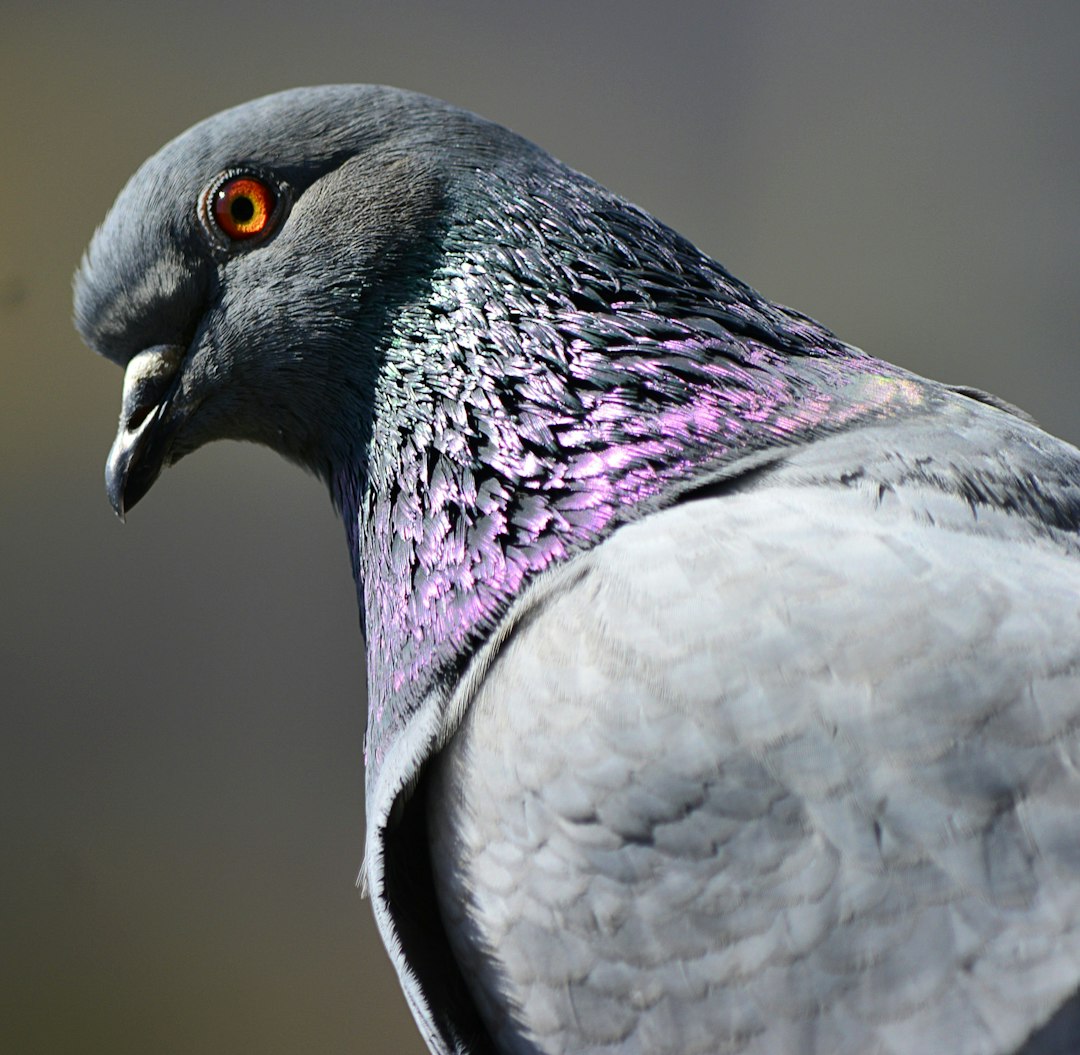
Researchers have discovered a small spot on the beak of pigeons and some other birds that contains magnetite. Magnetite is a magnetized rock, which may act as a tiny GPS unit for the homing pigeon by giving it information about its position relative to Earth’s poles. These microscopic iron crystals function as biological compasses, providing birds with a secondary magnetic sensing system.
Together, these findings point out that there are magnetite-based magnetoreceptors located in the upper beak close to the skin. Their natural function appears to be recording magnetic intensity and thus providing one component of the multi-factorial ‘navigational map’ of birds. When the eye-based cryptochrome system becomes compromised or insufficient, birds can switch to this magnetite-based backup system, ensuring they never lose their navigational abilities.
Light Dependency and Environmental Conditions
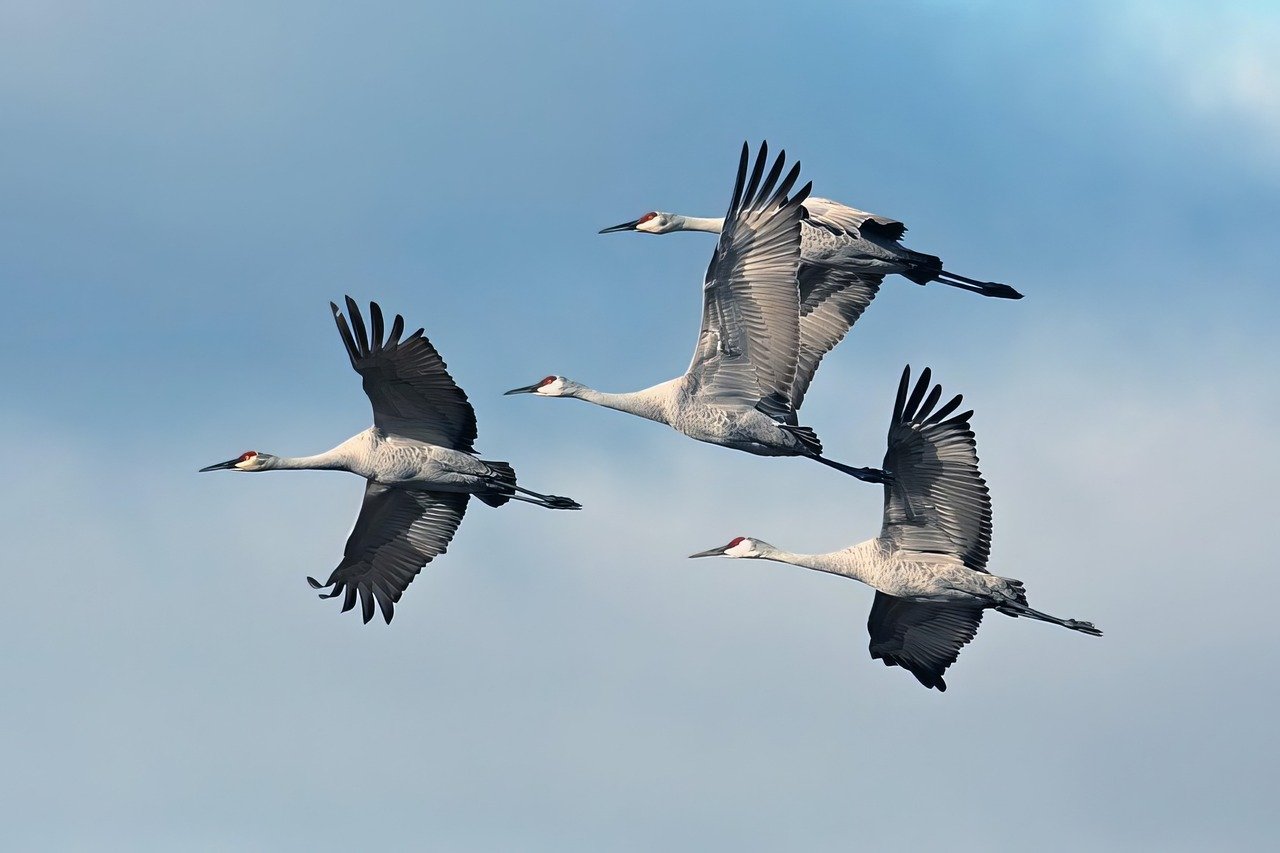
Under low-intensity monochromatic light, birds orient well in blue and green, but not in yellow or red light. This light dependency reveals the quantum nature of avian magnetic sensing. Without the right wavelengths of light to activate cryptochrome proteins, birds must rely entirely on their magnetite-based sensors.
Tests that involved birds in total darkness displayed a 90-degree shift in the preferred direction, which suggested that the radical pair sensing mechanism was not activated. Instead, a separate magnetic sensing mechanism behaves as a backup. Although it is uncertain what the backup mechanism is, it likely relies on the magnetite-based magnetoreception mechanism. This sophisticated switching between systems ensures birds can navigate under various lighting conditions throughout their long journeys.
Groundbreaking Recent Research
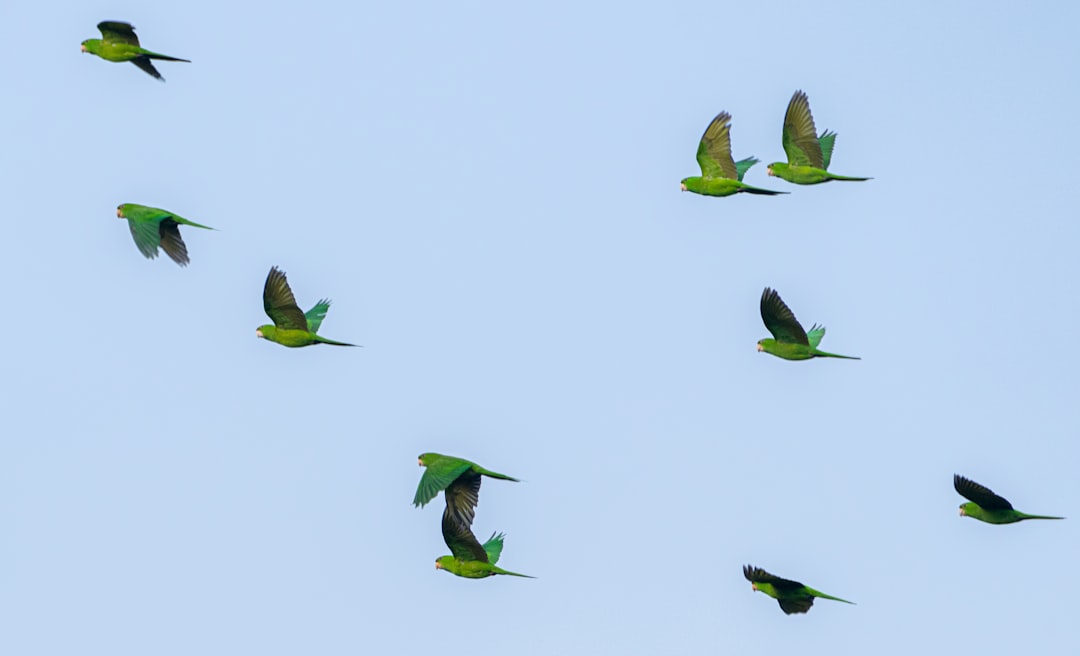
The research provided strong evidence that migratory birds rely on inclination and declination to determine their location, even when these cues conflict with other magnetic field components. This 2024 breakthrough challenges decades of assumptions about bird navigation, showing that these creatures are even more sophisticated than previously thought.
Despite this ‘virtual displacement’, the birds adjusted their migratory routes as if they were in the new location, demonstrating compensatory behaviour. This response suggests that birds can extract both positional and directional information from magnetic cues, even when other components of the Earth’s magnetic field, such as total intensity, remain unchanged. The research provided strong evidence that migratory birds rely on inclination and declination to determine their location, even when these cues conflict with other magnetic field components.
Neural Processing and Brain Integration

The direction of the magnetic field appears to be sensed via radical pair processes in the eyes, with the crucial radical pairs formed by cryptochrome. It is transmitted by the optic nerve to the brain, where parts of the visual system seem to process the respective information. The magnetic information doesn’t just stay in the eyes; it travels through specialized neural pathways to brain regions dedicated to processing navigational data.
Magnetic intensity appears to be perceived by magnetite-based receptors in the beak region; the information is transmitted by the ophthalmic branch of the trigeminal nerve to the trigeminal ganglion and the trigeminal brainstem nuclei. This creates a comprehensive network where information from both magnetic sensing systems converges, allowing birds to create a complete picture of their magnetic environment and make precise navigational decisions.
Conclusion

The discovery of how birds use represents one of the most remarkable achievements in biological research. These creatures possess not just one, but two sophisticated magnetic sensing systems that work together with quantum precision. From cryptochrome proteins creating quantum entangled pairs in their eyes to magnetite crystals acting as biological compasses in their beaks, birds have evolved the ultimate navigation toolkit.
This discovery advances the understanding of avian navigation and supports the theory that birds possess a complex and flexible internal navigation system. This mechanism allows them to adjust for changes in their environment, even when encountering conditions they’ve never experienced before. The findings open new avenues for research into animal navigation and may hold implications for broader biological studies, including how animals interact with and interpret their environment.
What fascinates me most is how this research reveals that nature solved complex navigation problems millions of years before humans invented the compass or GPS. Birds essentially carry quantum computers and magnetic sensors as standard biological equipment. What do you think about this incredible intersection of quantum physics and animal behavior? Tell us in the comments.

- What Vets Notice About an Older Cat in the First Minute 18 Things Owners Never See - August 13, 2026
- 18 Dog Breeds Rescue Centres Say Are Now Almost Impossible to Place With Any Family - August 13, 2026
- Animal Science Says Wolves Avoid Unnecessary Fights Because Cooperation Matters More Than Dominance - August 13, 2026