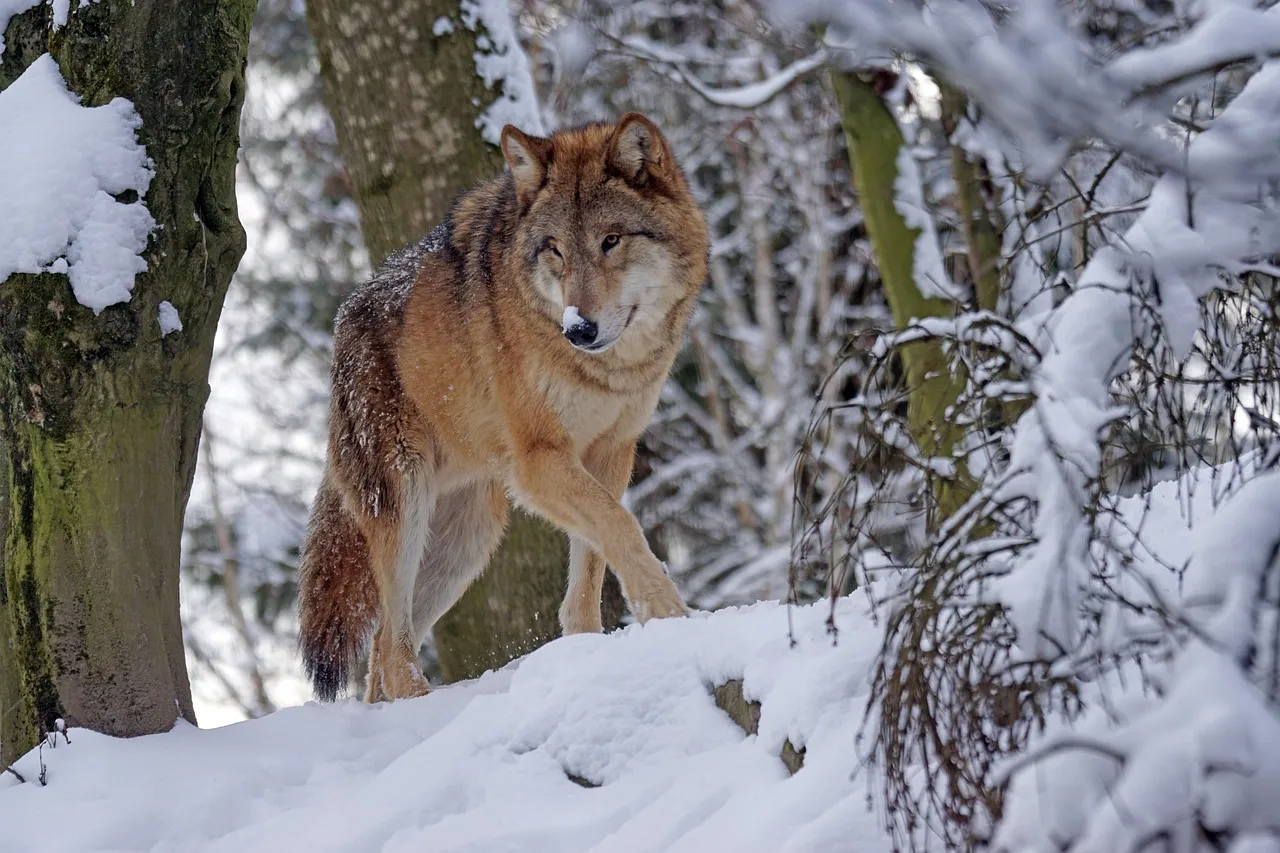
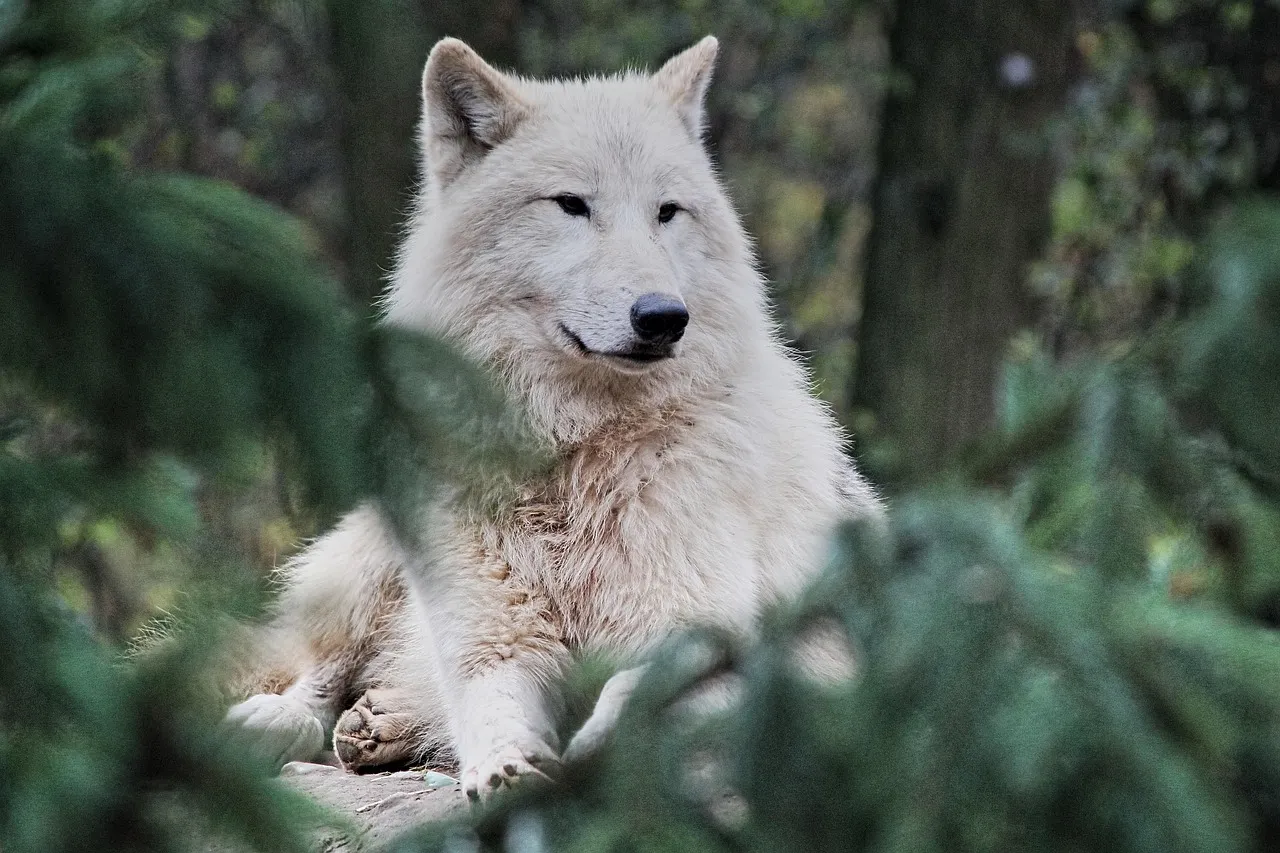
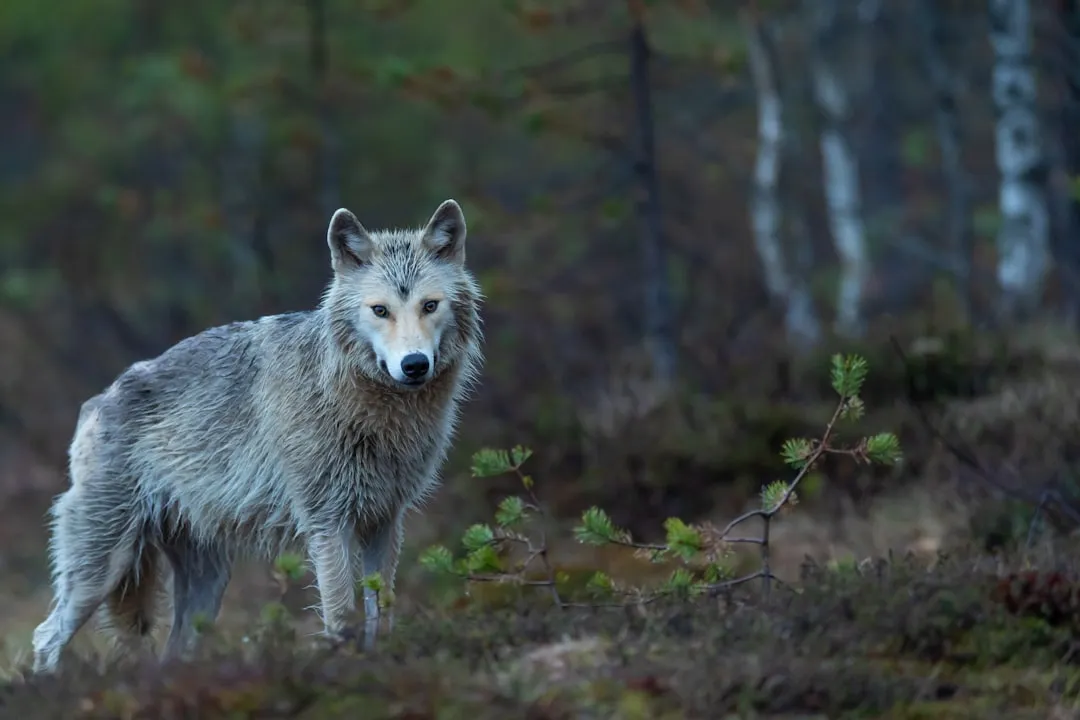
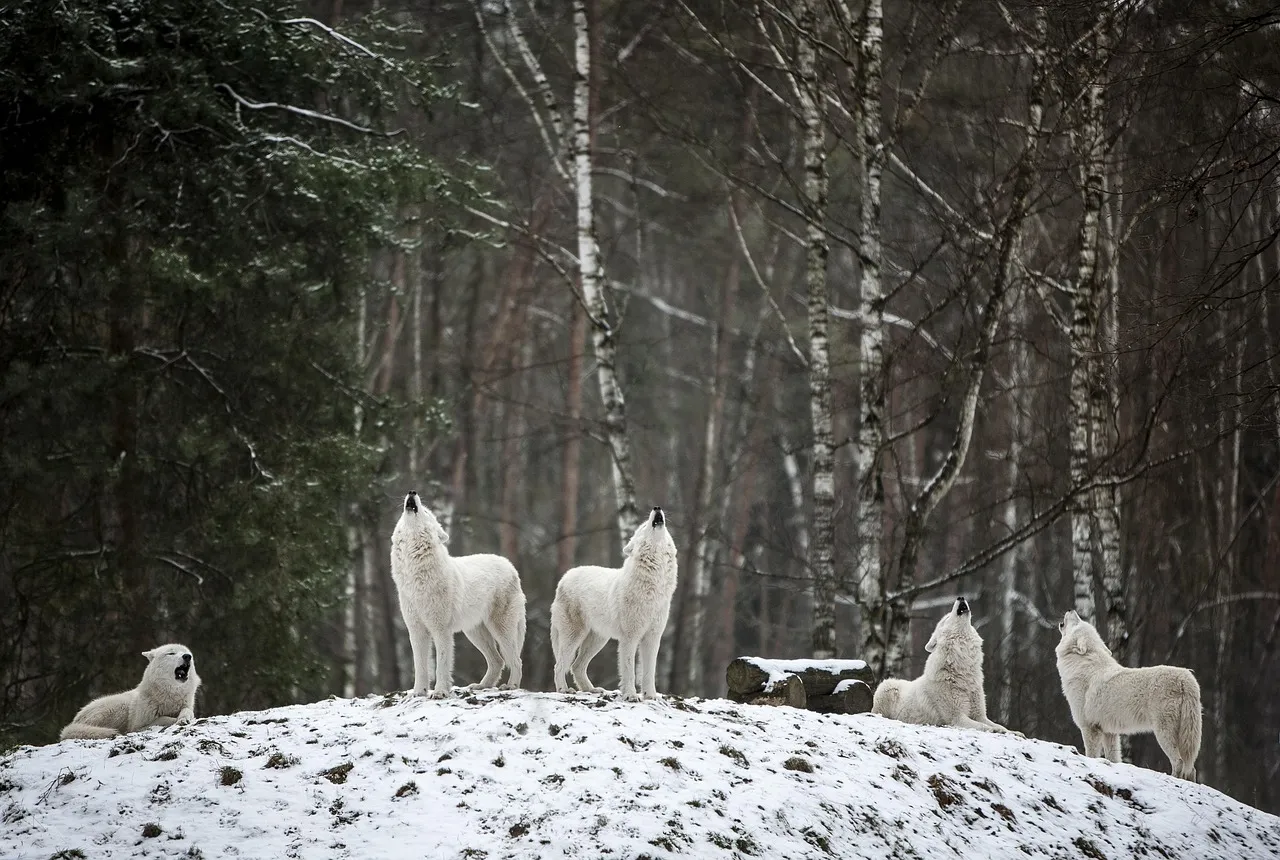
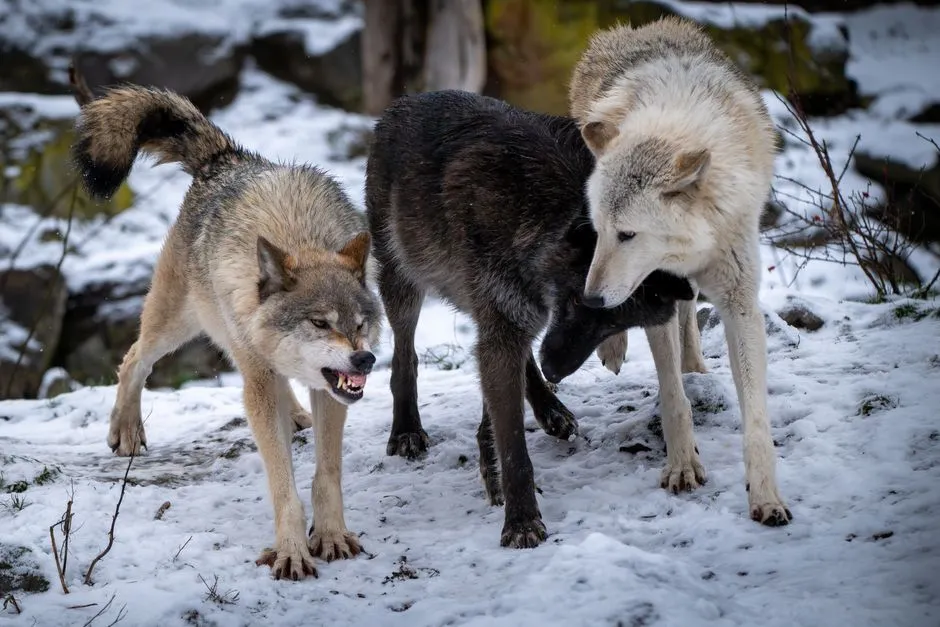
There’s a reason wolves show up so often in myth, folklore, and even corporate team-building seminars. They’re not just apex predators with striking eyes and haunting howls. They’re deeply social animals whose behavior, when you actually study it, looks a lot more familiar than most people expect.
Biologists who spend years observing wild wolf packs keep noticing something odd: the patterns of loyalty, communication, and social structure they document often mirror human behavior in surprisingly specific ways. Before you write this off as just another “spirit animal” trend, it’s worth digging into what the actual science and behavioral observations reveal. Some of these overlaps might explain more about your own instincts than you’d think.
#1 Loyalty to the Pack
#1 Loyalty to the Pack (Image Credits: Unsplash)
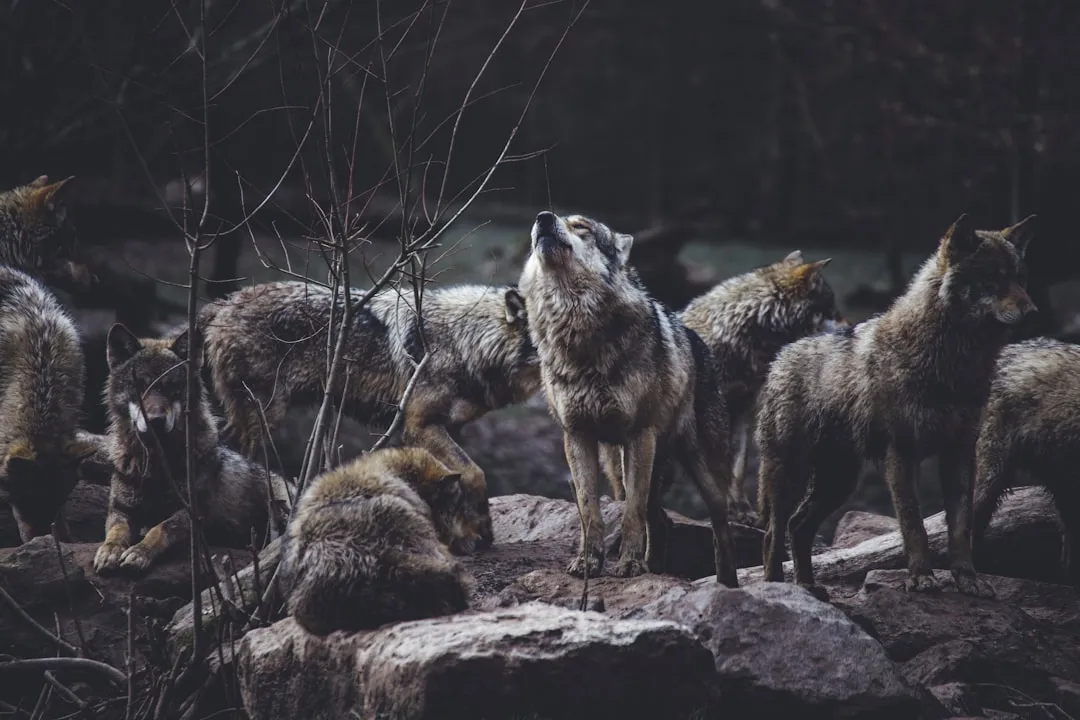
Wolves are famous for their devotion to their pack, and this isn’t just sentimental nature-documentary narration. Research on wolf social structures shows that pack members consistently prioritize group survival over individual gain, sharing food even when resources are scarce and defending weaker members from external threats. This loyalty isn’t random either. It’s built through years of cooperative living, shared responsibilities, and repeated proof that the group can be trusted.
Humans operate on a nearly identical framework, especially within families, close friendships, and tight-knit communities. People will go out of their way, sometimes at real personal cost, to protect those they consider part of their inner circle. Psychologists have long noted that in-group loyalty is one of the most consistent human social behaviors across cultures, suggesting it’s less a personality quirk and more a deeply wired survival strategy, just like it is for wolves.
#2 A Clear Sense of Hierarchy
#2 A Clear Sense of Hierarchy (Image Credits: Unsplash)
Older studies popularized the idea of a rigid “alpha wolf” dominating every pack decision, but more recent field research complicates that picture. Wolf packs are typically family units led by breeding parents, with structure that shifts based on experience, age, and circumstance rather than constant aggressive dominance. Still, some form of social ordering exists, and pack members generally understand their role within it.
People navigate hierarchy constantly too, whether at work, in friend groups, or within extended families. Most humans intuitively sense who holds influence in a room and adjust their behavior accordingly, not out of weakness but because recognizing structure helps groups function smoothly. Like wolves, humans tend to respect earned leadership more than forced authority, favoring those who’ve proven reliable over time.
#3 Nonverbal Communication Skills
#3 Nonverbal Communication Skills (Dennis from Atlanta, Flickr, CC BY-SA 2.0)
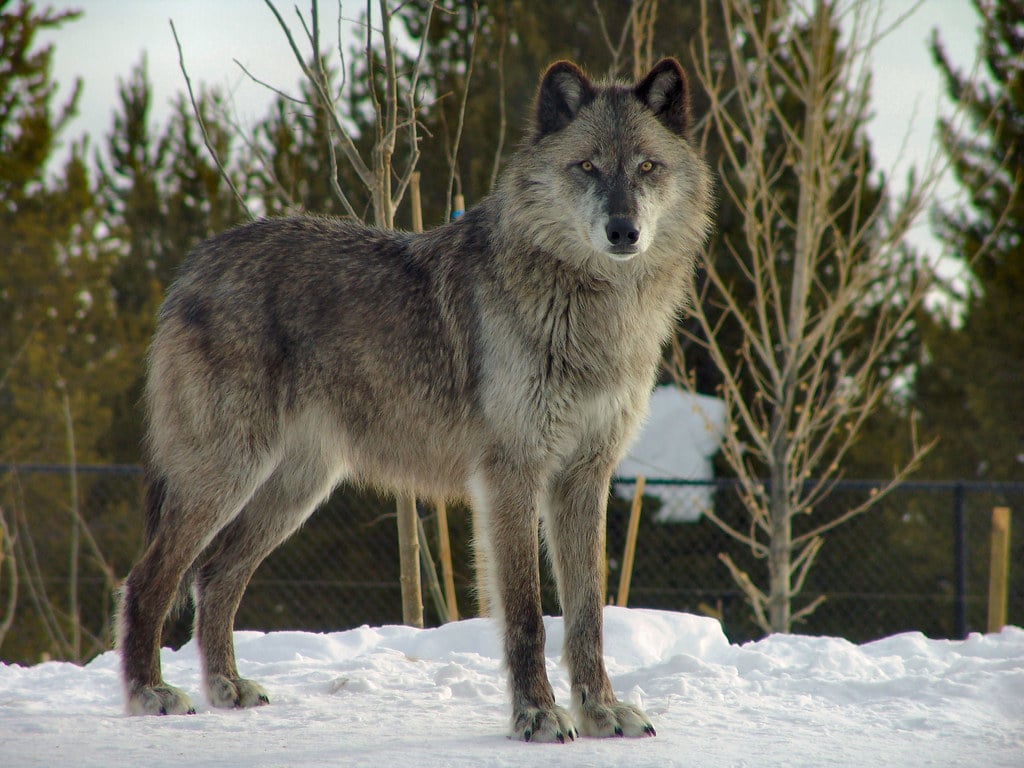
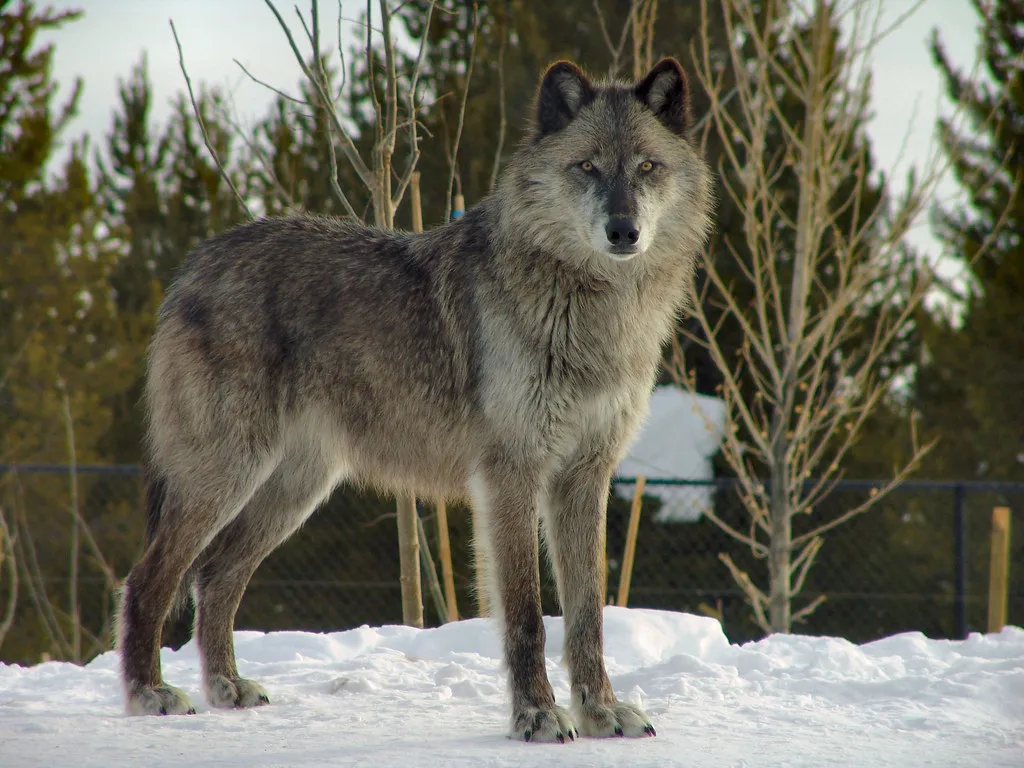
Wolves are remarkably expressive without saying a single “word.” Ear position, tail placement, posture, and even subtle facial shifts communicate mood, intention, and status to other pack members in an instant. A lowered tail can signal submission, while raised hackles broadcast a warning long before any growl is needed.
Humans rely on the exact same toolkit more than most people realize. Crossed arms, a shift in eye contact, a tense jaw, these all send messages before a single sentence is spoken. Communication researchers have repeatedly found that a large share of human interaction is nonverbal, meaning we’re constantly reading each other the way wolves read their pack, often without consciously registering that we’re doing it.
#4 Territorial Instincts
#4 Territorial Instincts (Image Credits: Pixabay)
Wolves mark and defend territory with real intensity, using scent markings and howls to warn rival packs away from their space. This isn’t aggression for its own sake. It’s a practical strategy to protect food sources, denning sites, and the safety of pups from outside threats.
People express territoriality in less obvious but equally telling ways. Think about how strongly someone reacts when a coworker takes “their” parking spot, or how homeowners react to boundary disputes with neighbors. Psychologists studying personal space and ownership behavior note that humans develop strong emotional attachments to defined territory, whether it’s a desk, a bedroom, or a neighborhood, and will defend it even when the stakes seem small to outsiders.
#5 Fierce Protectiveness Over Family
#5 Fierce Protectiveness Over Family (Image Credits: Unsplash)
Parental wolves are known to take extraordinary risks to protect their pups, and other pack members often pitch in as babysitters, guards, and even secondary caregivers. This cooperative protection increases pup survival rates significantly, which is likely why the behavior has persisted so strongly across wolf populations.
Human parents and caregivers show strikingly similar patterns, often surprising even themselves with how far they’ll go to shield a child from harm. Studies on parental behavior consistently find that protective instinct spikes dramatically once someone becomes responsible for a dependent, triggering both emotional and physiological changes. Extended family and community members frequently step into supportive roles too, echoing the “it takes a pack” dynamic wolves rely on.
#6 Adaptability to New Environments
#6 Adaptability to New Environments (Haliburton Forest Wolf Centre – March 2011 – 022, CC BY 2.0)
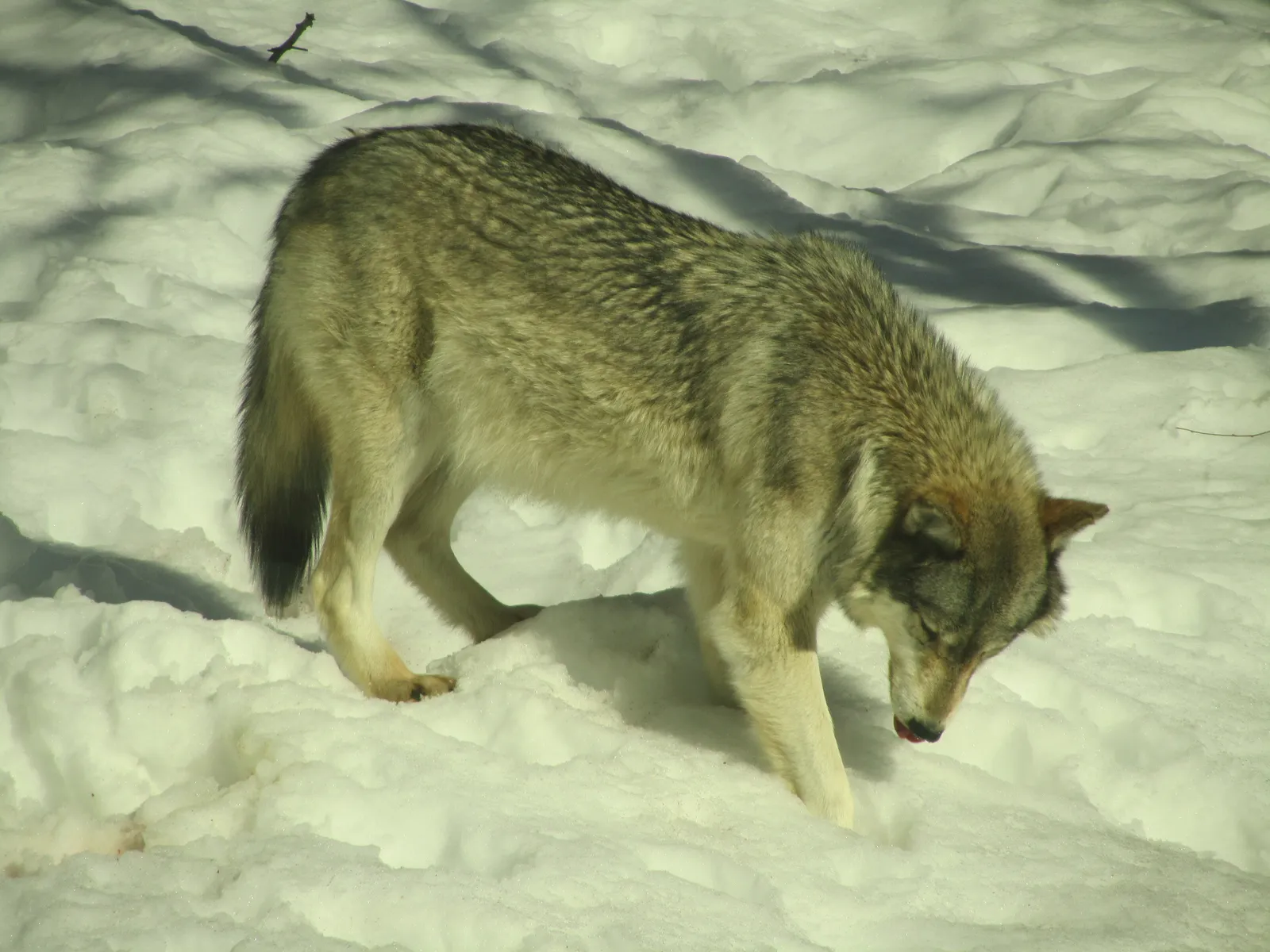
Wolves are one of the most geographically widespread predators on the planet, having adapted to forests, tundra, deserts, and mountains alike. This flexibility comes from behavioral adjustments, like altering hunting strategies or pack size based on available prey, rather than any single fixed approach to survival.
Human adaptability works on a similar principle. People adjust communication styles, routines, and even personality expression depending on environment, whether that’s a new job, a different country, or a shift in social circle. This flexibility isn’t a sign of inconsistency; it’s a practical survival trait that allows both wolves and humans to thrive in conditions their ancestors never specifically encountered.
#7 Cooperative Teamwork
#7 Cooperative Teamwork (Image Credits: Pexels)
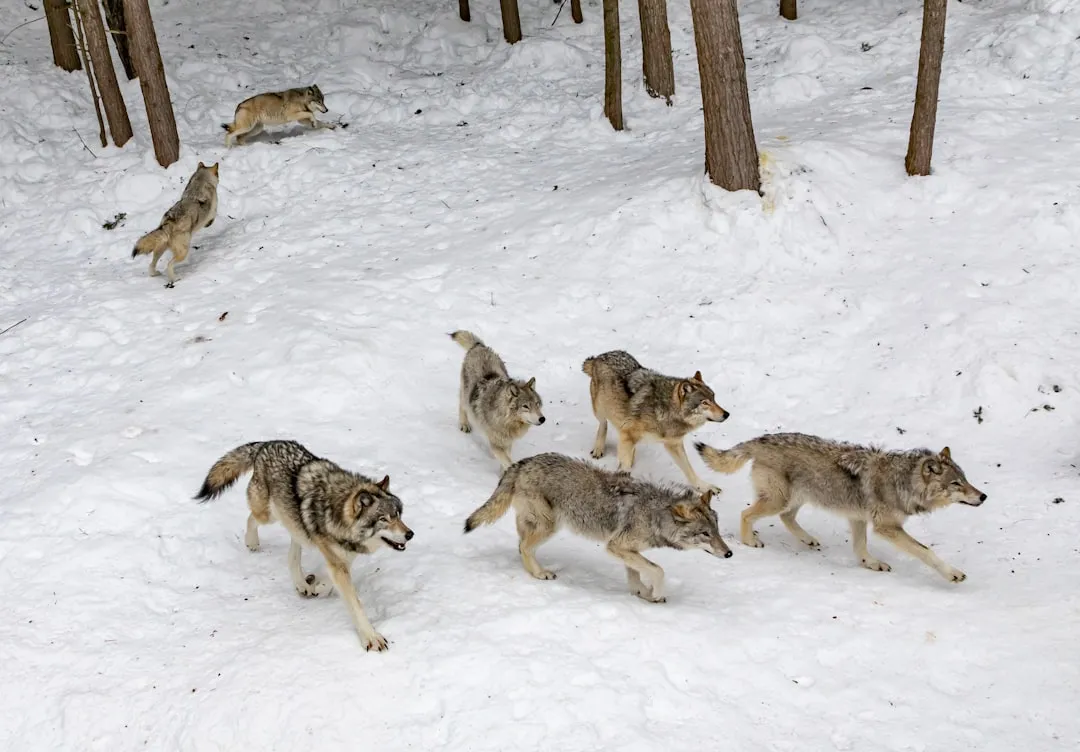
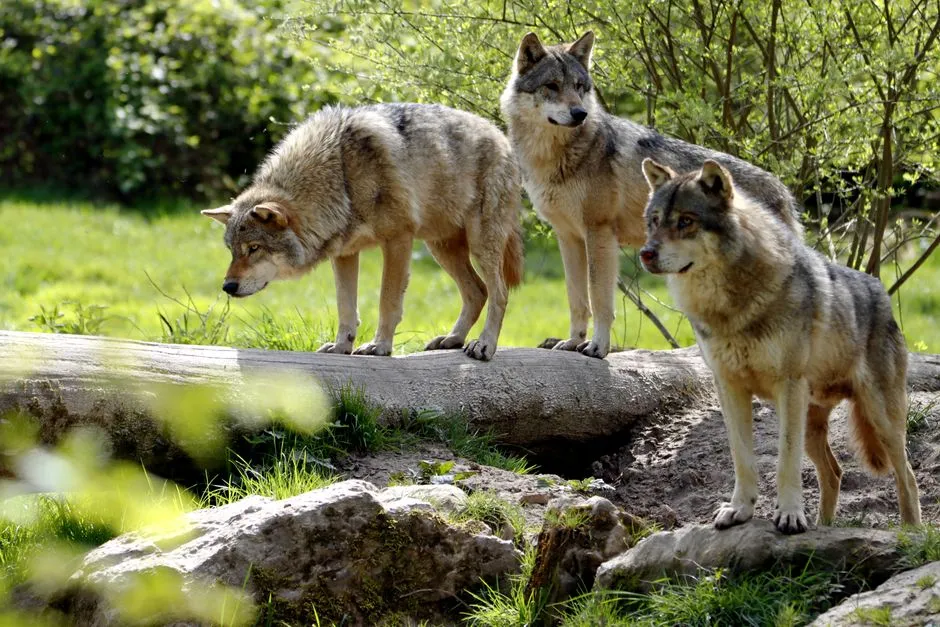
Wolf hunting success depends heavily on coordination rather than individual strength. Packs work together to track, corner, and take down prey that would be far too dangerous or difficult for a lone wolf to handle, relying on established roles and mutual timing.
Human teamwork mirrors this cooperative structure closely, especially in high-stakes situations like emergency response, sports, or complex workplace projects. People instinctively divide tasks based on individual strengths, trusting teammates to handle their part just as a wolf trusts the pack member positioned to flank prey. This mutual reliance, more than raw individual skill, tends to determine success in both species.
#8 Deep Emotional Bonds
#8 Deep Emotional Bonds (Image Credits: Pixabay)
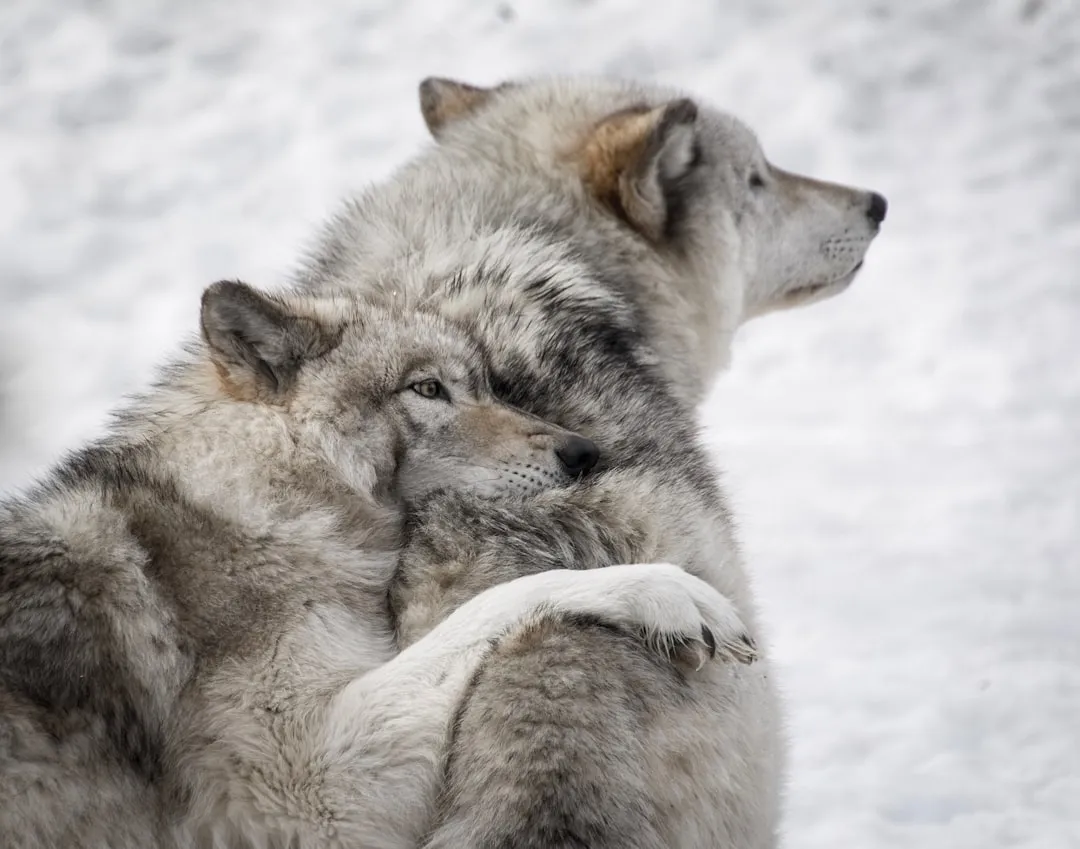
Contrary to the “cold predator” stereotype, wolves form intense emotional attachments within their packs. Observers have documented grieving behavior after the death of a pack member, along with affectionate greetings, play, and physical closeness that suggests genuine emotional connection rather than pure instinct.
Humans experience remarkably parallel emotional patterns in close relationships. Grief, comfort-seeking, and joyful reunions are universal human experiences tied directly to attachment bonds formed over time. Attachment theory in psychology actually draws on animal behavior research, including canid studies, to help explain why humans form such strong emotional ties to specific individuals rather than treating relationships interchangeably.
#9 Sharp Curiosity and Problem-Solving Instincts
#9 Sharp Curiosity and Problem-Solving Instincts (Image Credits: Unsplash)
Wolves are notably curious animals, investigating unfamiliar objects, sounds, and situations rather than avoiding them outright. This curiosity supports survival by helping them locate new food sources, identify threats early, and adapt hunting techniques to changing prey behavior.
People show the same drive, often described simply as intelligence or resourcefulness, but rooted in that same instinct to explore and understand the unfamiliar. Human curiosity has driven everything from scientific discovery to something as simple as figuring out a new gadget through trial and error. In both species, curiosity isn’t a distraction from survival, it’s a core part of how survival happens.
#10 Independence Balanced With the Need to Belong
#10 Independence Balanced With the Need to Belong (Image Credits: Pixabay)
Despite their strong pack loyalty, wolves aren’t incapable of independence. Lone wolves exist, sometimes by choice while seeking new territory or a mate, and they demonstrate real self-sufficiency when separated from the group. Still, most eventually seek out or form new packs, suggesting that independence and social belonging function as complementary needs rather than opposing ones.
Humans navigate this same balance constantly, valuing personal autonomy while still craving genuine connection and community. Someone might cherish alone time or solo achievement, yet studies on isolation consistently show that prolonged disconnection from others takes a real psychological toll. Just like wolves, people seem wired to function best with a mix of independence and belonging, rather than committing fully to one or the other.
What This Really Says About Us
What This Really Says About Us (Image Credits: Pexels)
Looking at these overlaps, it’s hard not to walk away with a bit more respect for wolves, and honestly, a bit more insight into our own behavior. These aren’t cute coincidences or forced comparisons dreamed up for a listicle. They reflect genuine evolutionary logic: social survival tends to favor loyalty, communication, protectiveness, and cooperation, regardless of species.
If there’s an opinion worth landing on here, it’s this: humans often like to imagine themselves as entirely separate from the animal kingdom, guided purely by logic and culture rather than instinct. Wolves are a useful reminder that a lot of what feels like personality is actually deeply rooted biology, shaped by millions of years of figuring out how to survive together. That’s not a limitation. If anything, it’s proof that some of our best qualities, loyalty, teamwork, protectiveness, aren’t just admirable choices. They’re instincts we share with one of nature’s most misunderstood animals.
Did you find this helpful? Share it with a friend who’d love it too!
Gargi is an MA in History and a B.Ed graduate from India, with a deep passion for animals and wildlife awareness. As an article writer and editor at Animals Around The Globe, she combines her love for storytelling with her dedication to educating readers about animals, conservation, and responsible pet care. A devoted dog lover, Gargi enjoys creating engaging and informative content that inspires compassion and awareness toward the natural world.