
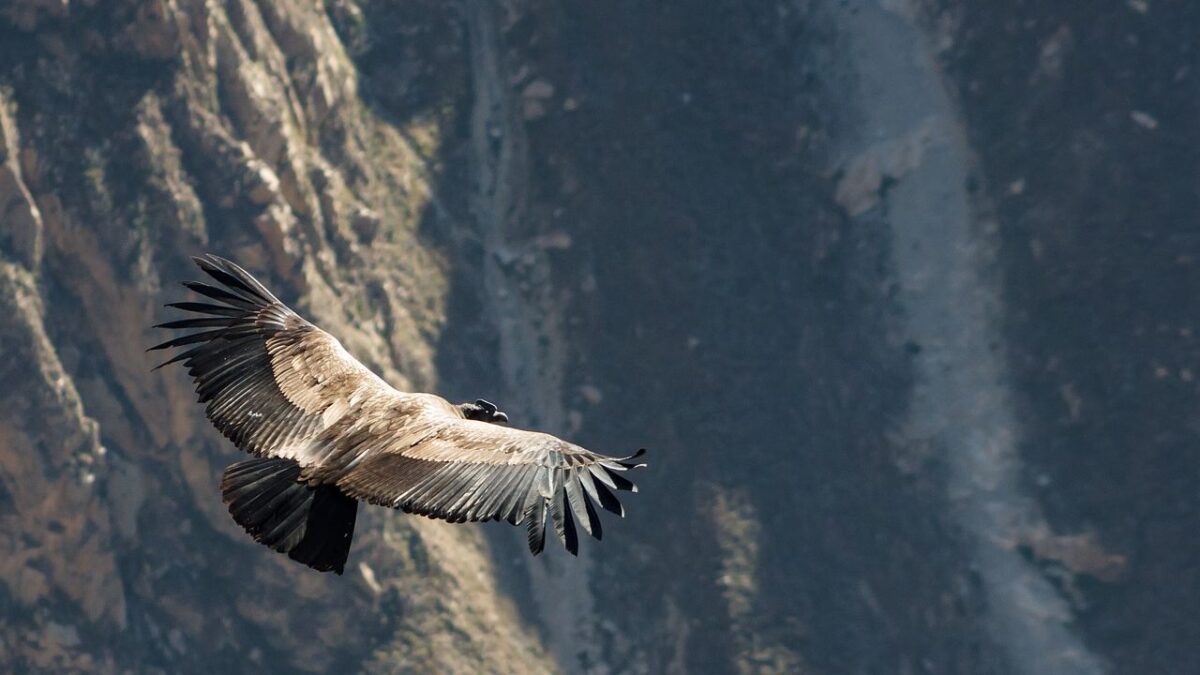
Nature has a way of surprising us. When we think it’s too late, when the news reports feel like endless catalogues of extinction and loss, sometimes something extraordinary happens. Species that once teetered on the absolute brink of oblivion somehow find a way back. These are not just statistical improvements or minor population bumps. These are dramatic, breathtaking recoveries that rewrite the story of what we thought was possible.
The following stories showcase the most inspiring conservation victories happening right now. Each represents years of dedicated work, innovative science, and communities refusing to give up. Whether through breakthrough breeding programs, habitat restoration, or simply changing how we think about coexistence, these species are proving that extinction doesn’t have to be forever.
Mountain Gorilla – From 600 to Over 1,000
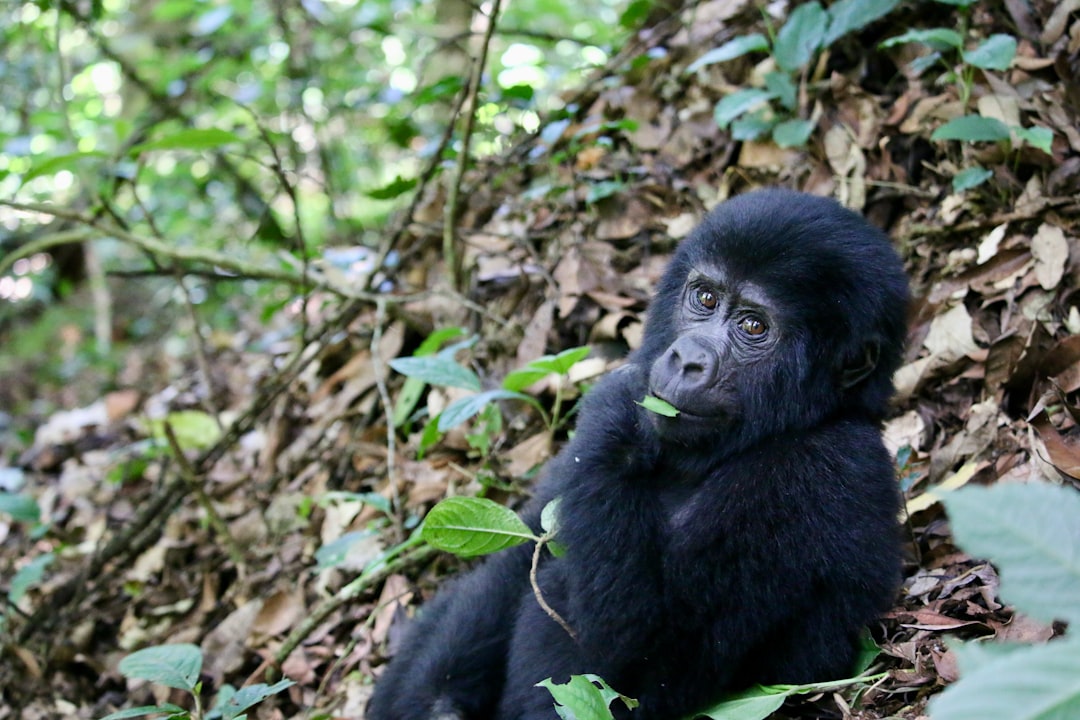
The mountain gorilla’s recovery stands as perhaps the most remarkable conservation success story of our time. These efforts have contributed to an increase in the mountain gorilla population from about 600 individuals less than three decades ago to 1,063 individuals according to the 2019 Bwindi – Sarambwe mountain gorilla census. What makes this even more extraordinary is that these gentle giants were facing extinction in one of the world’s most volatile regions.
Indeed, following this increase, their threat status was downgraded from ‘Critically Endangered’ to ‘Endangered’ in the IUCN Red List of Threatened Species in 2018. The success didn’t happen by accident. It took decades of anti-poaching patrols, community engagement, and sustainable tourism programs. The last gorilla poaching incident in Rwanda occurred in 2002, marking a significant milestone in conservation success.
Bald Eagle – America’s Symbol Soars Again
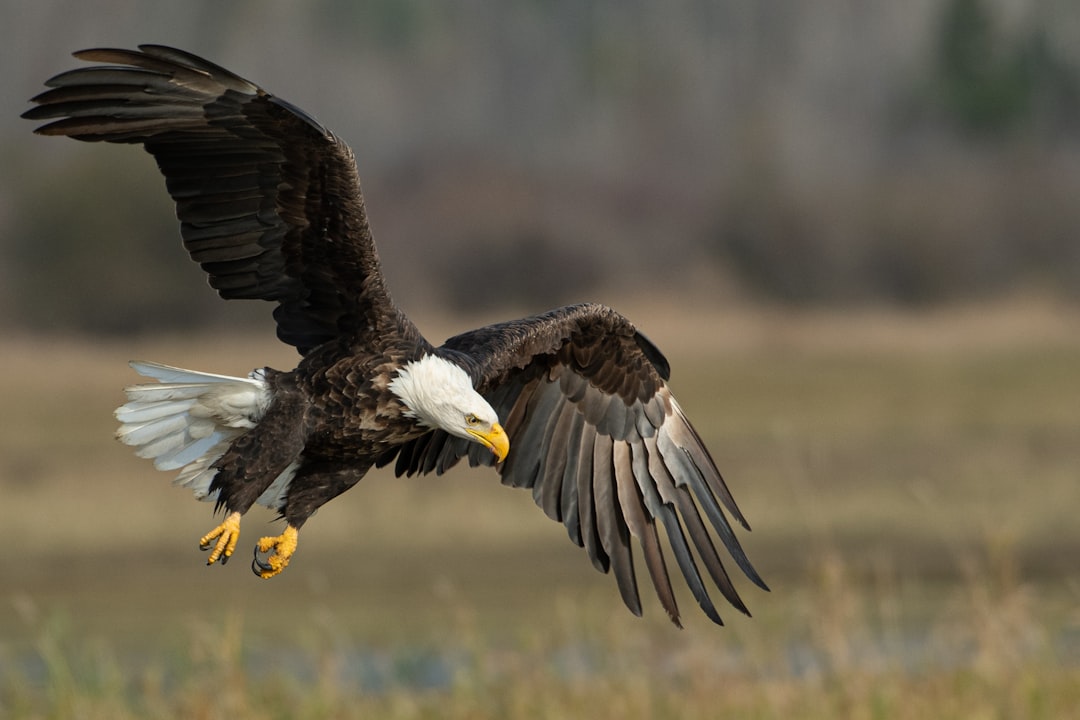
In 2024, the IUCN reclassified the bald eagle as least concern with an estimated global population of 250,000-300,000 mature individuals – a remarkable turnaround for this iconic species. This represents one of the most dramatic wildlife recoveries in American history. The transformation from near extinction to stability happened through a combination of protective legislation and the nationwide ban on DDT.
Thanks to the protections afforded by the Endangered Species Act, bald eagle numbers have rebounded to more than 14,000 breeding pairs of bald eagles today. The recovery shows how quickly nature can bounce back when given proper protection and the right conditions to thrive.
Iberian Lynx – Europe’s Wild Cat Triumph
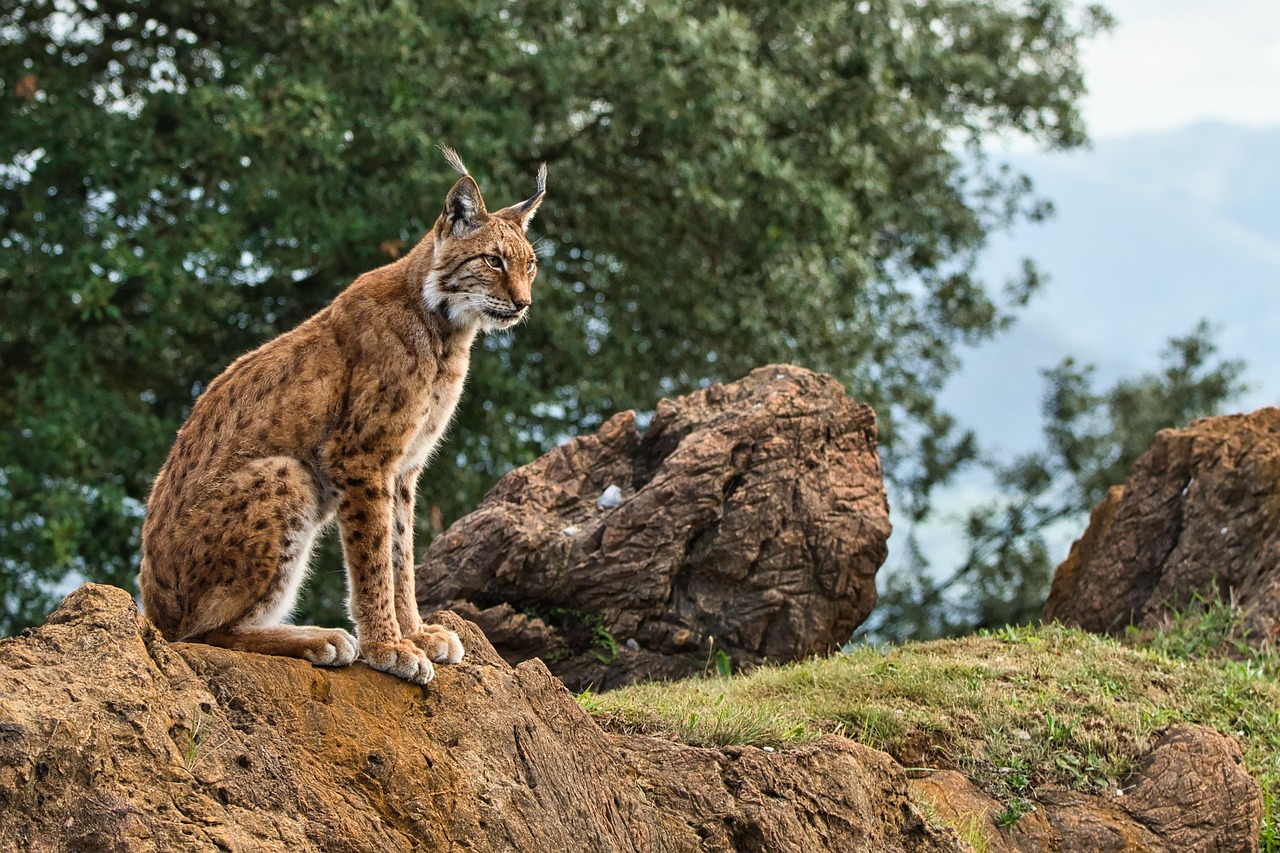
It’s being hailed as the “greatest recovery of a cat species ever achieved” – meet the Iberian Lynx, a tufted-eared carnivore native to Spain and Portugal, and one of the newest faces of historic wildlife recovery. In 2024, the Iberian lynx was declared no longer endangered by the IUCN following an incredible 20 years of international conservation collaboration.
They were most recently assessed in 2024 as vulnerable, with an increasing population of over 600 mature individuals. There are now thought to be 13 clusters in Spain and one cluster in Portugal. The lynx recovery demonstrates how targeted conservation efforts across national borders can achieve seemingly impossible results when countries work together with shared commitment.
Humpback Whale – Ocean Giants Return
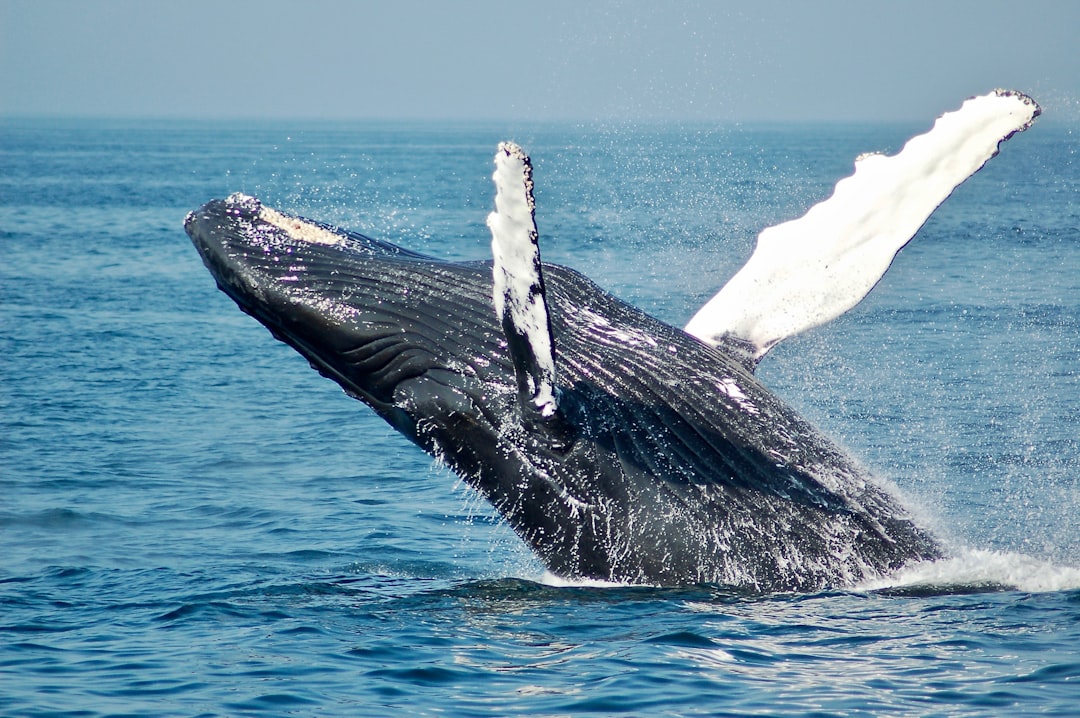
The humpback whale’s story showcases marine conservation at its best. Historically, the primary threat faced by these marine mammals was hunting, with commercial whaling playing a substantial role in their decline. The outlawing of commercial whaling has allowed populations to recover. Today’s numbers tell an incredible story of ocean recovery.
The IUCN now classifies the humpback whale as the least concern, with an estimated population of 84,000 mature individuals. The success proves that when we address the root causes of species decline, even ocean-dwelling giants can make s that span entire ocean basins.
Black-footed Ferret – Prairie Comeback
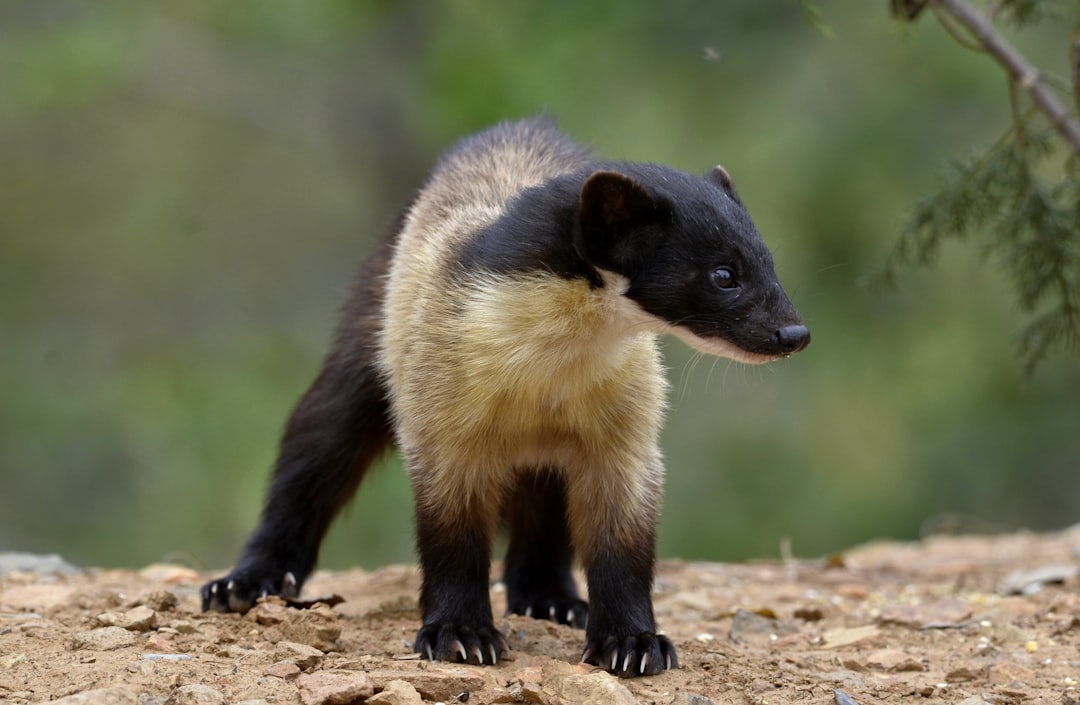
Black-footed ferrets have come back from near extinction thanks to breeding, cloning and reintroduction programs that have brought them back to the western prairie. These small carnivores represent one of North America’s most dramatic conservation success stories, involving cutting-edge science including cloning technology.
In November, the teams working to help improve black-footed ferret genetic diversity through cloning announced that the clone Antonia gave birth to two healthy kits – a big step forward as researchers explore innovated ways to rebuild populations of endangered and extinct species. This marks the first time in history an endangered species from the United States gave birth to healthy offspring. Antonia’s kits, born as part of a collective black-footed ferret recovery program, could deliver a much-needed boost to the genetic diversity of this endangered population.
California Condor – North America’s Giant Bird
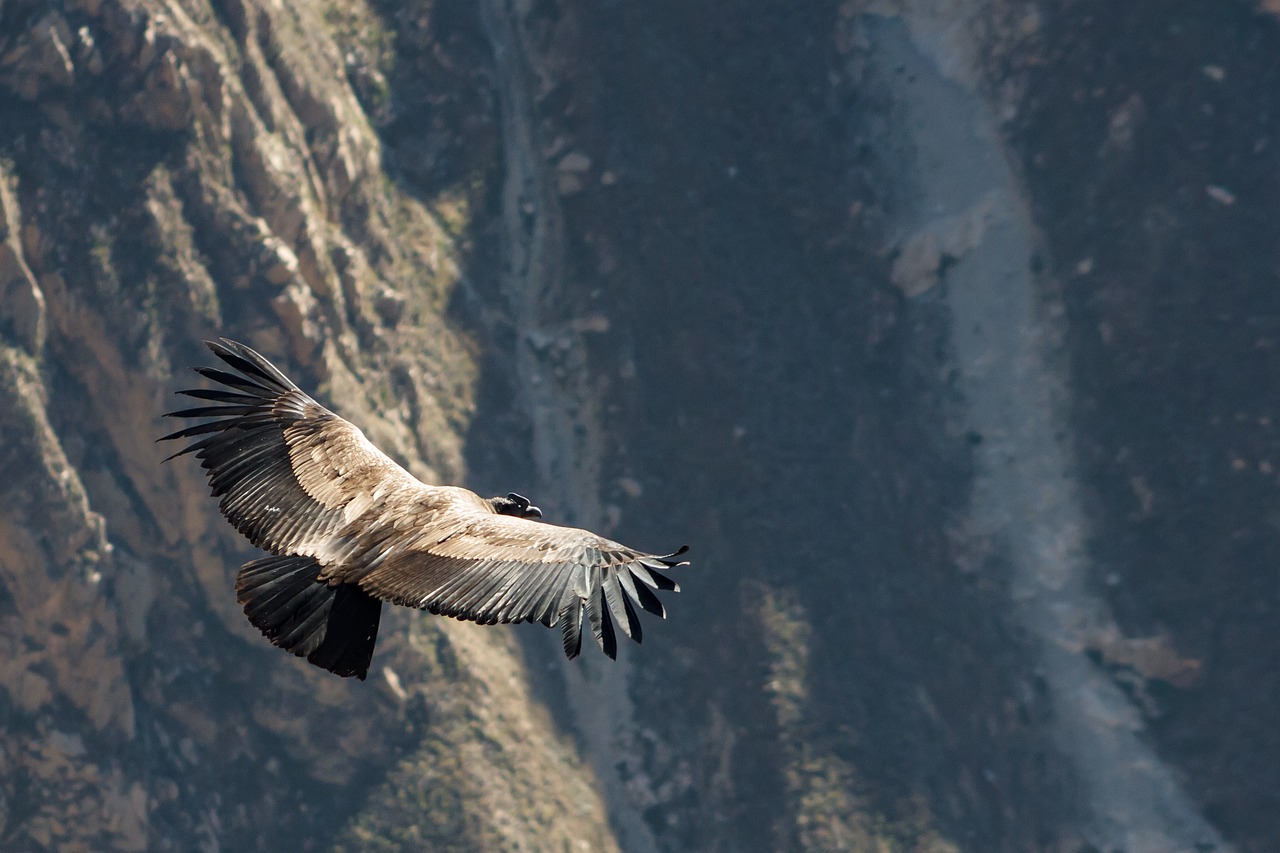
The California condor, North America’s largest bird, faced imminent extinction in the 1980s, with only 27 individuals left in the wild. Thanks to intensive captive breeding programs and habitat conservation, the condor population has rebounded to over 500 individuals today. This represents one of the most intensive species recovery efforts ever undertaken.
The condor program required capturing every remaining wild bird and implementing the most comprehensive captive breeding program in conservation history. In the early 1980s, there were only 22 California condors left. Now, more than 200 are once again flying in their native habitat. Each bird is individually monitored and protected, showing how intensive management can save species from the absolute brink.
Przewalski’s Horse – The Last True Wild Horse
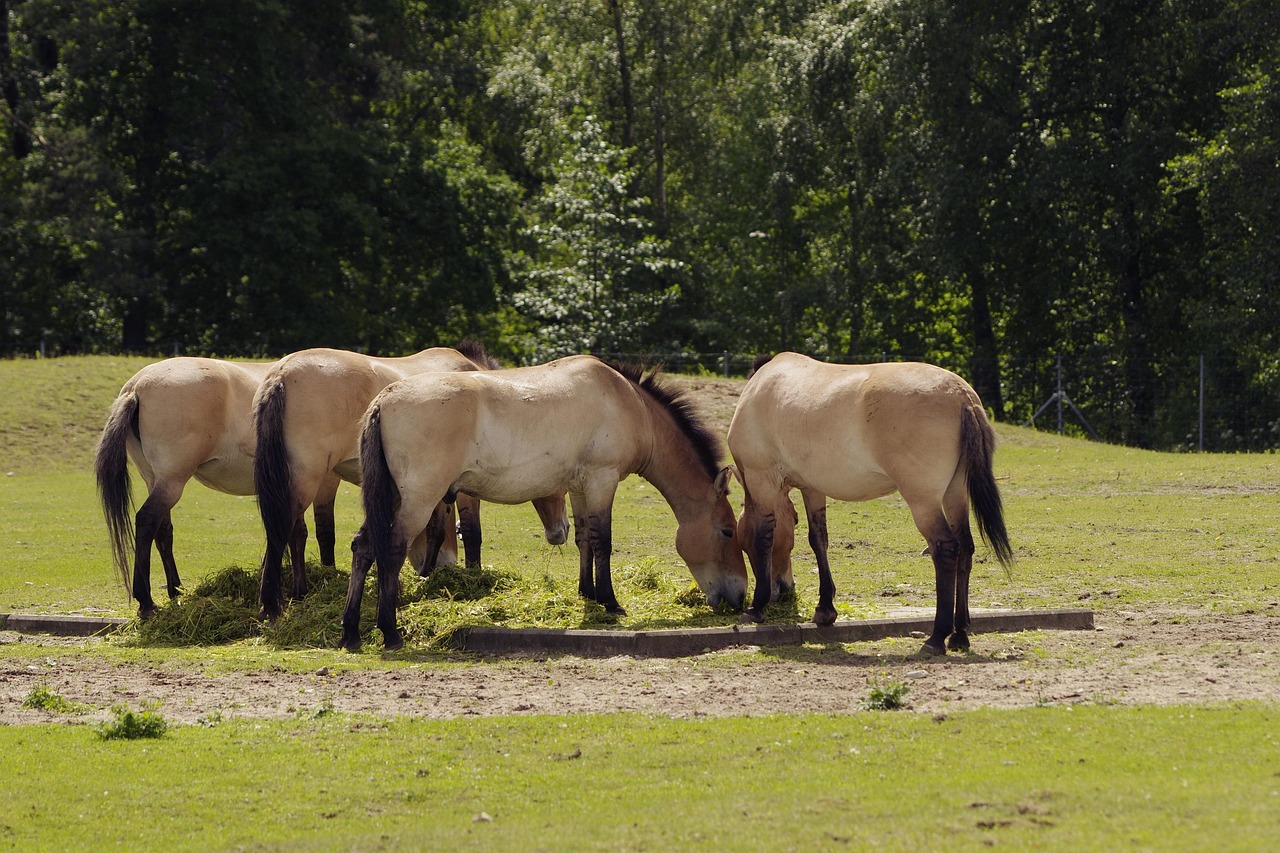
After being declared extinct in the wild in the 1960s, successful reintroduction efforts have restored populations in Mongolia, China, and Kazakhstan. Once extinct in the wild, this species now boasts a population of around 2,000, thanks to dedicated conservation efforts. These are the only truly wild horses left on Earth, never domesticated by humans.
A program to reintroduce the horses to Kazakhstan began in June 2024, when the first group of seven Przewalski’s horses arrived from European zoos. Today, thanks to these efforts, there are approximately 2,500 Przewalski’s horses worldwide, with about half living in the wild due to reintroduction programs in Mongolia, Kazakhstan, and China. The horses even have a unique genetic signature with 66 chromosomes compared to domestic horses’ 64.
Red-cockaded Woodpecker – Forest Recovery
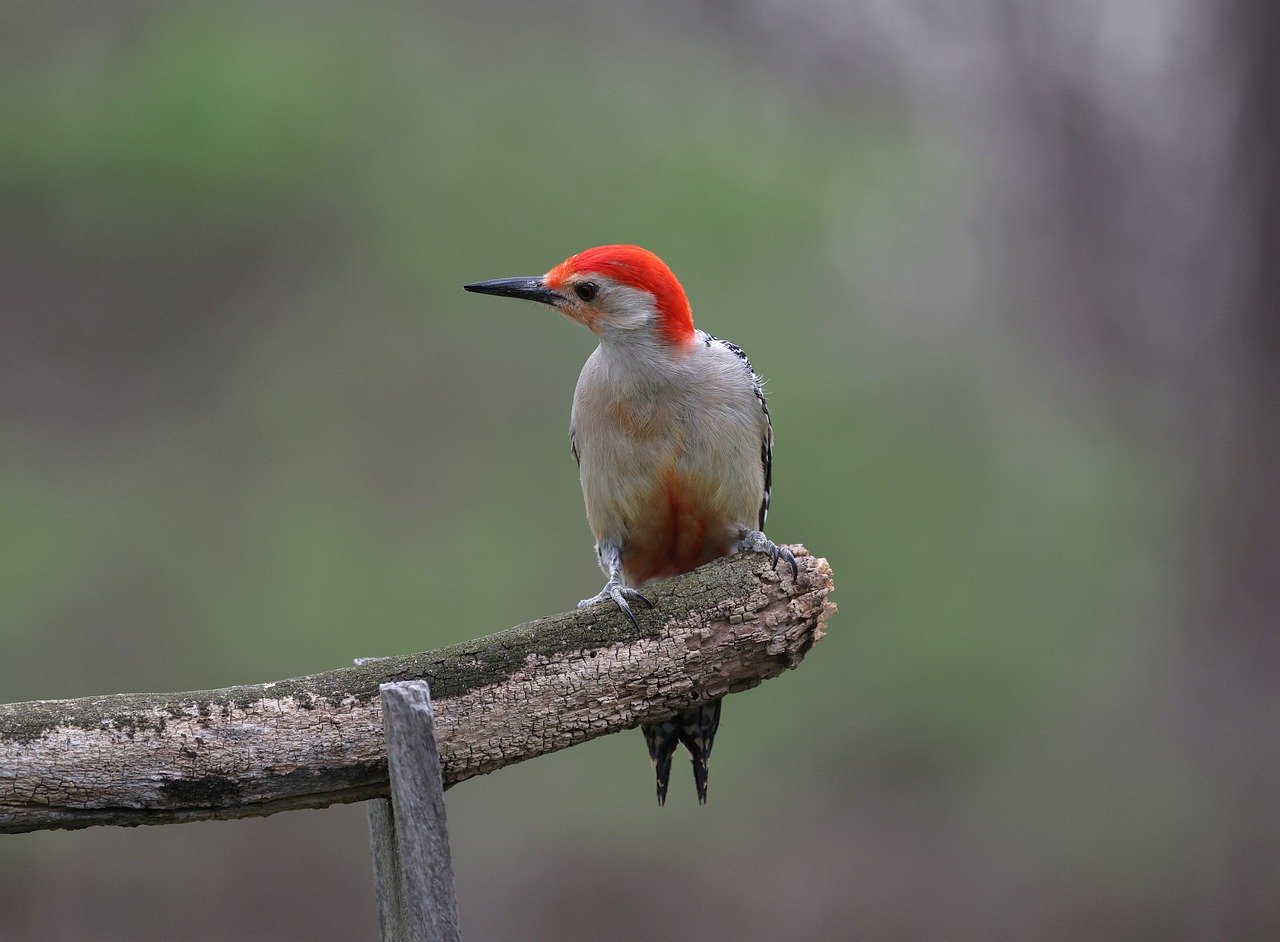
One of our favorite animal comeback stories has been the red-cockaded woodpecker, an iconic species native to southeastern U.S. pine forests. Just a few months ago, the bird passed a major recovery milestone. After dipping as low as 1,470 nest clusters in the 1970s, the RCW has rebounded to over 7,800 today – a recovery big enough to justify removing the bird from the U.S. endangered species list.
Thanks to the Act, restrictions were placed on habitat destruction and since 1995, more than 2.5 million acres of private lands have been enrolled in conservation programs, leading the woodpecker toward recovery. The recovery demonstrates how habitat protection and private landowner cooperation can restore entire forest ecosystems.
Arabian Oryx – Desert Antelope Resurrection
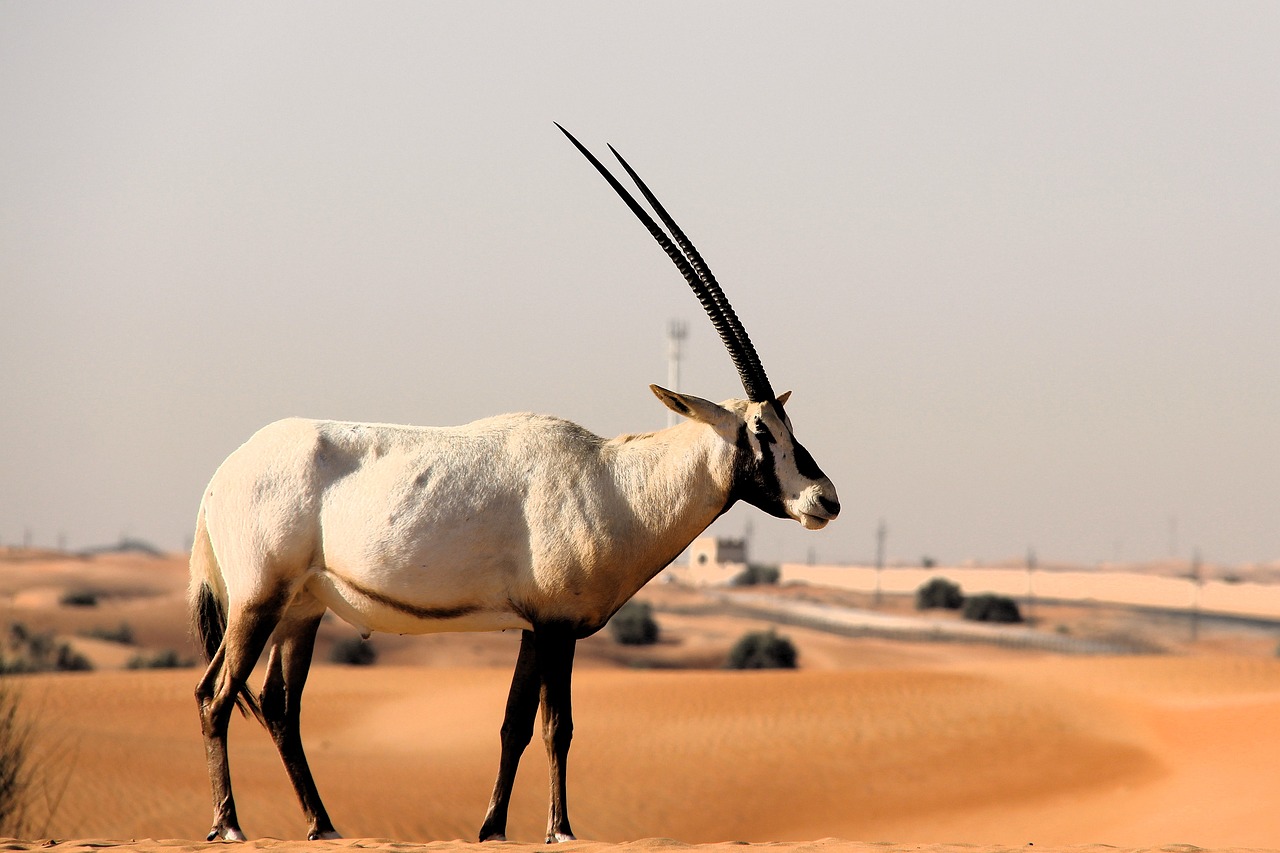
By the early 1970s, the Arabian oryx was hunted to extinction in the wild. There are now over 1,000 living in the wild. This desert antelope’s return from complete extinction represents one of conservation’s most complete victories.
As the breeding program expanded, in the early 1980s Arabian oryx were reintroduced into the deserts of central Oman. There are now over 1,000 living in the wild, with the species reintroduced to Saudi Arabia, Jordan and the United Arab Emirates. The oryx has been downgraded from endangered to vulnerable, the result of a conservation effort that involved multiple governments, zoos and conservation organizations. The Arabian oryx became the first species ever to recover from extinct in the wild status.
American Bison – Great Plains Icon
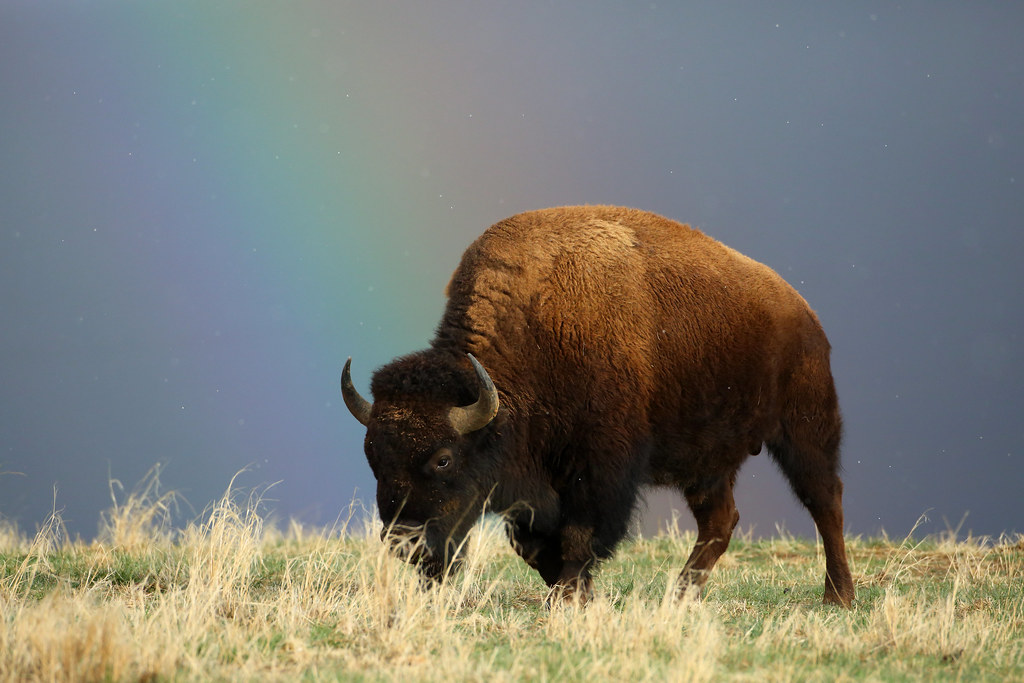
Once teetering on the brink of extinction in the late 19th century due to overhunting and habitat loss, the American bison has made a remarkable recovery. Conservation efforts, including the establishment of protected areas and sustainable management practices, have contributed to a substantial increase in bison populations. In 2024, these iconic creatures are reclaiming their role as stewards of the grasslands and symbolize a successful conservation story that spans decades.
From fewer than 1,000 individuals in the late 1800s, bison herds now roam across protected grasslands throughout North America. The recovery required changing how we think about wildlife management and recognizing the bison’s crucial role in maintaining healthy prairie ecosystems.
Conclusion
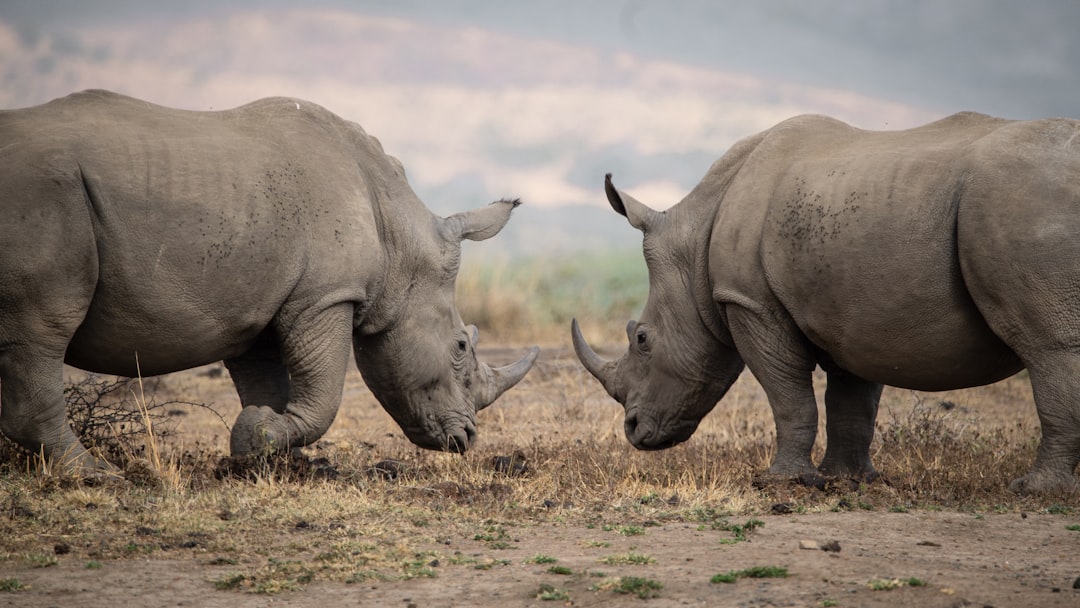
These remarkable recoveries remind us that conservation works when we commit to it fully. Each species tells a different story about persistence, innovation, and the power of communities working together. Some recoveries happened through cutting-edge science like cloning, others through simple habitat protection. What they all share is proof that extinction doesn’t have to be permanent.
The challenge now is applying these lessons to the thousands of other species still hanging in the balance. These success stories aren’t just about individual animals, they’re blueprints for how we can reshape our relationship with the natural world. Did you expect these recoveries to be so dramatic? What do you think about these conservation victories? Tell us in the comments.

- 12 Common Myths About Cats Debunked by Animal Experts - August 11, 2026
- The 15 Most Beautiful Cities in Europe - August 11, 2026
- 10 Fascinating Facts About The Secretary Bird You Never Knew - August 11, 2026