
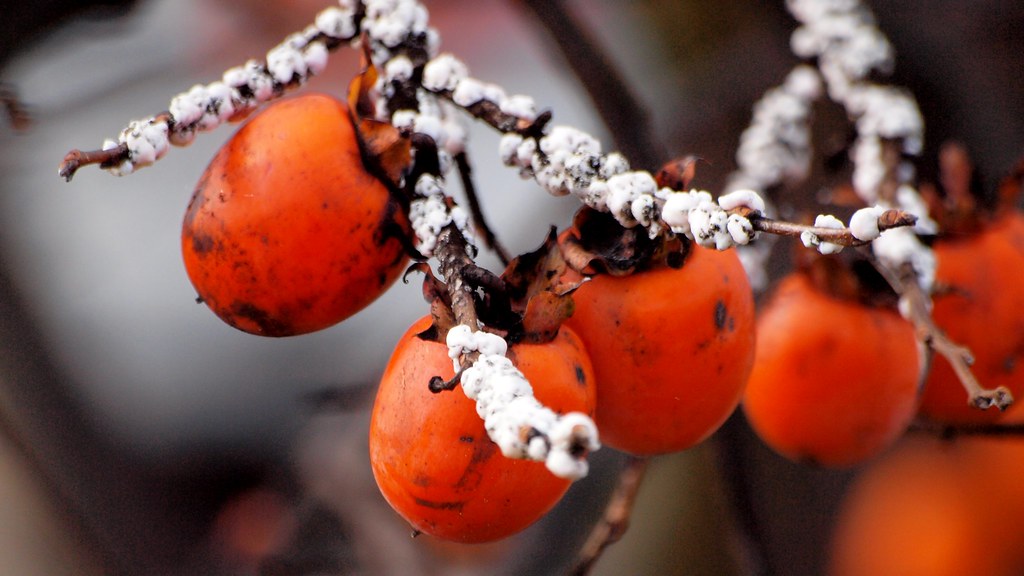
Winter might seem like a quiet time in the garden, yet beneath the surface and within the shelter of plants, a host of unwelcome visitors are plotting their next move. These persistent creatures don’t take a seasonal break, and neither should your vigilance against them.
Some pests continue to do their dirty work while no one is watching. Understanding which pests remain active during the colder months and implementing targeted prevention strategies now can save you from major damage and infestations come spring. Let’s explore the most troublesome winter garden pests and discover effective ways to protect your outdoor sanctuary.
#1. Aphids – The Silent Sap Suckers
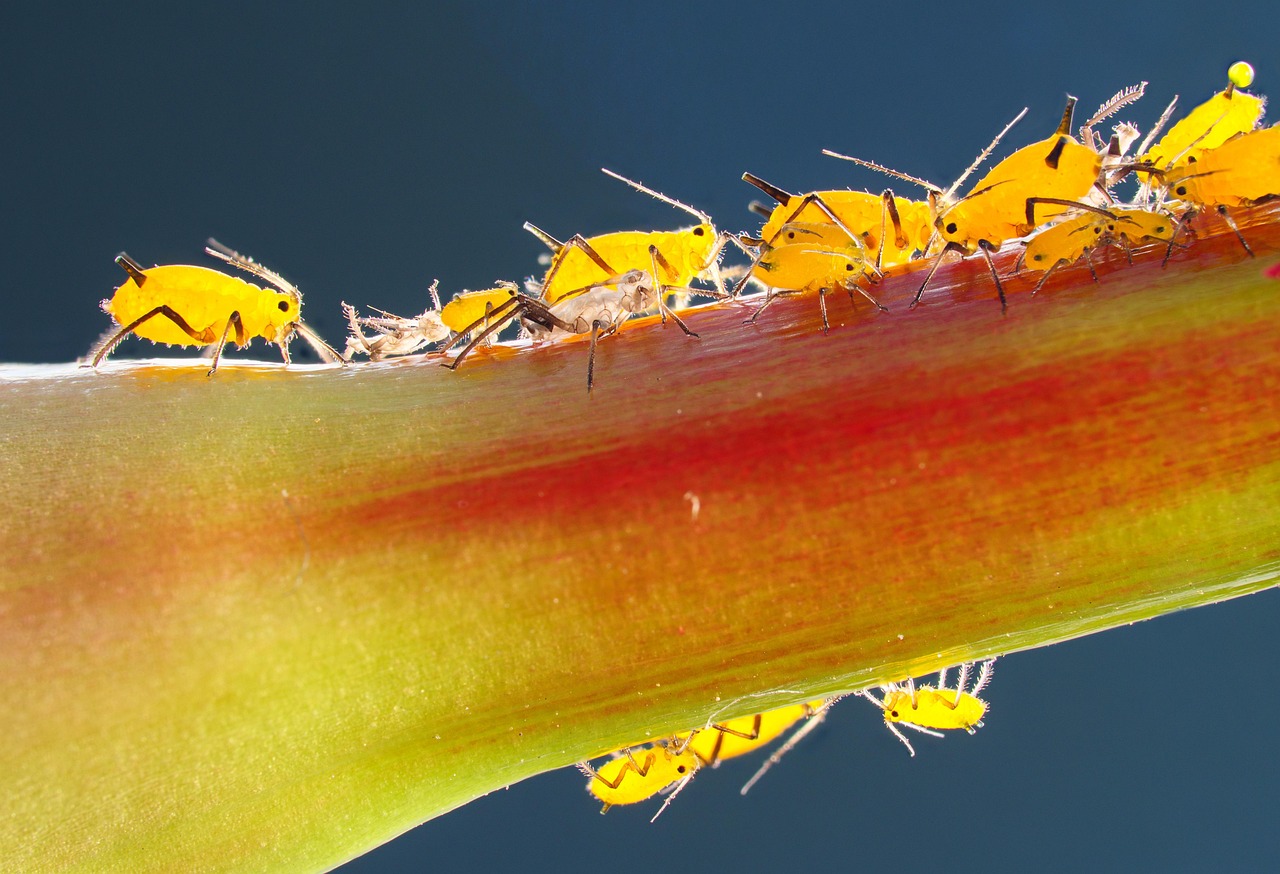
Aphids can cause significant damage to a range of plants, sucking on foliage and leaving plants with discolored, curling leaves, as well as stunted growth. These tiny insects are surprisingly resilient during winter months, particularly in milder climates where they remain active rather than going dormant.
The eggs that are laid in fall remain dormant through the winter, giving the aphids a head start when the spring temperatures increase. This means that even when adult aphids aren’t visible, their offspring are quietly waiting for warmer weather to emerge in force. The key to controlling aphids lies in early intervention and disrupting their life cycle before spring arrives.
A strong blast of water from your garden hose can effectively knock aphids off plants during warmer winter days. By properly pruning, mulching, and using organic methods like dormant oils, you can protect your garden from pests and diseases. Regular inspection of plant leaves, particularly the undersides, helps catch infestations before they become overwhelming.
#2. Scale Insects – The Armored Plant Destroyers
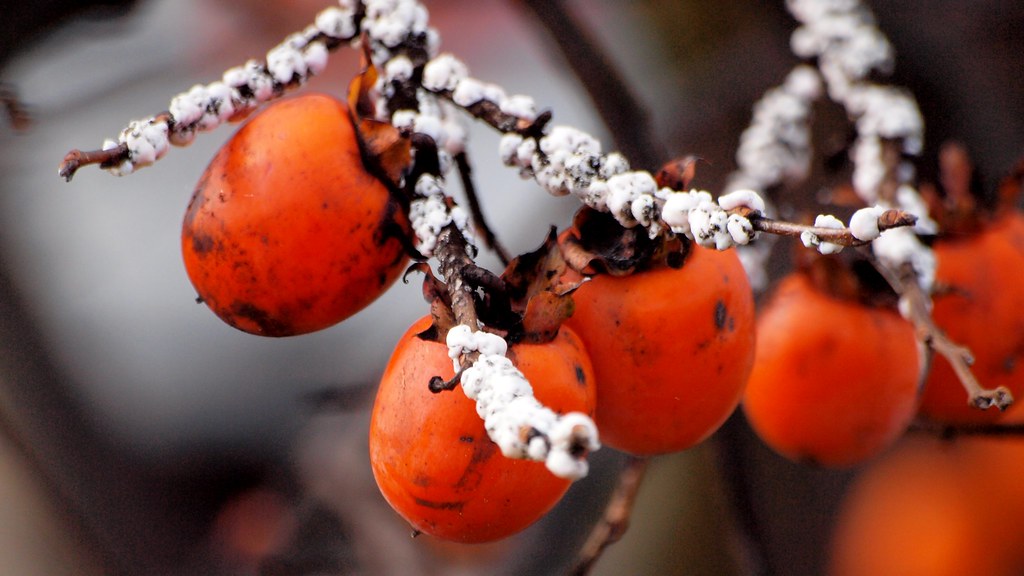
There are roughly 8,000 species of scale insects, some with armored bodies and others that are soft. All suck the moisture and nutrients from plant leaves and stems. These persistent pests are particularly troublesome because they often look like small bumps rather than living insects, making them easy to overlook during casual garden inspections.
Hard-bodied scales overwinter as eggs, while soft-body scales cover themselves with protective waxy secretions. Typically, immature, fertilized female soft-body scales are dormant in winter, ready to lay their eggs in spring. This dormant state makes them vulnerable to targeted winter treatments, providing gardeners with an excellent opportunity for control.
Dormant oil applications during winter can effectively smother overwintering scale insects before they become active. Use a dormant oil, or winter wash, on your trees. These treatments work best when applied during warmer winter days when temperatures are above freezing but before buds begin to swell in early spring.
#3. Vine Weevil Grubs – The Underground Root Munchers
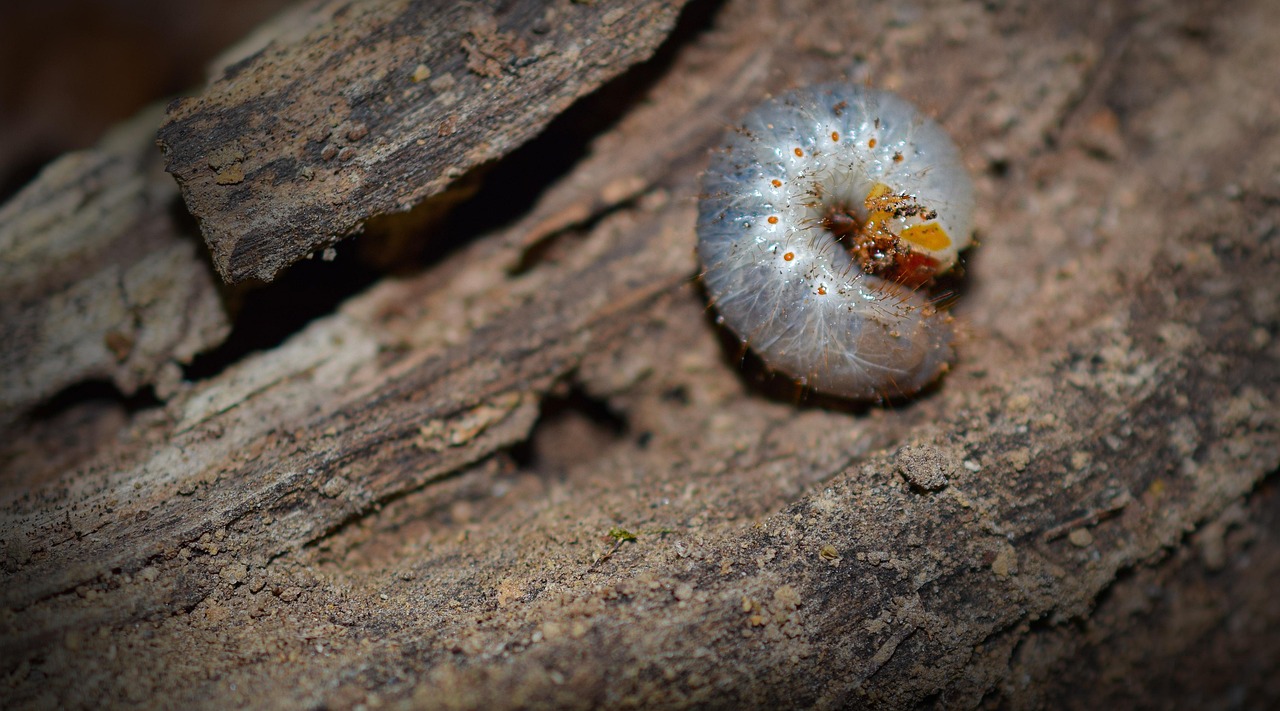
While adult vine weevils tend to only be active during spring and summer, their larave – vine weevil grubs – can survive winter conditions. Vine weevil grubs are small, white, worm-like larvae that live beneath ground level where they feed on plant roots. These hidden destroyers are particularly devastating because their damage often goes unnoticed until plants begin wilting or dying.
The resulting damage is discolored foliage and wilting, sometimes even killing off plants. Allan Bossel, pest control expert at BBE Bed Bug Exterminator, points out they most often target potted plants where root systems are more compact, making it easier for vine weevil grubs to take over the plant. Container plants are especially vulnerable during winter when they’re moved to protected locations.
Prevention involves checking potted plants regularly for signs of grub damage and replacing soil in containers that show signs of infestation. My advice is that turning over the soil by whatever means available is a valuable way to disrupt the life cycles of insects that pupate or overwinter in the soil as adults. Grubs and cabbage loopers are two garden pests that can be reduced by turning the soil. This disruption exposes grubs to cold temperatures and predators, significantly reducing their survival rates.
#4. Voles and Moles – The Tunneling Territory Invaders
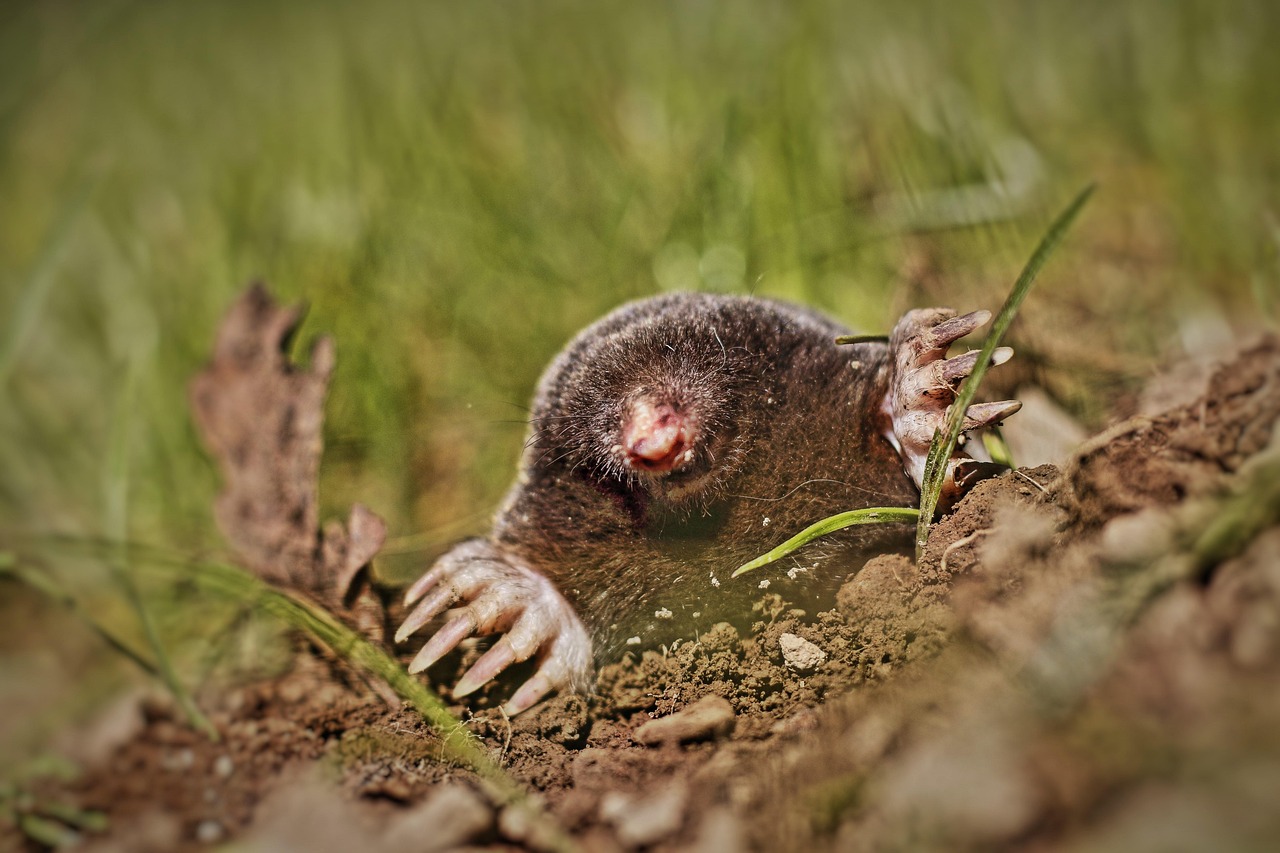
Voles are herbivores that strip bark from roots and trunks of plants, sometimes causing severe damage or death to the plant. Moles feast on grubs, worms, and insects, but cause extensive collateral damage by dislodging vegetation. These small mammals remain incredibly active throughout winter, creating extensive tunnel networks that can devastate garden beds and lawns.
The real problem is the vegetation they dislodge while tunneling in search for food; since their daily food intake equals 60 to 100% of their body weight, they sometimes dig up to 150 feet of new tunnels each day. This constant activity means that even a small population can cause significant damage to your garden’s root systems and overall structure.
Physical barriers provide the most effective protection against these persistent diggers. To protect young trees from vole, rabbit, and rodent damage, wrap the trunks with homemade or commercially available trunk wraps about the time the leaves change color in fall. Protection should extend from ground level up to the first branch. Installing hardware cloth around vulnerable plants and maintaining a clean garden free of debris also reduces their appeal to these animals.
#5. Winter Wildlife Browsers – The Opportunistic Plant Eaters
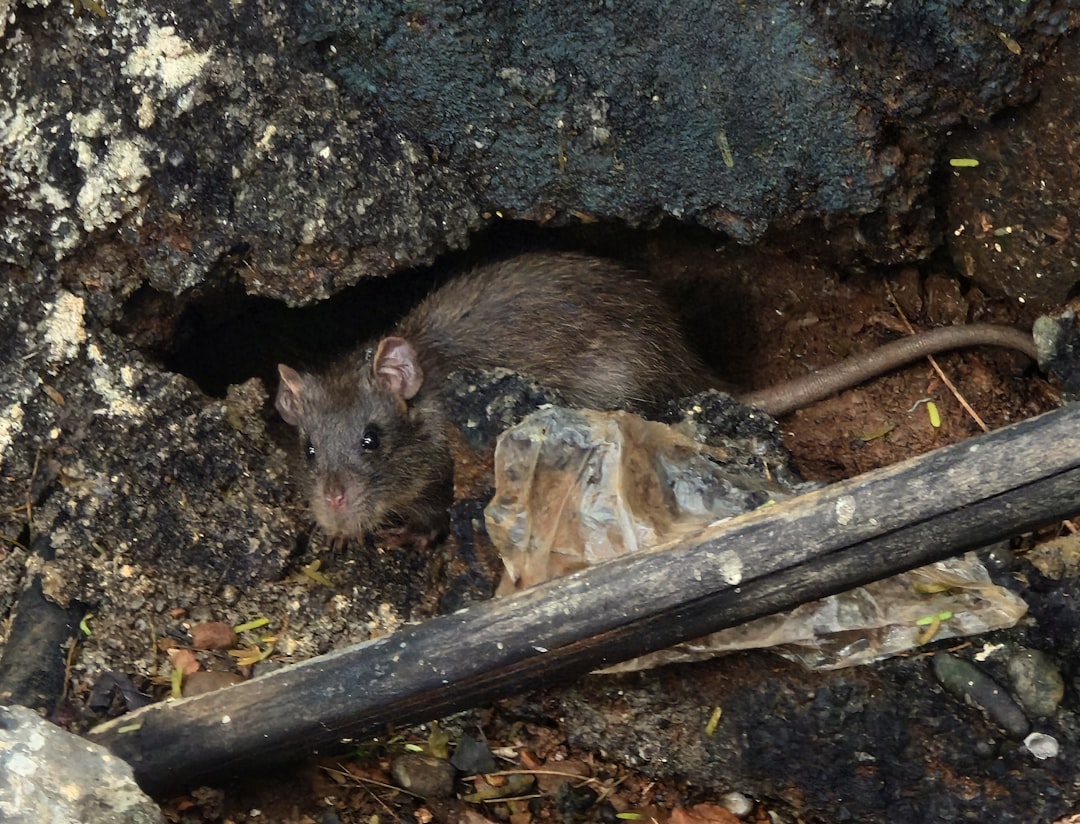
When natural foods are otherwise scarce, all kinds of wildlife are attracted to residential landscapes. Rodents, rabbits, and deer browse tender woody stems and bark, exposing trees and shrubs to possible disease or insect infestations. Winter brings desperate animals seeking any available food source, making your carefully tended plants prime targets.
Mice and rabbits may strip the bark off the trunks of small trees, exposing them to pests and diseases, while deer will feed on the foliage of the lower branches of evergreens. This damage isn’t just cosmetic; it can create entry points for diseases and weaken plants significantly, making them more vulnerable to other stressors throughout the growing season.
For deer, fencing the garden is the most effective alternative, but may be cost prohibitive. You can minimize deer browse on individual trees by wrapping the crown with chicken wire to a height of eight to ten feet. Additionally, removing fallen fruits, securing garbage cans, and eliminating other food sources around your property reduces the attraction for hungry winter wildlife.
Conclusion
Winter garden pest management requires a proactive approach rather than a reactive one. Protecting your organic garden during the winter involves understanding the specific challenges of your region and implementing sustainable, eco-friendly methods to prevent and control pests and diseases. By focusing on companion planting, encouraging natural predators, caring for dormant plants, and maintaining regular garden checks, you can keep your garden healthy and thriving through the colder months.
The effort you invest now in identifying and controlling these five major winter garden pests will pay dividends when spring arrives. Your plants will emerge healthier, your garden will require fewer intensive treatments, and you’ll have successfully broken the reproductive cycles of many troublesome species. What strategies will you implement first to protect your winter garden sanctuary?

- Animal Science Says Wolves Avoid Unnecessary Fights Because Cooperation Matters More Than Dominance - August 13, 2026
- Animal Science Says Prairie Dogs Use Alarm Calls That Describe Different Predators With Surprising Detail - August 13, 2026
- 10 Personality Traits People Share With Wolves - August 13, 2026