
When the forecast warns of dropping temperatures, every gardener feels that familiar pang of worry. Will tonight’s frost claim your treasured plants? The good news is you don’t need expensive chemicals or synthetic products to shield your garden from Jack Frost’s icy touch.
Natural frost protection methods have been used by gardeners for generations, proving both effective and environmentally friendly. These time-tested techniques offer real protection while keeping harmful substances out of your soil and away from your family. Let’s explore six proven alternatives that will keep your plants safe without compromising your commitment to natural gardening.
1. Floating Row Covers Made from Breathable Fabric
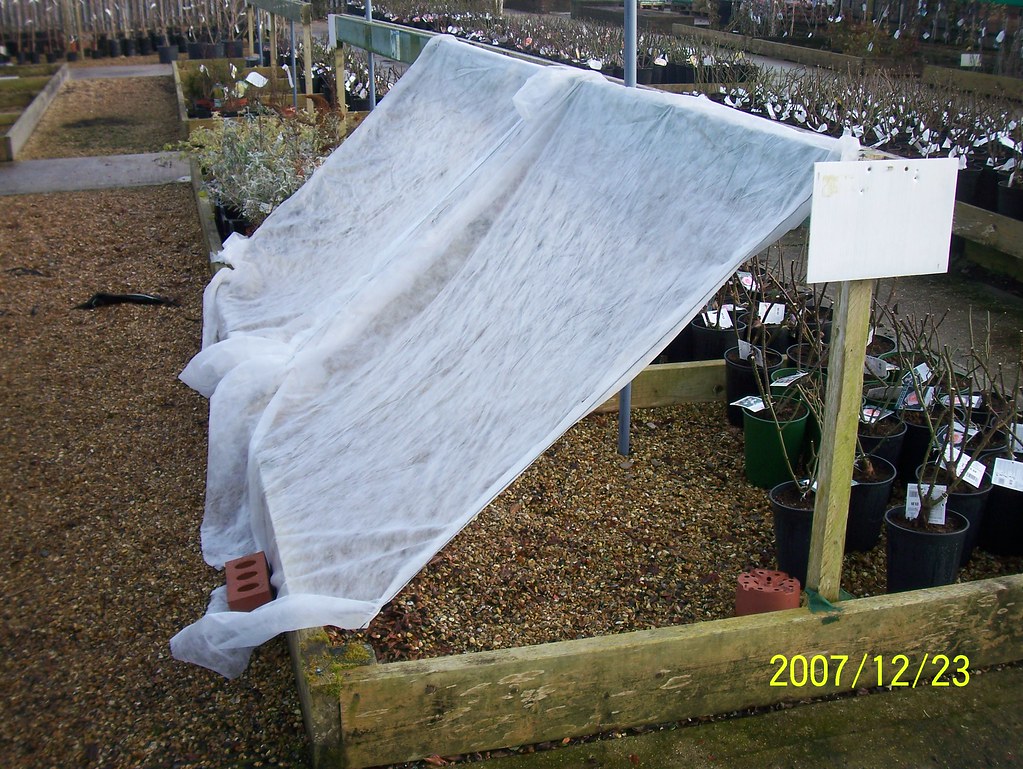
Floating row covers provide excellent frost protection while allowing light transmission for plant growth. These lightweight fabrics can protect crops down to 28°F, creating a 2-4°F temperature buffer around plants. Made from spun-bonded polypropylene or similar breathable materials, these covers work by trapping warm air close to the ground while still allowing moisture and oxygen to pass through.
When used without hoops, frost blankets are commonly referred to as floating row covers. This is because their light weight allows them to essentially “float” above your plants, only resting on the tips of the leaves. This gentle contact means delicate seedlings won’t be crushed under the weight, making floating covers perfect for protecting young vegetables and tender herbs.
2. Organic Mulch for Root Zone Insulation
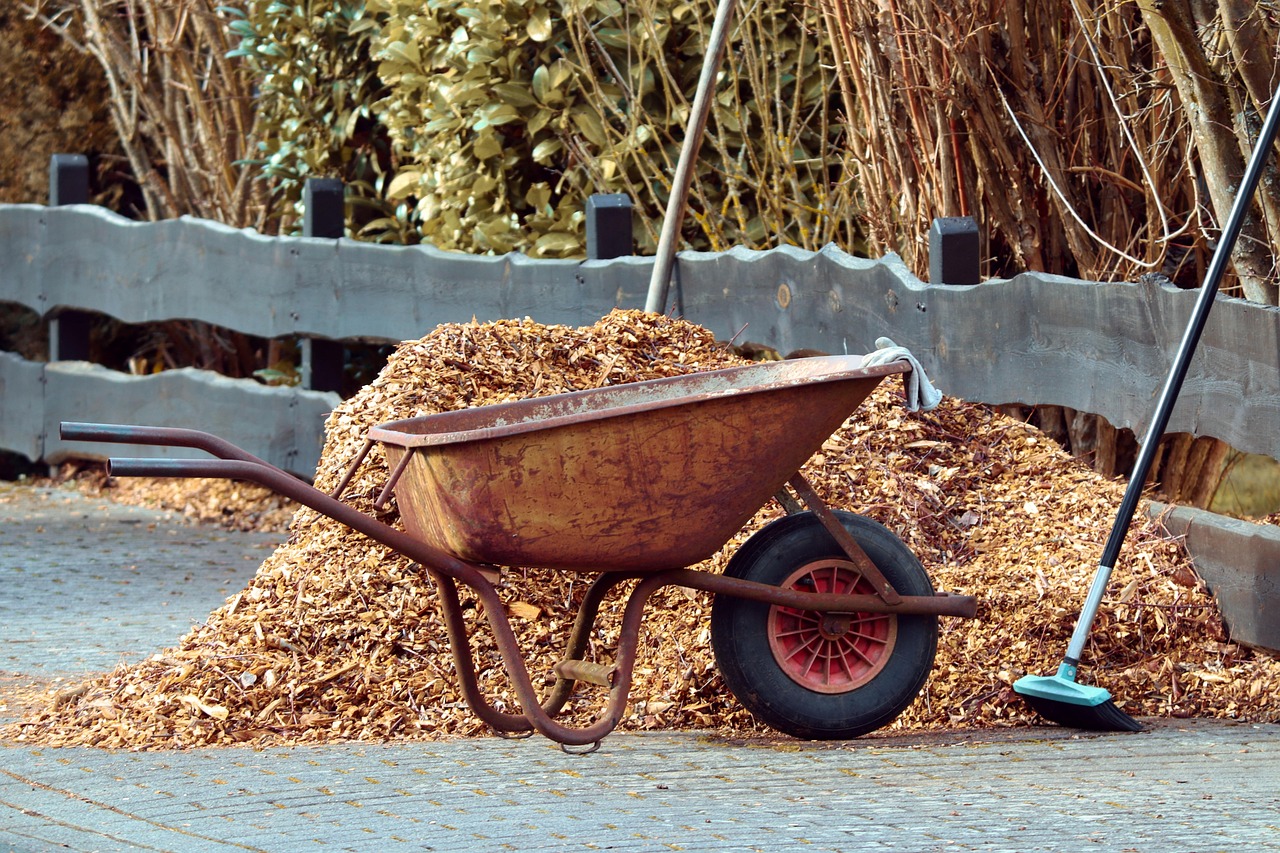
Apply mulch 2-4 inches thick around plants for effective frost protection. For perennials and root vegetables, you can increase this to 4-6 inches during severe cold snaps. Natural mulches like shredded leaves, straw, pine needles, and bark chips create an insulating layer that moderates soil temperature and protects plant roots from freezing.
Spread an even layer of natural mulch, such as shredded bark, all across the soil surface, and avoid piling it up around the base of your plants. This prevents moisture buildup against stems that could lead to rot. The key is creating a thermal barrier that holds ground heat while allowing air circulation around the plant base.
3. Burlap Wraps for Trees and Shrubs

Burlap can be used in multiple ways in the yard. It can be used to insulate containers and pots, as well as cover plants to protect them from frost. Made from natural jute fibers, it’s breathable and non-toxic. This traditional material has protected gardens for decades and remains one of the most reliable options for wrapping larger plants.
You can use any kind of cloth strips or burlap, but old Ace bandages work particularly well because they are easy to wrap and insulated enough to provide quality protection. Wrap trees when nighttime temperatures reach below 36 degrees Fahrenheit. Burlap creates a protective cocoon that shields bark from temperature extremes while maintaining proper air circulation to prevent fungal issues.
4. Cold Frames Using Recycled Materials
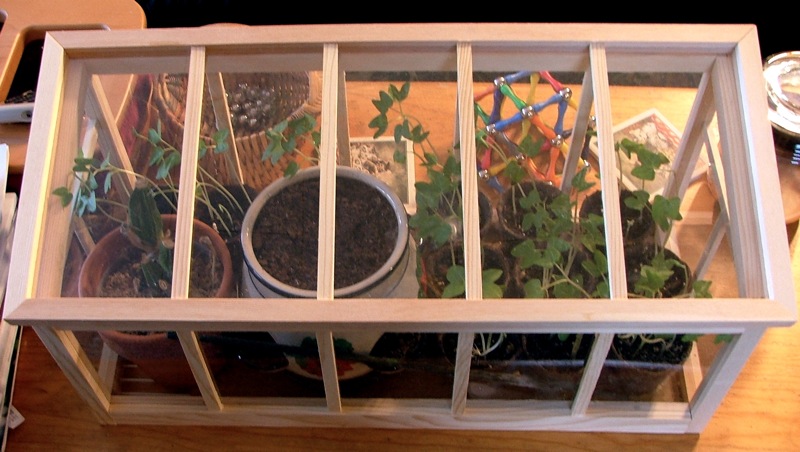
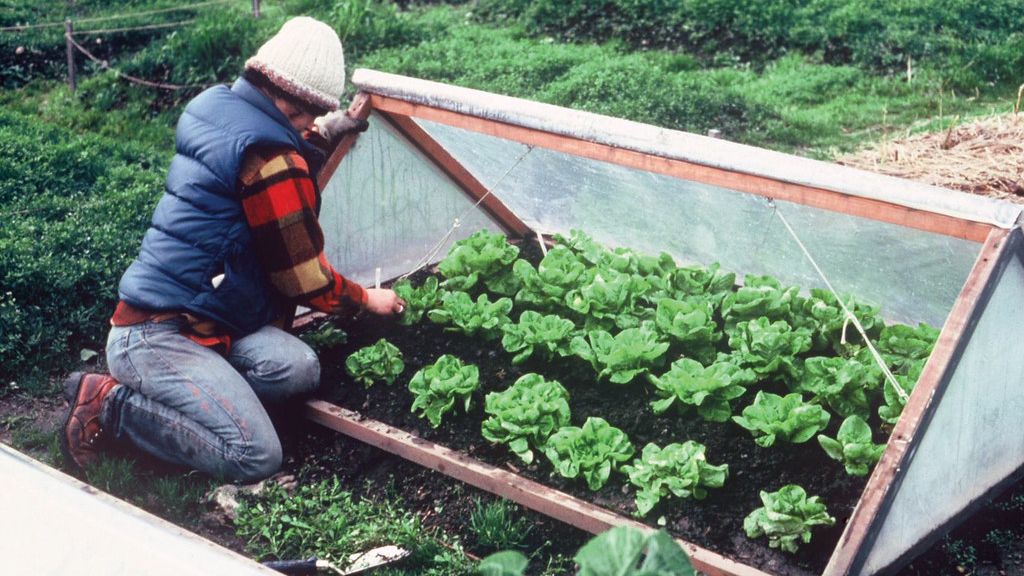
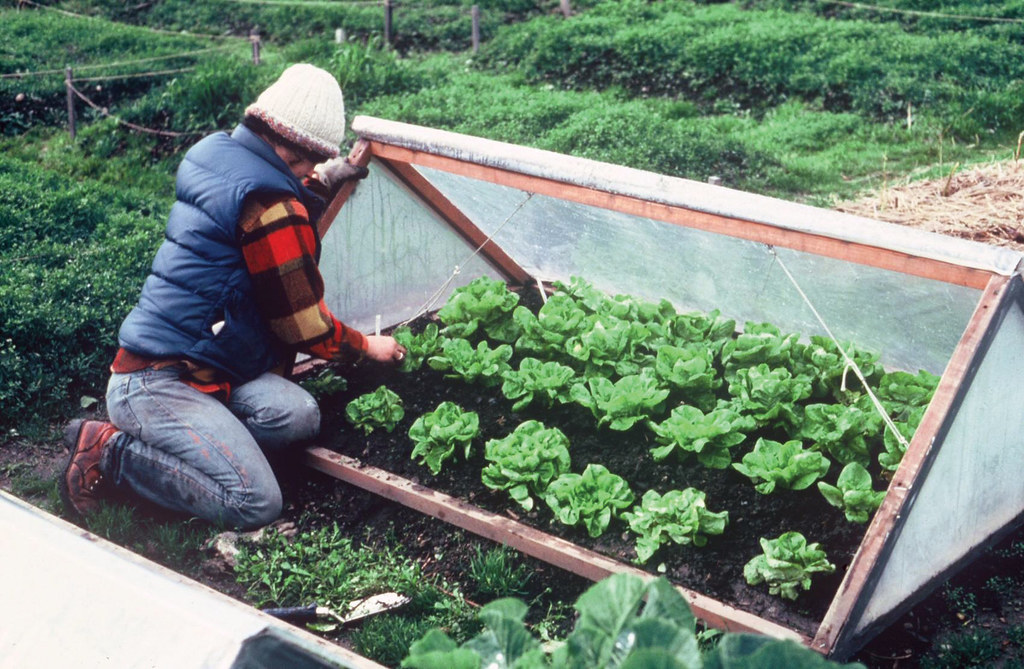
A cold frame is a great plastic frost cover alternative, offering a sturdy, warm spot for plants to overwinter. It has a transparent roof to let light in, while keep plants warm and preventing them from being knocked over in the wind. These mini-greenhouse structures can be built from salvaged windows, clear plastic bottles, or other transparent materials you might otherwise throw away.
A cold frame is essentially a miniature greenhouse that completely covers the plants at night inside a wooden frame with glass or plastic “windows.” The most important thing to remember is that your plants still need air and sunlight during the day, so the windows need to open. This method provides excellent protection for seedlings and small plants while giving you complete control over their environment.
5. Water-Filled Containers as Heat Sinks
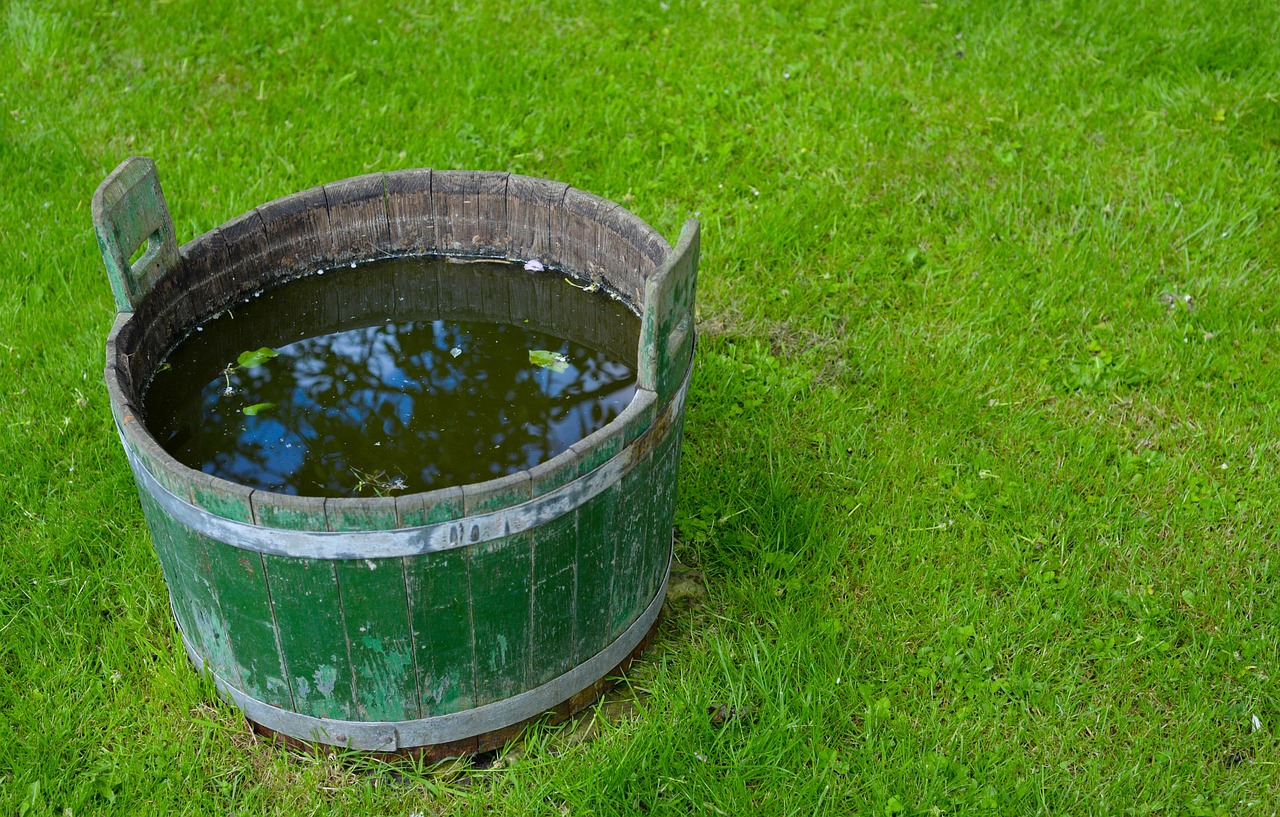
Hydrating your plants helps protect them from frost because moisture in the soil holds heat better, preventing the roots from getting damaged, and it also helps with heat transfer at night. This is also true with water above the ground, which can absorb heat during the day and release it into the soil at night. This thermal mass effect works wonderfully when you strategically place water containers around vulnerable plants.
A simple trick to make this heat transfer work for you is to paint milk jugs (or other recycled containers) black, fill them with water, and place them near your plants. The dark color absorbs more heat during sunny days, storing that energy to release slowly throughout the cold night hours. This method works particularly well in cold frames or around container gardens.
6. Repurposed Household Items as Mini Cloches
Don’t throw out old milk jugs, and reuse them in the garden as makeshift cloches. A gallon milk jug may be used as a cloche replacement, much as you would a plastic soda bottle. (Of course, other gallon-sized beverage jugs may also be used, whether they held chocolate milk, lemonade, or punch.) These individual plant protectors create perfect microclimates for single plants or small clusters of seedlings.
In fact, the humble jar has long been used by gardeners as a budget-friendly alternative to expensive cloches. As a bonus, you don’t need to cut off any bottom sections in order to use them. Instead, just invert them over any plants needing frost protection. Mason jars, large yogurt containers, and even clear plastic cups can shield individual plants while allowing sunlight to reach them during the day.
Conclusion
Protecting doesn’t require expensive synthetic products or harmful chemicals. These six natural alternatives prove that effective plant protection can be both environmentally responsible and budget-friendly. From floating row covers to repurposed household items, each method offers reliable frost protection while maintaining the health of your soil and plants.
The beauty of these non-toxic approaches lies in their simplicity and availability. Most gardeners already have many of these materials on hand, making frost protection an immediate possibility rather than a shopping trip away. By choosing natural methods, you’re not only saving your plants but also contributing to a healthier garden ecosystem for years to come.
What’s your favorite natural frost protection method? Have you discovered any creative alternatives using materials from around your home?

- 10 Amazing Facts About Finches That Make Birdwatchers Love Them - August 13, 2026
- 10 Signs Your Dog Might Be Happier Than You Think They Are - August 13, 2026
- 5 Steps to Build a Wildlife Pond for Your Garden - August 13, 2026